

When a mid-market industrial business is spun out of a parent organization, the incoming leadership team inherits a complex operational puzzle. Between untangling shared services, establishing standalone ERP environments, and managing LP pressure, artificial intelligence is rarely the first item discussed on Day 1. Yet, ignoring technology infrastructure during this transition creates severe margin leakage. Applying a structured AI audit checklist carve-out during the first 100 days AI strategy allows operating partners to identify hidden operational value, secure quick wins, and build a defensible baseline for EBITDA improvement.
Operating partners and portfolio CEOs face a ticking clock. The traditional value creation playbook assumes stable data and established workflows, but industrial carve-outs are characterized by fragmented systems, legacy data silos, and operational blindness. This guide outlines a practical 100-day framework to audit, prioritize, and execute an AI strategy that supports rapid exit readiness.
The Carve-Out AI Blind Spot: Why Day 1 Readiness Differs
A carve-out AI audit is a structured 100-day evaluation of a newly separated industrial company's data infrastructure, operational workflows, and technology stack to identify high-return artificial intelligence use cases and eliminate transition blind spots.
When a manufacturing plant or industrial division is separated from a larger enterprise, it frequently loses access to the parent company's centralized analytics, data warehouses, and software licenses. The newly standalone entity is often left with legacy systems, incomplete documentation, and patchy historical data.
Many operating teams attempt to apply standard post acquisition AI integration playbooks designed for stable acquisitions. This approach usually stalls. Standard software rollouts require clean inputs and established user bases. In a carve-out, data is trapped in disconnected spreadsheets, tribal knowledge leaves with departing parent-company personnel, and internal teams are overwhelmed by the IT separation itself.
Failing to audit this technical baseline during the first 100 days leads to delayed execution, unbudgeted software spend, and low adoption rates. A pragmatic AI audit acts as an operating wedge, cutting through the noise of the transition to establish operational visibility before the investment window narrows.
Days 1–30: The Discovery and Data Infrastructure Audit
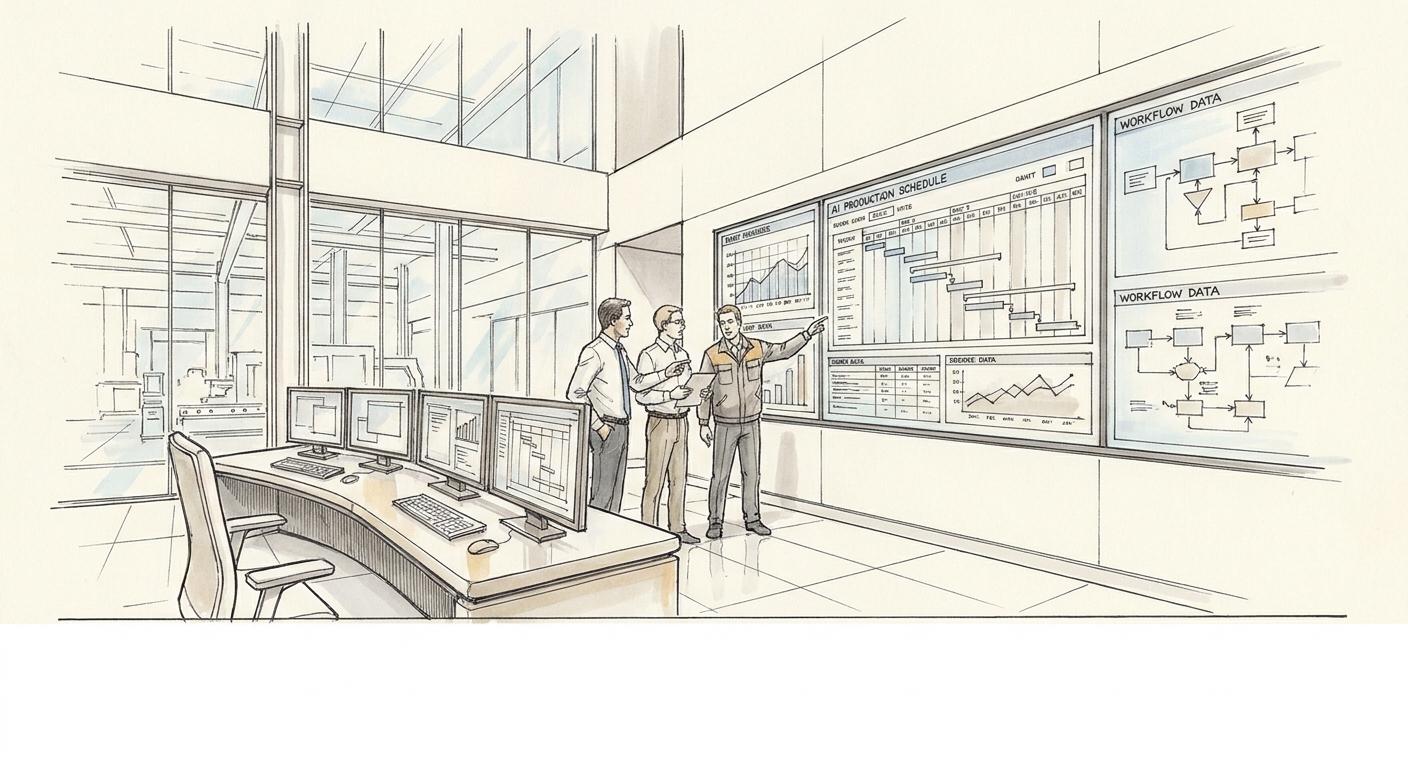
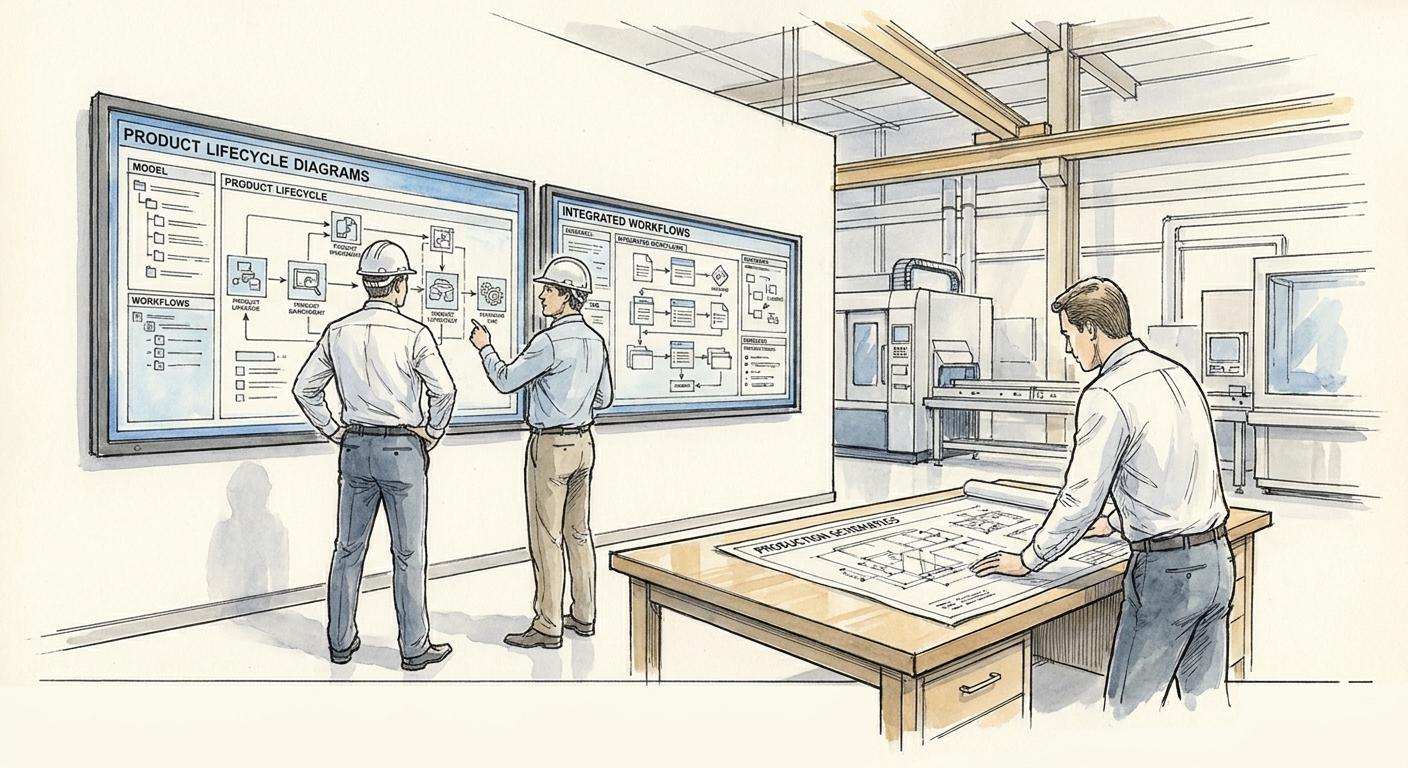
The first month of a carve-out focuses entirely on fact-finding. Leadership cannot build an effective private equity value creation plan without understanding what data actually exists across the shop floor and back office.
The priority during Days 1 through 30 is mapping the technology stack without disrupting ongoing plant operations. This involves three critical actions:
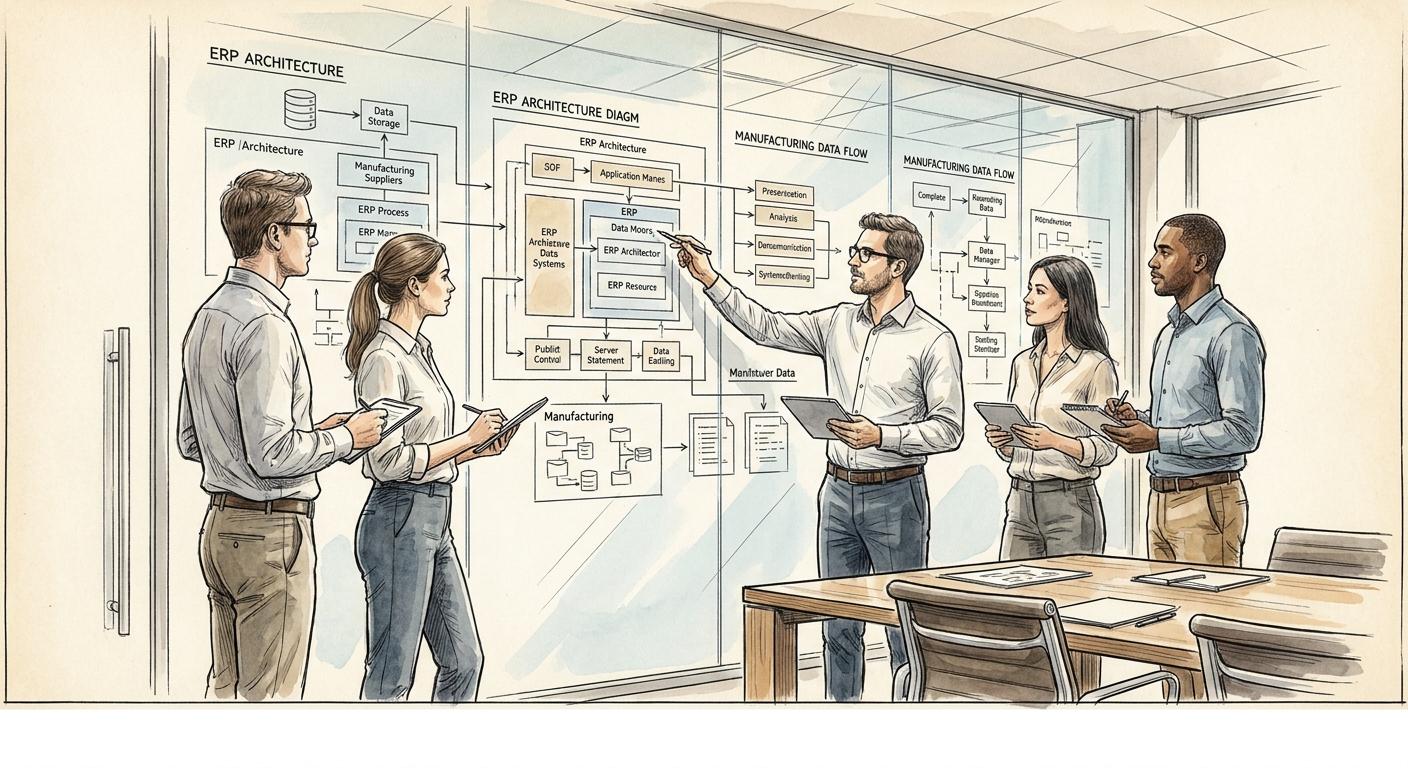
- Cataloging Data Sources: Identify where operational and financial data lives, including ERP systems, MES platforms, maintenance logs, and standalone spreadsheets used for job costing.
- Assessing Data Quality: Evaluate whether historical records are clean enough to support analytics or automation, specifically looking at estimate-versus-actual gaps in production and supply chain workflows.
- Evaluating Team Capabilities: Assess current internal literacy. Most organizations purchase enterprise software tools like Copilot with high expectations, but without structured upskilling, adoption flatlines.
This discovery phase feeds directly into the broader industrial carve-out IT separation plan. By identifying critical data silos early, operating partners prevent costly downstream integration errors.
Days 31–60: Use Case Prioritization and Quick-Win Selection
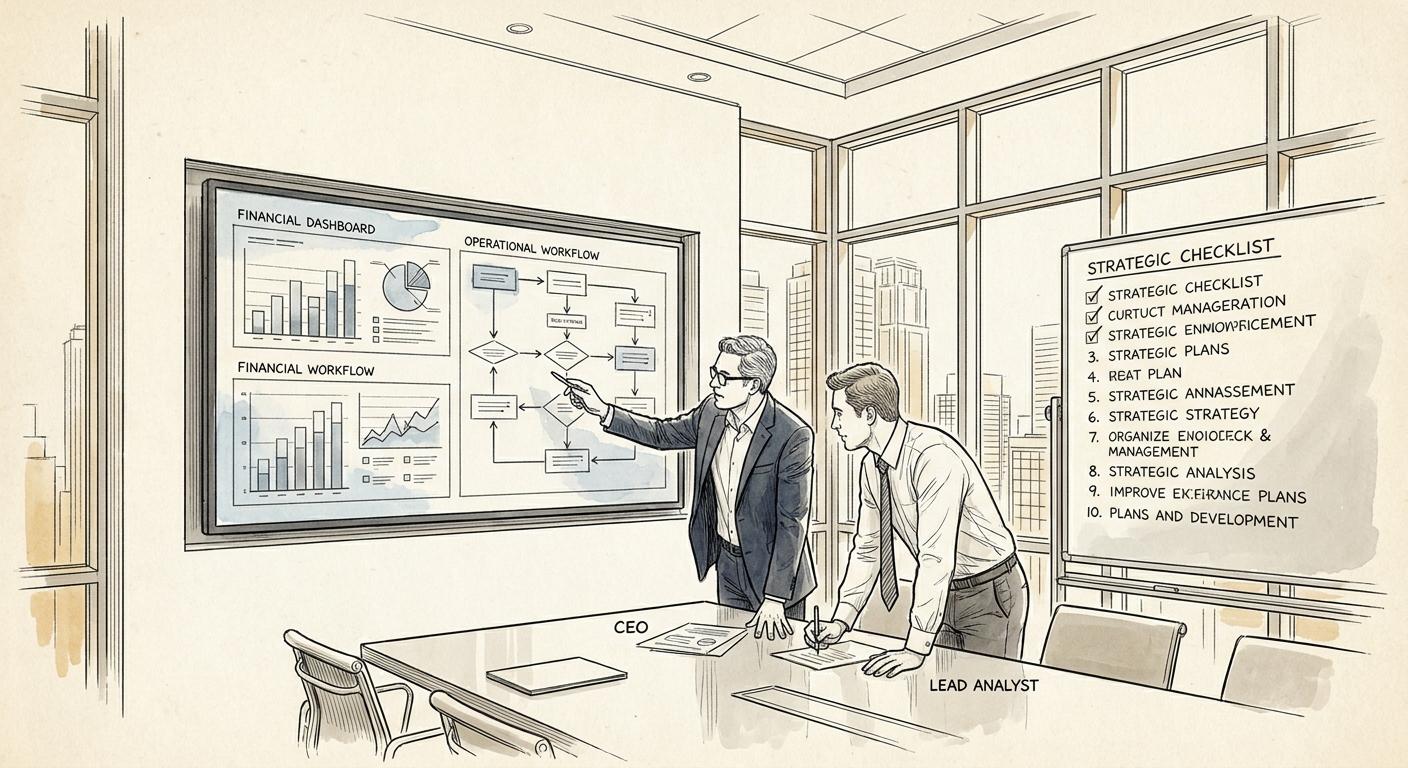
Once the data baseline is established, the focus shifts to filtering potential use cases. Mid-market manufacturing environments do not have the luxury of multi-year R&D cycles. To satisfy LP expectations and drive early EBITDA improvement, the team must select one high-impact, low-risk project that proves value within 60 to 90 days.
During this window, evaluate potential projects against three strict criteria:
- Time-to-Value: Can the use case go live in production within the current quarter? Avoid projects requiring heavy multi-year infrastructure overhauls.
- Measurable Impact: Does the use case directly target a known margin leak, such as manual customer service queues, delayed invoice validation, or inventory misallocations?
- Change Management Load: Will the solution be readily adopted by shop floor operators and plant managers without extensive retraining?
Selecting a focused quick win builds internal momentum and proves to the board that the carve-out is moving faster than a traditional operational turnaround. For instance, automating manual order entry or streamlining document-heavy payment validation can reduce processing times from minutes to seconds, freeing up working capital when liquidity matters most.
Days 61–100: Execution Roadmap and Upskilling for the Transition
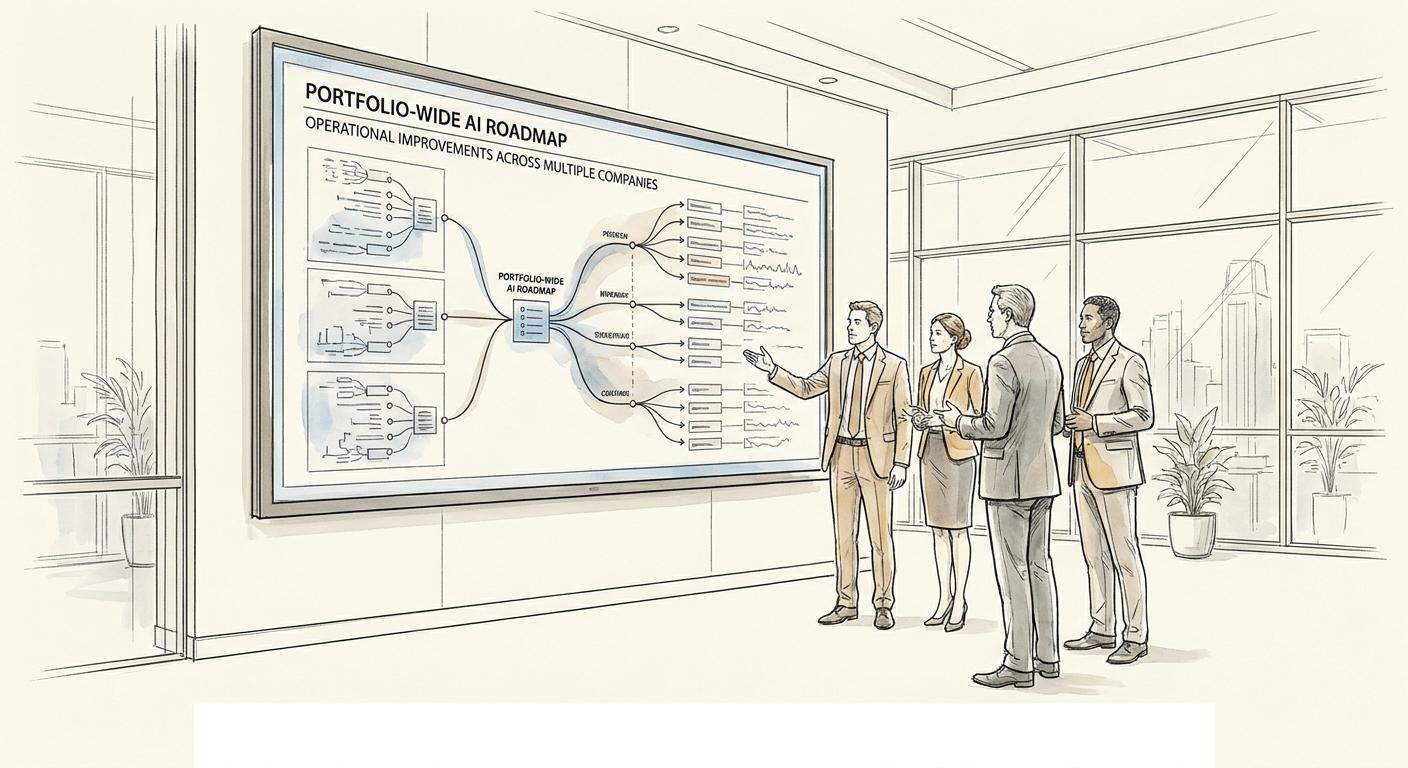
The final phase of the 100-day window transitions planning into active execution. Having a roadmap on paper is insufficient; the organization must deploy operational models that can scale across the portfolio.
Execution requires a structured approach to deployment and change management. Experience across more than 150 delivered projects indicates that sustainable AI maturity relies on three pillars working simultaneously: strategy, execution, and upskilling. When internal teams are trained alongside software deployment, tool adoption rates increase significantly.
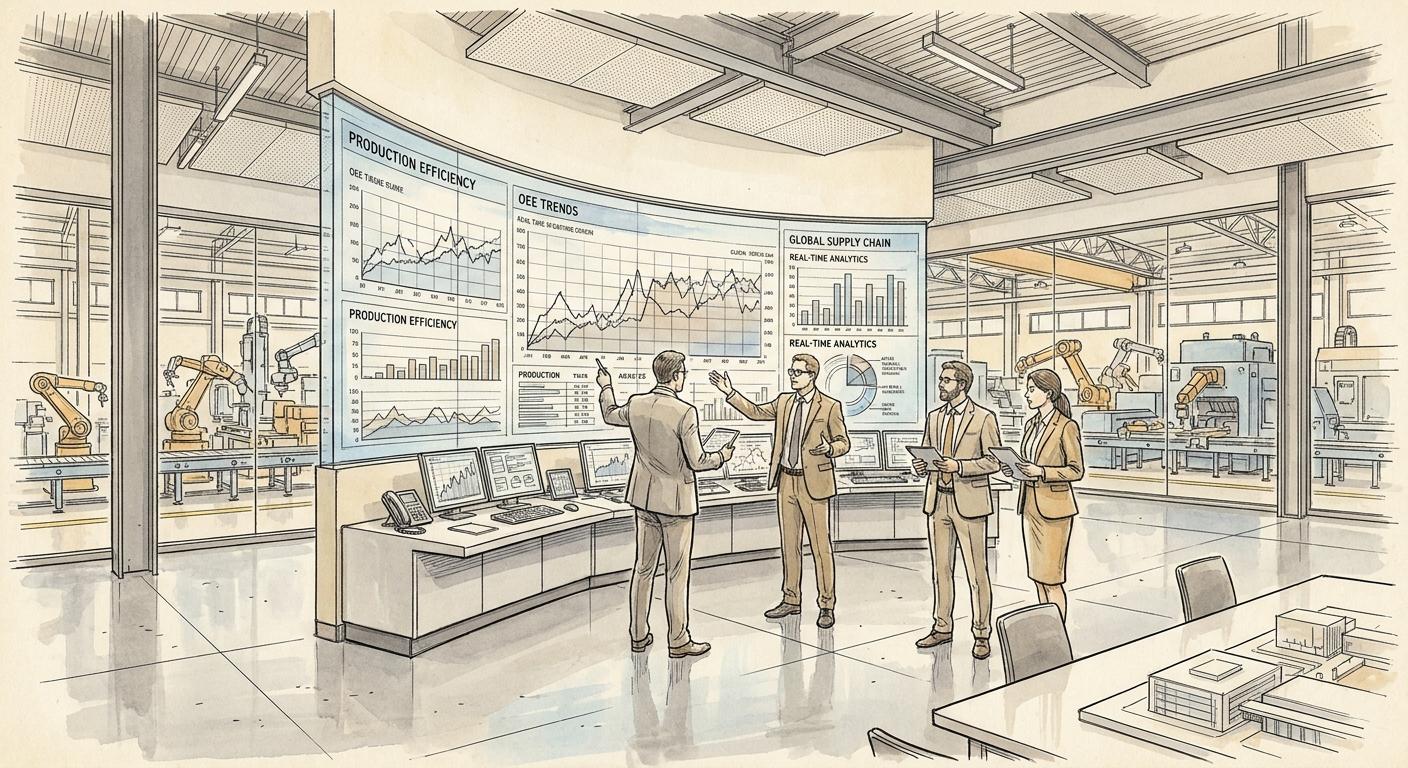
During Days 61 through 100, leadership should institutionalize the following practices:
- Deploy the First Use Case: Move the prioritized project from the sandbox into live production, establishing baseline performance metrics.
- Establish Repeatable Standards: Document the implementation process so the playbook can be replicated across other portfolio companies.
- Transition to Internal Ownership: Ensure internal operators have the skills required to maintain and scale the deployed models independently.
Avoiding Common Carve-Out AI Traps
Carve-outs fail when leadership relies on generic software vendor promises rather than pragmatic, operational execution. Many newly independent industrial companies purchase enterprise-wide software subscriptions that sit underutilized because they do not map to the specific realities of legacy manufacturing workflows.
Another common trap is waiting for a complete ERP modernization project before exploring artificial intelligence. Waiting years for a clean data foundation defers value creation past the typical investment horizon. Instead, successful private equity firms utilize targeted execution partners who can build lightweight operational wrappers around legacy systems. This approach extracts actionable insights and drives margin expansion without disrupting day-to-day operations.
Frequently Asked Questions
When should an AI audit happen during an industrial carve-out?
AI readiness and data auditing should begin immediately within the first 30 days of the transition period alongside IT separation planning. Early auditing prevents the accumulation of hidden data silos and establishes a baseline for post-acquisition value creation.
What is a realistic AI milestone for the first 100 days of an acquisition?
A realistic milestone includes having one high-value use case live in production, an audited data baseline, and a trained internal team. This approach moves the portfolio beyond simple software subscriptions into measurable operational leverage.
How do you handle fragmented legacy data systems in a carved-out manufacturer?
Instead of waiting for multi-year ERP overhauls, operating teams should use targeted execution partners to build lightweight operational wrappers that connect disparate systems and extract immediate value.
Conclusion
A successful industrial carve-out requires rigorous operational discipline during the initial 100 days to uncover trapped value and protect margins. By executing a structured audit and focusing on rapid, measurable deployments, operating partners can establish a repeatable playbook that accelerates exit readiness.
Learn about the AI Starter Package at ifor.ai/solutions/private-equity

Inna Dzhulai
Social Media Manager at iForAI