

.svg)

Manufacturing COOs today face a persistent "death by a thousand cuts" caused by scrap, rework, and inconsistent manual inspection. When AI-powered quality control is absent, the gap between your estimate-vs-actual production costs widens, directly eroding your margins and risking your OTIF (On-Time, In-Full) commitments. This guide outlines five specific strategies to transition from reactive firefighting to a proactive, data-driven quality framework that delivers measurable EBITDA improvement. We will examine how computer vision and predictive analytics move quality from a post-production hurdle to an integrated part of your value creation playbook.
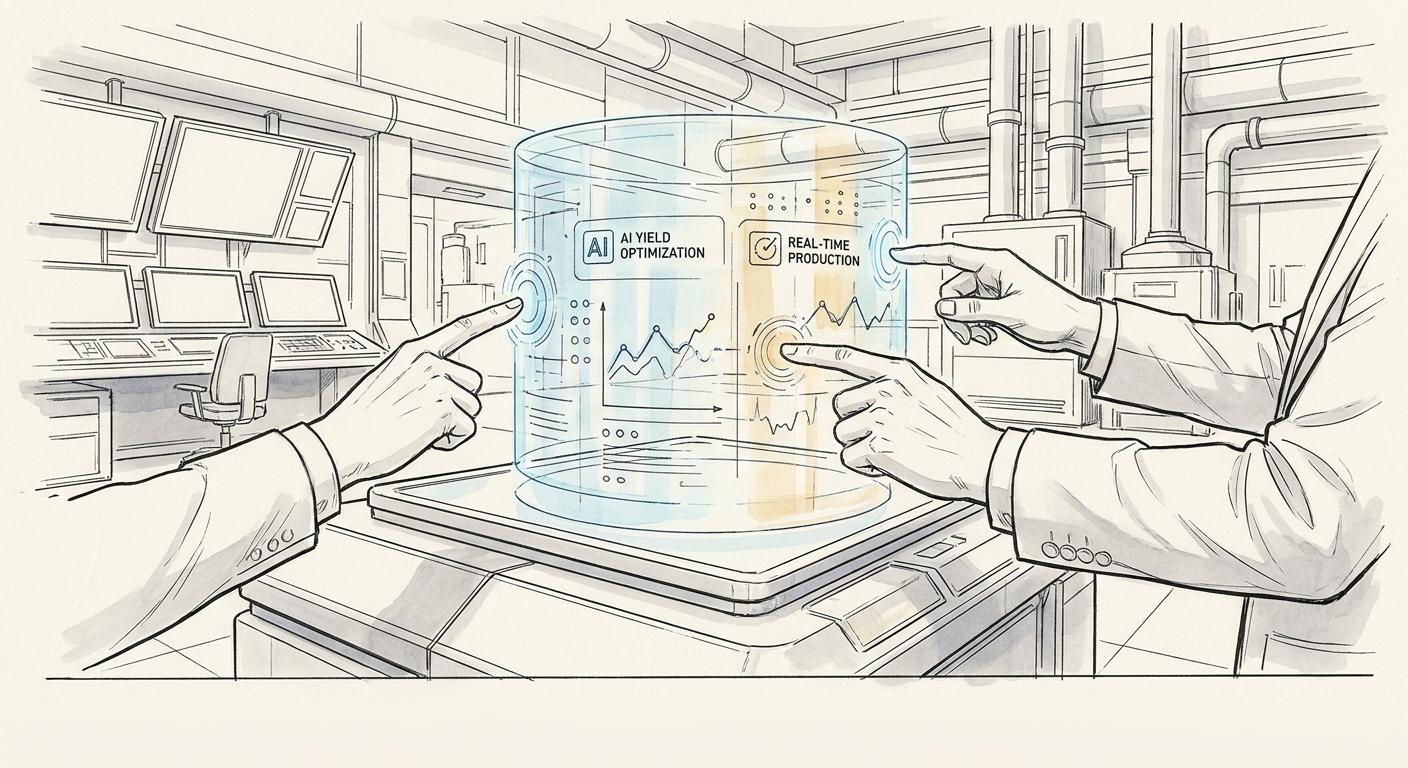
AI-powered quality control is the application of machine learning and computer vision within a manufacturing environment to identify defects, forecast quality shifts, and adjust production parameters in real-time. By embedding these capabilities directly into the line, manufacturers can automate visual inspections and reduce human error in high-throughput settings. This technology acts as an intelligent layer over existing MES and ERP systems to minimize yield loss.
The Cost of 'Good Enough': Why Manual QC is Eroding Your Margins
Manual inspection is inherently subjective and prone to fatigue, leading to a "good enough" mentality that hides systemic margin leakage. In a high-speed production environment, a 2% error rate in human inspection can translate to millions in lost revenue when considering the cost of raw materials, energy, and labor already "baked into" a defective part.
When defective units bypass inspection and reach the customer, the financial impact extends beyond the immediate refund. You face expedited shipping costs to replace the order, potential contract penalties, and long-term damage to your reputation. For a manufacturing business, this represents a failure in operational excellence that prevents the realization of true operating leverage. Relying on human sight to catch micron-level deviations is no longer a viable strategy for maintaining competitive margins.
Strategy 1: Real-Time Defect Detection via Automated Visual Inspection
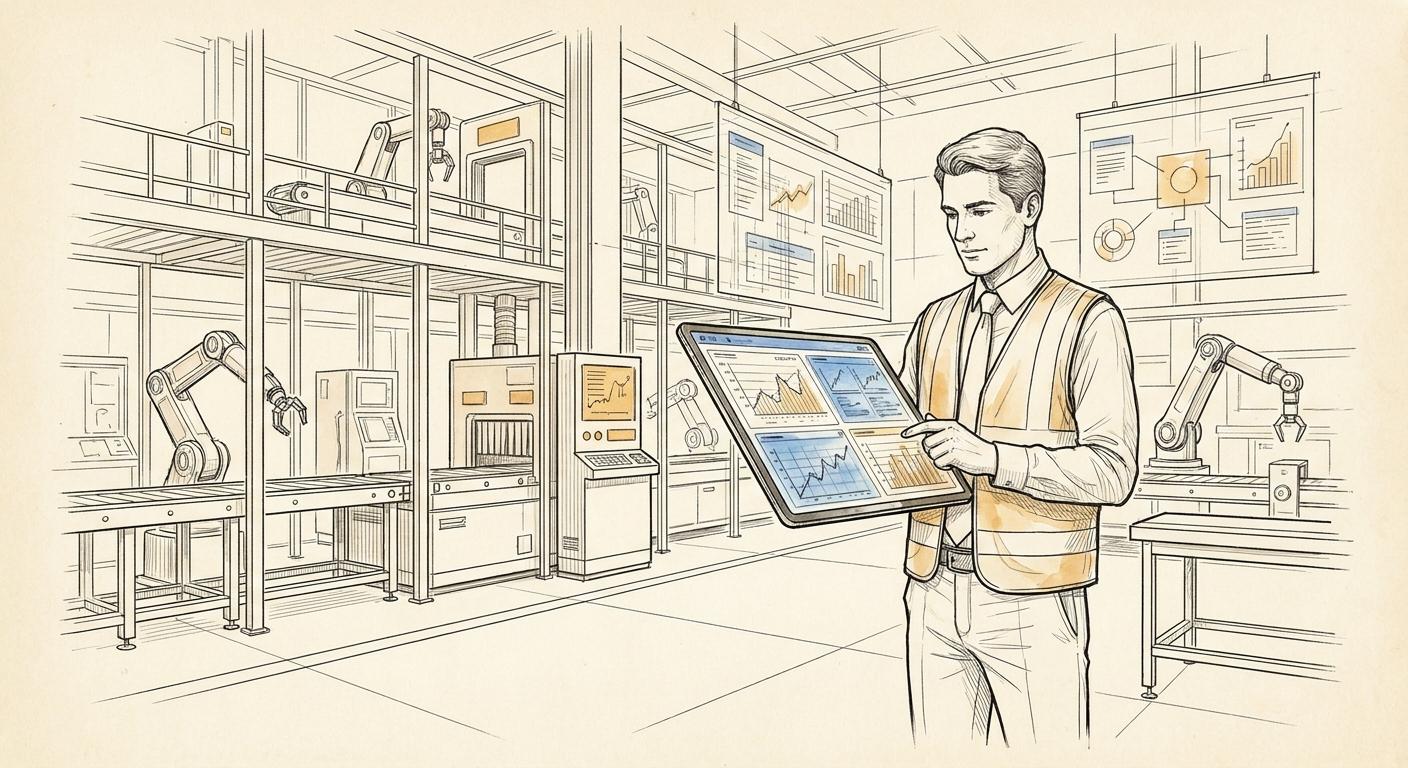
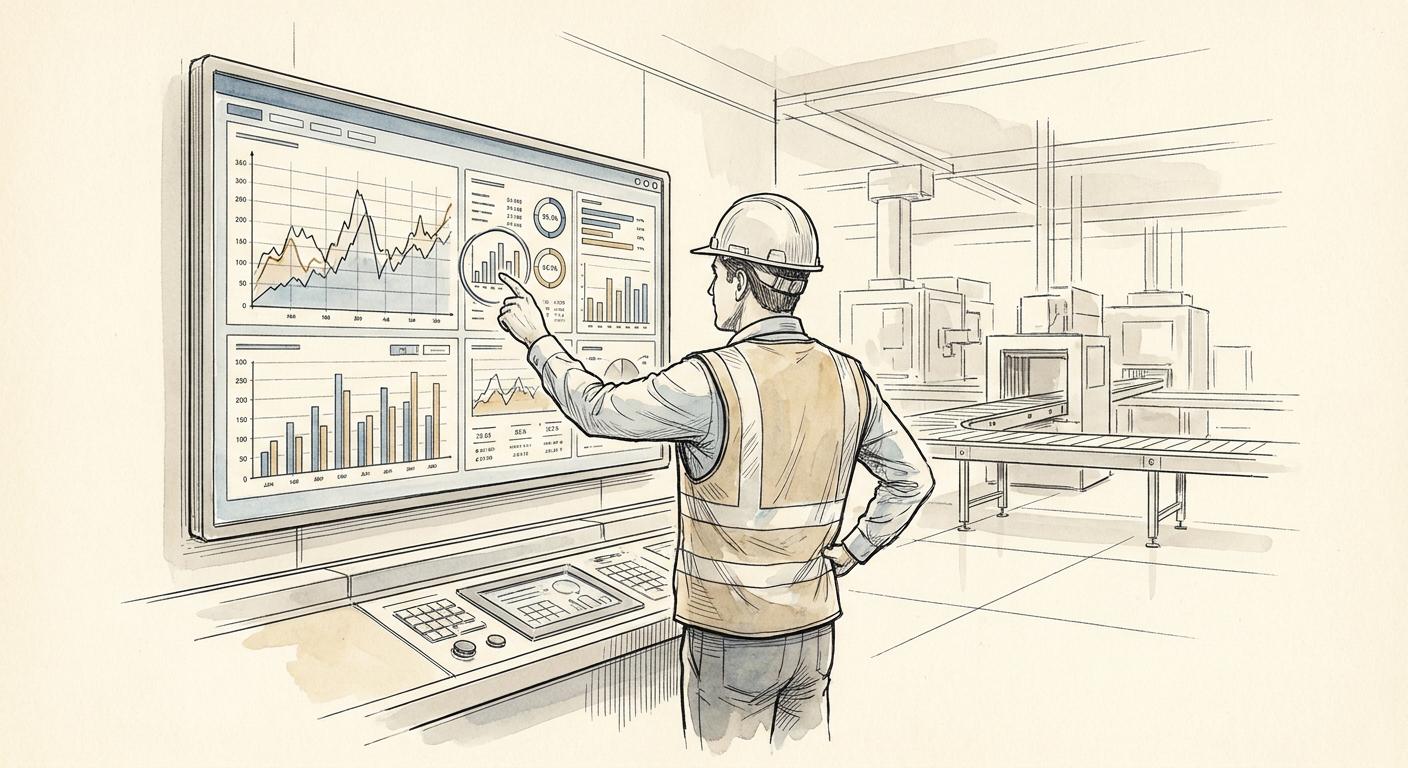
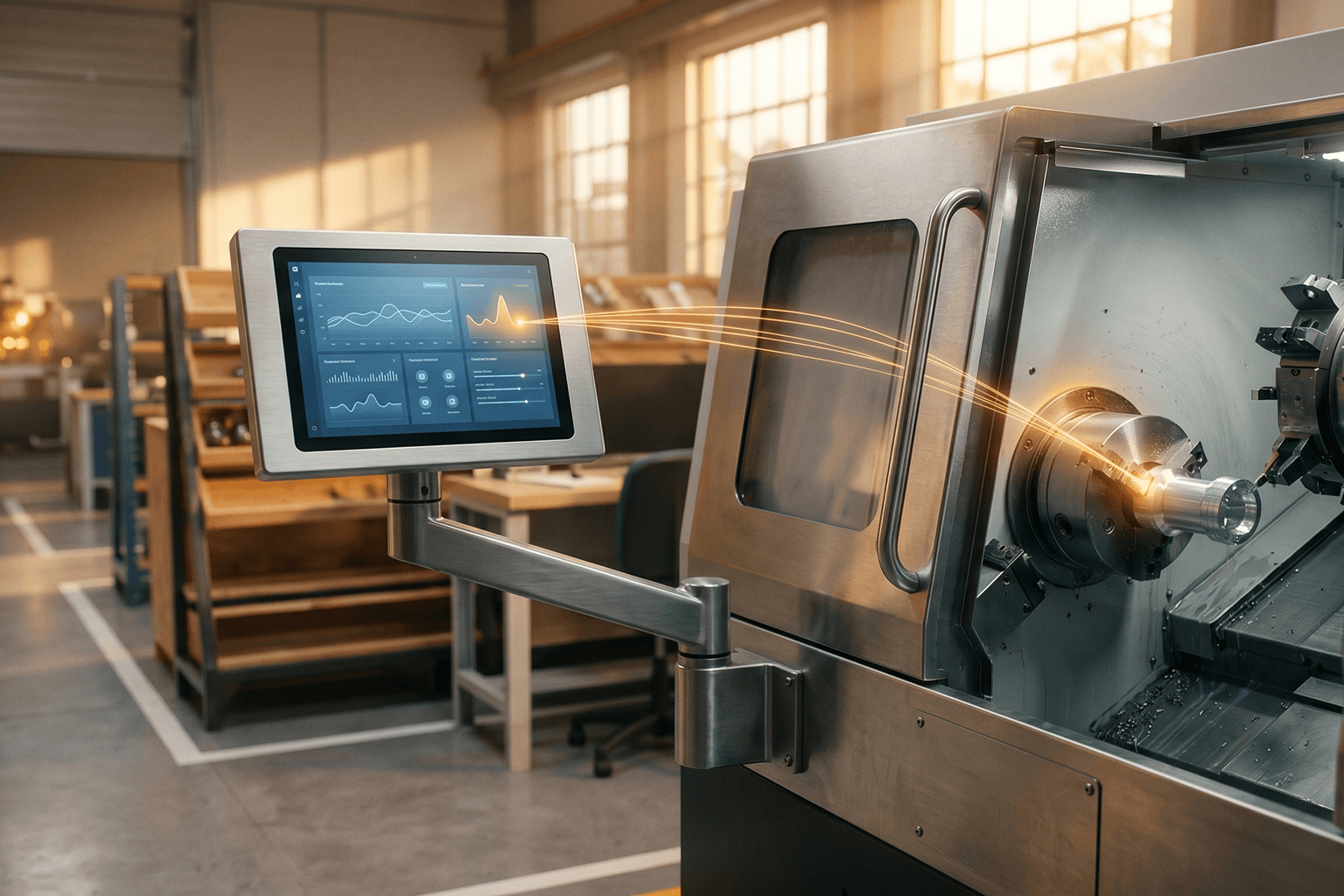
The most immediate "quick win" in the plant is the implementation of computer vision manufacturing solutions. Traditional sensors can detect a missing component, but they struggle with cosmetic defects, surface cracks, or subtle color deviations. AI-powered cameras, however, can be trained on thousands of images to recognize exactly what a "perfect" part looks like and flag anything that deviates from that baseline.
By catching these defects at the source, you prevent your team from adding further value to scrap. If a part is flawed at Step 2 of a 10-step process, continuing to machine, coat, and package that part is a waste of resources. We have seen organizations reduce validation time from several minutes to under 20 seconds by deploying automated visual inspection at critical bottlenecks, ensuring that only quality components move down the line.
Strategy 2: Bridging the ERP-MES Gap with Predictive Analytics
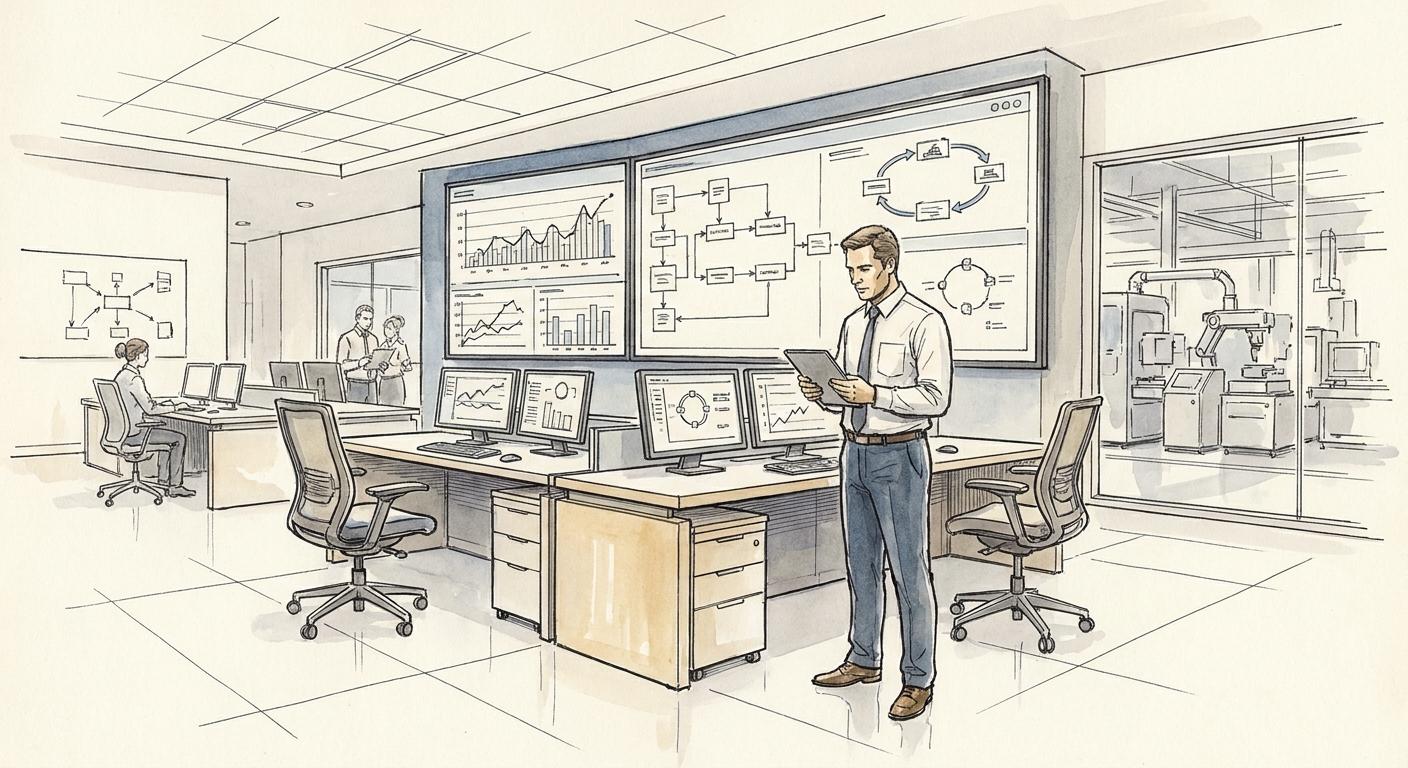
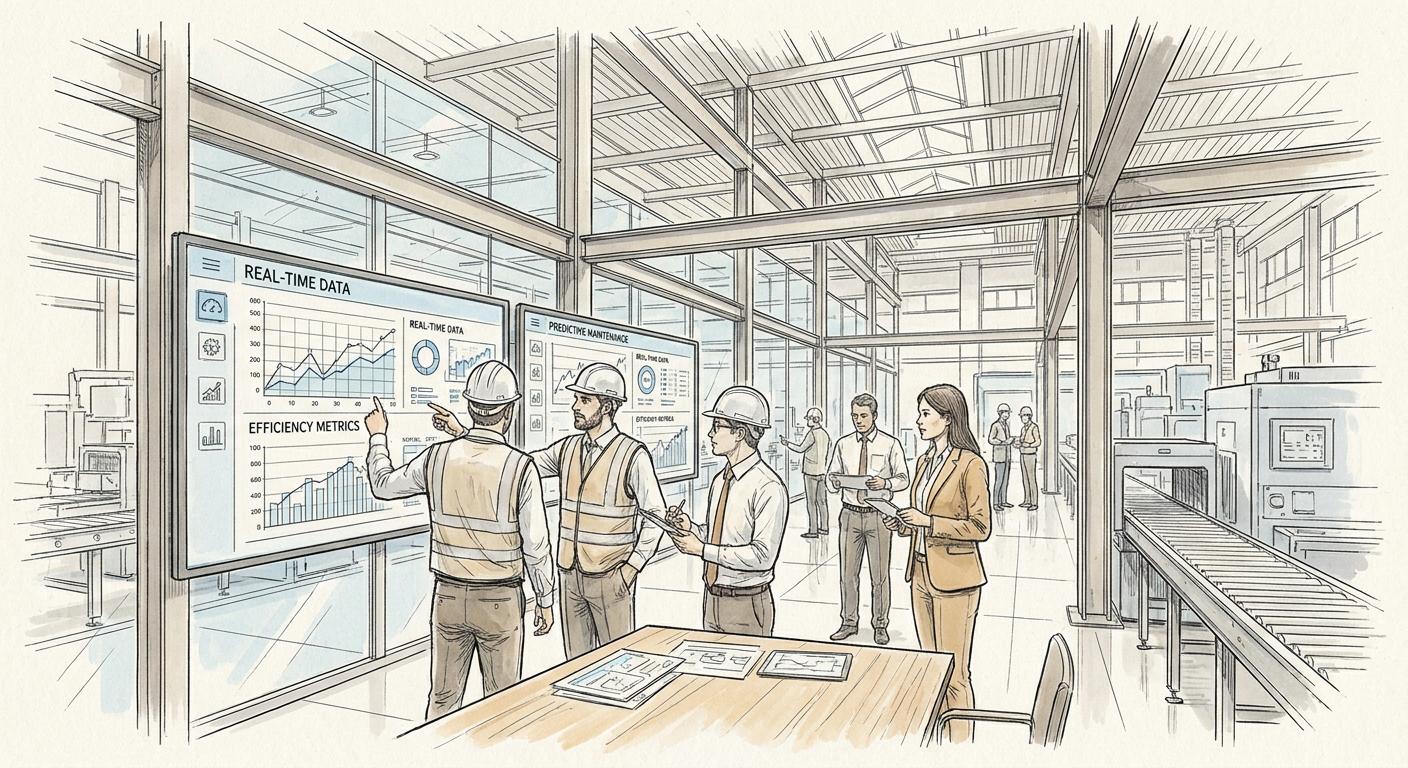
A common pain point for COOs is the "delayed execution truth" caused by silos between the ERP and the MES. Your ERP knows what you planned to build, and your MES knows what happened, but neither tells you why quality is beginning to dip in real-time. Predictive quality maintenance uses AI to ingest data from machine sensors (vibration, temperature, pressure) and correlate it with historical quality outcomes.
This strategy allows you to predict a quality failure before it occurs. For example, if an injection molding machine’s temperature fluctuates beyond a specific threshold that historically leads to warping, the AI alerts the operator to intervene before a single scrap part is produced. This transition from "detect and bin" to "predict and prevent" is what separates top-tier operators from those stuck in constant rework cycles.
Strategy 3: Closing the Estimate-vs-Actual Gap in Production Quality
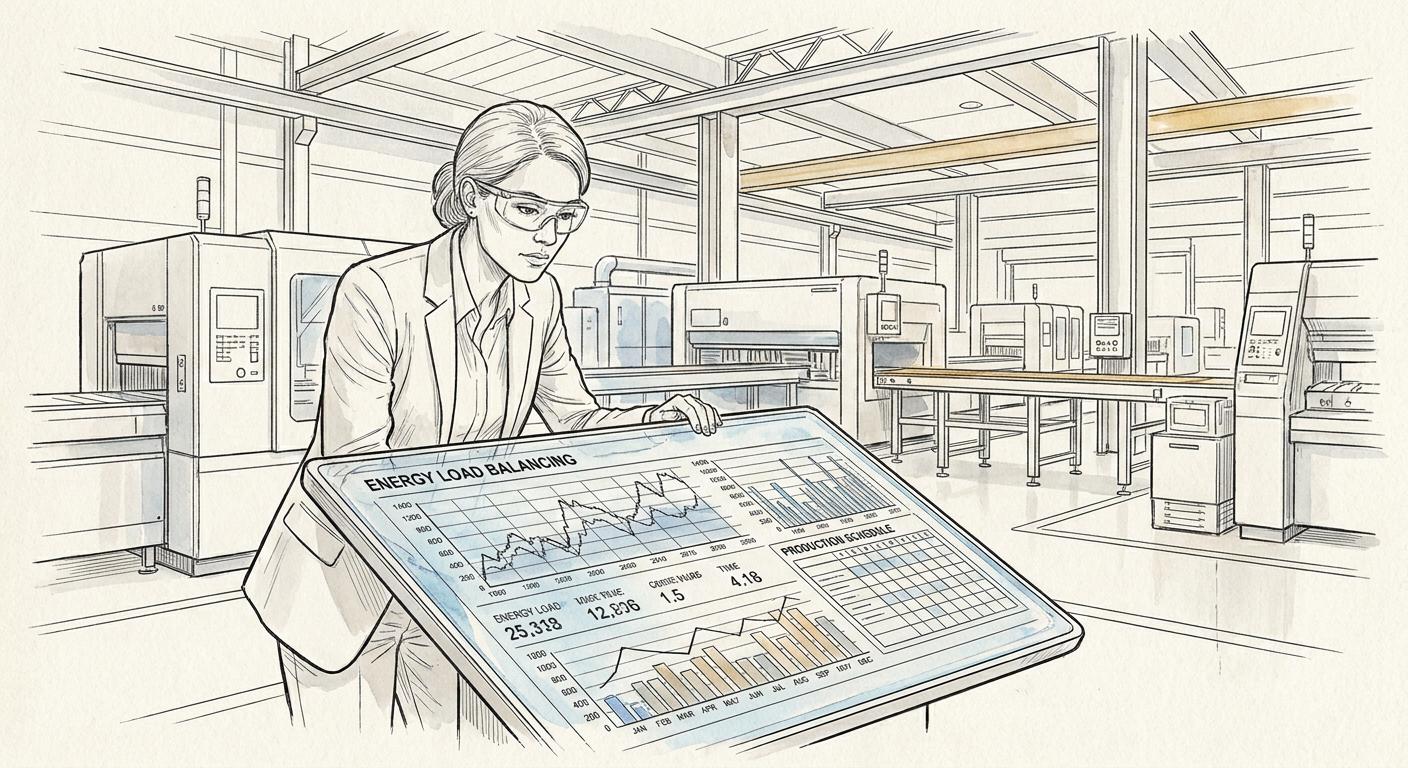
Inaccurate job costing is a silent killer of manufacturing profitability. When your estimates assume a 98% yield but your actual yield is 92% due to scrap and rework, your realized margin on that job is decimated. AI provides the granular visibility needed to close this estimate-vs-actual gap by providing a real-time feed of yield loss attributed to specific shifts, machines, or material batches.
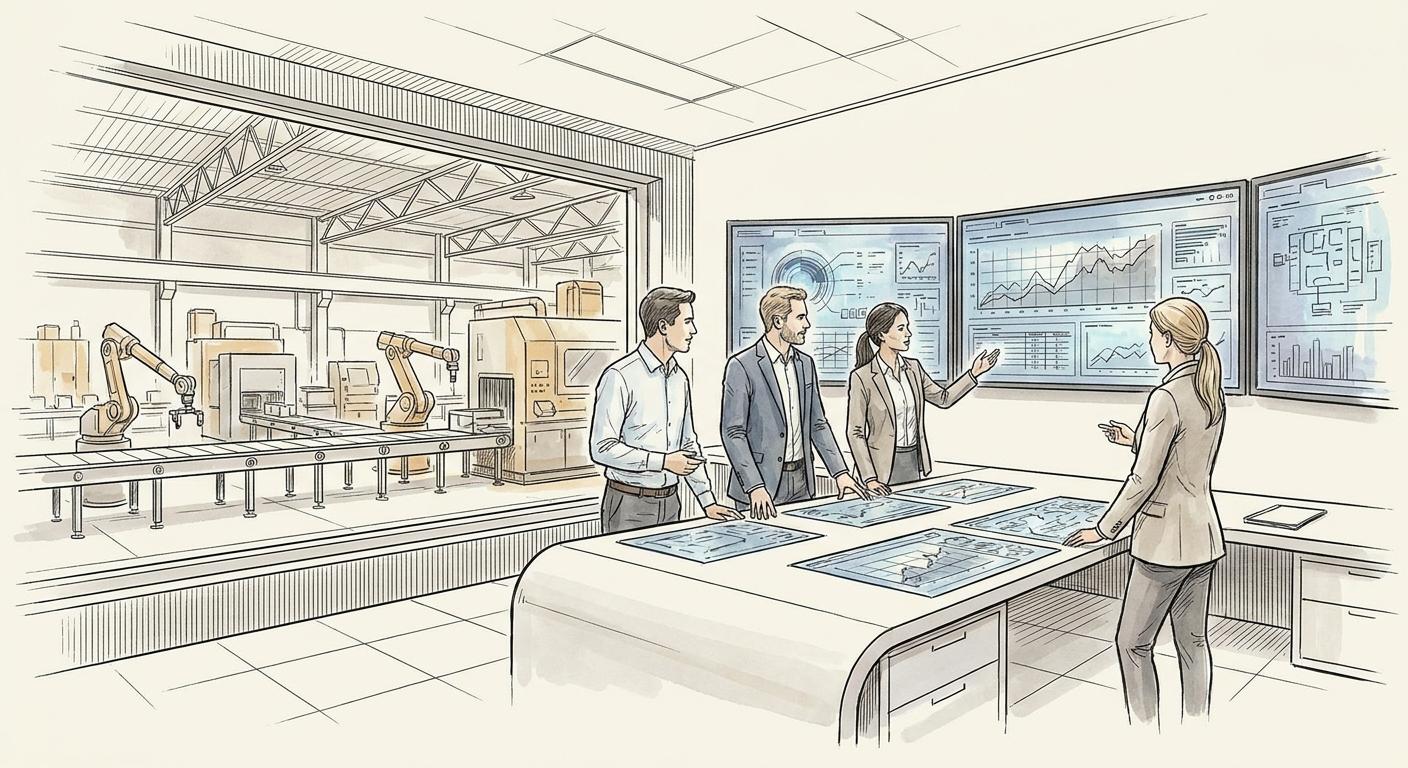
By using AI to track and categorize scrap causes automatically, finance and operations teams gain a single source of truth. You no longer have to wait for end-of-month reporting to realize a specific line was underperforming. This level of AI readiness allows for mid-job adjustments that protect the bottom line and ensure that your financial reporting matches the physical reality of the plant floor.
Strategy 4: AI-Driven Root Cause Analysis (RCA) to Eliminate Repeat Failures
Most manufacturing plants suffer from "repeat offenders" - quality issues that seem to disappear for a month only to return without warning. Traditional Root Cause Analysis (RCA) often misses the complex interplay of variables, such as how ambient humidity affects a specific chemical coating process.
AI-driven RCA can process thousands of historical data points across 20% of your variables that typically cause 80% of your defects. By identifying these hidden correlations, you can implement systemic fixes rather than temporary patches. At iForAI, we have delivered over 150 projects where identifying these data-backed "root causes" led to a permanent reduction in manual customer service effort and rework.
Strategy 5: The 'Human-in-the-Loop' Upskilling Framework
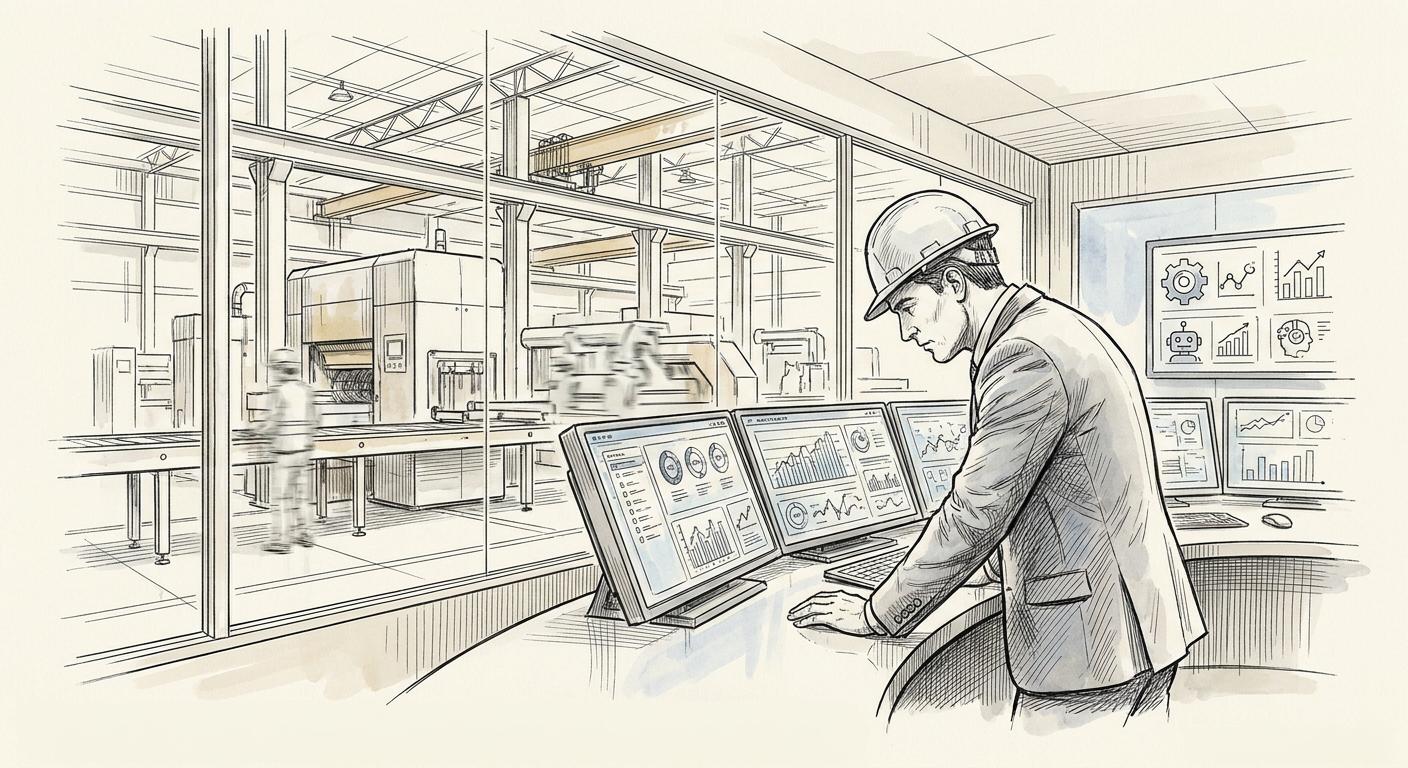
Technology alone does not solve quality issues; people do. The most effective AI strategies for reducing rework in manufacturing involve a "human-in-the-loop" approach. This framework transitions your QC staff from manual inspectors to AI overseers. Instead of looking at 1,000 parts, the inspector only reviews the 10 parts the AI has flagged as "uncertain."
This upskilling is critical for long-term adoption. When your floor staff understands how to interpret AI insights, the tool becomes an asset rather than a threat. This approach has helped our clients see a 56% average increase in AI readiness, ensuring that the software doesn't become "shelfware" but stays embedded in the daily operational flow.
Implementation: Moving from Pilot Purgatory to Production in 90 Days
The primary reason AI initiatives fail in manufacturing is "pilot purgatory" - projects that start in a lab but never reach the plant floor. To avoid this, we recommend a fixed-scope approach that targets one high-impact use case, such as a specific line with the highest scrap rate.
Measurable results, including a visible reduction in margin leakage, can typically be achieved within 60 to 90 days. This speed to value is essential for COOs who need to justify the investment and for PE-backed firms looking to improve EBITDA before an exit. By focusing on execution and upskilling alongside the technology, you create a repeatable AI playbook that can be scaled across multiple facilities.
Frequently Asked Questions
How long does it take to see ROI from AI-powered quality control? With a focused execution partner, initial results and measurable scrap reduction can be seen within 60-90 days. This rapid time-to-value is achieved by targeting a single high-impact bottleneck rather than attempting a floor-wide overhaul.
Do we need to replace our entire MES to implement AI? No, AI should act as an embedded AI layer that sits on top of your existing OT and IT systems. It extracts data from your current MES and sensors to provide advanced analytics without requiring a costly and disruptive "rip and replace" of your infrastructure.
What is the expected ROI of AI in quality management systems? While ROI varies by industry, manufacturers typically see a significant reduction in scrap costs and a 60% reduction in manual inspection effort. This directly translates to improved EBITDA by recapturing lost margins and improving OTIF rates.
AI-powered quality control is the most effective lever for COOs to eliminate margin leakage and close the gap between estimated and actual production costs. By moving from manual inspection to automated, predictive systems, manufacturers can ensure exit readiness and sustainable operational excellence.
Book a Manufacturing Diagnostic at ifor.ai/solutions/manufacturing