

.svg)

Is Your R&D Pipeline Stalled? The Agentic AI Shift for Unprecedented Innovation Velocity
Many enterprise leaders begin their AI journey with a fundamental question: "How much time can this save our team?" While efficiency is a logical starting point, this approach often leads to what is known as "pilot purgatory." Organizations might launch a basic chatbot, achieve minor time savings on internal communications, but see little to no change in their profit and loss (P&L) statements.
The true opportunity with AI extends beyond mere efficiency gains. It lies in productizing unique expertise to achieve an unprecedented level of innovation velocity.
Moving Beyond the "Easy" Pilot
The transition from a prototype in a sandbox environment to a production-grade system is often where R&D momentum falters. High-growth organizations frequently encounter "infrastructure debt"—valuable data trapped in silos, preventing AI systems from accessing the context they need to be effective.
If teams are still manually copying data into a generic interface to obtain an answer, the workflow has not been truly automated; a new step has simply been added to an existing process. Genuine transformation occurs when AI becomes an active, rather than passive, participant in operations.
Deep Integration: From Novelty to Revenue Engine
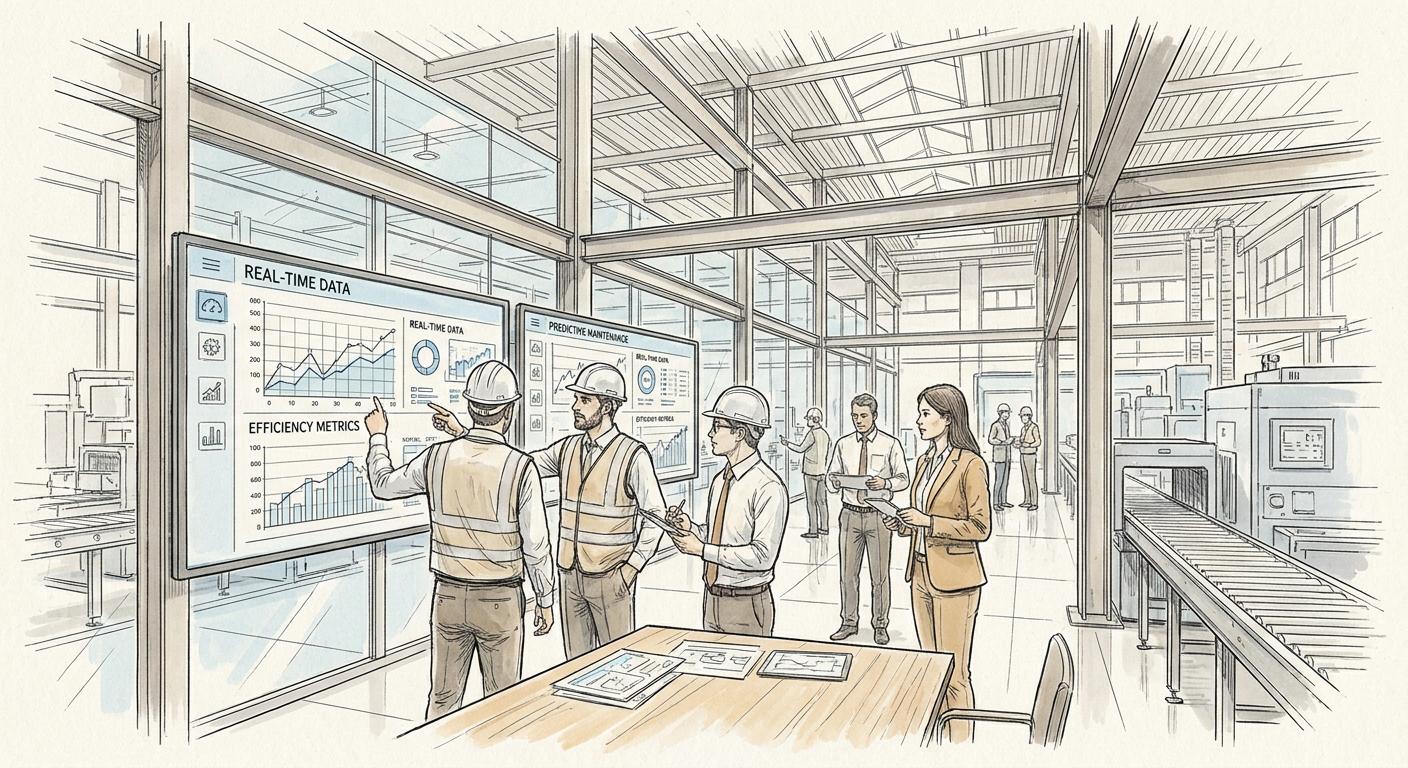
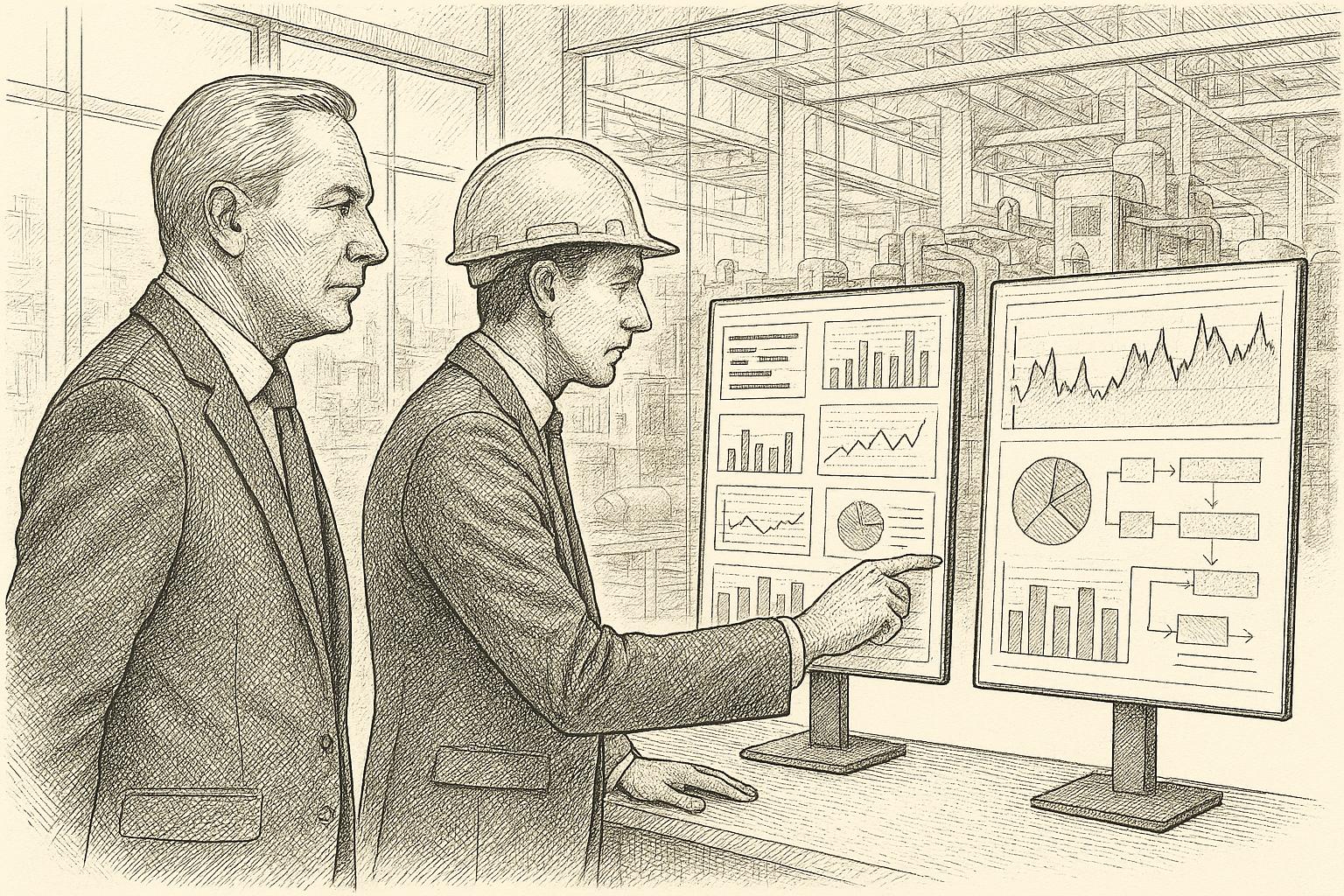
To significantly impact return on investment (ROI), AI must evolve from a disconnected tool to a foundational component deeply embedded within existing technology stacks, including Customer Relationship Management (CRM), Enterprise Resource Planning (ERP), and core project workflows.
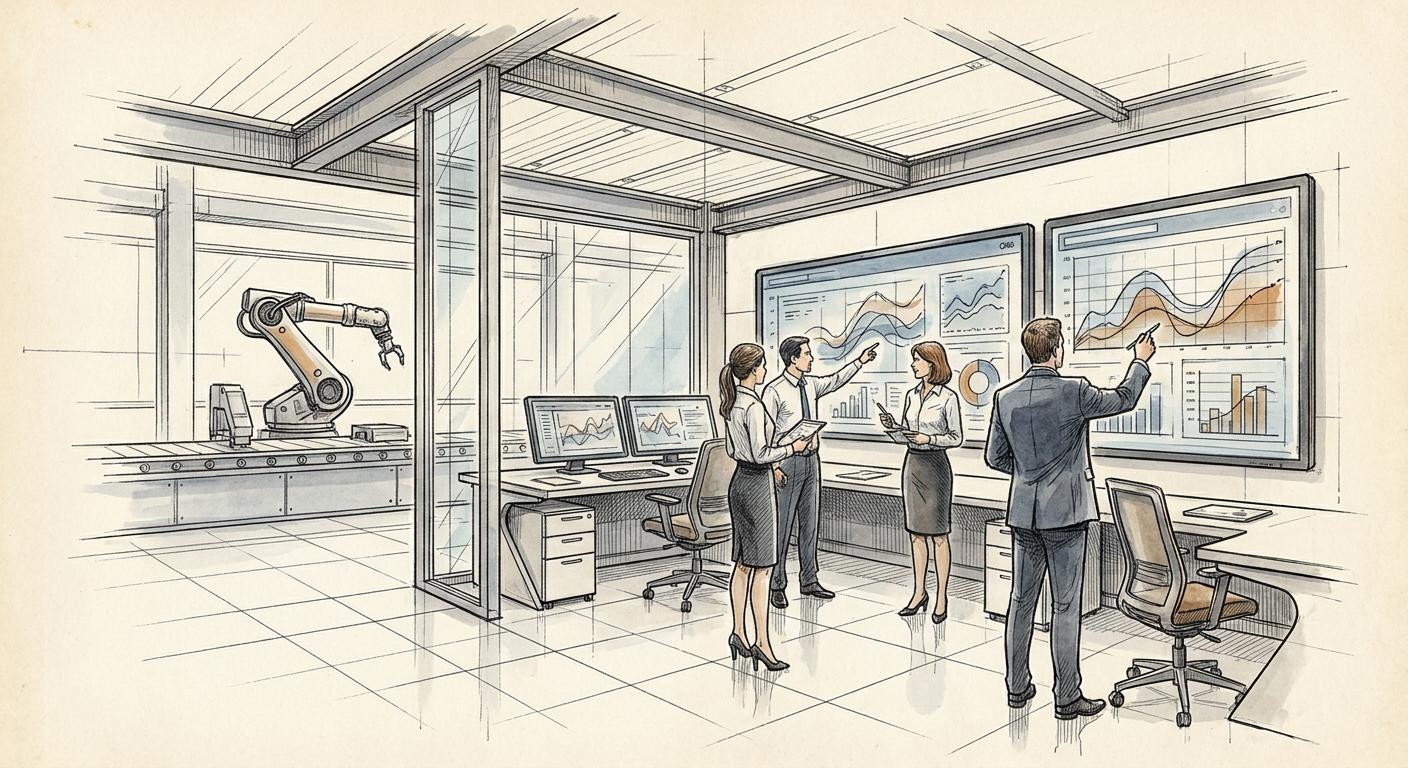
When AI agents are integrated directly into operations, they transform from novel tools into revenue engines. This deep integration facilitates real-time decision support and automated execution, enabling teams to accelerate output and scale operations without a linear increase in headcount. The goal is to build systems that not only discuss work but actively perform it.
Building Your Moat with Retrieval-Augmented Generation (RAG)
In today's market, generic AI is a commodity. If all organizations have access to the same large language models (LLMs), the model itself ceases to be a competitive advantage. The true differentiator becomes proprietary data—historical project logs, engineering specifications, and unique case studies.
By implementing Retrieval-Augmented Generation (RAG), AI is grounded in an organization's specific business context. This process creates a specialized, "agentic" intelligence that understands brand voice, technical nuances, and institutional knowledge. This approach goes beyond generic AI; it creates a digital version of an organization's best expert, available 24/7, which cannot be replicated by off-the-shelf solutions.
The Bottom Line: Moving Out of the Lab
Innovation velocity is not achieved through isolated experiments. It results from robust infrastructure, high-quality data grounding, and deep workflow integration. It is essential to transition AI strategy from theoretical exploration to direct operational impact.
We specialize in bridging the gap between potential and proven results. We focus on building integrated systems that convert AI capabilities into measurable business impact.
Ready to build working systems? Explore how to transform your AI roadmap into a high-velocity reality.