

.svg)

Manufacturing COOs frequently find themselves caught between two extremes: carrying excess safety stock that drains operational cash flow or facing OTIF misses that damage customer relationships. This tension is often the result of relying on static historical averages within an ERP that cannot account for volatile market shifts. Implementing AI demand forecasting manufacturing solutions allows operations leaders to move from reactive "guess-timation" to predictive precision. By integrating fragmented internal data with external market signals, manufacturers can reduce inventory holding costs and stabilize production schedules. This guide outlines a repeatable framework for deploying AI-driven forecasting to improve margins and exit readiness.
The High Cost of 'Guess-timation': Why Traditional Forecasting Fails COOs
Traditional forecasting methods are failing because they rely on linear projections in a non-linear world. Most manufacturing firms use basic statistical models embedded in their ERPs that look backward at the last 12 months to predict the next three. This approach creates a delayed execution truth, where production plans are constantly chasing yesterday’s demand. When the forecast is wrong, the result is either margin leakage from expedited shipping costs or capital tied up in slow-moving finished goods.
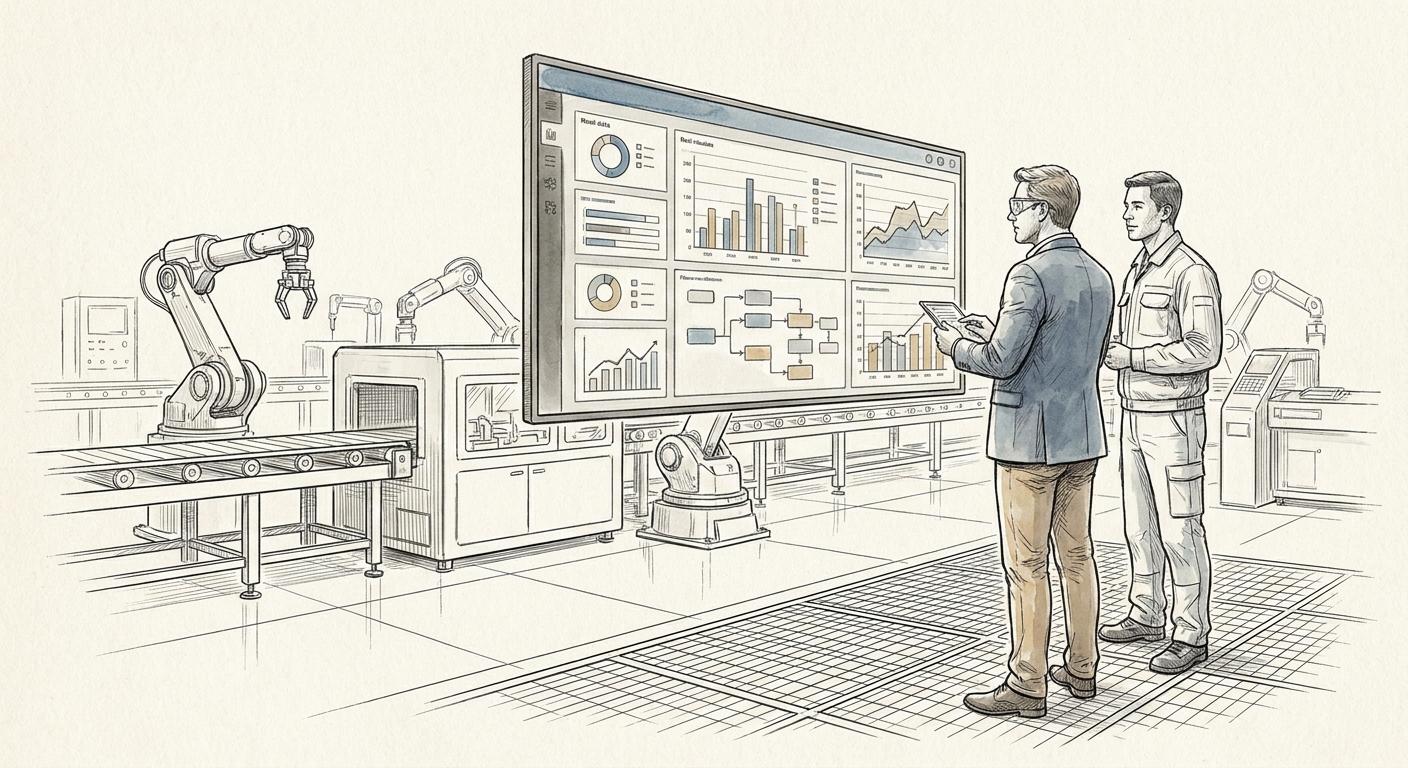
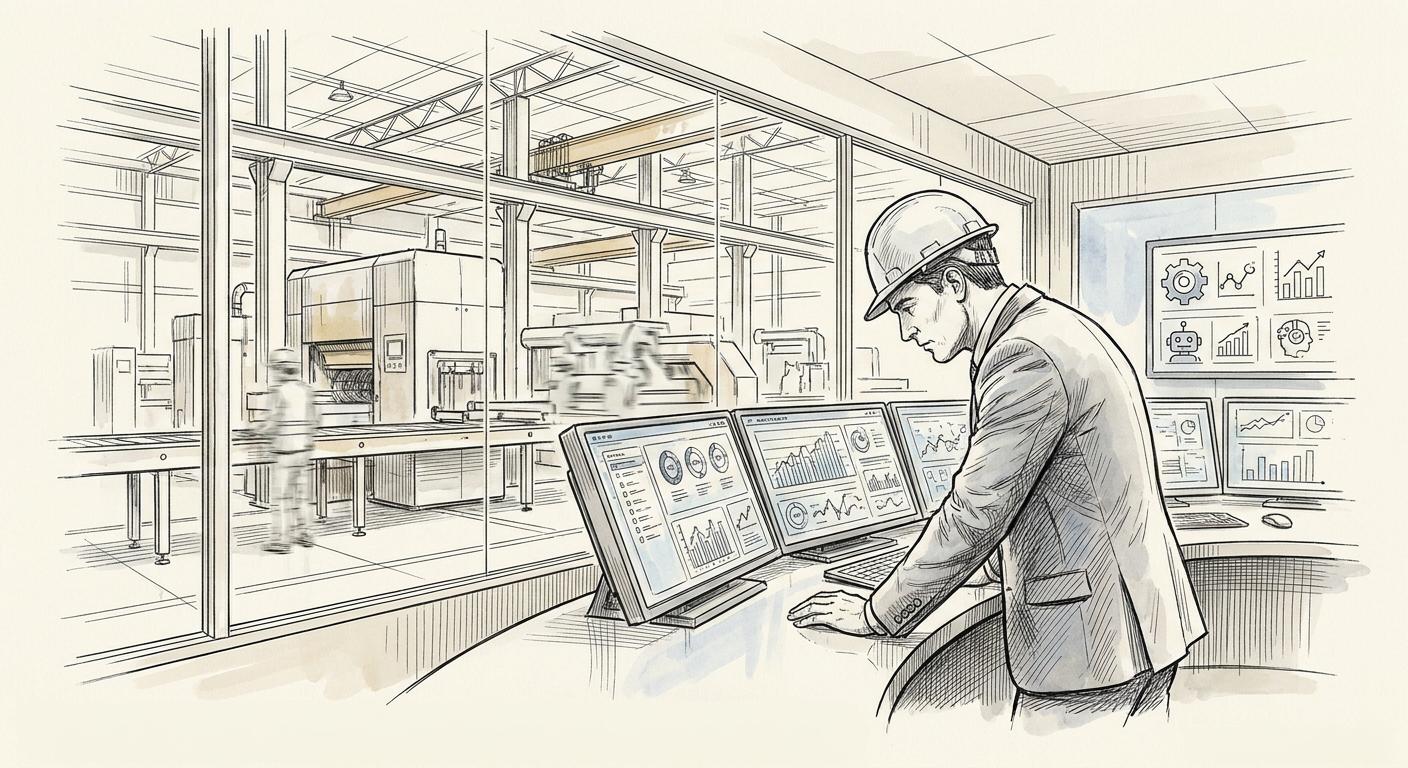
AI demand forecasting manufacturing is the application of machine learning algorithms to analyze historical sales, real-time supply chain variables, and external market trends to predict future product needs. Unlike manual statistical methods, these models identify complex patterns and correlations across thousands of data points, allowing for demand sensing that adjusts to market volatility in real-time. This shift directly impacts EBITDA improvement by optimizing the operating wedge - lowering costs while maintaining or increasing output.
Phase 1: Data Consolidation (The ERP-to-Insight Pipeline)
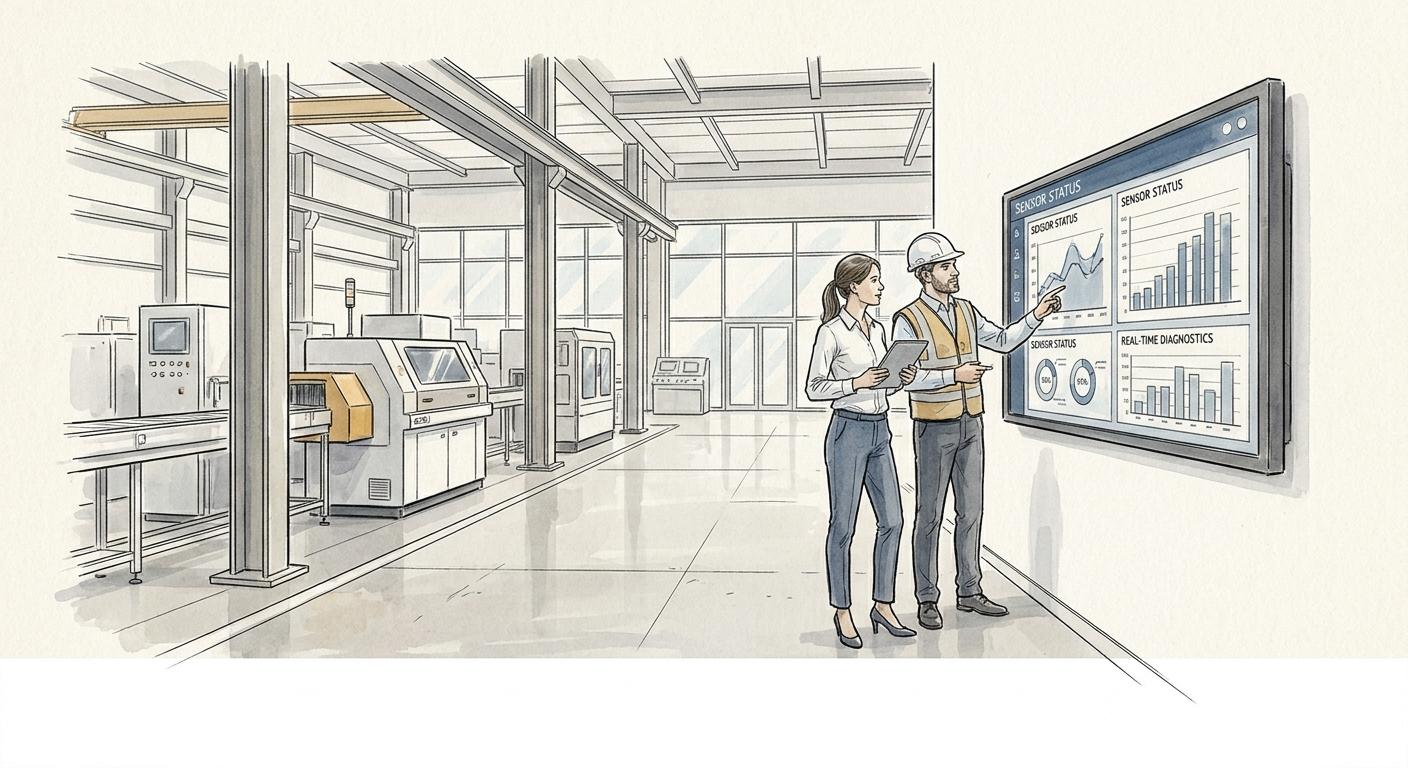
The most common barrier to AI adoption is the belief that a firm needs a multi-year "data cleaning" project before starting. In reality, most manufacturers already possess the necessary data; it is simply trapped in silos. The goal is to bridge the gap between fragmented ERP data integration and actionable insights without a total digital overhaul.
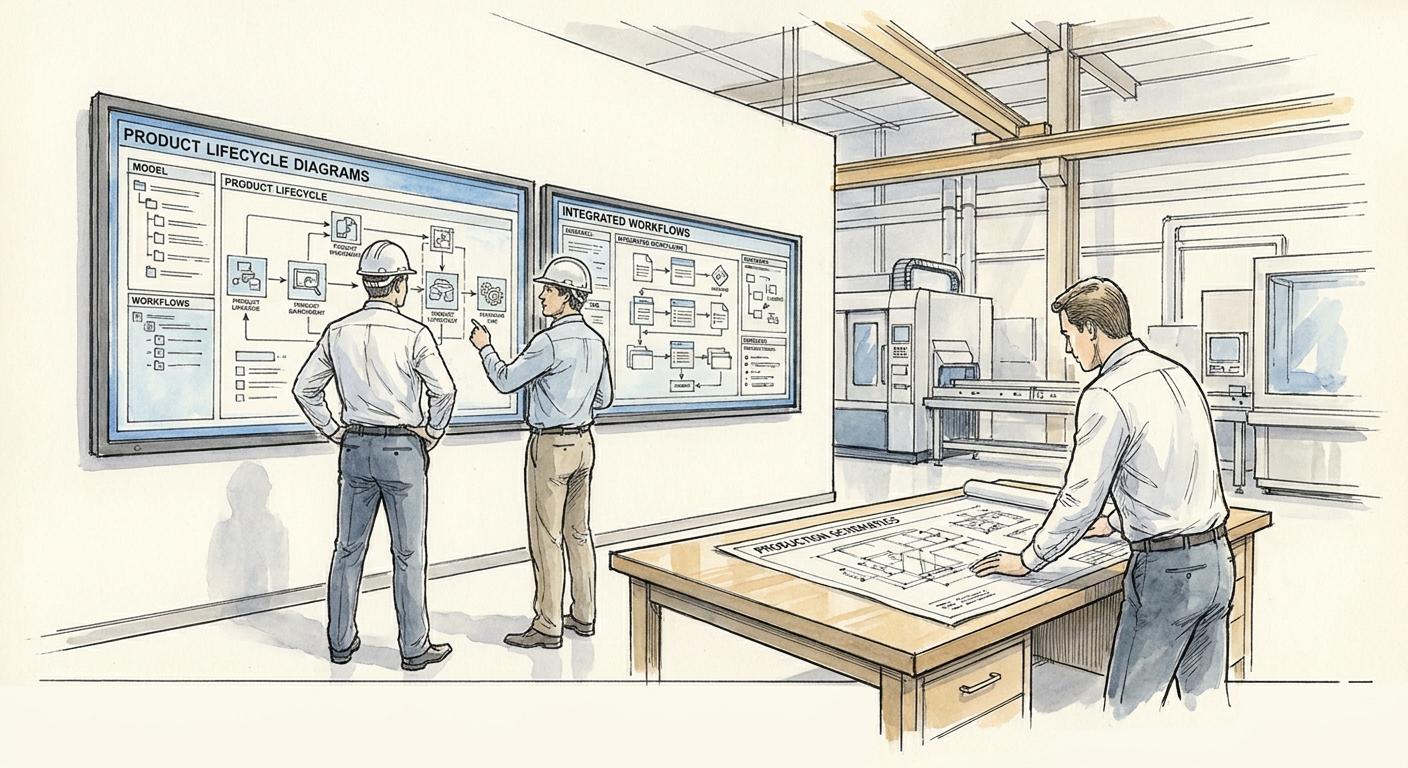
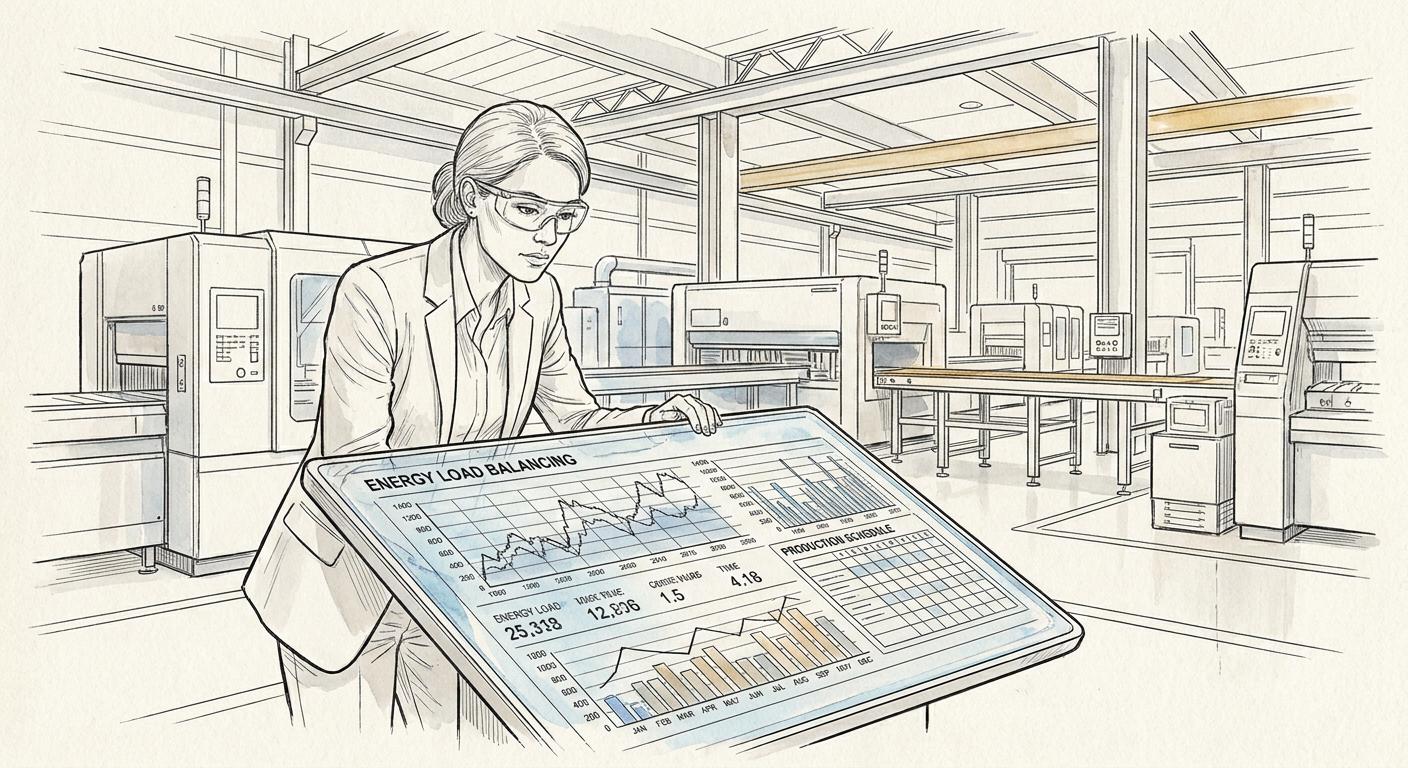
An effective AI implementation starts by extracting core datasets - historical orders, lead times, bill of materials (BOM), and warehouse levels. These are then augmented with external signals, such as commodity price fluctuations or economic indices. At iForAI, we have seen that consolidating this data into a centralized "feature store" can reduce data validation time from hours to seconds. This creates a single source of truth that informs both the shop floor and the finance department.
Phase 2: Use Case Prioritization (High-Value SKU Clusters)
Not every product line requires a sophisticated AI model. To achieve a quick win, COOs should prioritize SKU clusters that represent the highest volatility and the highest impact on inventory holding costs. Applying a targeted discovery methodology ensures the team isn't boiling the ocean.
Focus on items with high unit costs and erratic demand patterns - these are where manual forecasting fails most spectacularly. By narrowing the scope to a specific product line or region, the organization can demonstrate a measurable EBITDA improvement quickly. This approach builds the internal credibility needed to expand the repeatable AI playbook across the rest of the portfolio or business units.
Phase 3: Execution and the 90-Day Production Goal
The primary reason AI initiatives fail in manufacturing is that they never leave the pilot phase. To drive actual value, the solution must reach a live production environment where it influences daily procurement and scheduling. We advocate for a 60-to-90-day execution window that moves from data ingestion to a functional output.
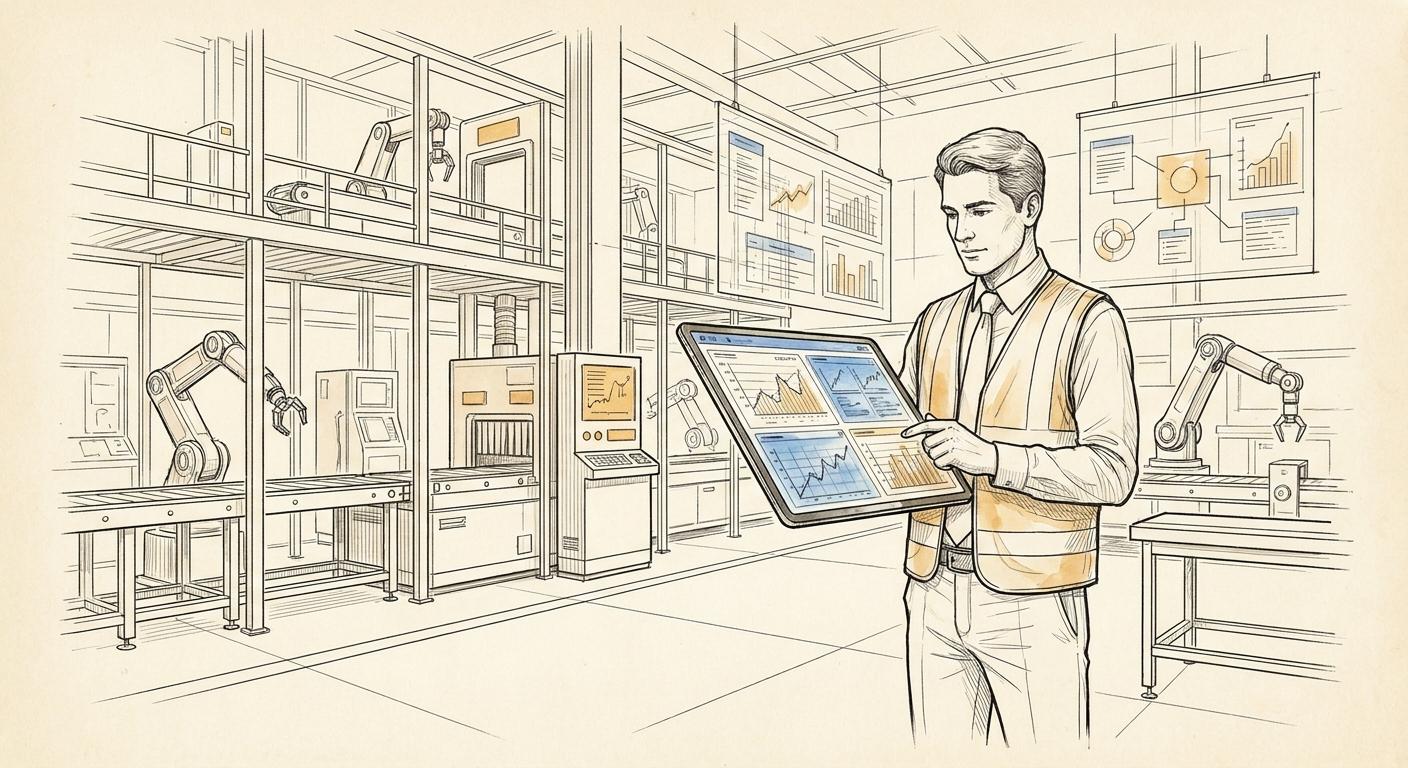
iForAI has delivered over 150 projects by focusing on speed-to-results. For example, in a high-volume payments environment, we reduced validation time from 3 minutes to 20 seconds; a similar logic applies to manufacturing demand signals. The goal is to provide a tool that planners can trust to generate a daily or weekly "suggested build" list, reducing the manual effort required to manage the estimate-vs-actual gap.
Phase 4: Upskilling the Planning Team for AI Adoption
A sophisticated algorithm is useless if the plant managers and demand planners do not trust its output. Many firms purchase expensive software licenses only to see low adoption because the staff continues to use their "shadow" Excel sheets. Upskilling is the bridge between a purchased tool and actual ROI.
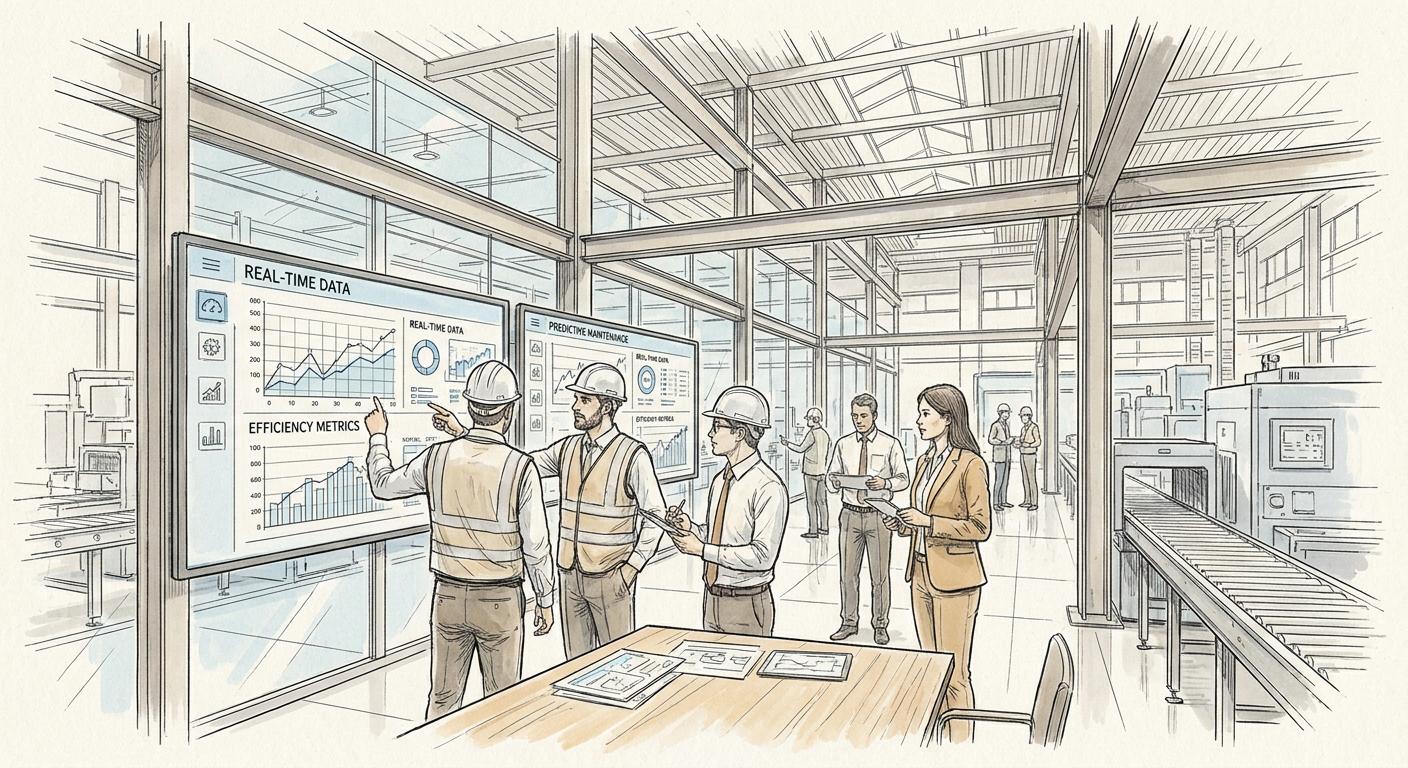
The planning team needs to understand how to interpret AI-generated confidence intervals and how to feed "ground truth" back into the model. This creates a feedback loop where the AI learns from the human's tribal knowledge, and the human gains confidence in the AI’s predictive power. This cultural shift is what transforms a one-off project into long-term AI maturity.
Measuring Success: Beyond Accuracy to Cash Flow Impact
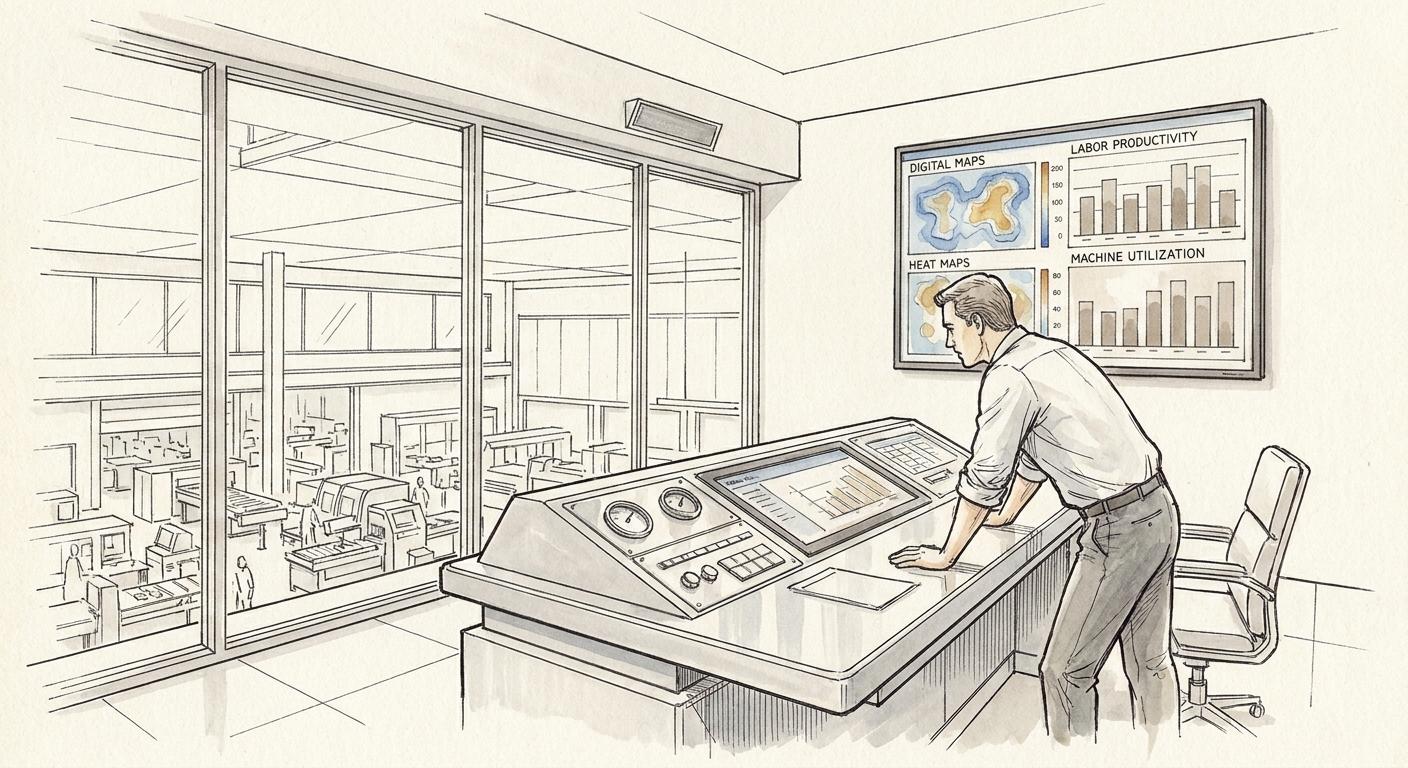
While data scientists focus on "Mean Absolute Percentage Error" (MAPE), the C-suite must focus on financial outcomes. Success in supply chain optimization should be reported through three primary lenses:
- Working Capital: How much cash was freed up by reducing safety stock levels for high-value SKUs?
- Operational Leverage: How much more volume can the existing team handle now that manual forecasting effort has been reduced? (Our clients typically see a 60-70% reduction in manual processing time).
- OTIF Improvements: Have stock-outs decreased, and has the estimate-vs-actual gap narrowed?
For PE-backed manufacturers, these metrics are essential for exit readiness. A company that can demonstrate a data-driven, repeatable process for managing its supply chain commands a higher exit multiple than one relying on the intuition of a few key employees.
Frequently Asked Questions
How long does it take to see ROI from AI demand forecasting? With a fixed-scope approach, a live use case can be in production within 8 to 12 weeks. Most manufacturers begin seeing measurable improvements in operational cash flow and inventory levels within the first 90 to 120 days as procurement cycles adjust to the new demand signals.
How can we start reducing inventory costs with AI if our data is messy? You do not need perfect data to start; you need directional data. AI models are often better at handling "noisy" data than traditional statistical methods. By focusing on a specific high-value SKU cluster, we can clean and structure the necessary data in weeks rather than years.
What is the best approach for AI forecasting for manufacturing COOs with limited IT resources? The most effective path is an embedded AI strategy where an external partner provides the execution engine. This allows the COO to access 35+ specialists for the price of a single hire, ensuring the project moves from strategy to production without taxing the internal IT team.
Does this require replacing our existing ERP? No. AI layers on top of your existing ERP or MES to turn stagnant historical data into actionable predictive insights. The goal is to enhance your existing systems, not undergo a costly and risky "rip and replace" digital transformation.
Implementing AI-driven demand forecasting is a critical lever for improving EBITDA and capturing lost margins. By moving from manual guesswork to an execution-focused AI roadmap, manufacturers can stabilize their supply chains and maximize value within the investment window.
Book a Manufacturing Diagnostic at ifor.ai/solutions/manufacturing