

.svg)

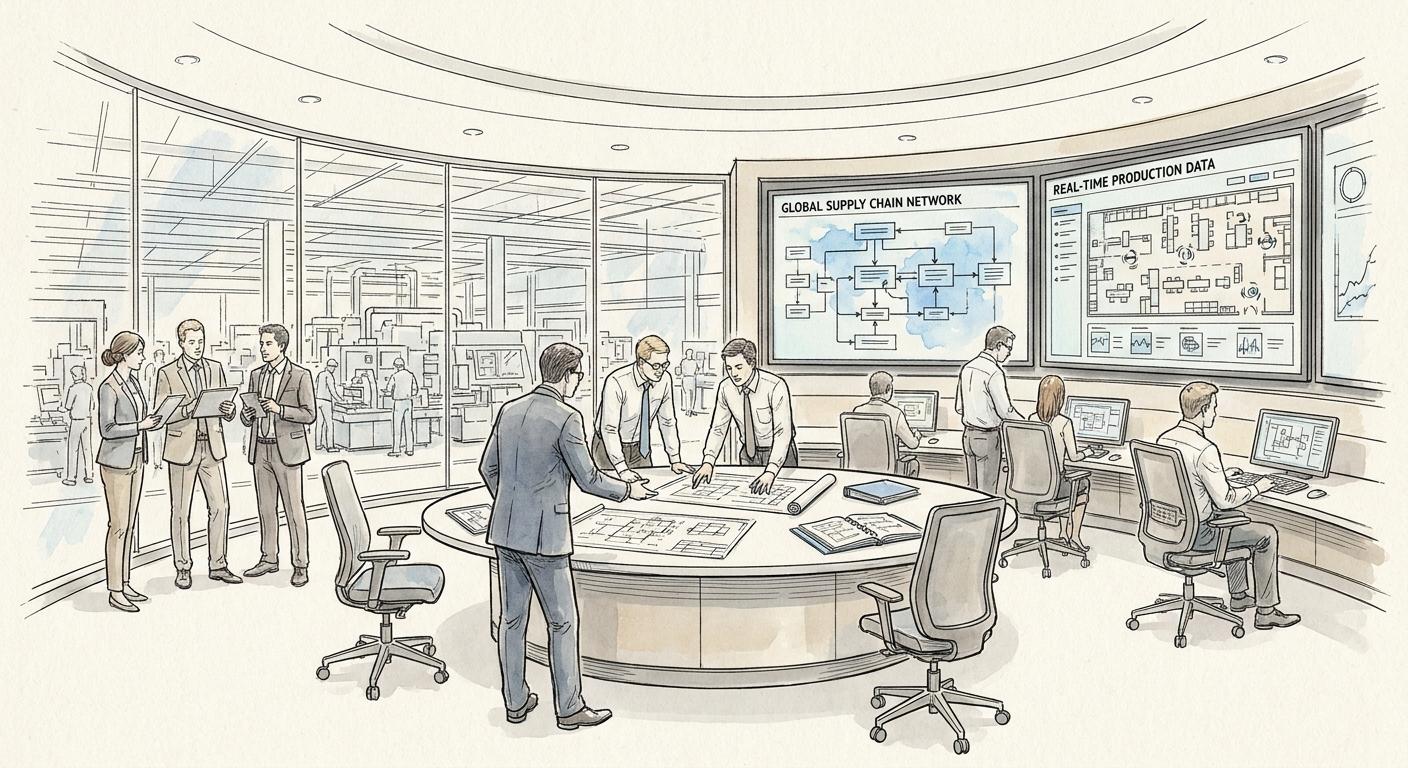
Evaluating a complex manufacturing asset under a tight investment window often means relying on static spreadsheets that hide more than they reveal. When historical ERP exports and estimate-vs-actual costing sheets are months out of date, deal teams risk missing hidden margin leakage and operational bottlenecks. AI-driven scenario planning changes this dynamic by replacing rigid financial models with dynamic, data-backed simulations. This approach allows private equity operating partners to stress-test target operations before signing the letter of intent, securing a clearer view of post-acquisition value creation.
The Bottleneck in Traditional Manufacturing Due Diligence
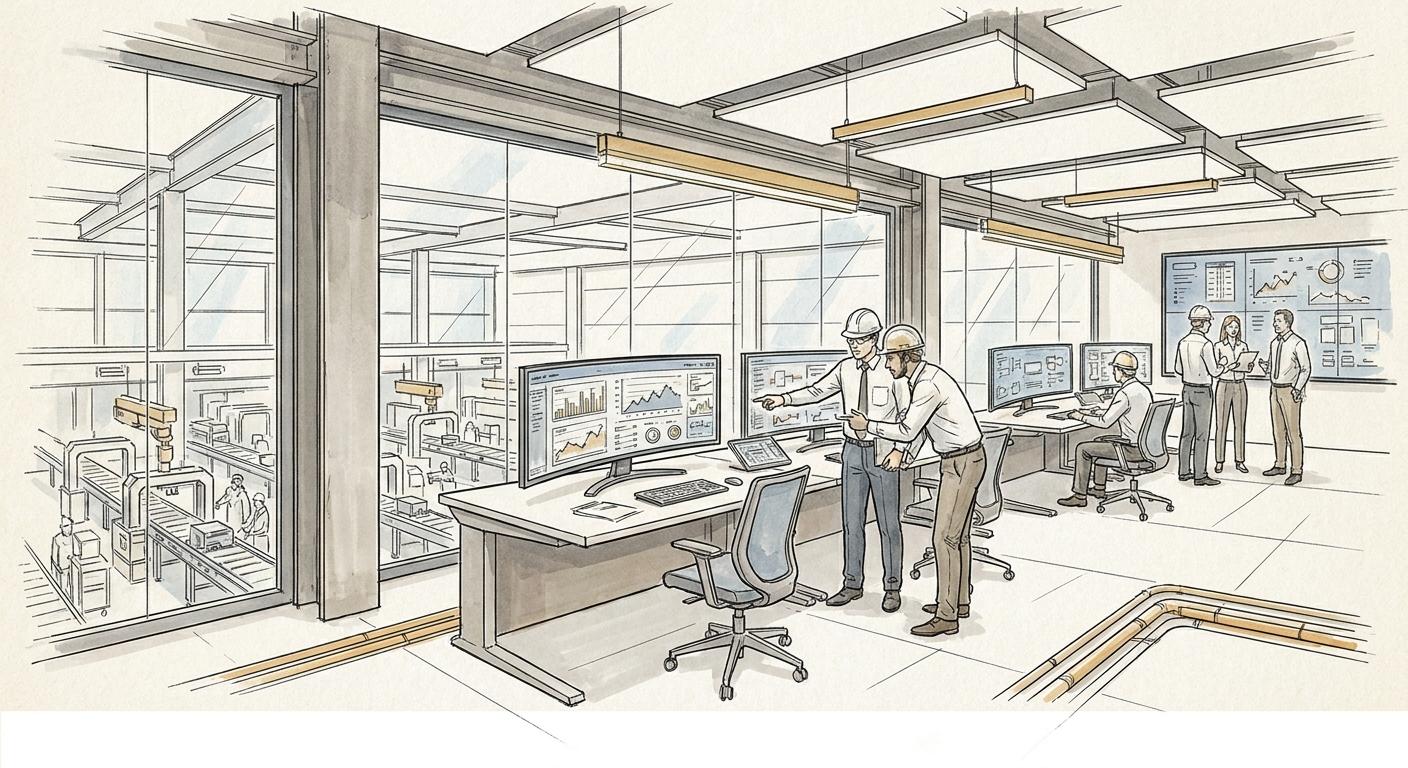
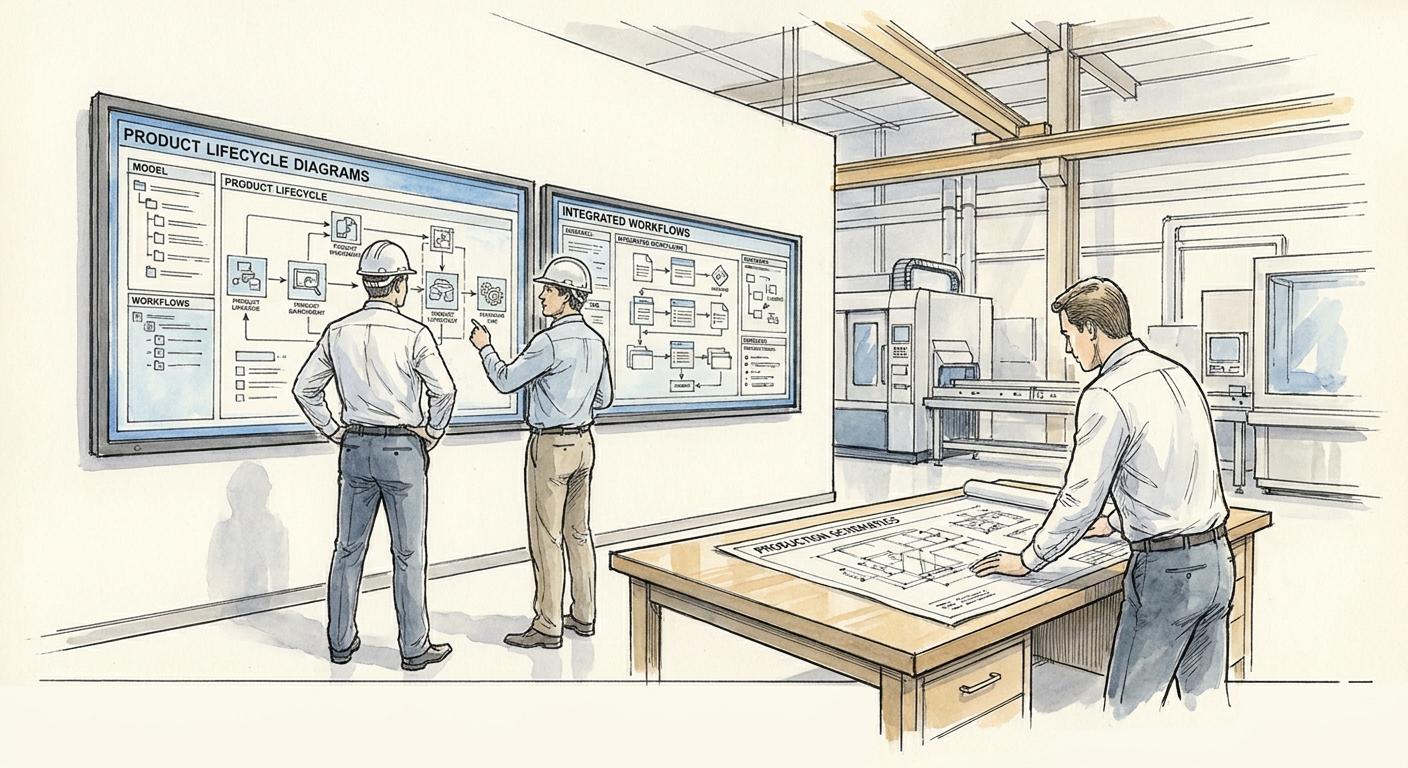
Traditional manufacturing due diligence relies heavily on historical financial statements and backward-looking operational audits. Deal teams review past on-time, in-full (OTIF) metrics, sample job costing sheets, and static capacity utilization reports. This approach assumes historical performance predicts future resilience. In reality, a target company may look profitable on paper while hiding severe vulnerabilities in its shop floor execution and supply chain dependencies.
Static Excel models fail because they cannot simulate simultaneous, complex shocks. If a key supplier experiences a 30 percent lead-time increase while raw material costs fluctuate and shop floor scrap rates rise, a traditional model breaks down or requires manual rebuilding. PE firms need a repeatable AI playbook that uncovers the delayed execution truth buried inside disconnected enterprise resource planning (ERP) and manufacturing execution systems (MES) before the transaction closes.
What is AI-Driven Scenario Planning?
AI-driven scenario planning uses machine learning algorithms to simultaneously model thousands of operational and financial variables, allowing deal teams to stress-test a target manufacturer's margins under complex market disruptions in real time.
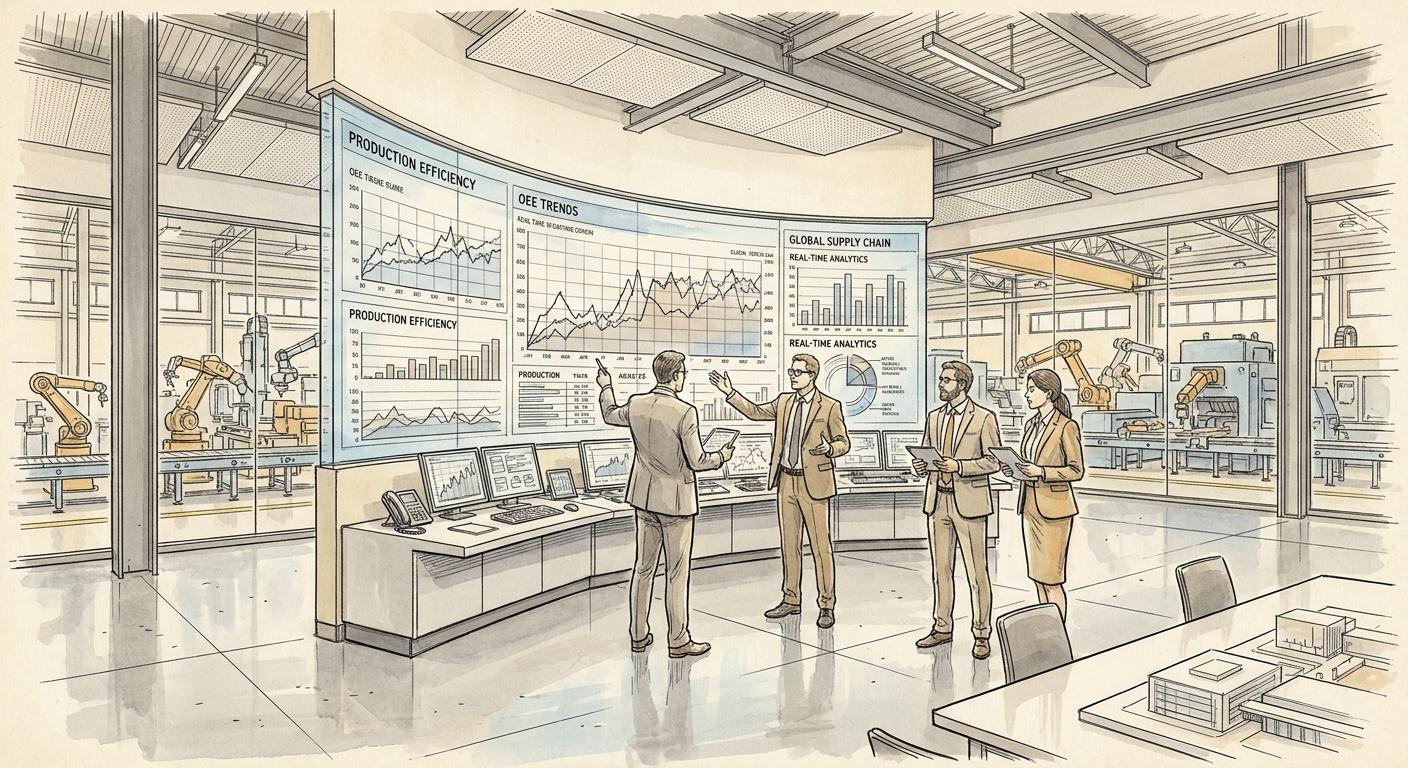
Unlike linear spreadsheets, machine learning models ingest disparate operational datasets to map out probabilistic outcomes. They analyze historical bill-of-materials (BOM) drift, machine downtime logs, and labor constraints to show how a target asset will perform under stress. For an operating partner, this capability transforms due diligence from a compliance exercise into a predictive tool for margin improvement and risk mitigation.
Phase 1: Ingesting and Normalizing Messy Target Data (Days 1–30)
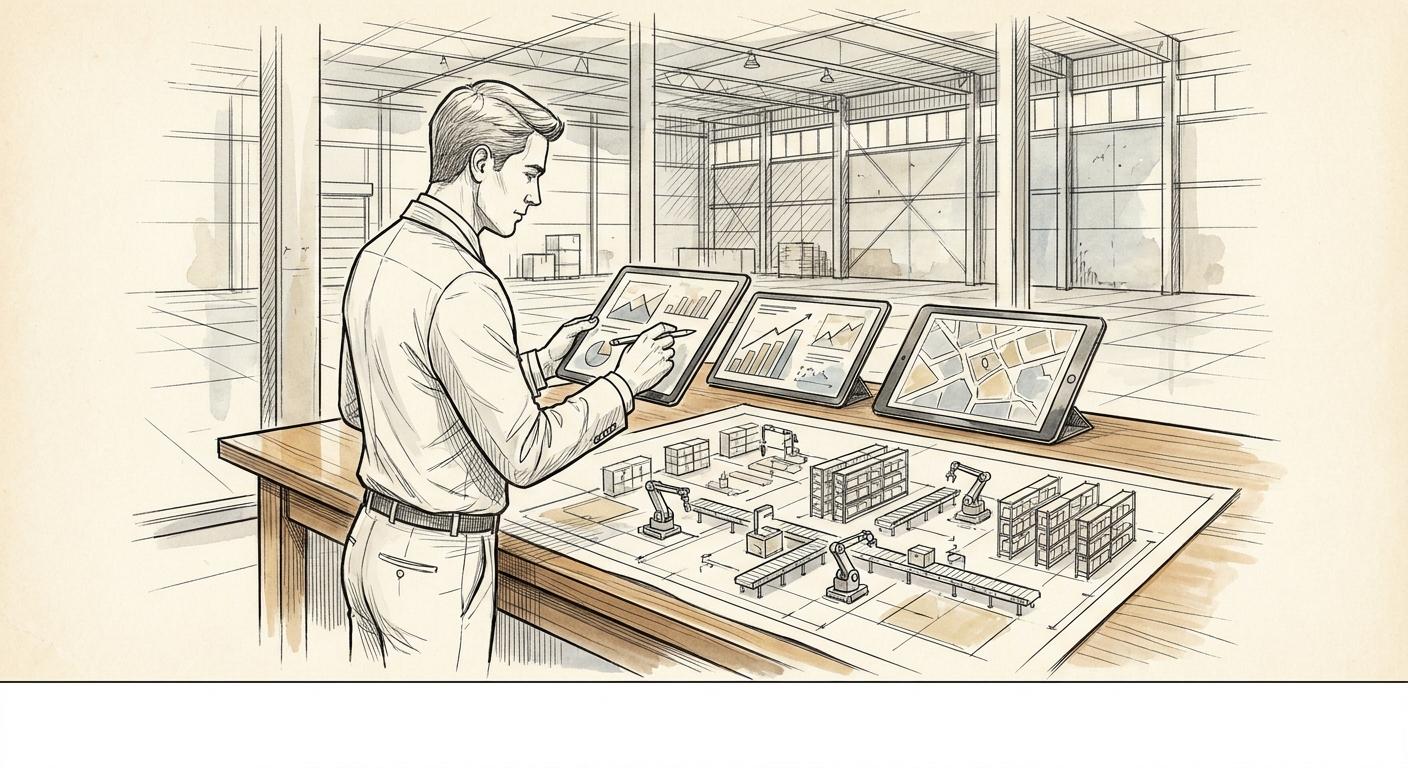
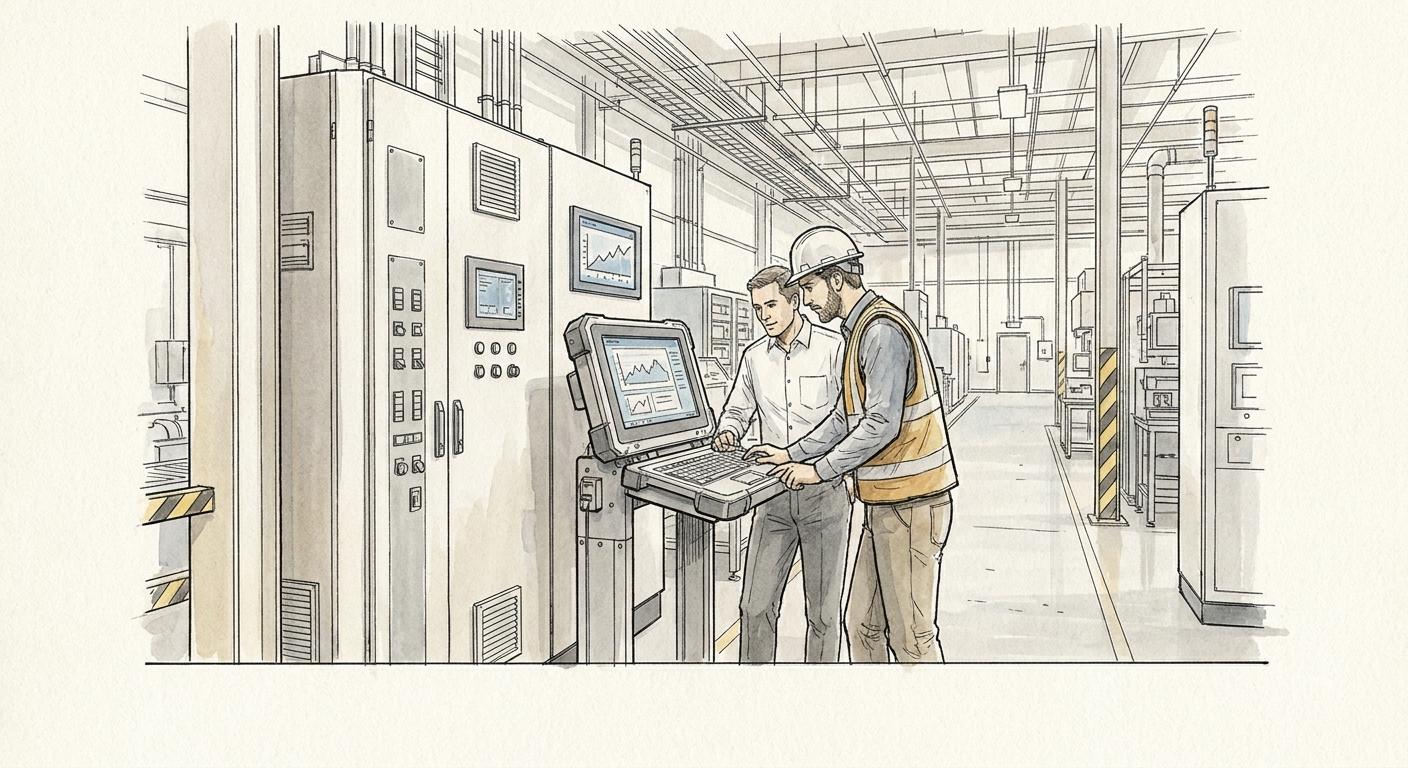
Target companies rarely have clean, centralized data waiting for a buyer. The first phase of deploying AI models requires rapidly ingesting unstructured data from legacy ERP databases, maintenance logs, and manual shop floor spreadsheets.
The objective is to normalize this data into a unified analytical environment without disrupting the target company's day-to-day operations. By applying automated ingestion pipelines, deal teams can aggregate historical OTIF records and estimate-vs-actual costing sheets within weeks rather than months. This rapid data consolidation establishes a baseline for AI readiness, giving the investment committee clear visibility into historical cost variances and operational bottlenecks.
Phase 2: Building Dynamic Operational Stress Tests
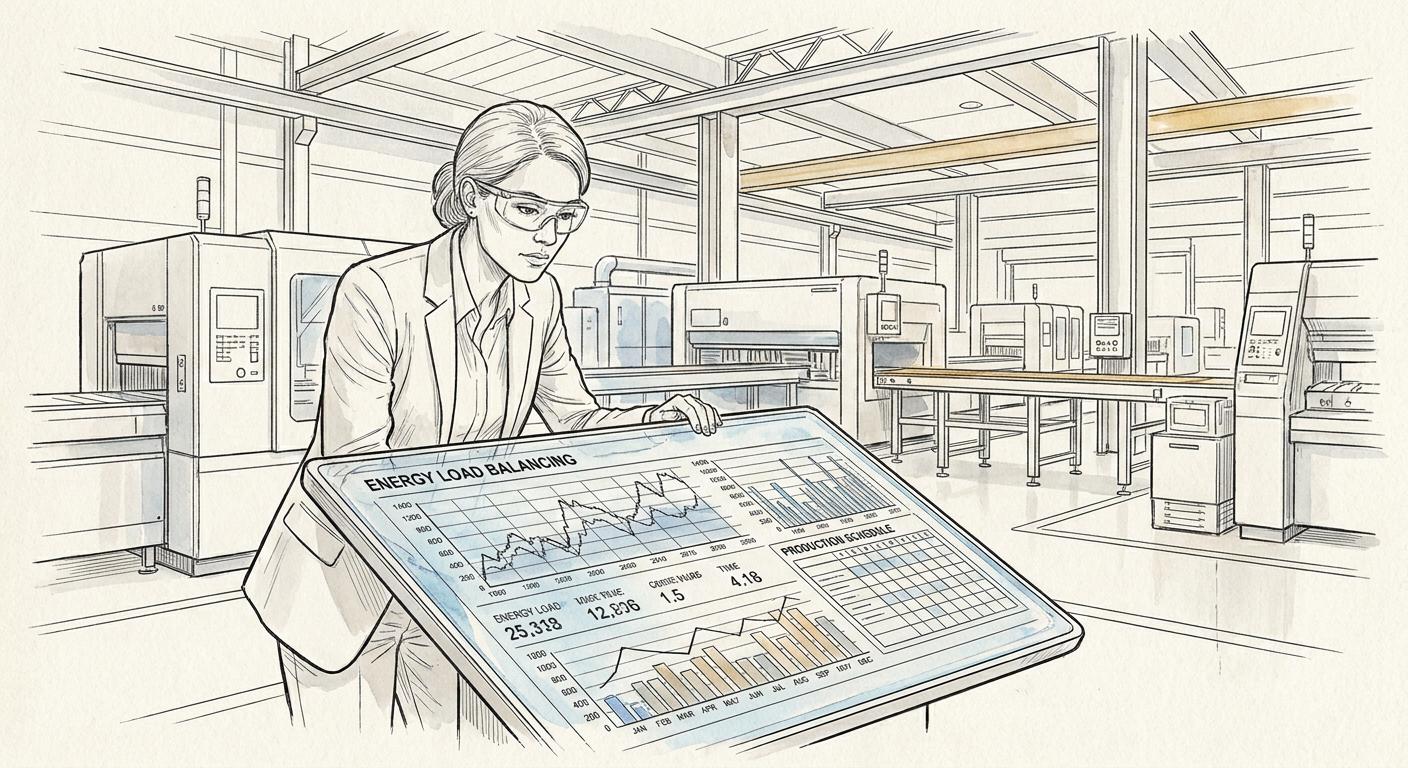
Once the data is normalized, the focus shifts to running dynamic operational stress tests. Instead of asking how the business performed last year, the model answers how the business survives a specific market disruption next quarter.
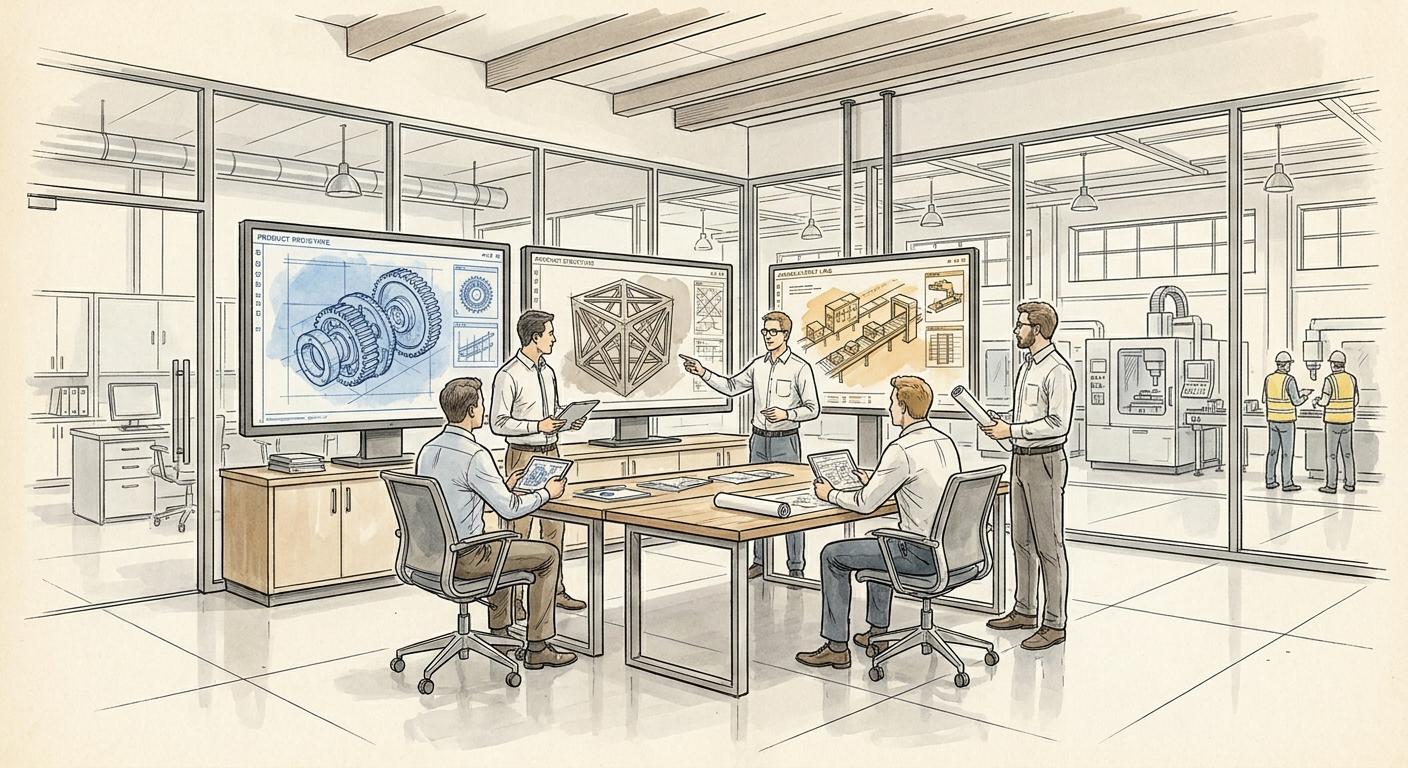
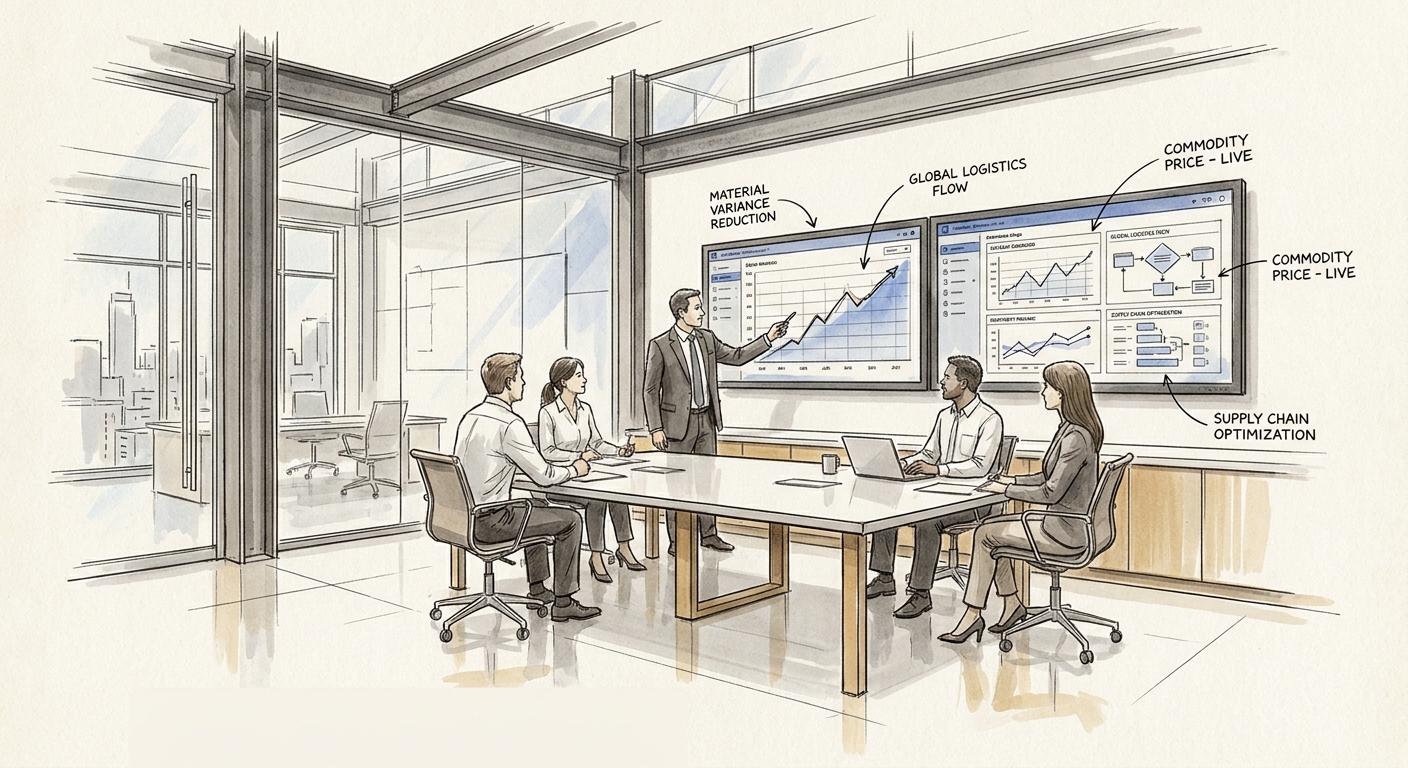
Deal teams can simulate margin compression under various tariff adjustments, supplier failure modes, and volume surges. For instance, the model can isolate specific product lines suffering from chronic estimate-vs-actual gaps and calculate the cascading effect on EBITDA. This level of granularity helps operating partners validate the management team's growth assumptions and identify margin leakage before finalizing the purchase agreement.
Phase 3: Translating Findings into the First 100-Day Value Creation Plan
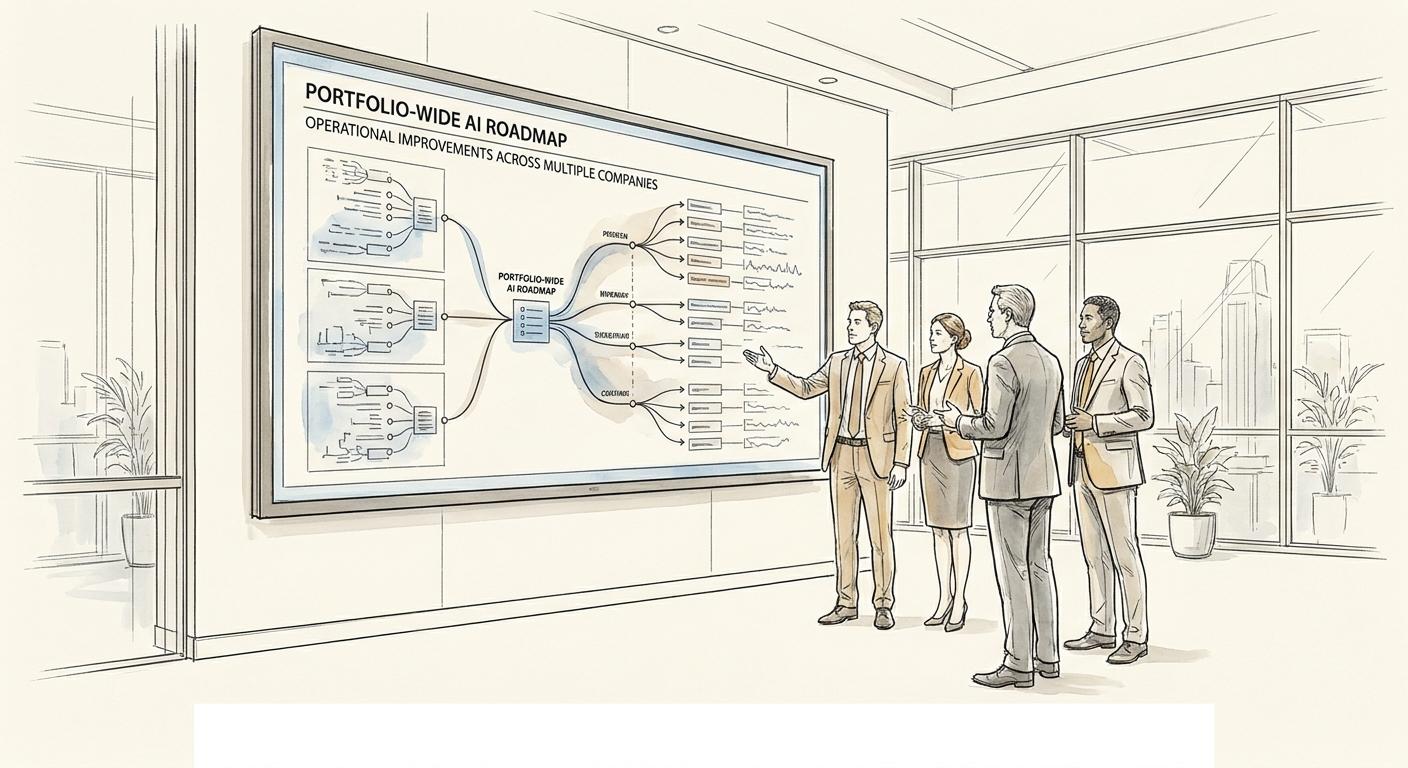
Due diligence insights hold little value if they sit in a static report on a shared drive. The true objective of AI-driven scenario planning is to translate predictive findings directly into an execution roadmap for the first 100 days post-acquisition.
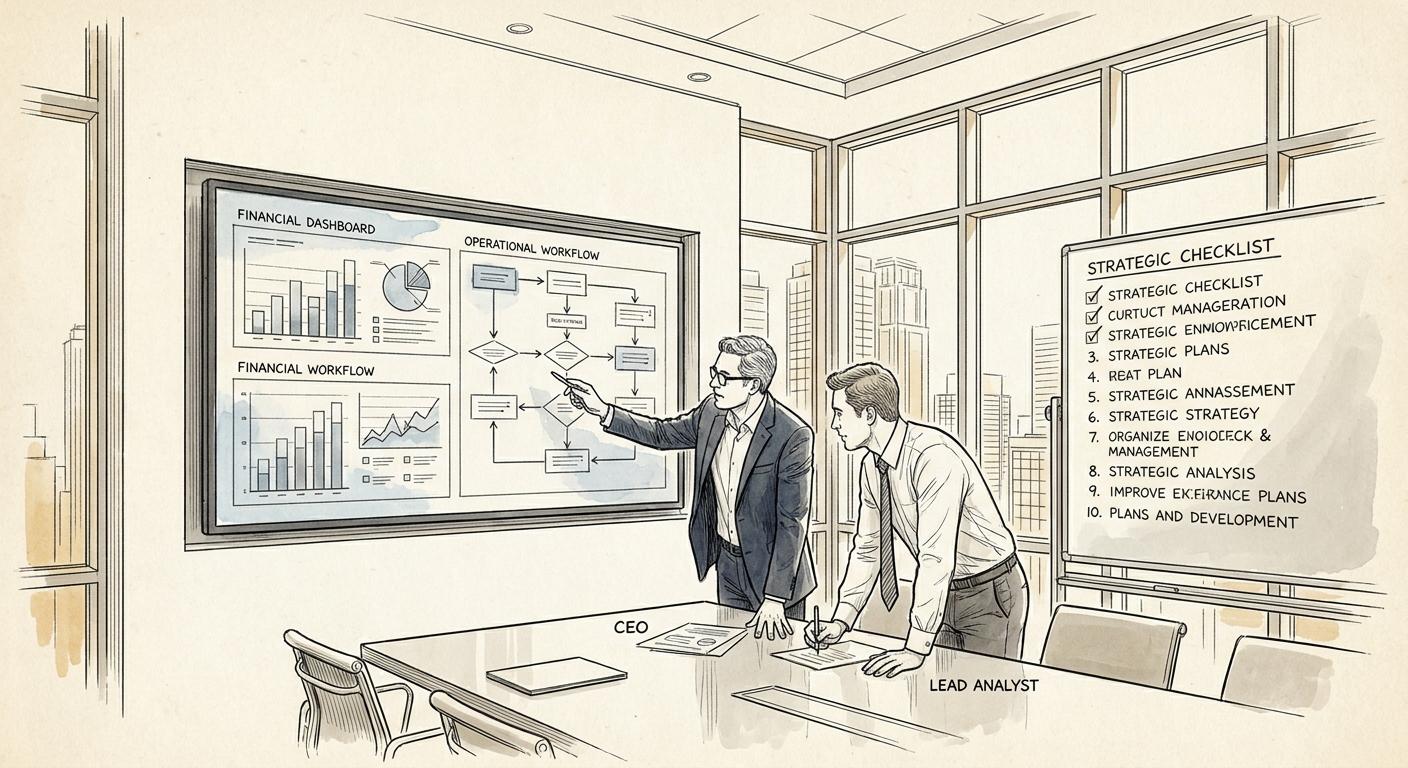
When the new portfolio CEO steps in, they should inherit a prioritized list of operational quick wins rather than a list of lingering uncertainties. Scenario models highlight exactly where automation or process adjustments will yield the fastest EBITDA improvement. This structured transition reduces the typical post-acquisition lag and accelerates the realization of the investment thesis.
The iForAI Advantage: Embedded Execution vs. Another Static Report
Building predictive models during a fast-moving transaction requires specialized engineering capabilities that internal deal teams rarely have on hand. iForAI provides a team of 35+ specialists who act as an embedded extension of the PE operating group, building the scenario models and upscaling the portfolio company team to run them.
With a track record of over 150 delivered projects and 70+ shipped use cases, iForAI focuses on speed-to-value. Through fixed-scope engagements like the AI Starter Package for PE, operating partners can deploy a production-ready use case within 8 to 12 weeks. This combination of strategic roadmap design, hands-on execution, and team upscaling turns purchased analytical tools into actual, measurable operating leverage.
Frequently Asked Questions
How quickly can AI-driven scenario planning be set up during a live deal?
AI scenario frameworks can be deployed rapidly to fit within standard deal timelines. By leveraging existing data connectors and pre-built analytical structures, initial diagnostic results and stress tests can be delivered within a 60-to-90-day window.
What data is required from a target manufacturing company to run AI scenario models?
Standard historical ERP exports, MES logs, inventory movement records, and job costing sheets are sufficient to begin. Perfection is not required; messy or incomplete data can be normalized during the initial ingestion phase.
How does scenario planning support the first 100 days post-acquisition?
It provides the new portfolio CEO with an immediate, data-backed operational roadmap rather than guessing where margin leaks exist. This allows leadership to target specific shop floor inefficiencies, vendor risks, and pricing gaps from day one.
AI-driven scenario planning removes the guesswork from manufacturing due diligence by stress-testing operational assumptions before capital is deployed. By turning lagging ERP and MES data into predictive models, PE firms can secure clearer entry valuations and accelerate post-acquisition value creation.
Learn about the AI Starter Package at ifor.ai/solutions/private-equity

Ira Komarova
COO at iForAI