
.svg)


6
min read

September 21, 2026
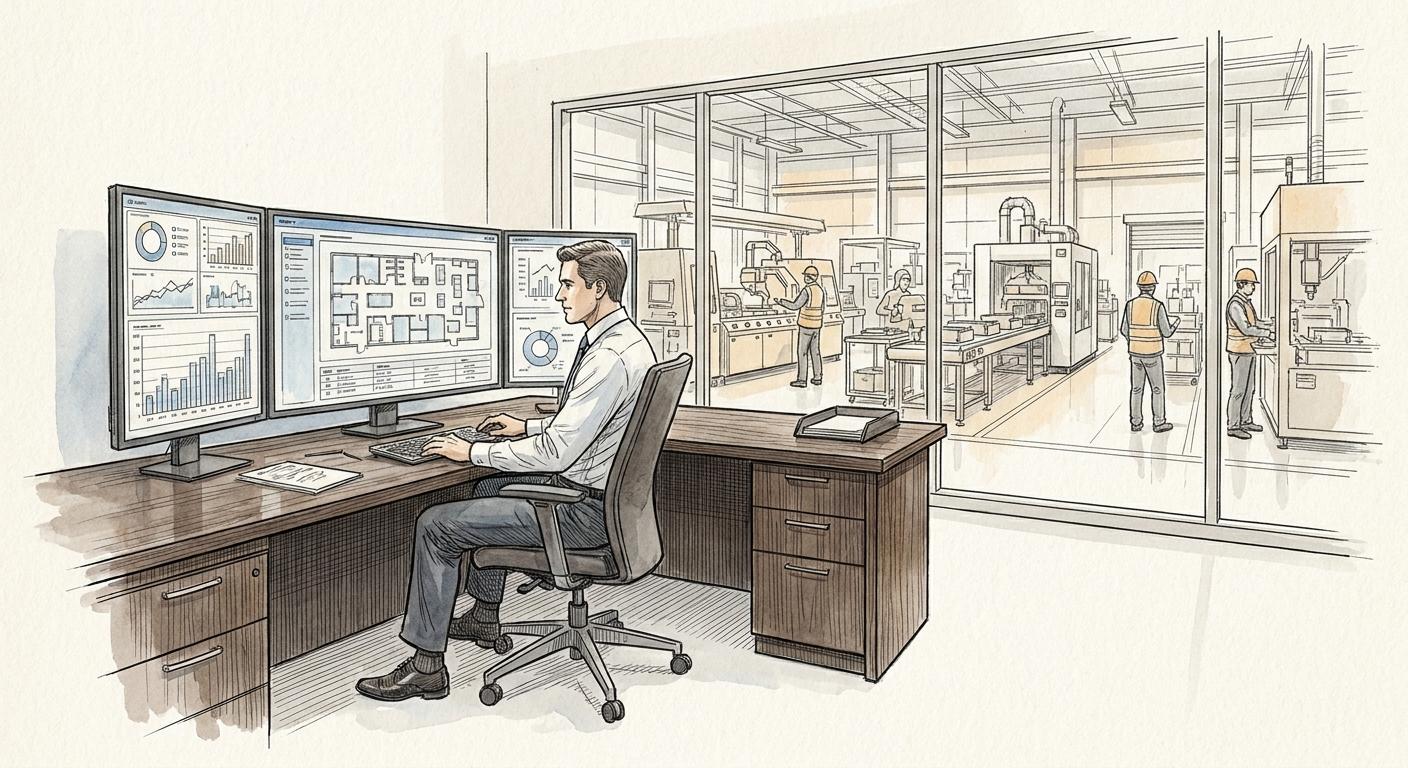
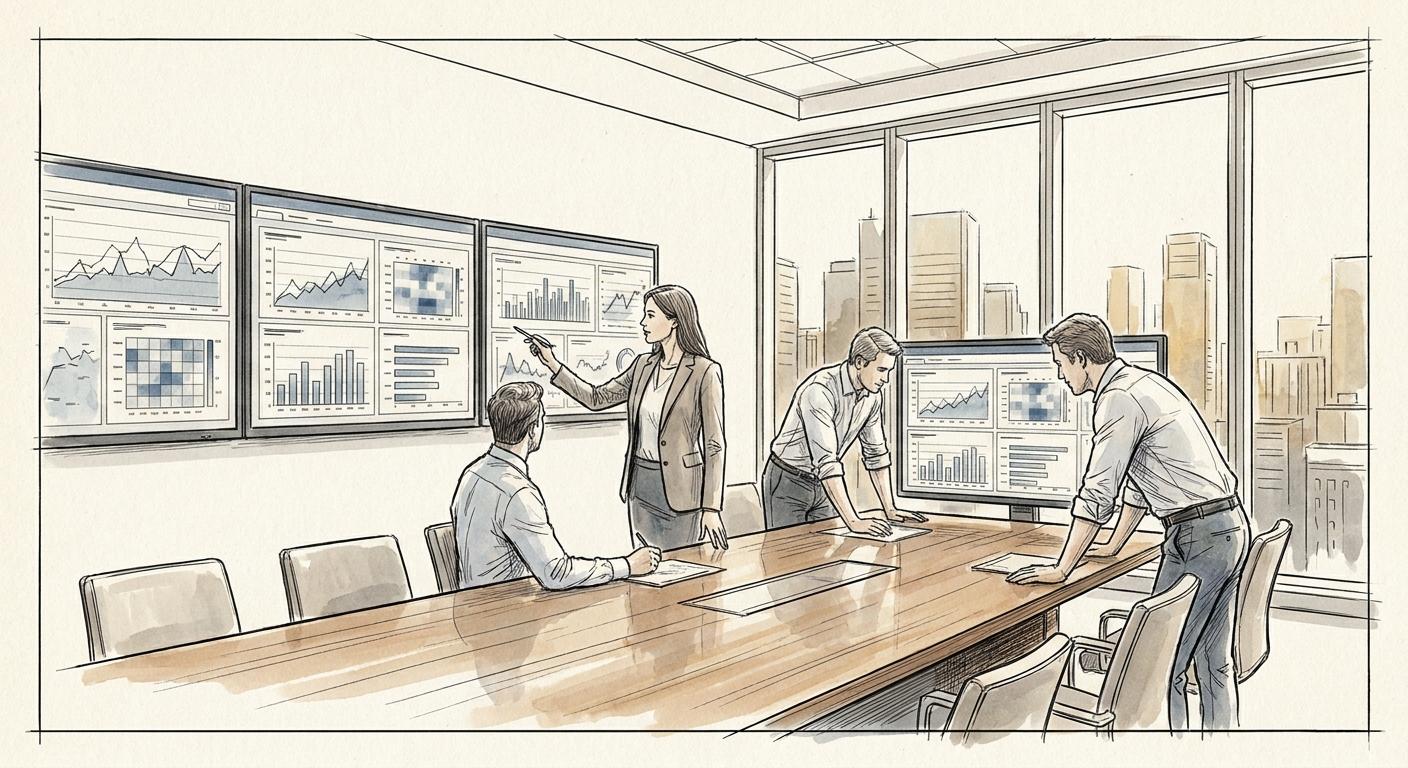
Unplanned downtime is the primary driver of margin erosion in mid-market manufacturing, often surfacing as missed OTIF targets and ballooning maintenance costs. A robust digital twin strategy for manufacturing moves beyond the buzzwords of Industry 4.0 to solve the specific "estimate-vs-actual" gaps that plague the plant floor. By creating a virtual replica of critical assets, COOs can shift from a reactive "break-fix" mentality to a proactive model that preserves EBITDA and extends the useful life of aging machinery.
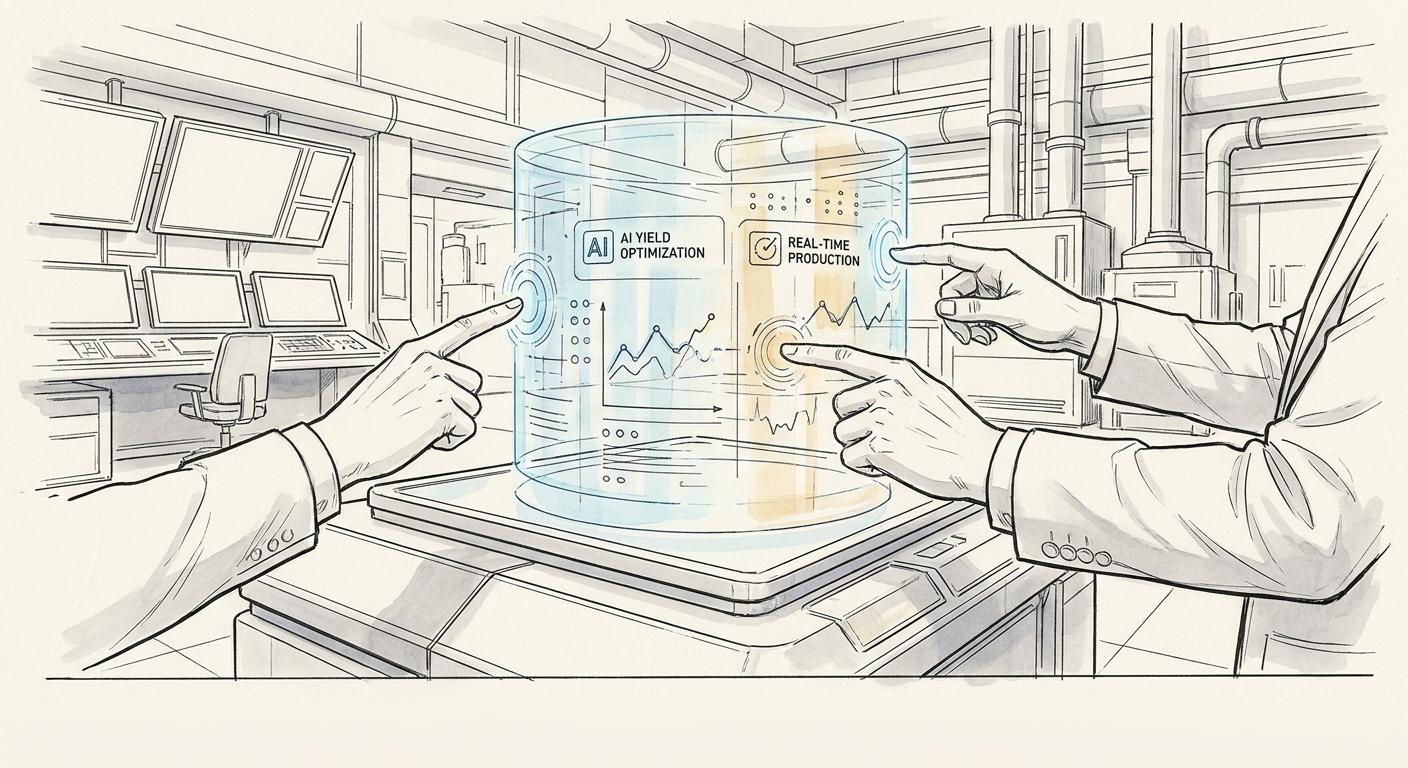
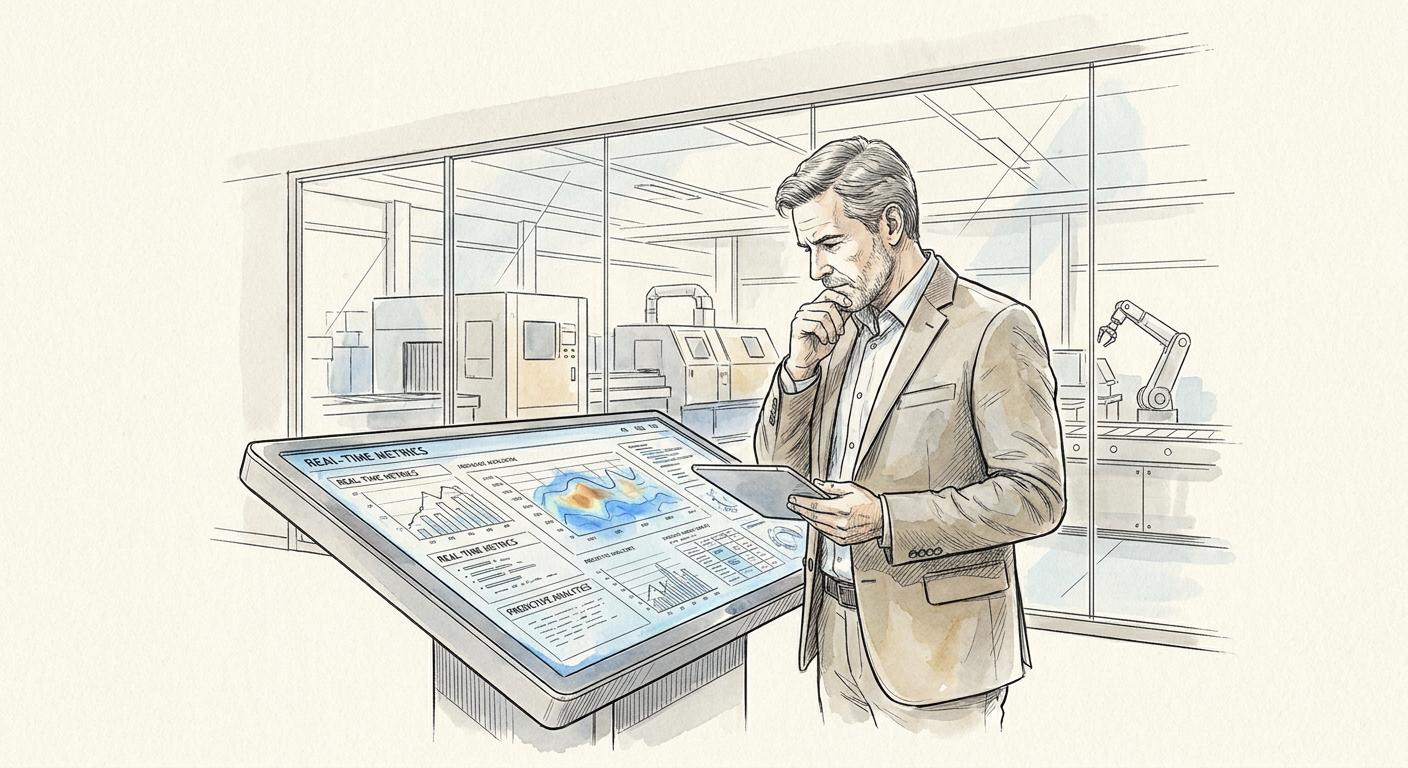
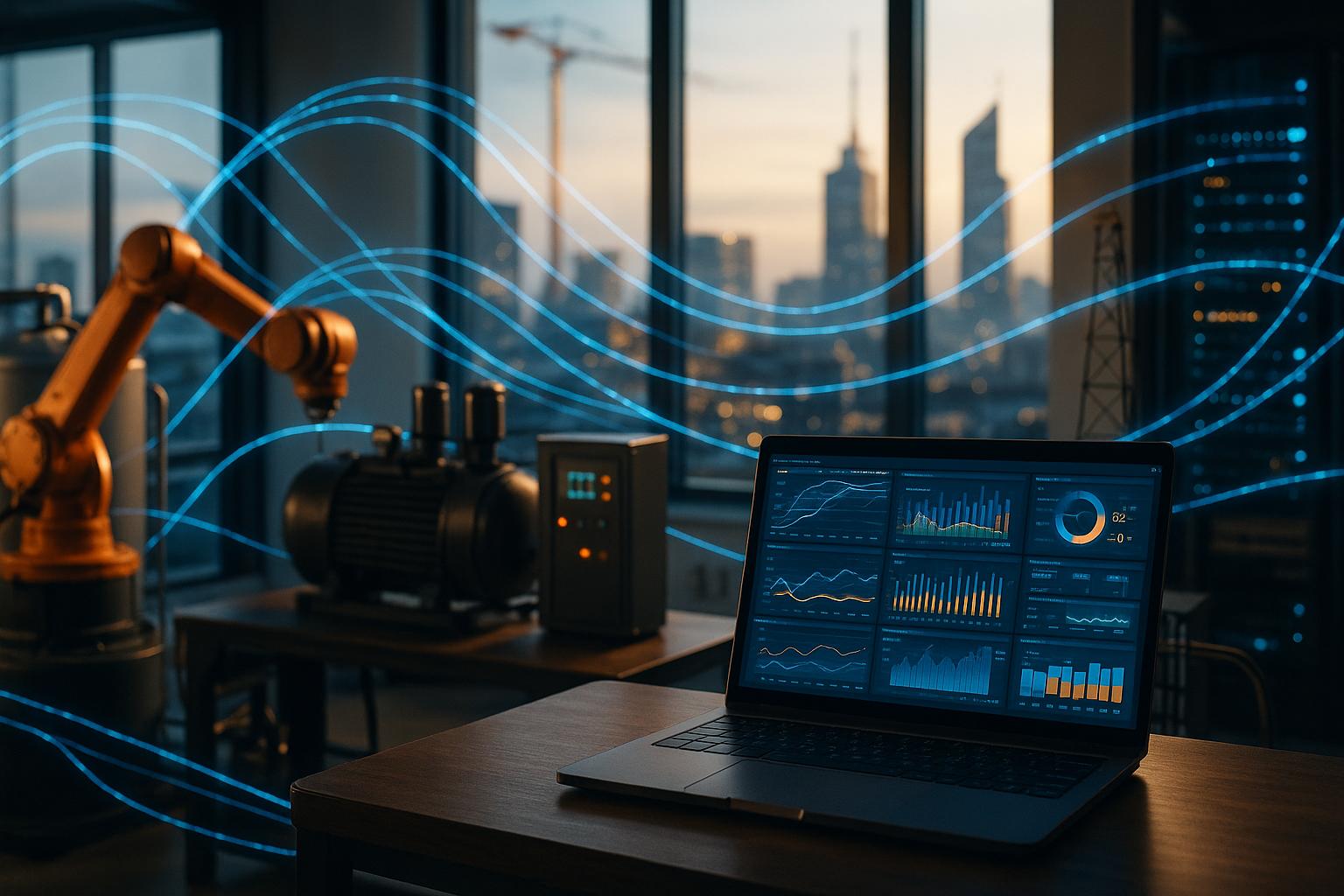
A Digital Twin Strategy for manufacturing is a virtual representation of physical assets, processes, and systems that uses real-time data and AI to predict failures, simulate scenarios, and optimize operational performance. It acts as a bridge between the physical shop floor and digital decision-making, providing a live look at asset health.
The COO’s Dilemma: Moving Beyond Reactive Maintenance
Most manufacturing leaders are trapped in a cycle of reactive maintenance or, at best, rigid preventative schedules that result in over-servicing healthy machines while failing to catch catastrophic failures. When a critical line goes down, the impact is felt far beyond the repair bill; it ripples through the supply chain, resulting in expedited shipping fees and damaged customer relationships.
Traditional preventative maintenance relies on averages - servicing a motor every six months regardless of its actual condition. This leads to margin leakage as teams replace parts that still have life or miss subtle signs of vibration and heat that signal an imminent failure. The goal of an embedded AI approach is to identify the precise moment an asset requires intervention, ensuring maintenance happens exactly when needed, not just when the calendar says so.
Phase 1: Defining the 'Minimum Viable Twin' (MVT)
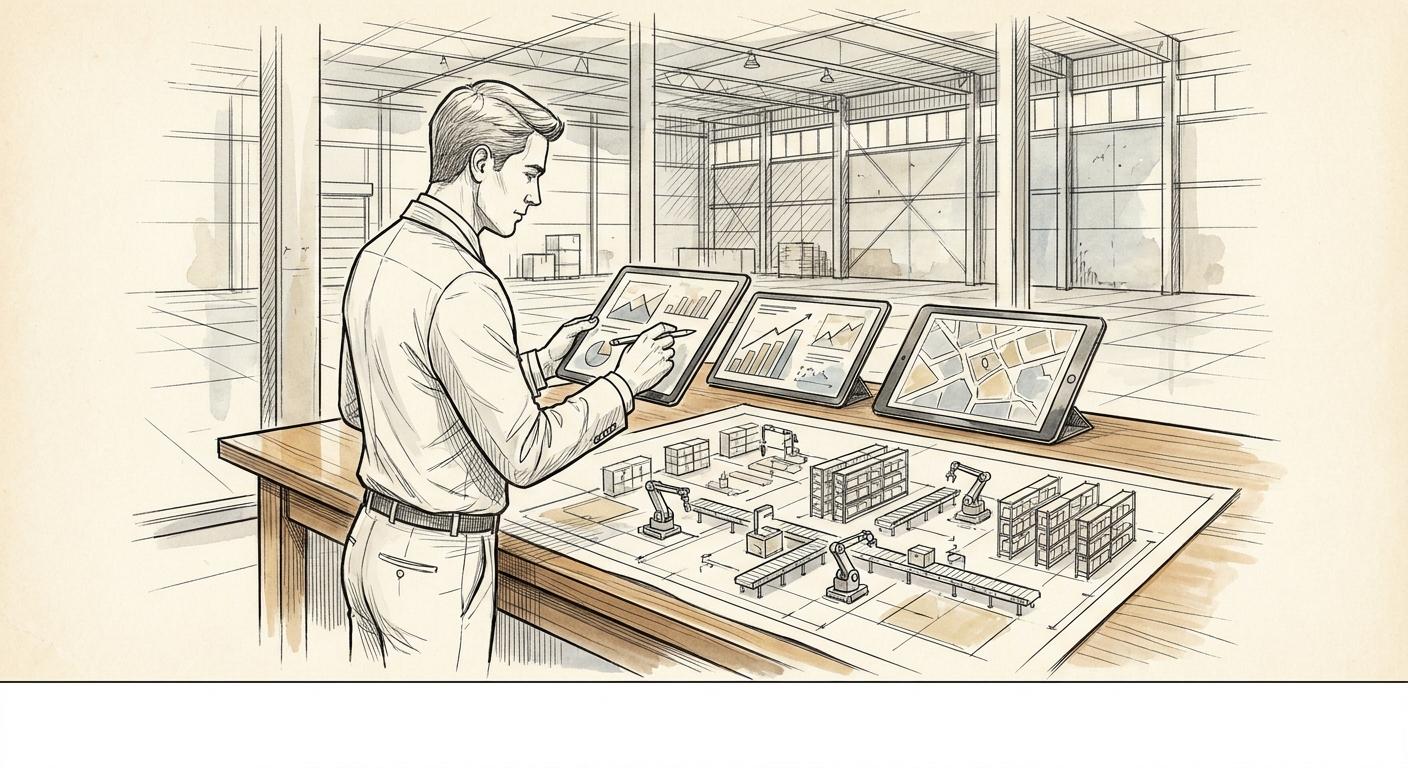
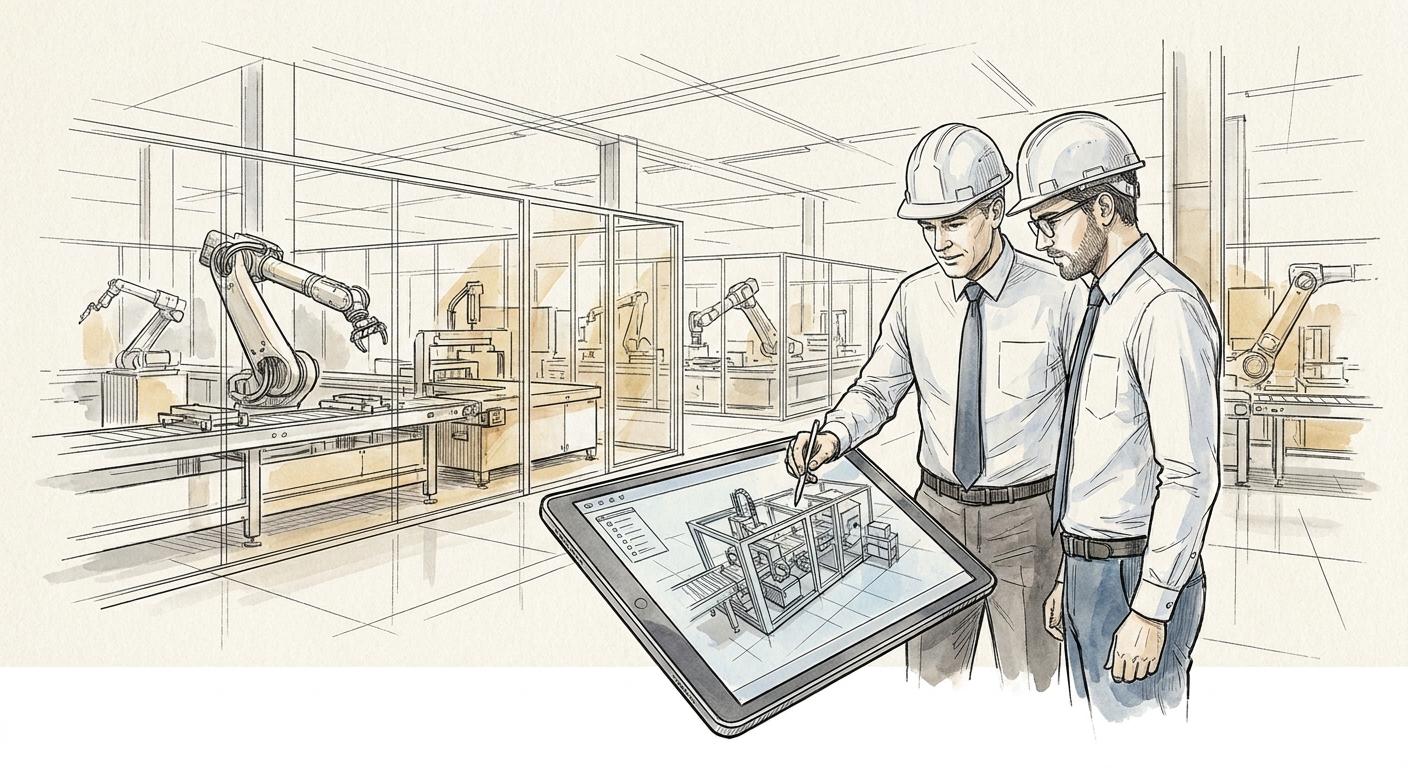
A common mistake is attempting to model the entire factory floor simultaneously. This leads to data fatigue and low time-to-value. Instead, the focus should be on the "Minimum Viable Twin" (MVT). We recommend identifying the "bottleneck assets" - those single points of failure where an hour of downtime costs the most in lost throughput.
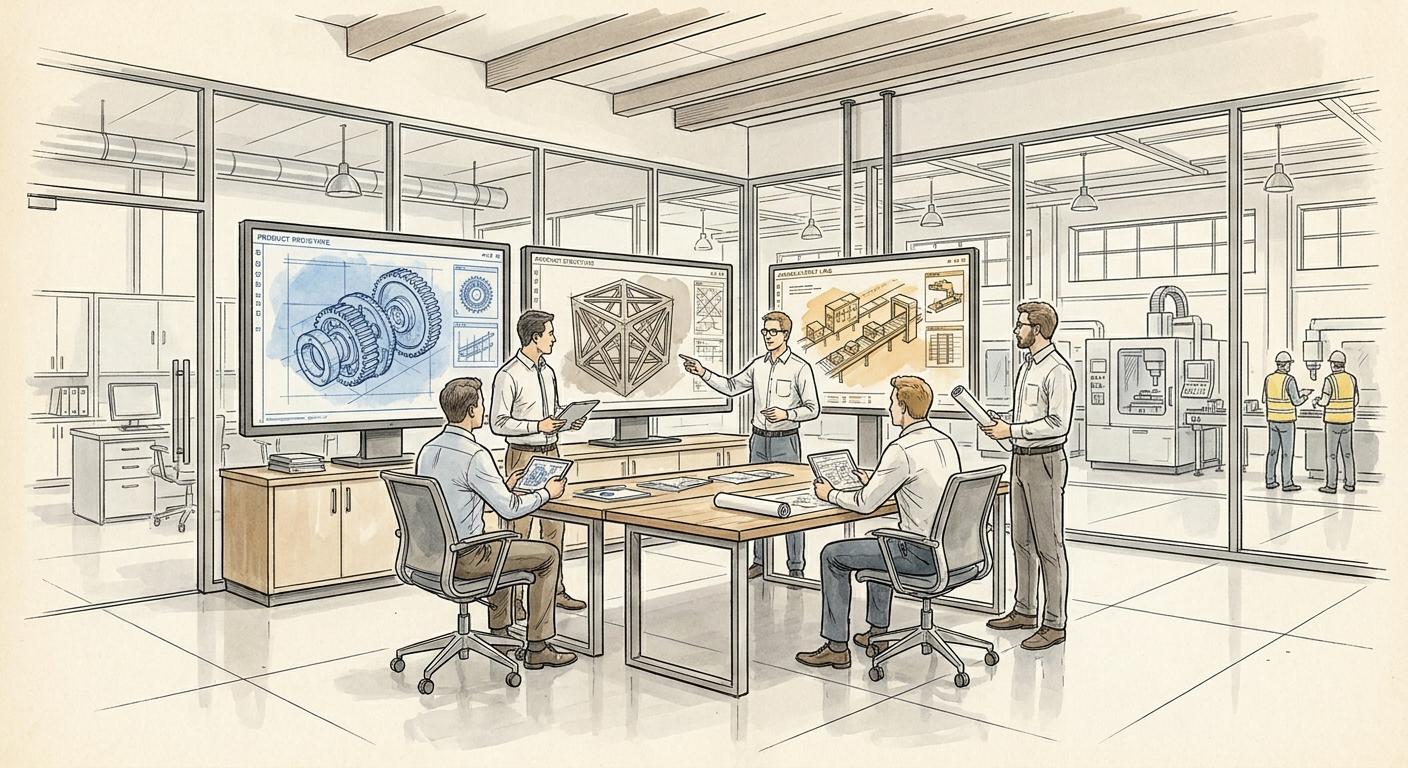
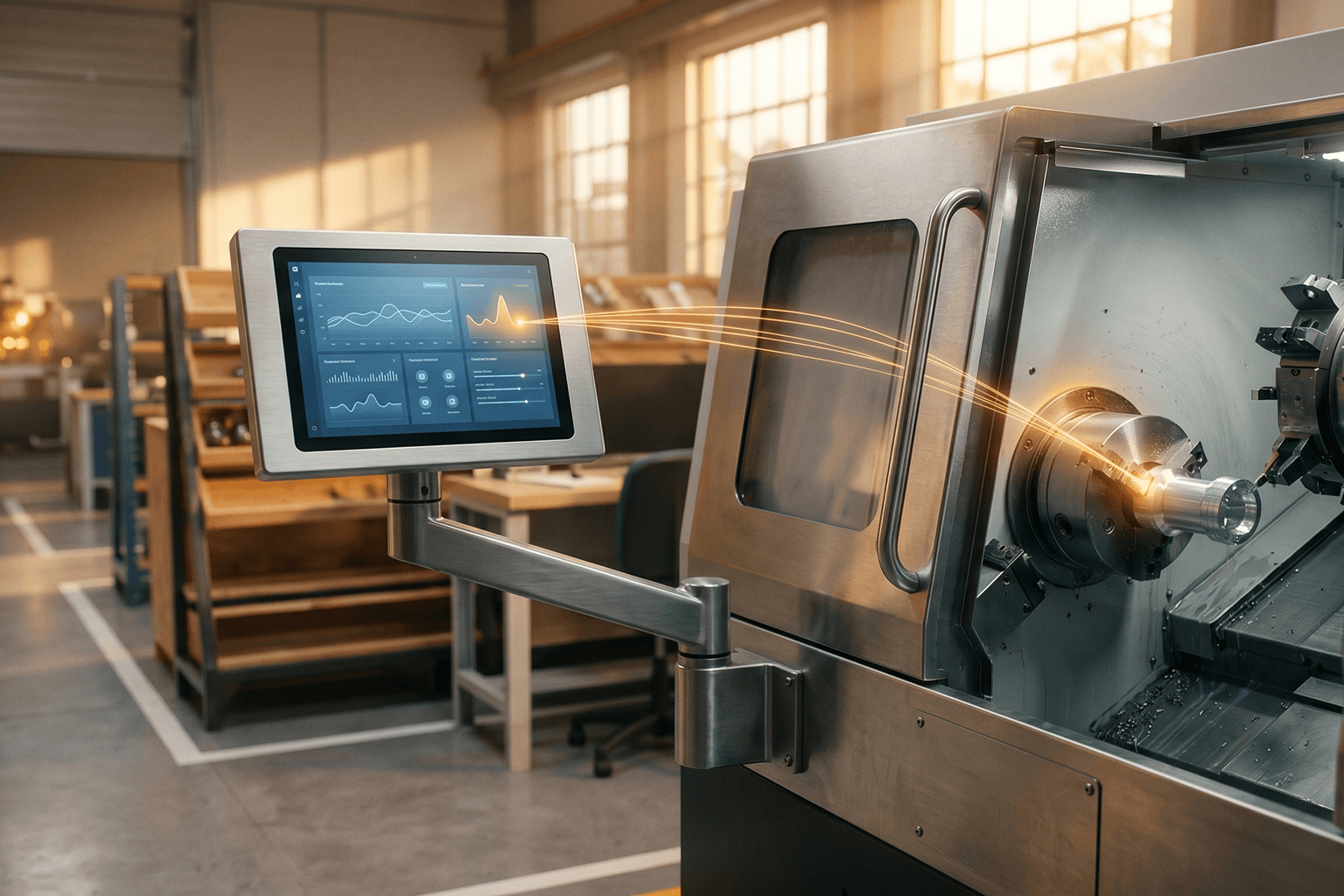
By narrowing the scope to one production line or a specific set of high-value CNC machines, leadership can achieve a quick win that proves the business case. At iForAI, we have found that focusing on a single use case - such as predicting spindle failure in aerospace components - allows for a live production pilot within 8 to 12 weeks. This targeted approach ensures that the value creation is measurable before the strategy is rolled out portfolio-wide.
Phase 2: Bridging the ERP-MES Data Gap
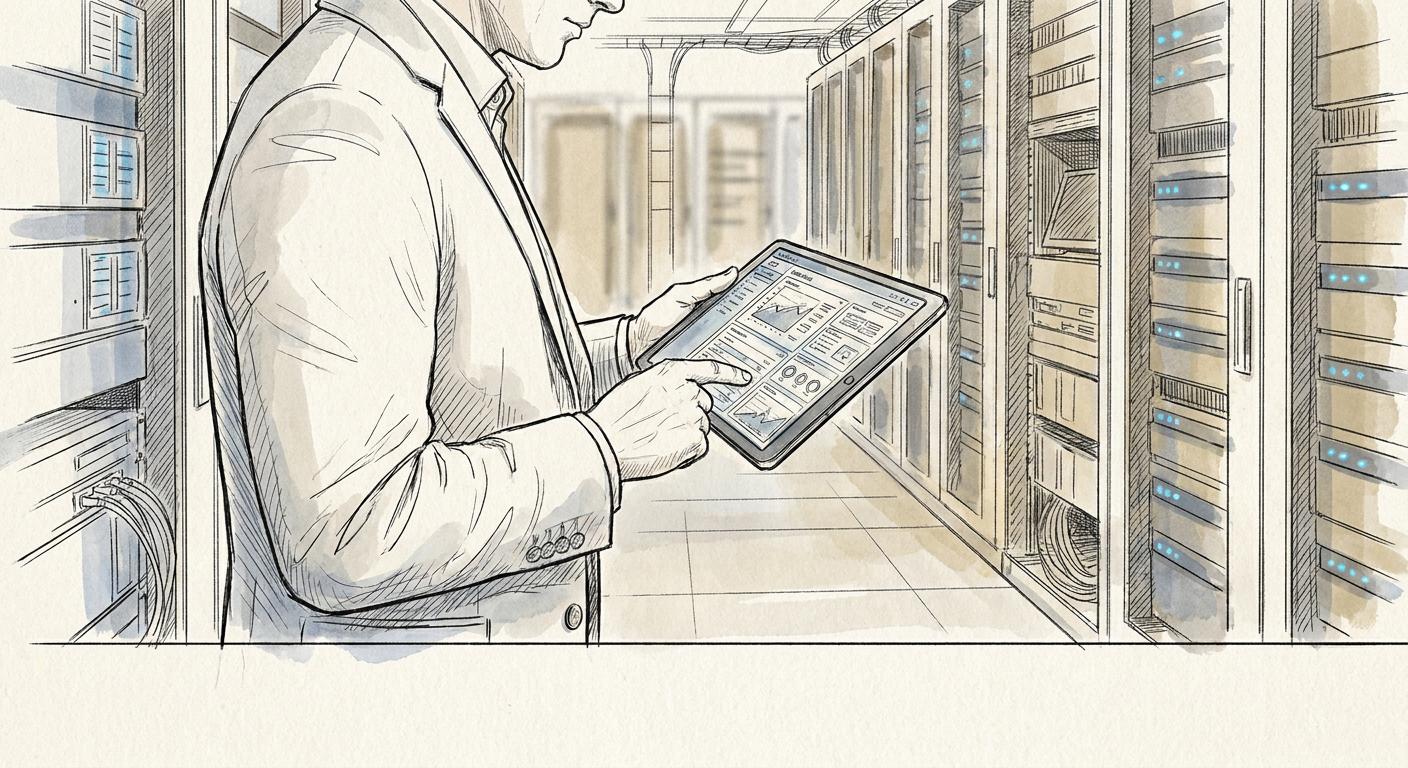
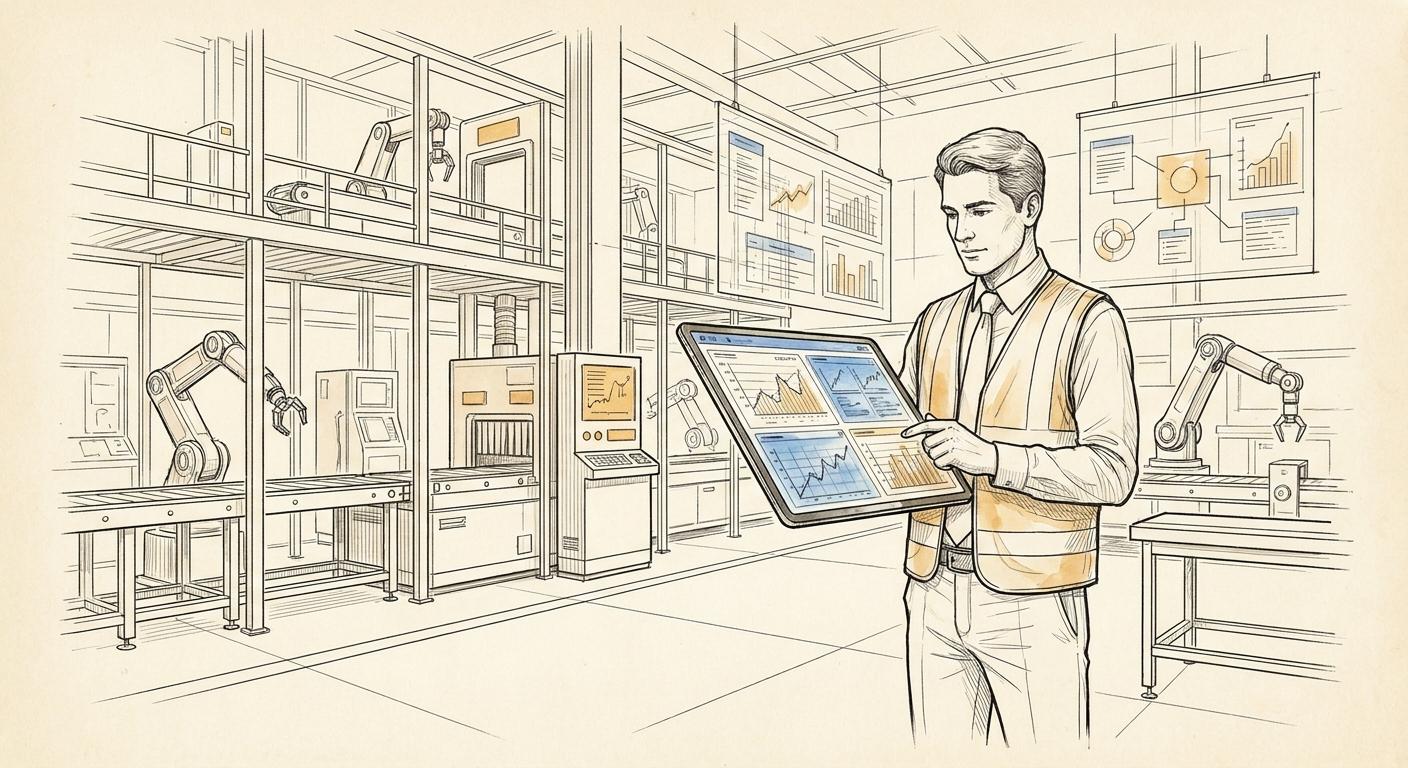
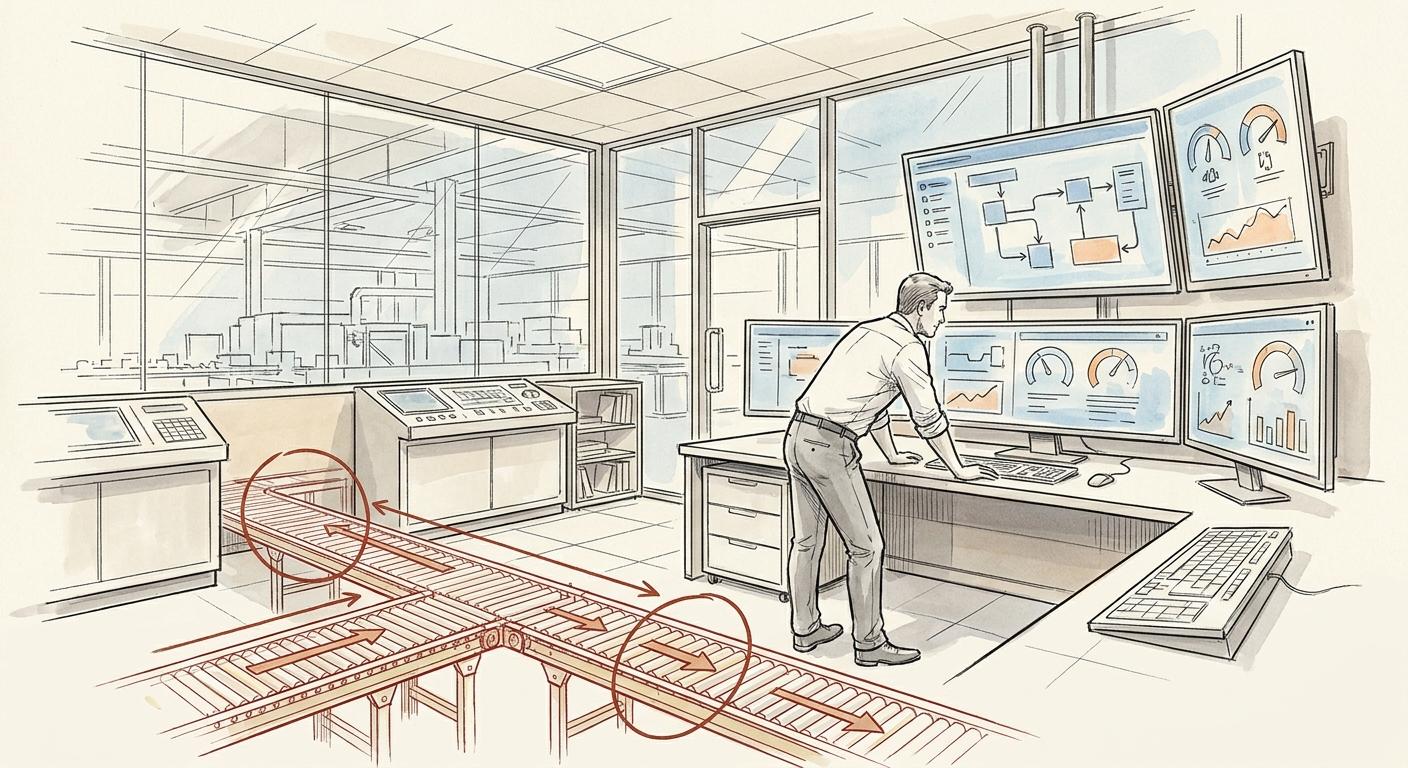
The most significant hurdle in any digital twin implementation is the delayed execution truth caused by disparate data systems. Valuable data is often trapped in the operational technology (OT) layer, isolated from the ERP and MES systems used by management.
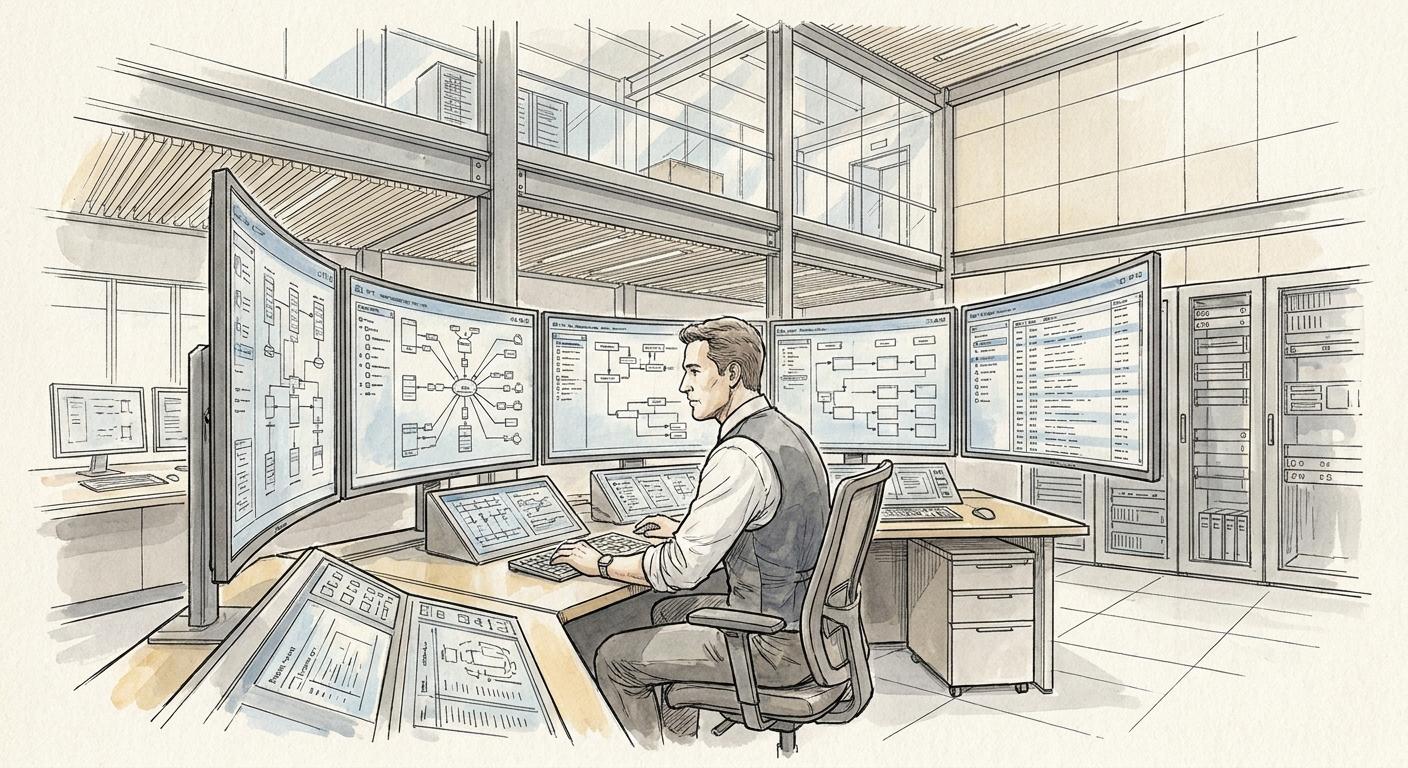
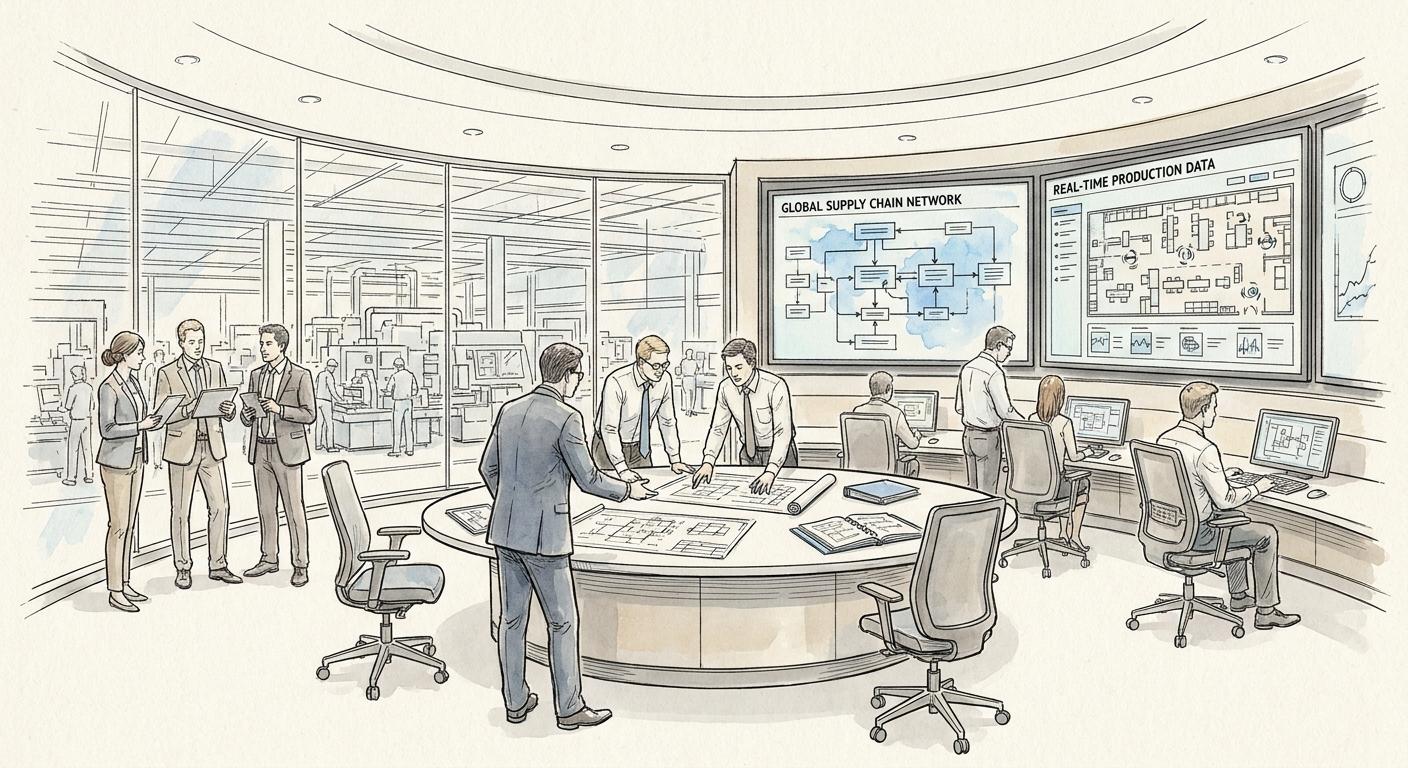
Building a digital twin requires integrating these streams into a single source of truth. This involves:
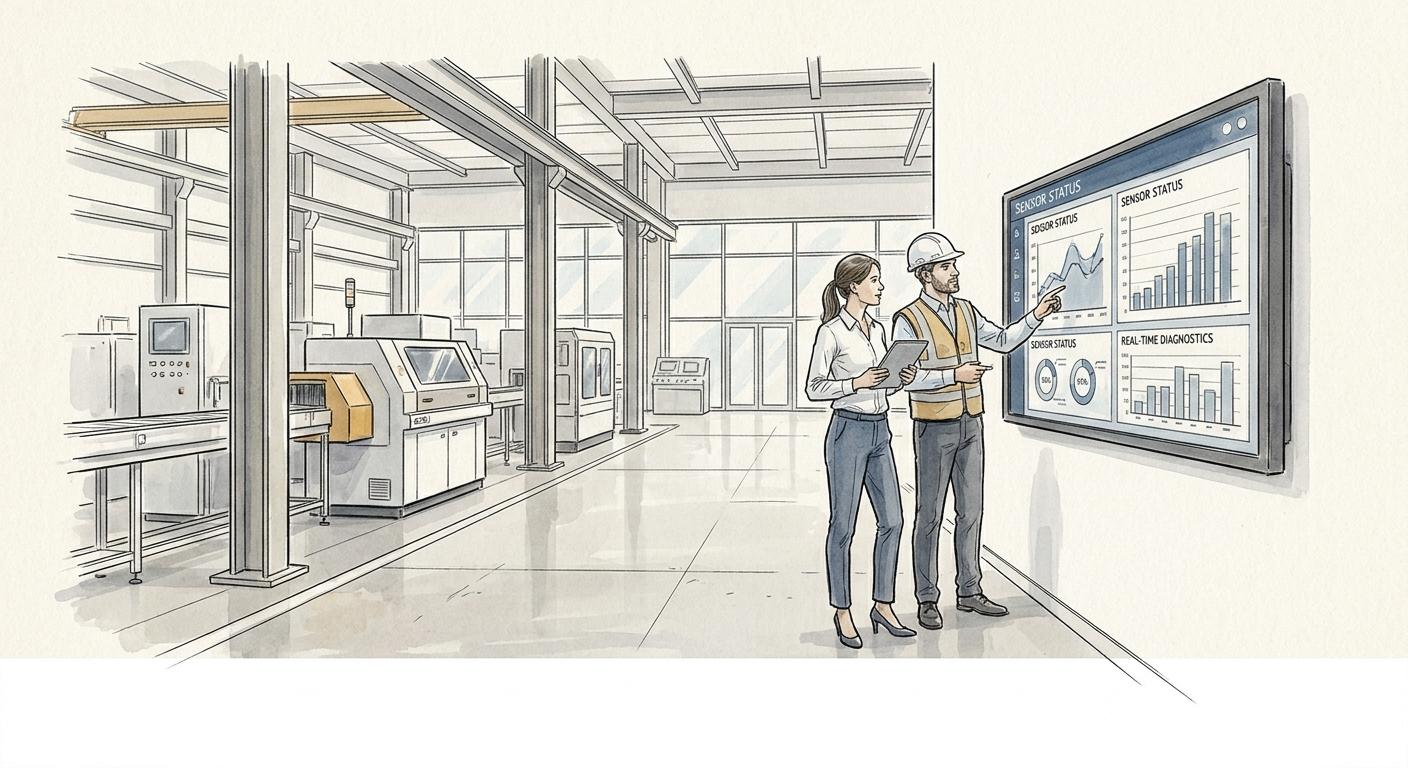
- Industrial IoT integration: Deploying sensors to capture vibration, temperature, and power consumption on legacy brownfield equipment.
- Data Normalization: Ensuring that the timestamp on a sensor reading matches the production order in the ERP.
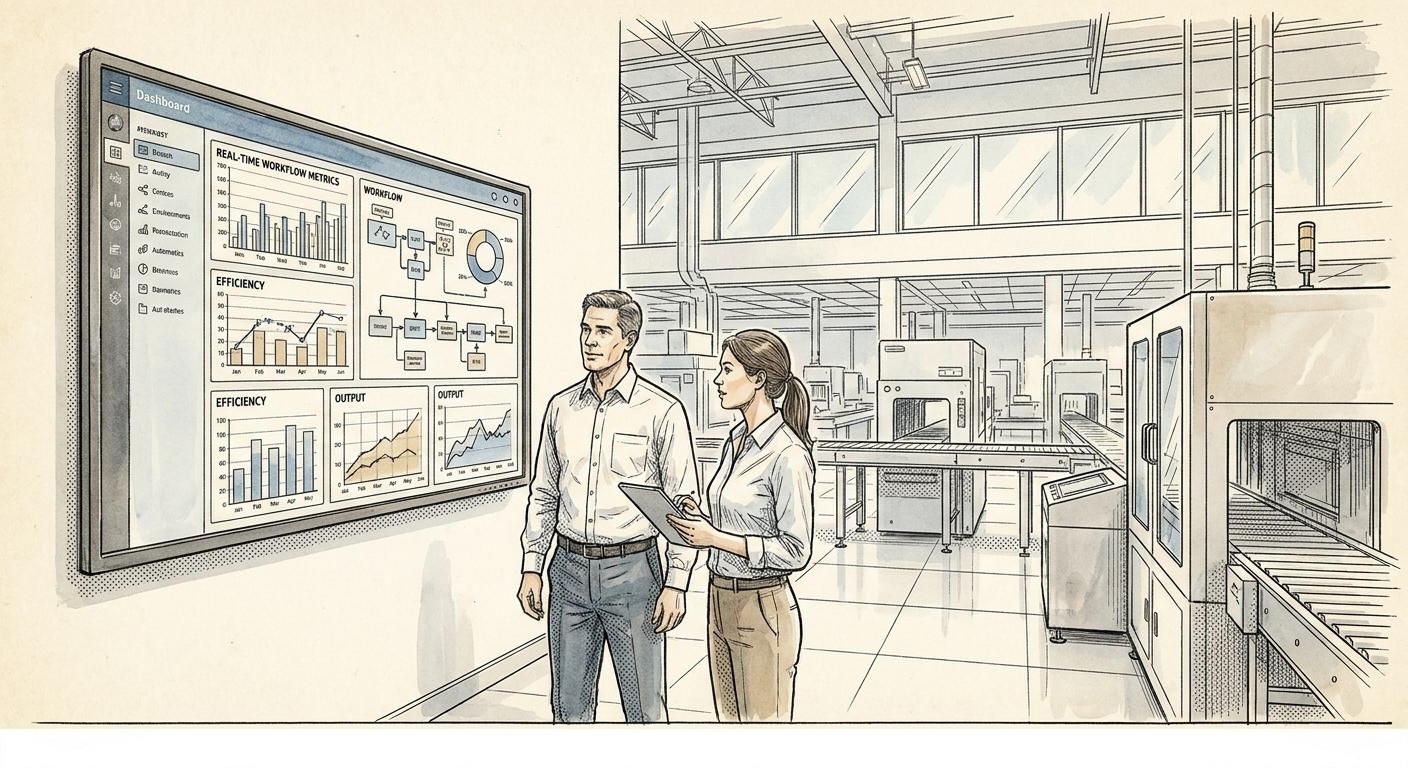
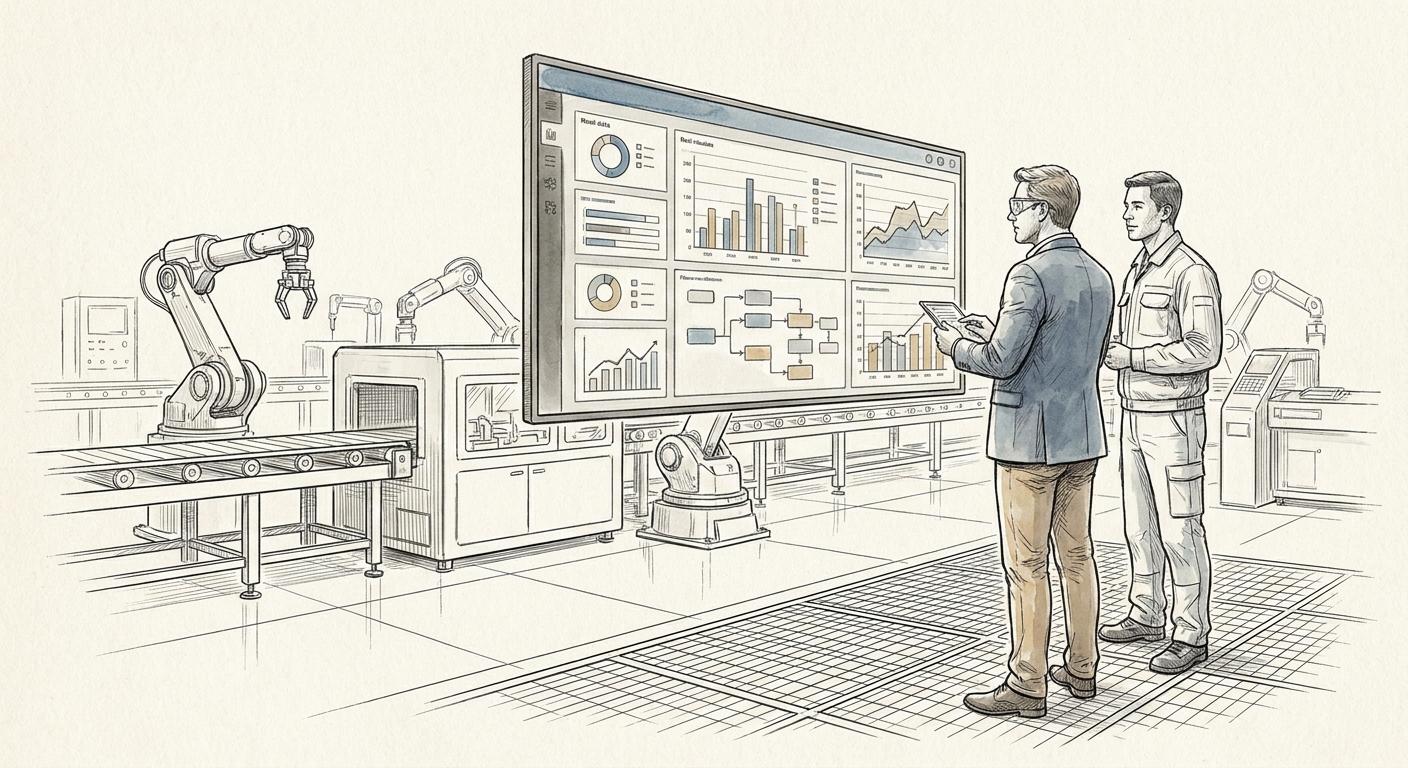
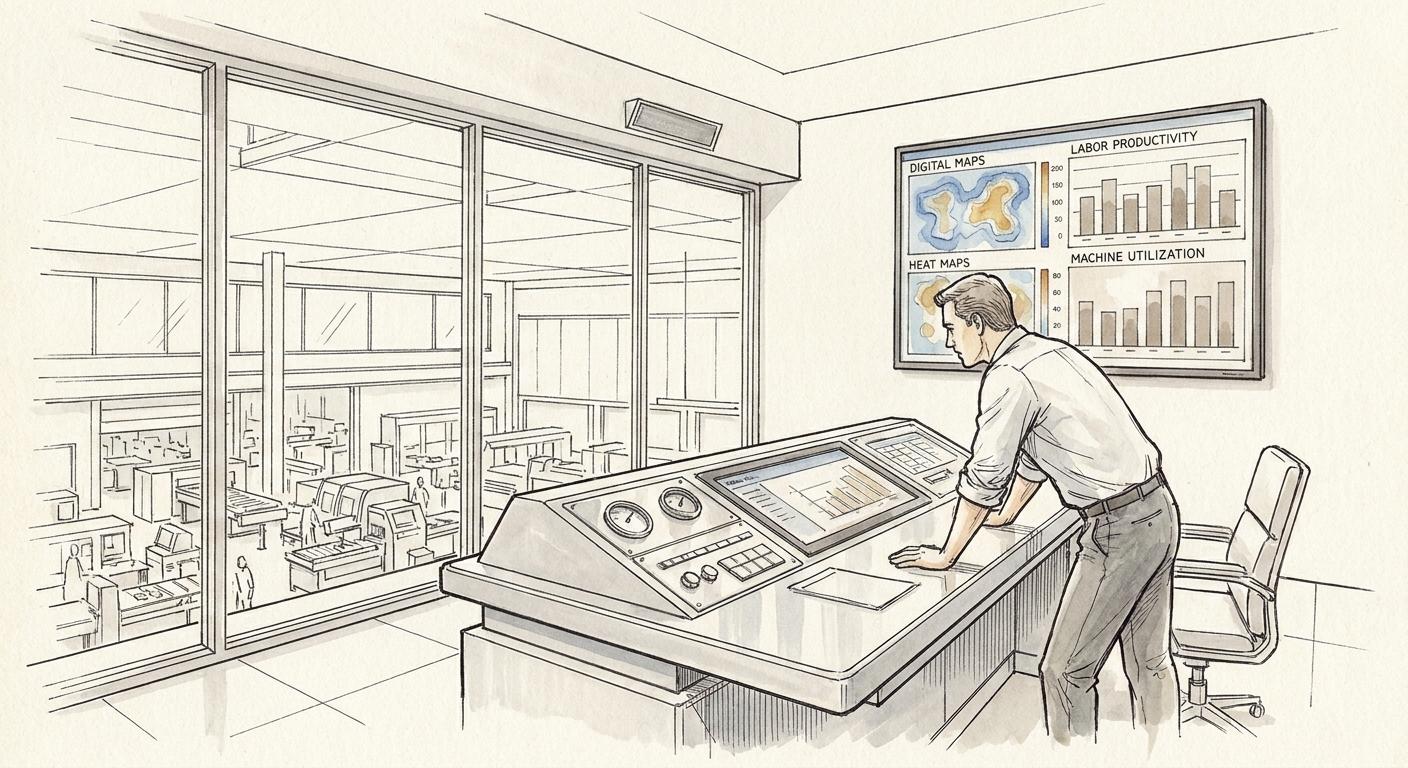
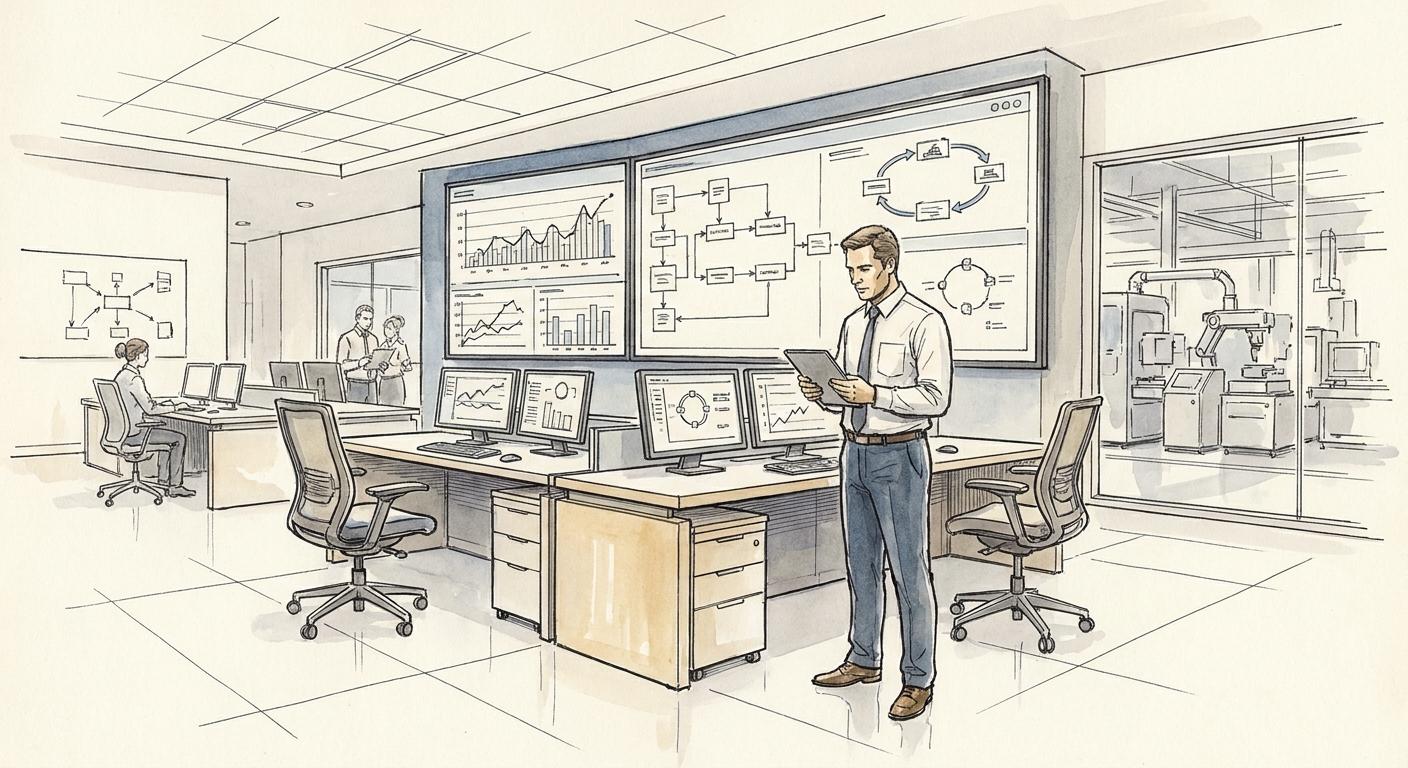
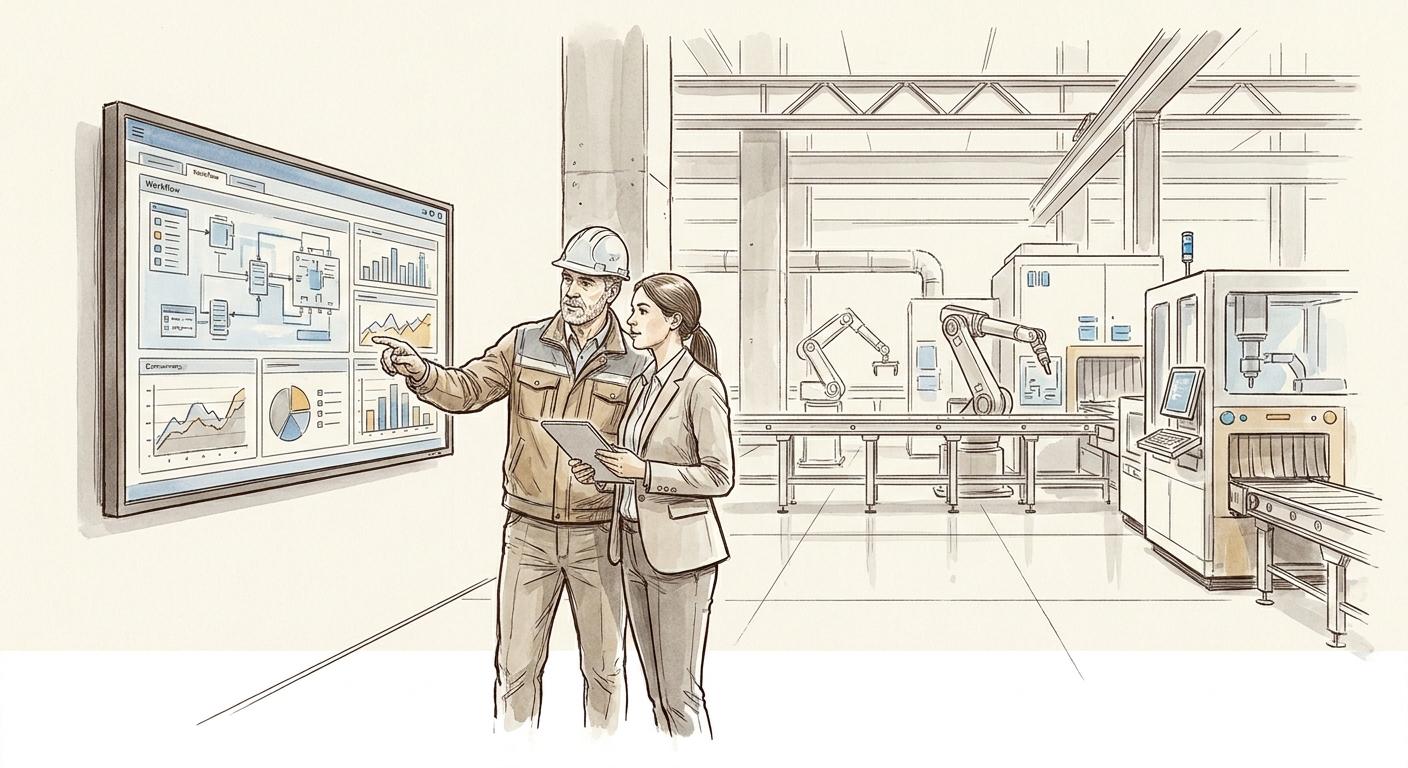
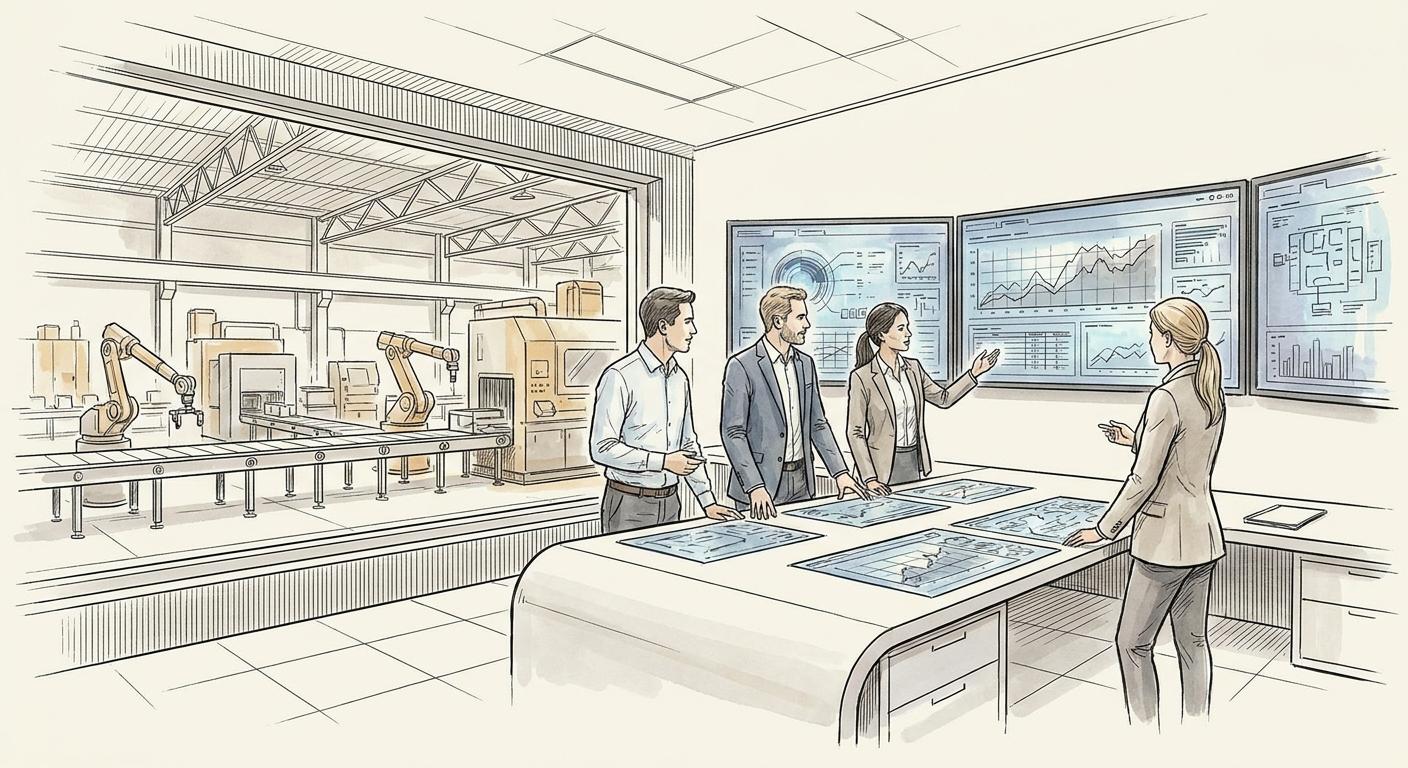
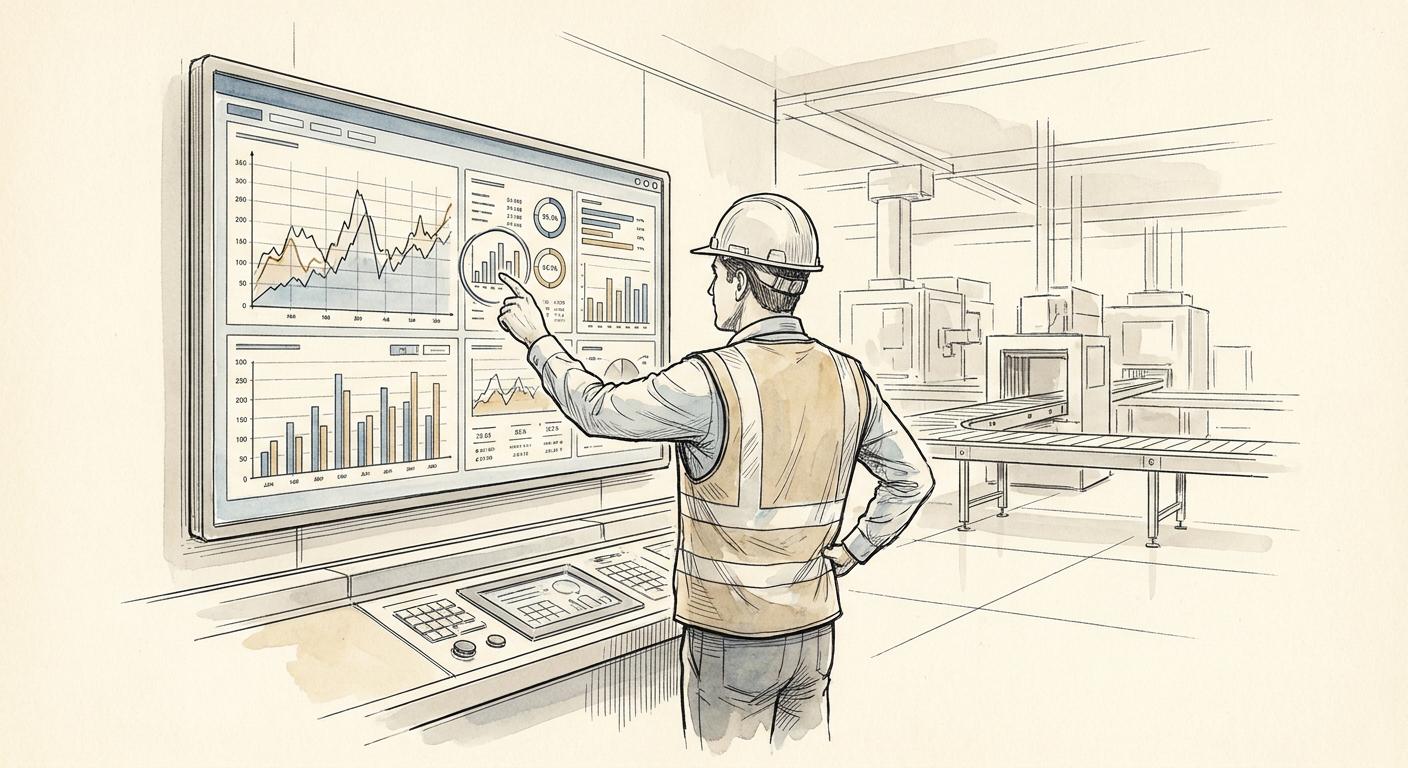
- Operational Transparency: Creating a unified view where a Plant Manager can see how machine health directly impacts the day’s production schedule.
Phase 3: Moving from Visualization to Prediction
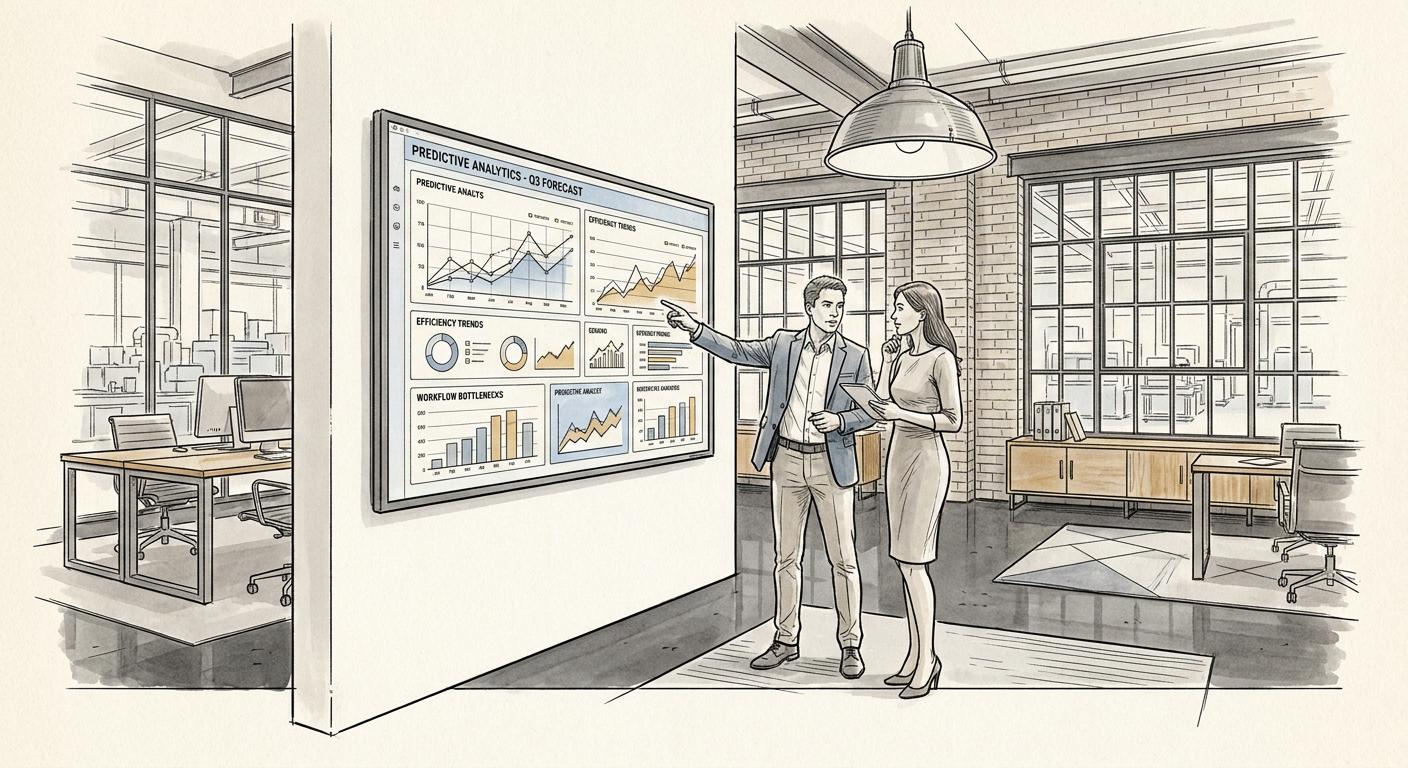
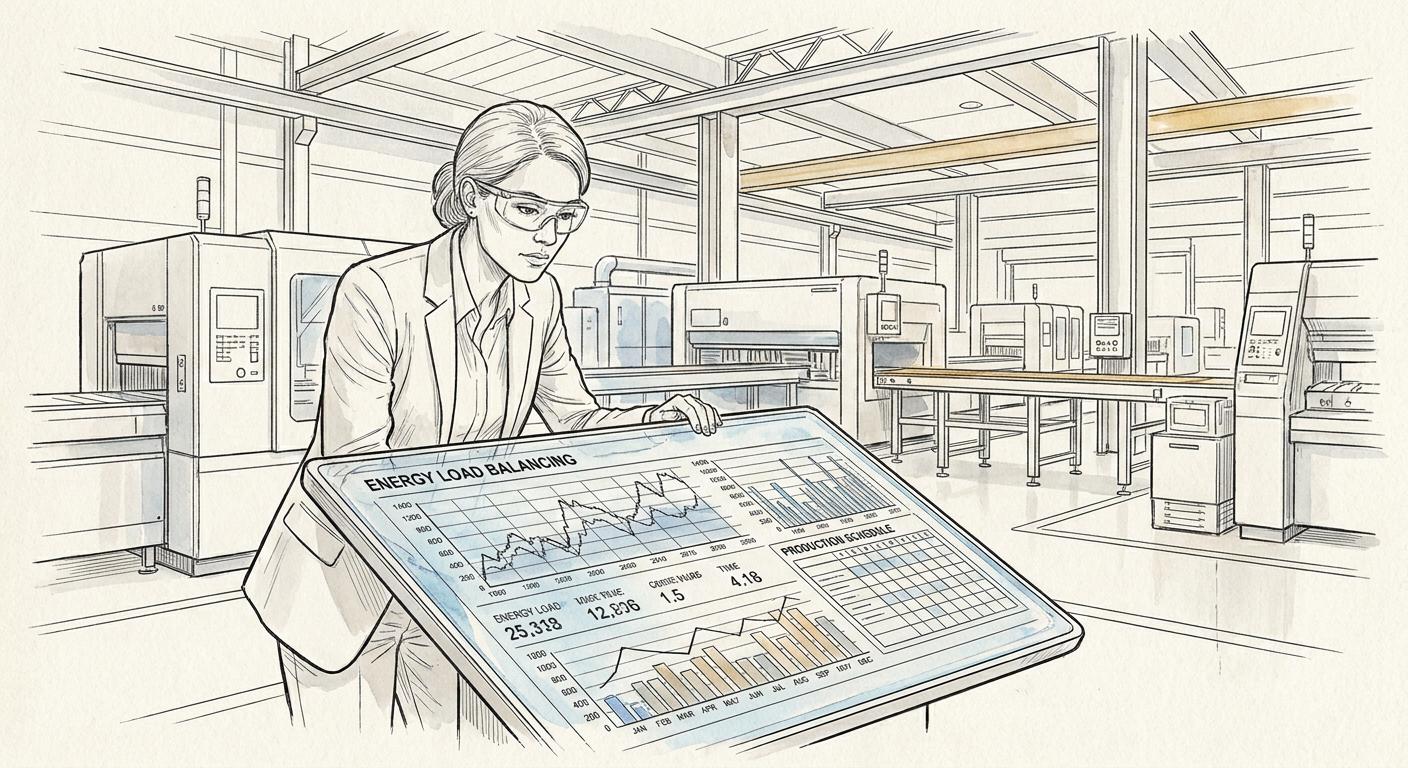
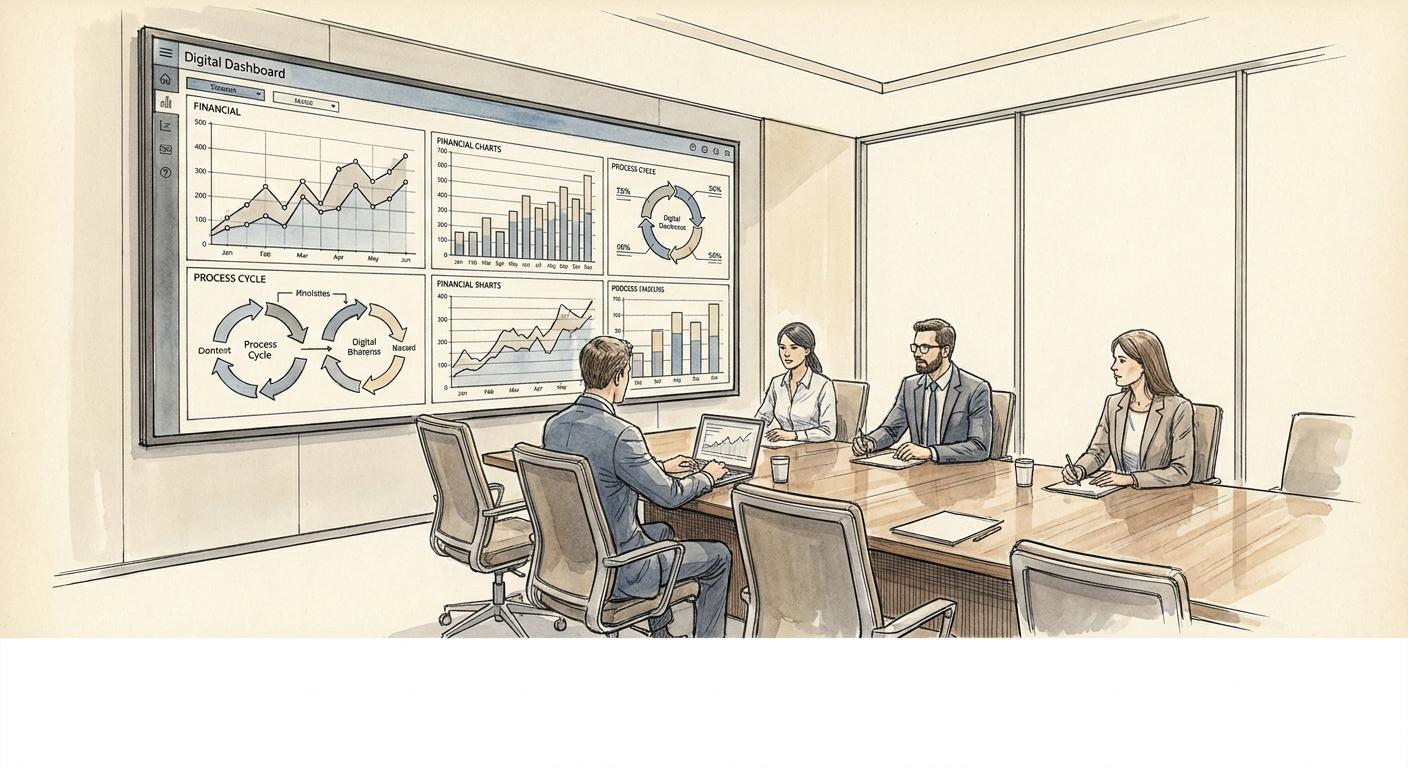
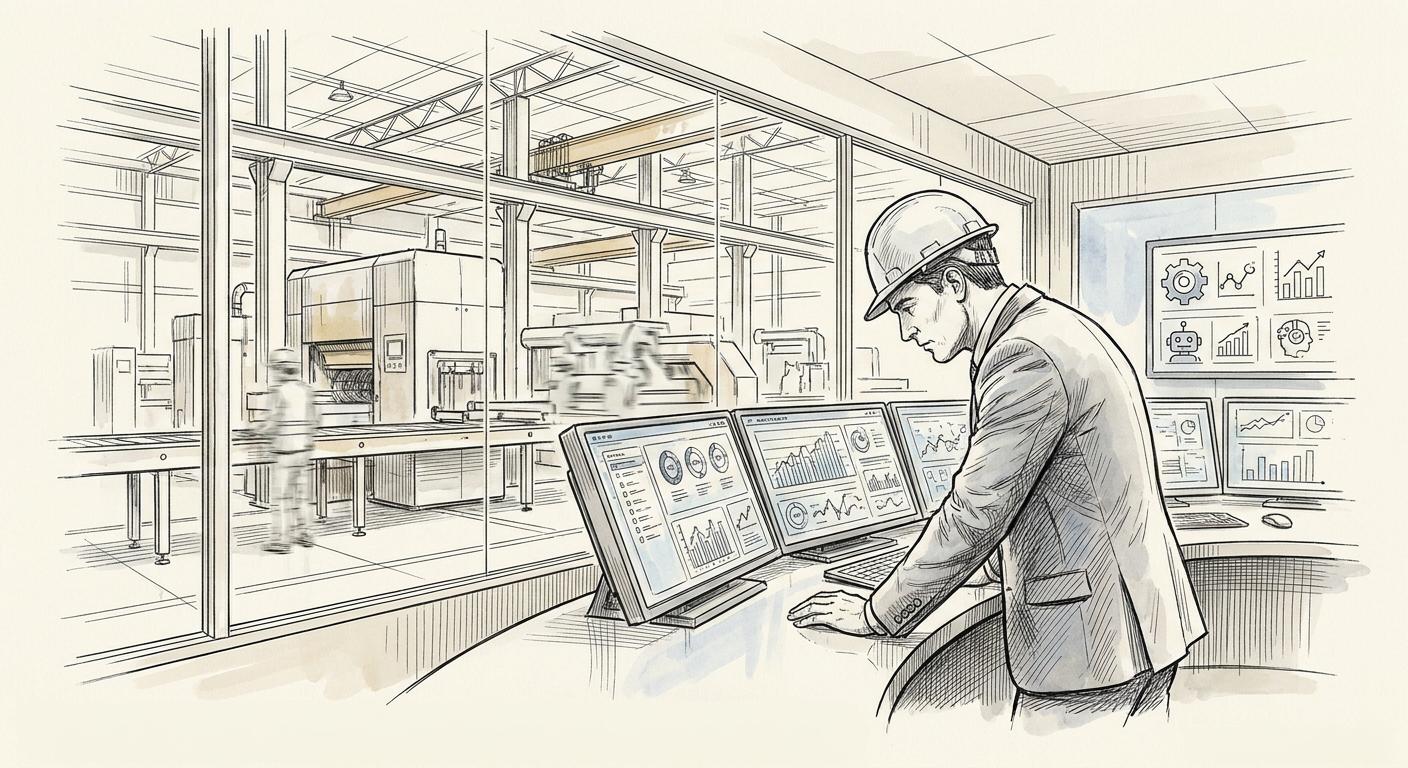
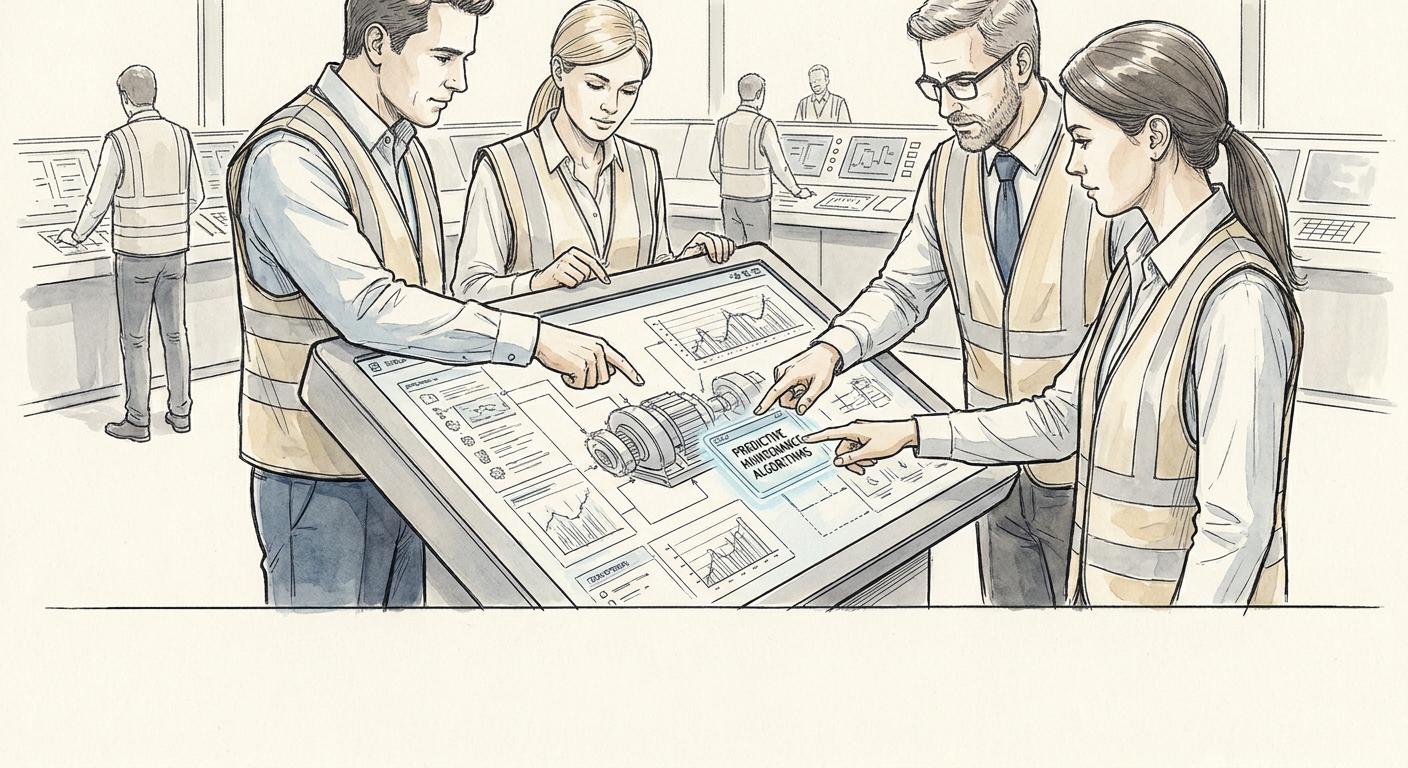
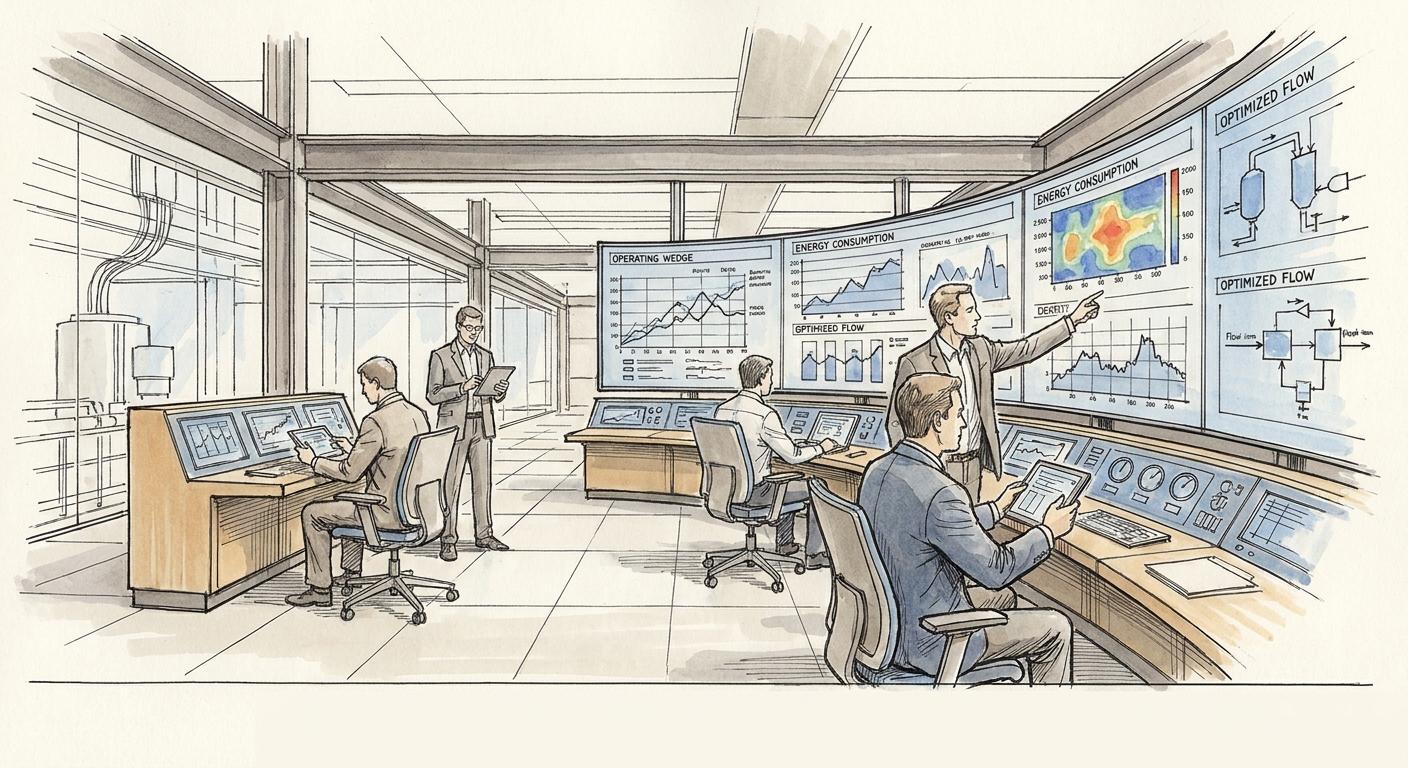
A dashboard that tells you a machine is currently overheating is not a digital twin; it is a digital thermometer. The true power of a digital twin strategy for manufacturing lies in its predictive capability. By applying AI models to historical and real-time data, we can move toward predictive maintenance ROI.
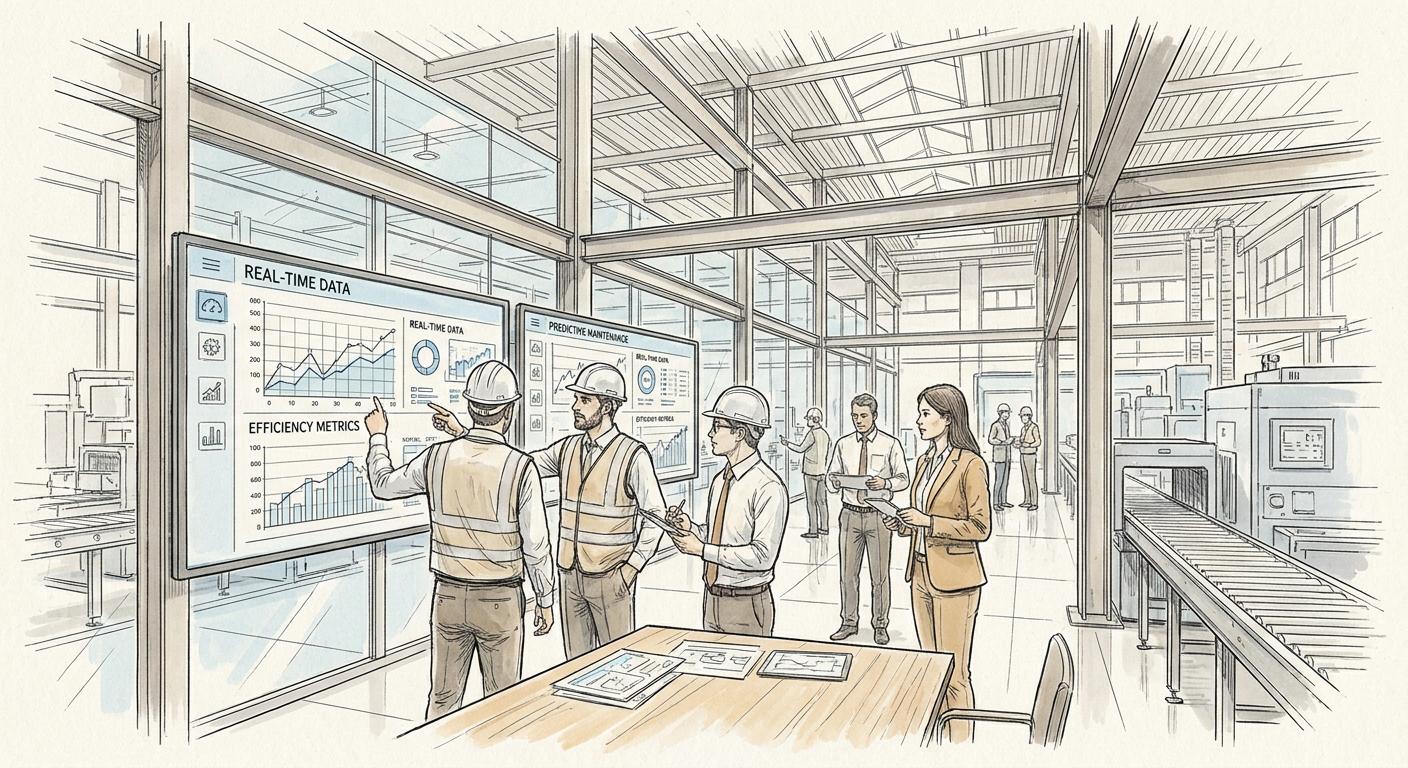
The objective is to generate actionable alerts that provide 48-72 hours of lead time before a failure occurs. This window allows the maintenance team to schedule repairs during a planned shift change or after-hours, avoiding an unplanned stop. In one instance, a manufacturer reduced manual monitoring effort by 60% by shifting from visual inspections to AI-driven exception reporting, allowing engineers to focus on high-value optimization rather than firefighting.
The Human Factor: Upskilling Maintenance Teams
Technology is only as effective as the operators who use it. One of the primary reasons AI pilots fail to reach full production is a lack of adoption at the plant level. If a shop floor veteran does not trust the "black box" telling them to shut down a machine that looks fine, the tool becomes shelfware.
Upskilling is the bridge between a purchased tool and actual ROI. It involves training plant managers and operators to interpret AI-driven insights and incorporate them into their daily workflows. A successful implementation includes a repeatable AI playbook that defines exactly what happens when the twin signals a deviation. At iForAI, we’ve seen that training over 1,500 employees across various sectors is the key to moving AI maturity from a pilot phase to a core operational competency.
Measuring Results: ROI in the First 90 Days
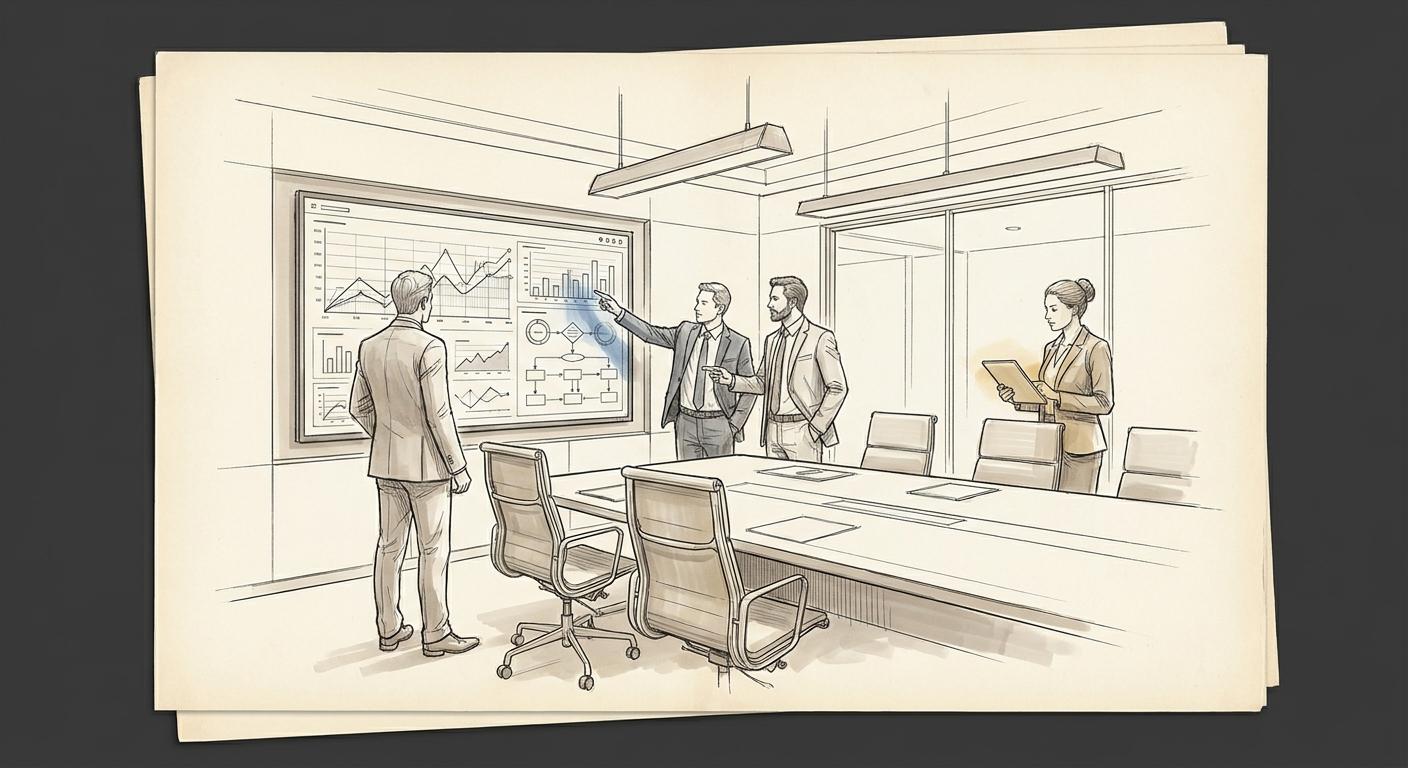
For Private Equity Operating Partners and COOs, the ultimate metric is how this technology impacts the exit multiple and EBITDA. Success should be measured by:
- Reduction in Unplanned Downtime: A direct decrease in hours lost to emergency repairs.
- Increased OEE (Overall Equipment Effectiveness): Getting more units out of the same capital assets.
- Closing the Estimate-vs-Actual Gap: Improving the accuracy of job costing by understanding the true performance limits of the machinery.
With an AI Starter Package, manufacturers can see their first measurable results in 60 to 90 days. This rapid time-to-value is critical for PE-backed firms operating within a 3-to-5-year investment window, where every month of improved margin compounds at the point of exit.
Frequently Asked Questions
How much does a digital twin implementation cost for a mid-market manufacturer? Costs vary based on scope, but we advocate for a fixed-scope "Starter Package" approach. This focuses on one production line to prove ROI within 90 days, providing a low-risk entry point before scaling the investment across the entire portfolio.
Do we need to replace our legacy machinery to use digital twins? No. Most "brownfield" plants can be retrofitted with industrial IoT sensors and an execution layer that wraps around existing operational technology (OT). This allows you to extract high-fidelity data from decades-old machines without the capital expenditure of a full equipment refresh.
How to implement digital twins in brownfield plants without disrupting current production? Implementation is done in parallel with existing operations. Non-invasive sensors are installed during planned downtime, and data is gathered in the background to build the AI model, ensuring there is no impact on your current OTIF metrics during the setup phase.
What is the primary driver of predictive maintenance ROI? The ROI is driven by the elimination of margin leakage associated with unplanned stops, including emergency labor premiums, expedited freight, and the prevention of secondary damage to machinery caused by running a failing component to exhaustion.
Strategic asset management is no longer about how well you can fix a machine once it breaks. It is about how well you can predict the break before it hits the P&L. By deploying a targeted digital twin strategy for manufacturing, COOs can secure the operating leverage needed to thrive in a high-pressure, margin-sensitive market.
Take the free AI Maturity Assessment at ifor.ai

Ira Komarova
COO at iForAI