

.svg)

Manufacturing CEOs often find themselves caught between aggressive value creation targets and the reality of fragmented shop-floor data. When an Operating Partner asks for an AI strategy, the goal isn't to experiment with chatbots; it is to find the operating wedge that protects margins against rising labor costs and supply chain volatility. Generating AI enterprise value manufacturing requires moving past "innovation theater" and focusing on the specific levers that drive EBITDA improvement and harden the business for an eventual exit.
This analysis examines how mid-market manufacturers transition from pilot projects to production-grade AI that impacts the P&L. We will cover the specific operational areas where margin leakage is highest and how to build a repeatable AI playbook that survives the due diligence of the next buyer.
The Enterprise Value Trap: Why Generic AI Pilots Fail to Move the Needle
Many PE-backed manufacturers fall into the trap of purchasing thousands of generic software licenses - like Microsoft Copilot - without a specific deployment plan. While these tools assist with basic office tasks, they rarely touch the COGS or direct labor lines that move the needle on enterprise value. A portfolio company might show "AI adoption" on a slide deck, but if the estimate-vs-actual gap in job costing remains wide, the technology has failed to create value.
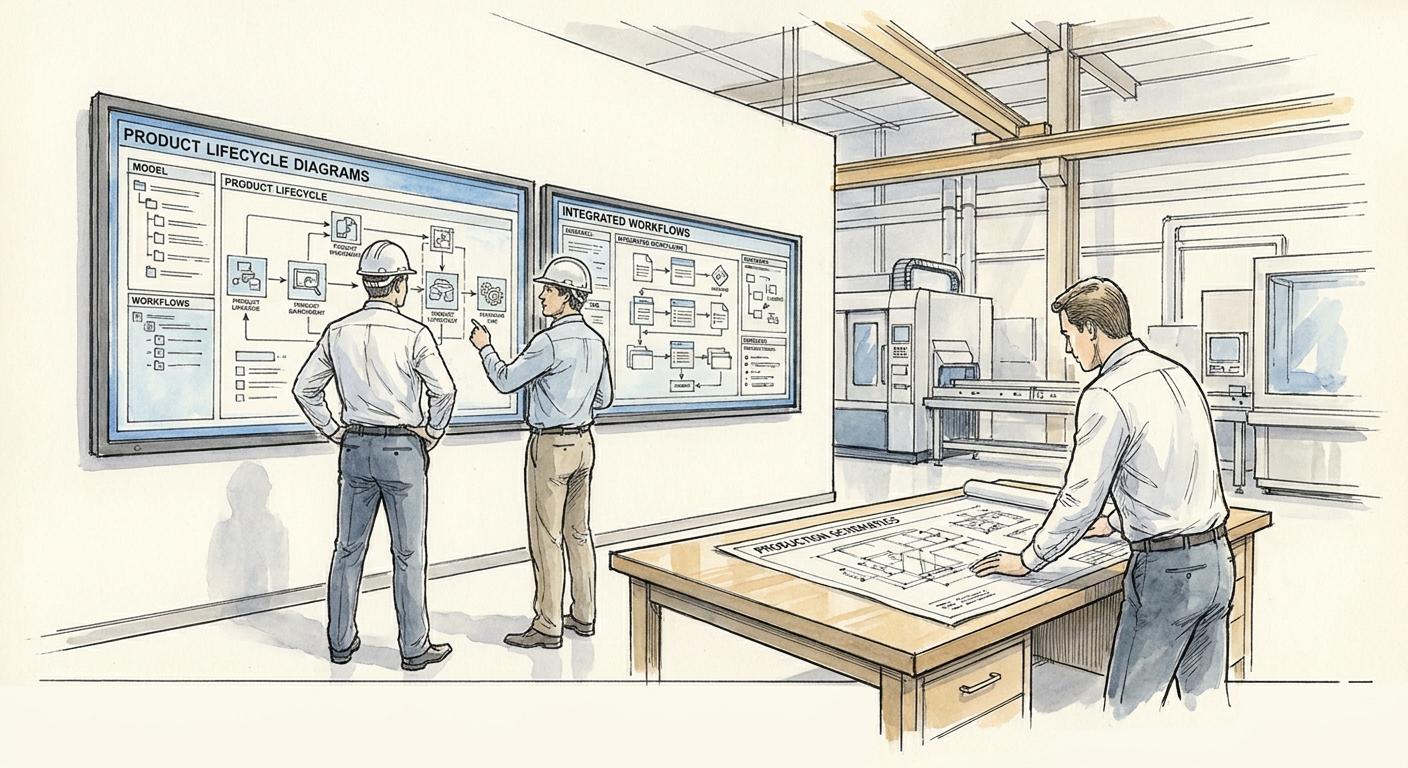
The failure usually stems from a lack of AI readiness. Buying a tool is easy; integrating it into a legacy ERP-MES workflow is where most projects stall. Without a focused use case that ties back to a specific financial metric, AI becomes a distraction rather than a driver of operating leverage. To avoid this, CEOs must prioritize embedded AI solutions that solve a discrete bottleneck, such as reducing OTIF misses or optimizing machine utilization, rather than pursuing broad, undefined transformation.
The Manufacturing AI Value Map: Where the Real Margin Lives
For a mid-market manufacturer, the most significant EBITDA expansion through AI occurs where data is currently trapped in silos or handled by manual spreadsheets.
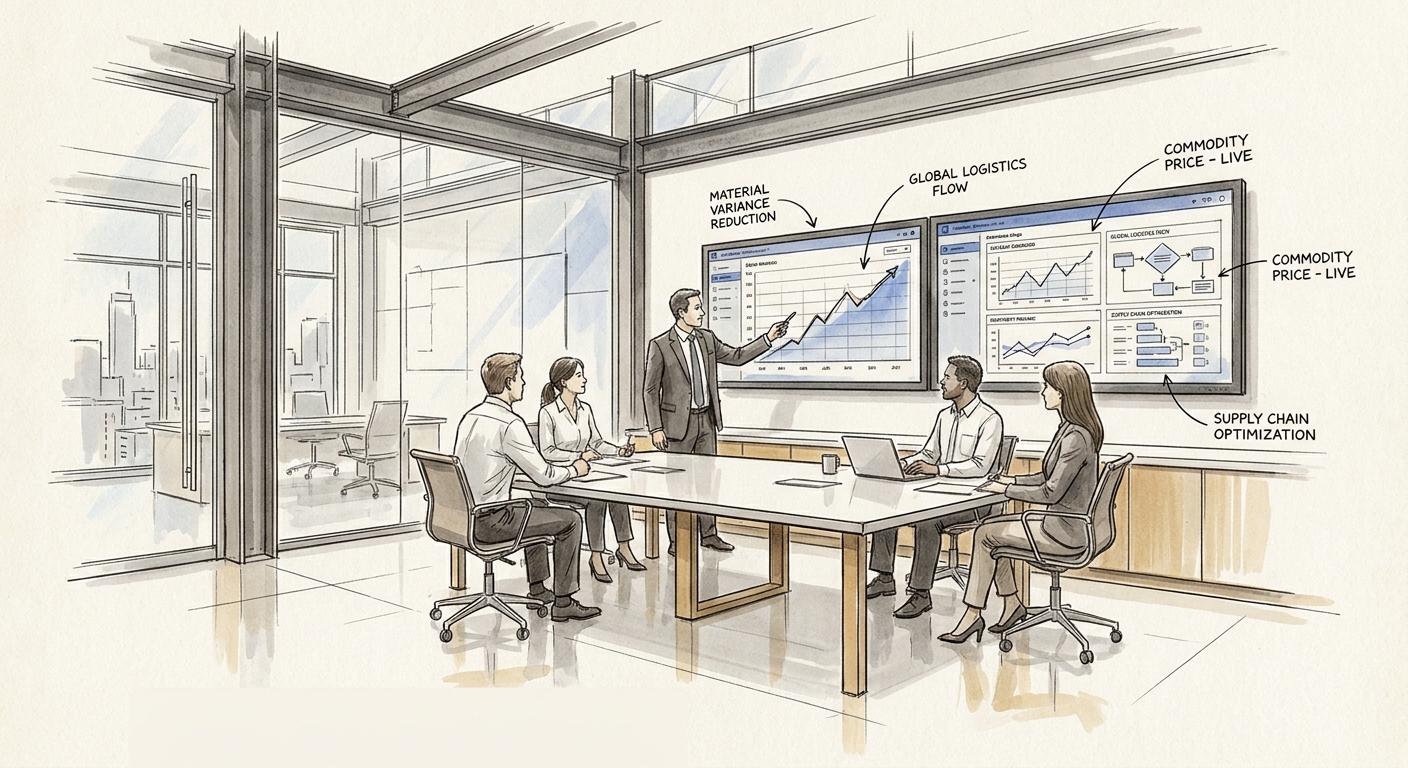
- Demand Forecasting and Inventory Optimization: AI models can ingest historical sales data and external market signals to reduce safety stock levels. A 10% reduction in inventory carries a direct impact on cash flow and reduces carrying costs, immediately improving the balance sheet.
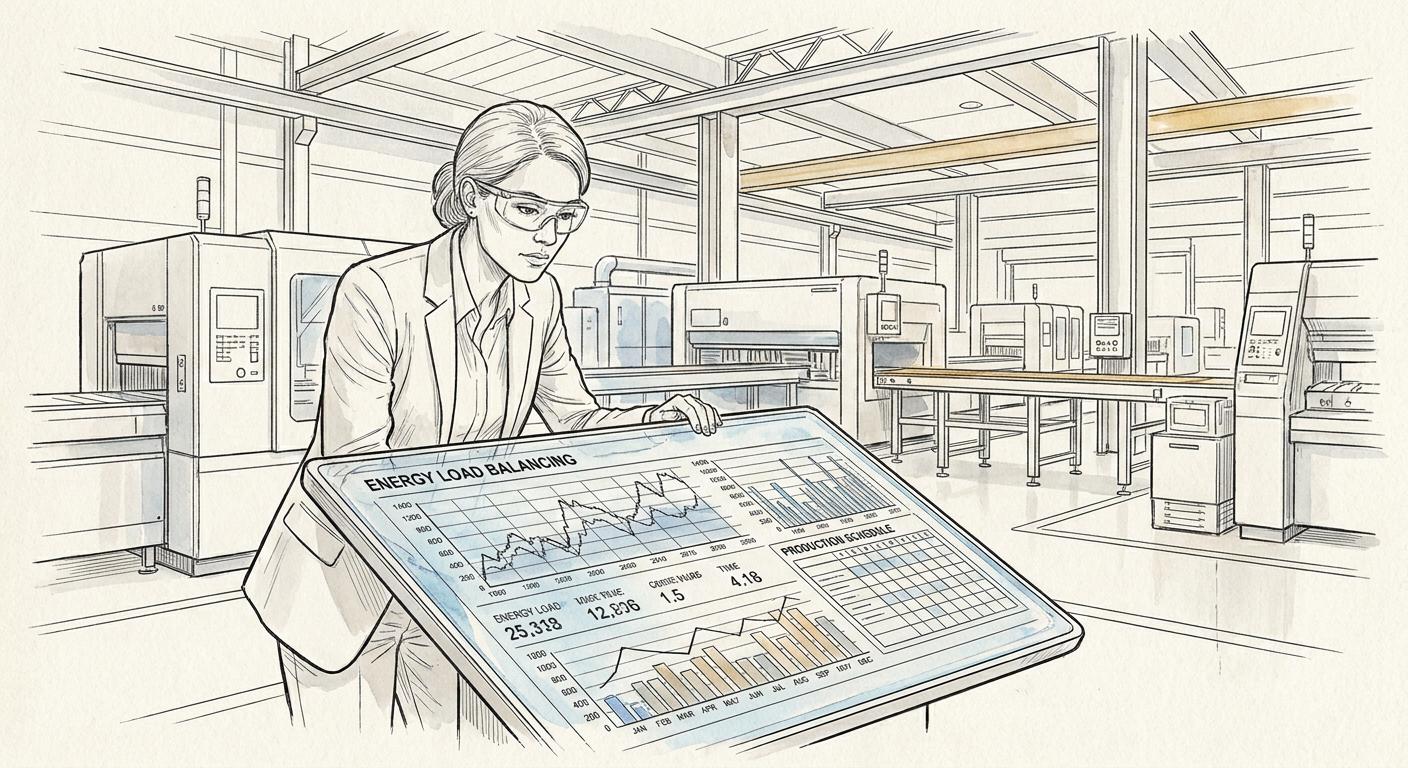
- Predictive Maintenance and Uptime: Instead of calendar-based maintenance, AI analyzes sensor data to predict failures before they occur. For a high-volume plant, preventing even four hours of unplanned downtime per month can represent hundreds of thousands of dollars in recovered margin.
- Labor Efficiency and Upskilling: With the current talent shortage, upskilling existing staff is critical. AI-enabled work instructions allow a Tier 2 operator to perform at a Tier 1 level, reducing rework and scrap rates. iForAI has seen cases where training and AI deployment led to a 60% reduction in manual effort for high-volume administrative tasks in the back office.
AI in Manufacturing Enterprise Value (EV) refers to the application of machine learning and generative AI to optimize the P&L - specifically targeting COGS and OpEx - to increase EBITDA and justify higher valuation multiples during a PE exit.
The 60-90 Day Execution Window: Turning AI into a Portable Asset
The standard investment window does not allow for two-year digital transformation roadmaps. A value creation playbook must deliver results quickly to justify the capital expenditure. This requires a time-to-value mindset that prioritizes shipping one live production use case in 8 to 12 weeks.
By focusing on a quick win - such as automating the validation of payment data or streamlining the intake of complex RFQs - a CEO can demonstrate a clear ROI to their Board. In one instance, a payments-focused AI project reduced validation time from 3 minutes to 20 seconds. Once the first use case is in production and the team sees the efficiency gains, the internal resistance to AI diminishes, creating a smoother path for portfolio-wide scaling.
Exit Readiness: How AI Hardens the Business for the Next Buyer
When it comes time for an exit, a buyer is not just looking at the current EBITDA; they are looking at the quality and sustainability of those earnings. A manufacturer that has embedded AI into its core processes is a more attractive acquisition target.
AI-driven reporting provides a level of delayed execution truth that manual systems cannot match. When a CEO can show a prospective buyer that their margins are protected by automated job costing and that their OTIF rates are stabilized by predictive scheduling, it reduces the perceived risk of the investment. This operational maturity often leads to a higher exit multiple, as the buyer sees a "data-advantaged" business rather than a traditional shop dependent on tribal knowledge.
From Strategy to Production: The iForAI Embedded Execution Model
A common mistake in the post-acquisition phase is hiring a single "Head of AI" and expecting them to revolutionize the plant. One person cannot bridge the gap between data engineering, executive strategy, and shop-floor reality. This usually leads to a high-salary hire who spends 12 months building a roadmap but zero months shipping code.
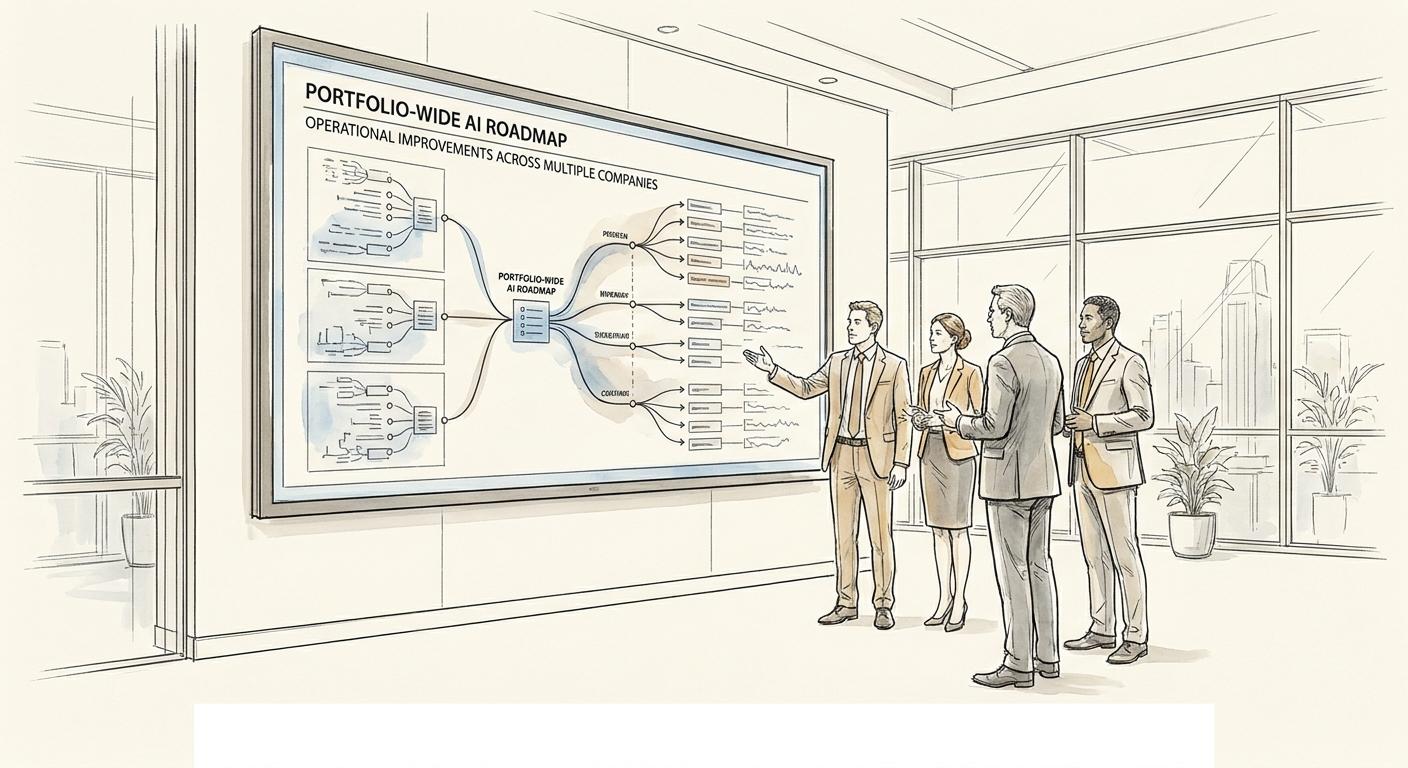
The iForAI model provides 35+ specialists - from data scientists to change management experts - for the price of a single hire. This multi-disciplinary approach ensures that AI isn't just a "tech project" but a core part of the manufacturing operational excellence strategy. With over 150 projects delivered and 70+ use cases shipped, the focus is always on moving from a strategic vision to a live, production-grade tool that delivers measurable EBITDA improvement.
Frequently Asked Questions
How long does it take to see a measurable ROI from AI in manufacturing? With a focused execution partner, initial measurable results should appear within 60-90 days. By targeting one high-value use case, such as scrap reduction or throughput optimization, the business can prove the financial impact before scaling.
Does AI require a complete overhaul of our existing ERP/MES systems? No. AI acts as an intelligence layer that sits atop existing ERP and MES data. It is designed to bridge data gaps and provide actionable insights rather than requiring a costly "rip and replace" strategy.
How does AI impact manufacturing exit multiples? AI increases exit multiples by proving the business has scalable, repeatable processes that do not rely on manual labor. It hardens the quality of earnings and demonstrates a modern, data-driven operation to prospective buyers.
What is the best way to start a private equity AI strategy? Start with a fixed-scope AI Starter Package that includes a diagnostic of the portfolio company, executive training, and the delivery of one production-ready use case within 12 weeks.
AI creates enterprise value by turning operational data into a permanent margin advantage. By focusing on high-impact use cases and rapid execution, CEOs can deliver the EBITDA growth LPs expect.
Book a Manufacturing Diagnostic at ifor.ai/solutions/manufacturing