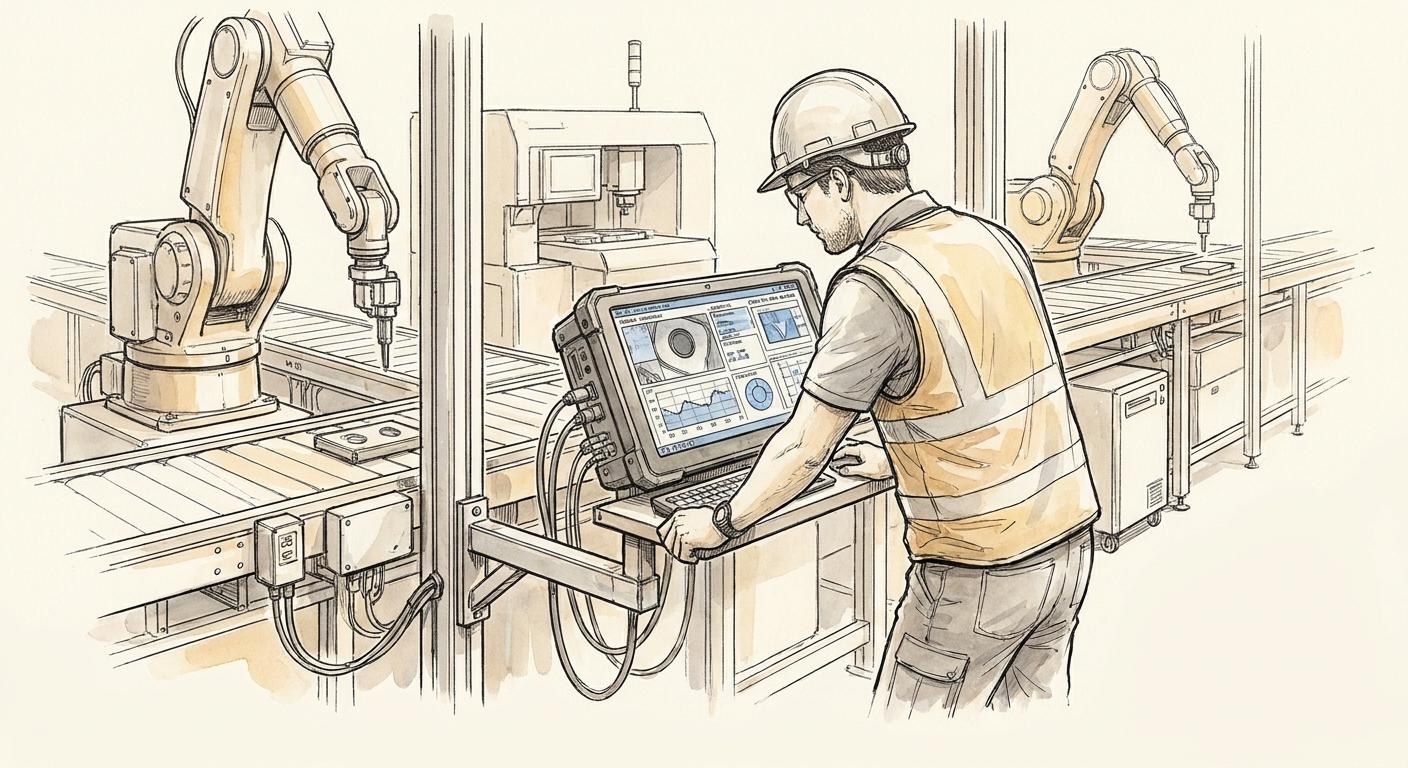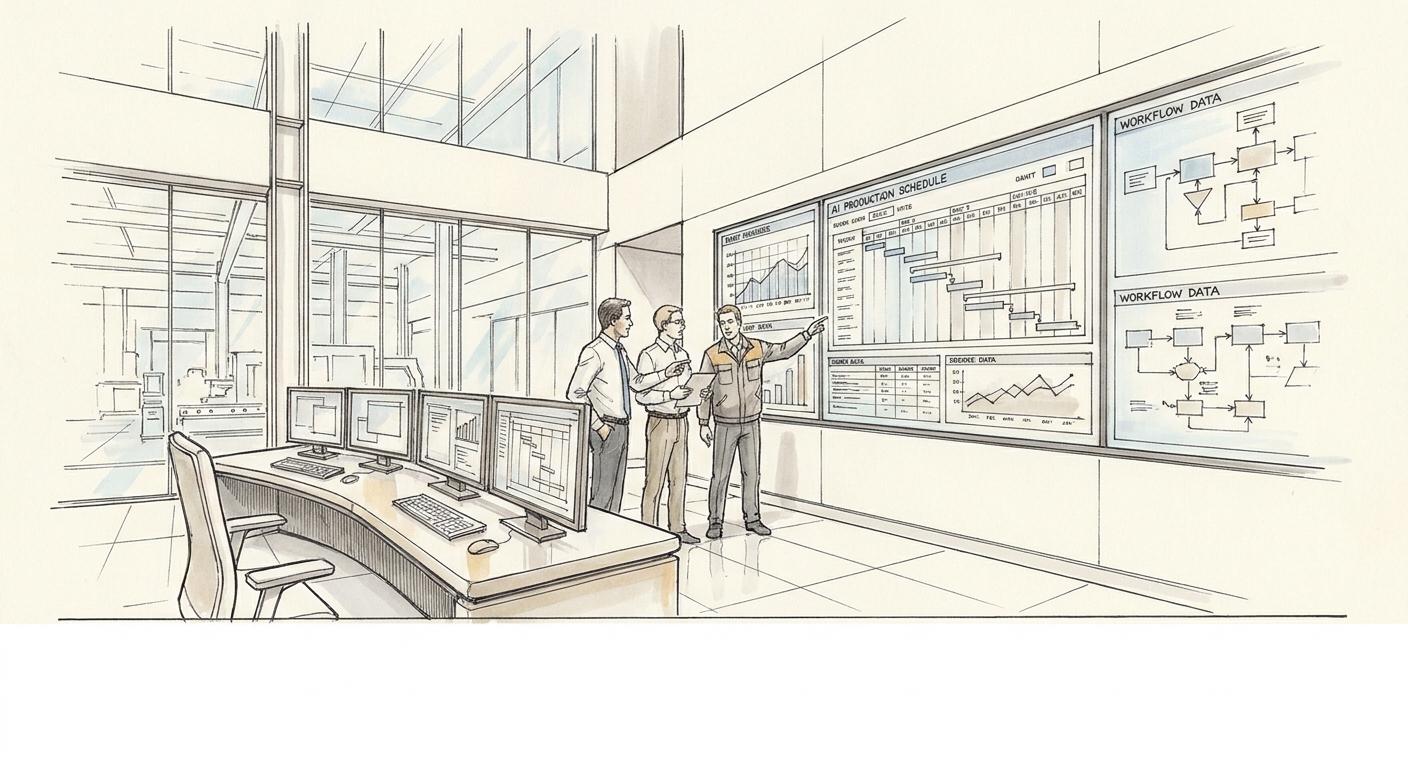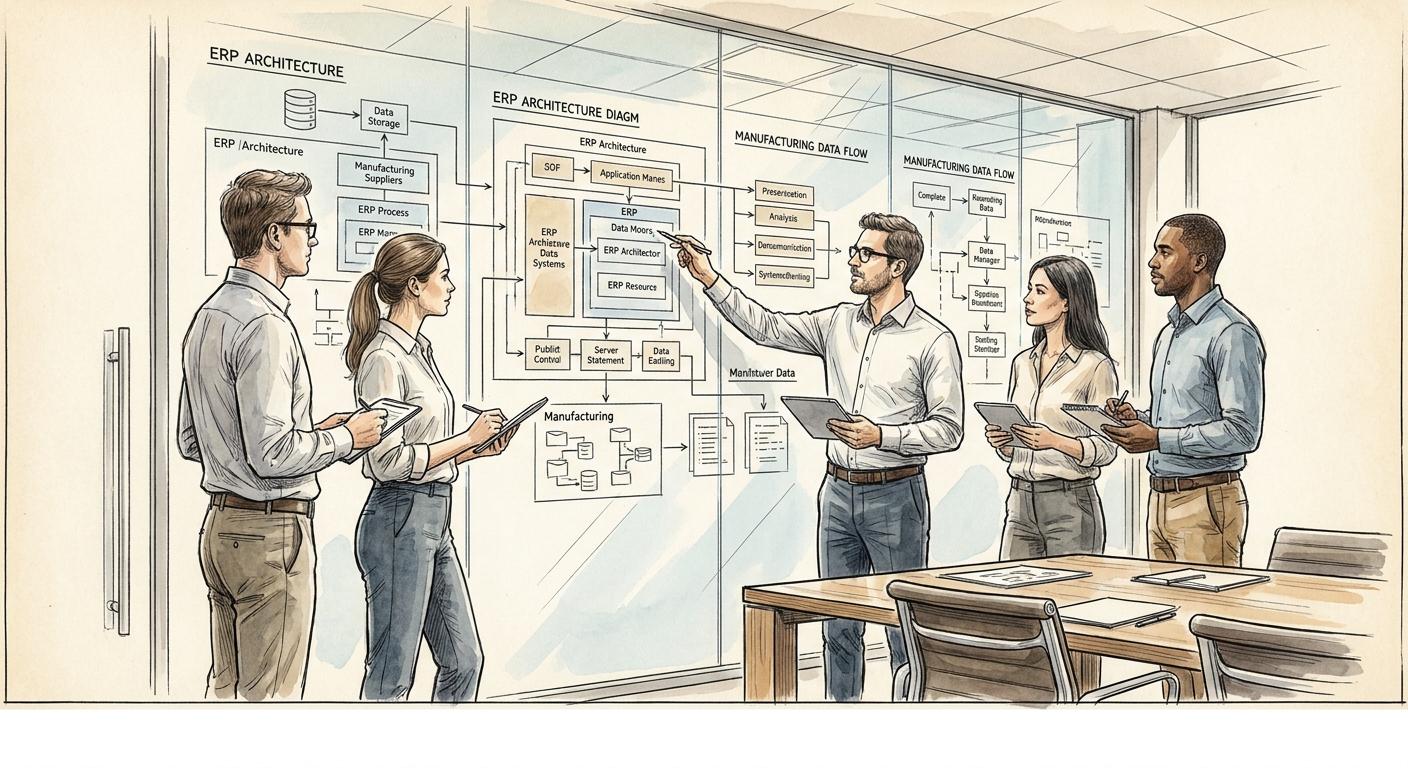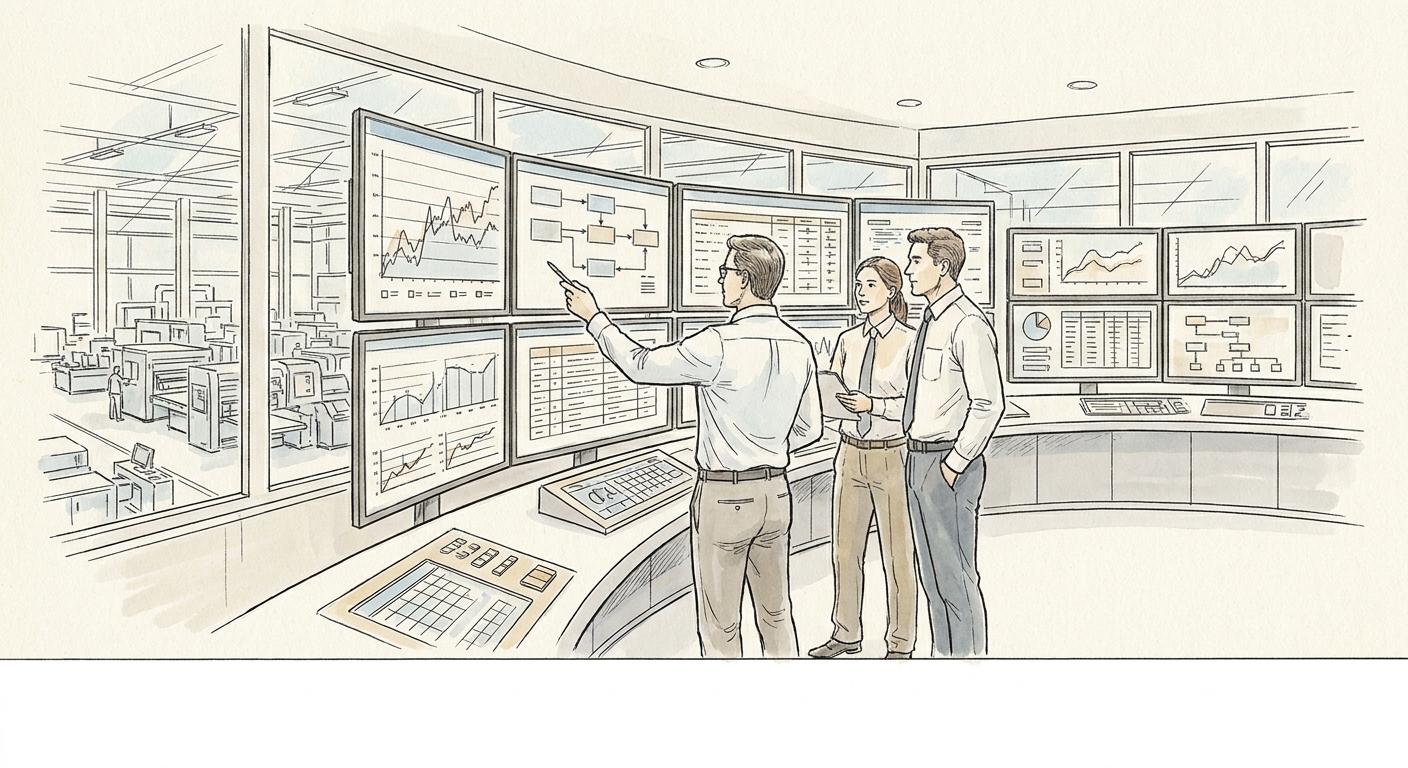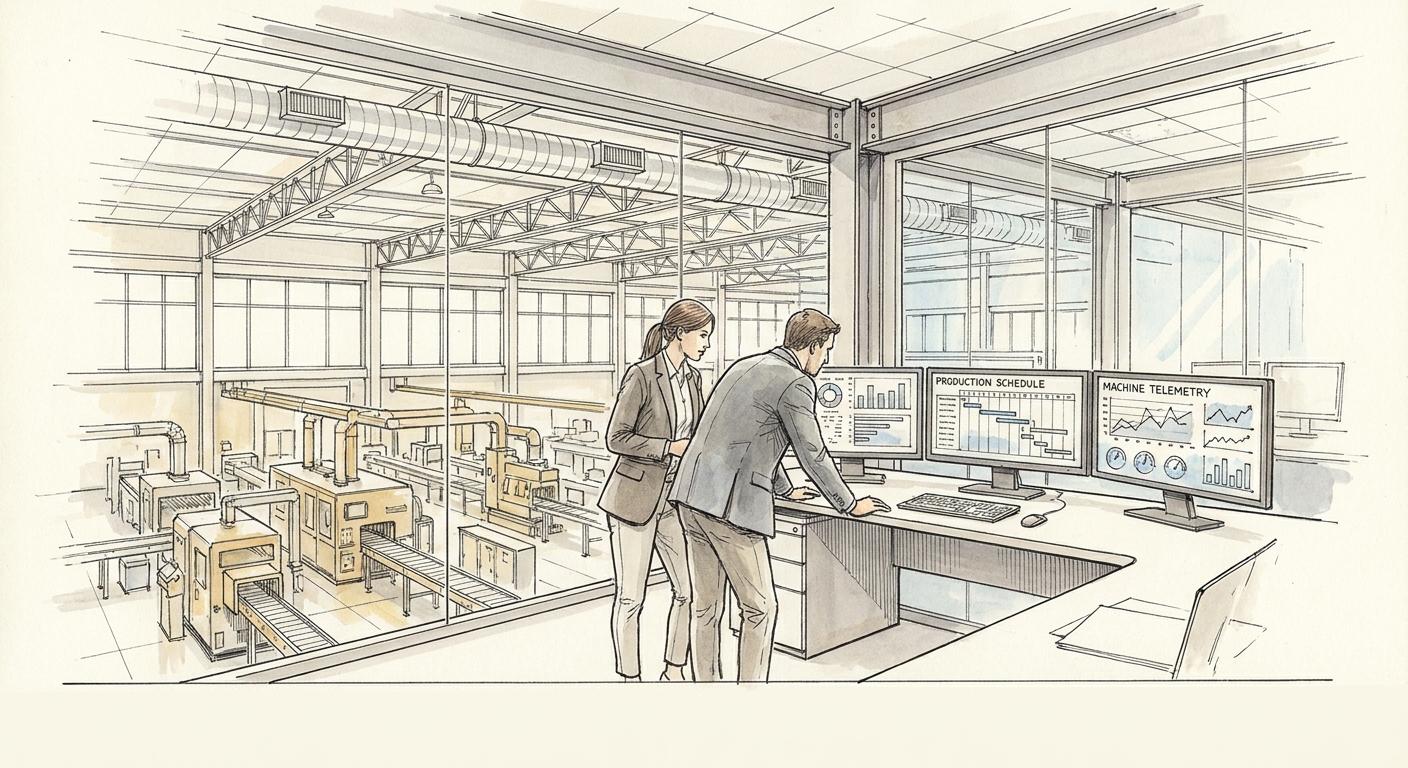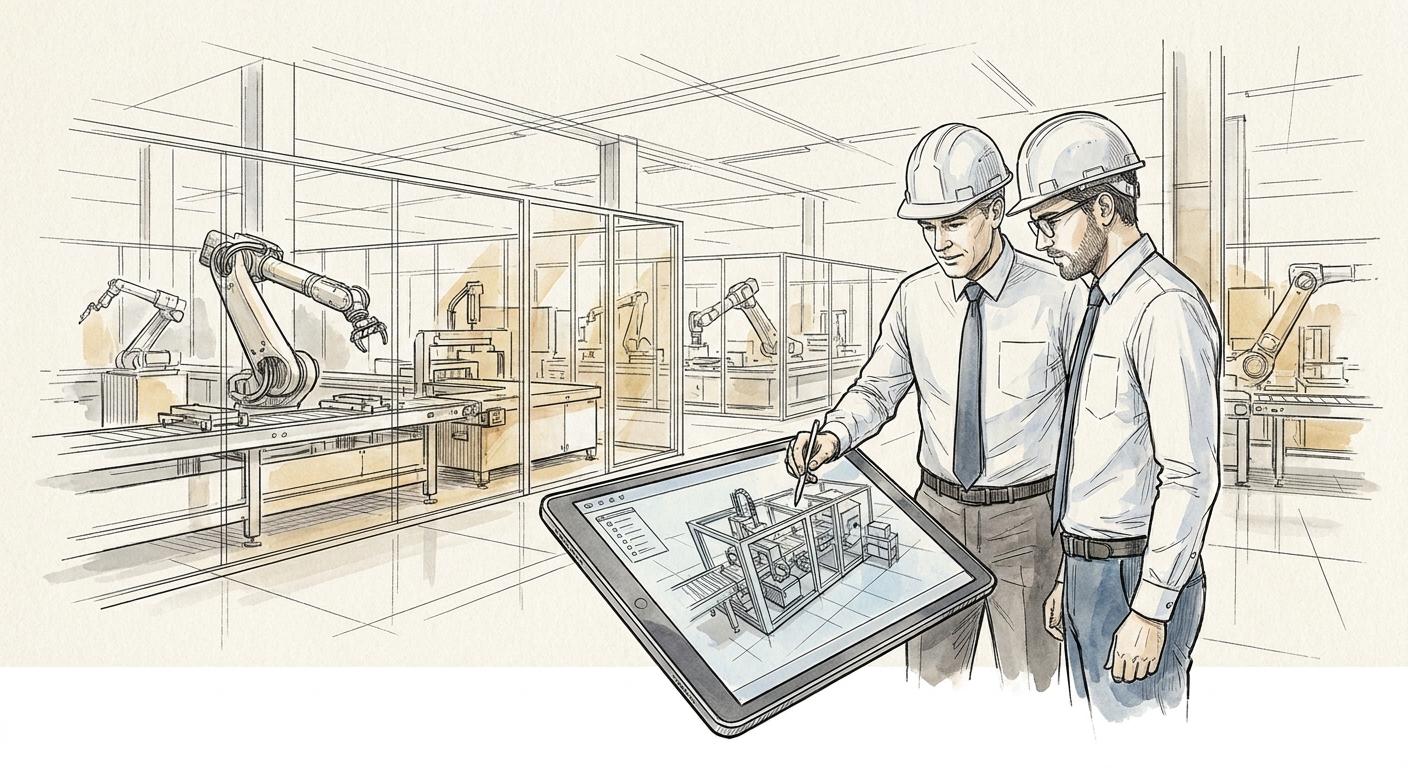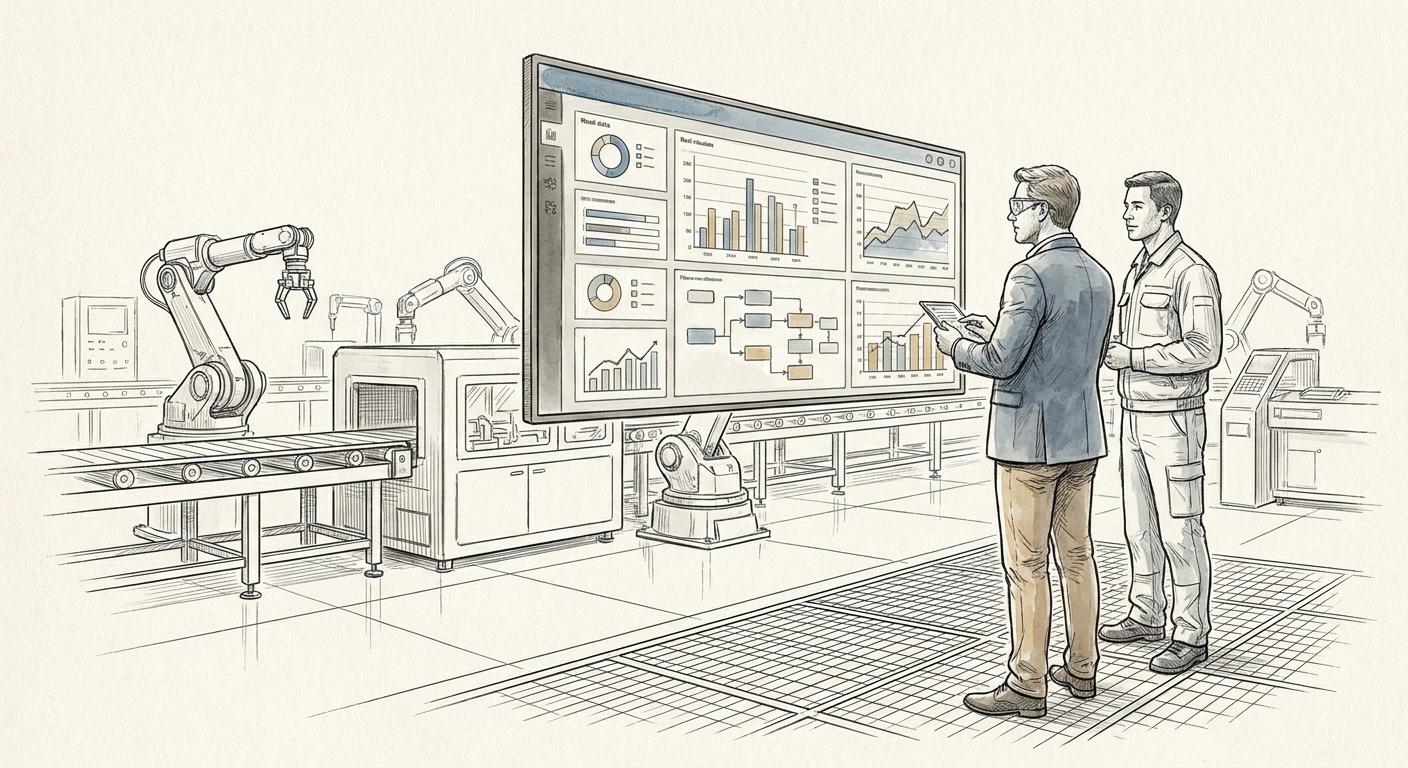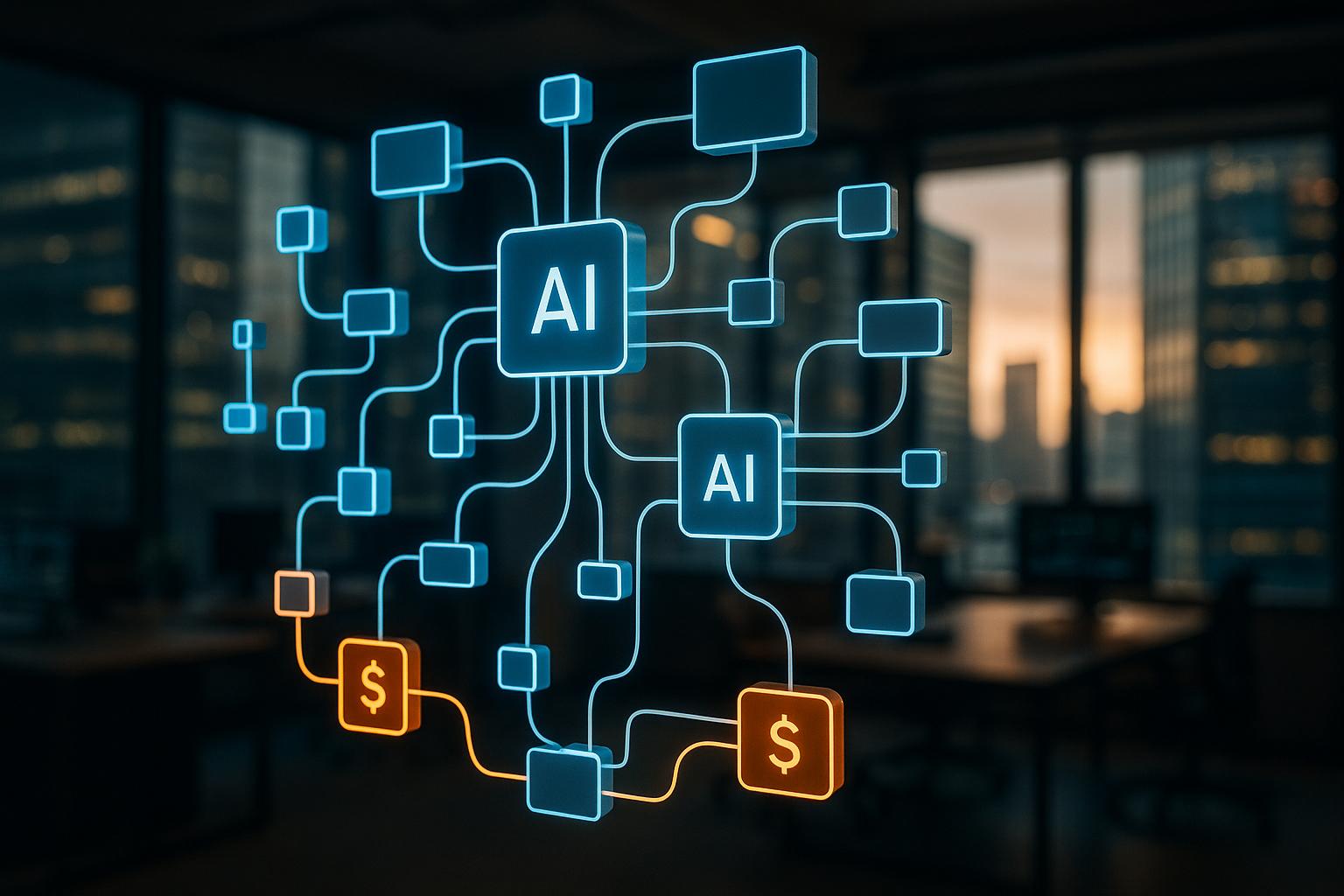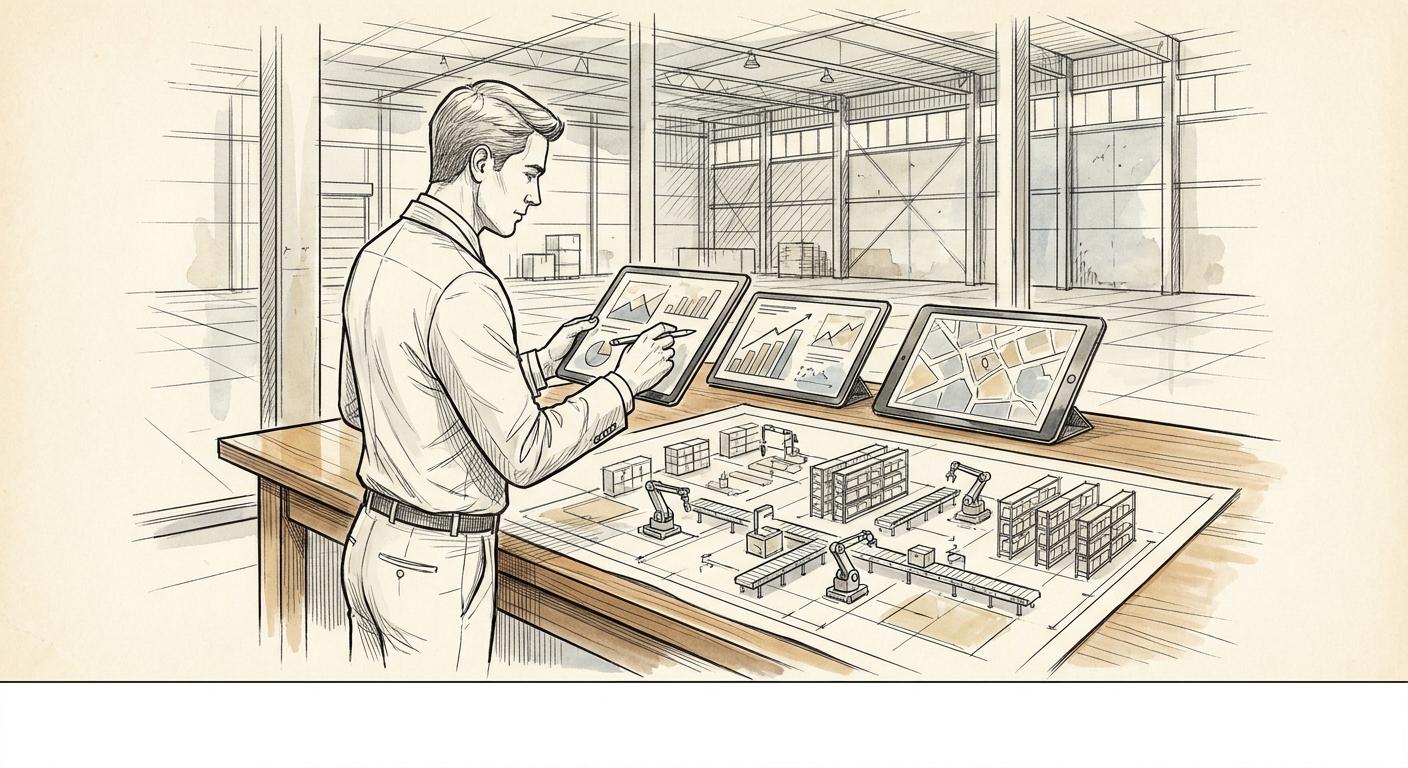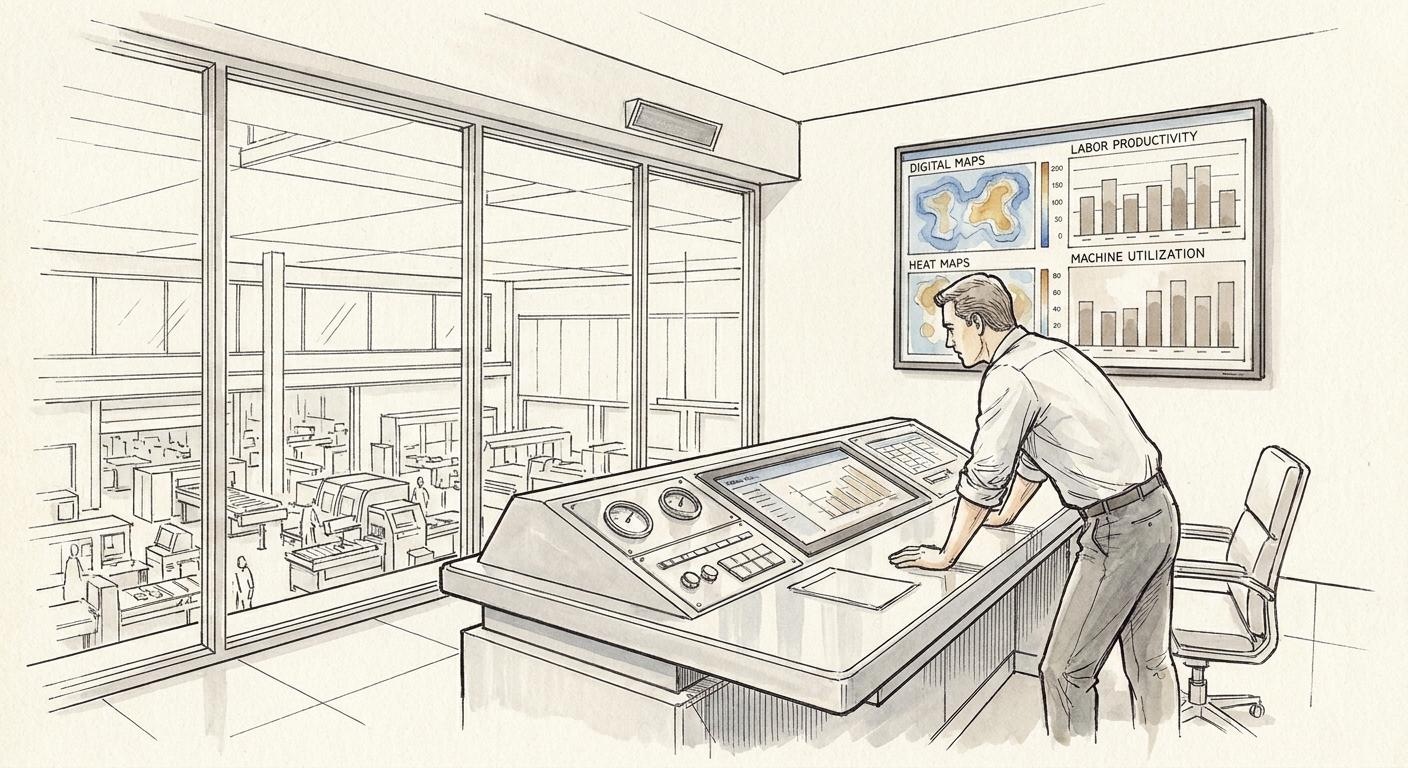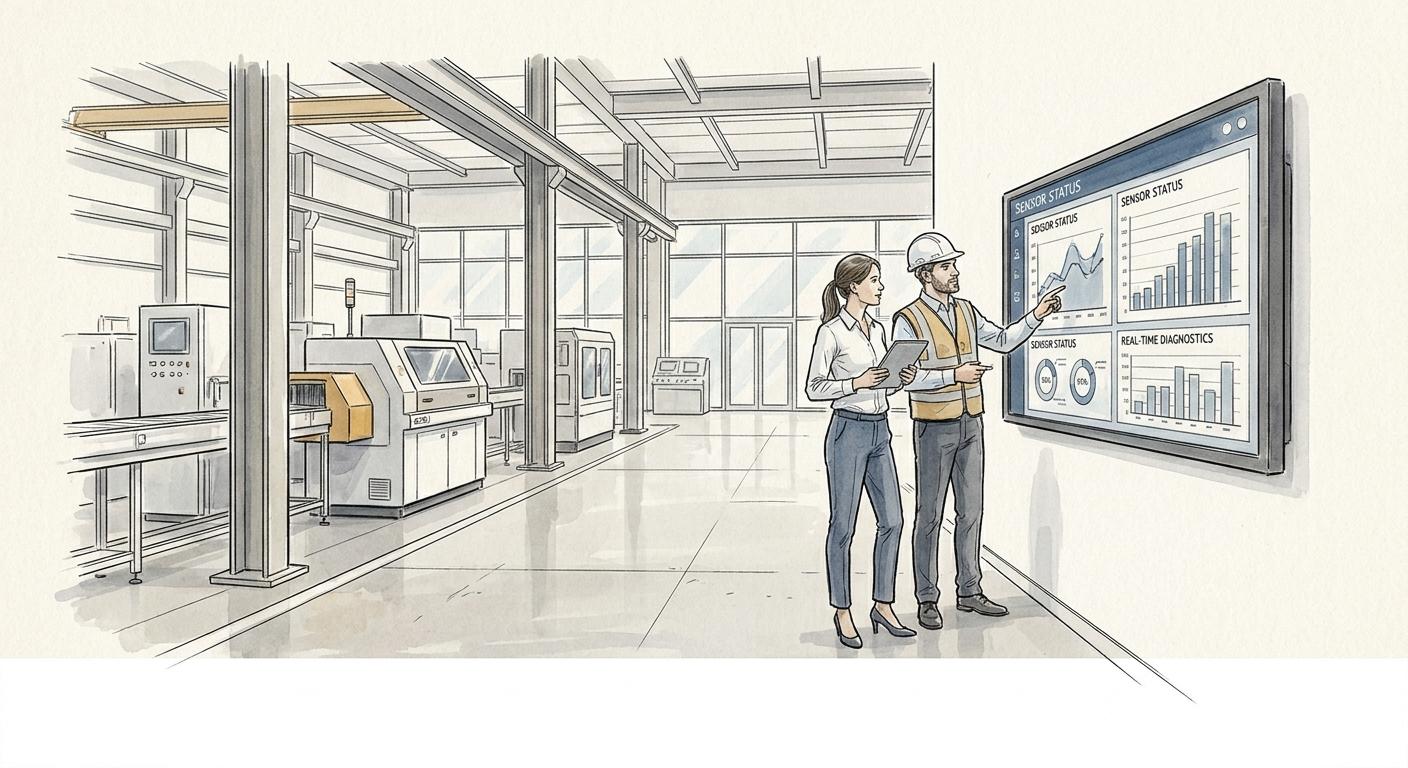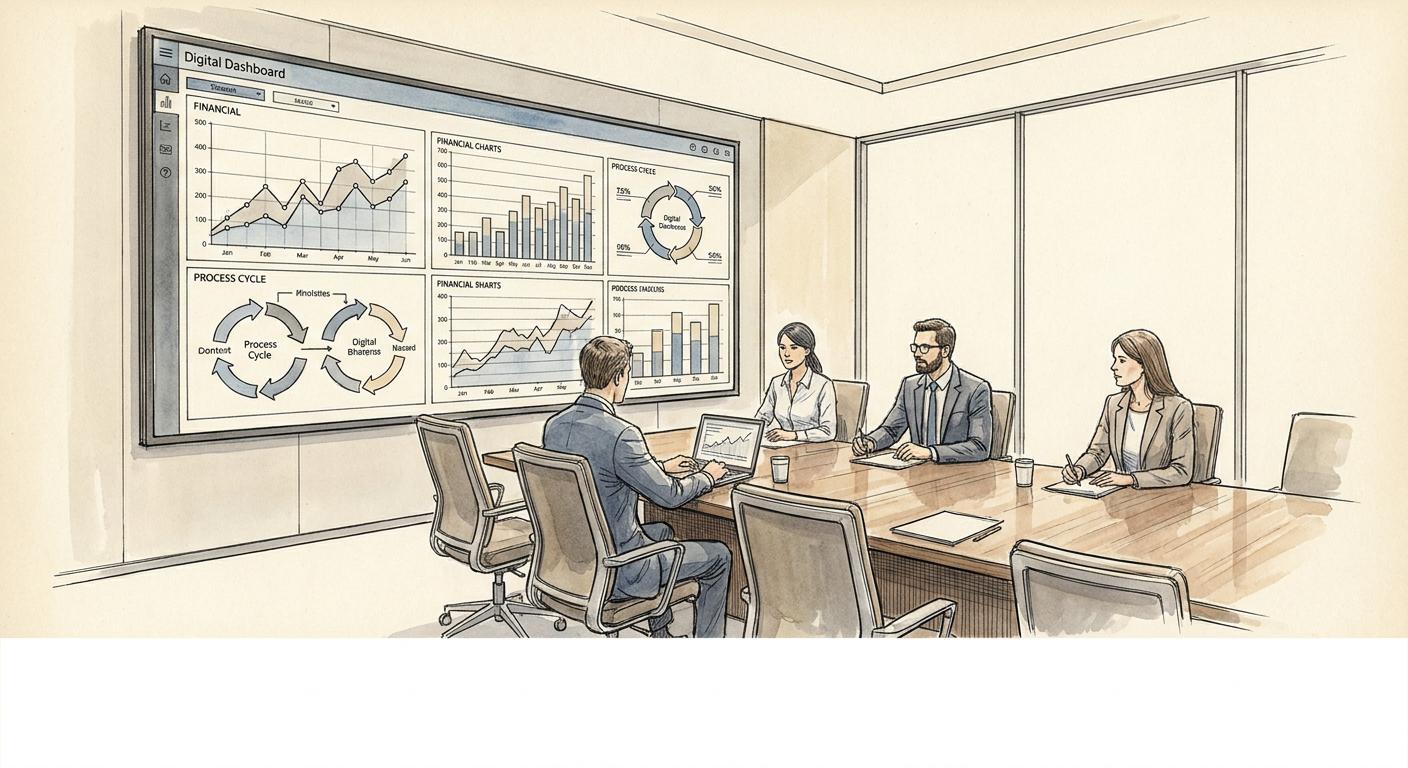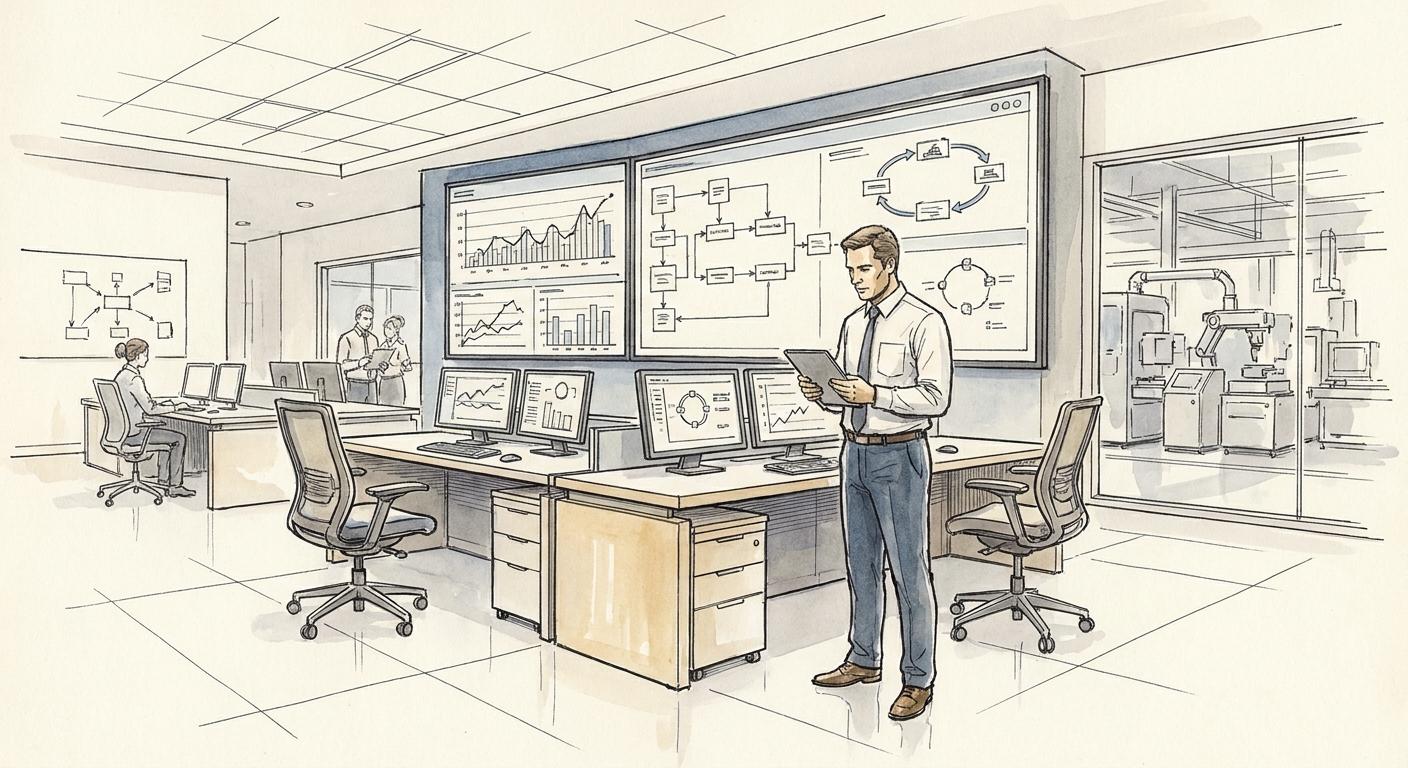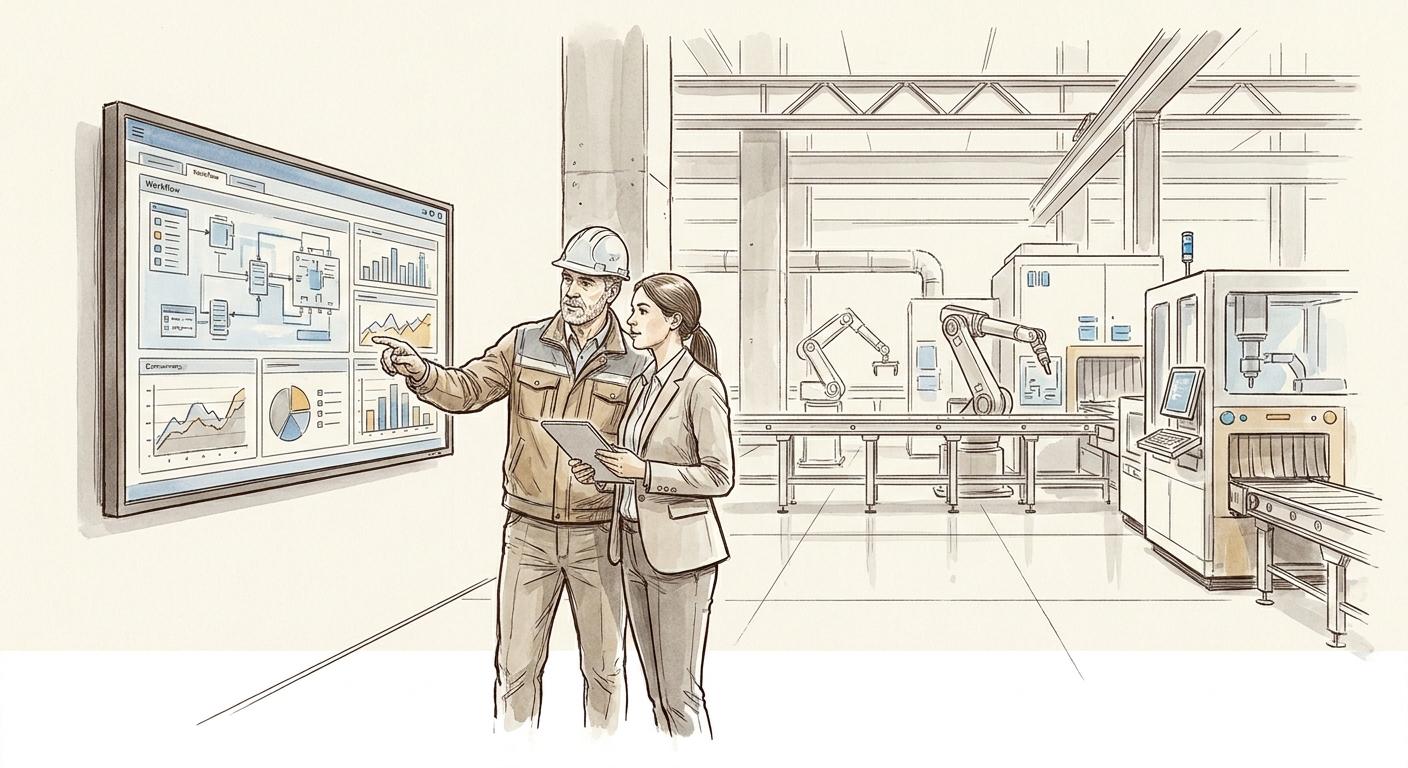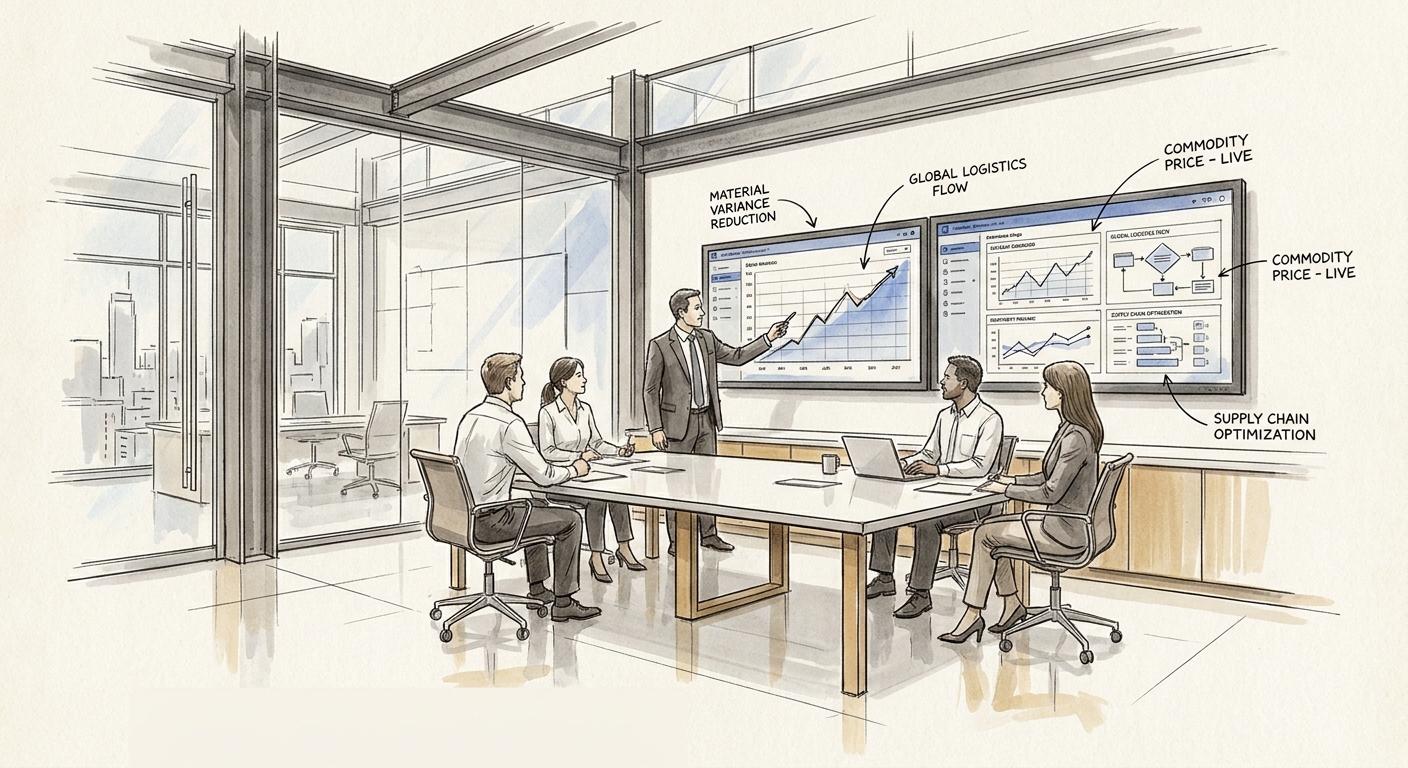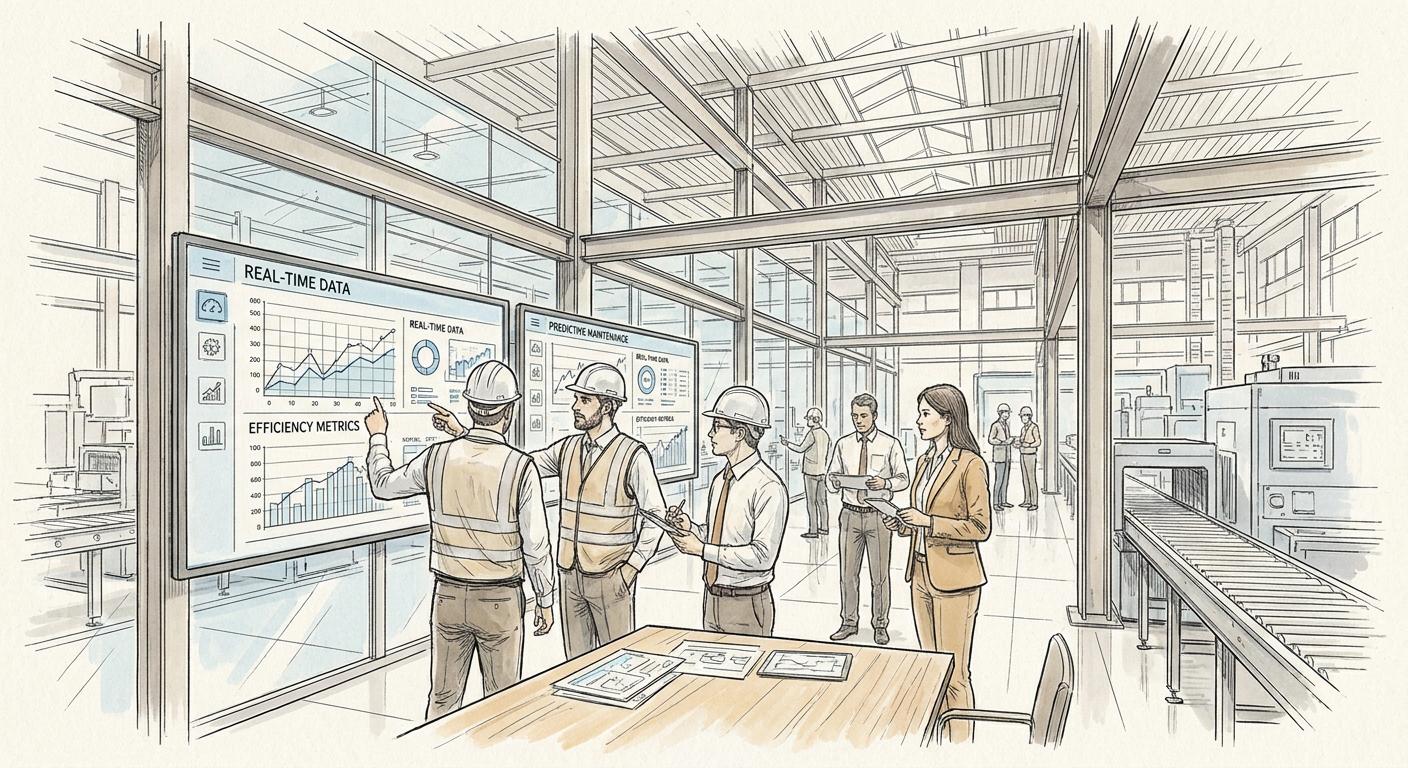


Portfolio CEOs evaluating commercial AI tools for contract manufacturing face a difficult operational friction point: modernizing shop floors requires integrating advanced software, yet every new tool risks exposing proprietary design files, ERP data, and client intellectual property to external entities. Deploying third-party applications without an enterprise ai vendor vetting checklist can lead to catastrophic compliance failures, margin leakage, and the inadvertent surrender of trade secrets. This article provides a rigorous framework for assessing AI suppliers, ensuring that portfolio companies accelerate time-to-value while maintaining absolute control over their industrial data.
The Hidden IP Risk in Portfolio Company AI Adoption
Standard enterprise software vendor assessments fail when evaluating generative AI and machine learning tools in industrial settings. Traditional IT procurement focuses on SOC 2 compliance, uptime SLAs, and user seat pricing. These legacy criteria miss the core vector of exposure unique to machine learning: data ingestion and model training loops.
Contract manufacturers handle proprietary blueprints, custom tolerances, and sensitive supply chain pricing that represent the core value of the business. When employees paste production schedules or engineering constraints into commercial applications, that data often flows into public training pipelines.
For operating partners and CEOs managing an investment window, an unvetted software deployment can jeopardize an exit multiple if due diligence uncovers IP leakage. Protecting enterprise value requires shifting from passive software procurement to aggressive vendor auditing.
Data Governance and Model Training: Where Proprietary Specs Leak
Data leakage in enterprise AI refers to the unintentional exposure or transmission of sensitive corporate intellectual property, operational data, or customer PII to external third-party model providers through API calls or user prompts.
Many commercial software providers bury data usage clauses in their standard terms of service, reserving the right to use customer inputs to improve their foundational models. In a manufacturing environment, this means your proprietary CAD files, estimate-vs-actual cost histories, and custom alloy formulas could end up embedded in a competitor's query response.
Mitigating data leakage in manufacturing ai starts with demanding explicit contractual guarantees regarding zero-data-retention and isolated model weights. Operating partners must enforce a strict policy where any vendor touching operational data must provide a written waiver relinquishing ownership of derivative data models and denying training access to input streams.
Infrastructure and Deployment: Cloud vs. On-Premises vs. Hybrid for Manufacturers
Industrial data stacks are fragmented, bridging legacy on-premises ERP systems with modern cloud-based MES platforms. When evaluating securing proprietary manufacturing data, technical leadership must assess how the vendor handles infrastructure isolation and API security.
Single-tenant cloud architectures or hybrid deployments that keep sensitive data behind local firewalls are mandatory for industrial applications handling export-controlled designs or ITAR-regulated components. Public multi-tenant APIs introduce unacceptable vulnerability regarding third party ai compliance checklist standards.
Furthermore, the integration layer between the vendor's application and the plant floor must support encrypted data in transit and at rest, minimizing the attack surface across the manufacturing execution system.
The Enterprise AI Vendor Vetting Checklist
Operating partners need a scannable, actionable framework to evaluate potential technology partners before deployment begins. Use this operational checklist to audit enterprise AI vendors across four critical categories:
Data Privacy & Model Training
- Does the vendor maintain a strict zero-data-retention (ZDR) policy for all API inputs and prompt histories?
- Are customer data streams explicitly excluded from public or third-party foundation model training sets?
- Does the contract state that the portfolio company retains 100% ownership of all fine-tuned weights and generated outputs?
Architecture & Infrastructure Security
- Can the solution be deployed within a dedicated single-tenant cloud environment or on-premises infrastructure?
- Does the vendor comply with relevant industrial standards such as NIST SP 800-171 or ITAR where applicable?
- Are API integrations encrypted using current industry protocols with robust role-based access control (RBAC)?
Operational Integration & Value Creation
- Does the software integrate cleanly with existing ERP and MES platforms without requiring custom data extraction scripts that expose middleware?
- Is there a clear path to generating measurable EBITDA improvement or labor reduction within 60 to 90 days?
- Does the vendor provide structured upskilling for plant managers and operators to ensure high adoption rates post-deployment?
Exit Readiness & Compliance
- Would the deployment pass rigorous buy-side IT and IP due diligence during a portfolio company sale?
- Does the vendor maintain comprehensive audit logs of all system interactions for compliance reporting?
Moving Past Point Solutions: How iForAI Deploys Secure Custom Models in 60-90 Days
Relying on generic commercial point solutions often leaves portfolio companies with low adoption, fragmented tools, and lingering IP exposure. Achieving true operational leverage requires a structured approach that combines custom model development with rigorous data governance.
iForAI addresses this challenge through an embedded execution model that delivers custom use cases directly into production within 60 to 90 days. Rather than risking proprietary manufacturing data on public models, our teams build secure, isolated environments tailored to the specific workflows of contract manufacturers.
By combining strategic oversight with hands-on execution and targeted upskilling, we help private equity firms transform purchased software into measurable EBITDA improvement without compromising asset security.
Frequently Asked Questions
How do I ensure a vendor isn't using my portfolio company's manufacturing data for model training?
Look for explicit zero-data-retention SLAs, dedicated tenant isolation, and contractual clauses explicitly relinquishing vendor rights to derivative data models. Standard enterprise agreements rarely include these protections automatically and require custom addendums.
What are the specific IP risks of deploying commercial AI tools in contract manufacturing?
Contract manufacturers handle proprietary blueprints, tolerances, and supply chain pricing. Insecure AI tools can inadvertently expose these trade secrets via prompt history or shared training pools, creating severe liability during customer audits or corporate exits.
How does ITAR compliance affect AI vendor selection for industrial portfolios?
Any vendor processing export-controlled technical data must comply with strict physical and logical access controls, ensuring that data does not transit through foreign-hosted servers or shared multi-tenant cloud instances.
Learn about the AI Starter Package at ifor.ai/solutions/private-equity

Ira Komarova
COO at iForAI