
.svg)


5
min read

September 23, 2026
Beyond Digitized Workflows
During a recent discussion, a product vice president at a mid-market software company raised a familiar concern: her organization had launched more than a dozen internal artificial intelligence experiments over the prior year, yet none had moved a core business metric. Cycle times remained unchanged, operating margins stayed flat, and the engineering organization was experiencing proof-of-concept fatigue.
This situation reflects a broader industry pattern. Traditional digital transformation spent the past decade migrating analog, paper-based, and legacy processes onto digital screens. By contrast, building an AI-native enterprise requires re-engineering how decisions, analysis, and workflows execute across the organization. Meaningful operational leverage rarely stems from isolated tools, ad-hoc chat prompts, or fragmented point solutions.
Drawing from enterprise deployment patterns across complex operational environments, organizations that successfully scale AI typically execute five foundational shifts:
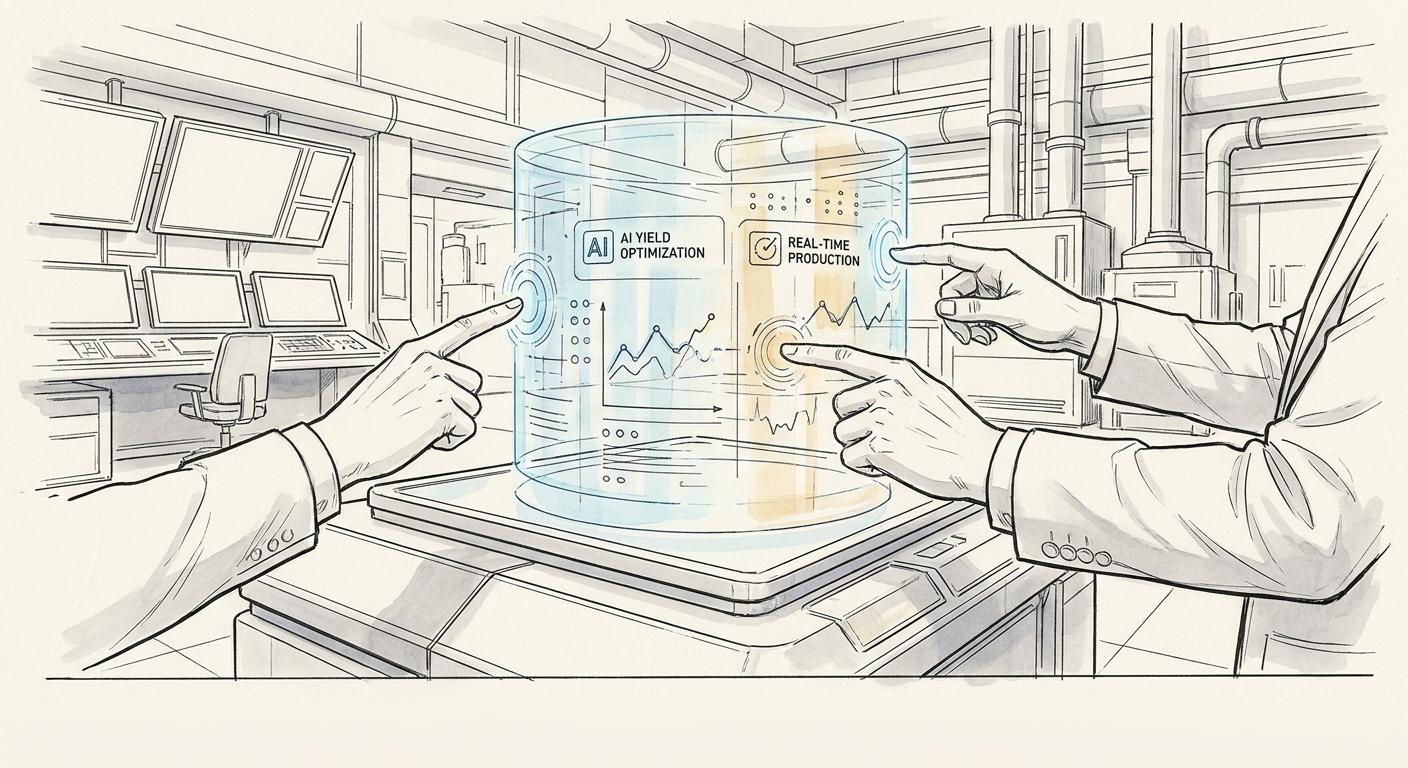
- From fragmented pilots to core workflow integration: Isolated chat tools and departmental side projects rarely justify their operational overhead. Sustainable value emerges when engineering teams embed AI directly into mission-critical bottlenecks—such as cross-system data handoffs, triage queues, and operational exception handling. When models operate inside core execution paths, efficiency gains compound across the enterprise.
- From passive data accumulation to context readiness: Data warehouses filled with petabytes of historical information provide minimal utility if retrieval pipelines cannot deliver clean, structured domain context to models during inference—the stage where an AI model processes input to generate an output. Prioritizing context engineering and retrieval-augmented generation (RAG) delivers greater operational accuracy than simply accumulating raw data.
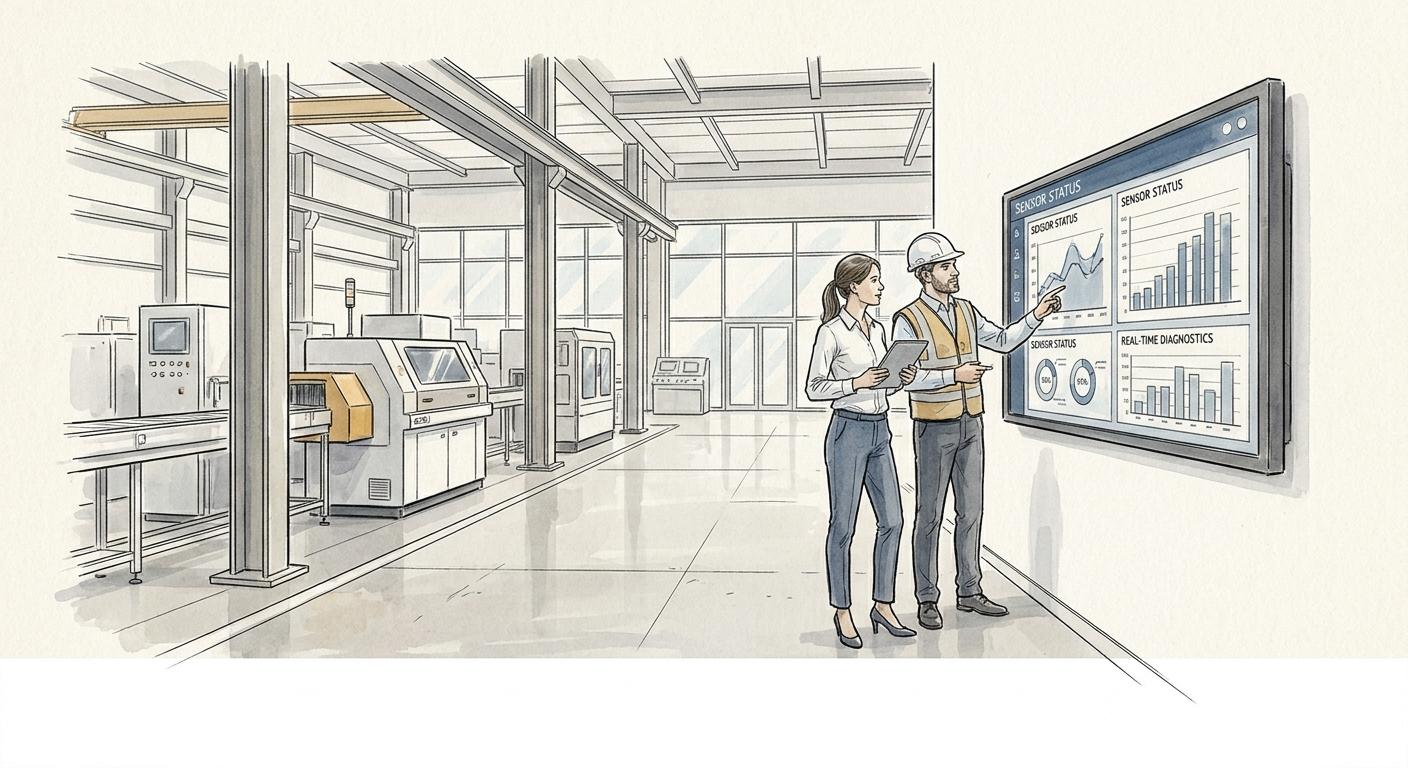
- From blind automation to human-in-the-loop oversight: Unsupervised automation often introduces hidden failure modes and hallucination risks into production environments. High-performing architectures assign high-volume, structured data processing to AI systems while deliberately positioning subject-matter experts at critical decision gates. This division of labor allows the system to absorb mechanical workload while retaining human judgment for nuanced edge cases.
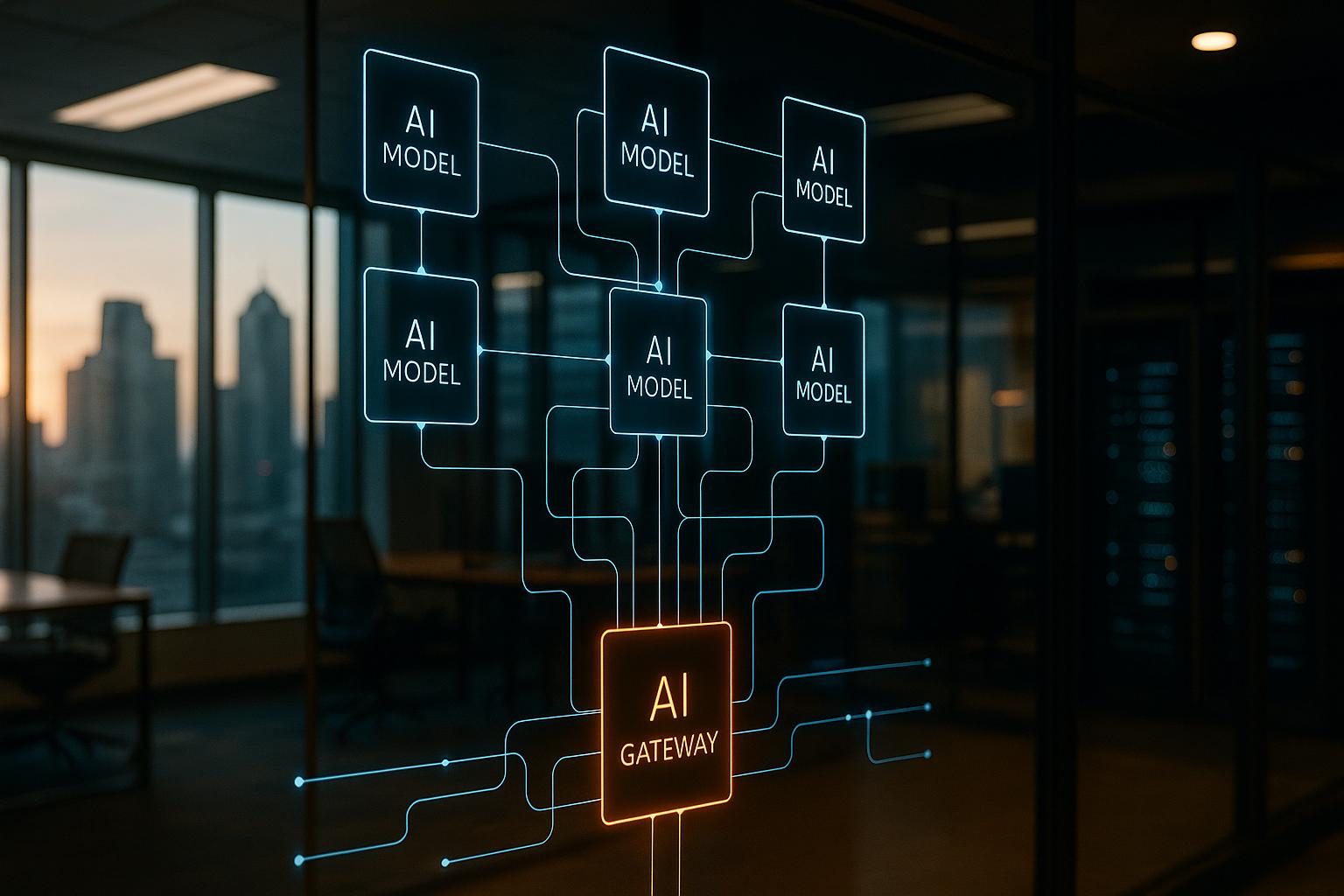
- From vendor dependency to internal capability transfer: When an external vendor delivers a closed, proprietary system, long-term adoption frequently declines as business conditions evolve. Sustainable AI transformation requires deliberate knowledge transfer. Architectures should be deployed directly within an organization’s own cloud infrastructure, accompanied by deliberate training so internal teams can evaluate, maintain, and extend the models independently.
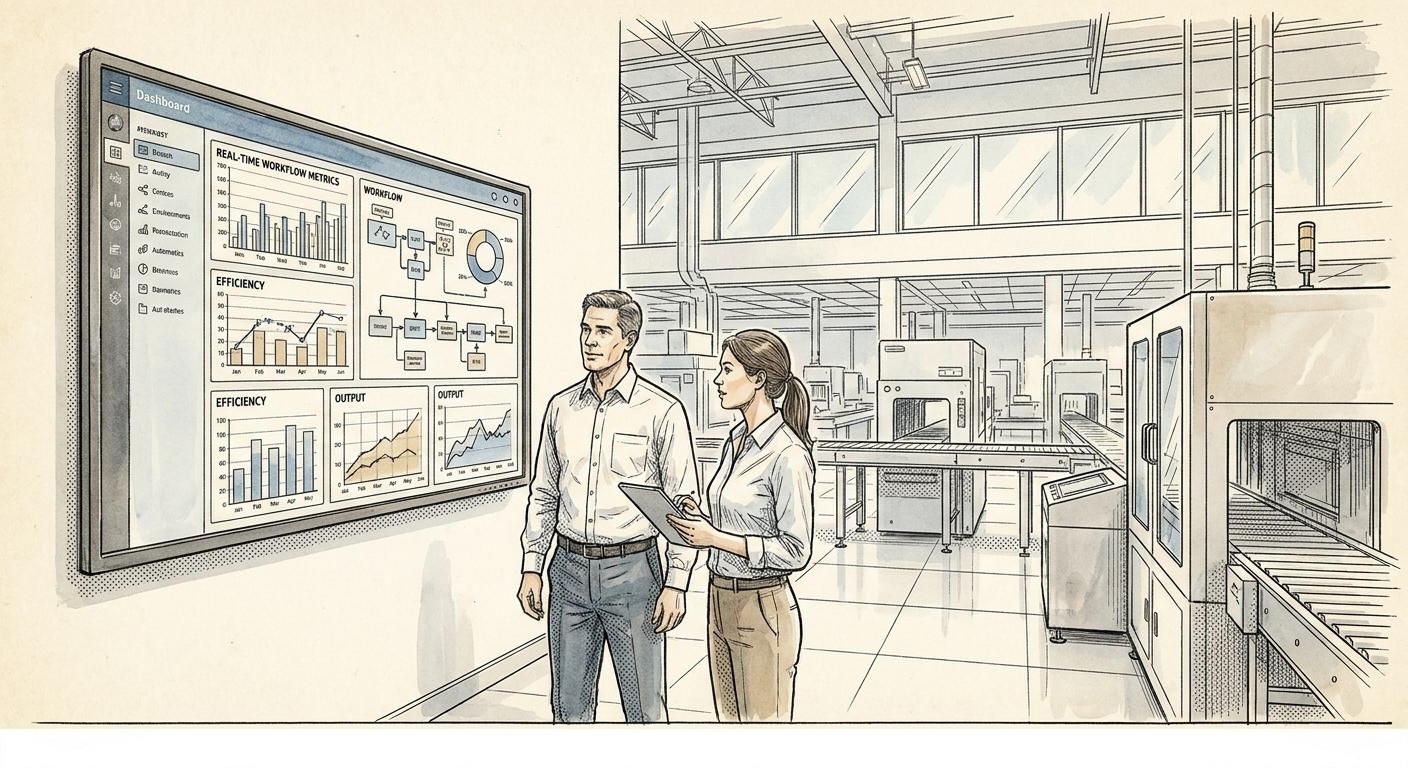
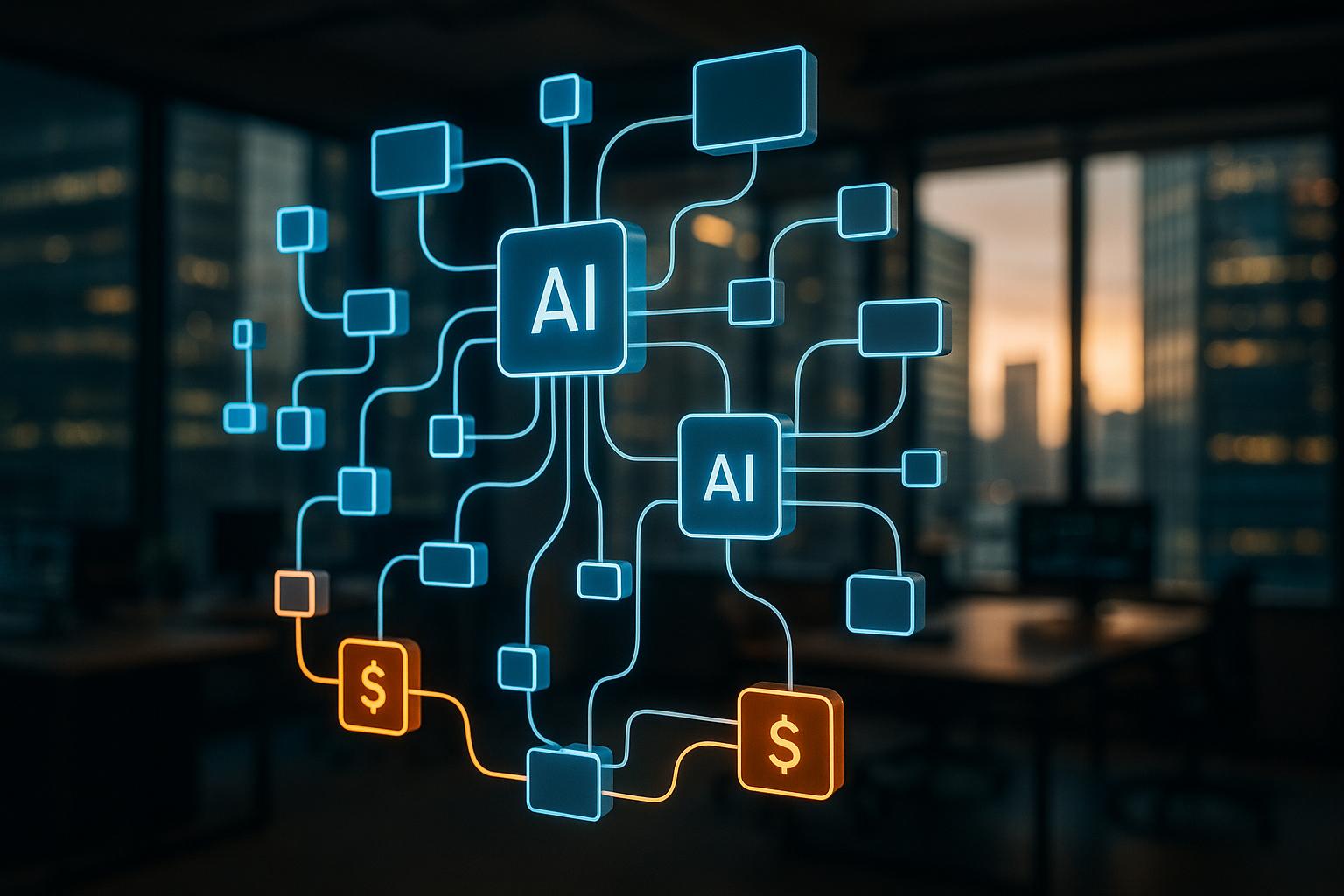
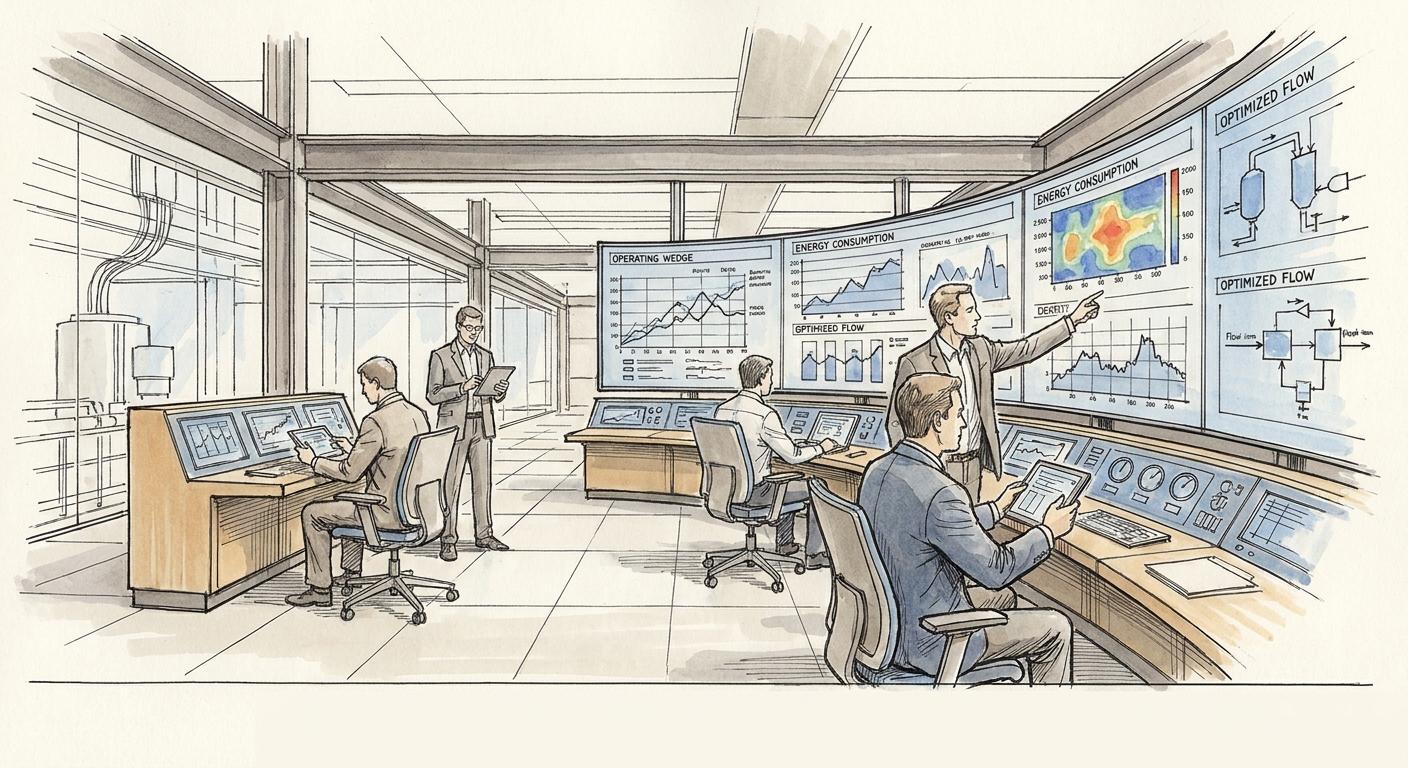
- From engagement metrics to unit economics: Traditional software metrics such as daily active users, login frequency, or total prompt counts do not measure enterprise value. Successful initiatives track operational unit economics: throughput velocity, mean time to resolution, error reduction, and direct cost-per-transaction improvements. If an AI deployment does not improve operational margins, it is not delivering enterprise-grade returns.
Building a Defensible Operational Advantage
Transitioning to an AI-native organization is an engineering discipline rather than an executive rebrand. The most reliable implementation strategy focuses on targeted execution: identify a single operational friction point, deploy production-grade models directly within existing infrastructure, validate the return on investment through verifiable metrics, and ensure internal teams develop the competencies required to manage the system.
When operational AI capability is integrated directly into proprietary workflows, isolated experimentation evolves into a durable, defensible competitive advantage.

Inna Dzhulai
Social Media Manager at iForAI