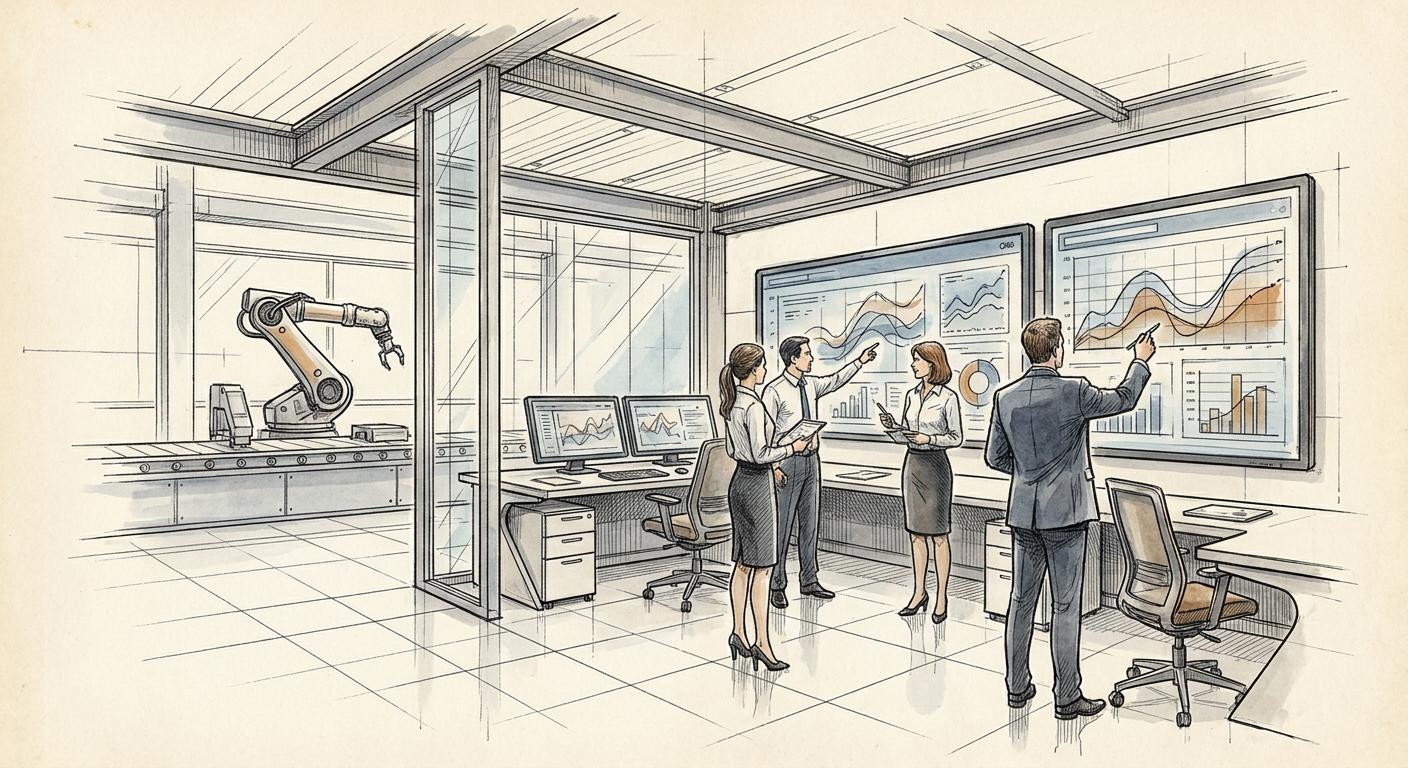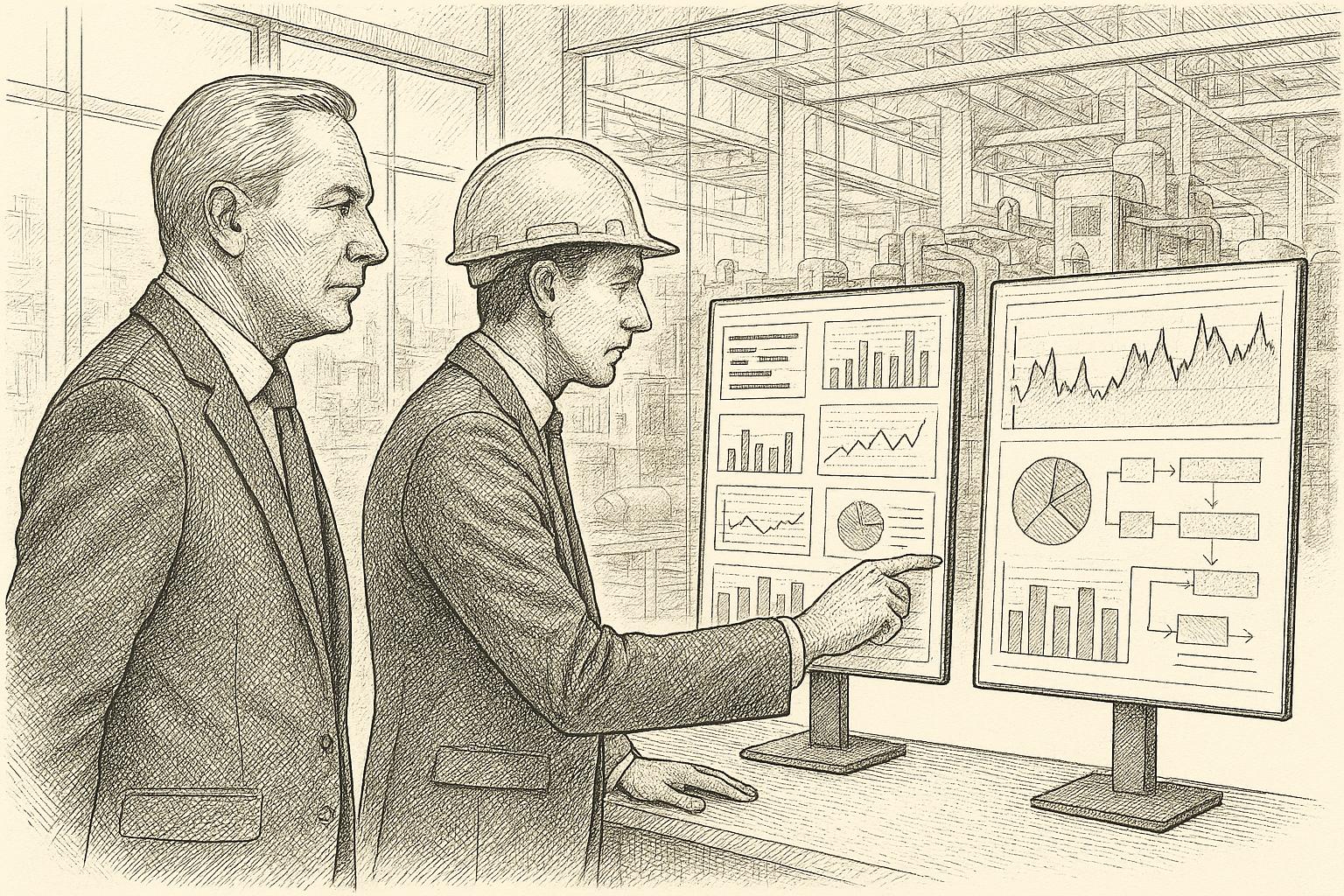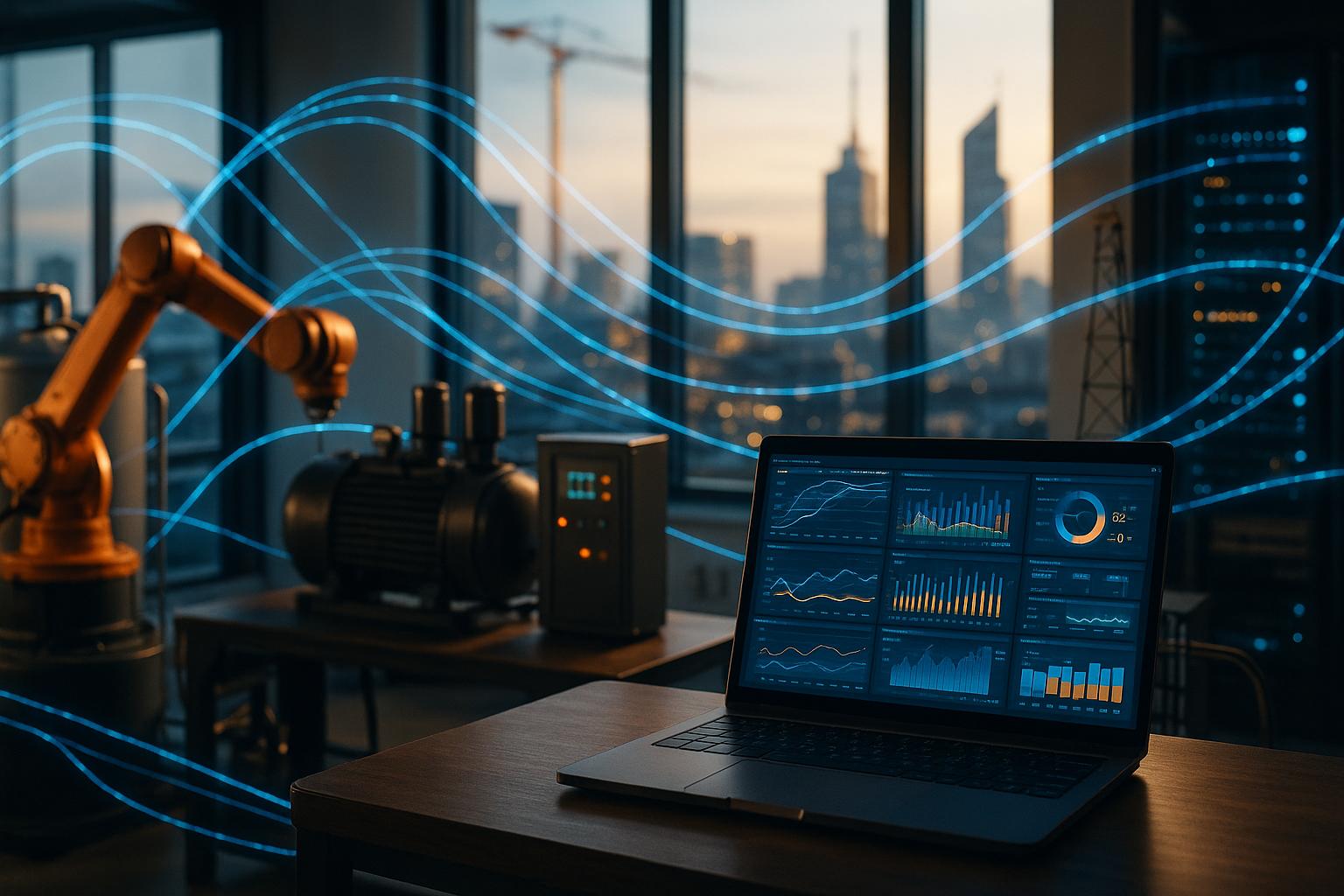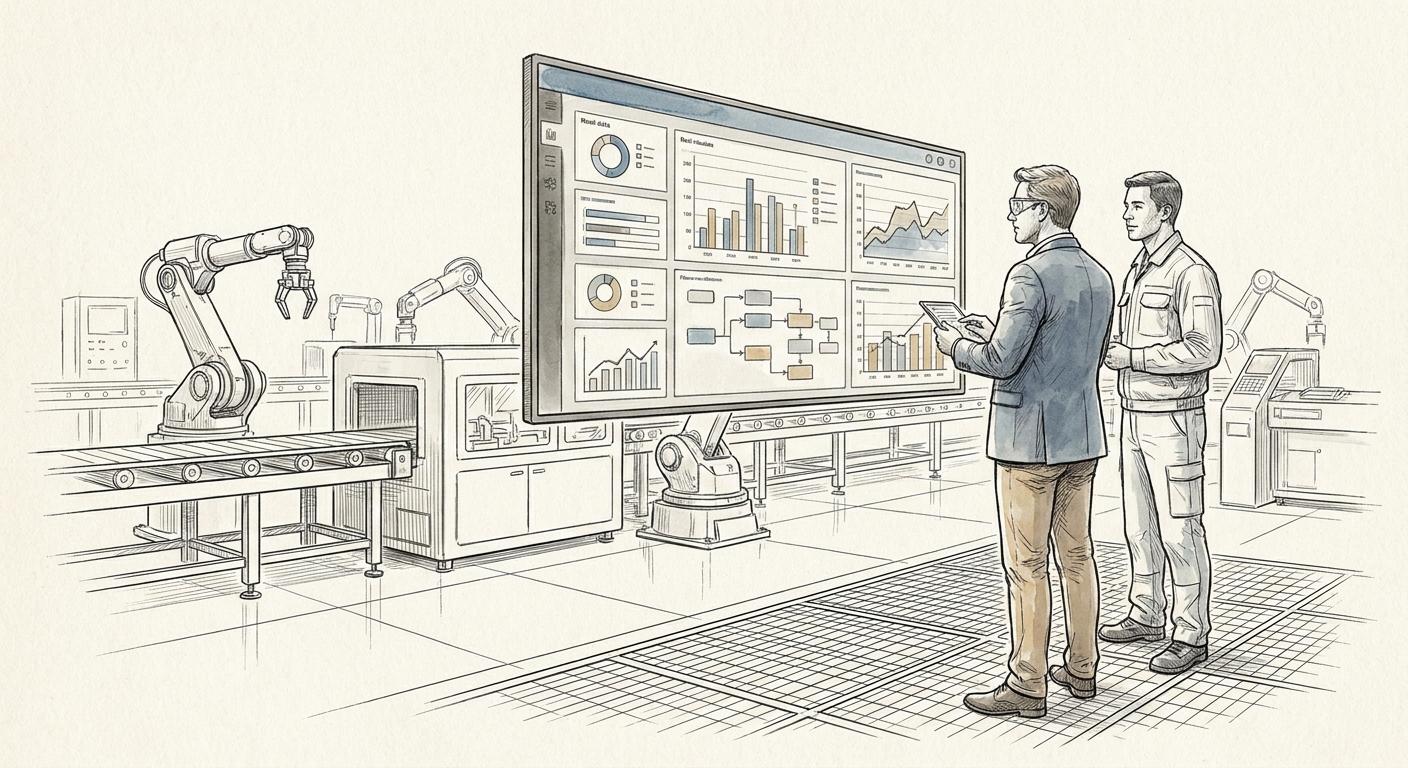
Manufacturing COOs face a persistent, invisible tax: the lag time between a defect occurring and its discovery at the final inspection station. When AI-powered quality control is absent, a single calibration error can result in hours of scrap production before a human operator notices the trend. This delay leads to margin erosion, missed On-Time In-Full (OTIF) targets, and significant labor costs tied to manual rework. This guide examines how real-time anomaly detection shifts quality from a post-mortem activity to a proactive driver of operational excellence.
AI-powered quality control uses machine learning algorithms and computer vision to analyze production data in real-time, identifying defects or deviations from standards faster and more accurately than human inspectors. By processing high-velocity data from cameras or sensors, these systems flag anomalies at the source, allowing for immediate corrective action.
The Hidden Tax on Margins: Why Traditional Quality Control is Failing the Modern COO
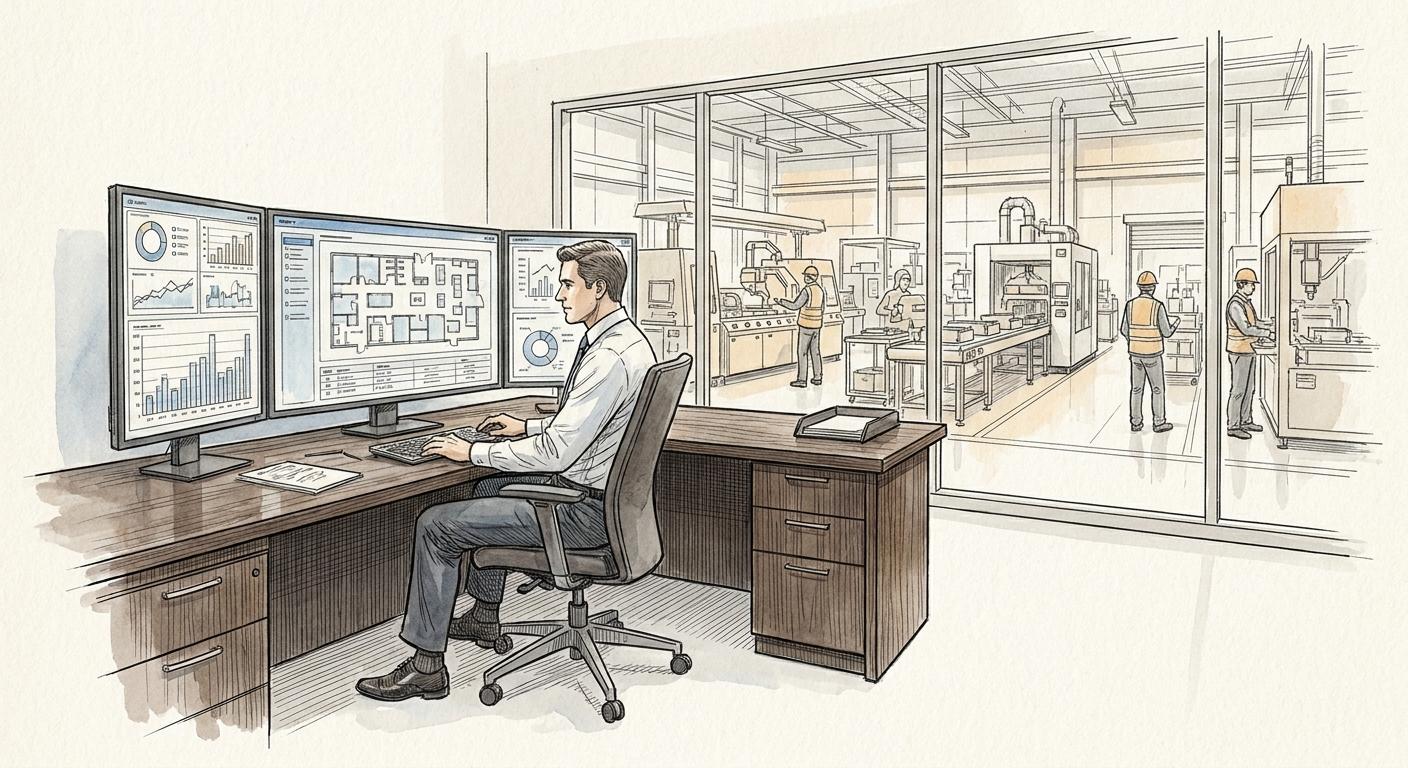
Traditional quality control often relies on statistical sampling or end-of-line visual inspection. While these methods are standard, they create a retrospective view of performance that is inherently reactive. If a defect is caught during final packaging, the value-add labor, energy, and raw materials invested in that unit are already lost. Even worse, if the defect is systemic, the entire batch represents a total loss or a significant rework reduction challenge.
Manual inspection also presents a consistency problem. Human fatigue and subjectivity lead to variance in what is deemed "acceptable." In high-volume manufacturing, even a 2% error rate in human inspection can translate to millions in warranty claims or customer churn. This "rework loop" kills throughput and creates margin leakage that is often buried in general overhead. For a PE-backed manufacturer, this inefficiency represents a direct hit to EBITDA improvement and exit readiness.
From Reactive to Proactive: How Real-time Anomaly Detection Works on the Shop Floor
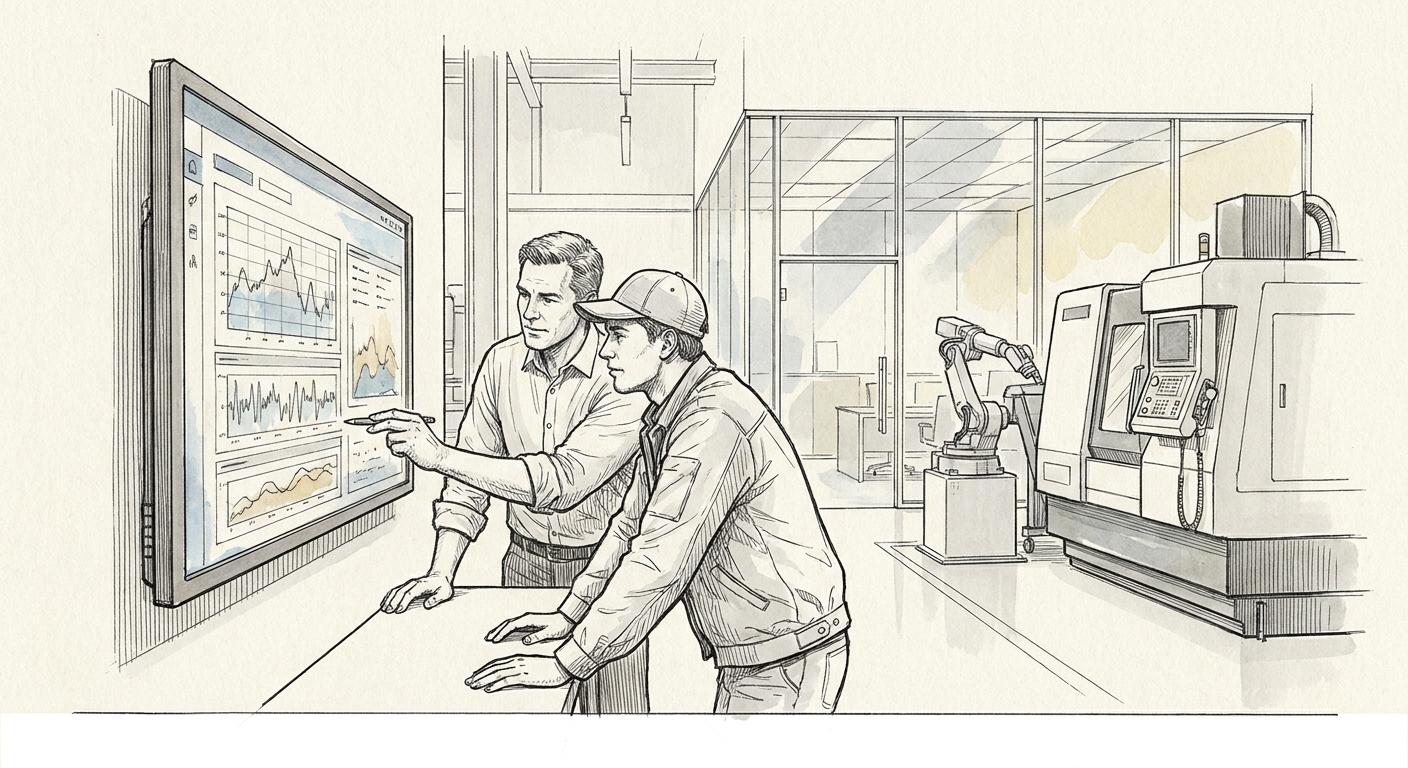
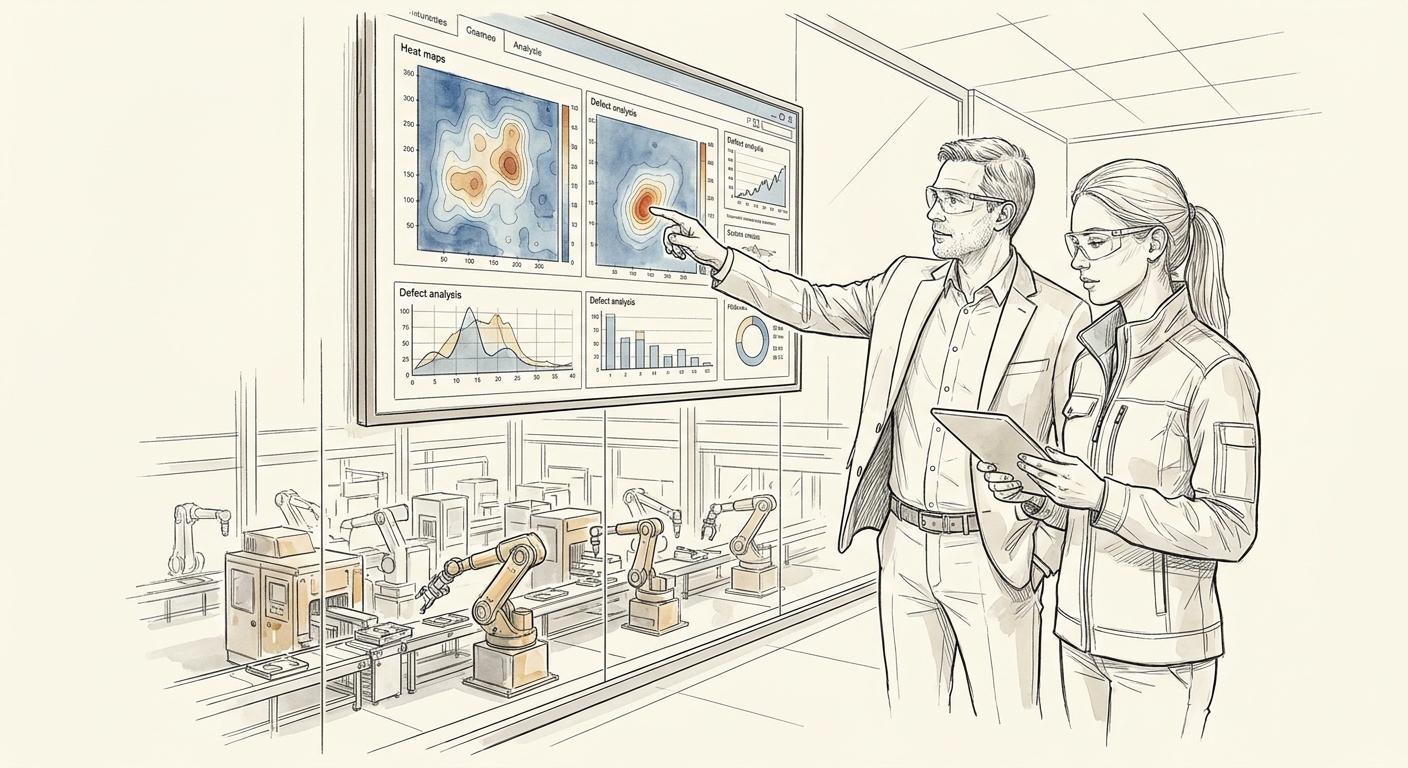
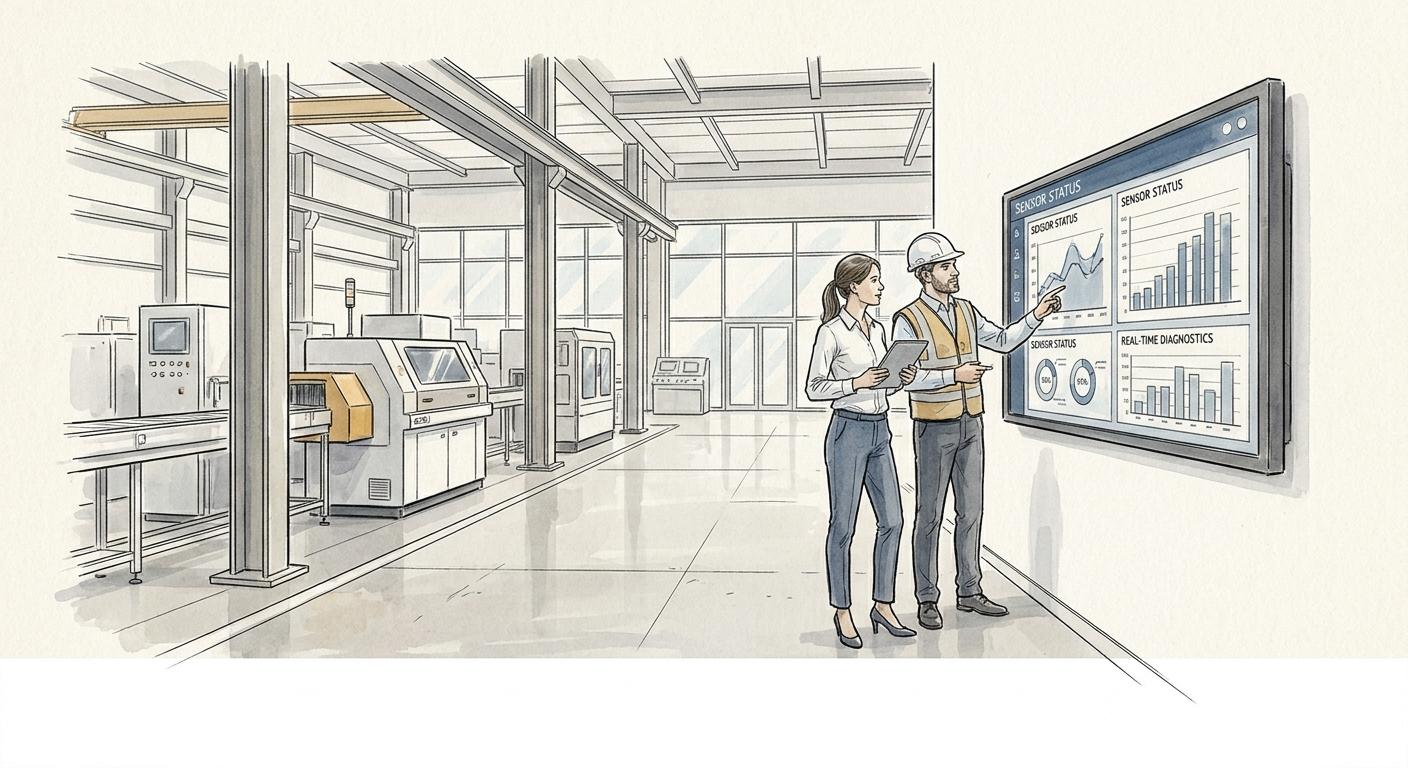
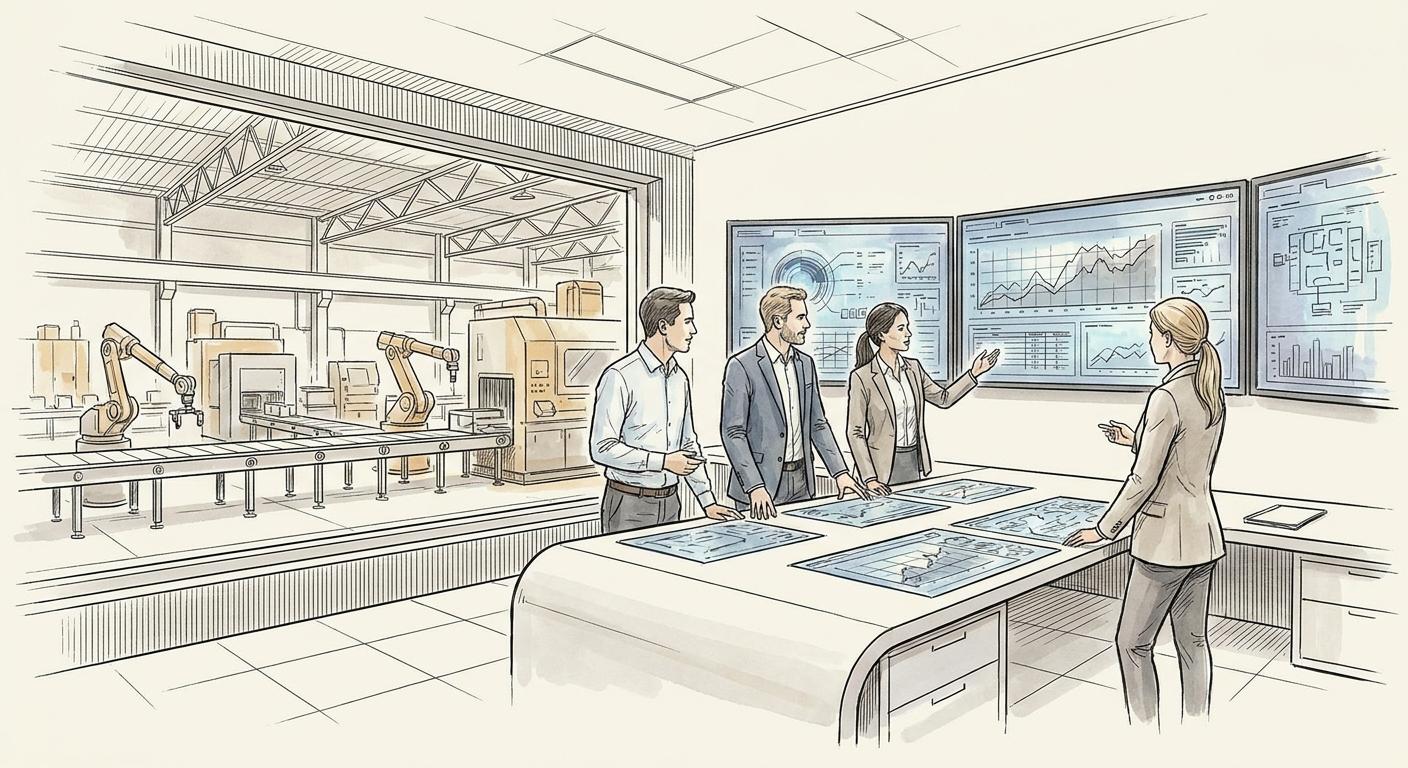
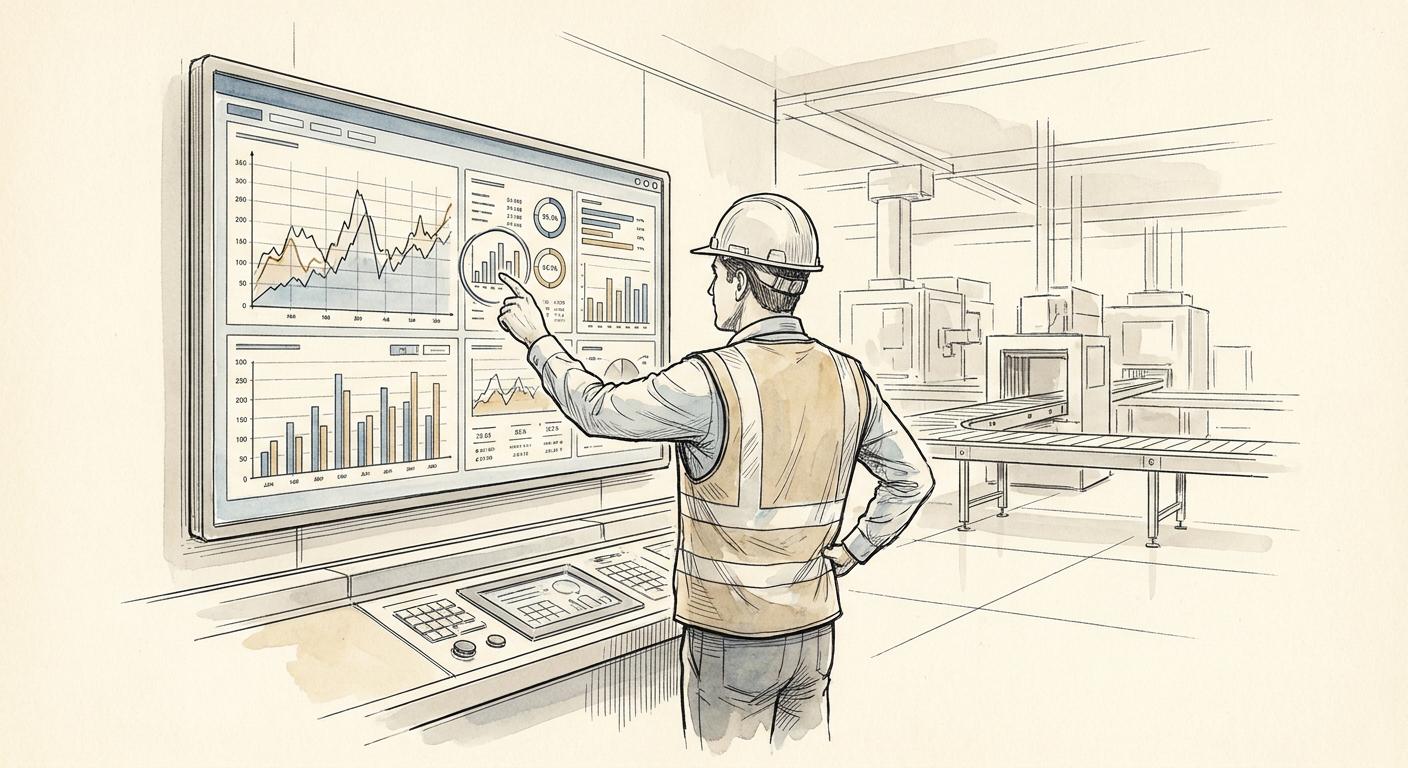
The transition to automated defect detection does not require a complete overhaul of the production line. Instead, it involves deploying real-time anomaly detection at critical high-risk steps. Most implementations leverage computer vision inspection, where high-speed cameras capture frames of the product as it moves through the line. These images are processed by a neural network trained to recognize the "golden standard" of a perfect part.
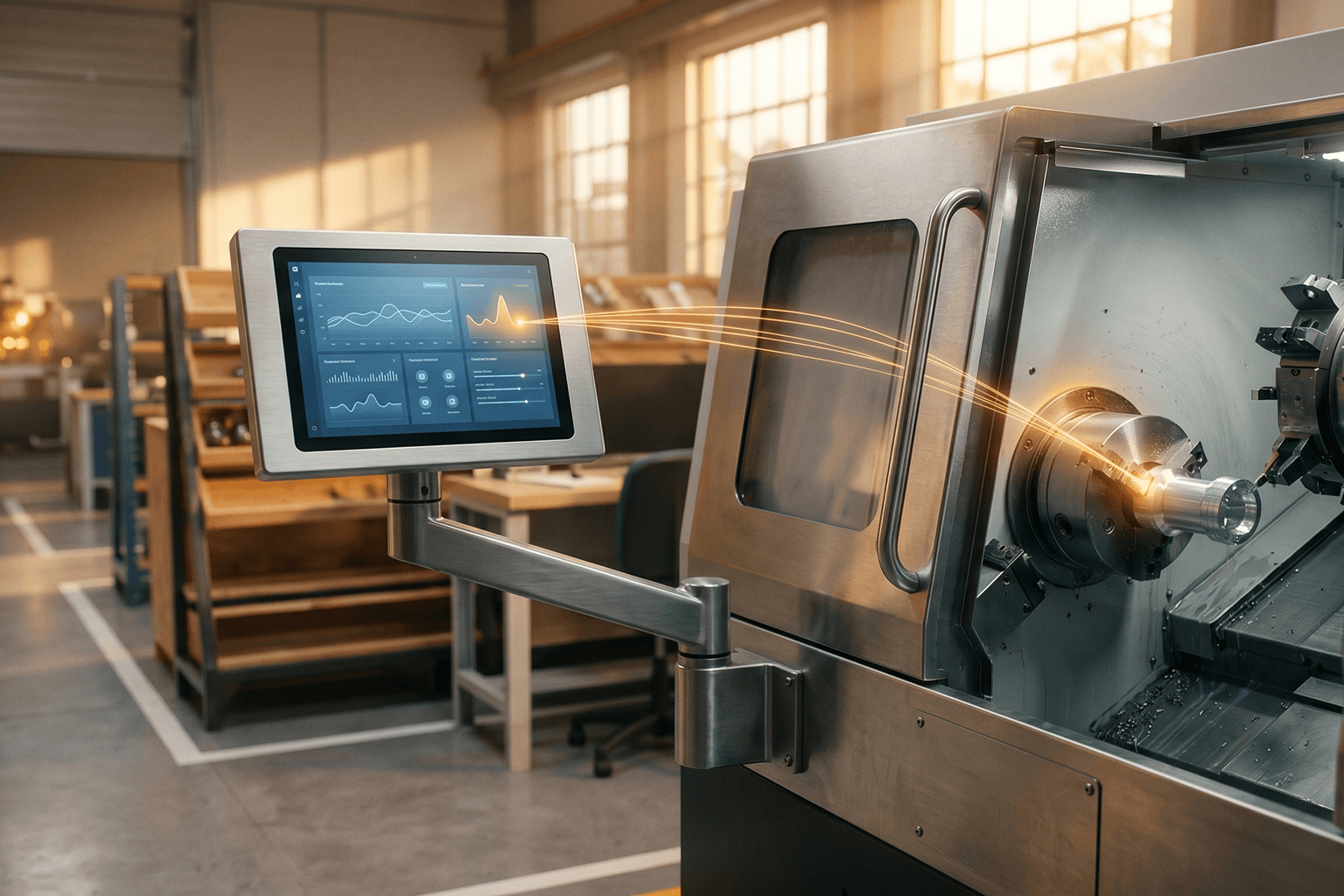
Beyond visual checks, AI can perform sensor fusion - combining vibration, temperature, and acoustic data to predict a defect before it is visible. For example, a slight change in the vibration frequency of a CNC spindle can signal a tool wear issue that will eventually cause surface defects. By catching these deviations early, plant managers can pause production, swap a component, and resume without generating a single piece of scrap. This is the foundation of operational excellence AI.
The 10% Benchmark: Mapping the Operational Impact of AI Quality Gates
Reducing rework by 10% is a conservative starting point for most mid-market manufacturers. The impact of AI for manufacturing quality assurance is felt across three specific financial levers:
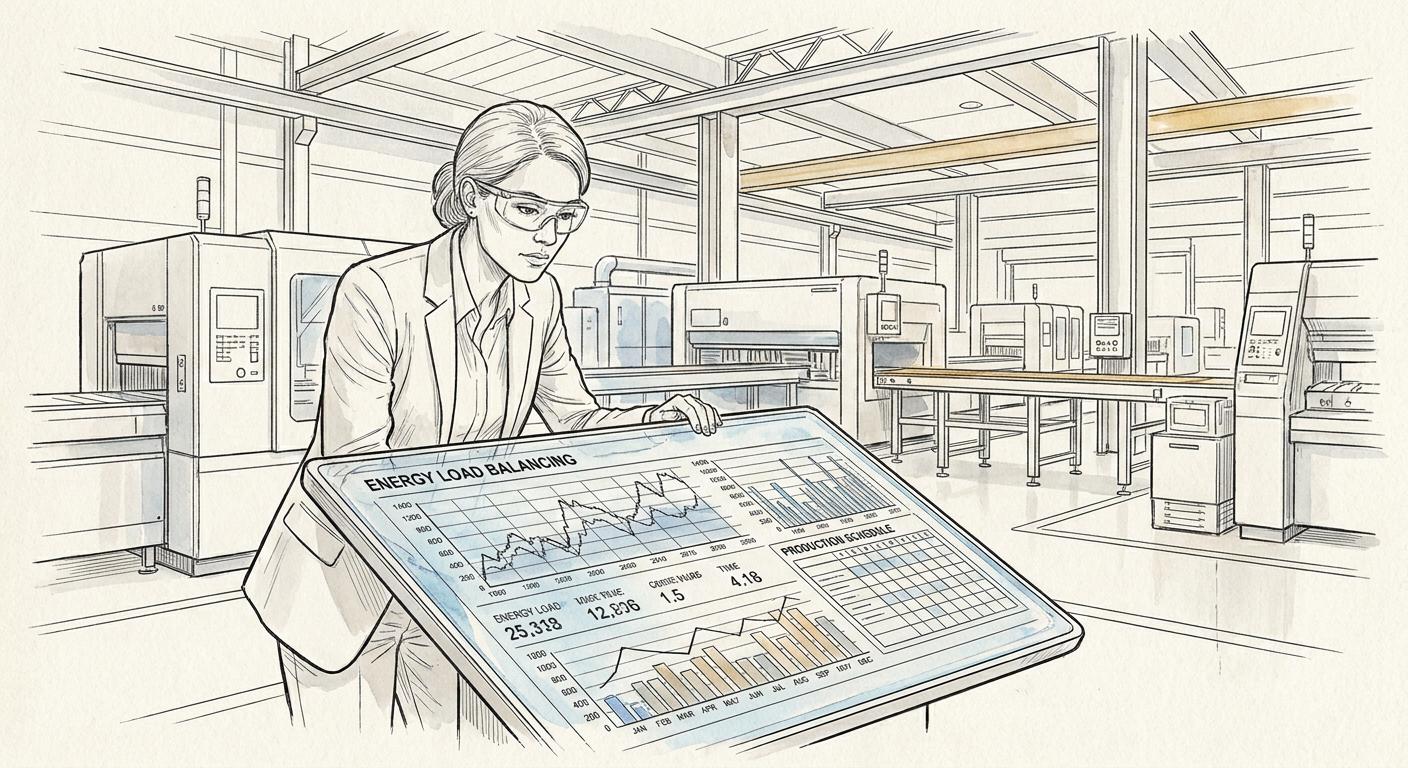
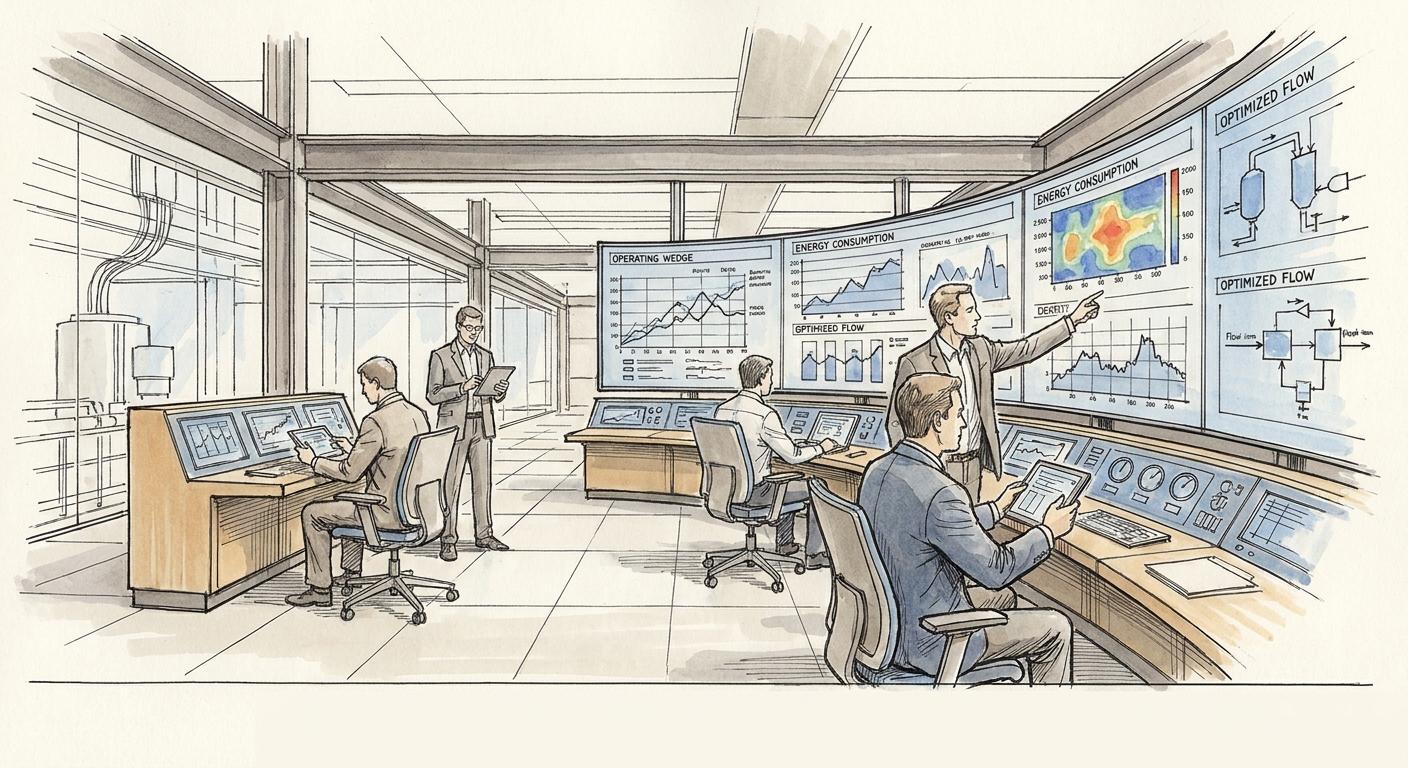
- Direct Material and Energy Savings: Every defective part caught early prevents the wasted energy of downstream processing. In energy-intensive industries like plastic injection molding or metal casting, this significantly lowers the cost per unit.
- Labor Reallocation: Instead of paying for a squad of visual inspectors, firms can reallocate that headcount to higher-value maintenance or specialized production roles. One iForAI client reduced manual customer service effort by 60% by eliminating quality-related complaint processing.
- Throughput and OTIF: When rework decreases, the "delayed execution truth" disappears. Schedules become predictable because the plant isn't losing 5-8% of its capacity to fixing mistakes. This reliability is vital for maintaining high exit multiples during a private equity hold period.
Bridging the Gap: Integrating AI Insights with your existing ERP and MES
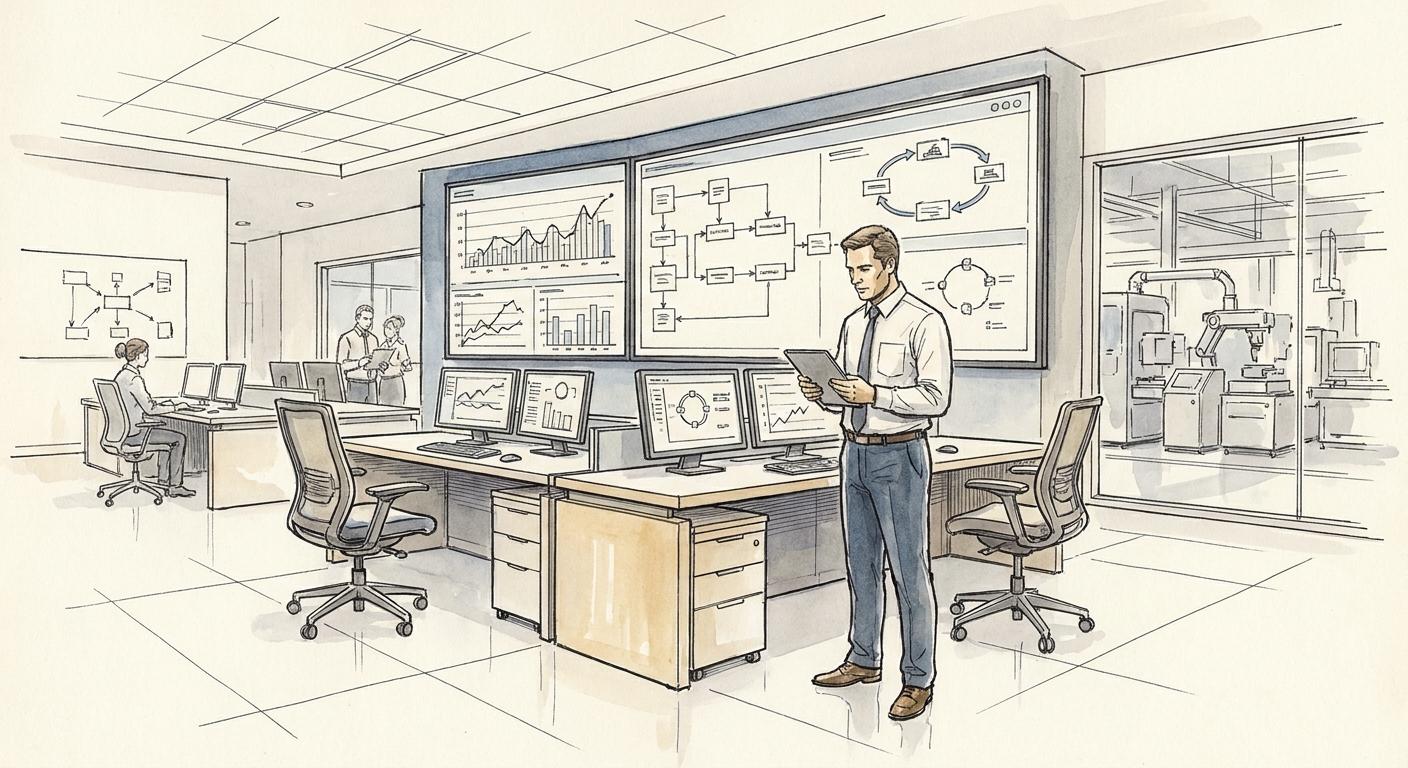
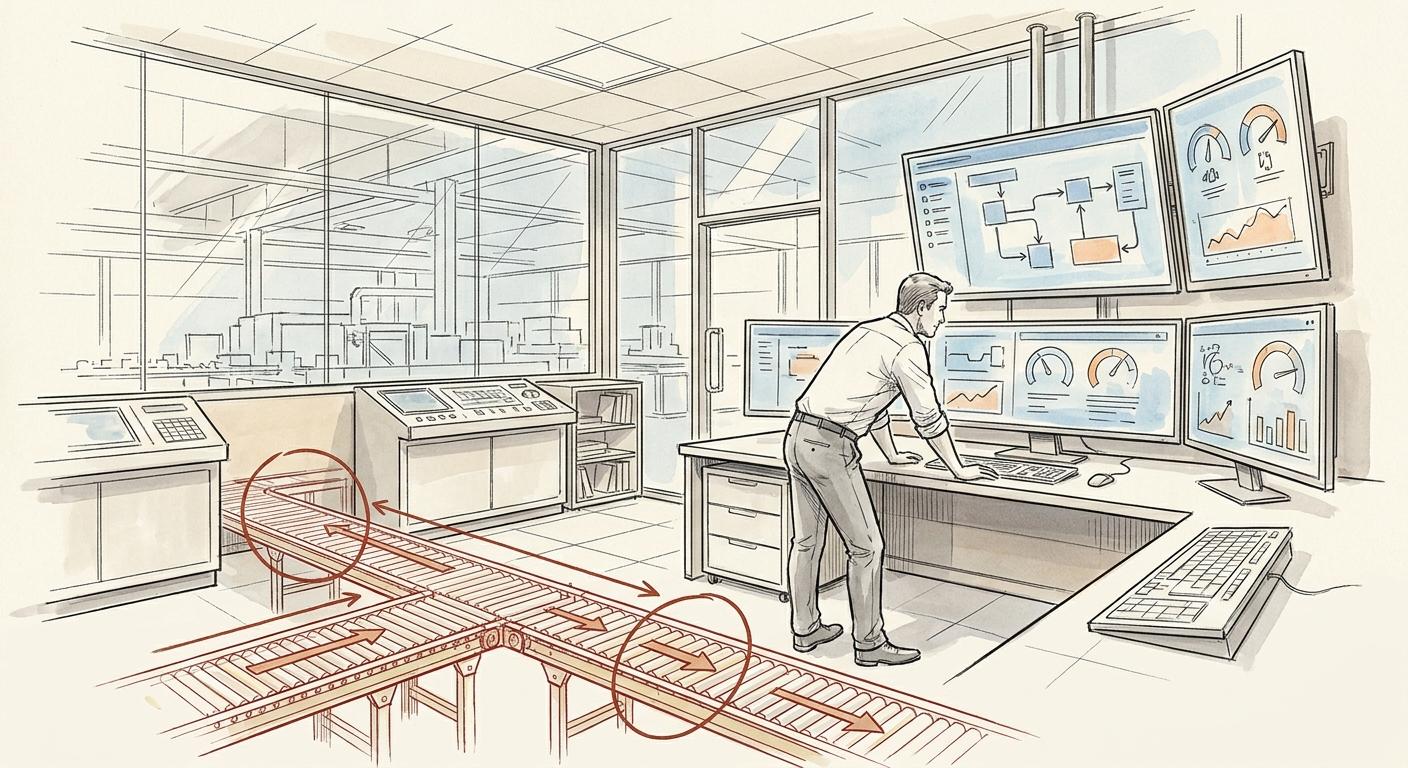
One of the primary roadblocks to AI readiness is the fear of creating new data silos. To be effective, AI quality data must flow back into the existing ERP and MES systems. When an AI agent detects a trend of out-of-spec dimensions, it should trigger an automatic alert in the MES or even initiate a "hold" status on the specific job ticket.
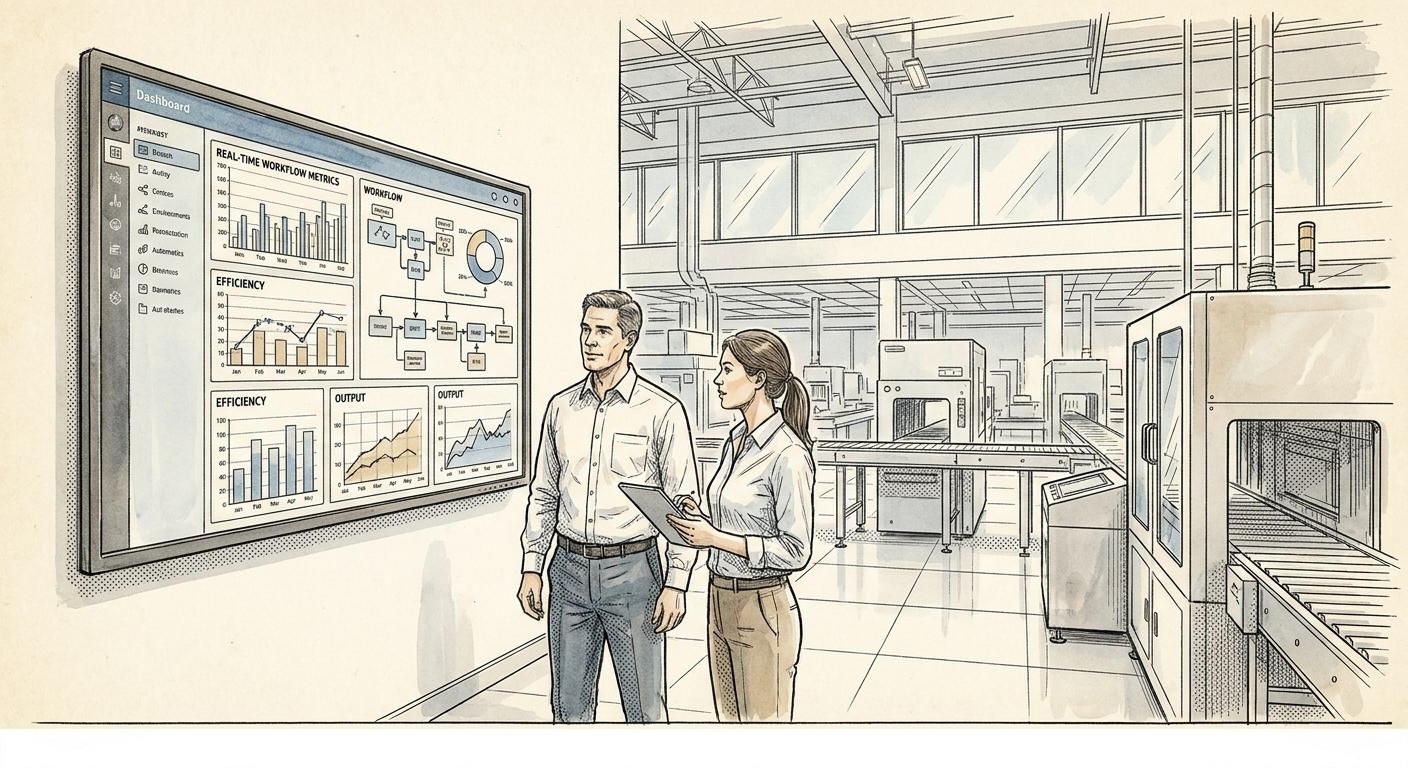
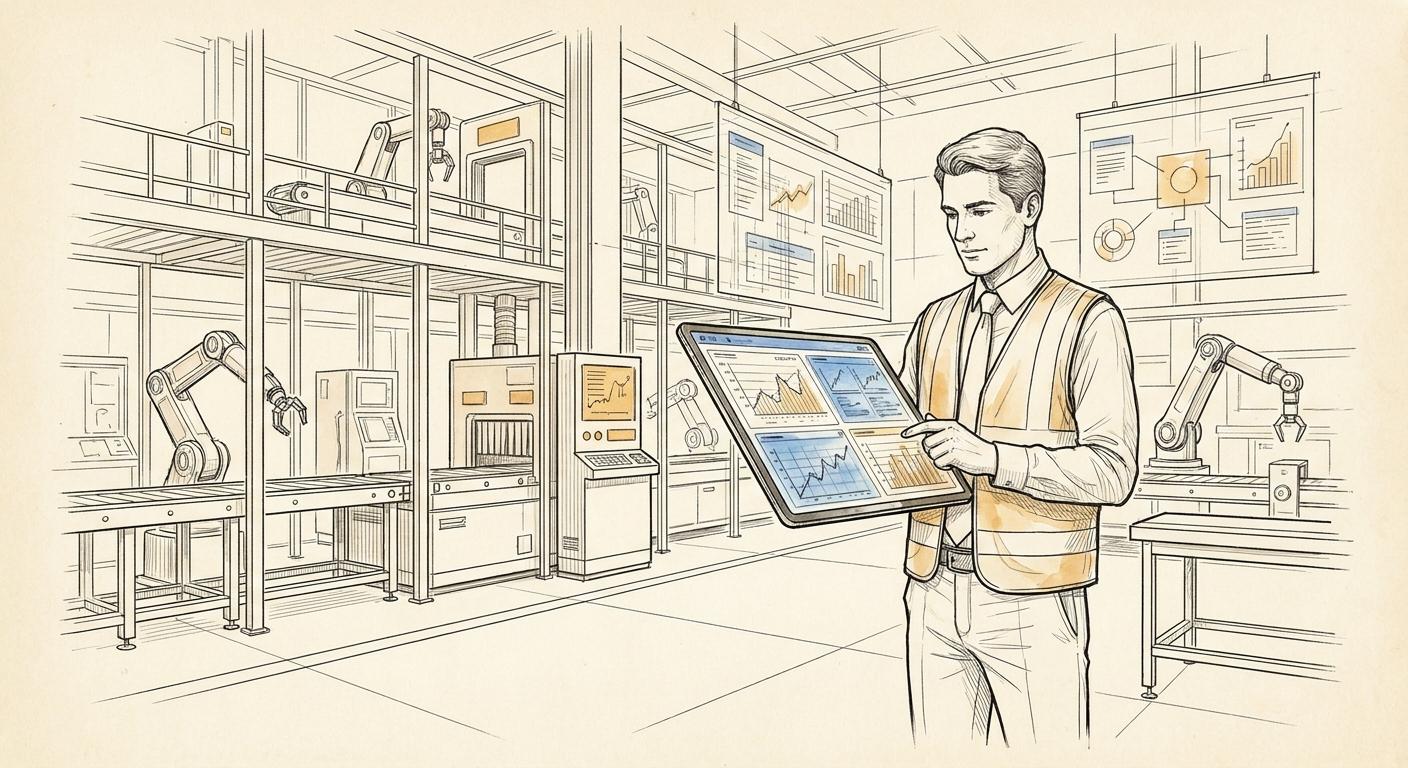
This closed-loop feedback allows for better job costing and estimate-vs-actual analysis. If a specific raw material batch or a specific shift is consistently triggering AI alerts, the COO has the granular data needed to make structural changes. At iForAI, we focus on ensuring these AI outputs are not just charts on a dashboard but actionable triggers that push data into the systems your team already uses every day.
The iForAI Execution Blueprint: Moving from Pilot to Production in 60-90 Days
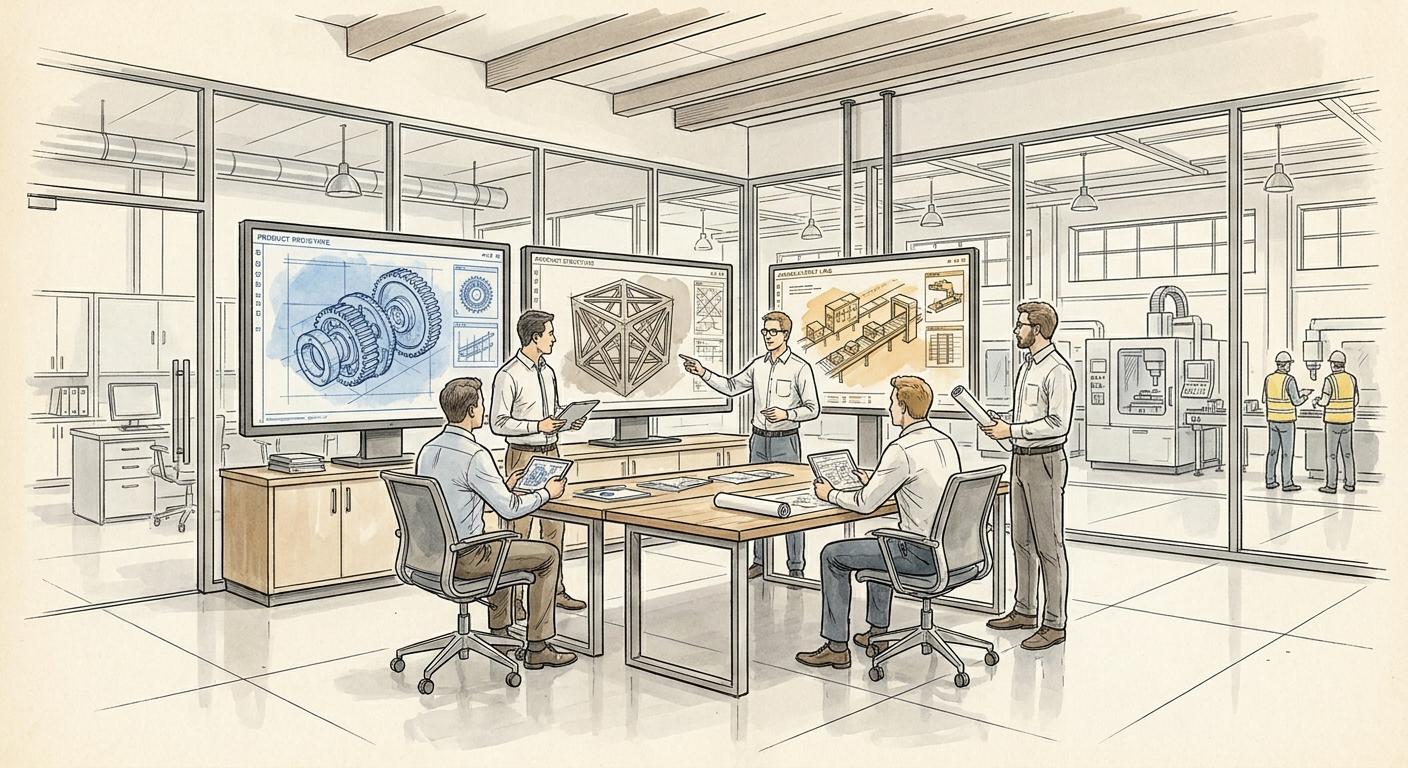
Most manufacturing AI initiatives fail because they are treated as multi-year R&D projects. We take a different approach through our AI Starter Package. By focusing on a single, high-impact use case - such as surface defect detection or assembly verification - we can move from initial data audit to a live production model in 8 to 12 weeks.
Our methodology has helped companies across various sectors, including a payments firm where we reduced validation time from 3 minutes to 20 seconds. Applying this same rigor to the shop floor allows COOs to see first measurable results in 60-90 days. This speed-to-value is critical for PE-backed firms operating within a tight investment window. We provide the strategy, execution, and upskilling necessary to ensure the technology is adopted by the rank-and-file, not just the C-suite.
Frequently Asked Questions
Does AI quality control require replacing our existing cameras and sensors? No. Most modern AI models can leverage existing RTSP camera feeds or standard IoT sensors. This approach minimizes CAPEX and allows the system to be layered on top of your current infrastructure to improve time-to-value.
How long does it take to train an AI model to recognize our specific defects? With iForAI’s methodology, we can have a production-ready model for a specific use case live within 8-12 weeks. We utilize your existing historical data and "human-in-the-loop" feedback to accelerate the learning process.
What is the typical ROI of AI anomaly detection in factories? While results vary by industry, most clients see a significant EBITDA improvement through a 10-20% reduction in scrap and rework costs. Additionally, the improved product consistency often leads to lower warranty reserves and higher customer retention.
Can AI-powered quality control work with highly customized, low-volume production? Yes. While high-volume production offers more data, modern "few-shot learning" techniques allow AI to learn from a small number of examples. This makes it highly effective for manufacturers managing complex job shops with frequent changeovers.
Implementing AI-powered quality control is a pragmatic move to protect margins and improve throughput by eliminating reactive rework loops. By focusing on a specific production bottleneck, manufacturers can realize significant ROI and operational leverage within a single quarter.
Book a Manufacturing Diagnostic at ifor.ai/solutions/manufacturing