

.svg)

Unplanned downtime eats straight into gross margin, turning a profitable production run into an expensive operational failure. When a primary CNC machine or stamping press goes down without warning, it triggers a cascade of delayed orders, overtime labor, and missed OTIF targets that frustrate customers and erode plant profitability. Implementing a manufacturing digital twin strategy offers a structured path out of this reactive cycle by moving plant operations from firefighting to proactive asset management. This guide outlines how to build and deploy a practical digital twin that integrates existing plant data, pinpoints high-risk failure points, and delivers measurable results within a standard operational window.
The Real Cost of Reactive Maintenance and Why Traditional OTIF Misses Start Here
Most plant floors operate on a run-to-failure or rigid calendar-based maintenance schedule. Neither approach protects margins. Calendar maintenance replaces parts that still have useful life, while run-to-failure guarantees that a breakdown will happen during the most inconvenient, high-demand production window.
This reactive posture creates persistent margin leakage and widens the estimate-vs-actual gaps on job costing sheets. When a critical machine fails unexpectedly, plant managers scramble for expedited parts and authorize premium labor rates to hit shipping dates.
These emergency expenses destroy the profitability calculated during initial quoting. Furthermore, repeated maintenance delays cascade into chronic OTIF misses. Customers care about reliable delivery, not the internal mechanical failures on the shop floor. Fixing this problem requires a systematic shift toward operational visibility and data-driven predictability.
What is a Manufacturing Digital Twin (Beyond the Hype)?
A manufacturing digital twin is a virtual, data-driven replica of a physical machine, production line, or entire plant floor that uses real-time IoT telemetry and AI to simulate performance, predict asset failures, and optimize operational efficiency.
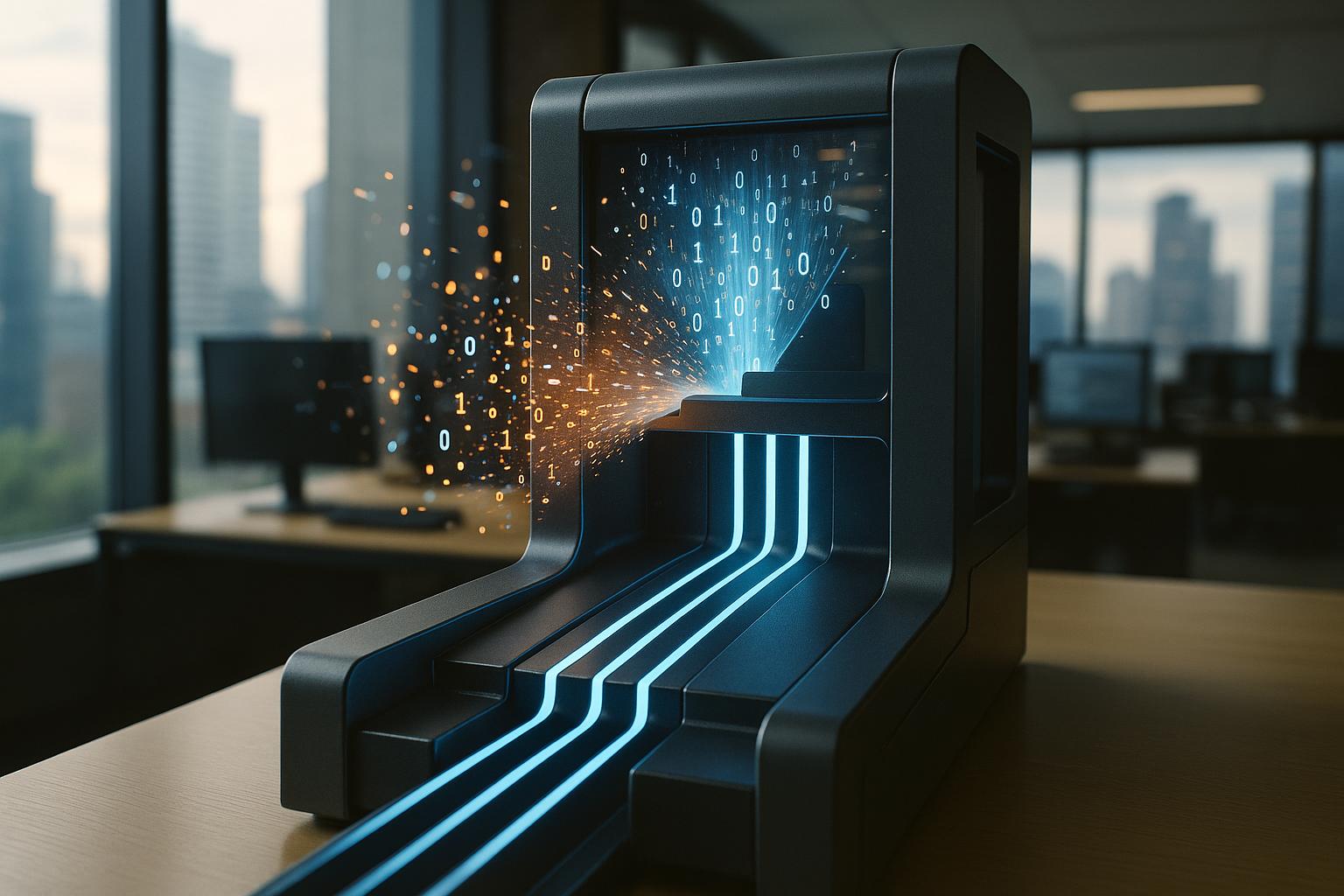
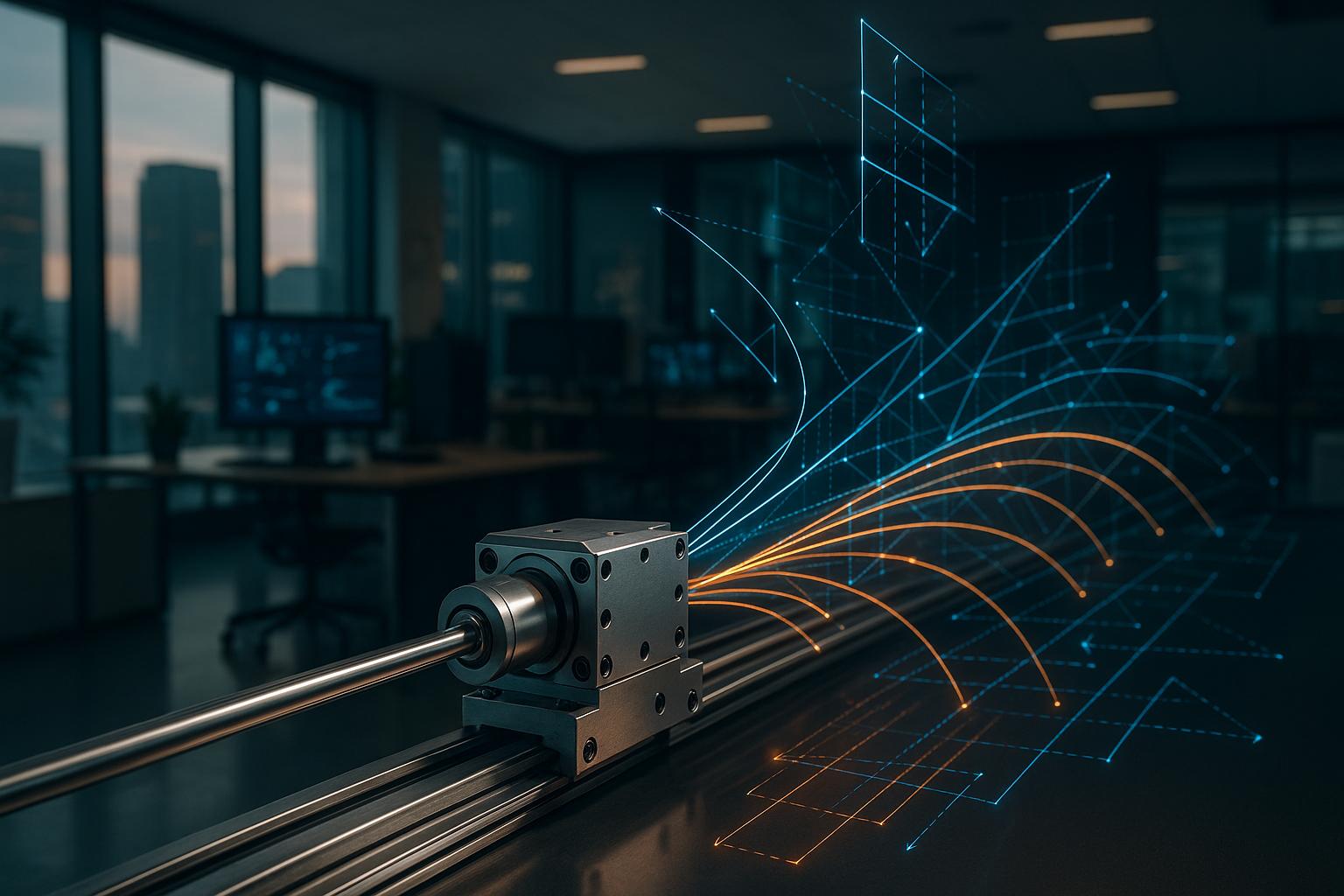
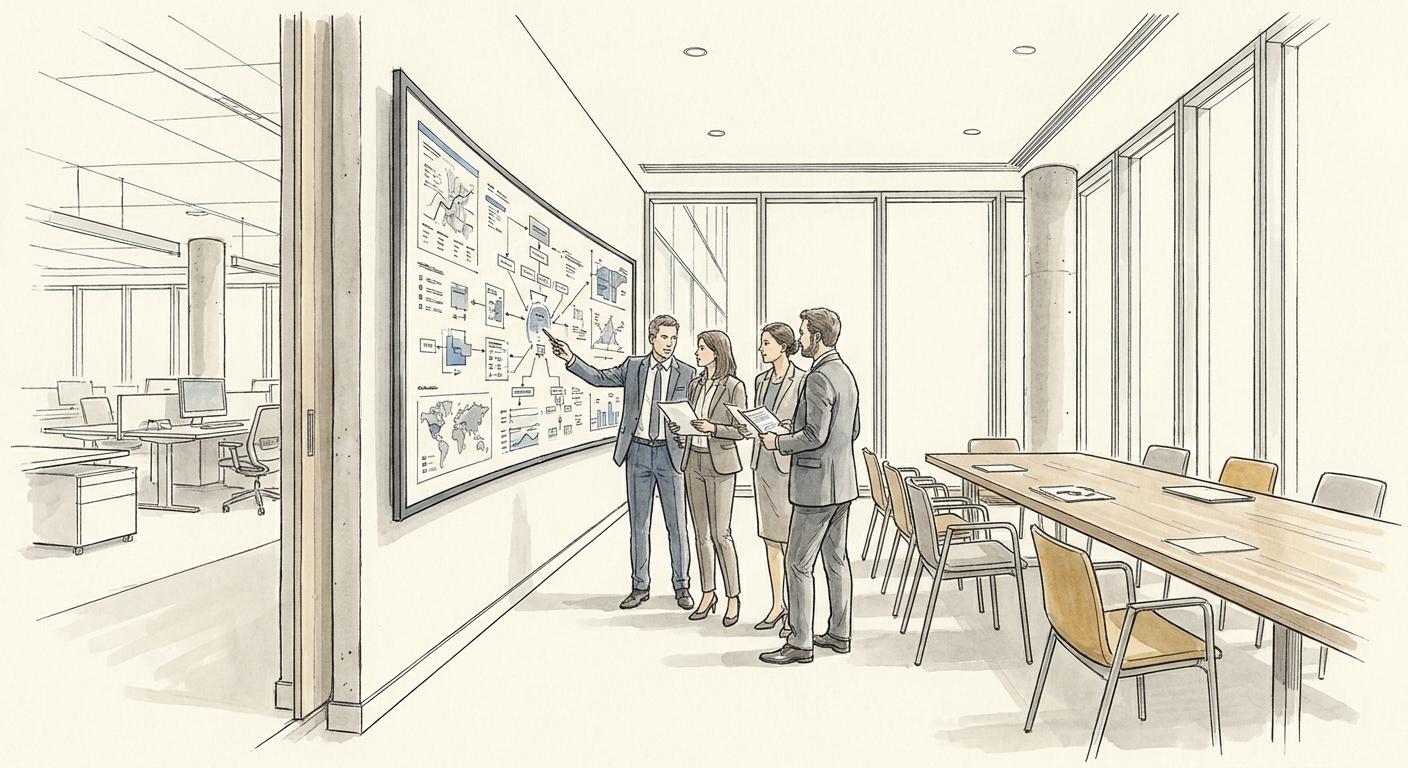
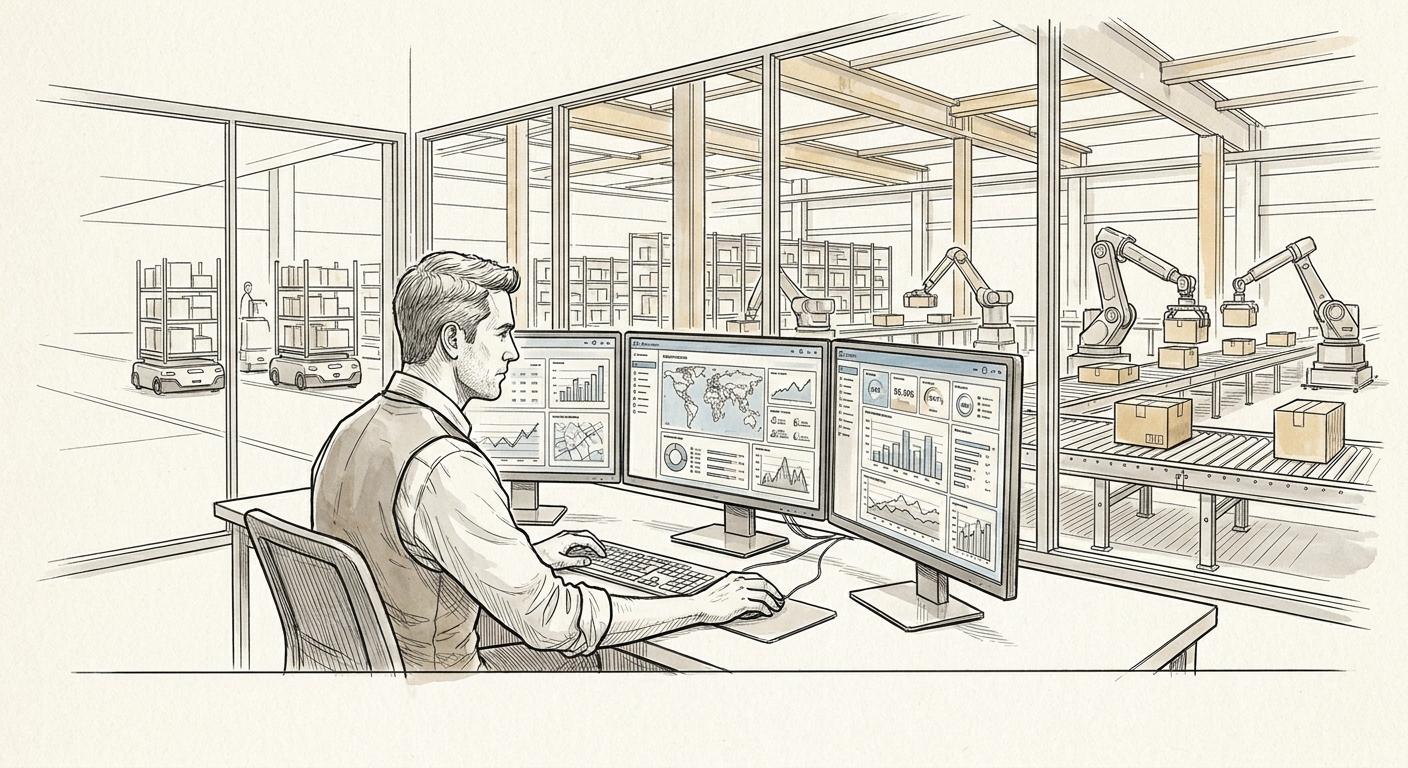
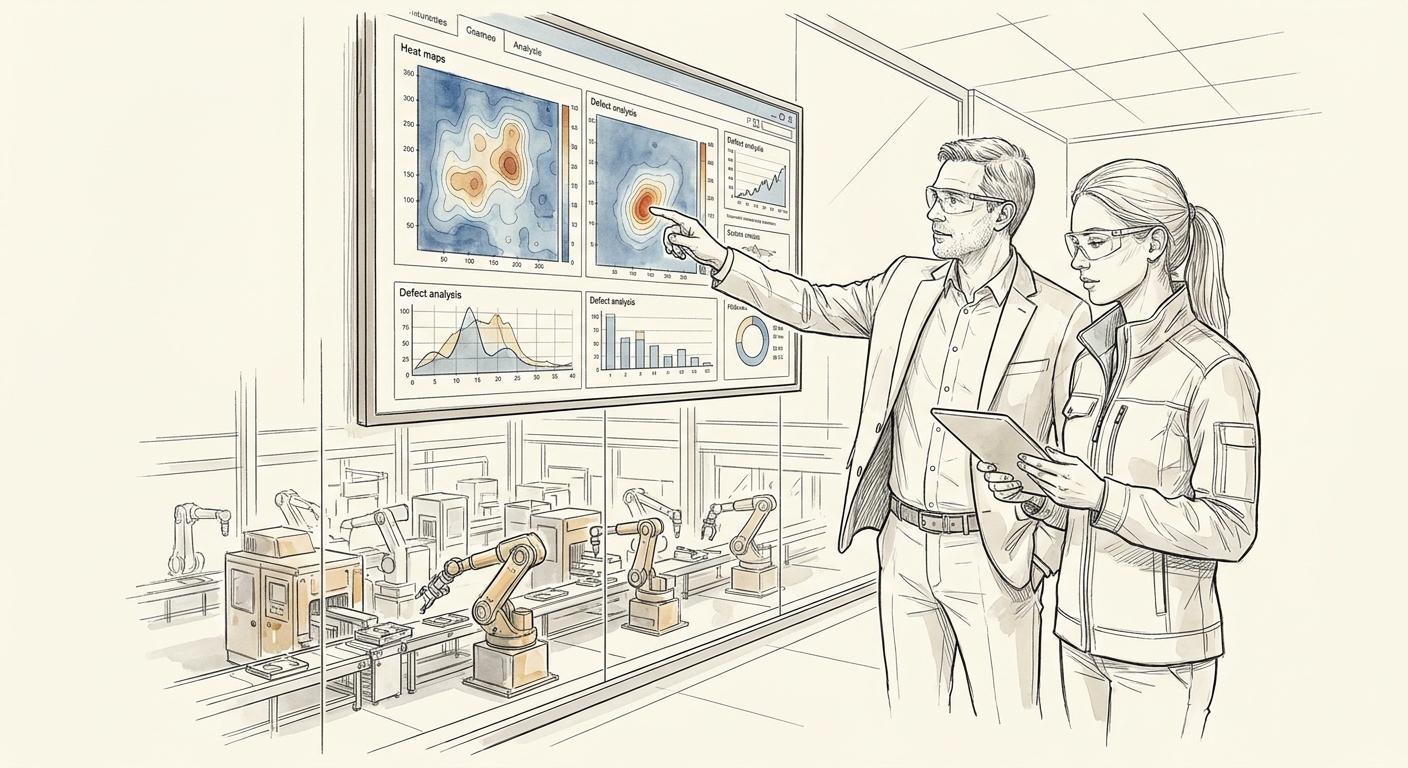
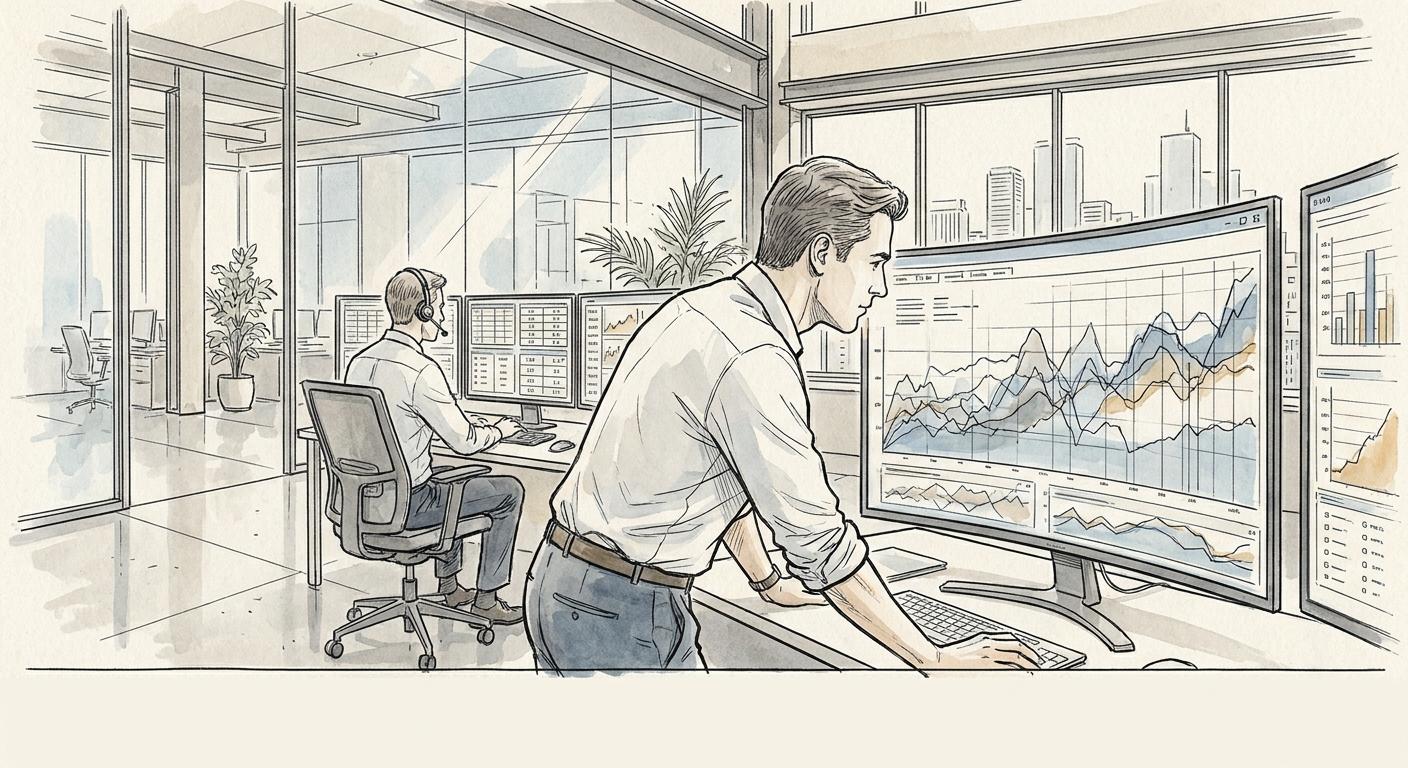
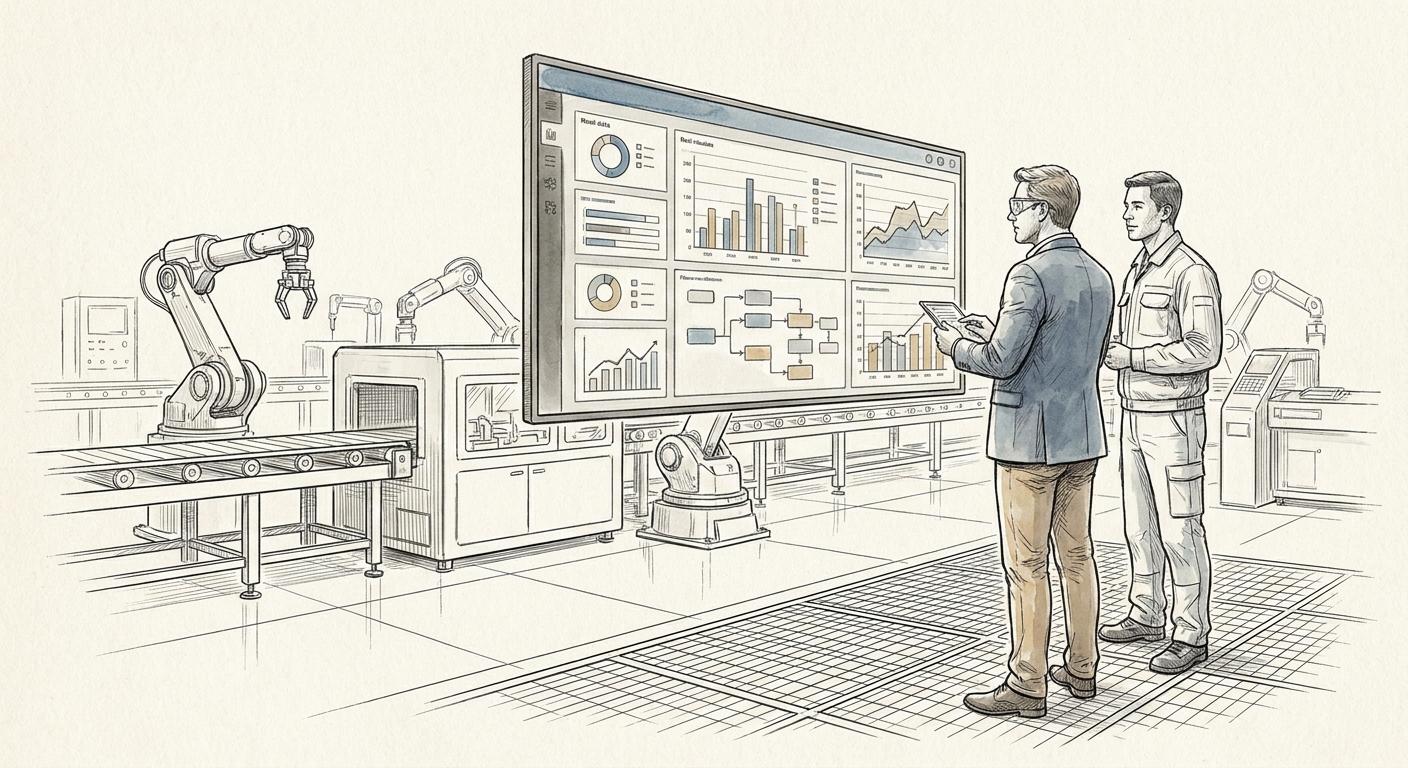
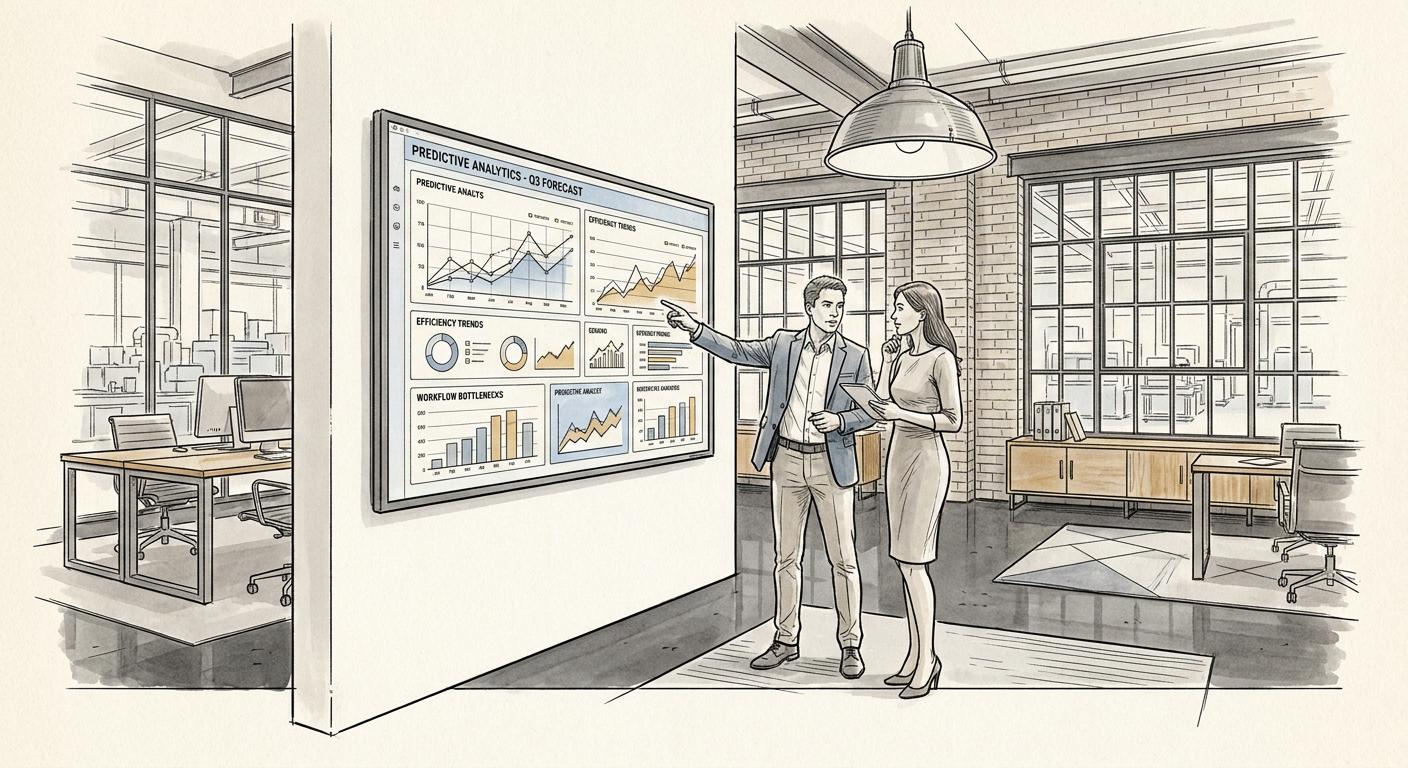
Strip away the software marketing jargon, and a digital twin is simply a digital staging ground where machine telemetry meets historical performance data. Instead of looking at static SCADA screens that only tell you a machine stopped running five minutes ago, an industrial digital twin models the behavioral patterns of physical assets in real time.
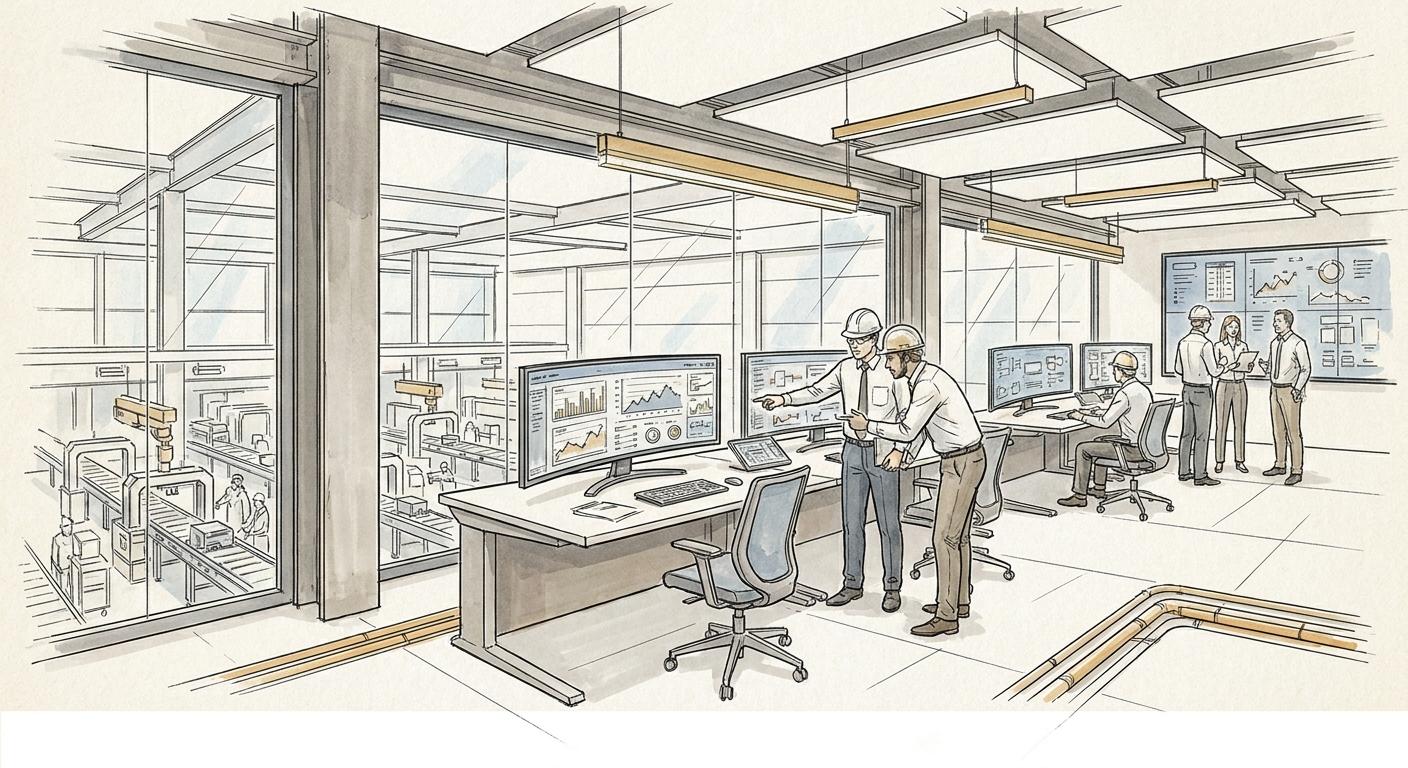
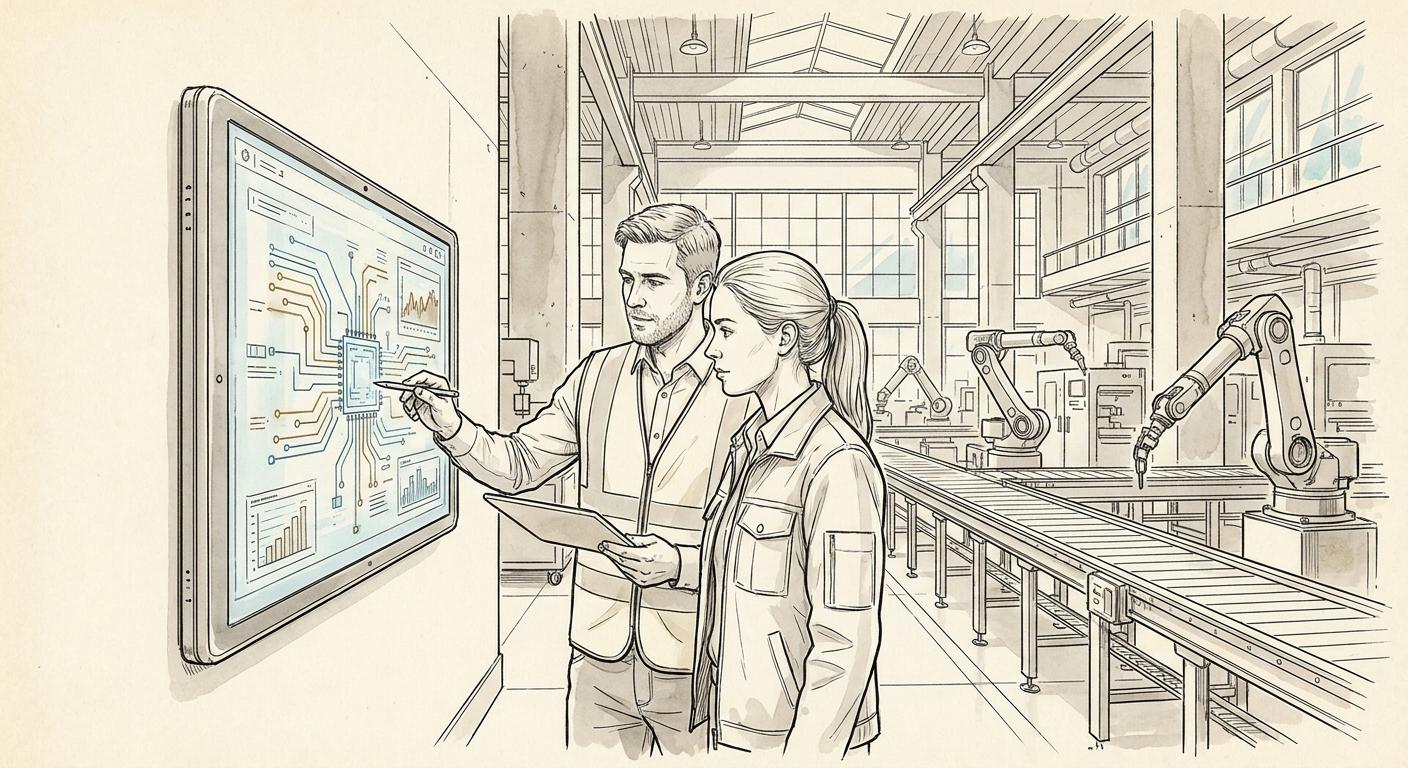
It connects vibration, temperature, and current draw data with maintenance logs and ERP scheduling. This living replica allows engineering and maintenance teams to observe internal wear patterns, run simulations under different load conditions, and catch operational anomalies before they translate into catastrophic mechanical failures.
Step 1: Audit and Connect Your OT/IT Infrastructure
The foundation of any successful digital twin is clean data. Many factories fail at this stage because they try to model an entire plant before fixing fundamental data silos between operational technology and enterprise systems.
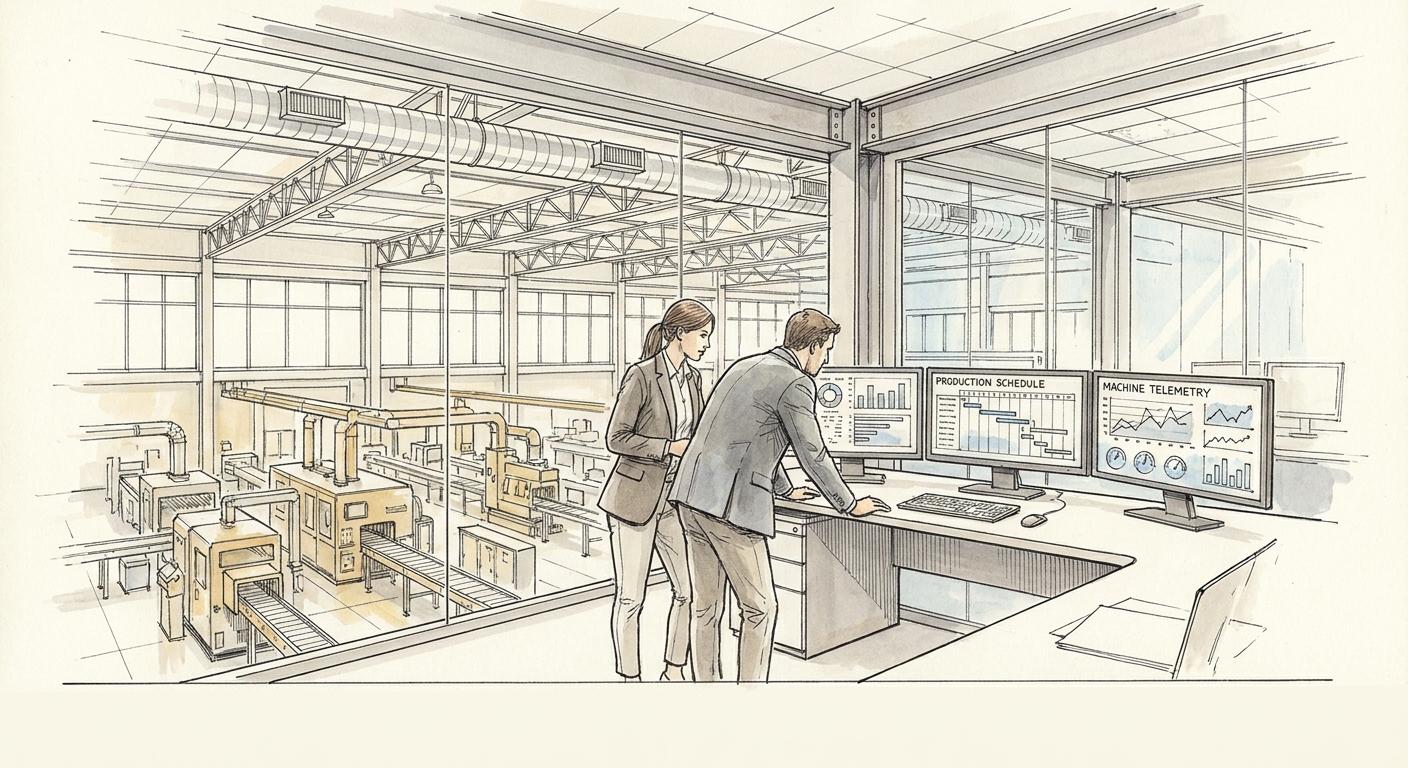
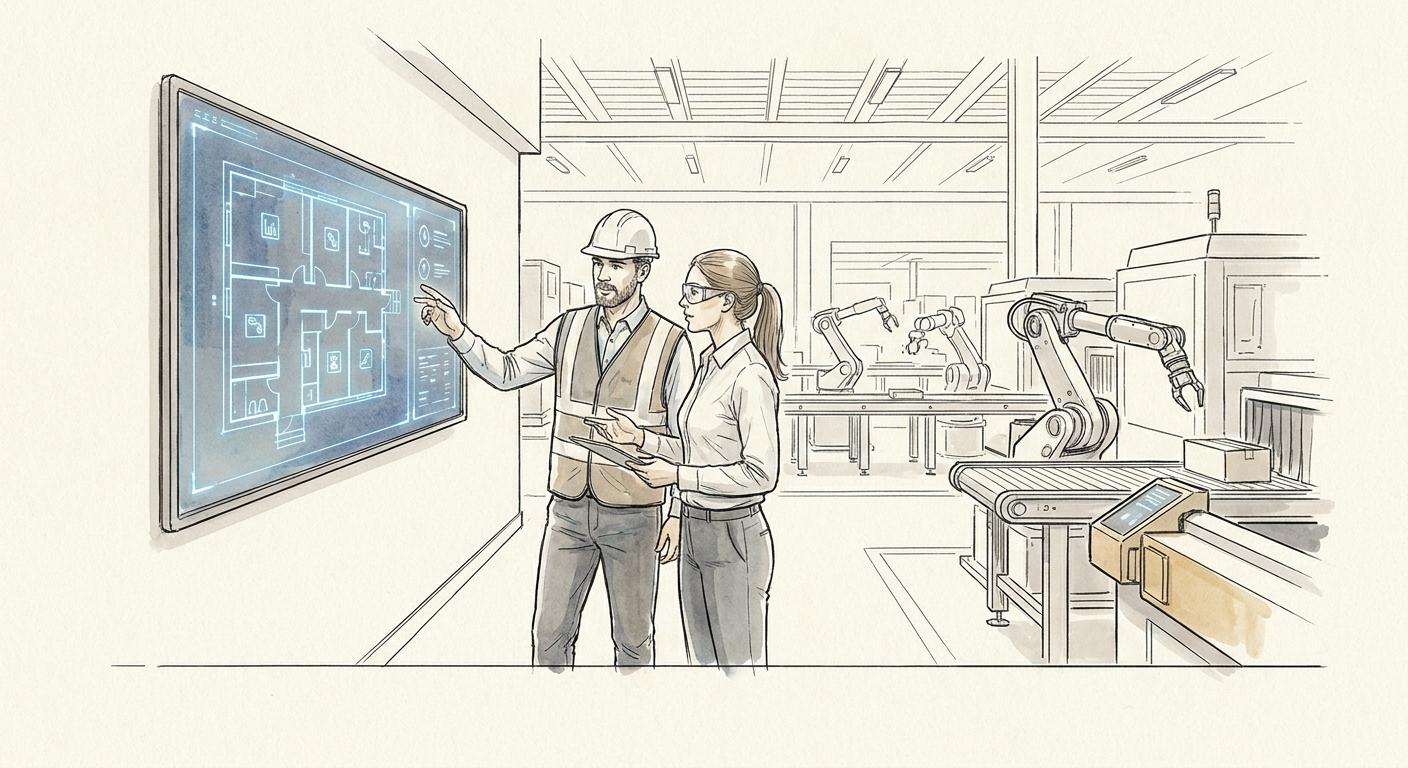
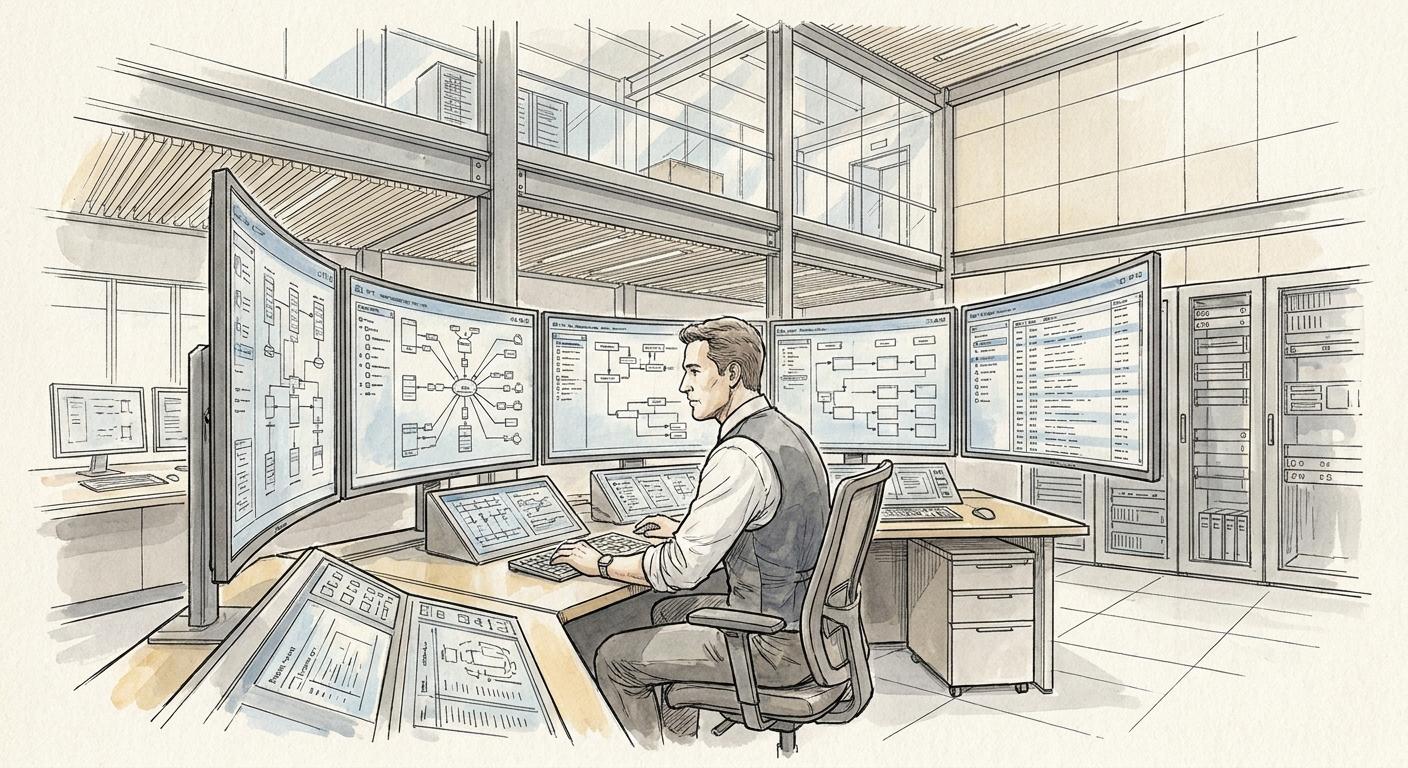
Start with an exhaustive inventory of existing assets, legacy sensors, programmable logic controllers, and data historians. The primary objective here is closing the ERP-MES data gap. Your scheduling software needs to talk to your machine telemetry seamlessly.
If shop floor activity data remains trapped in isolated controllers or manual logs, the digital twin will lack the baseline parameters required for accurate simulation. Map out data pathways, standardize naming conventions across equipment, and ensure network bandwidth can support high-frequency sensor polling without compromising plant safety or control systems.
Step 2: Start with One Critical Asset Class (The 80/20 Rule)
Do not attempt to model an entire facility at once. Large-scale, multi-year IT projects routinely fail because they demand massive upfront capital before proving operational value. Apply the 80/20 rule by identifying the single bottleneck machine or high-value asset class where unplanned downtime causes the most severe financial damage.
Analyze historical maintenance records to find the equipment responsible for the highest percentage of unprogrammed line stoppages. Focus your initial digital twin deployment exclusively on this asset class.
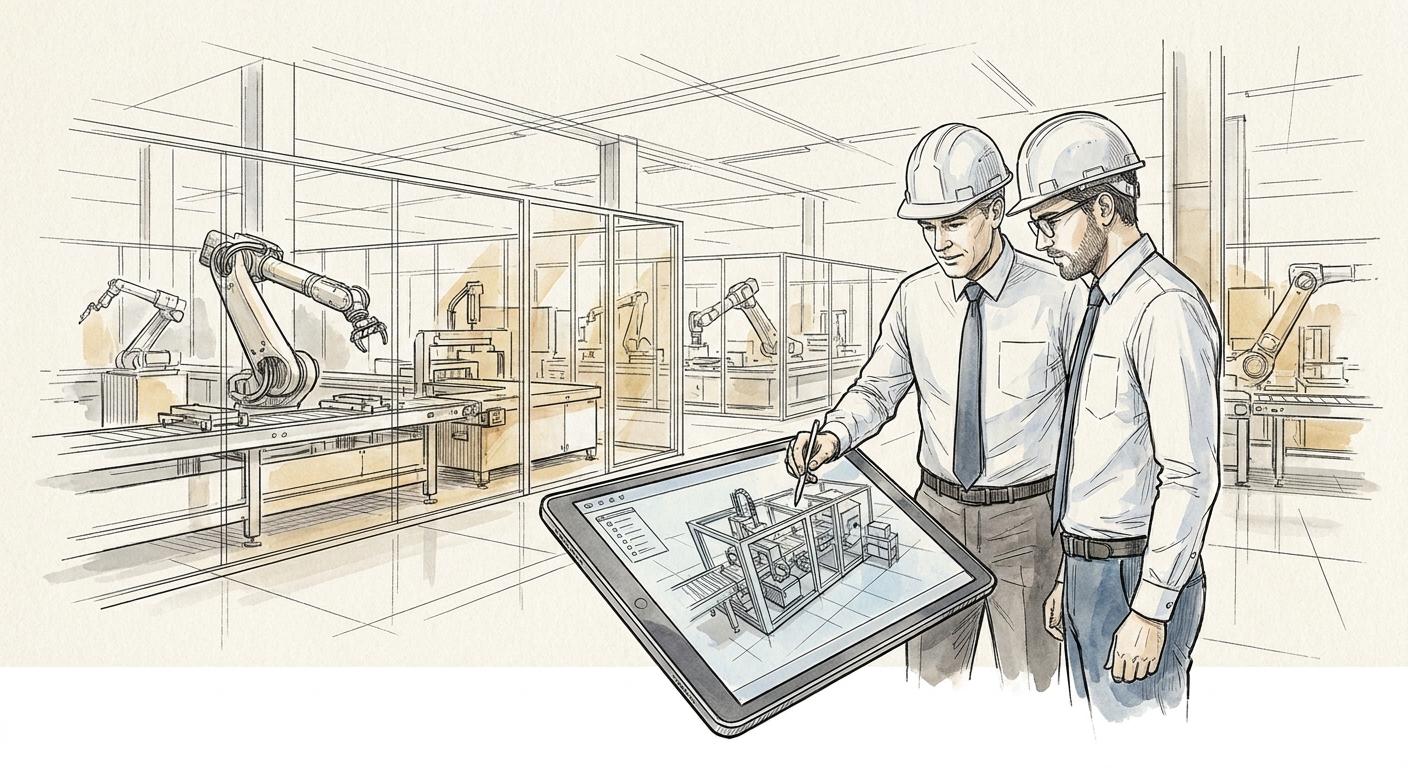
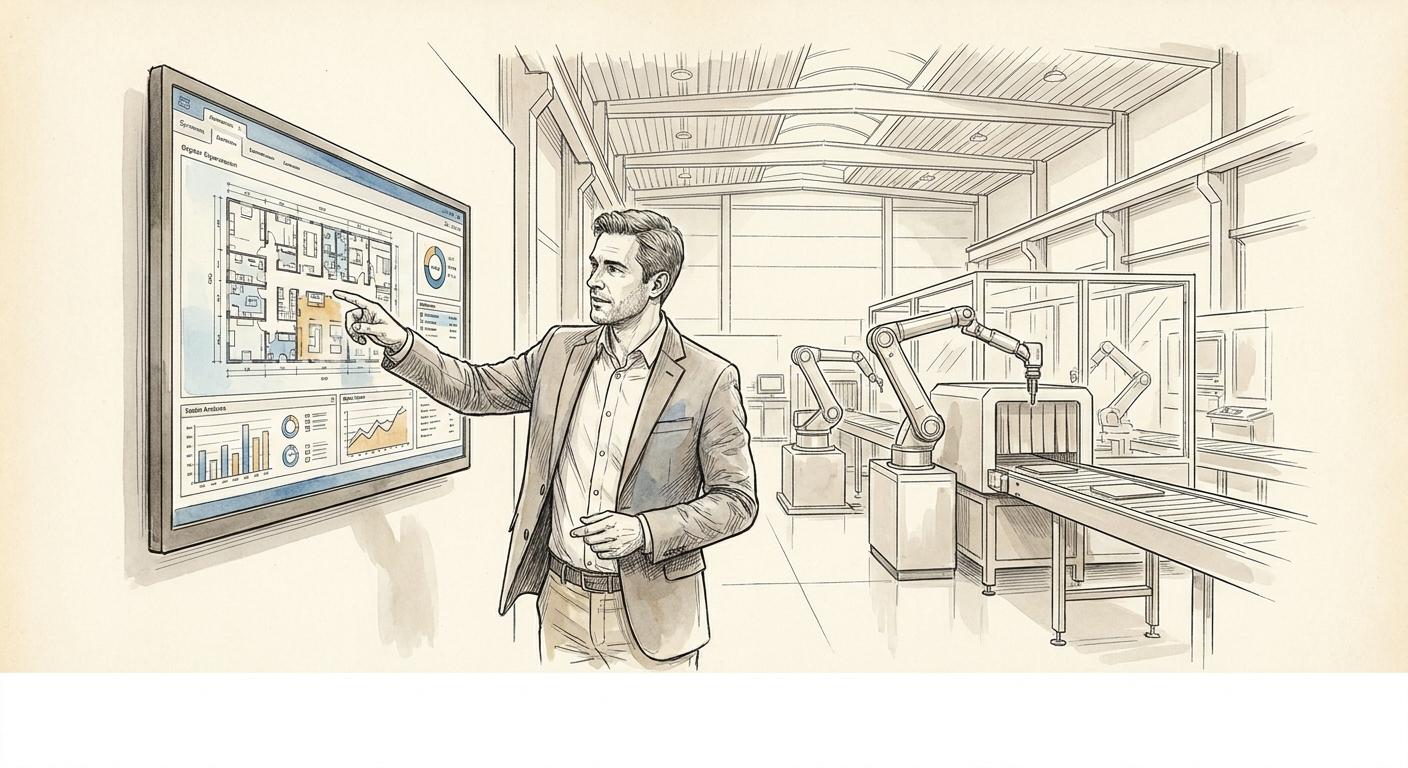
By constraining the scope to a single high-impact area, internal engineering teams can validate data integrations, calibrate the virtual model, and build confidence among plant operators. Once this pilot proves its worth, you can expand the architecture outward to adjacent cells and lines.
Step 3: Layer AI and Machine Learning for Predictive Insights
Descriptive dashboards only show what has already happened. To protect production schedules, you must layer artificial intelligence and machine learning models on top of your digital twin infrastructure.
This is where predictive maintenance via industrial digital twins moves from concept to execution. Machine learning algorithms analyze multivariate data streams from your connected assets, learning the exact operational signature of normal behavior.
When subtle deviations occur - such as a micro-vibration combined with a fraction-of-a-degree temperature rise - the model flags the anomaly weeks before physical wear causes a fault. These prescriptive alerts give plant managers a 60-to-90-day window to schedule maintenance during planned shift changes, completely eliminating surprise breakdowns on critical paths.
Step 4: Operationalize on the Shop Floor and Upskill Plant Teams
The most sophisticated digital twin model in the world holds zero value if plant managers and maintenance technicians ignore its outputs. Technology adoption remains the primary friction point in industrial digital transformations.
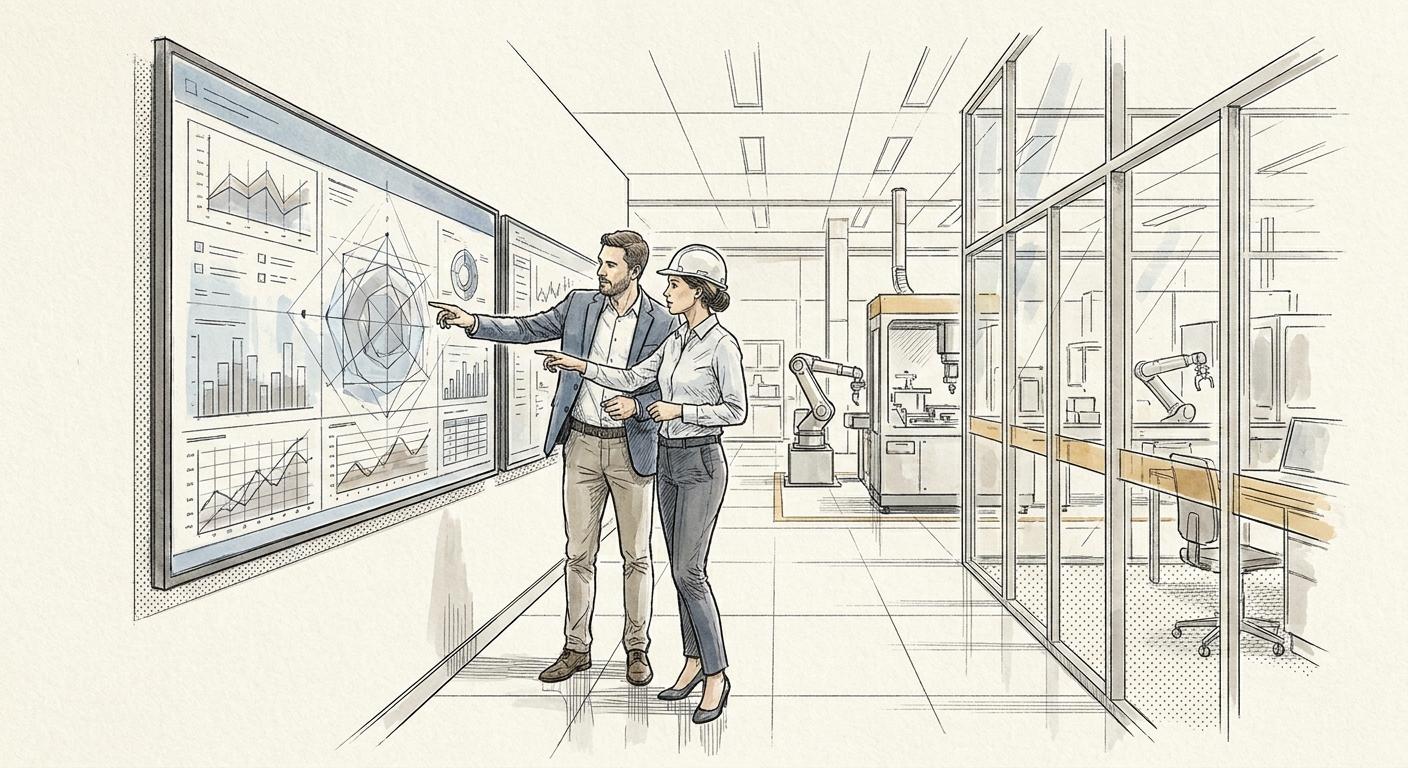
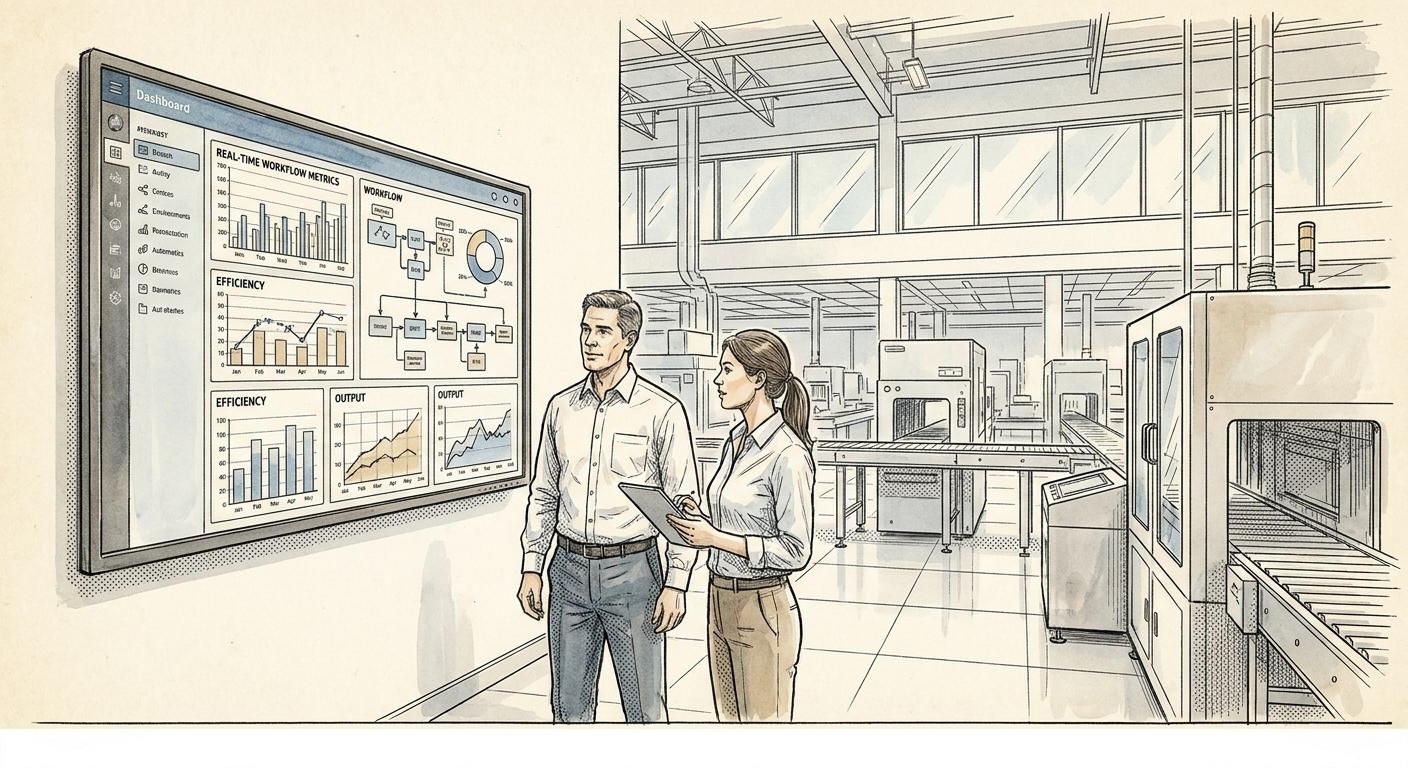
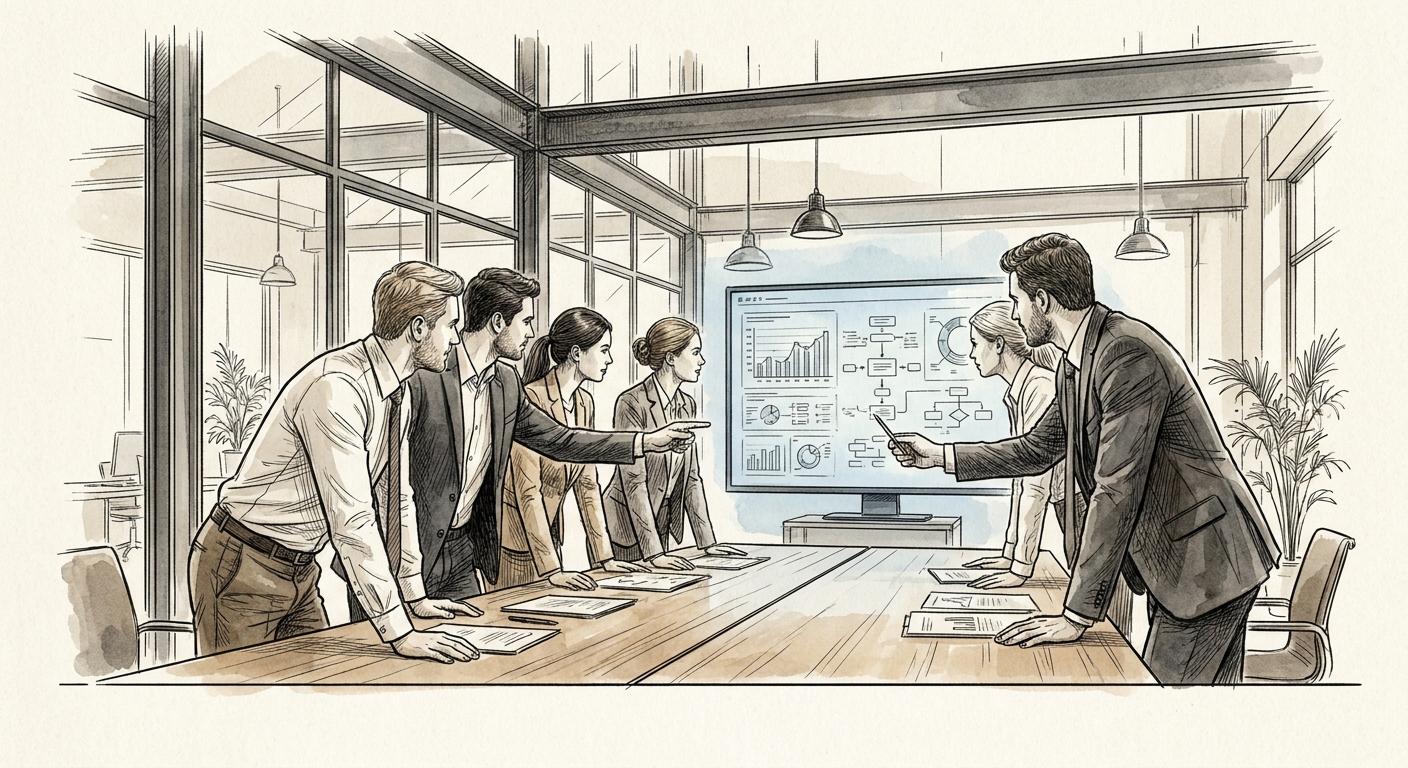
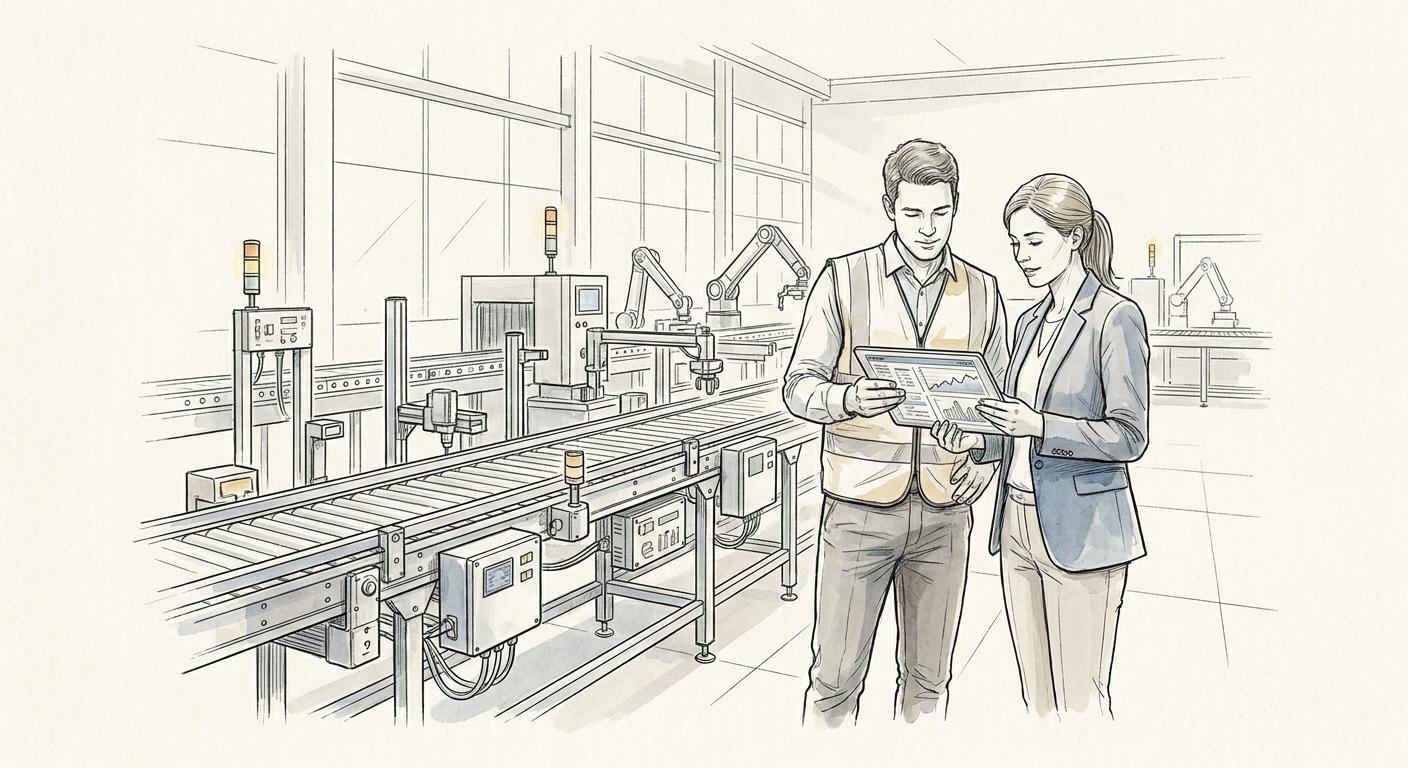
Bridge the gap between data science and the shop floor by building intuitive, role-specific interfaces for maintenance leads. Instead of forcing technicians to interpret complex scatter plots, configure the digital twin to issue clear, actionable work orders directly into your computerized maintenance management system.
Invest time in structured upskilling so plant personnel understand why the model is generating specific alerts. When maintenance teams trust the data, the culture shifts from reactive firefighting to precision asset care.
Measuring ROI: Proving Value in 60-90 Days
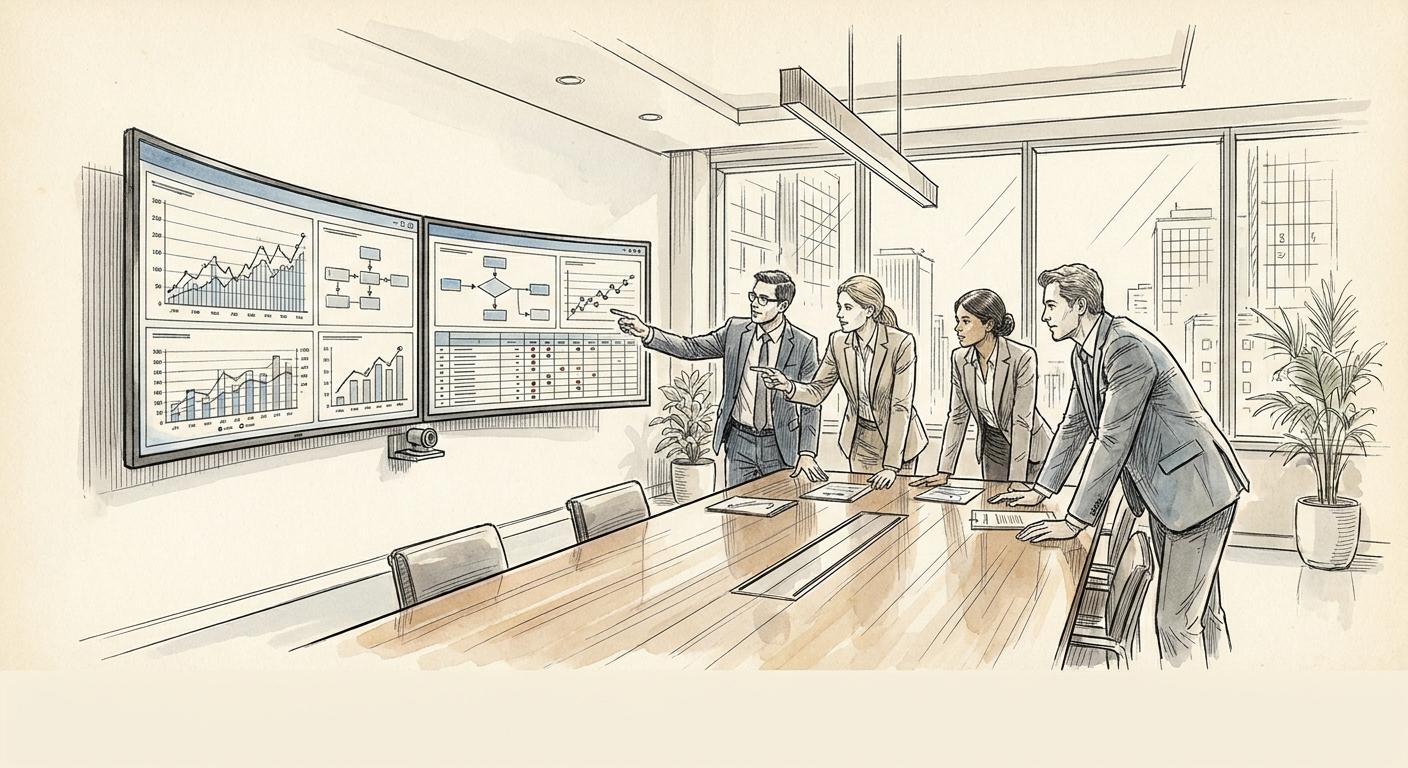
Private equity operating partners and manufacturing CFOs demand clear lines of sight to capital efficiency. A targeted digital twin deployment on a single asset class should not require a multi-year horizon to justify its cost.
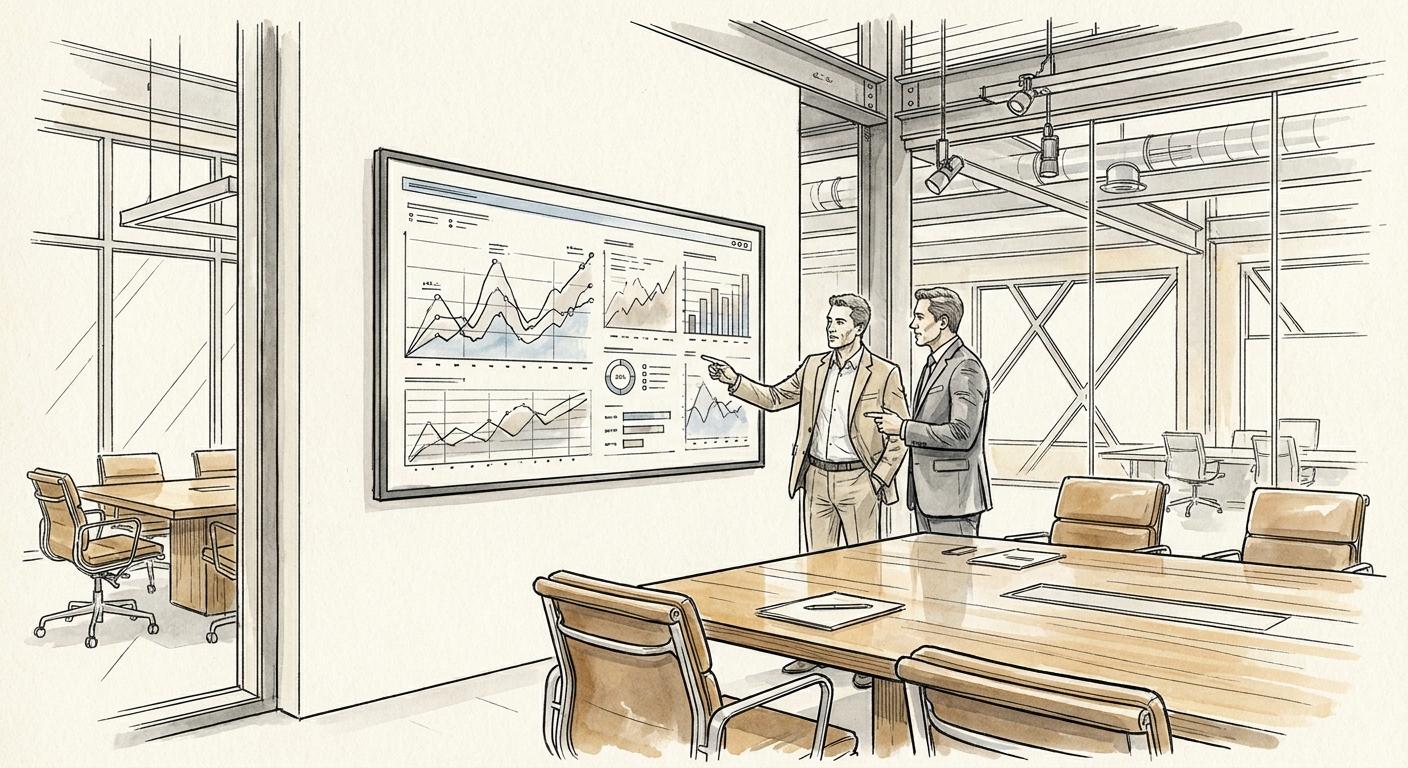
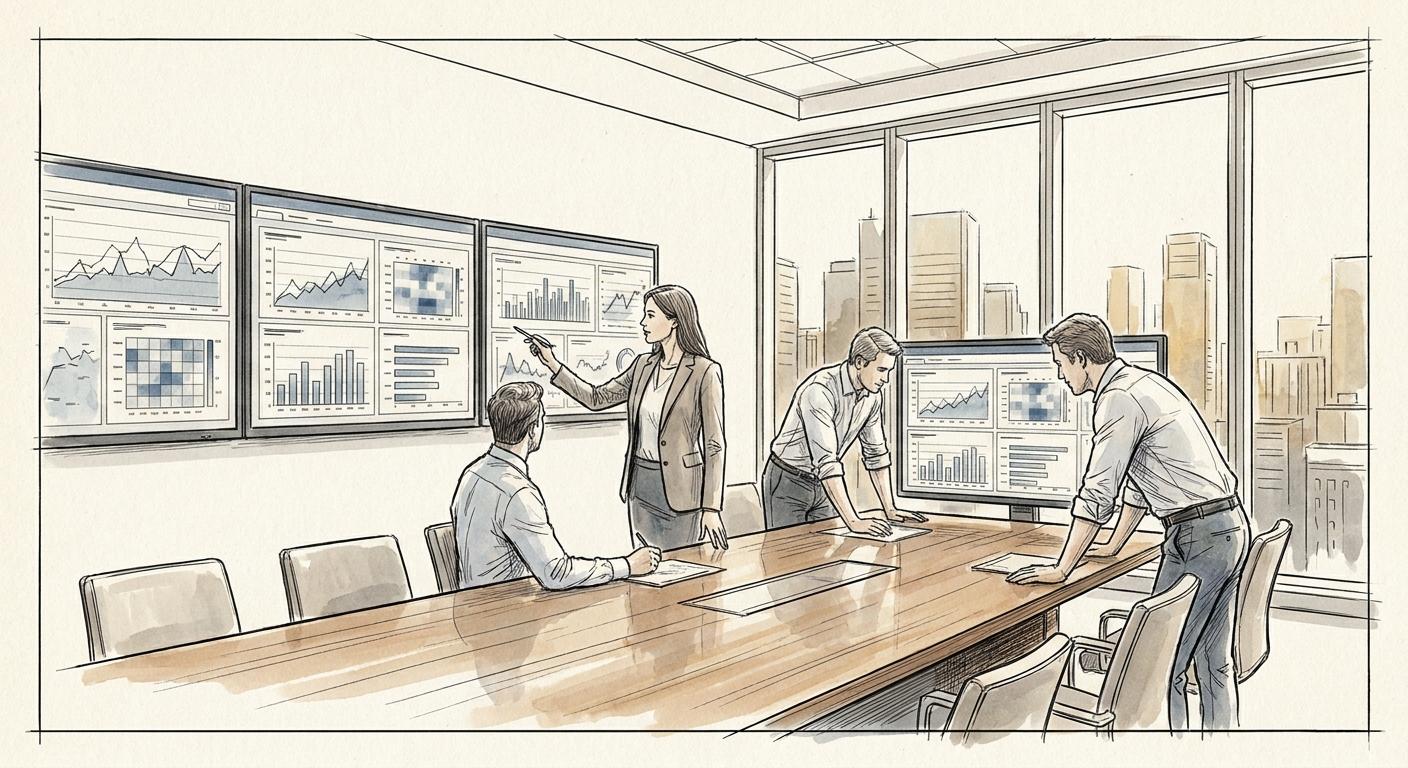
Track early performance metrics starting in the first 60 to 90 days following deployment. Key indicators include improvements in mean time between failures, reductions in unprogrammed downtime hours, and measurable gains in overall equipment effectiveness.
When you eliminate emergency repair premiums and stabilize throughput, the resulting margin expansion quickly validates the initial investment.
Frequently Asked Questions
What is the difference between a digital twin and a predictive maintenance dashboard?
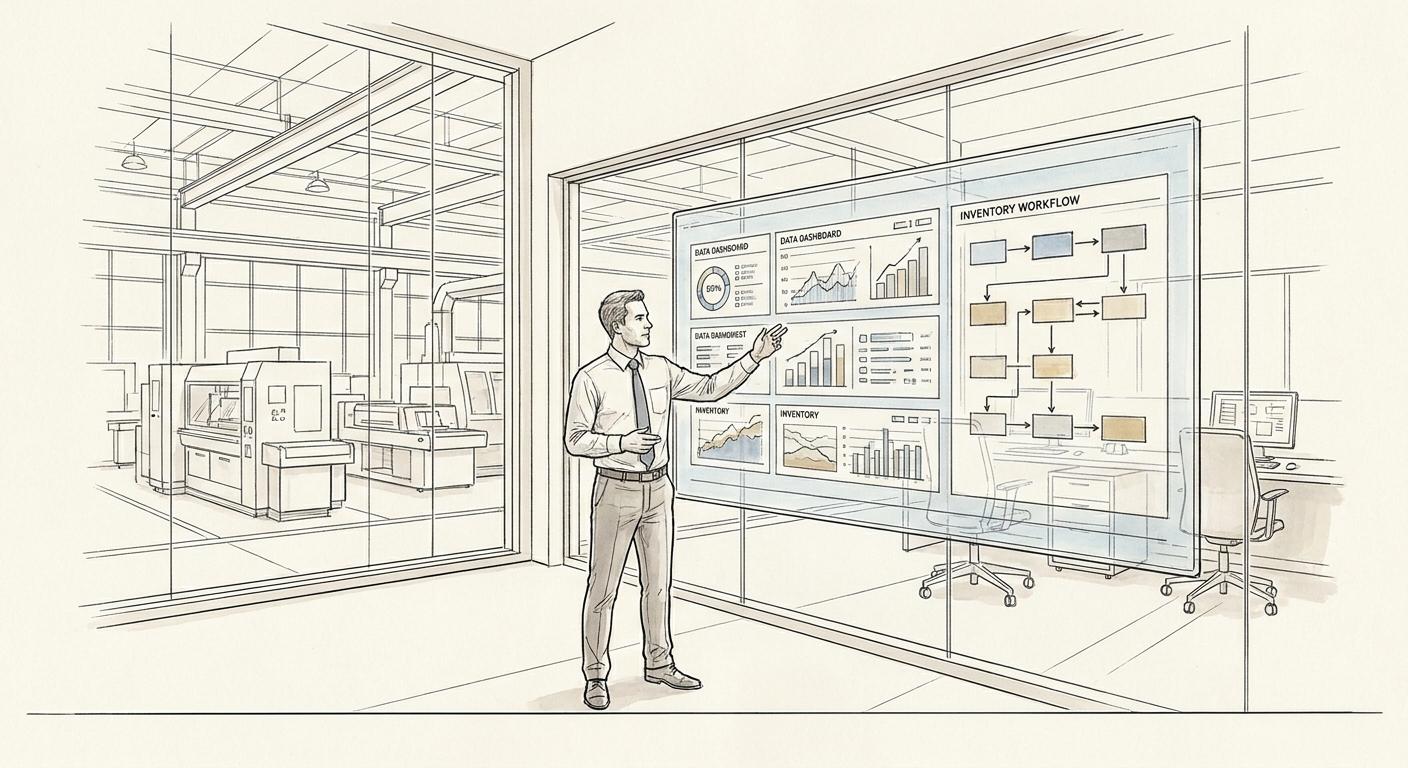
Dashboards show historical and current telemetry, whereas a digital twin simulates how variables interact. This allows operators to test scenarios and predict complex system failures before they occur.
How long does it take to deploy a manufacturing digital twin?
While enterprise-wide transformations take years, a targeted use case focusing on a single high-value asset class can deliver measurable production data and initial ROI in 60 to 90 days.
What data infrastructure is required before building a digital twin?
You need reliable operational technology data capture, such as IoT sensors, SCADA, and PLC data, integrated cleanly with enterprise historical data from your MES and ERP systems to feed accurate baseline parameters into the model.
Book a Manufacturing Diagnostic at ifor.ai/solutions/manufacturing

Ofer Hermoni, Ph.D.
Founder & Chief AI Officer at iForAI