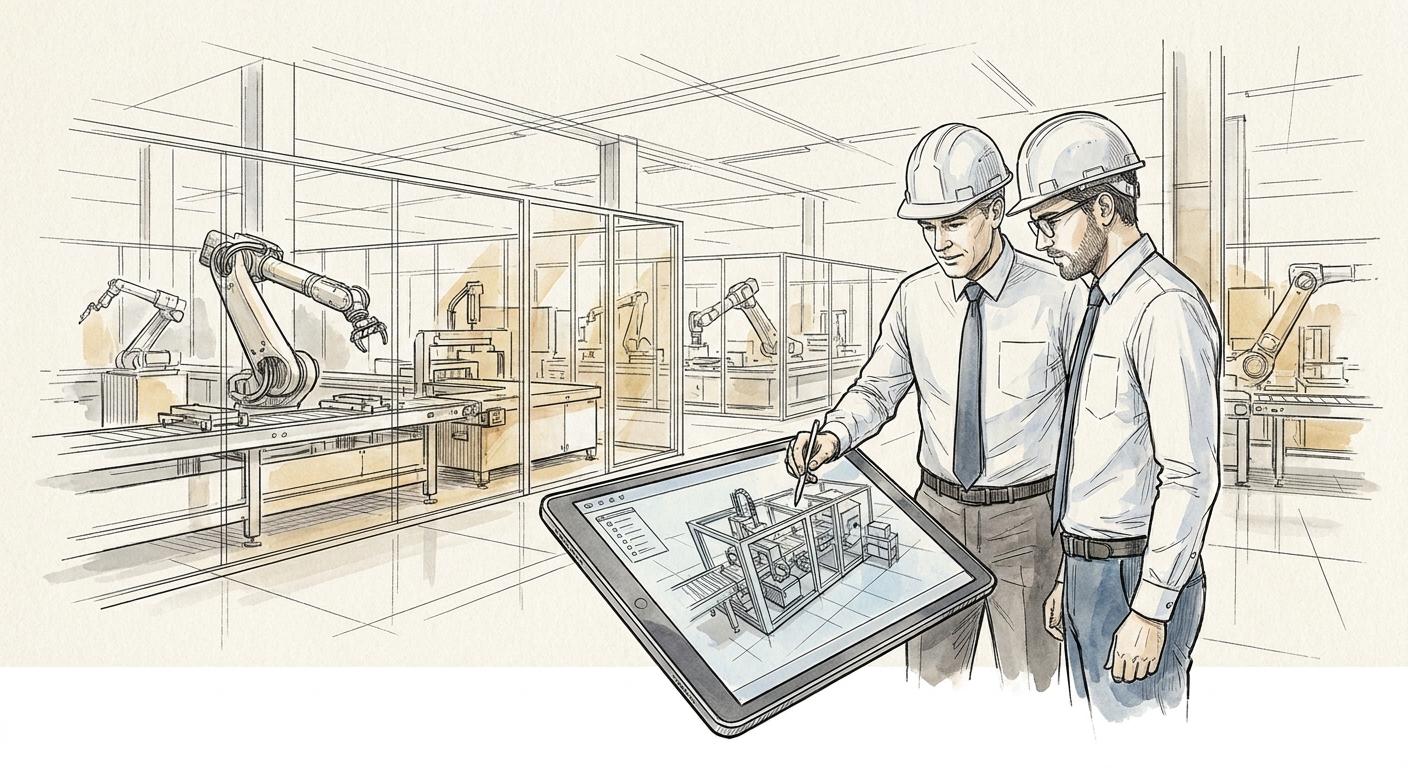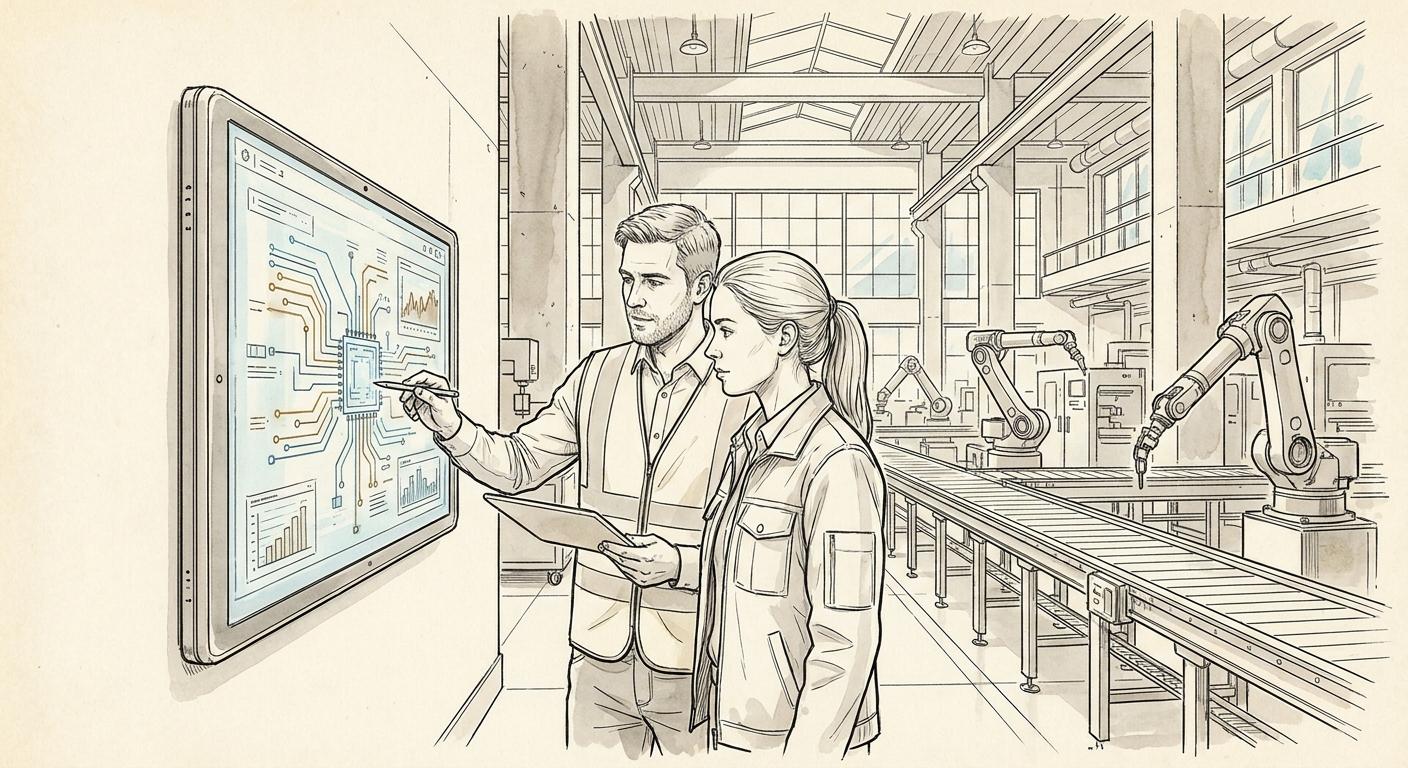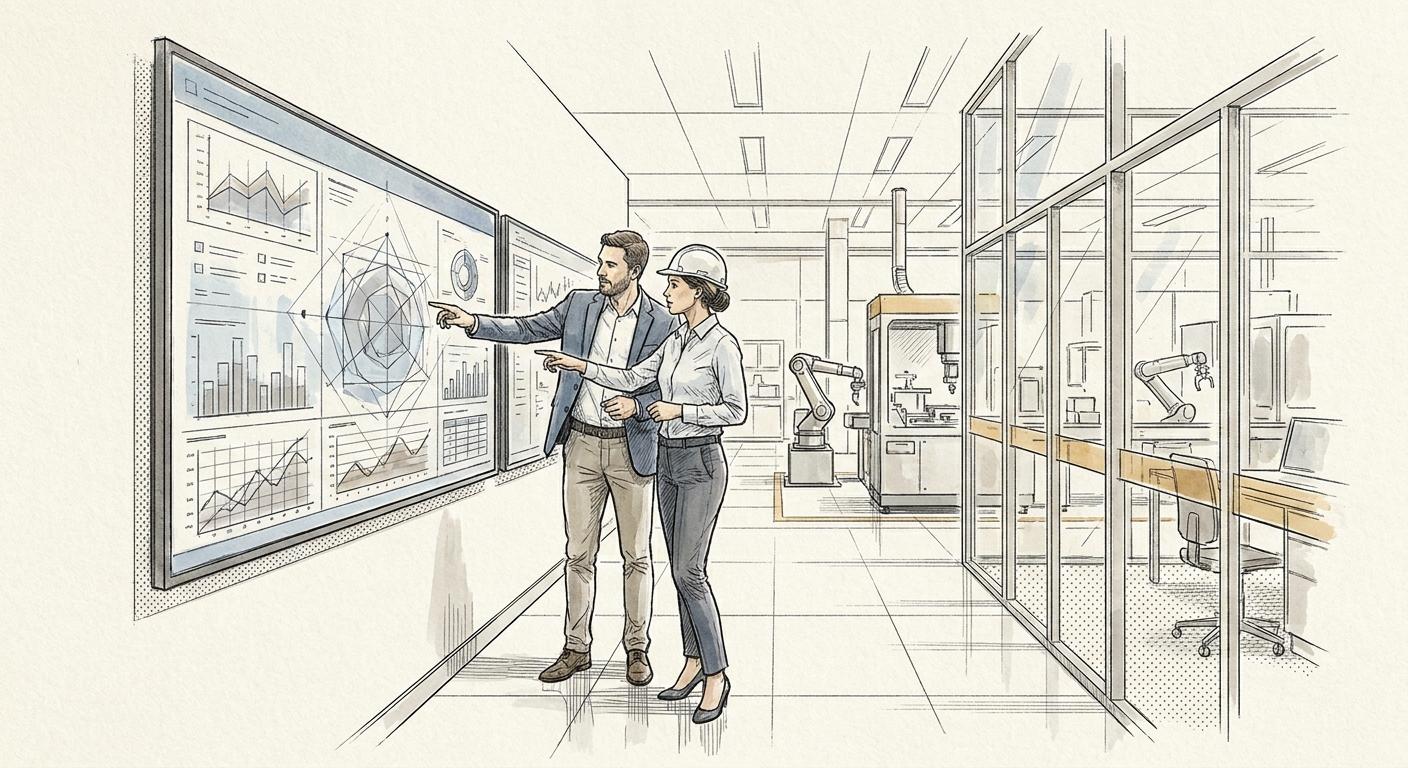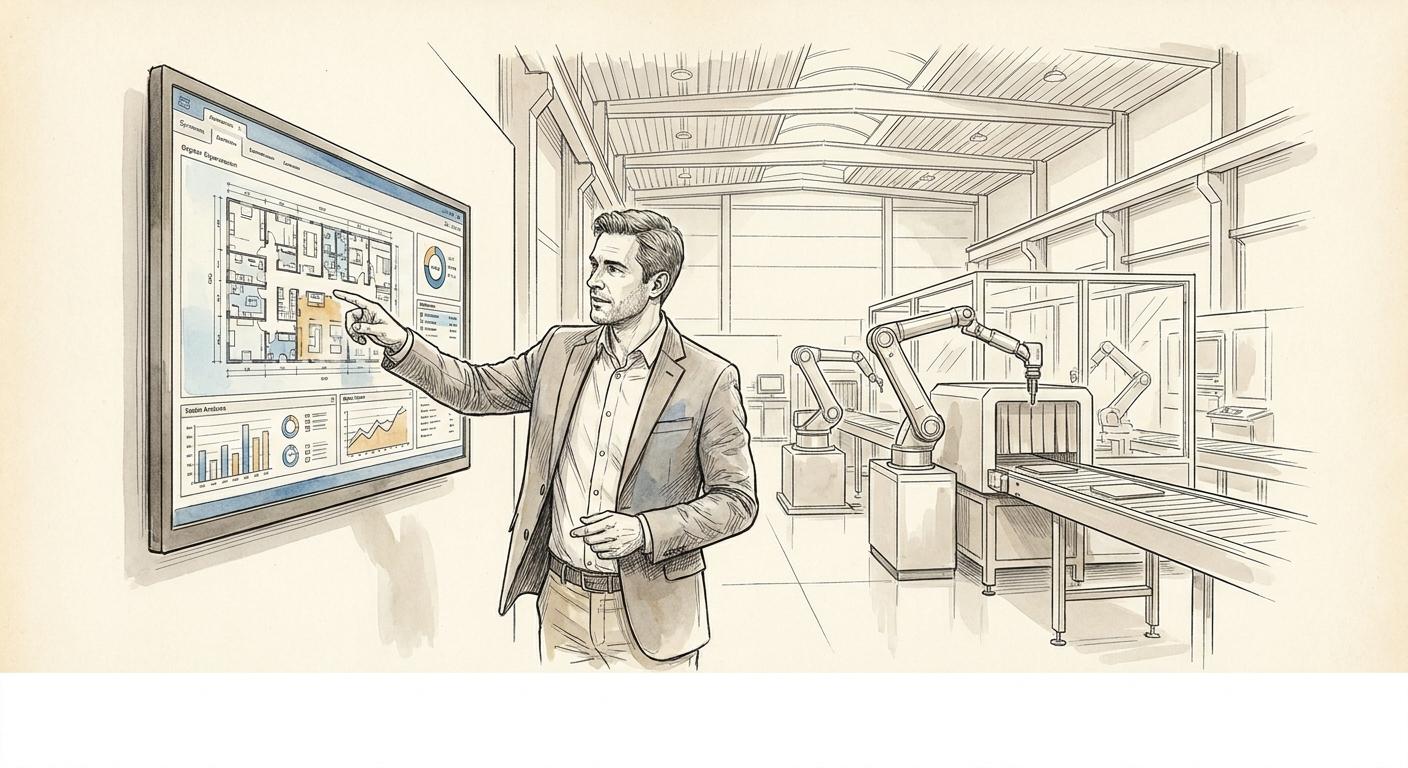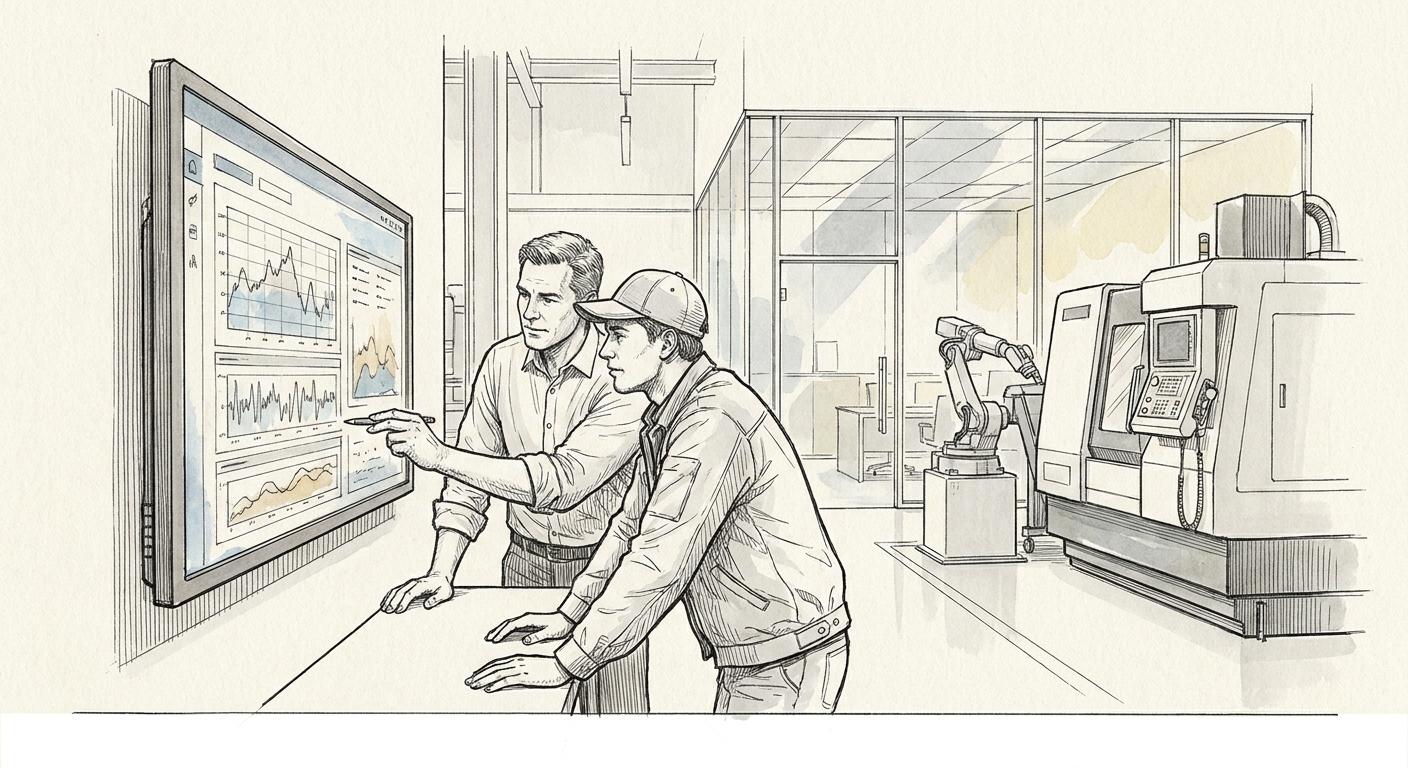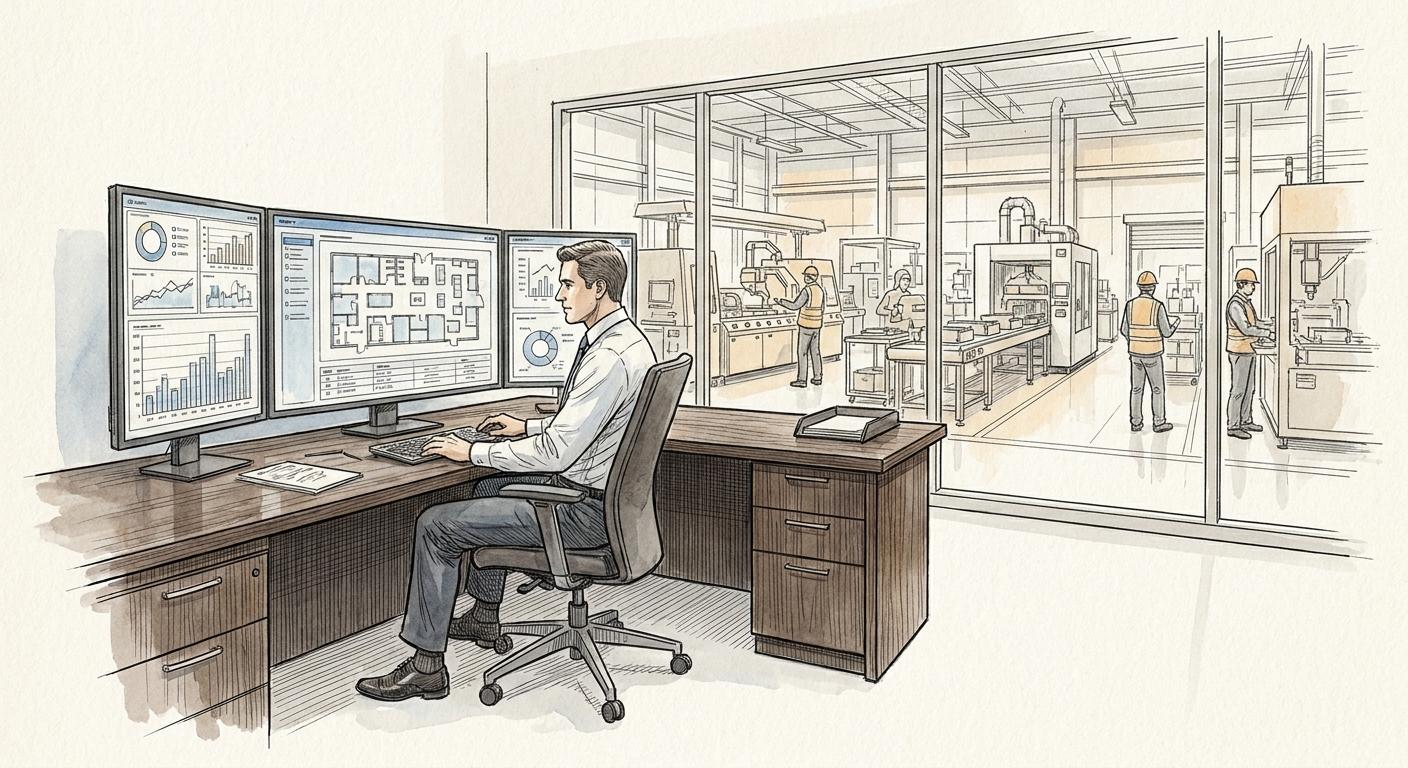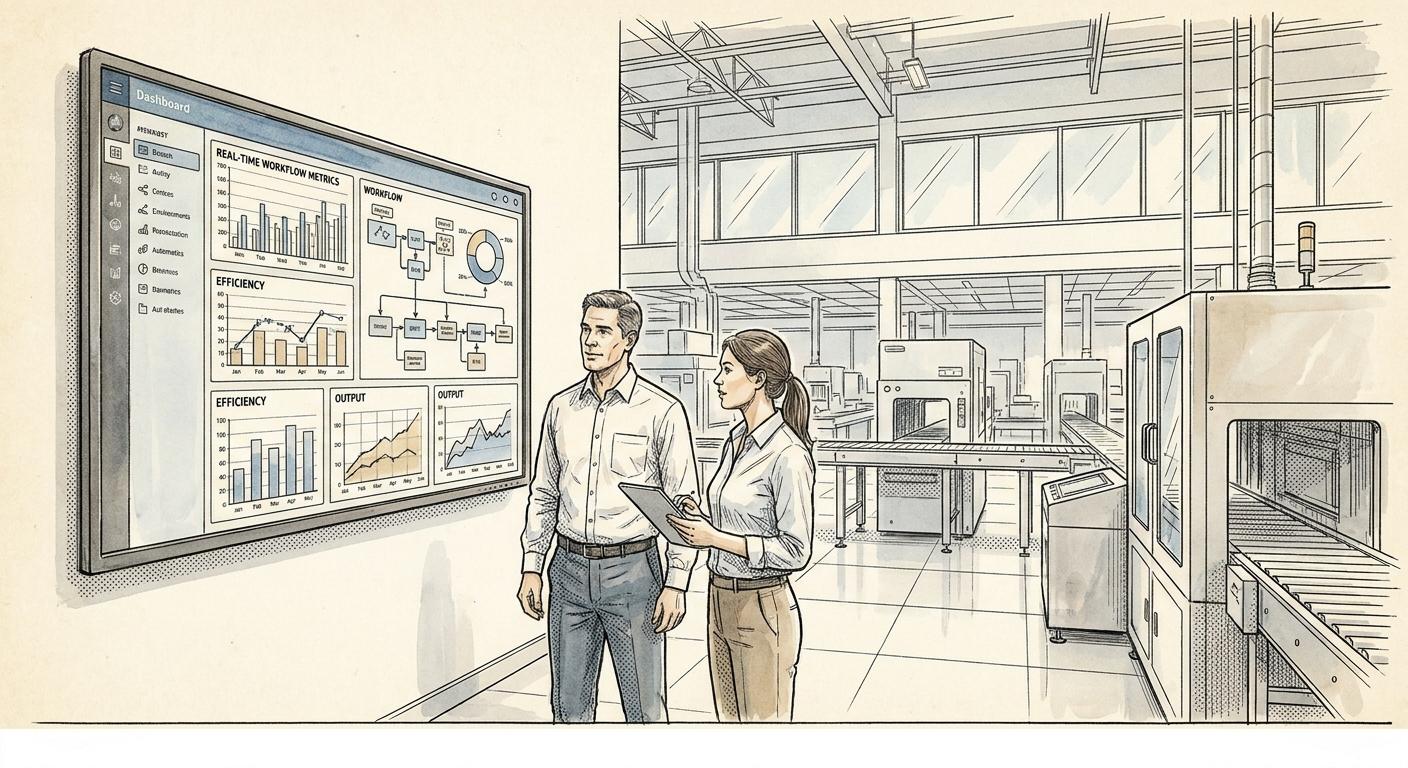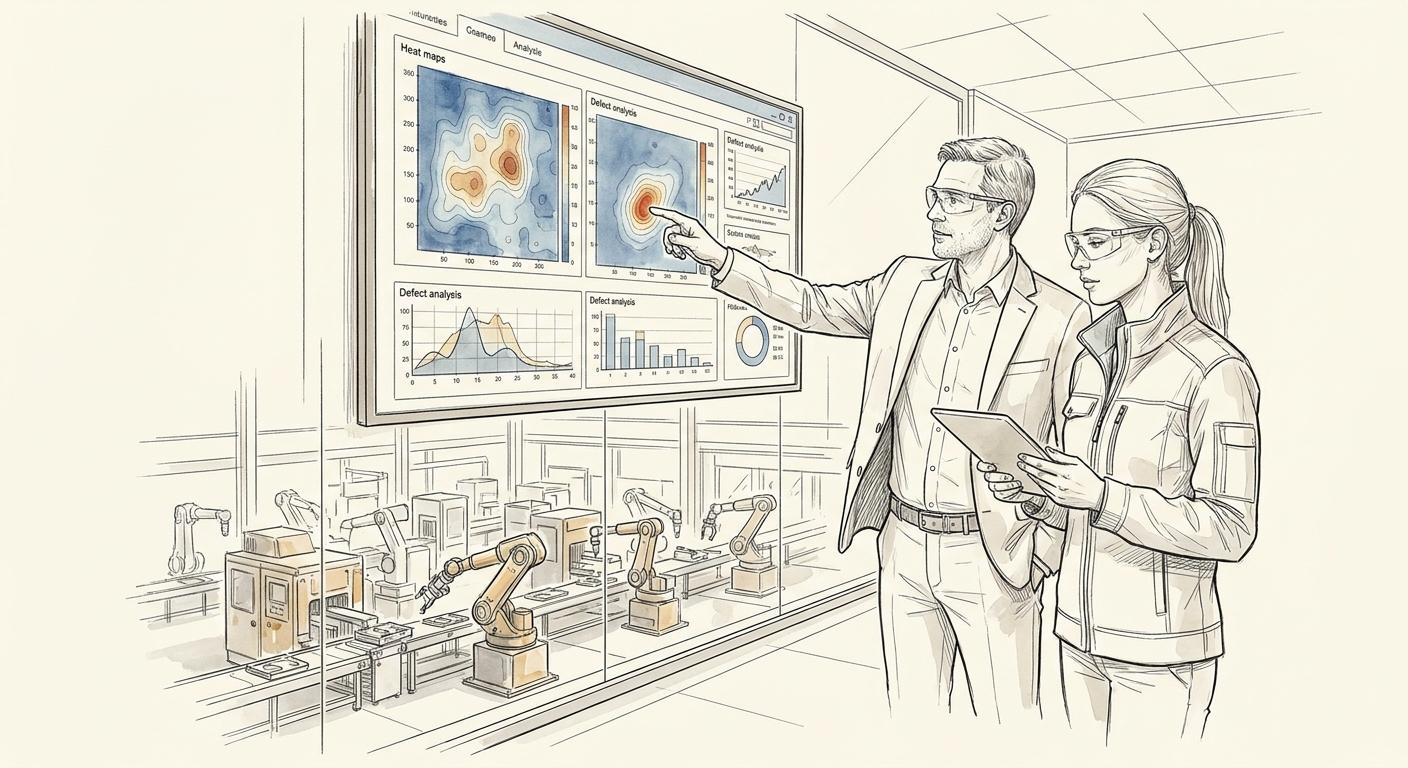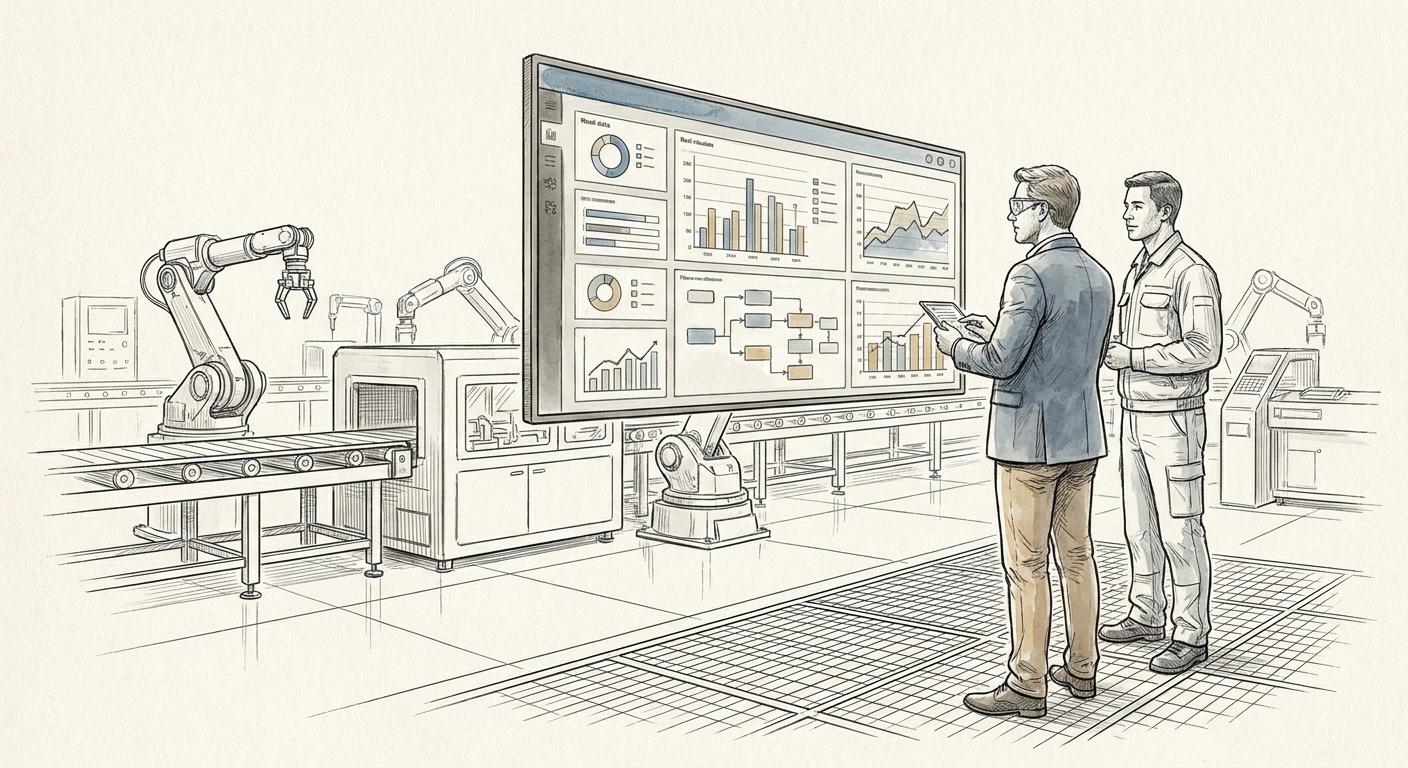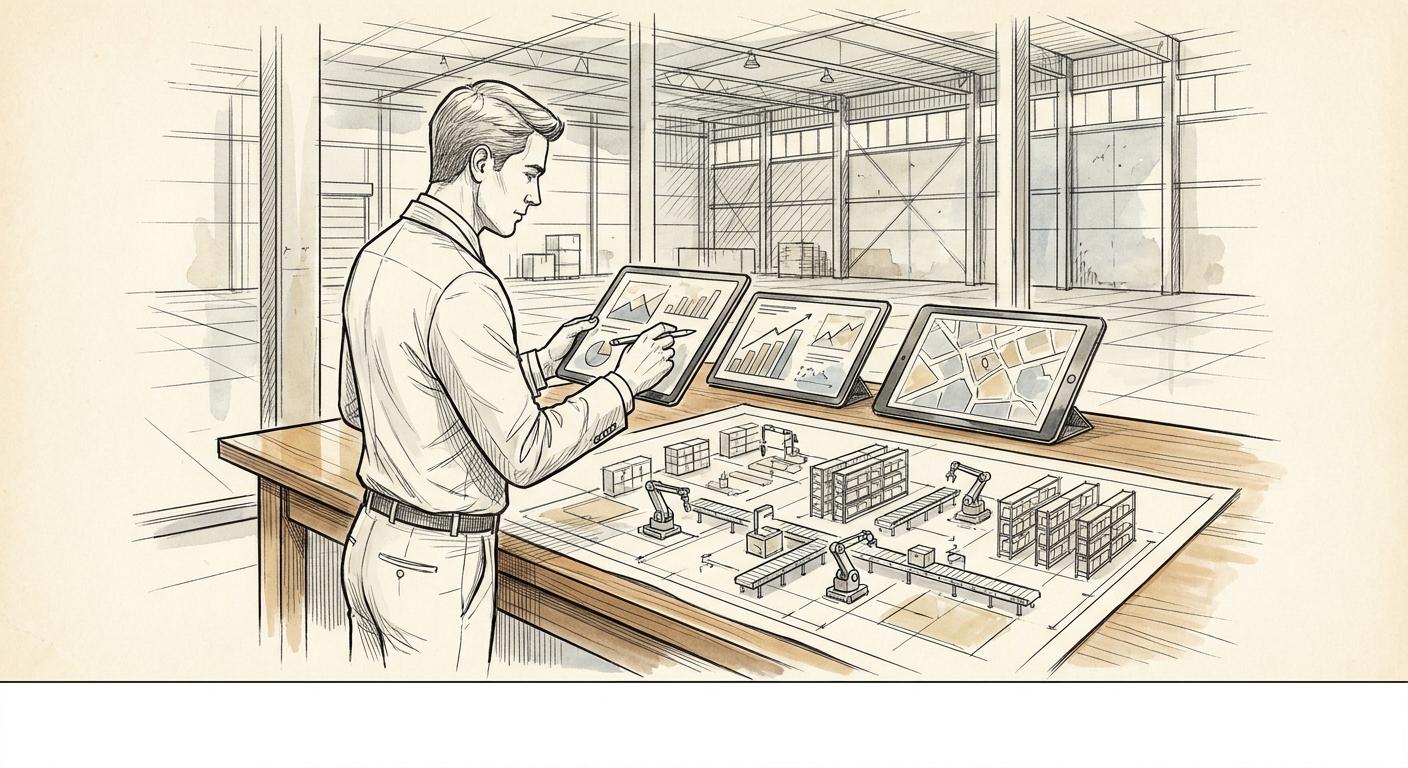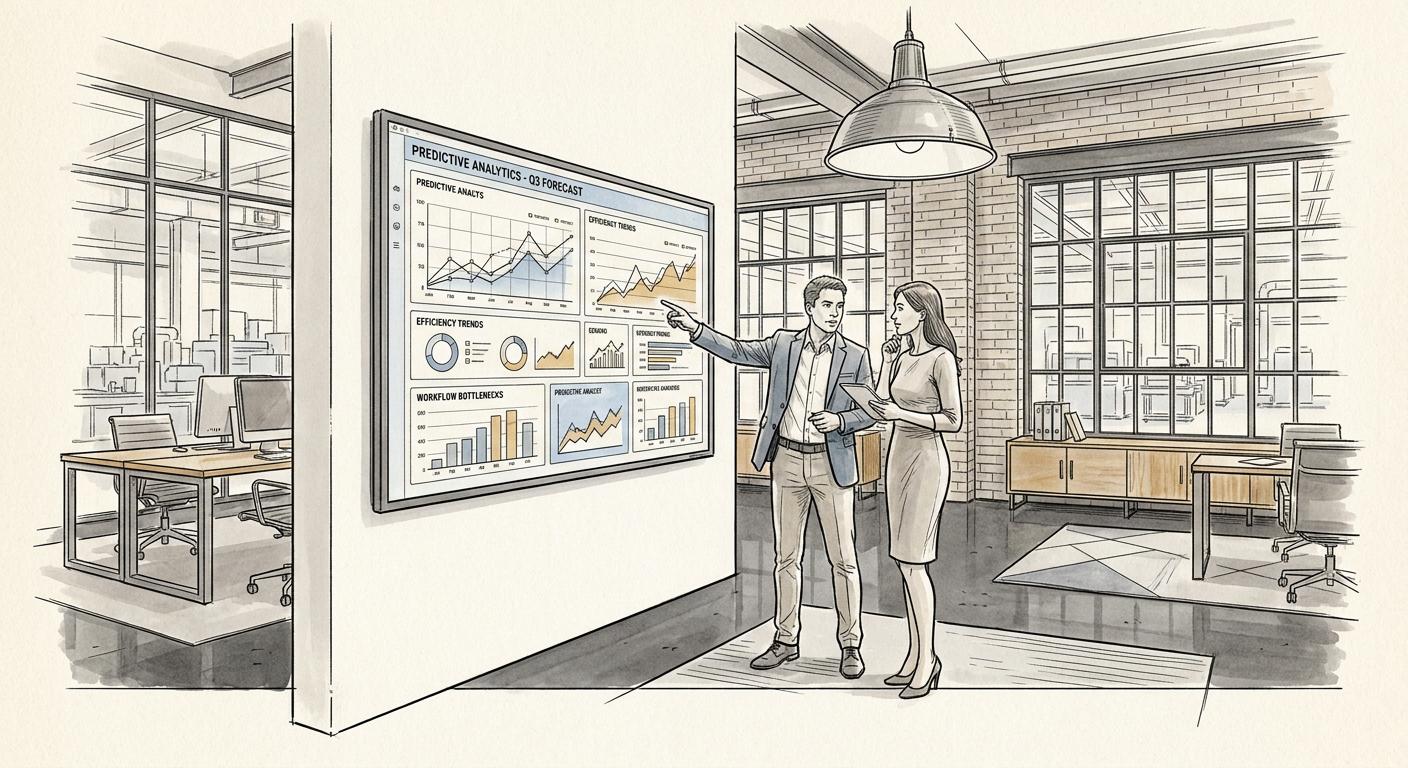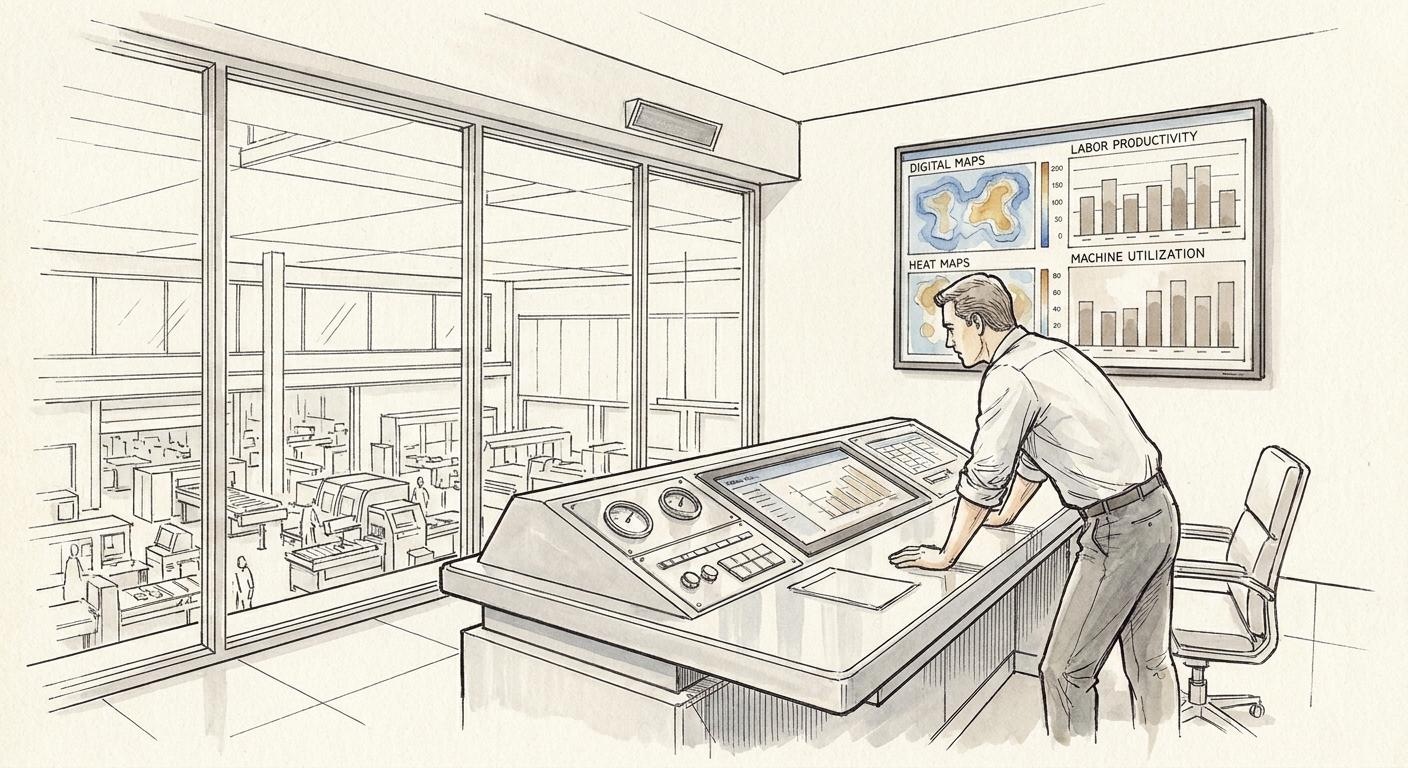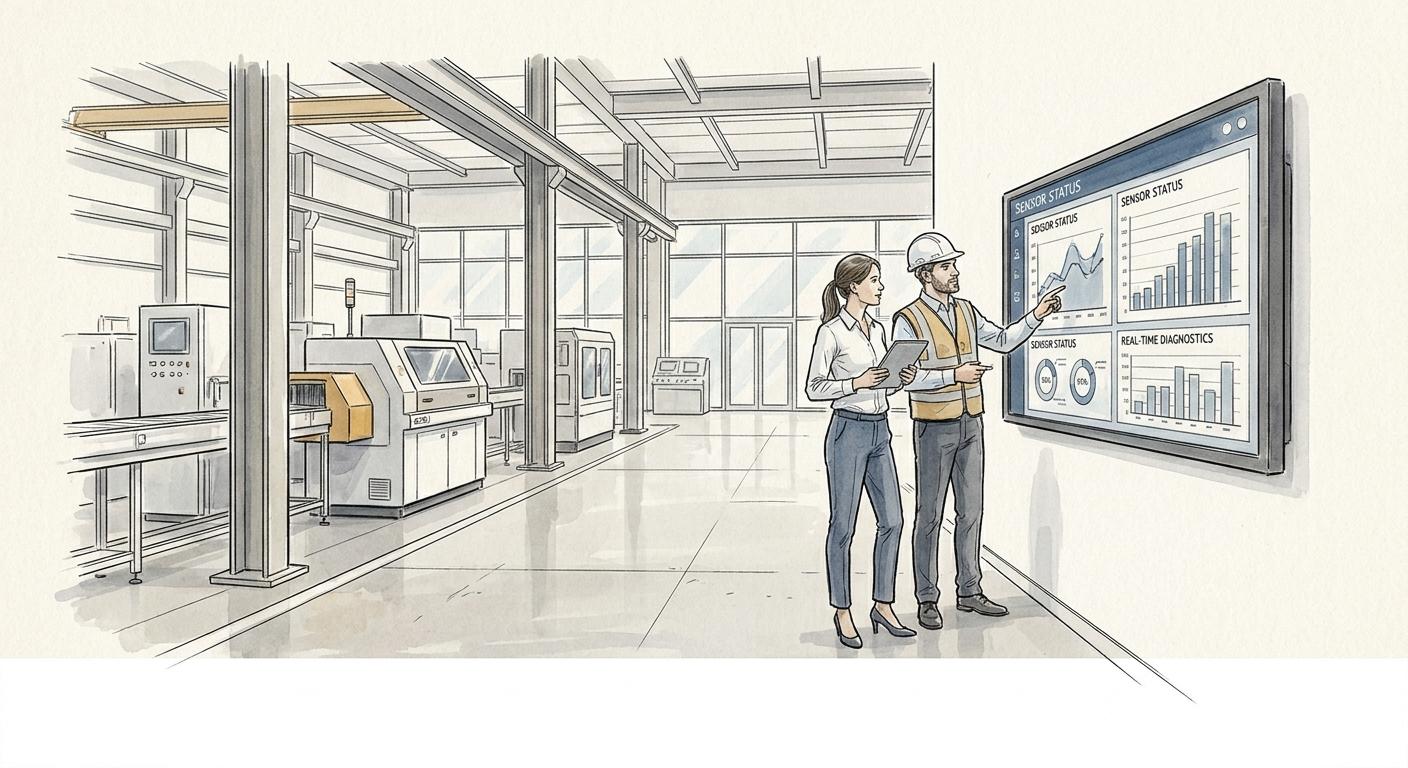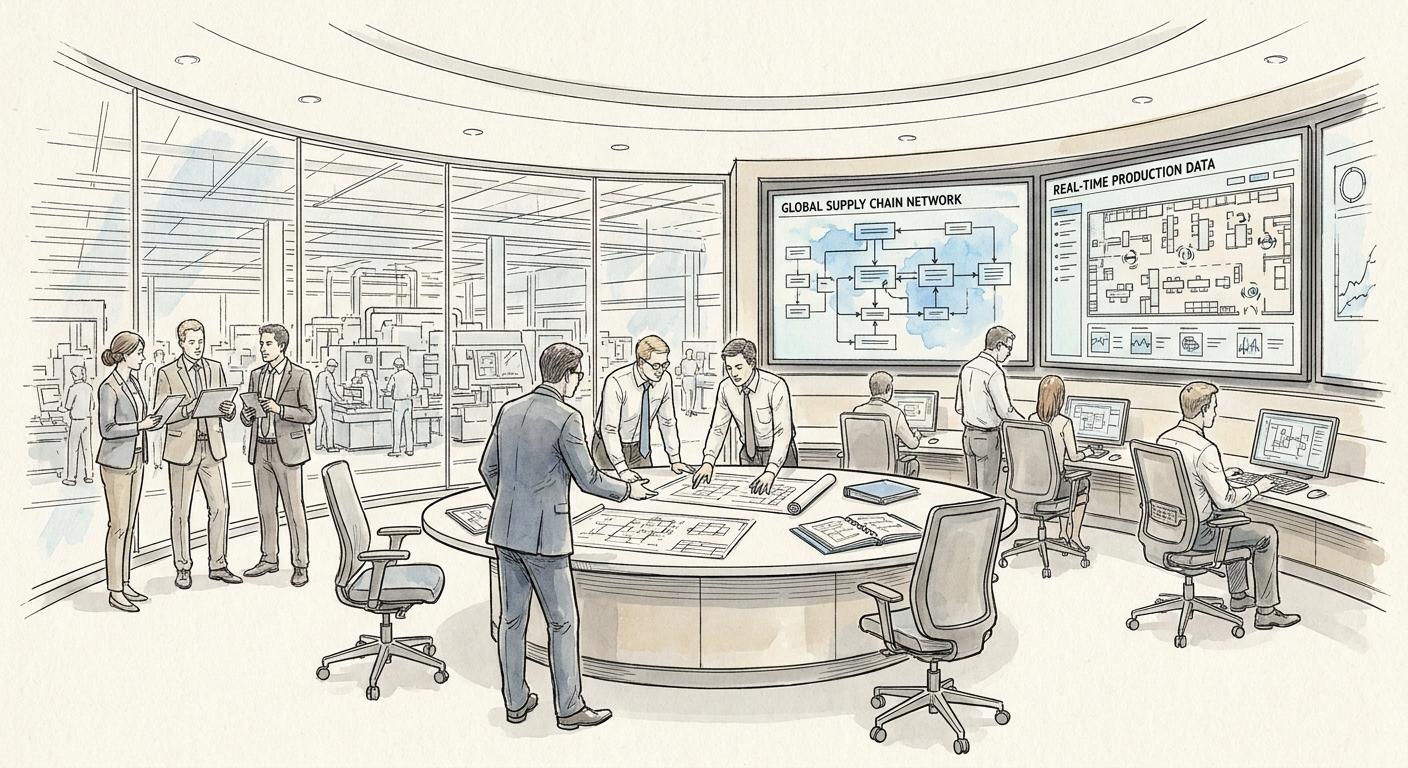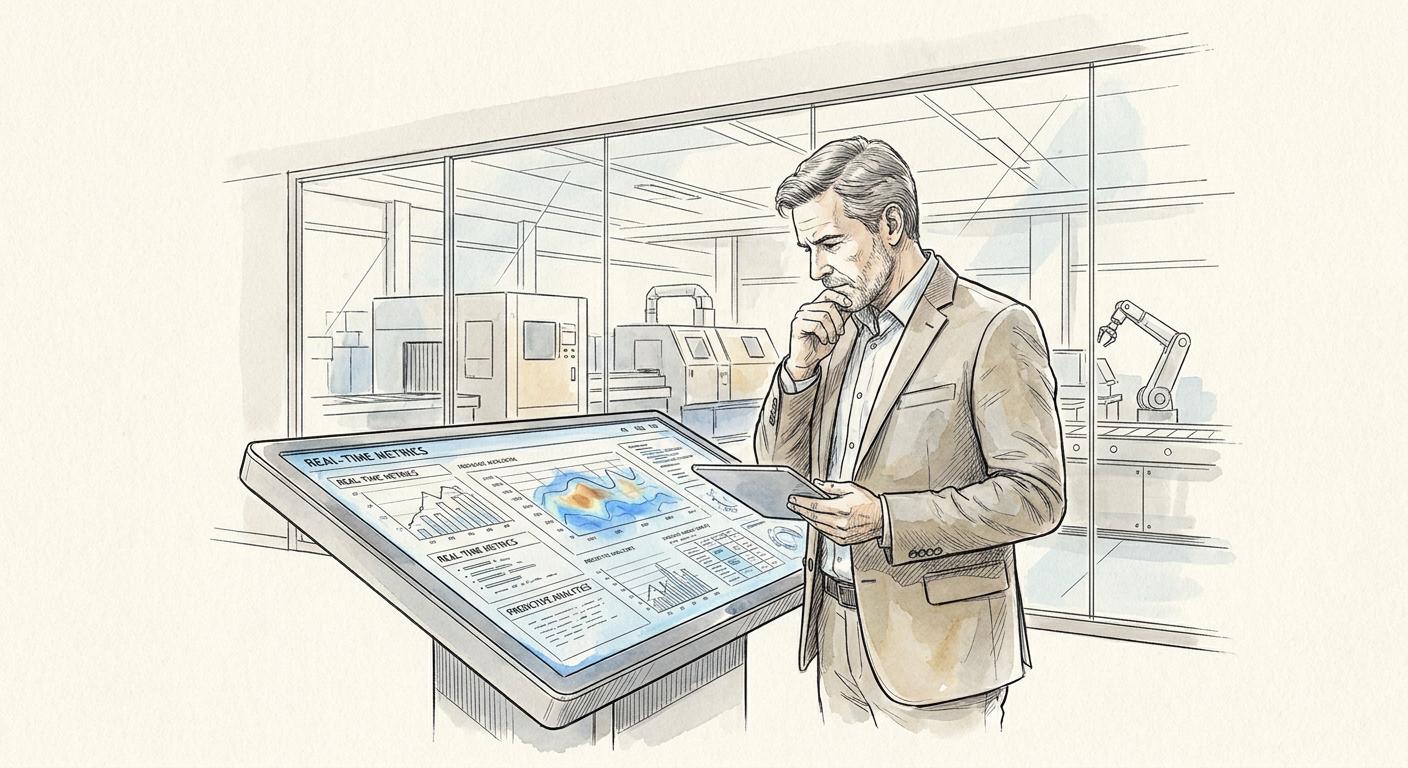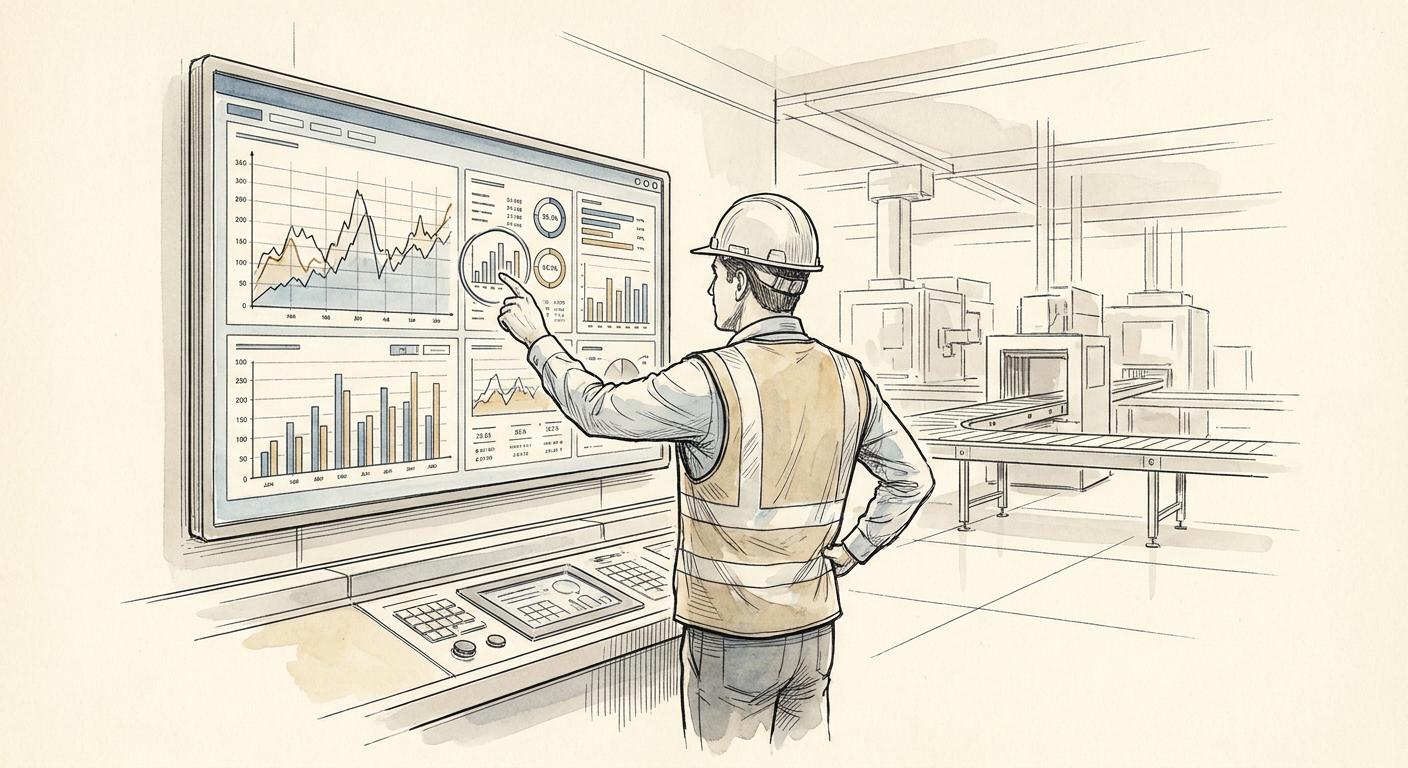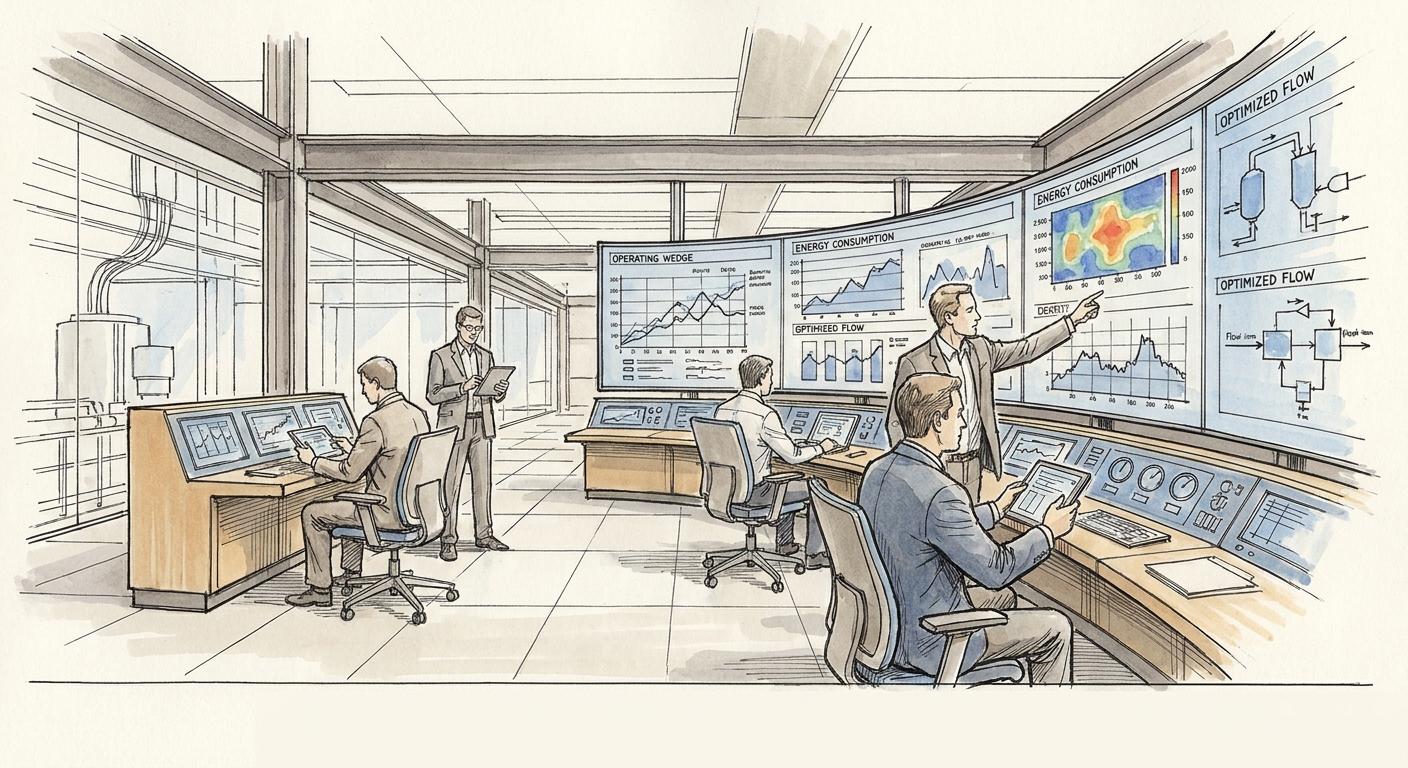


The end of the production line remains where margin leakage often hides in plain sight. When high-speed assembly processes outpace manual inspection capabilities, facilities face a painful choice between slowing down throughput or watching defect rates climb. Edge-based automated optical inspection addresses this operational friction by moving intelligent defect detection directly to the plant floor. This guide examines how manufacturers deploy edge computer vision to eliminate QA bottlenecks, reduce scrap, and protect operating margins without overhauling existing infrastructure.
The True Cost of End-of-Line Manual QA Bottlenecks
Manual quality assurance creates a compounding drag on plant efficiency. Operators working long shifts experience fatigue, leading to inconsistent defect detection, missed anomalies, and high rates of false negatives that reach customers. Conversely, overly cautious inspectors flag acceptable parts as defective, driving up scrap rates and rework costs.
Beyond direct labor expenses, visual inspection bottlenecks force plant managers to buffer inventory between stations. Work-in-progress piles up on the floor, stretching lead times and degrading on-time delivery metrics. When plants miss OTIF targets due to downstream QA delays, the financial impact hits profitability through customer chargebacks and emergency freight costs.
Why Traditional Centralized Vision Systems Fall Short
Legacy machine vision systems rarely solve these challenges because they rely on rigid, hard-coded rules. If a component changes slightly in shade, texture, or positioning, traditional vision software triggers a false alarm. Plant engineers spend countless hours adjusting tolerance thresholds to account for minor, harmless variations.
Furthermore, centralized cloud architectures introduce unacceptable latency. Streaming high-resolution video feeds to a remote server for processing consumes massive bandwidth and introduces network delays that disrupt high-speed manufacturing lines. Factories require local processing power that can analyze imagery in milliseconds without relying on an uninterrupted cloud connection.
What is Edge-Based Automated Optical Inspection (AOI)?
Edge-based automated optical inspection (AOI) is a quality control method that uses local AI and computer vision hardware directly on the factory floor to inspect products for defects in real-time, eliminating cloud latency and manual inspection bottlenecks.
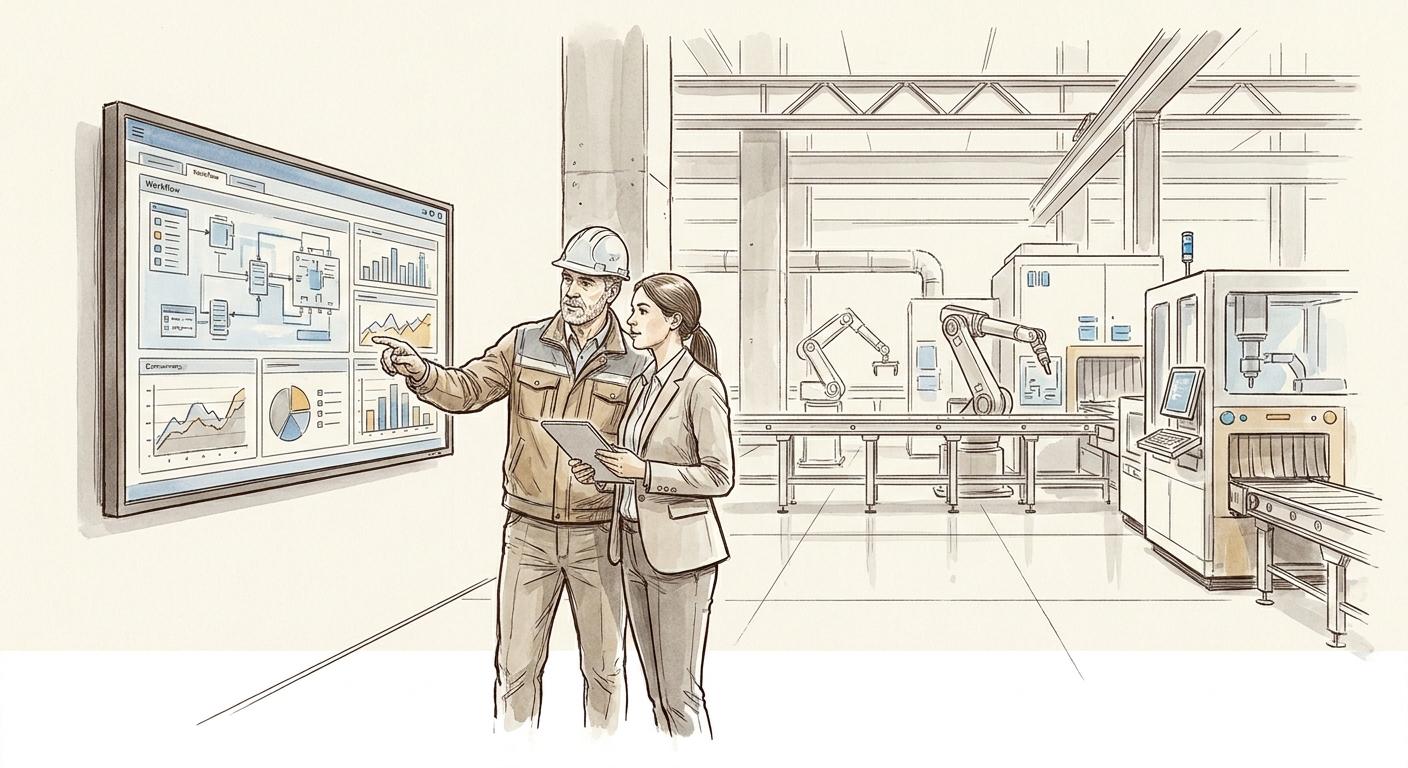
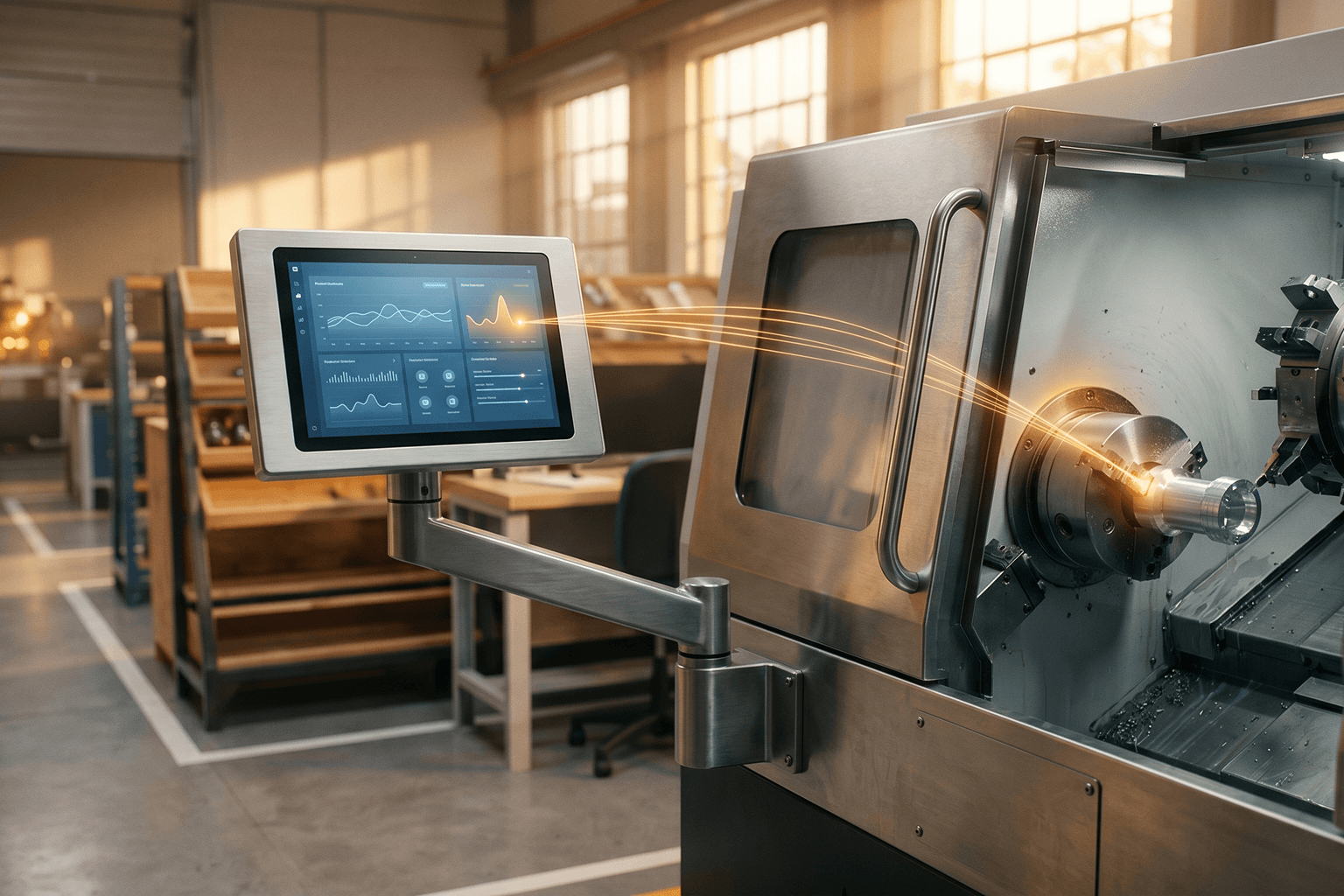
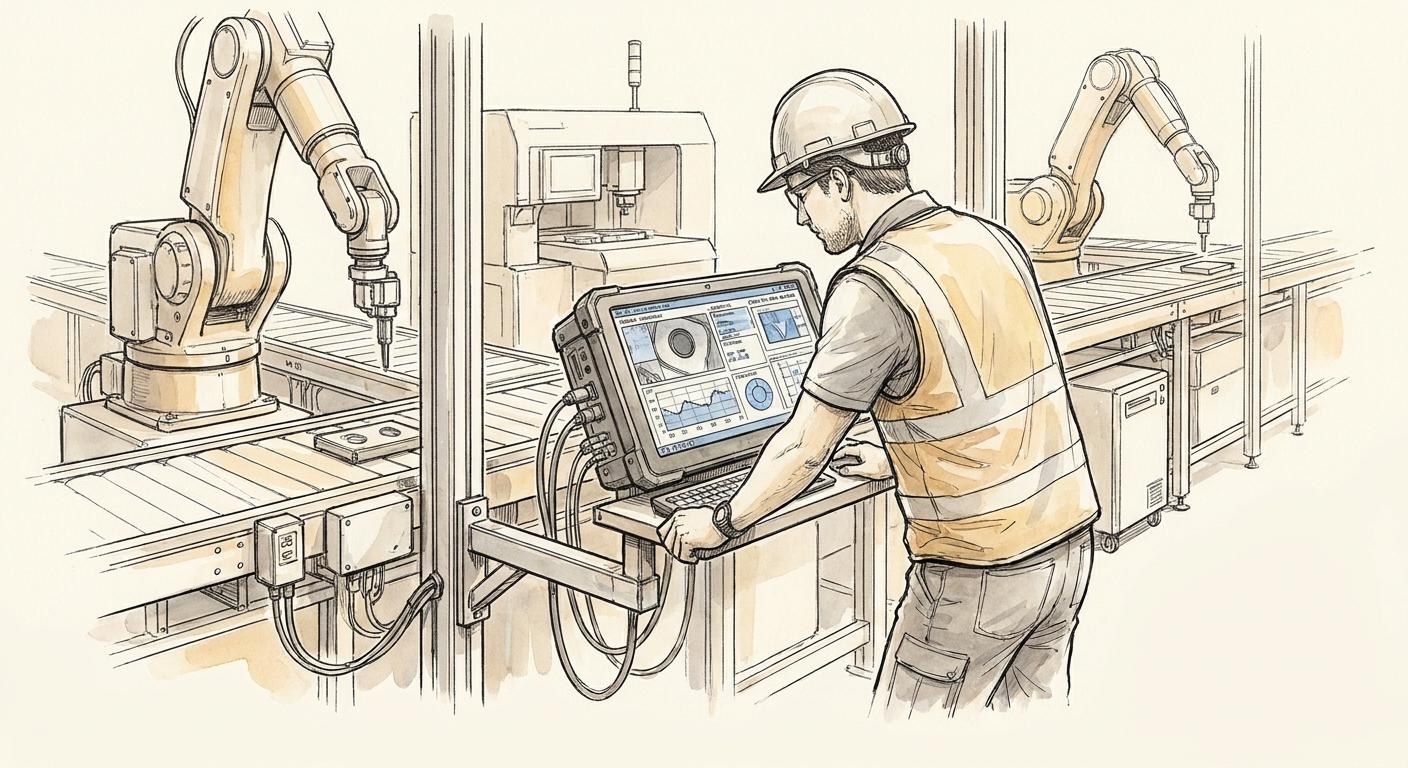
By running machine learning models on localized edge devices, such as industrial PCs or specialized accelerators mounted next to the conveyor, inspection systems process high-frame-rate video streams instantaneously. These neural networks adapt to natural variations in materials and lighting. Rather than looking for exact pixel matches, edge AI recognizes patterns of acceptable versus defective items, drastically reducing false positives.
Step-by-Step Implementation Roadmap for Plant COOs
Deploying computer vision requires a methodical approach that minimizes disruption to active manufacturing schedules. Plant leadership should follow a structured four-phase rollout.
1. Scoping and Use-Case Selection
Begin by targeting a single, high-volume bottleneck where manual inspection creates the most severe throughput restriction. Document current baseline metrics, including cycle times, scrap rates, and labor hours dedicated to sorting.
2. Hardware Selection and Integration
Procure industrial-grade cameras and edge compute hardware rated for plant floor environments, accounting for dust, vibration, and ambient temperature. Mount the vision hardware securely above or beside the line without altering existing mechanical material handling systems.
3. Data Collection and Model Training
Capture thousands of images representing both normal production runs and specific defect classes. Train the computer vision models iteratively, validating accuracy against historical operator logs until the system achieves reliable classification performance.
4. Shadow Mode Deployment
Run the edge AOI system in shadow mode for two weeks. The system evaluates parts and logs results in the background without gating the physical line, allowing engineering teams to verify accuracy and eliminate edge cases before live deployment.
Overcoming Operator Resistance and Ensuring Floor Adoption
Any new technology introduced to the plant floor encounters skepticism from frontline workers. Operators often fear that automated inspection systems signal impending layoffs or undermine their expertise. Successful deployments reframe edge AI as a co-pilot that removes tedious, repetitive visual tasks from human operators.
When QA staff are relieved from inspecting routine parts, facilities can reallocate them to higher-value responsibilities, such as root-cause analysis, machine maintenance, and process engineering. Involving operators in the initial image collection and threshold validation phases builds trust and ensures the final tool supports their daily workflow rather than complicating it.
Measuring ROI: What First 90-Day Metrics Matter
To justify capital expenditure and prove value to the executive team, plant leadership must track specific performance indicators during the initial deployment window.
First, measure cycle time reduction at the inspection station to confirm that the bottleneck has cleared and throughput has stabilized at maximum line speed. Second, track the drop in false positive rates compared to legacy vision systems, which directly correlates with reduced material waste. Finally, quantify direct labor reallocation, measuring how many hours were shifted from manual sorting to proactive quality engineering. Delivering measurable results within 60 to 90 days establishes a reliable operational playbook for scaling AI across additional lines.
Frequently Asked Questions
What is the difference between traditional machine vision and edge-based AOI?
Traditional vision relies on rigid, hardcoded rules and often central server processing, whereas edge-based AOI uses machine learning models running locally on edge hardware to handle variations and complex defects in real-time.
How long does it take to deploy an edge-based AOI system on a manufacturing line?
With a focused use case and experienced execution partners, a working edge AOI system can be trained, validated, and deployed to production within 60 to 90 days.
Does edge-based AOI require a constant internet connection?
Edge AOI runs locally on the hardware at the machine level, meaning it operates reliably with zero latency and does not depend on cloud connectivity.
Book a Manufacturing Diagnostic at ifor.ai/solutions/manufacturing

Ofer Hermoni, Ph.D.
Founder & Chief AI Officer at iForAI