From Slideware to Software: Bridging the AI Execution Gap
Many organizations have experienced the compelling vision of Generative AI transforming workflows, reducing costs, and automating customer service. Yet, the journey from an exciting presentation to tangible, in-production results often proves challenging.
This common scenario highlights what many innovation leaders refer to as the "Pilot Trap": a cycle where impressive demonstrations perform well in controlled environments but struggle to transition into live production systems.
The gap between an innovative AI concept and measurable return on investment (ROI) is rarely due to a lack of ambition. Instead, it often stems from a lack of integrated execution. To achieve meaningful progress, organizations need to integrate AI as a core component of their software ecosystem, rather than treating it as a peripheral experiment.
Understanding the Pilot Trap
Mid-market and enterprise organizations frequently encounter a specific hurdle: they possess abundant data and clear use cases but may lack the specialized internal resources to evolve a proof-of-concept into a polished, production-ready product.
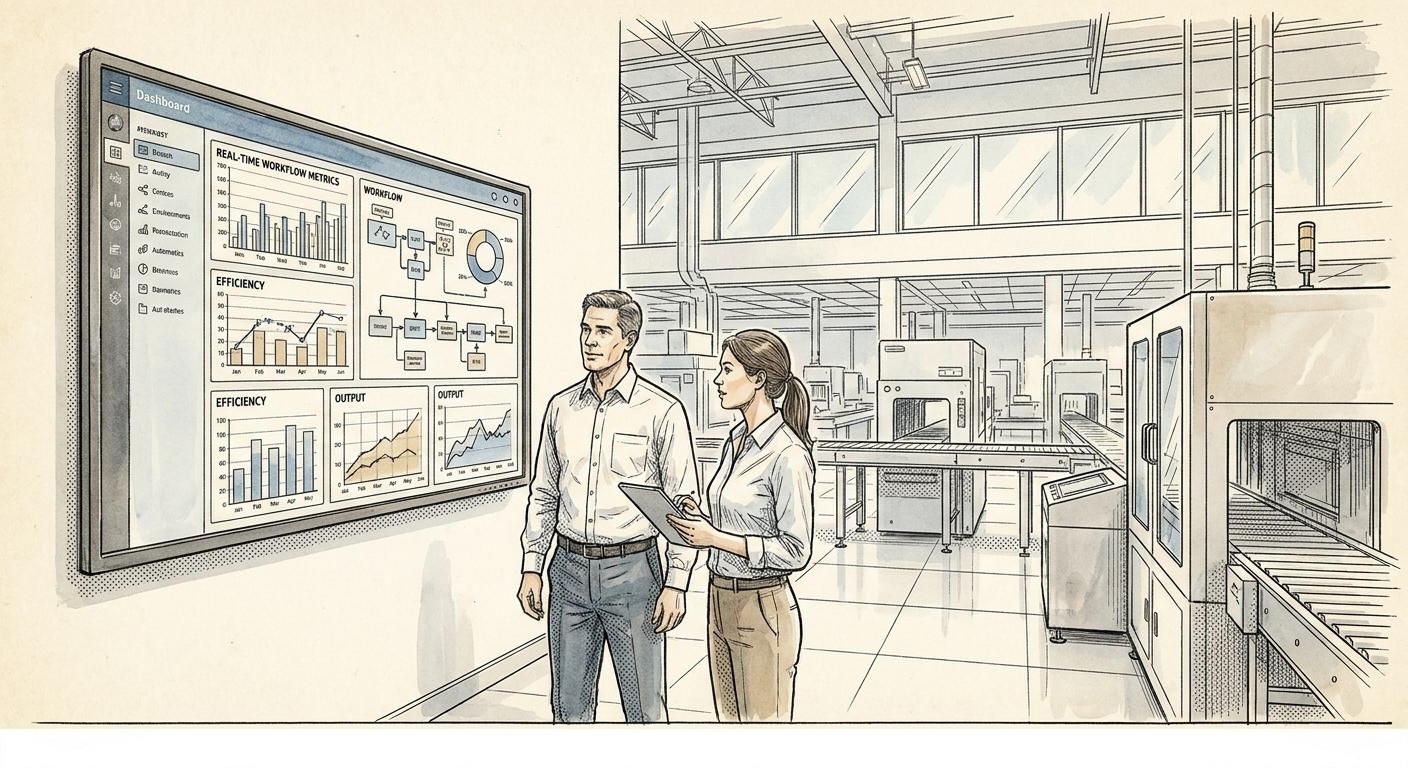
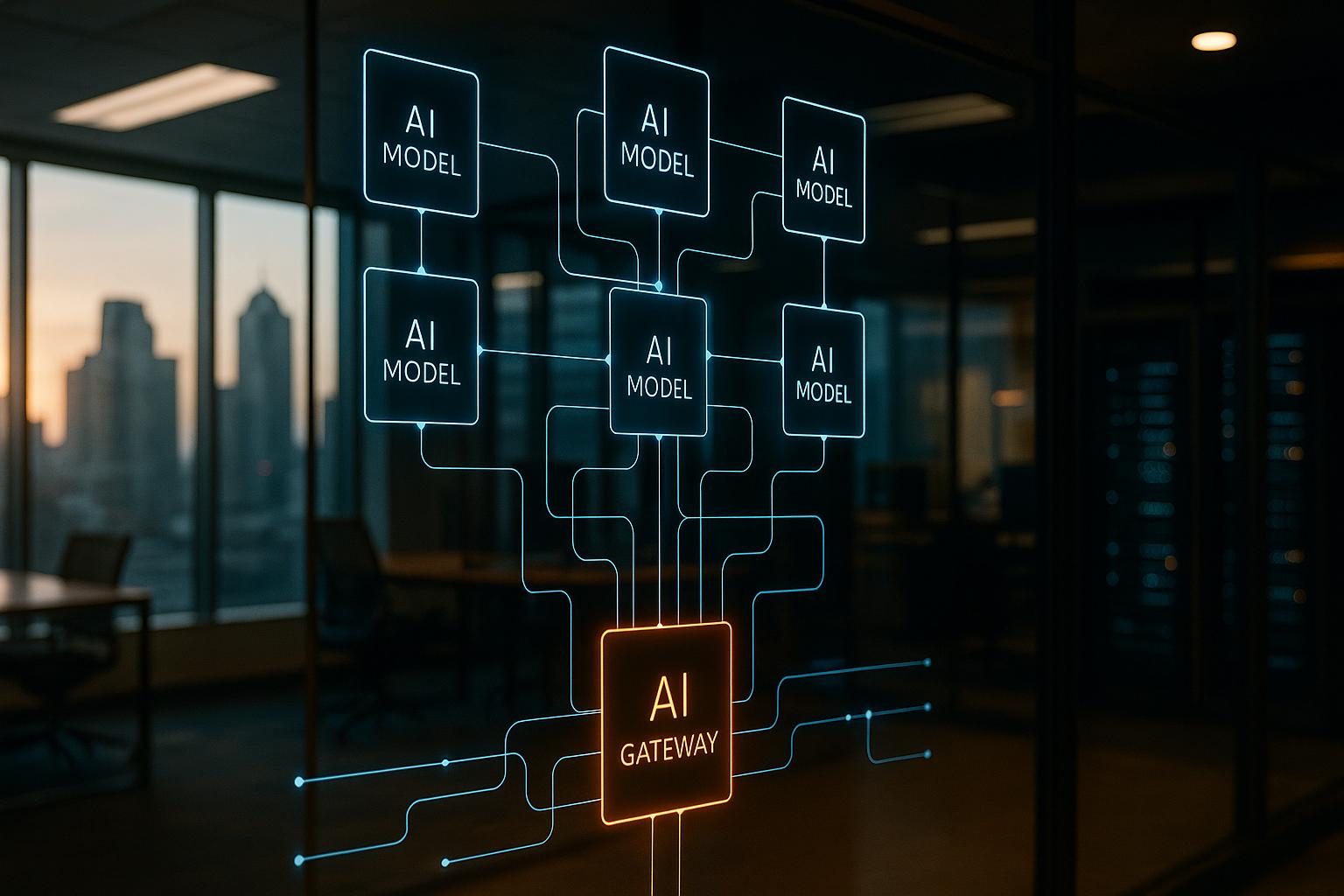
Genuine business impact occurs when AI agents are seamlessly integrated into existing cloud infrastructure, data pipelines, and daily workflows. When AI solutions remain isolated, they often stay in the "slideware" phase. Bridging this gap requires working within the existing technology stack, ensuring that critical aspects like security, governance, and technical integration are addressed from the outset, not as afterthoughts.
Three Pillars for Moving Beyond Demonstrations
Transforming theoretical ROI into tangible system integration demands a balanced approach. A focus on three foundational pillars can help ensure AI creates lasting value:
1. Hands-on Delivery (Operational Expertise)
While strategic consulting offers valuable insights, direct execution is crucial for scaling AI initiatives. Progress accelerates when experts operate within an organization's environment, building secure, scalable pipelines that process real-world data. This approach helps reduce the friction between "technical possibility" and "operational reality."
2. Intelligent Agent Development
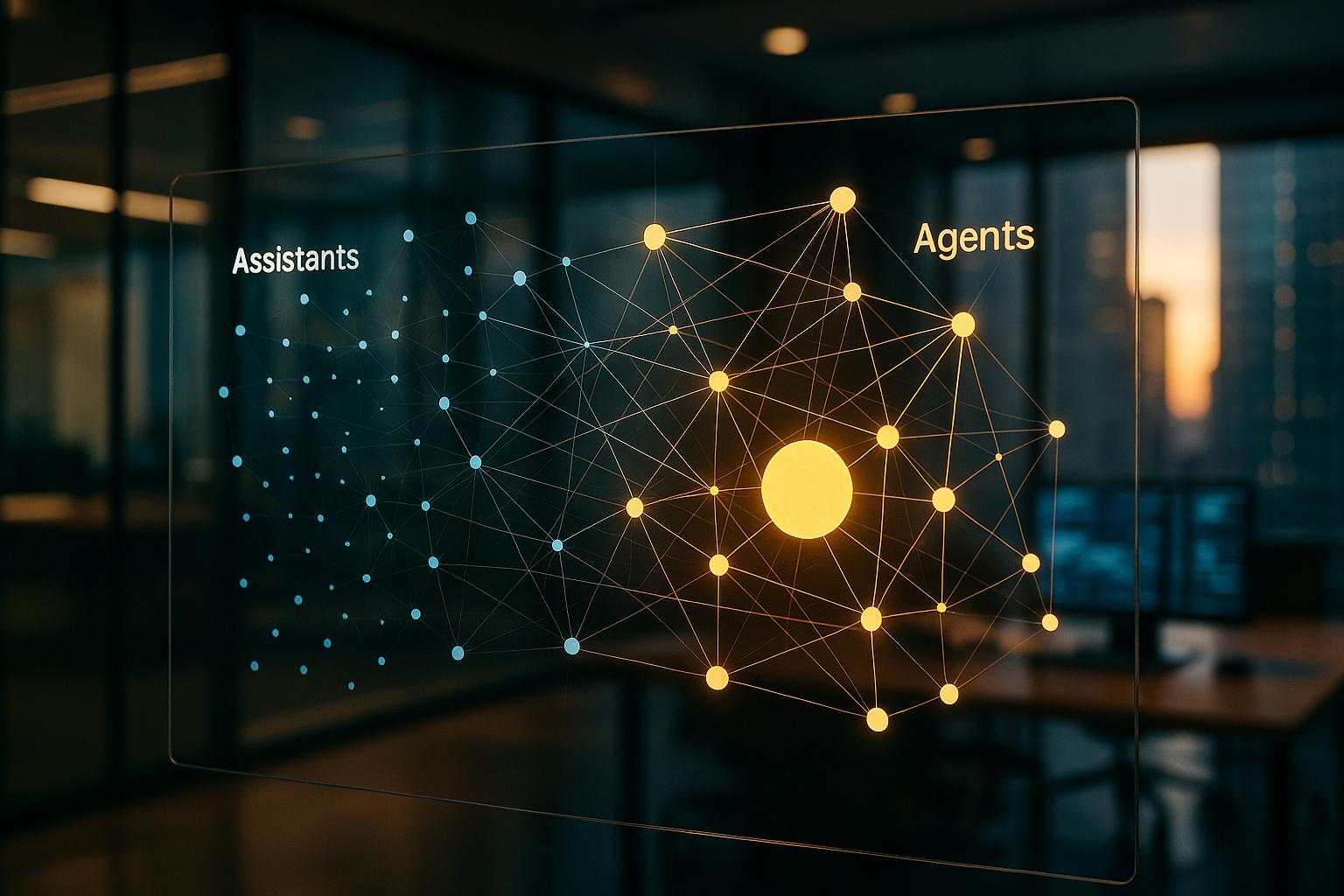
The AI landscape is evolving beyond simple, reactive chatbots. The next level of productivity often comes from intelligent agents capable of executing complex, multi-step business tasks. Examples include autonomously reconciling invoices, triaging technical support requests, or managing supply chain disruptions with accuracy.
3. Continuous Upskilling
The effectiveness of software, including AI systems, is intrinsically linked to the capabilities of the people who manage it. For AI transformation to be sustainable, internal teams must evolve alongside the technology. Through targeted executive briefings and internal hackathons, organizations can empower their teams to confidently sustain and iterate on these systems long after initial deployment.
The Bottom Line: Prioritizing Momentum Over Theory
For mid-market firms, speed to market can be a significant differentiator. While larger enterprises might have the resources for multi-year research and development cycles, agile organizations often require systems that deliver results promptly.
AI should function as a working system that provides clarity and builds momentum, rather than remaining a "black box" or a perpetual "work in progress." If an AI journey has stalled at the pilot stage, shifting focus from theoretical possibilities to practical, buildable solutions can be beneficial.
To transition from strategic planning to practical deployment, consider how a working pilot can transform your AI strategy into a measurable competitive advantage in a matter of weeks, not months.