

.svg)

Manufacturing COOs frequently face a "margin squeeze" driven by fluctuating material costs and labor shortages, yet the most significant source of margin leakage often remains hidden within the production line. When OTIF (On-Time, In-Full) misses occur, the culprit is usually a disconnect between static planning and floor-level reality. You can optimize production line throughput with AI by moving beyond reactive firefighting into predictive execution. This guide outlines how to leverage machine data and dynamic algorithms to eliminate the estimate-vs-actual gaps that erode EBITDA.
The OEE Ceiling: Why Traditional Lean and ERPs Are No Longer Enough
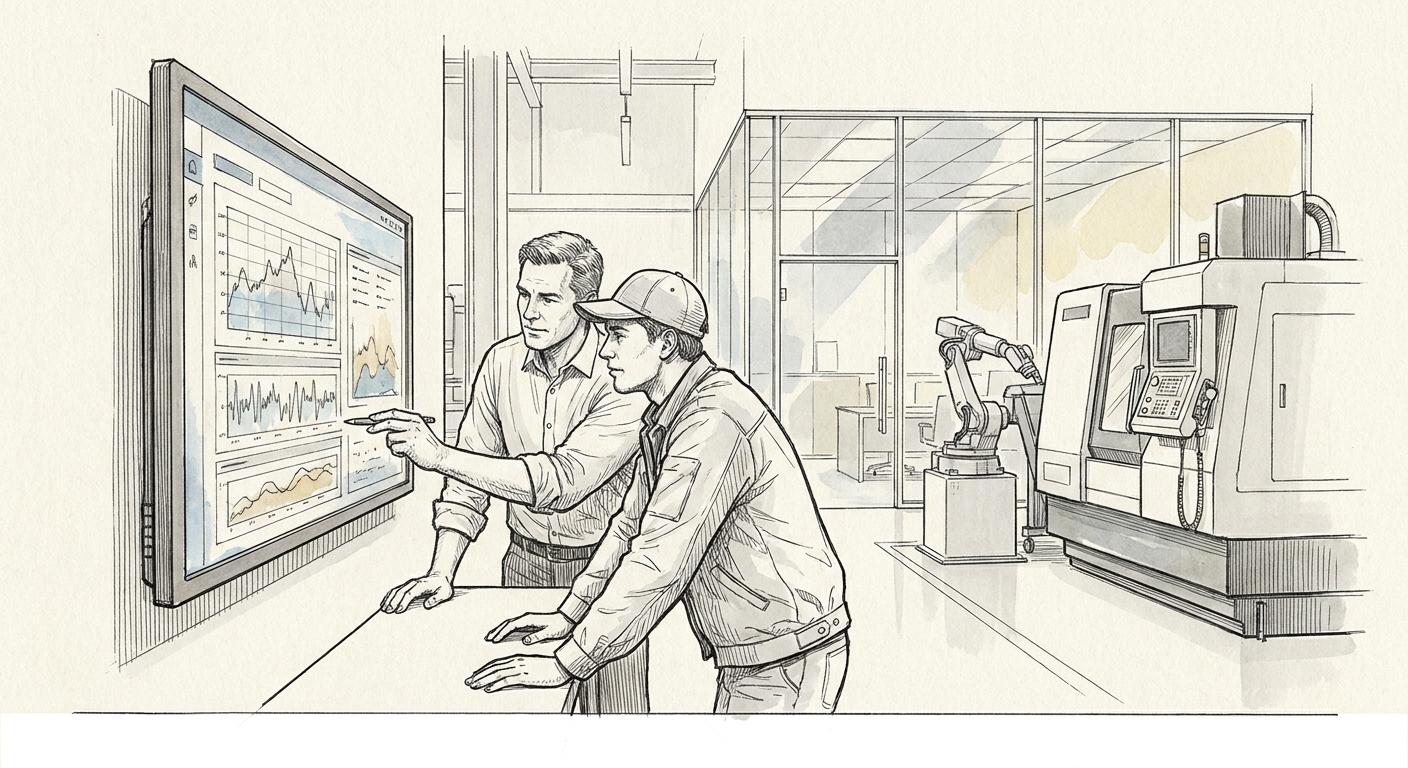
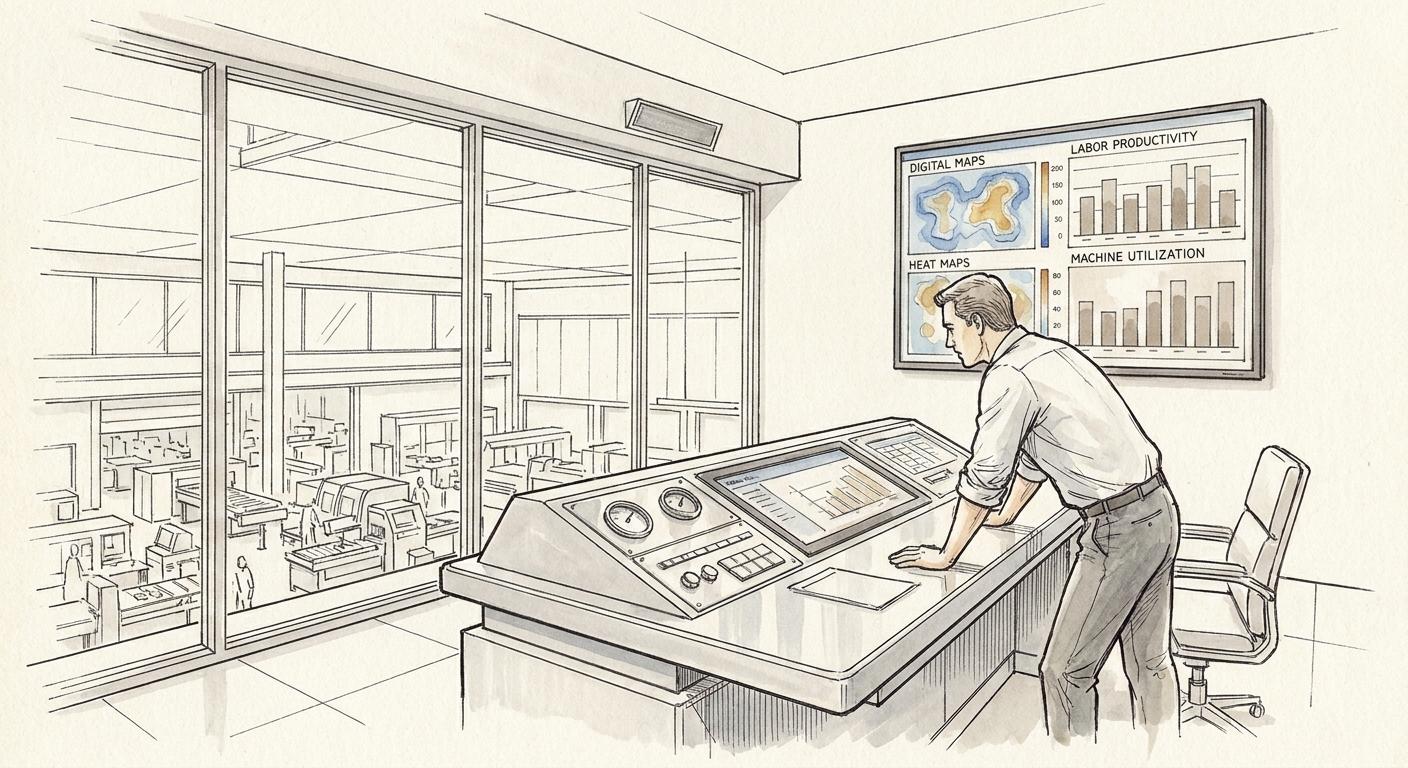
Most plants operate under an OEE (Overall Equipment Effectiveness) ceiling imposed by the limitations of human-led scheduling. Even the most robust ERP system treats production as a static sequence, failing to account for the hour-by-hour volatility of the shop floor. When a machine cycles slightly slower than the standard or a sub-assembly is delayed, the schedule becomes obsolete.
Manual tracking and spreadsheet-based adjustments lead to margin leakage because they rely on historical rather than live data. Operators often "buffer" schedules to compensate for uncertainty, which inadvertently lowers total capacity. To break through this ceiling, manufacturers must transition from static planning to embedded AI that processes high-frequency data from the shop floor to make real-time adjustments.
Predictive Maintenance: Moving from 'Fix-on-Fail' to Proactive Throughput
Unplanned downtime is the single greatest threat to operating leverage in a high-volume facility. Traditional maintenance follows two paths: fix-on-fail, which destroys the daily schedule, or preventative maintenance, which often results in over-servicing equipment and wasting viable parts. Predictive maintenance ROI is realized by identifying the specific signature of a pending failure before it manifests as a breakdown.
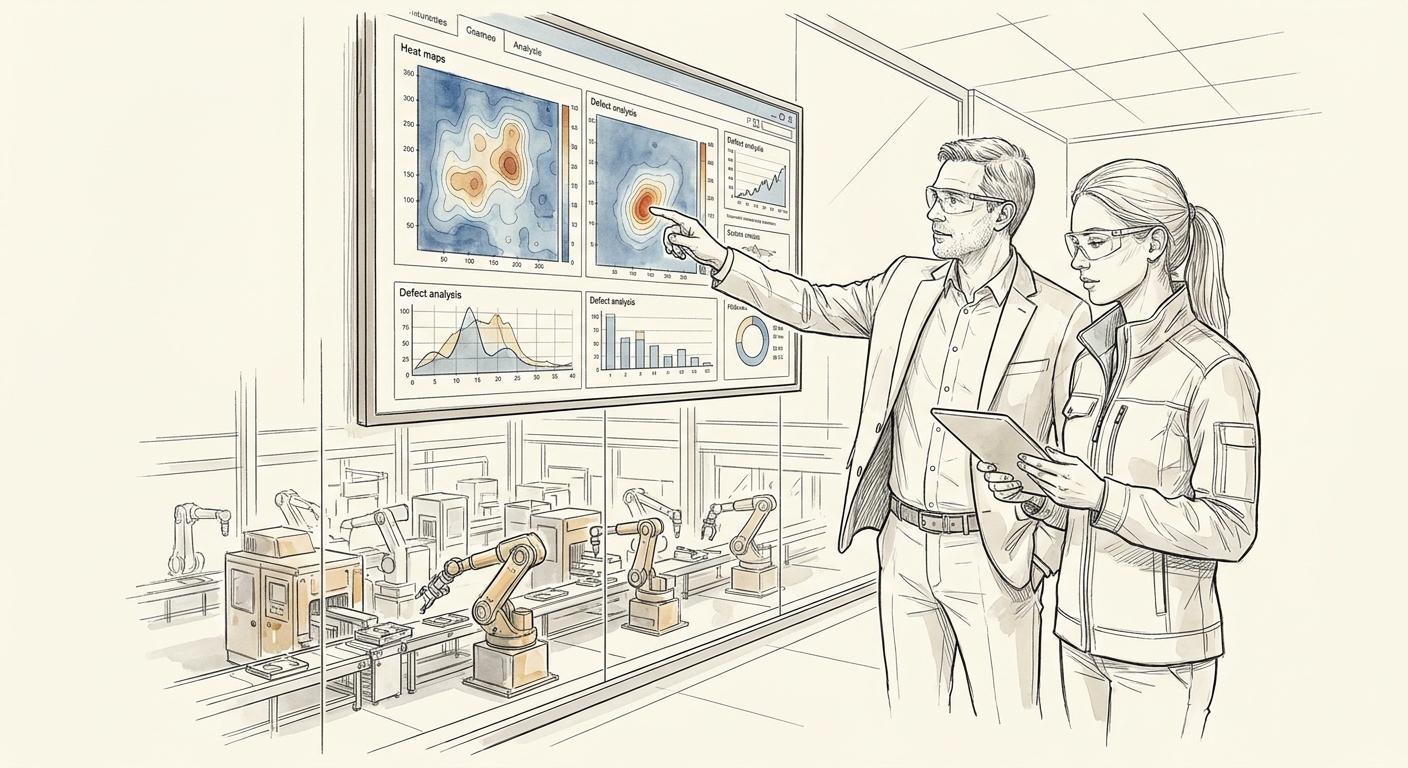
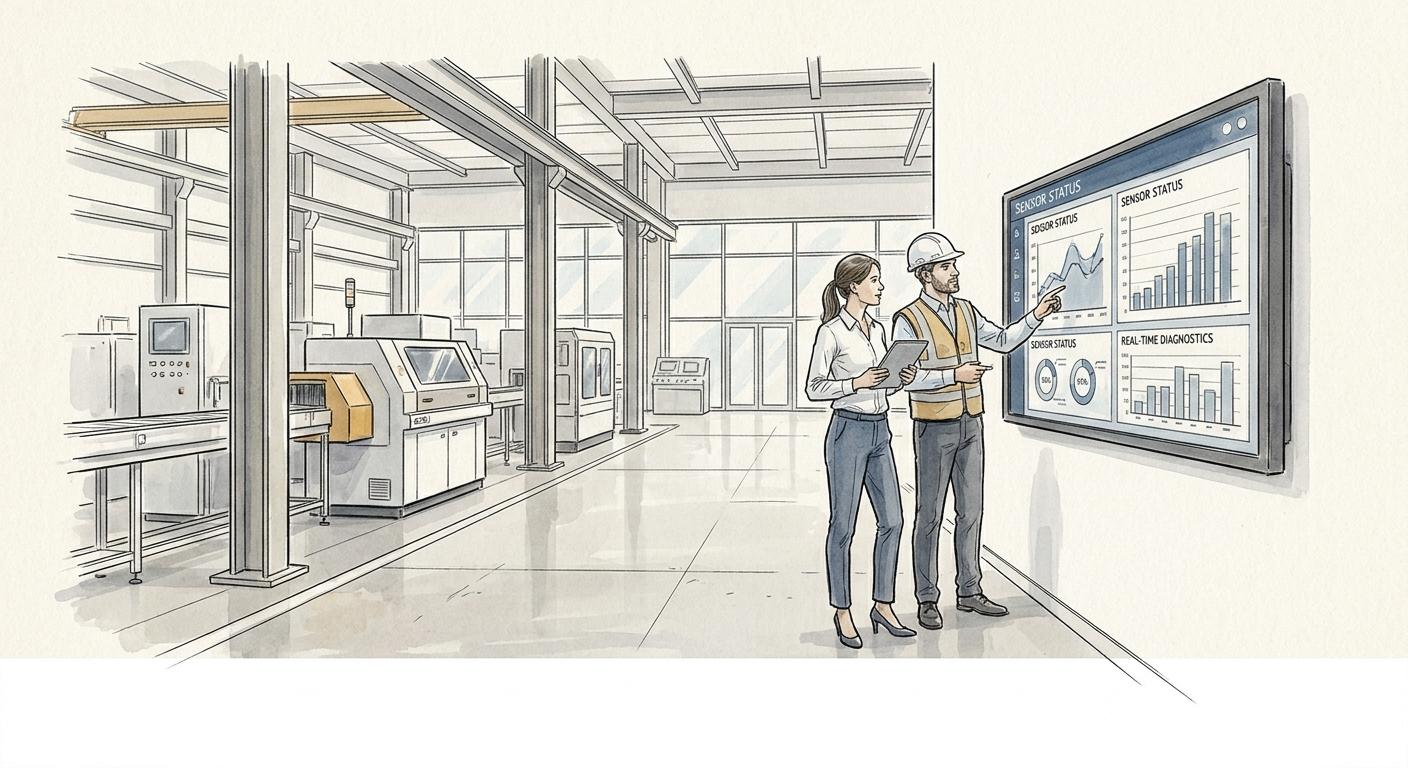
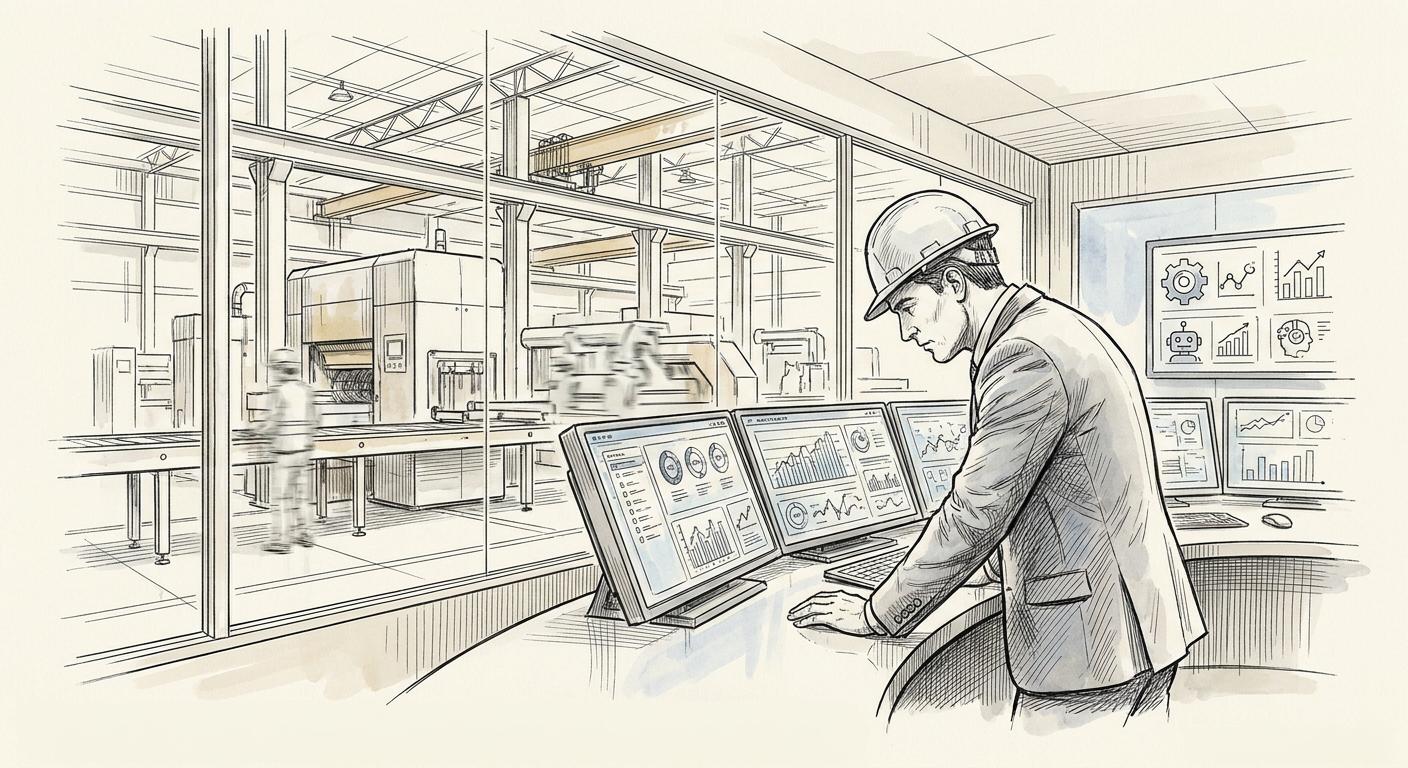
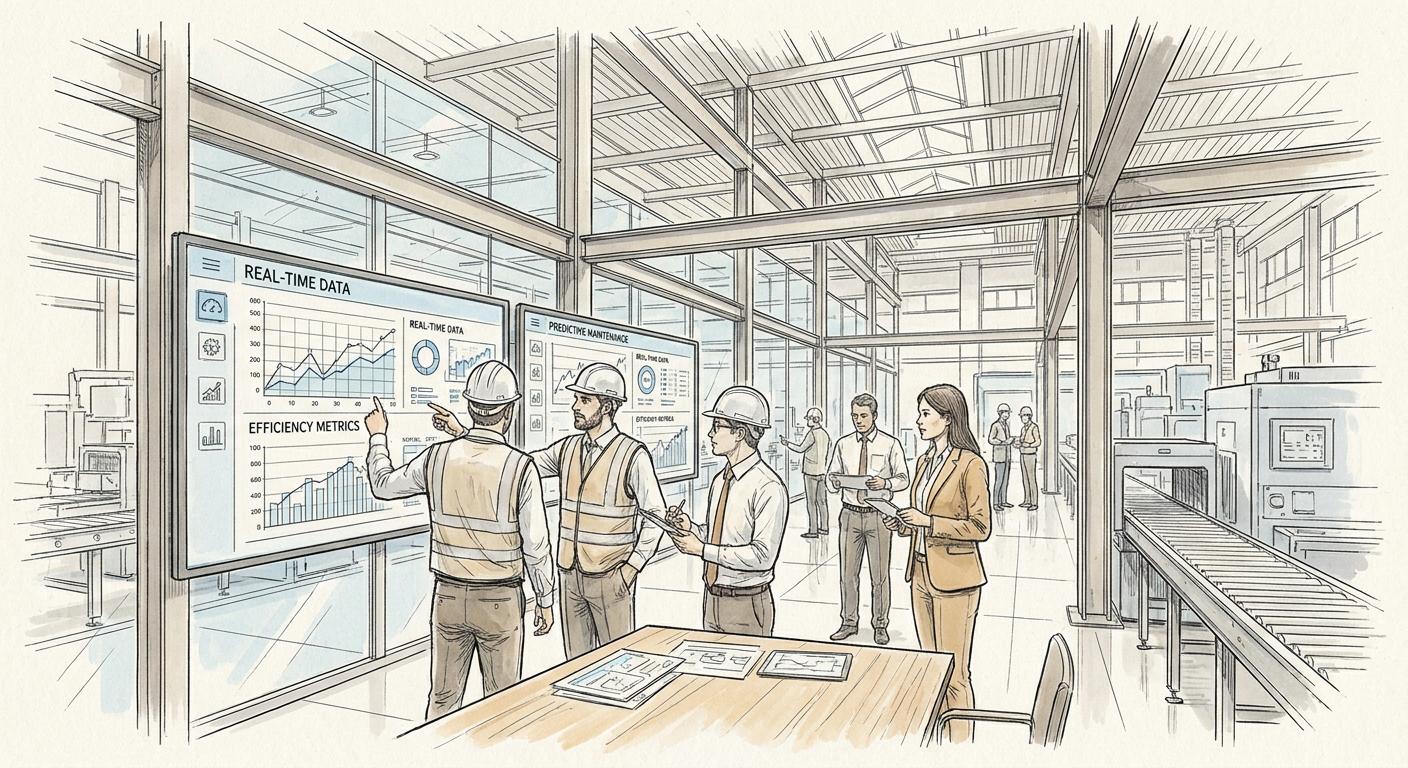
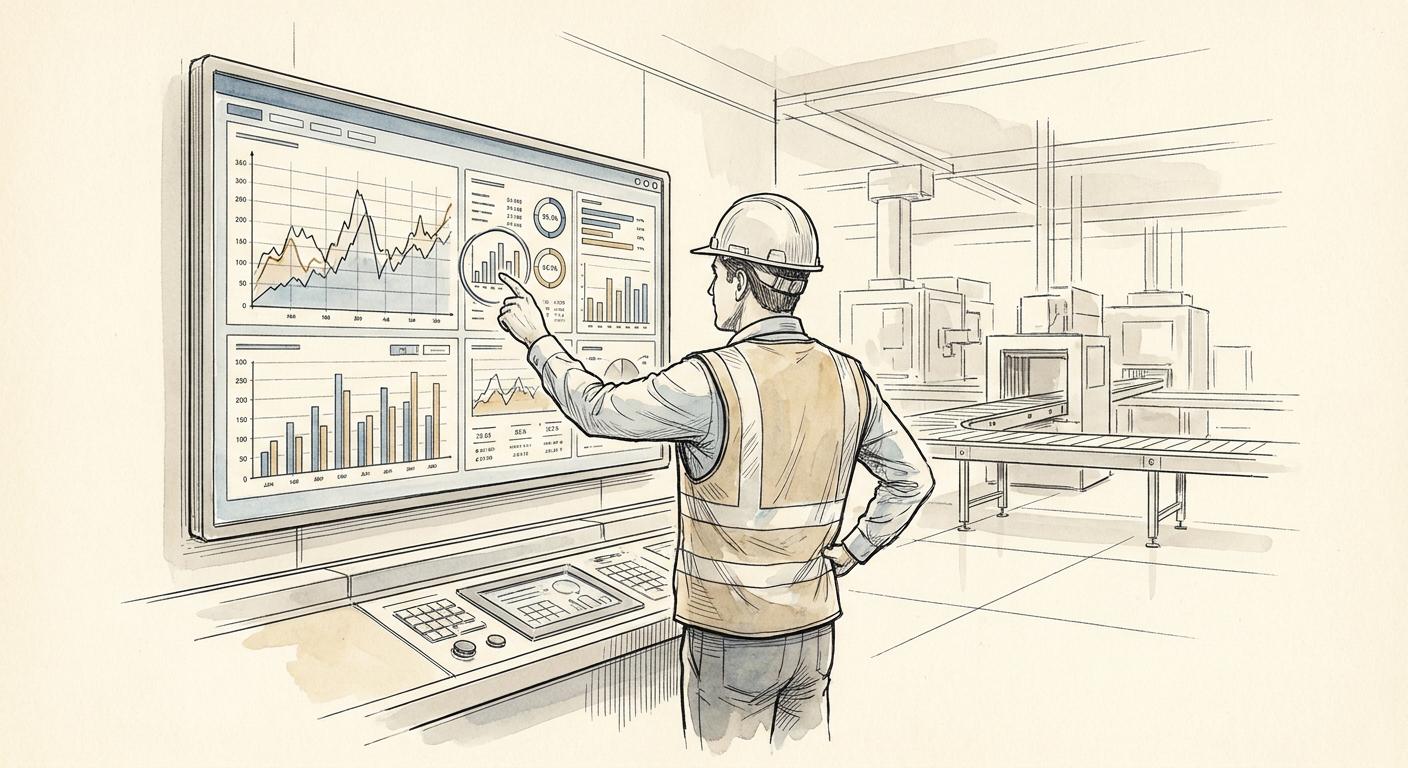
By utilizing industrial IoT predictive analytics, AI models analyze vibration, temperature, and torque data from PLCs to detect anomalies. Instead of a catastrophic failure during a critical run, the system alerts the plant manager to a 90% probability of bearing failure within the next 48 hours. This allows for a scheduled 20-minute intervention during a shift change rather than an eight-hour emergency repair, directly protecting the week’s OTIF targets.
Dynamic Scheduling: Solving the Multi-Variable Production Puzzle
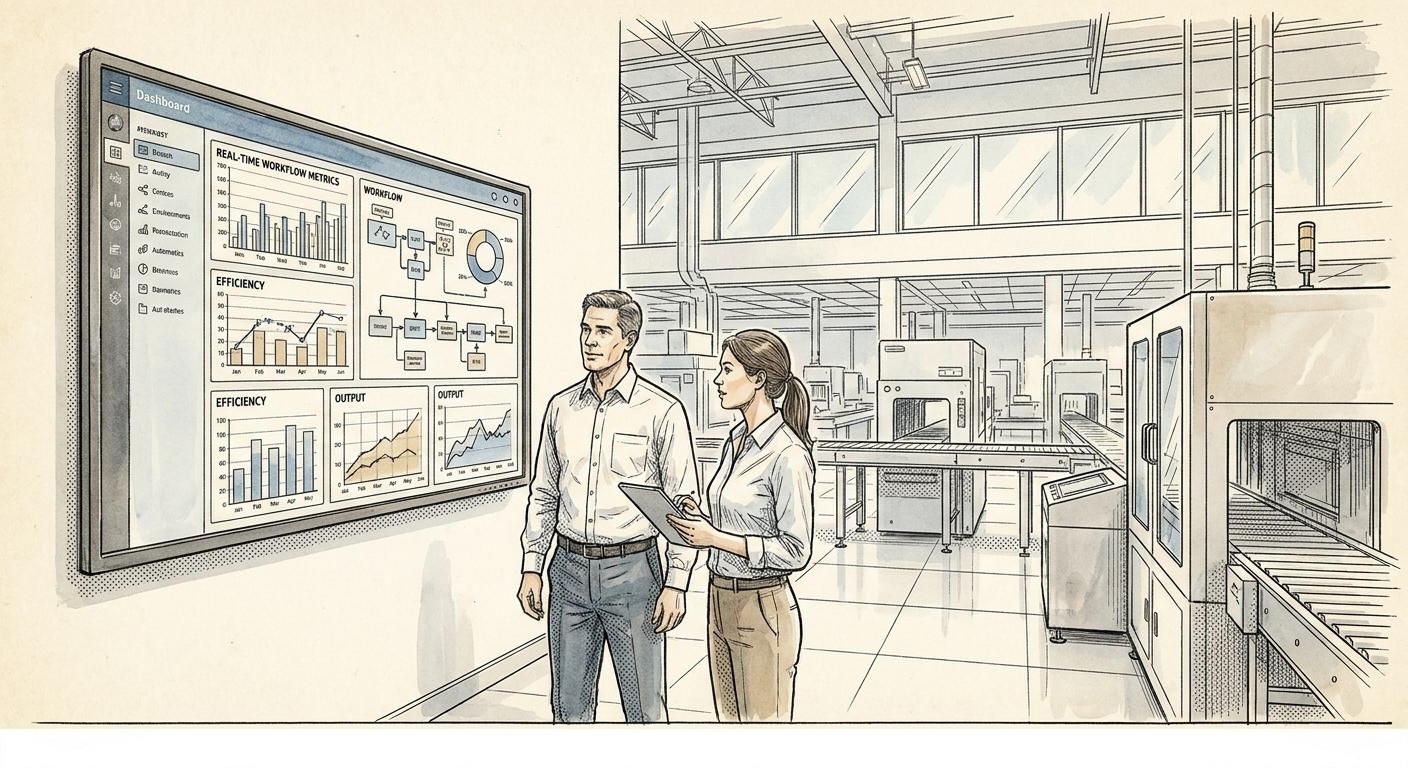
Dynamic Scheduling in AI refers to the automated, real-time adjustment of production sequences and resource allocation based on live data inputs such as machine status, labor availability, and material supply. Unlike traditional scheduling, it continuously re-optimizes the production path to maximize throughput and minimize changeover times without human intervention.
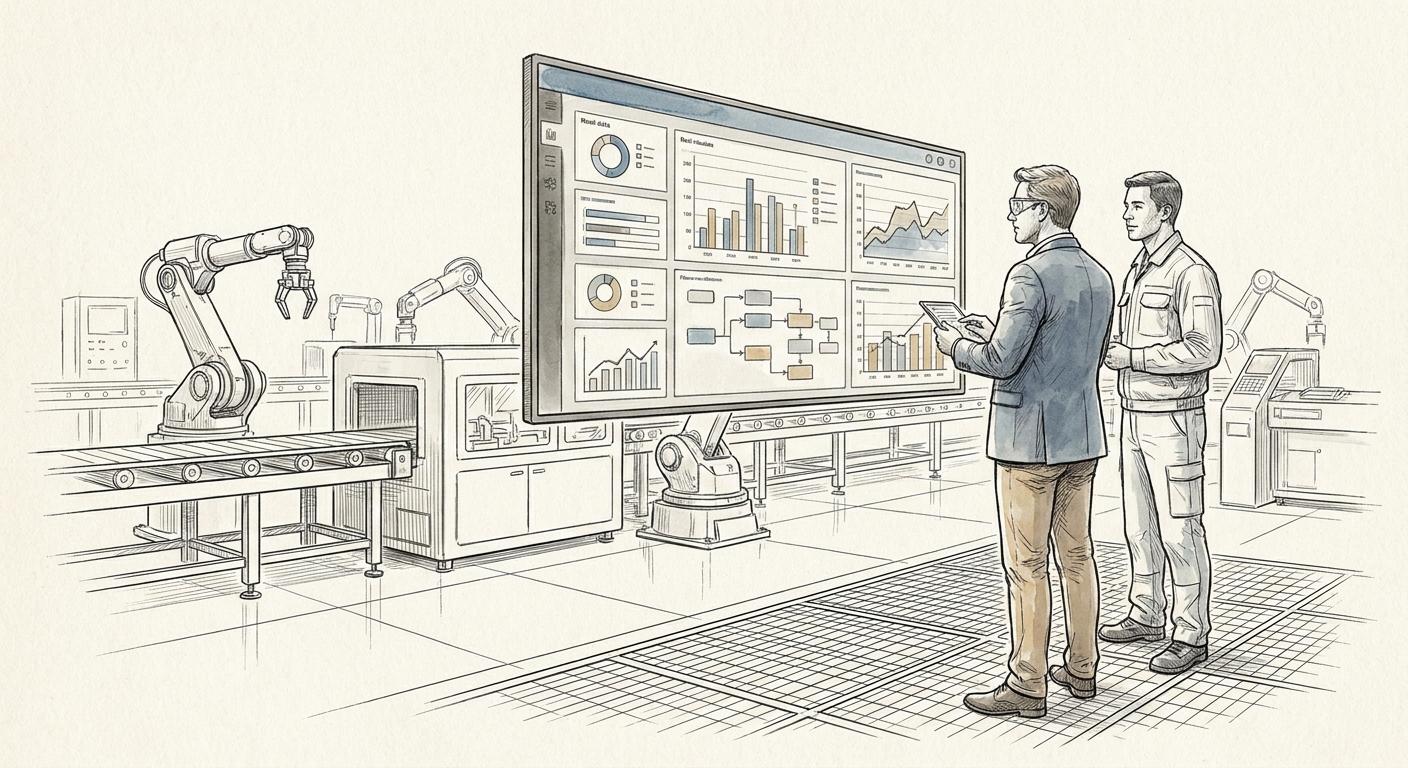
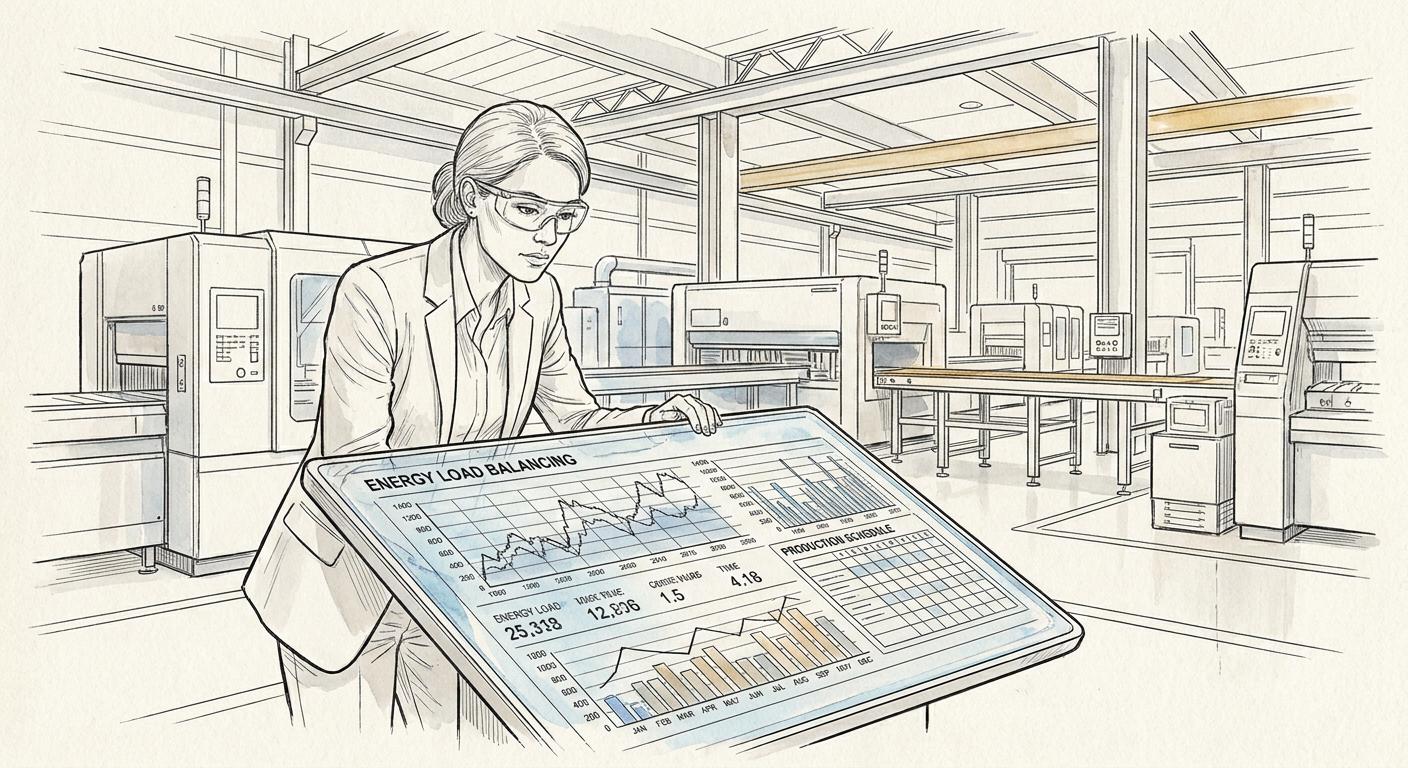
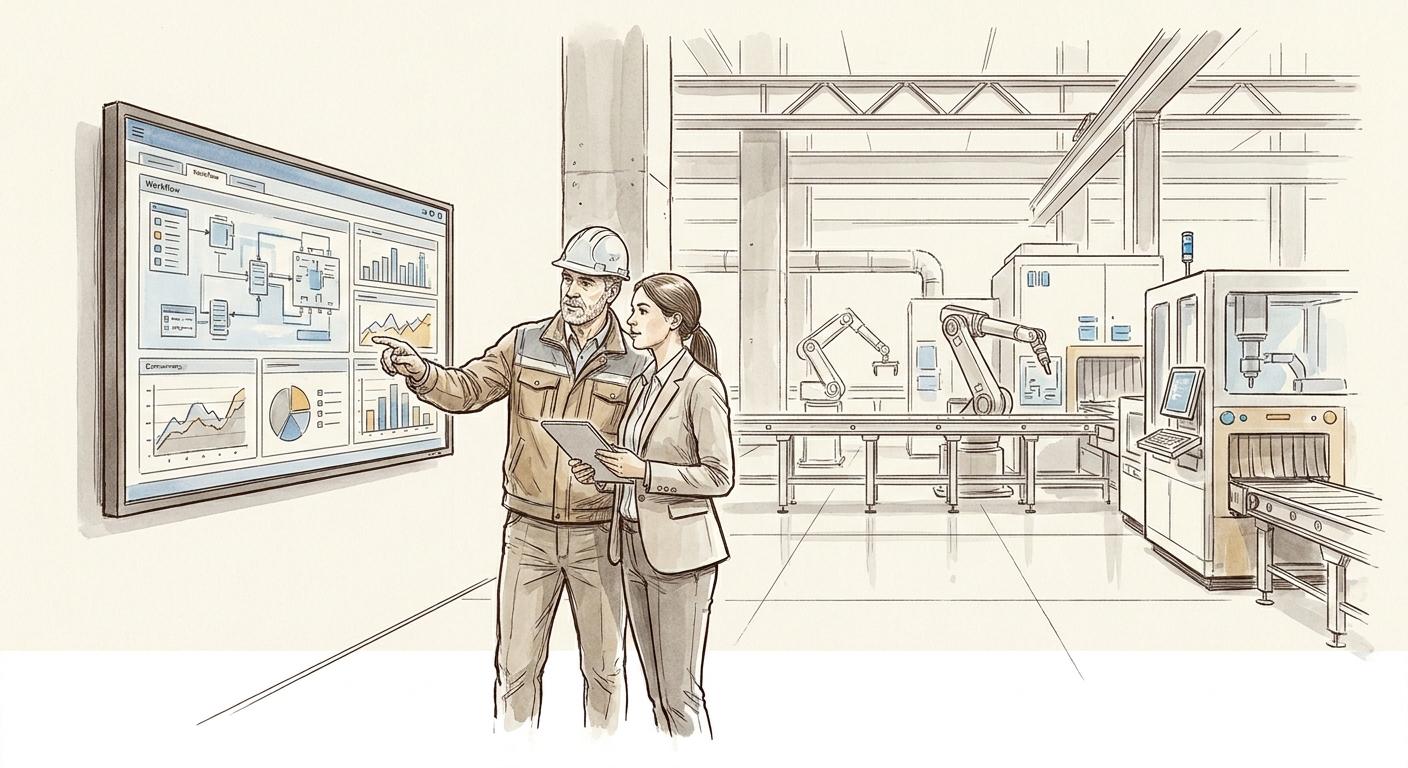
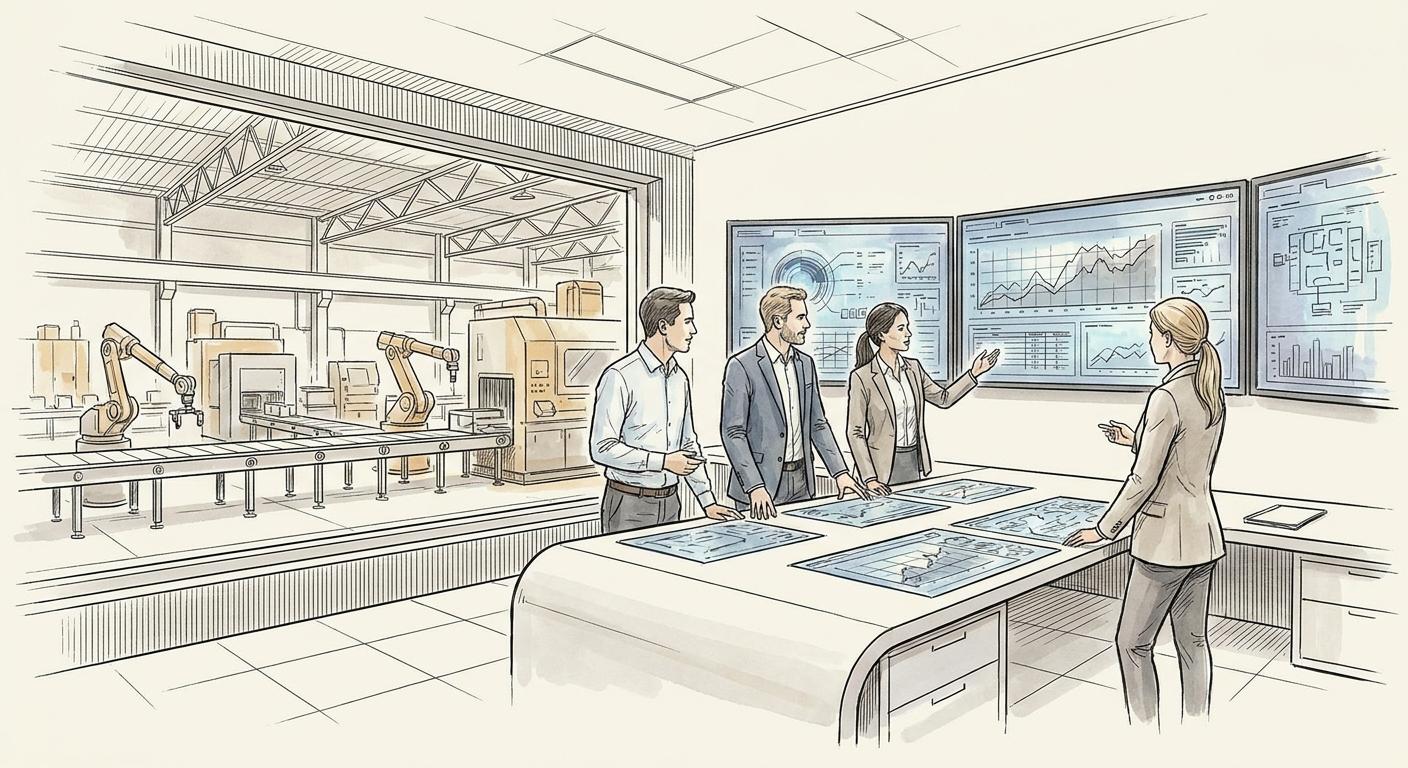
Implementing AI dynamic scheduling in manufacturing addresses the "multi-variable puzzle" that no scheduler can solve manually in real-time. If a specific technician calls in sick or a raw material delivery is delayed by four hours, the AI immediately recalculates the optimal run order across all lines. This ensures the plant maintains the highest possible value creation rate per hour, regardless of external disruptions. iForAI has seen this approach reduce manual coordination effort by 60%, allowing supervisors to focus on floor execution rather than spreadsheet updates.
Closing the Data Gap: Integrating OT and IT for a Single Source of Truth
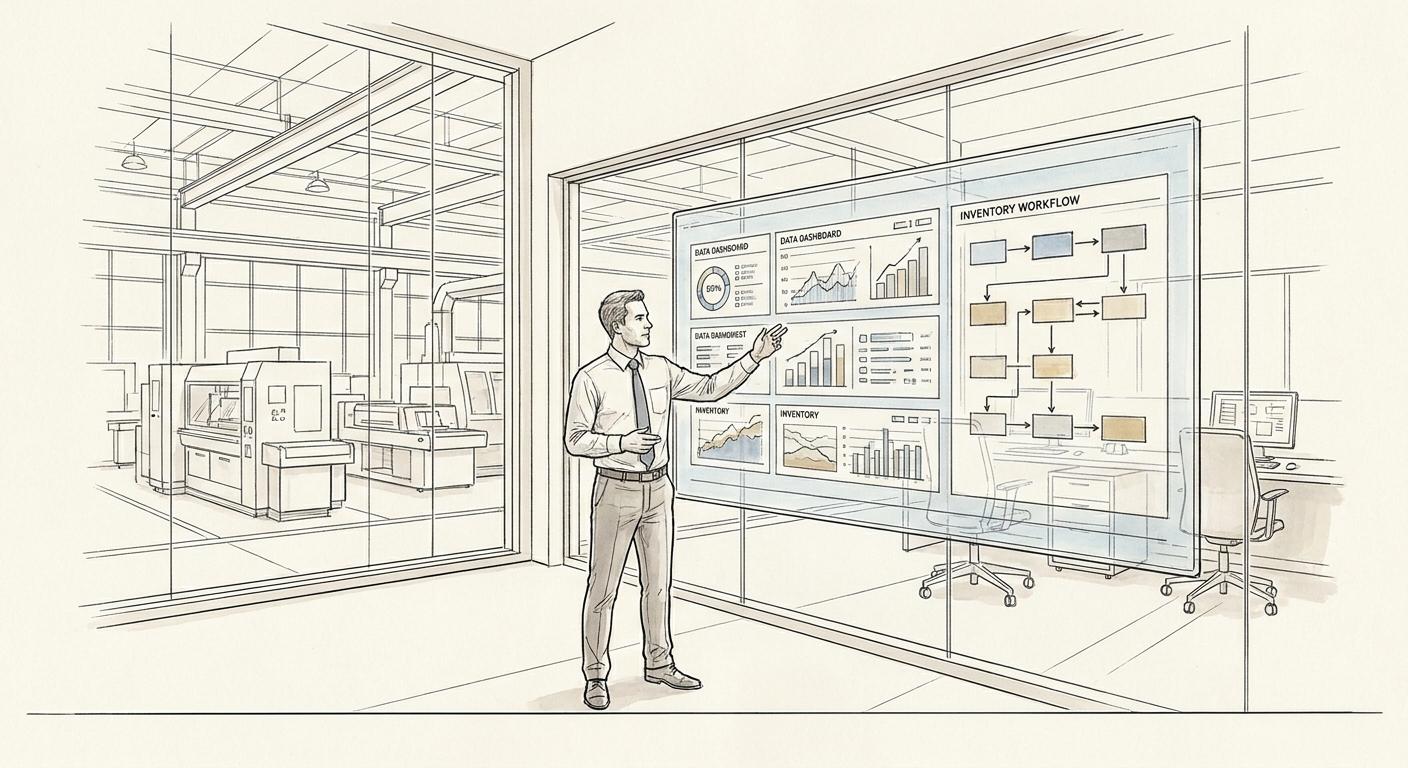
The "delayed execution truth" is a common pain point where the front office sees production numbers 24 hours after they happen. This gap exists because of poor ERP-MES integration. To achieve exit readiness and higher multiples, a portfolio company must demonstrate that its operational data is transparent and actionable.
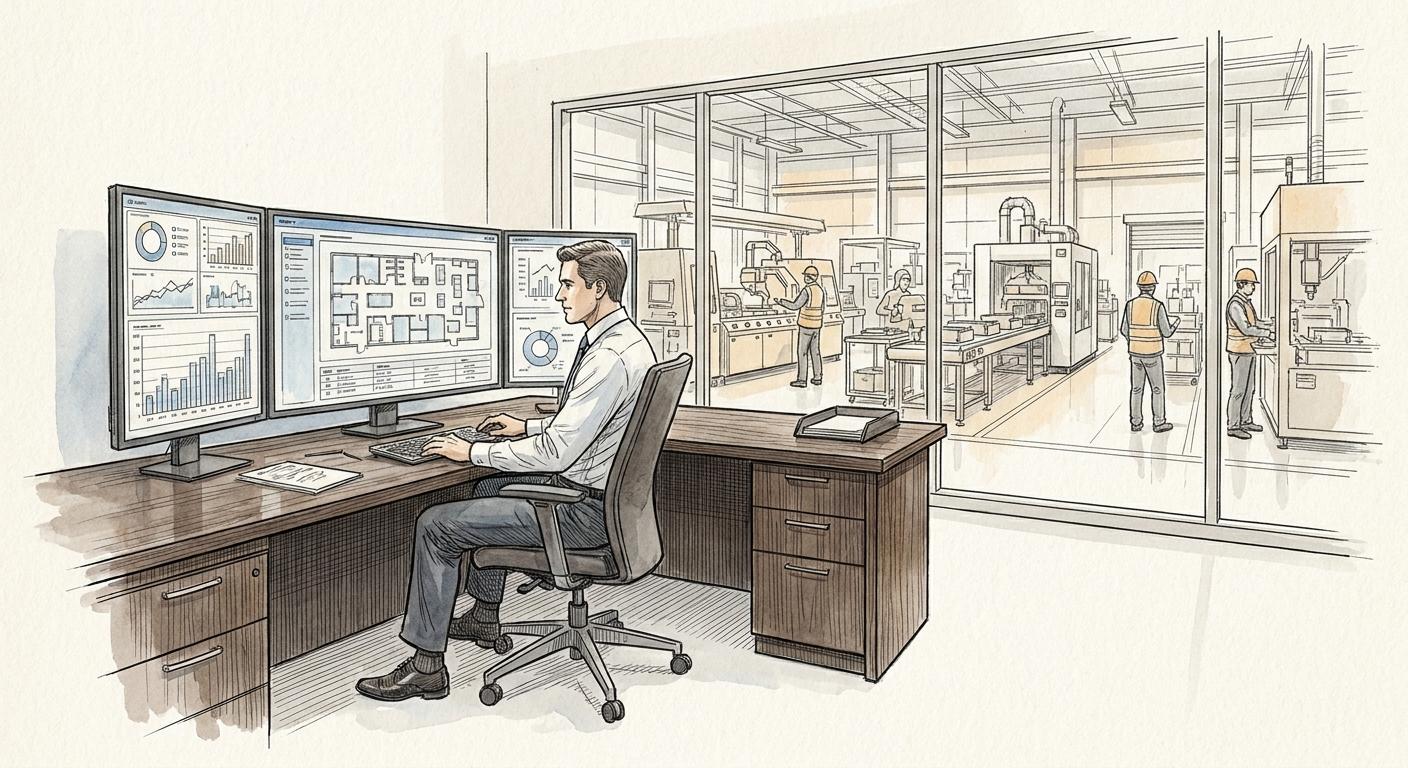
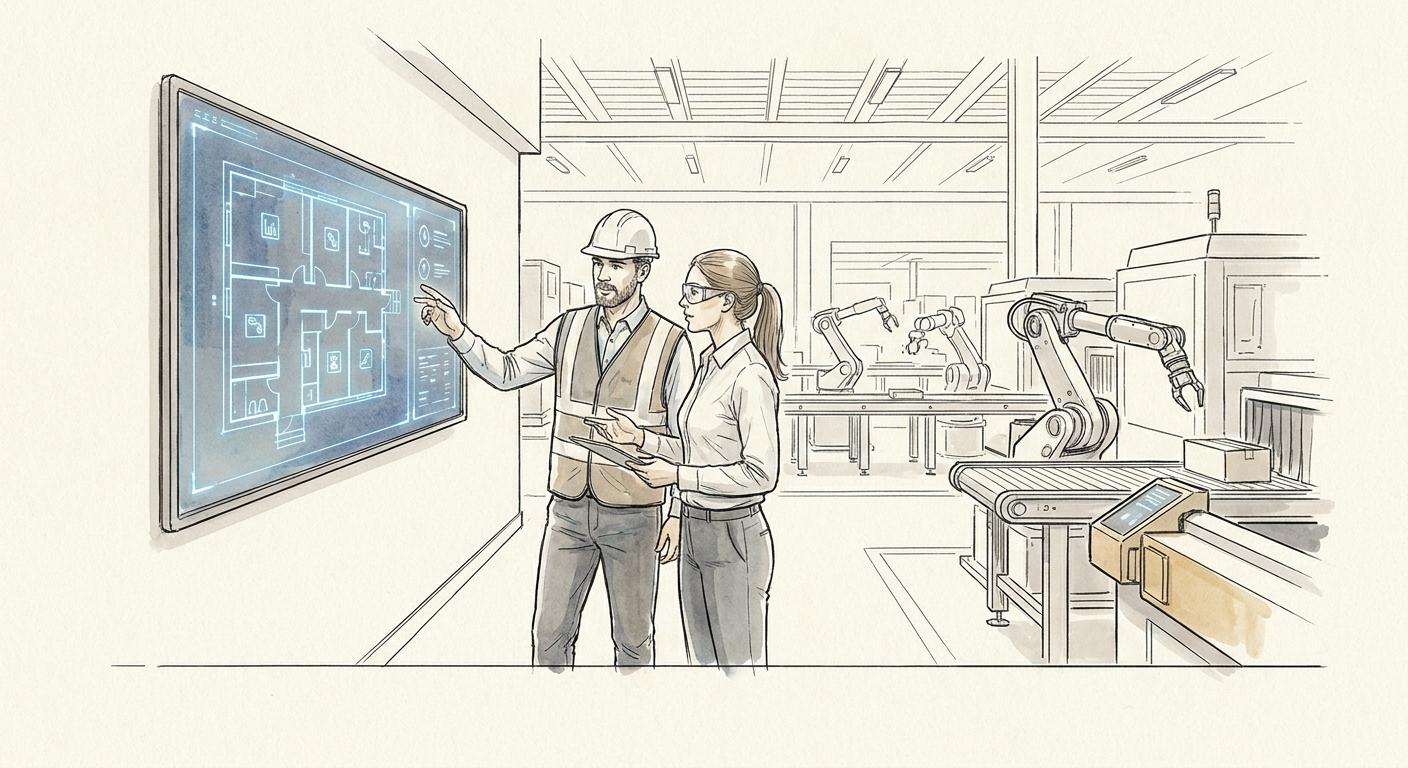
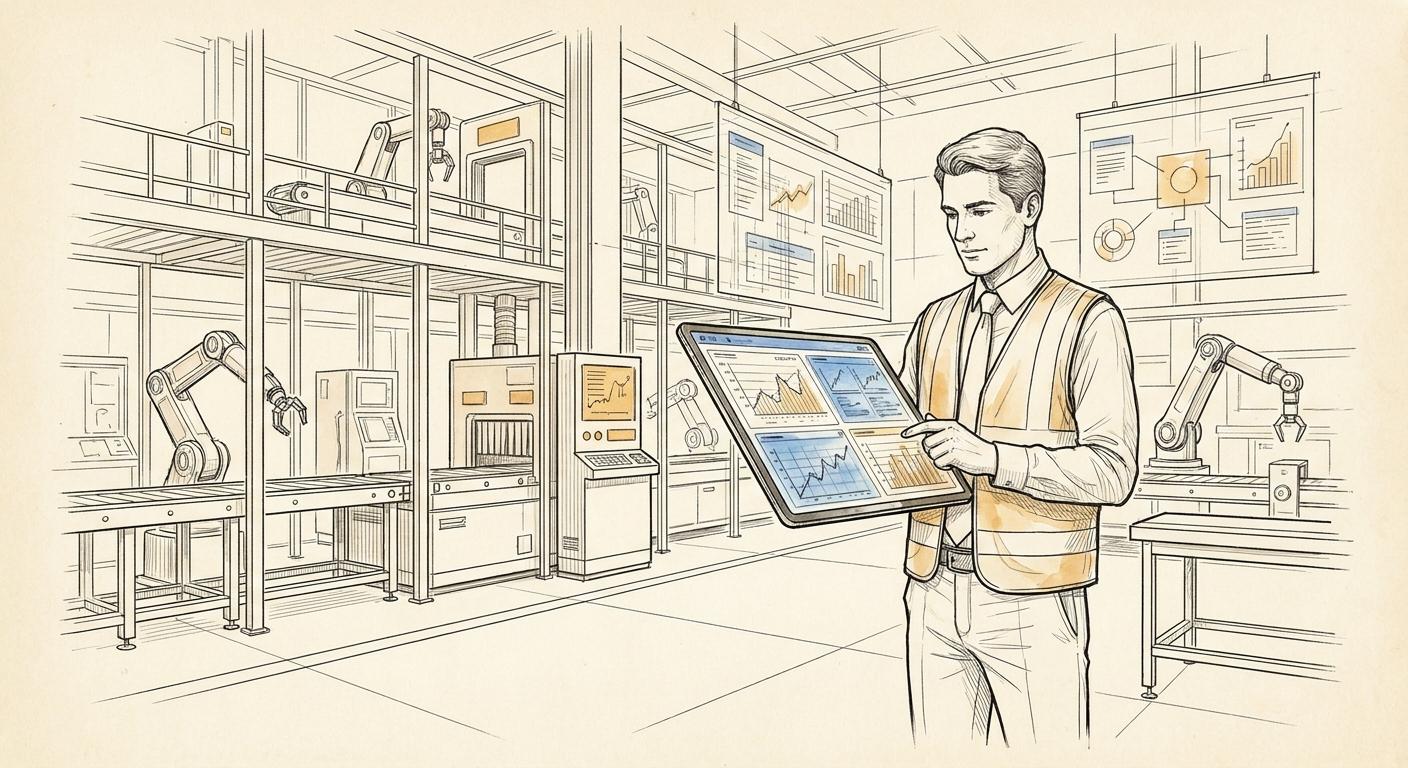
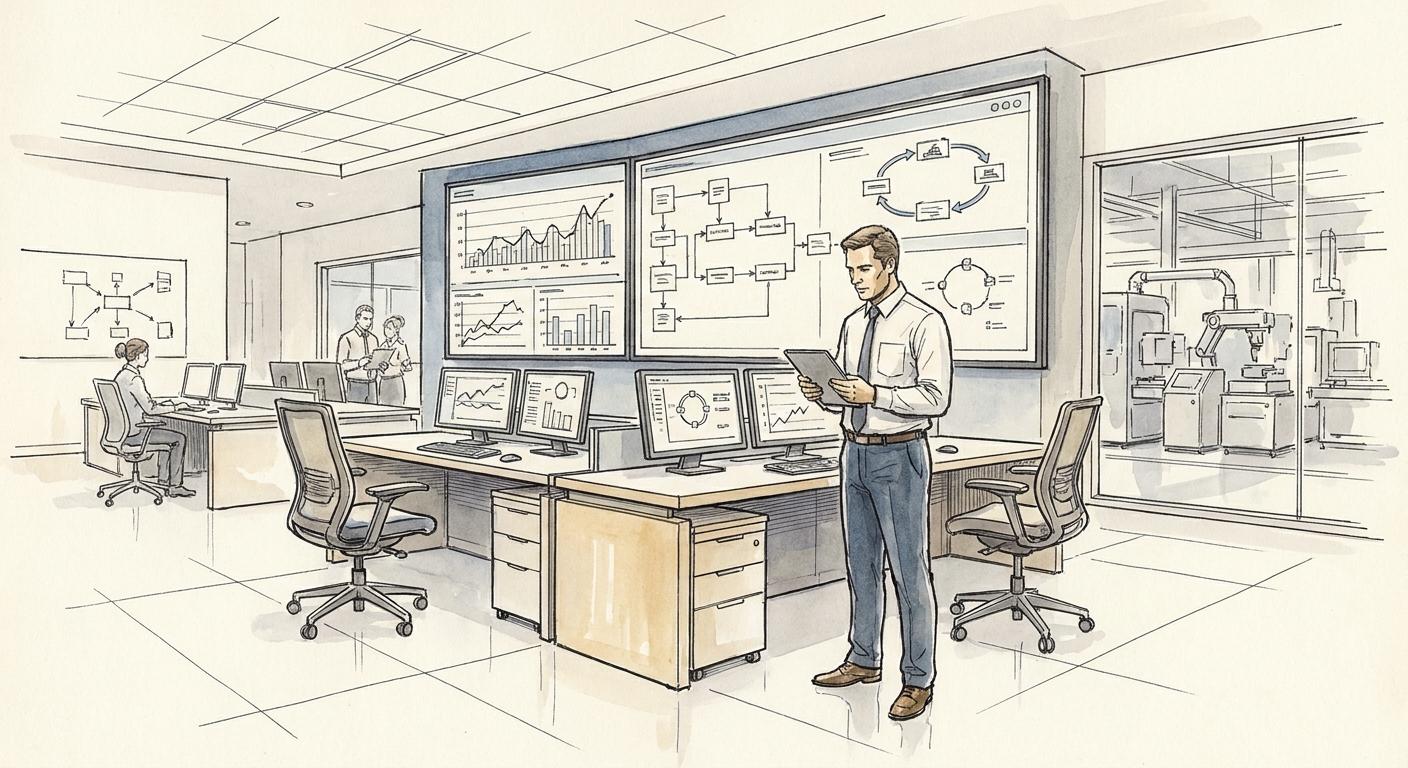
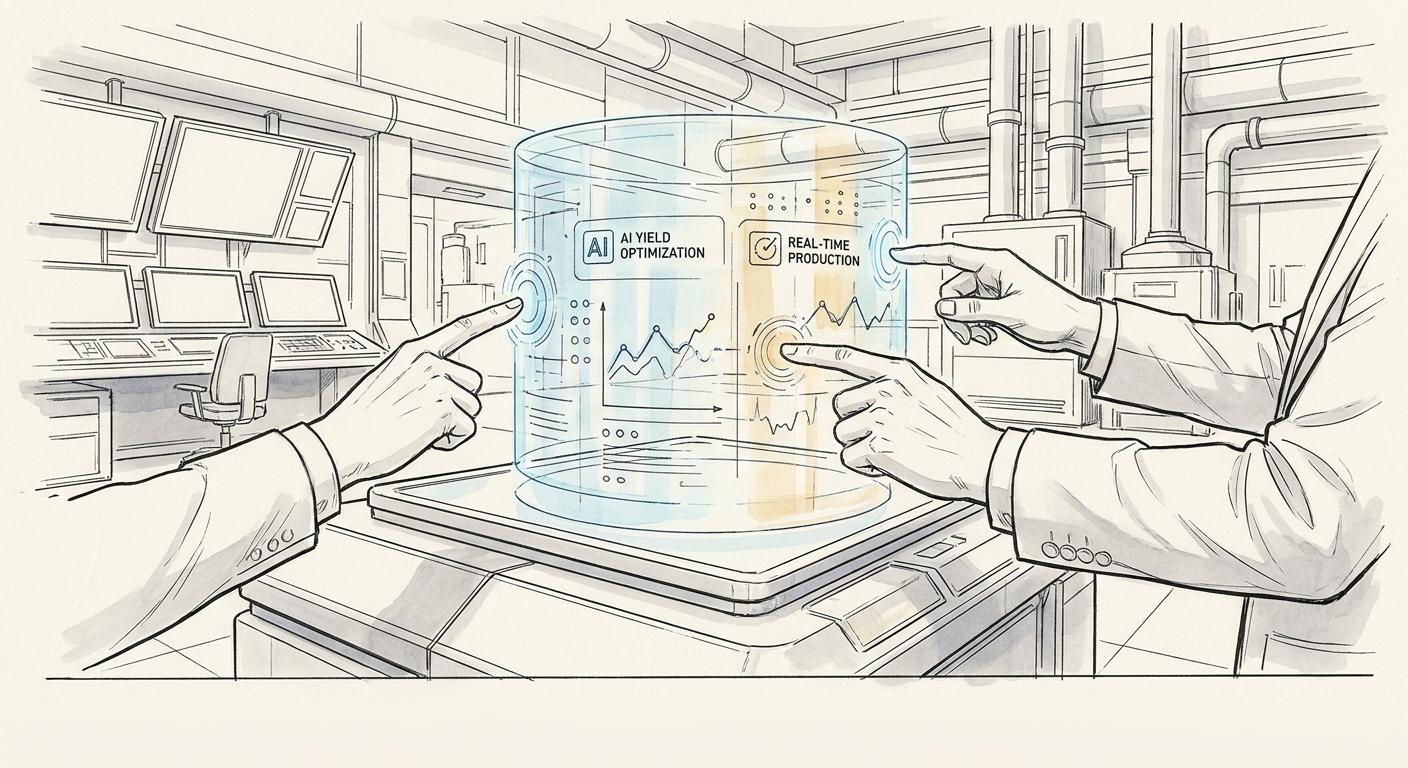
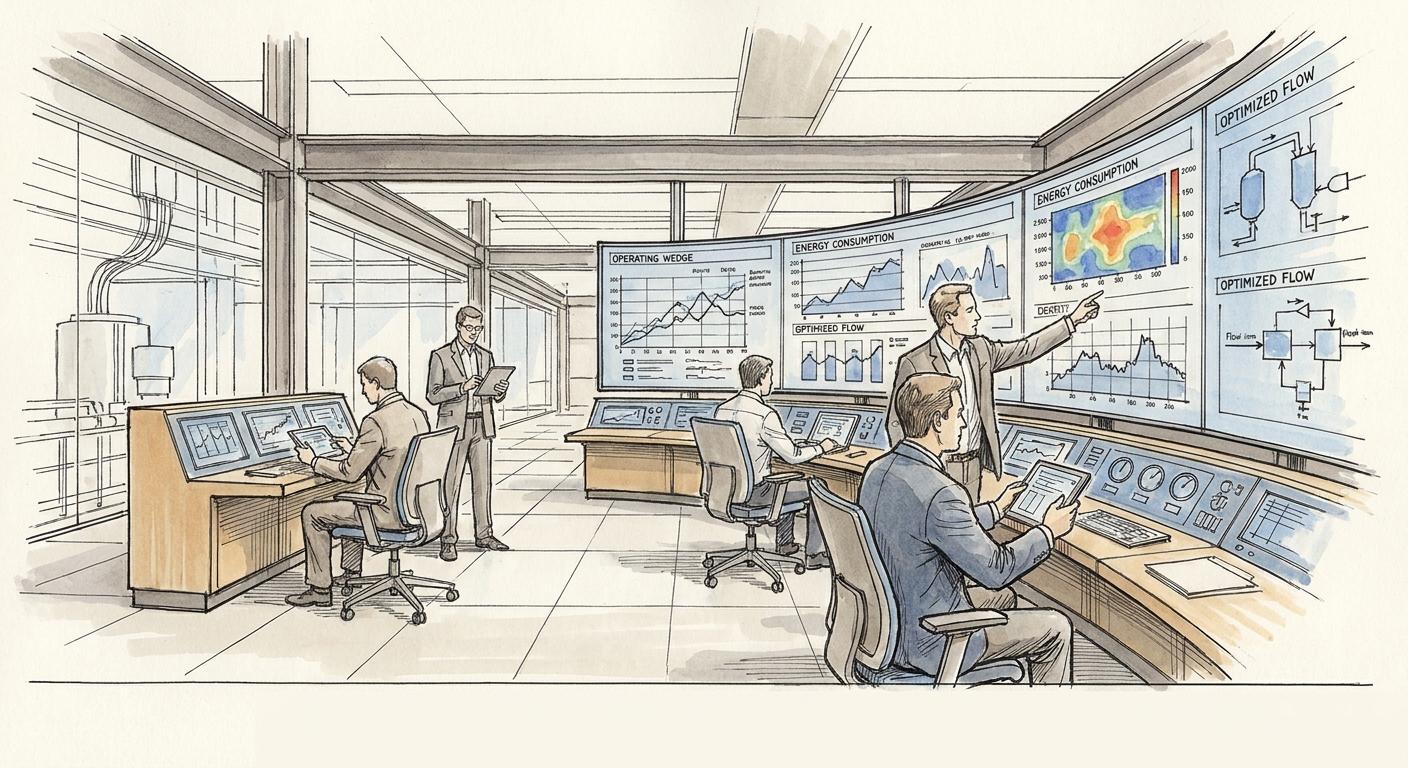
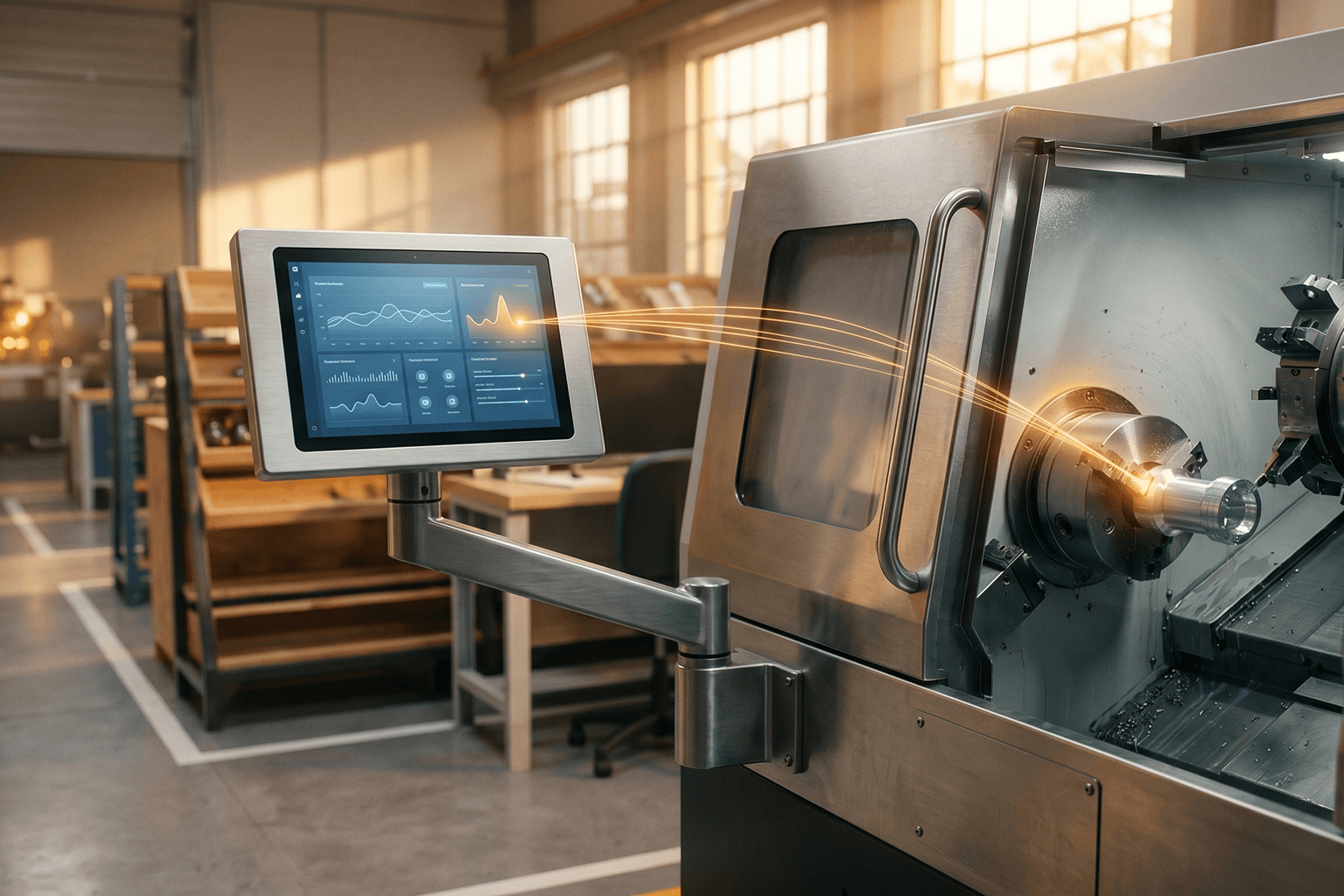
Bridging the gap between Operational Technology (OT) and Information Technology (IT) involves feeding PLC and sensor data into a centralized AI layer. This creates a single source of truth where estimate-vs-actual performance is visible in real-time. When executive-level reporting is tied directly to the pulse of the machines, leadership can make capital allocation decisions based on empirical AI maturity rather than anecdotal evidence from the plant floor.
The 90-Day Execution Roadmap: From Discovery to a Production-Ready Use Case
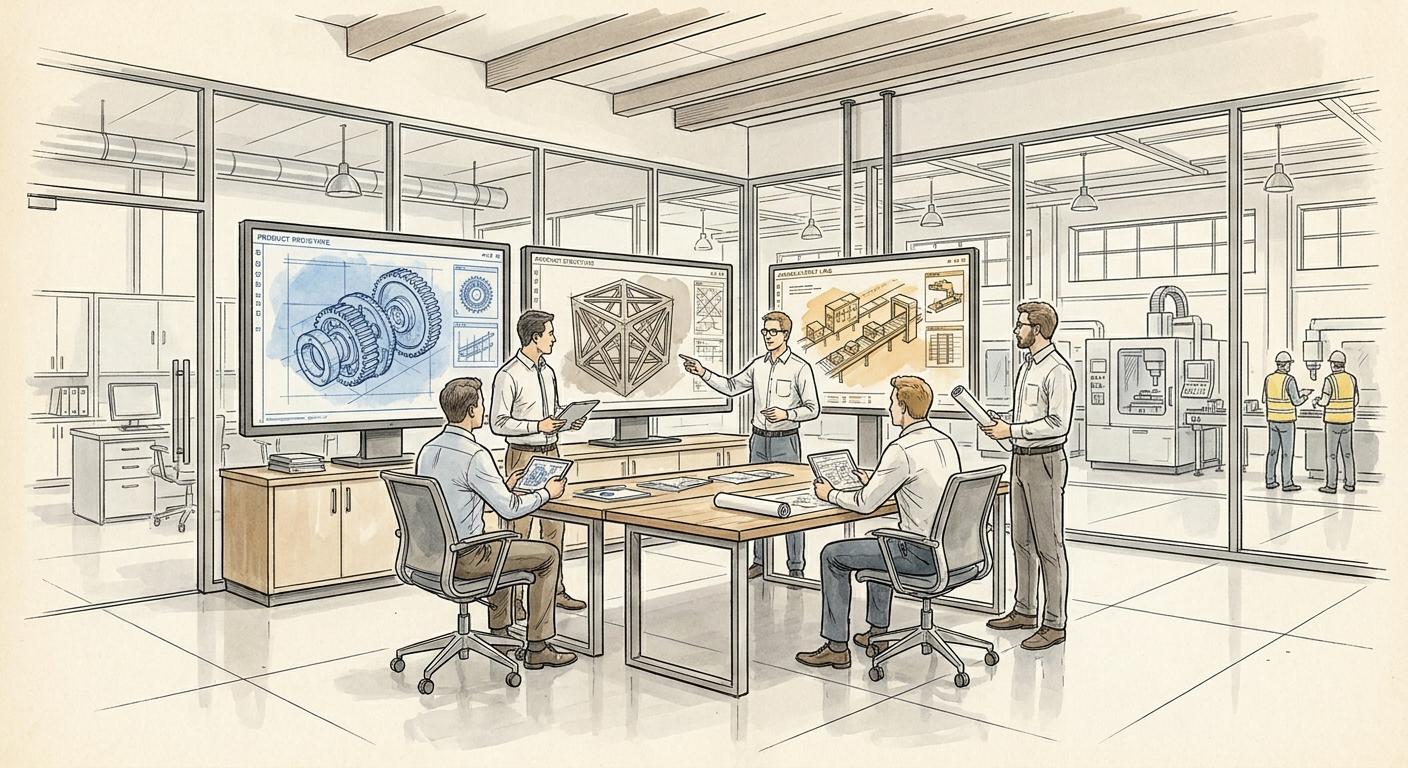
Deploying AI does not require a multi-year overhaul of your existing infrastructure. The most effective way to realize time-to-value is through a targeted, 8-to-12-week implementation focused on a single high-impact production line or bottleneck.
- Discovery (Weeks 1-2): Identify the "Golden Line" where downtime or throughput issues have the highest impact on EBITDA improvement.
- Data Extraction (Weeks 3-5): Connect to existing MES or PLC outputs to establish a data baseline without replacing existing systems.
- Model Training (Weeks 6-8): Deploy machine learning models to identify patterns in downtime and throughput inhibitors.
- Production & Upskilling (Weeks 9-12): Move the use case into the live environment. Training the plant staff is critical; we have trained over 1,500 employees to ensure that AI tools are adopted rather than ignored.
This focused approach provides a repeatable AI playbook that can be scaled across other lines or different facilities within a PE portfolio, ensuring a consistent value creation strategy.
FAQ
How long does it take to see an ROI on AI for production throughput? Measurable results in OEE or downtime reduction are typically visible within 60 to 90 days. By focusing on a specific, data-rich production line for the initial pilot, manufacturers can identify and mitigate the primary causes of margin leakage quickly.
Do we need to replace our existing ERP or MES to use AI? No, AI acts as an execution layer that sits on top of your existing technology stack. It pulls data from ERPs and PLCs to provide actionable insights and real-time adjustments, enhancing the value of your current systems rather than replacing them.
What is the primary driver of OEE improvement when using AI? The primary driver is the reduction of "hidden" downtime and micro-stoppages. AI identifies the root causes of these minor disruptions - such as sub-optimal machine settings or sequencing errors - that human operators often overlook but which cumulatively impact throughput.
How does AI help with labor shortages in manufacturing? AI-driven dynamic scheduling optimizes the deployment of the available workforce. By matching the specific skills of the present staff to the most critical production tasks in real-time, plants can maintain high throughput even when headcount is below target.
Optimizing production throughput requires moving from historical reporting to real-time predictive execution. By addressing the gap between the ERP and the shop floor, manufacturers can secure a 5-10% OEE lift and significant EBITDA growth.
Book a Manufacturing Diagnostic at ifor.ai/solutions/manufacturing