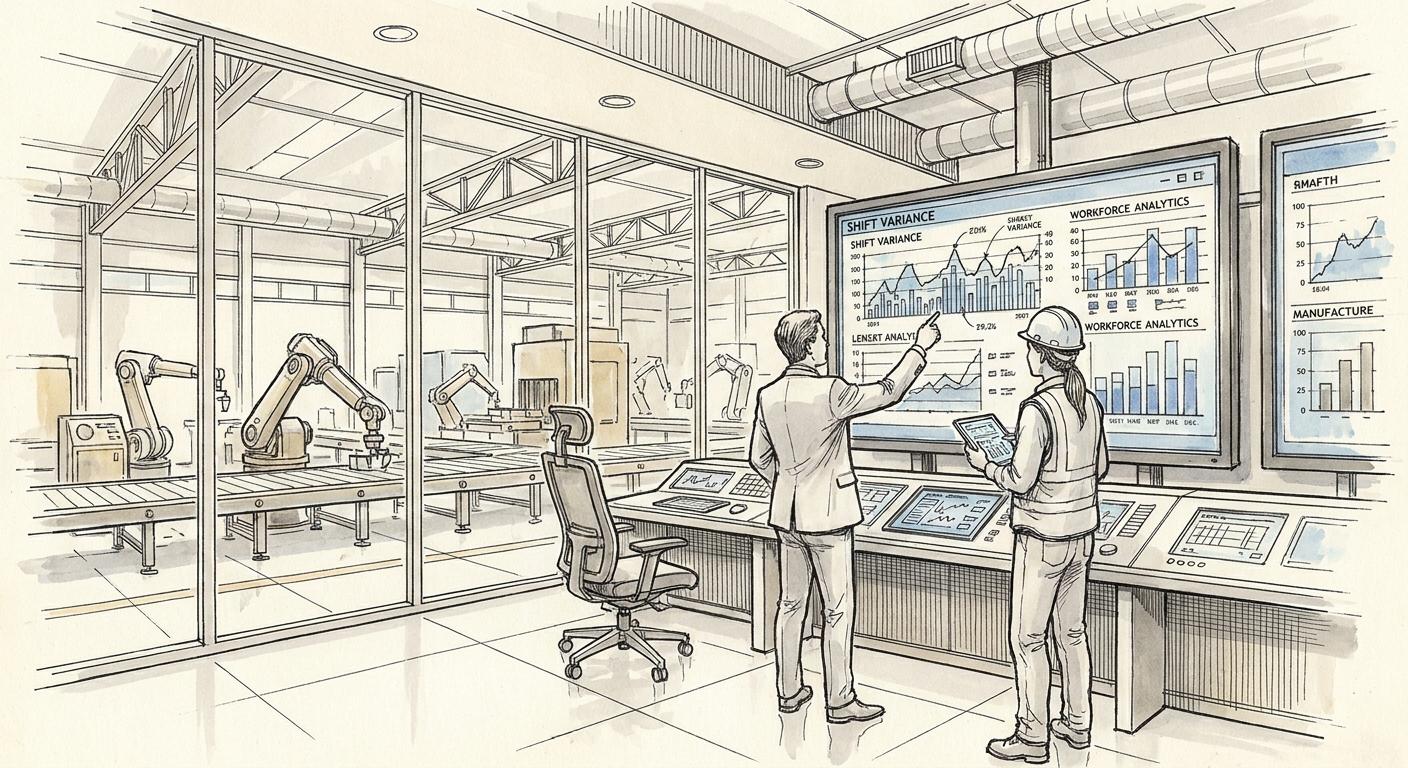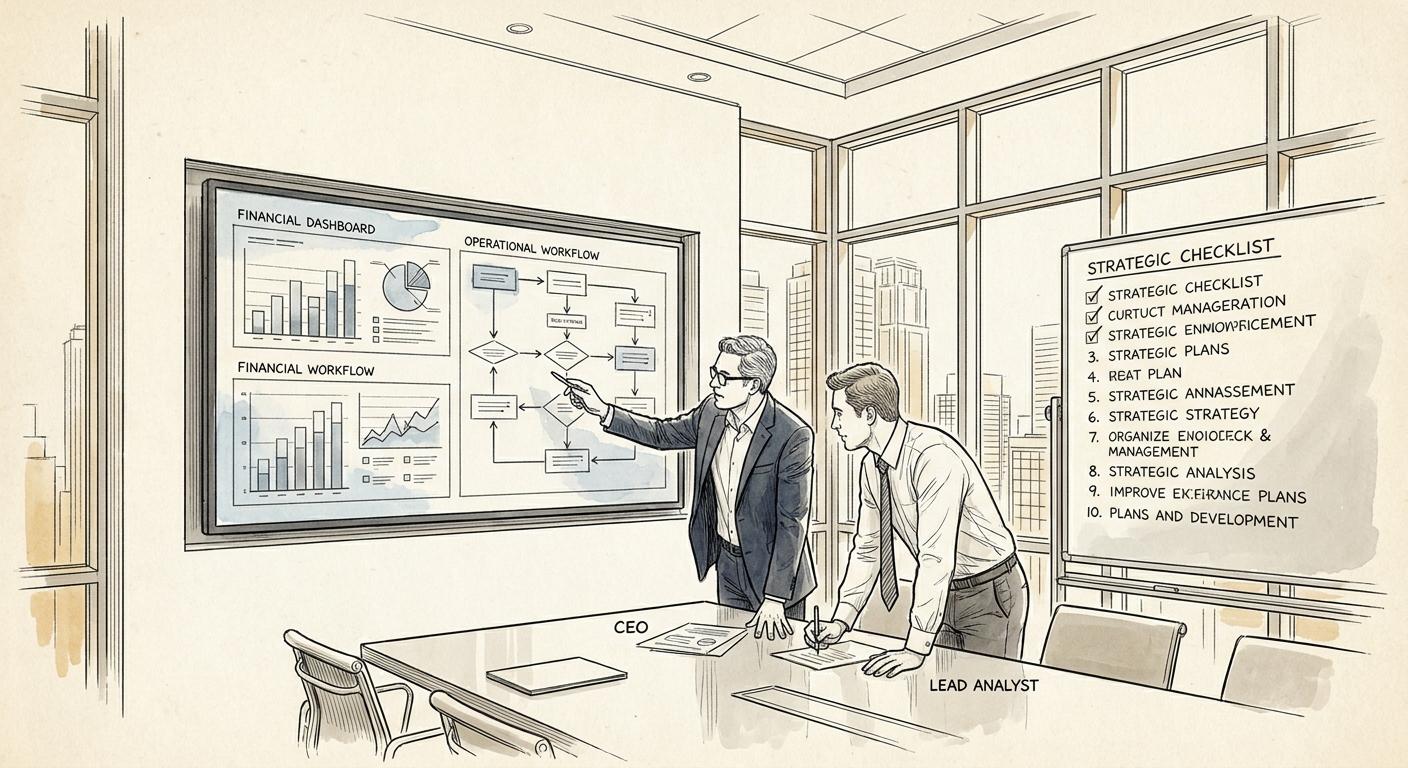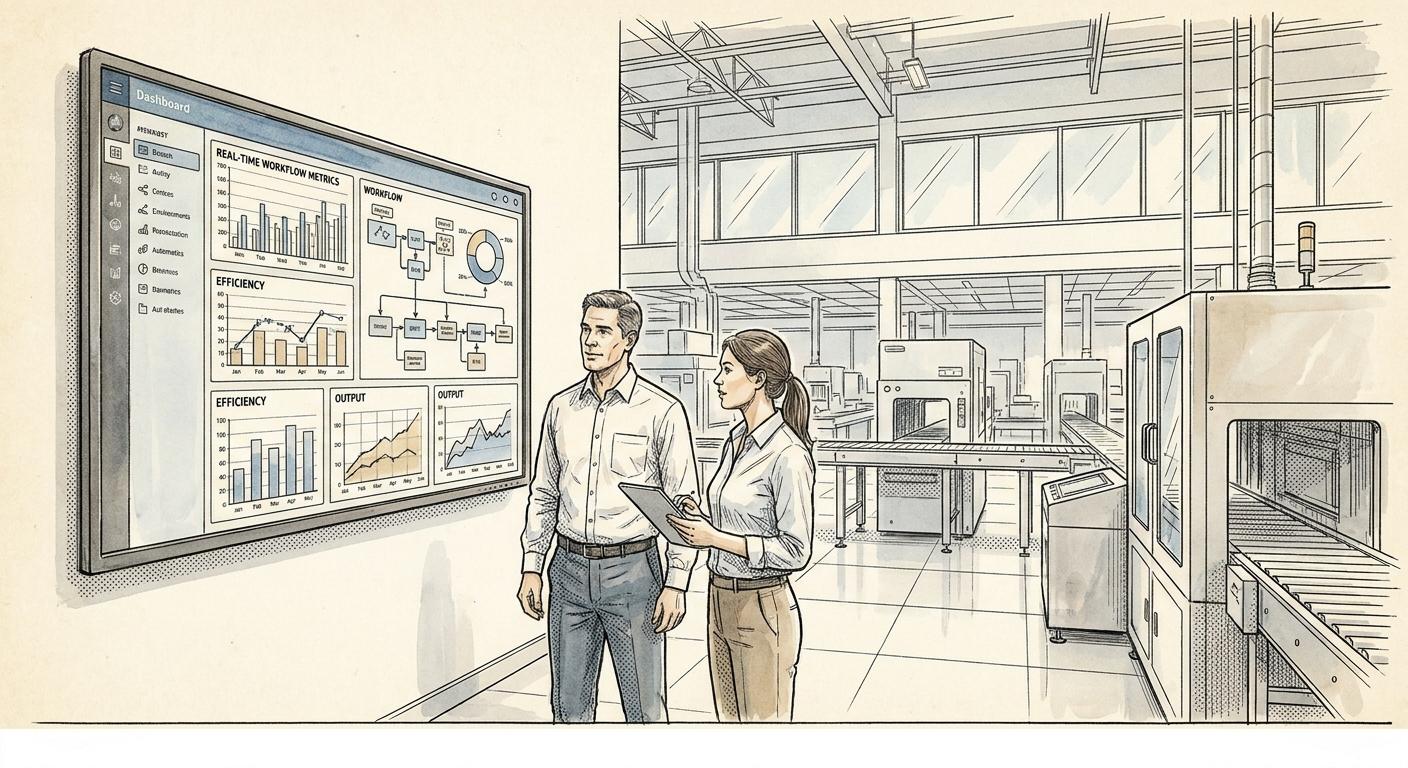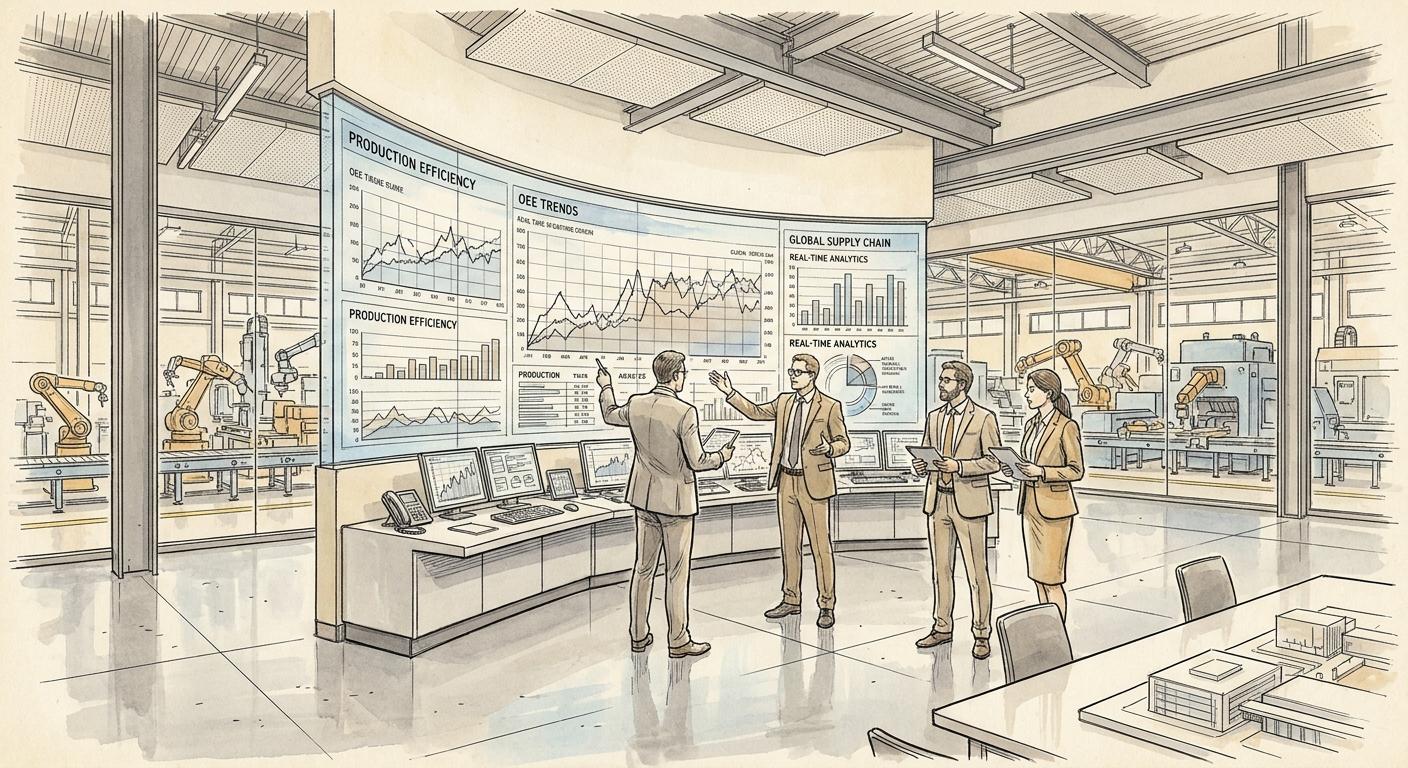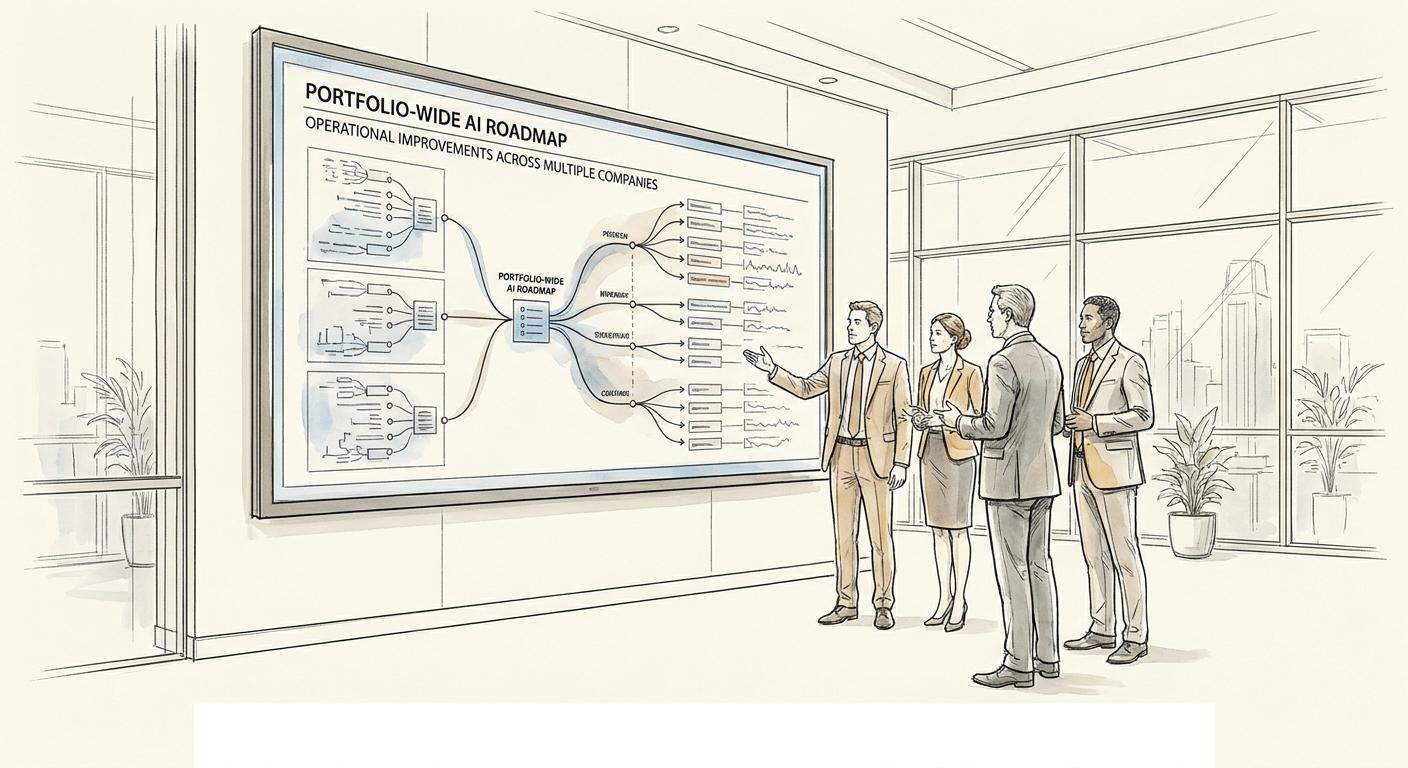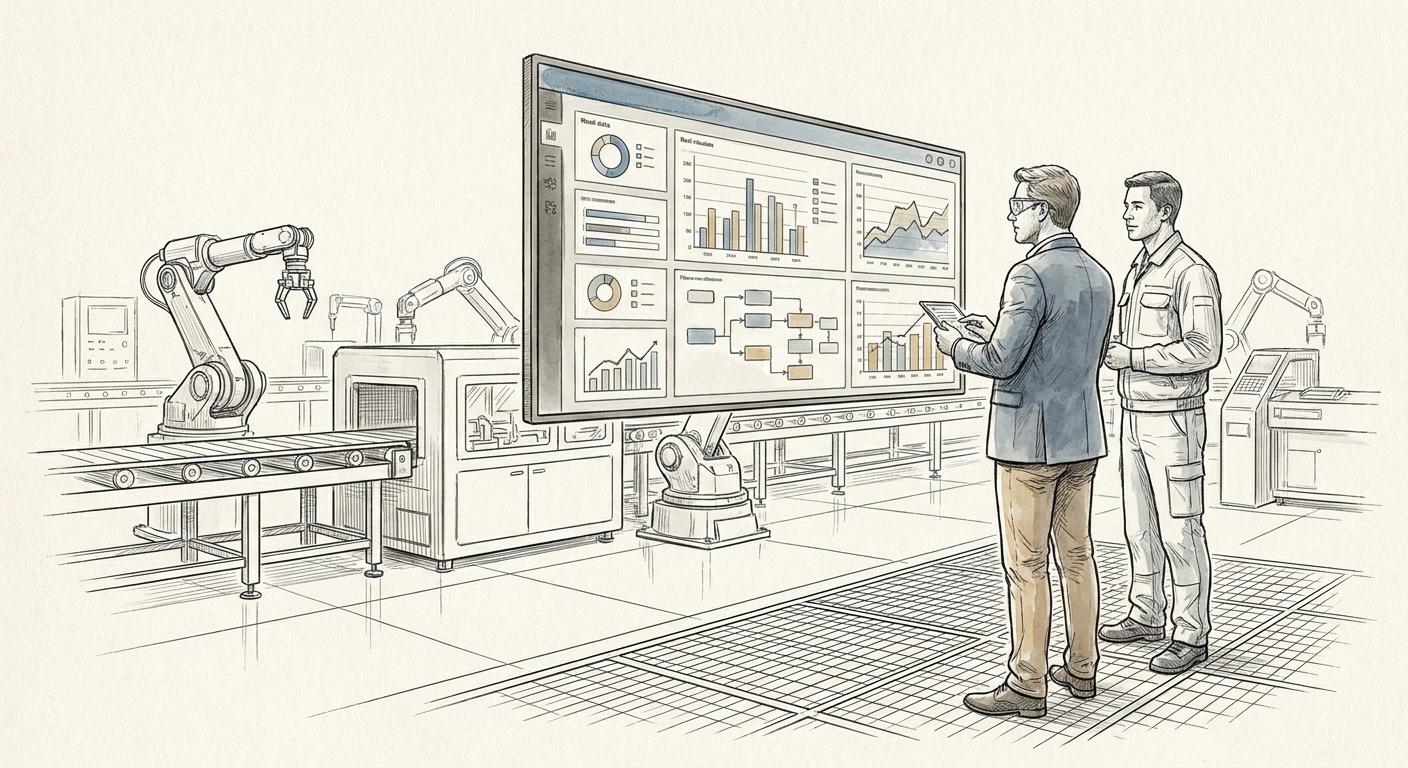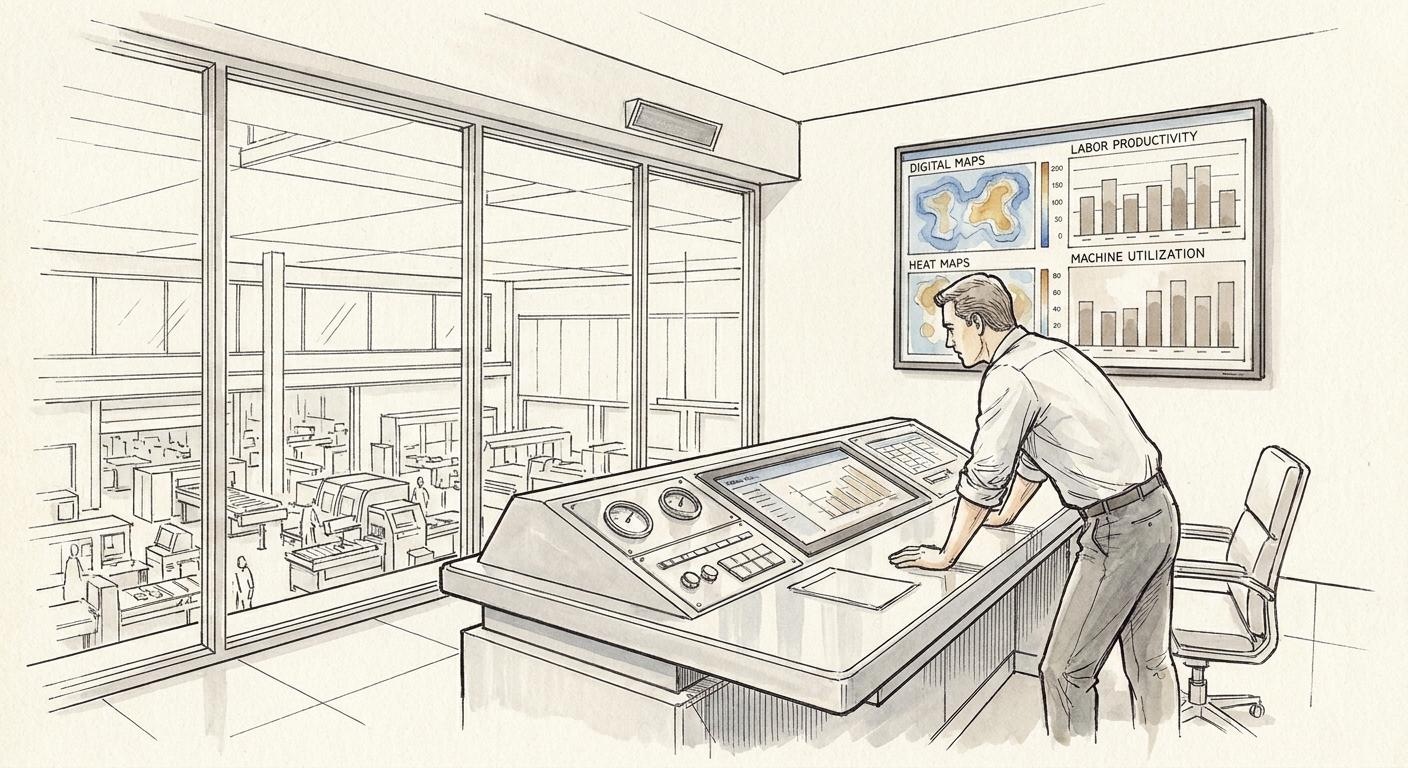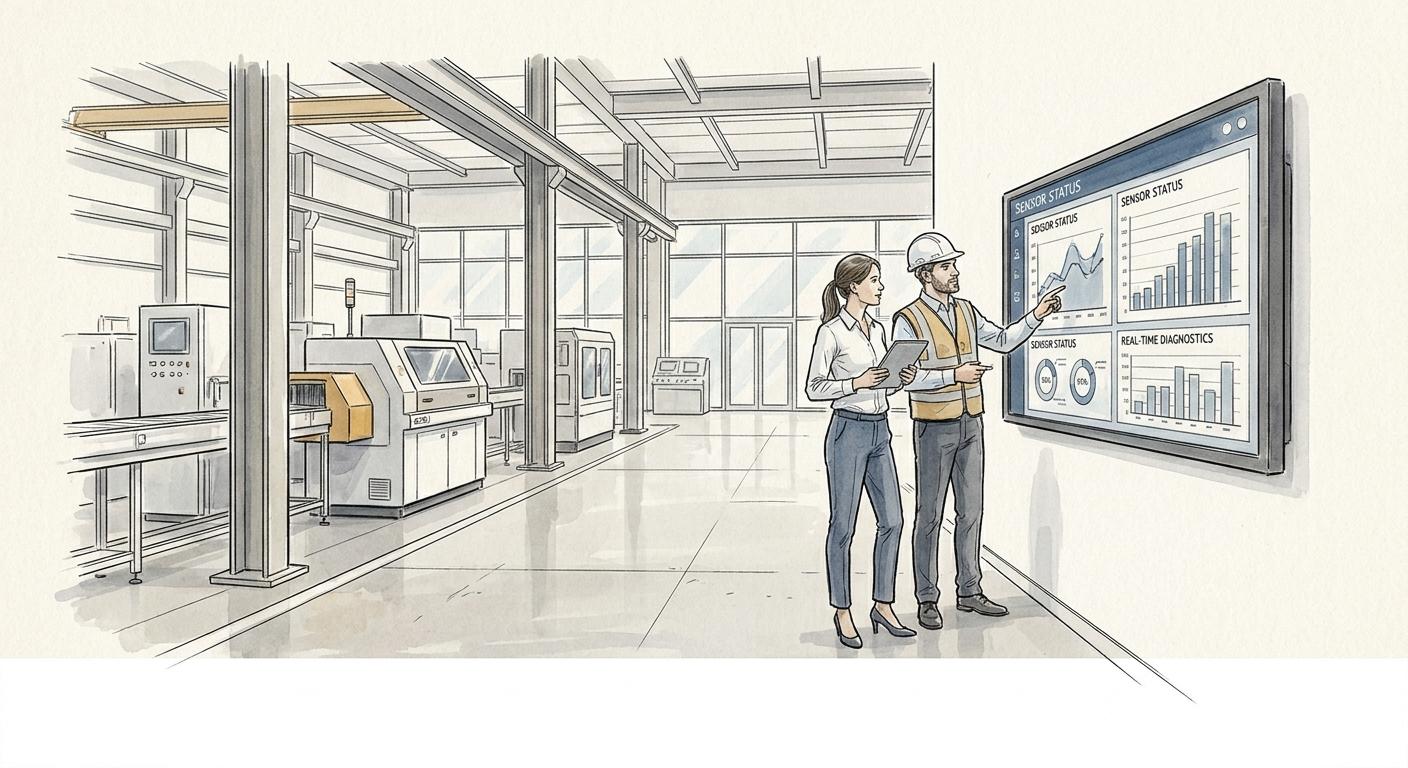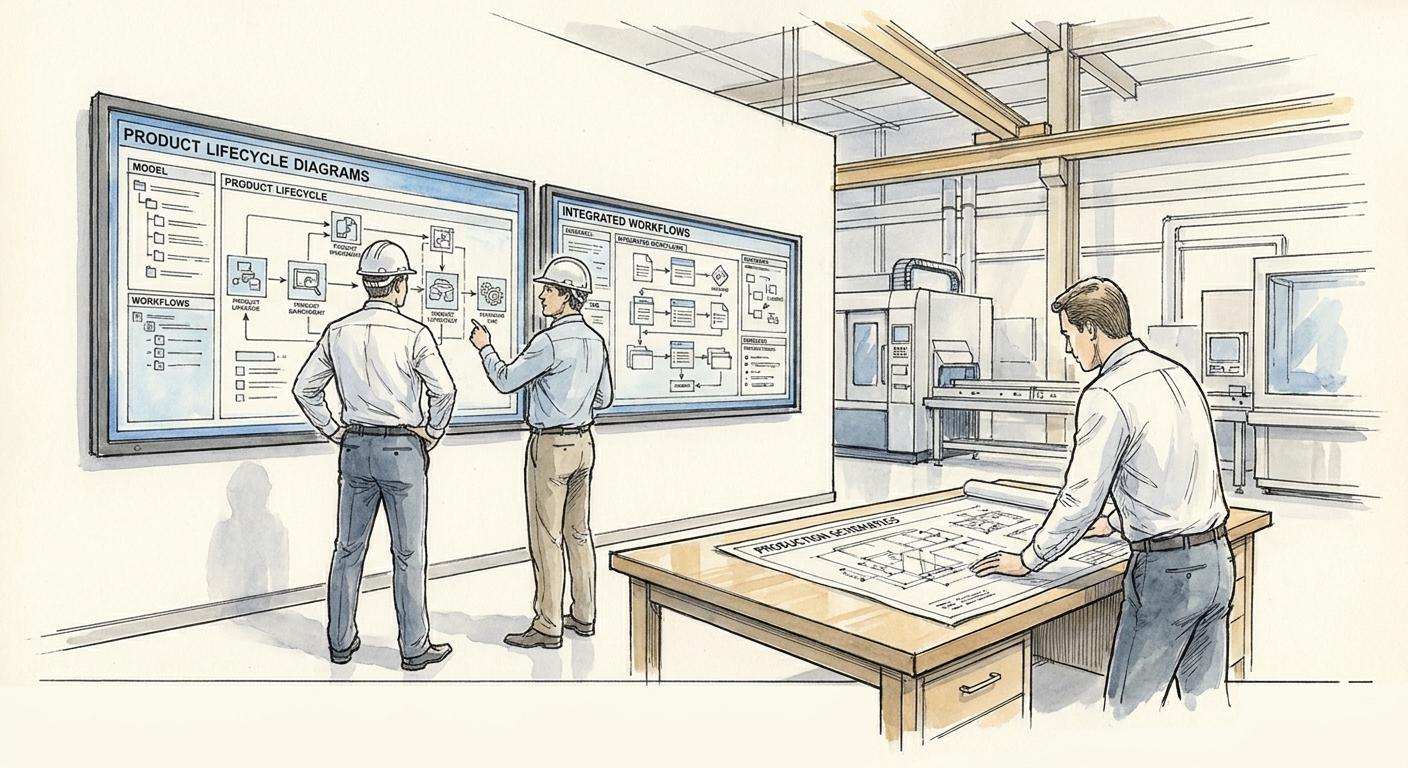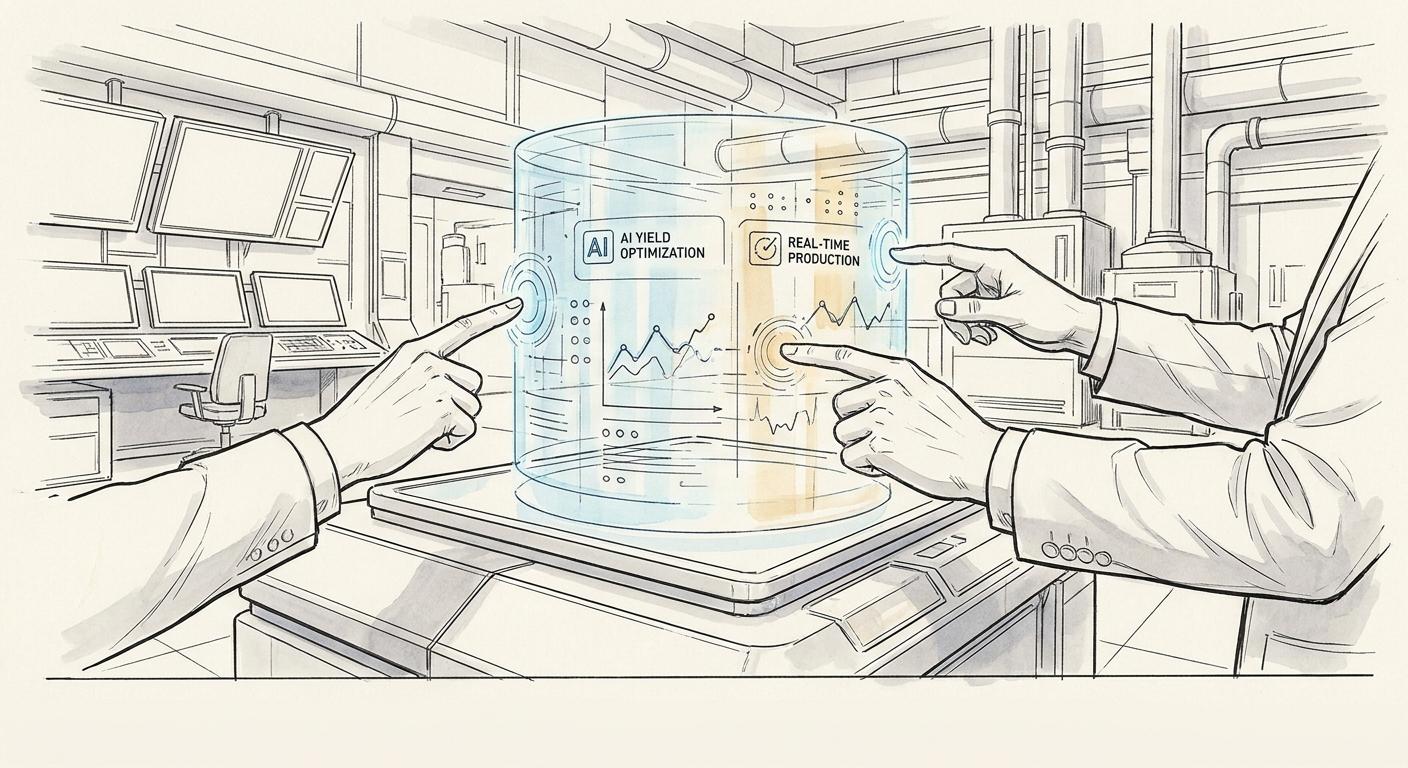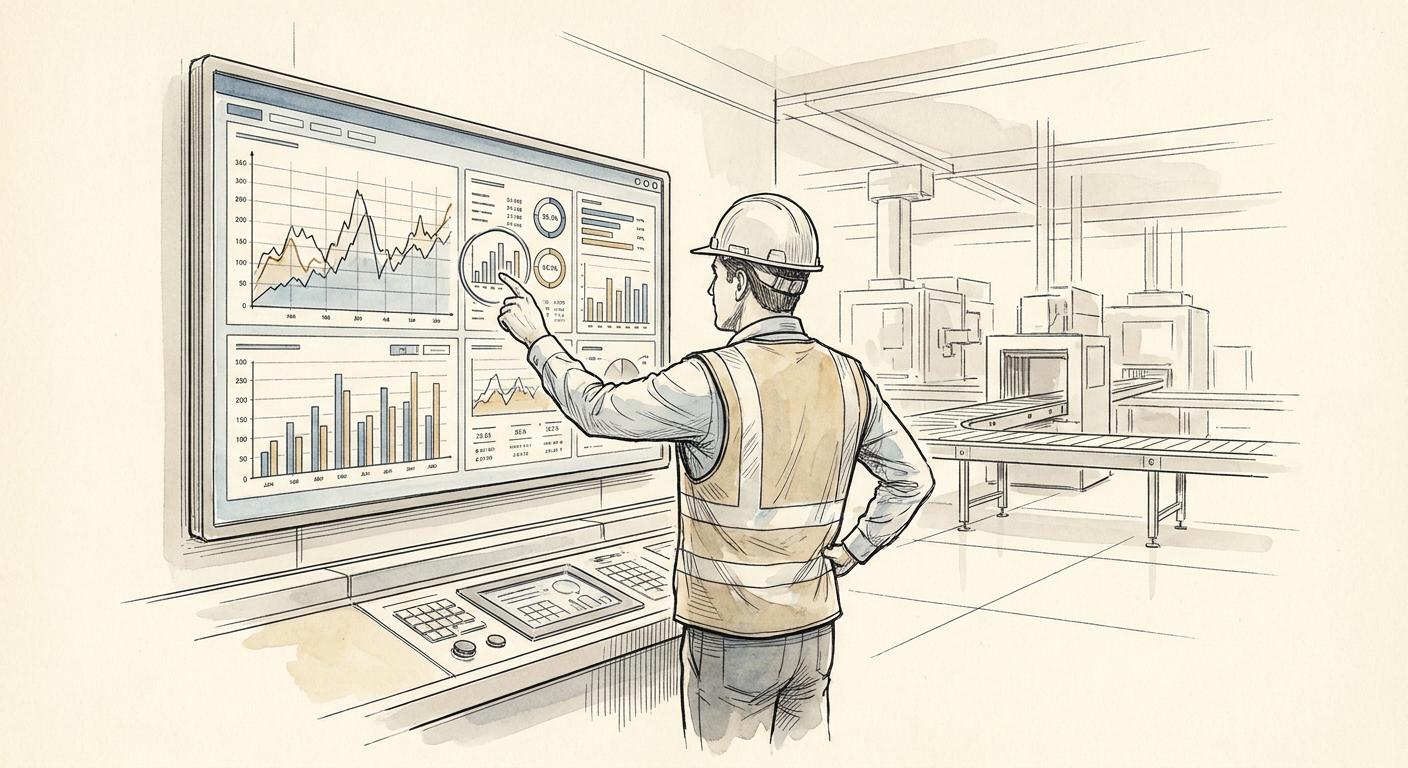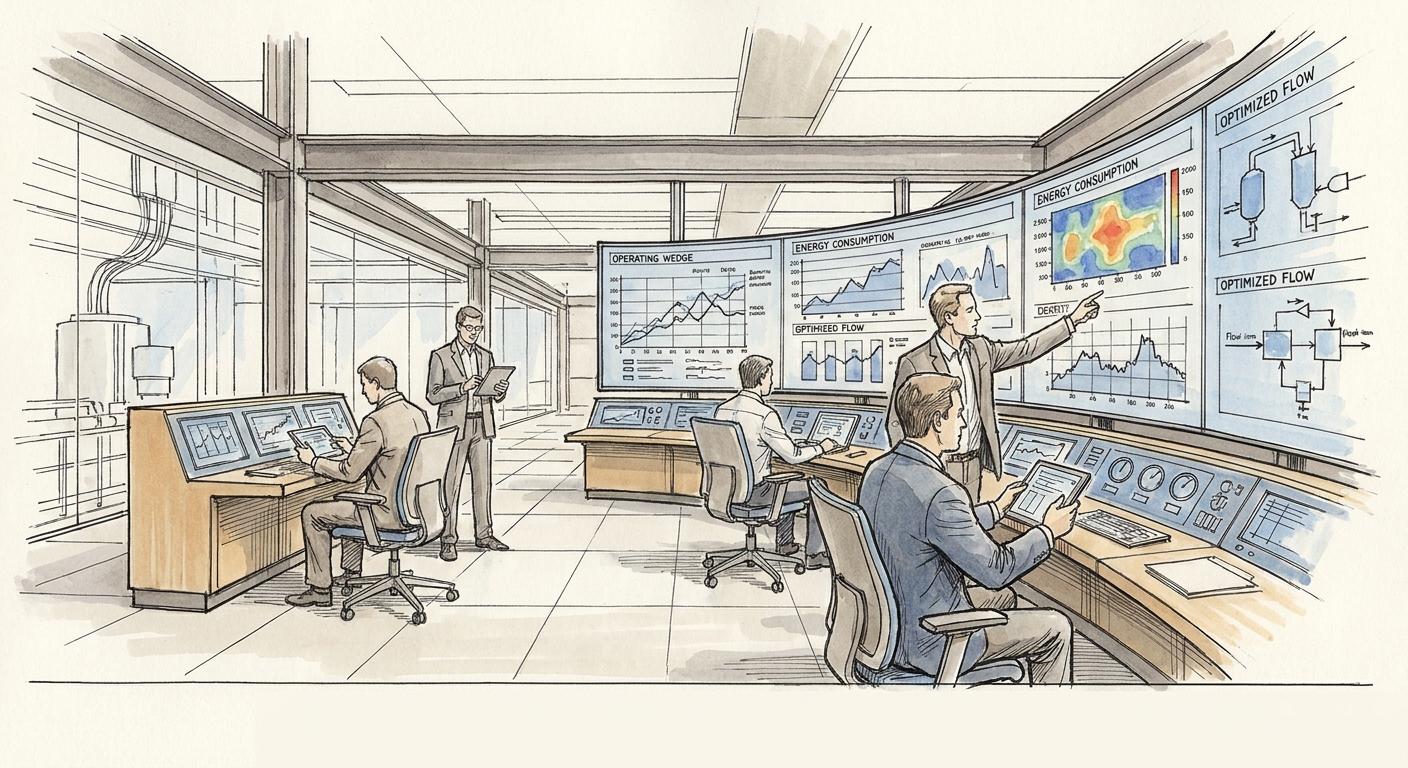


Your latest portfolio company acquisition has three different plants running isolated machine learning proofs-of-concept, and none of them talk to your ERP. The local plant managers call these experiments successful because a script successfully flagged maintenance anomalies on a single conveyor belt. But when you look at the board deck, there is zero EBITDA impact, no standard architecture, and an exit window that is closing faster than your team can resolve margin leakage. Moving AI pilots to production requires shifting from one-off plant experiments to a structured portfolio-wide playbook. This checklist details how to clear pilot purgatory, deploy functional industrial AI use cases, and secure measurable value creation within your current hold period.
Why 70% of Manufacturing AI Pilots Die in Purgatory
Many portfolio companies treat artificial intelligence as a software procurement exercise rather than an operational overhaul. Plant managers buy niche plug-and-play tools or authorize custom scripts to solve immediate localized friction points, such as predicting CNC machine wear or automating shift handover logs. These initiatives stall because they are built as isolated IT science projects rather than core operational workflows.
Without standard data architectures connecting the shop floor to the top floor, insights remain trapped in local silos. The friction multiplies when operating partners try to replicate a successful pilot at Plant A across Plants B and C, only to discover the underlying data schemas are completely incompatible.
AI pilot purgatory is the state in which a manufacturing company accumulates multiple isolated artificial intelligence proofs-of-concept at the plant level without ever integrating them into core enterprise operations or realizing measurable ROI.
This status quo destroys capital efficiency. Operating partners spend months reviewing stalled proofs-of-concept that require custom code maintenance from overstretched internal IT teams. When you need to show operational leverage to prospective buyers during an exit process, unscaled pilots count for zero on the balance sheet.
Phase 1: The First 30 Days – Triage and Use Case Audit
The initial month of your remediation plan demands ruthless prioritization. Portfolio CEOs must audit every existing pilot, software license, and data initiative across the manufacturing footprint to separate actual operational leverage from expensive experiments.
Start by mapping current AI initiatives against the primary value drivers in your investment thesis. If a plant has spent six months optimizing predictive maintenance on a legacy asset that accounts for less than two percent of total downtime, shut it down. Reallocate those engineering hours toward margin-heavy bottlenecks, such as estimating-versus-actual gaps in job costing or manual customer service loops that inflate overhead.
Establish an AI readiness baseline for each asset. Assess whether your operational technology and enterprise resource planning systems capture clean, timestamped data that an algorithm can actually ingest. If the data requires extensive manual cleanup before an LLM or predictive model can use it, your first project must focus on data hygiene rather than advanced modeling. Align your findings directly with the PE value creation playbook, ensuring every surviving initiative has a direct line of sight to gross margin improvement or working capital reduction.
Phase 2: Days 31-60 – Building the Repeatable Playbook
Once you have triaged the portfolio, stop relying on custom in-house coding for every plant deployment. Building a dedicated internal data science team from scratch takes six to nine months of recruiting friction, and a single Head of AI cannot be expected to solve plant-level execution challenges alone.
Instead, adopt a structured, embedded execution model that brings specialized industrial engineering and machine learning capabilities directly to your plants. This is where a repeatable AI playbook becomes your primary operational wedge.
- Standardize the Use Case: Select one high-impact workflow, such as automated schedule optimization or inventory validation, and define the exact data inputs required from your MES and ERP systems.
- Deploy an Embedded Team: Rather than waiting for internal hires to onboard, utilize a multidisciplinary team that can integrate existing systems, build the pipeline, and deploy the model in weeks. Firms utilizing specialized execution partners frequently see their first measurable production use cases go live within 60 to 90 days.
- Integrate with Existing Infrastructure: Ensure the model writes back directly into the systems your operators already use daily, rather than forcing them to log into a separate, standalone dashboard that will inevitably suffer from low adoption.
Phase 3: Days 61-90 and Beyond – Enterprise Scale and Upskilling
Deploying code into production represents only half the battle. Many private equity firms own portfolios full of purchased licenses - such as enterprise copilots or automated reporting add-ons - that sit largely unused because internal teams do not know how to integrate them into their daily routines.
Scaling across a manufacturing footprint requires rigorous, hands-on upskilling that turns passive software consumers into active operators of automated workflows. If plant supervisors view the new AI-driven scheduling tool as a black box imposed by corporate headquarters, they will circumvent it within a week.
Embed change management directly into the deployment timeline during days 61 through 90. Run training sessions on the shop floor using actual operational scenarios from the plant's recent production runs. When plant managers and shift supervisors understand how the model calculates its outputs - and how it directly prevents OTIF misses - they take ownership of the tool. This internal adoption is what transforms a temporary software deployment into a permanent source of operating leverage.
The Exit Readiness Dividend: How Production AI Drives Multiple Expansion
Prospective buyers and investment committees can easily spot the difference between a manufacturer experimenting with trendy technology and one running core operations on scalable machine learning infrastructure. When your portfolio companies move portfolio company AI implementation past the pilot stage, the resulting operational clarity changes the narrative during due diligence.
Clean data architectures, reduced ERP-MES disconnects, and documented workflow automation demonstrate a modern, resilient operational infrastructure. When you can show an acquirer that your plants run on a repeatable AI playbook managed by upskilled internal teams, you remove execution risk from the target company.
This operational maturity directly impacts your exit multiple. Buyers pay premium valuations for platforms that demonstrate predictable margin expansion and autonomous operational efficiency. By systematically graduating plant-level pilots out of purgatory and into enterprise-wide production, you turn artificial intelligence from an overhead expense into a core driver of your investment thesis.
Frequently Asked Questions
Why do most manufacturing AI pilots fail to scale across multiple plants?
Pilots are usually built as isolated IT experiments rather than integrated operational workflows. They typically lack standard data architectures, change management protocols, and a repeatable execution framework that allows them to be deployed across different plant environments.
How fast can a PE-backed manufacturer realistically get an AI use case into production?
With a focused operational scope and an embedded execution partner rather than a slow internal hiring cycle, the first measurable results and production use cases should go live within 60 to 90 days.
What is the difference between hiring a Head of AI and using an embedded AI execution partner?
A single internal hire takes months to recruit, onboard, and build a team from scratch while operating in an organizational silo. An embedded partner brings a multidisciplinary team of specialists immediately to execute the technical build, drive internal upskilling, and scale the framework across the portfolio.
How does production-grade AI improve exit readiness for private equity firms?
It replaces unproven proofs-of-concept and low-adoption software licenses with verifiable operational leverage, reduced estimate-versus-actual gaps, and automated workflows that make the portfolio company significantly more attractive to strategic acquirers.
Book a portfolio AI diagnostic at ifor.ai/solutions/private-equity

Ira Komarova
COO at iForAI