Bridging the AI Gap: From Experimental Concepts to Tangible Business ROI
Many boardroom discussions about AI still revolve around theoretical possibilities. While enterprise leaders widely acknowledge artificial intelligence as a transformative force, moving a pilot program beyond a demonstration to a system that genuinely impacts the bottom line remains a significant hurdle for many.
This challenge is often termed the Pilot Trap. It's the point where initial enthusiasm collides with the realities of technical debt, fragmented data, and organizational resistance. To transition from experimental concepts to measurable return on investment (ROI), organizations need more than a generic large language model (LLM) subscription; they require a clear connection between high-level strategy and practical technical execution.
The Reality of the Mid-Market AI Integration Gap
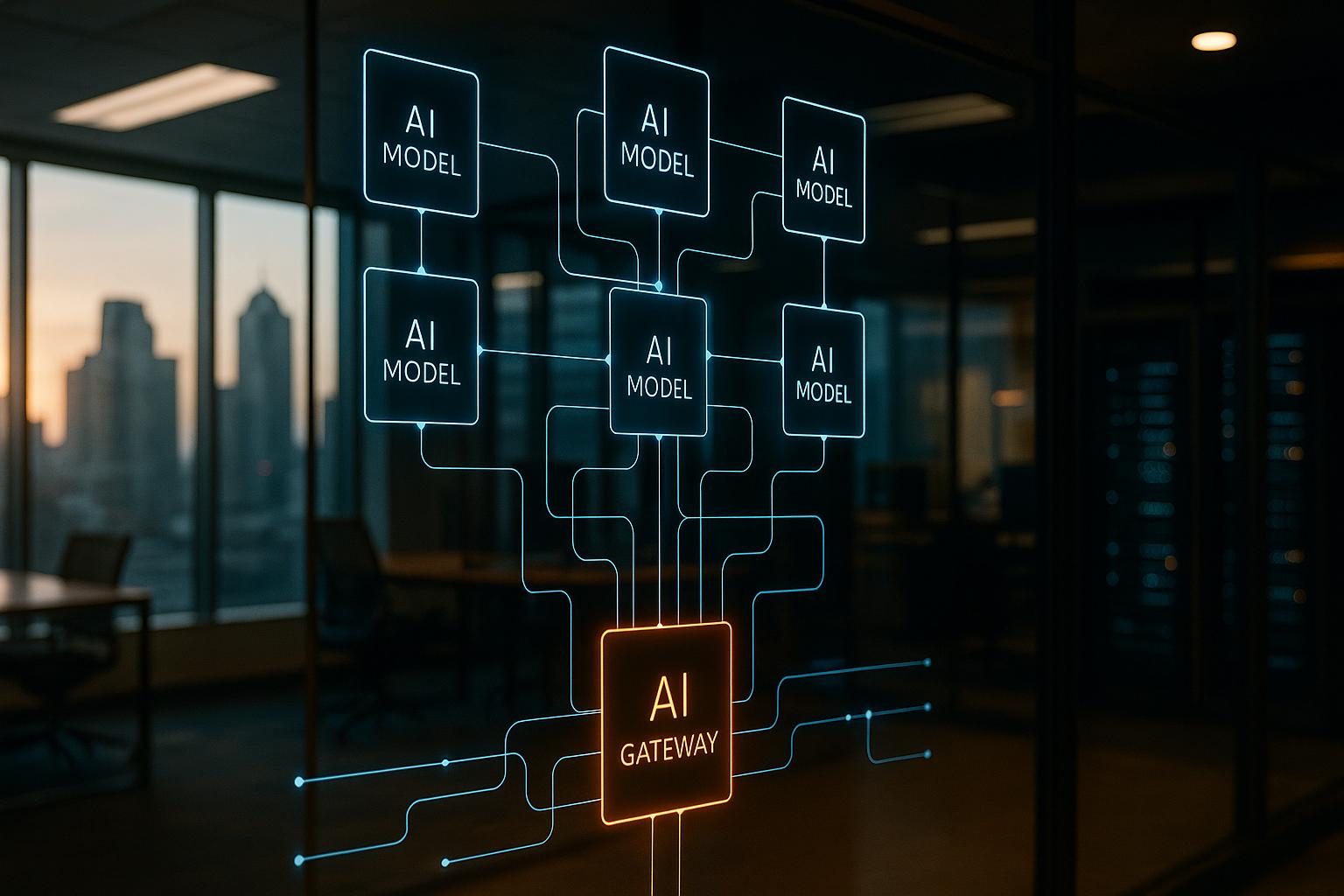
For mid-market and larger organizations, the primary challenge isn't a scarcity of AI tools but rather a lack of effective integration. Many companies inadvertently create isolated systems, where a marketing automation bot operates independently from a data analytics tool. These disparate systems often fail to communicate, limiting their collective impact on core business objectives.
Strategy without effective execution frequently leads to two outcomes: wasted investment and "AI fatigue." To circumvent this, successful leaders are shifting their focus from novelty to practical utility.
The iForAI Framework: Three Pillars of Practical AI
For leaders managing teams of 100 to over 1,000 employees, the need is for actionable frameworks, not abstract theories. A practical approach emphasizes horizontal integration across existing workflows. This can be broken down into three essential pillars:
- Deep Integration: AI should not operate in isolation. For intelligent agents to be effective, they must be embedded directly within existing technology stacks—integrated with customer relationship management (CRM) systems, data lakes, and proprietary workflows. Without seamless data flow, AI's performance will be limited.
- Internal Enablement: Technology alone is insufficient. Even the most advanced systems can fail if the team does not adopt them. Upskilling internal product owners and department heads is crucial to ensure that AI transformations are sustained long after initial deployment. Practical AI implementation is as much about empowering people as it is about developing code.
- Outcome-First Thinking: Organizations are encouraged to shift from asking, "What can AI do?" to "Where is our most significant operational bottleneck?" Whether the goal is to shorten SaaS sales cycles or automate complex claims processing in InsurTech, success is measured by quantifiable metrics like hours saved and measurable revenue gains, rather than solely by the sophistication of the AI model used.
Moving from Theory to Practice
Achieving results does not necessarily require a six-month roadmap. In today's competitive landscape, speed offers a distinct advantage. Successful organizations often adopt a streamlined, sprint-based approach:
- Identify a Bottleneck: Pinpoint a single high-friction process that incurs significant time or cost.
- Deploy a High-Impact Pilot: Develop a functional AI agent or integration within weeks, rather than months, to validate the specific use case.
- Measure and Scale: Use concrete data to demonstrate efficiency gains, then expand the solution across the relevant department or organization.
The Bottom Line
Sustainable competitive advantage stems not from acquiring the same tools as competitors, but from how those tools are applied to an organization's unique business logic. By effectively bridging the gap between strategy, execution, and enablement, AI can evolve from a budget line item into a powerful engine for growth.
At iForAI, we assist mid-market leaders in navigating the complexities of AI implementation to achieve tangible momentum. To explore how to transform your AI strategy into a working system, consider scheduling an executive briefing with our team.