
.svg)


4
min read

September 22, 2026
Beyond Scripted Automation: What World Models Actually Change
Most industrial and enterprise automation eventually encounters an expensive limitation: environmental edge cases.
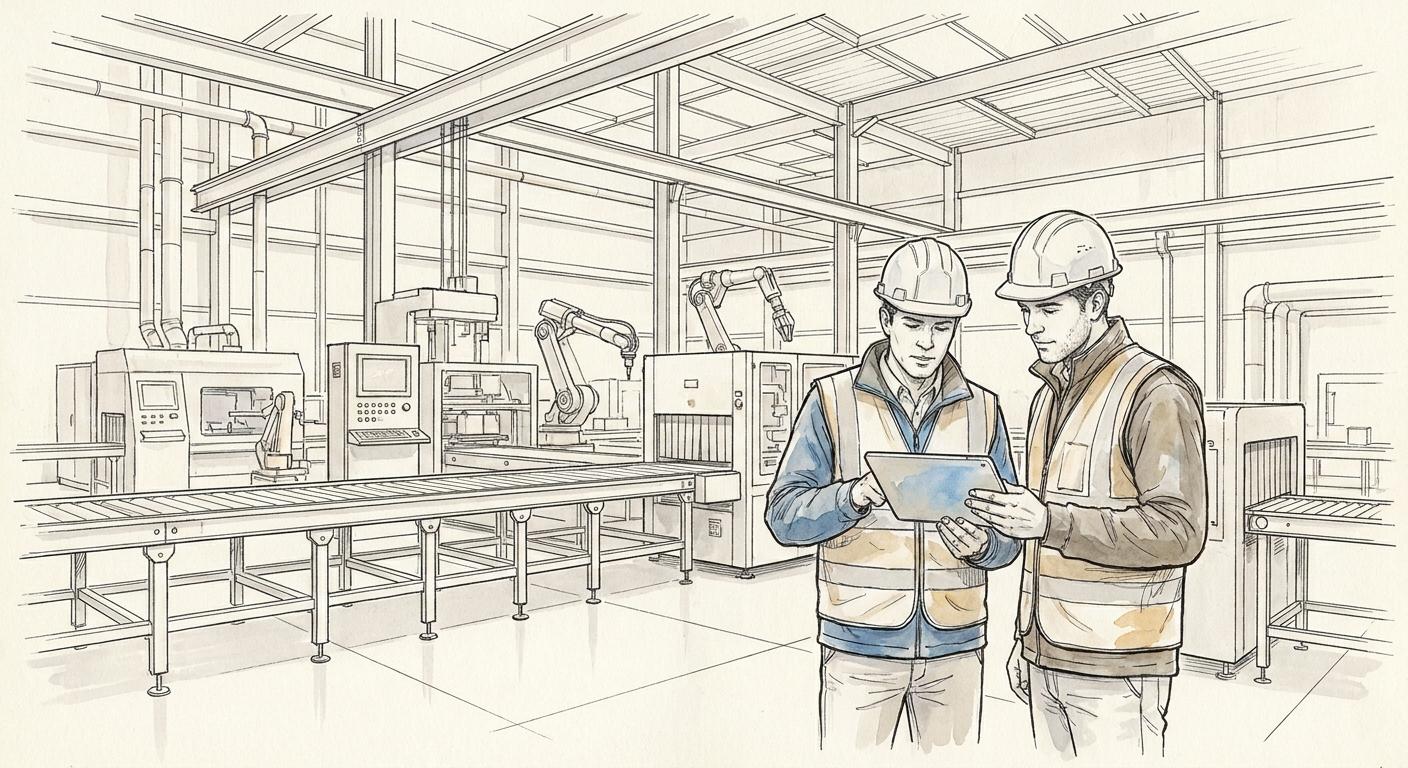
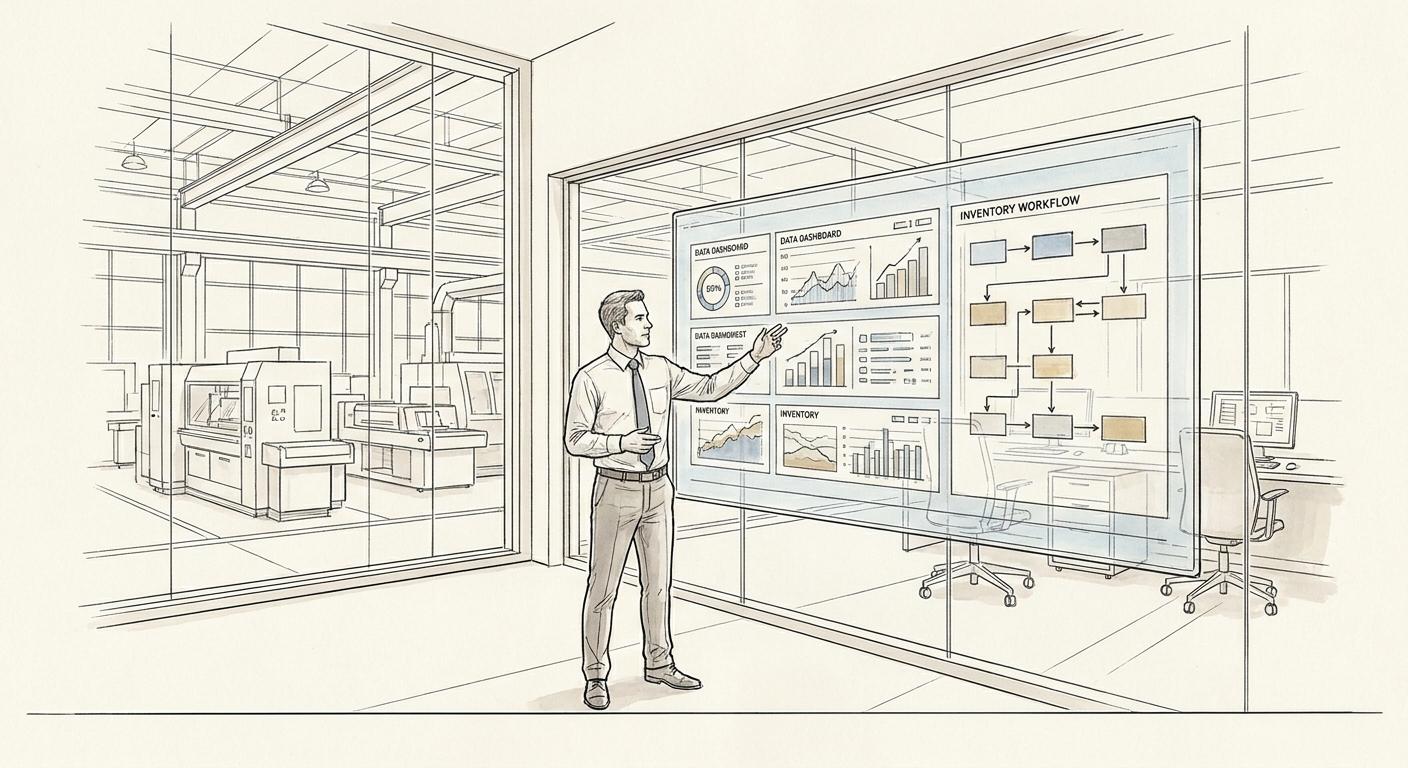
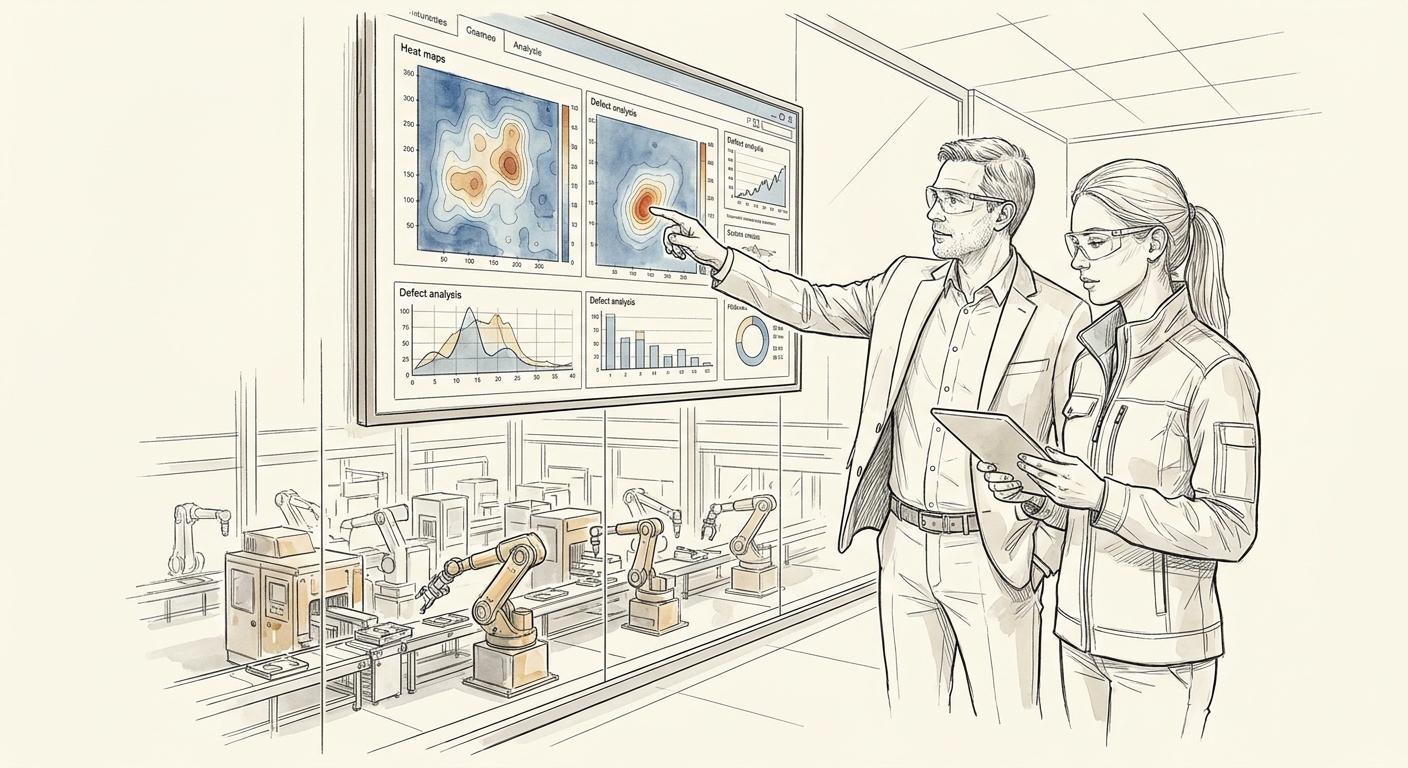
In conventional robotic process pipelines and physical manufacturing cells, system logic remains largely deterministic. If a machined part arrives slightly skewed on a conveyance line, ambient lighting shifts across an optical inspection station, or an unstructured document deviates from a predefined schema, static scripts tend to fail. When these exceptions occur, production lines stall, and senior engineering teams spend high-value development cycles troubleshooting rule sets rather than building strategic capabilities.
This operational friction explains why world models—AI architectures that maintain dynamic, predictive representations of physical environments—are gaining traction across production environments.
Traditional computer vision models primarily categorize inputs based on historical training data, identifying static features within an image. Heuristic systems follow rigid if-then decision trees. By contrast, an AI world model builds an internal representation of 3D geometry, physics, and causal sequences. Instead of merely labeling an object, it predicts forward states—evaluating how an operational environment will respond to specific actions before executing physical commands.
For operations and engineering leaders, this architectural shift moves automation from brittle repeatability to adaptable operational resilience.
What World Models Deliver in Practice
For engineering directors, operations leaders, and systems architects managing complex workflows, world models provide three primary practical advantages:
- Generalization over edge-case patching: Rather than requiring custom code updates for minor physical variances, a world model generalizes across spatial and structural shifts. If an object is misaligned or partially obscured, the system evaluates alternative manipulation trajectories autonomously within preset physical tolerances.
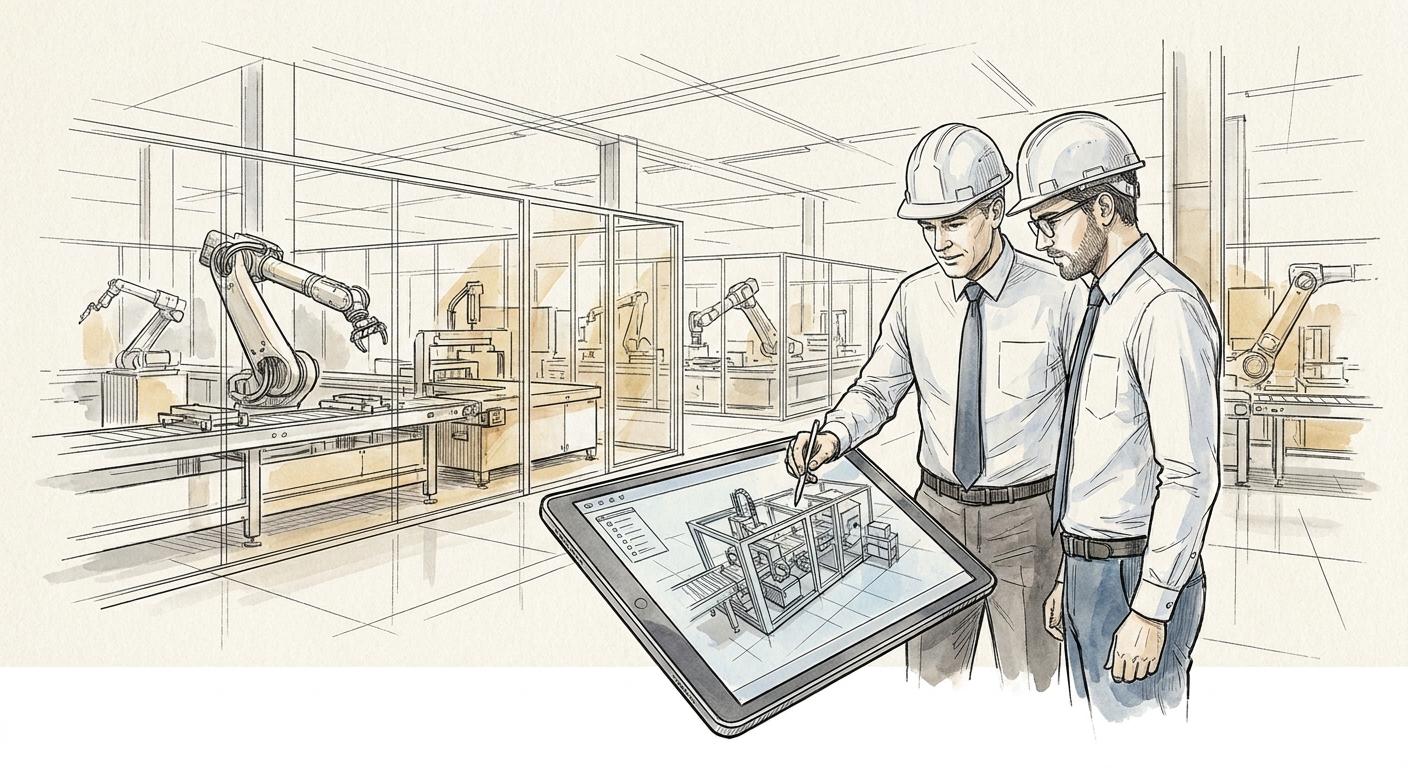
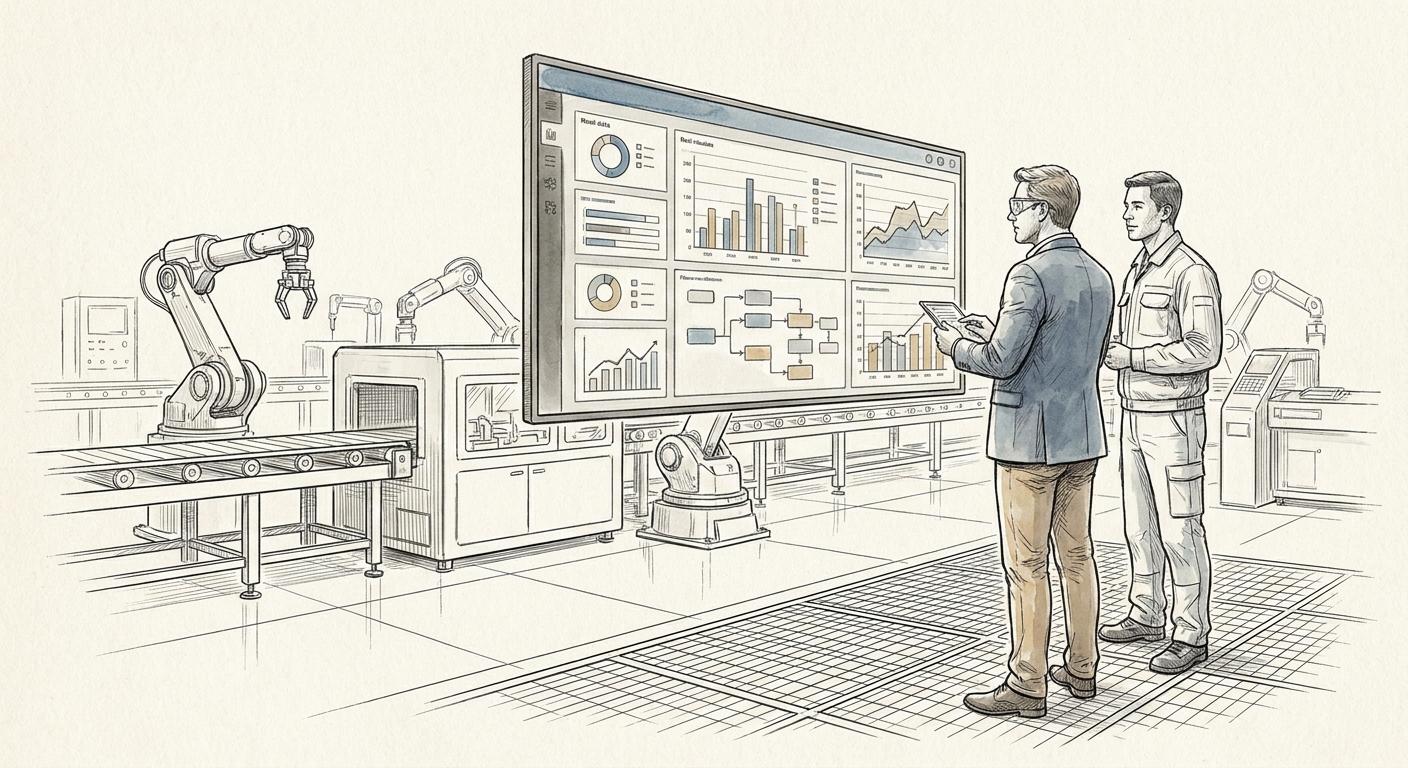
- High-fidelity synthetic validation: Deploying untested control policies directly to physical machinery increases the risk of equipment wear, collisions, and unplanned downtime. World models allow engineering teams to simulate, stress-test, and refine physical workflows inside accurate virtual environments before running code on production hardware.
- Throughput stability under variance: Industrial environments contain natural operational noise. World models help absorb routine variations—such as changing ambient lighting, minor part misalignment, and mechanical drift—maintaining predictable cycle times without requiring frequent manual intervention.
The Human-First Implementation Blueprint
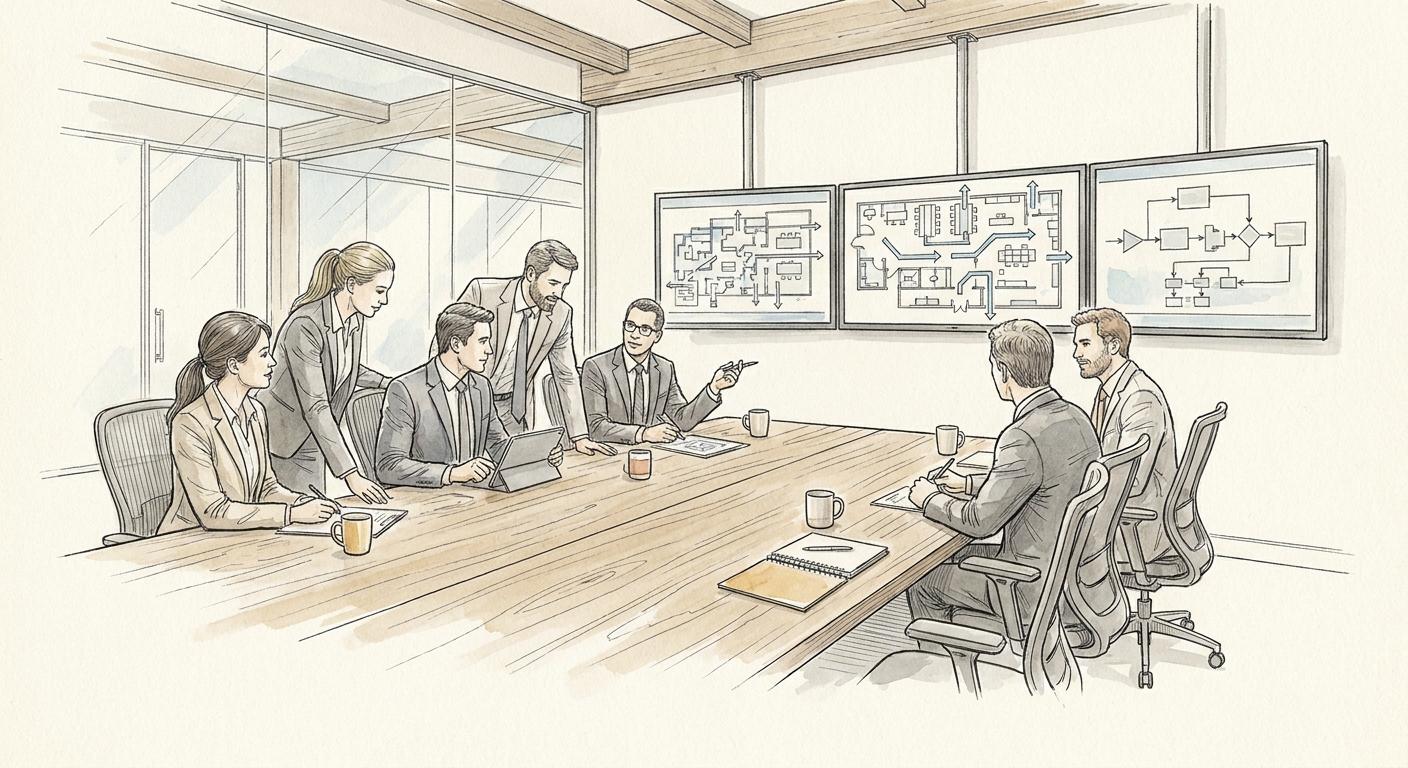
Deploying advanced autonomous systems requires operational governance, not unmonitored delegation to autonomous models. Across enterprise deployments, architectures that deliver measurable operational improvements generally adopt a bounded, human-in-the-loop framework:
- Isolate routine variance from critical judgment: Direct the model to manage micro-adjustments—such as grip angle adjustments, speed modulation, and kinematic trajectory planning. Route high-ambiguity exceptions and safety-critical threshold decisions directly to experienced operators.
- Establish deterministic guardrails: While world models generate probabilistic forecasts, industrial operations require deterministic safety limits. If an operational confidence score falls below a verified threshold, the system should default to a defined, auditable fail-safe state.
- Build capability internally: Advanced automation architectures should not create permanent reliance on third-party integration teams. A sustainable deployment strategy equips in-house automation, controls, and software teams with the tools to calibrate, test, and adapt model behavior as production requirements evolve.
When implemented with structured oversight and rigorous safety envelopes, world models move automation beyond fragile, rule-based scripting. They establish adaptable, resilient operational workflows that stabilize throughput and allow engineering teams to focus on long-term infrastructure improvements.

Ira Komarova
COO at iForAI