

The investment committee is expecting a clear value creation plan for the new manufacturing acquisition, but the preliminary data review suggests the legacy enterprise resource planning system is full of unstandardized part numbers and offline spreadsheets. Operating Partners often find themselves stuck between aggressive exit timeline goals and the messy reality of portco infrastructure. Waiting for a multi-year digital transformation project is not an option when the investment window is ticking down. An AI data readiness audit ERP approach provides a rapid diagnostic to determine if operational data can actually support machine learning models before capital is deployed. This article outlines a practical framework for running this audit within the first 100 days of ownership.
Why the First 100 Days Determine Your Portco's AI Trajectory
The post-acquisition window sets the operational cadence for the entire hold period. If artificial intelligence initiatives stall during the initial months, momentum dies, and the portfolio company defaults back to legacy habits. Private equity firms cannot afford to treat digital transformation as a vague, long-term aspiration.
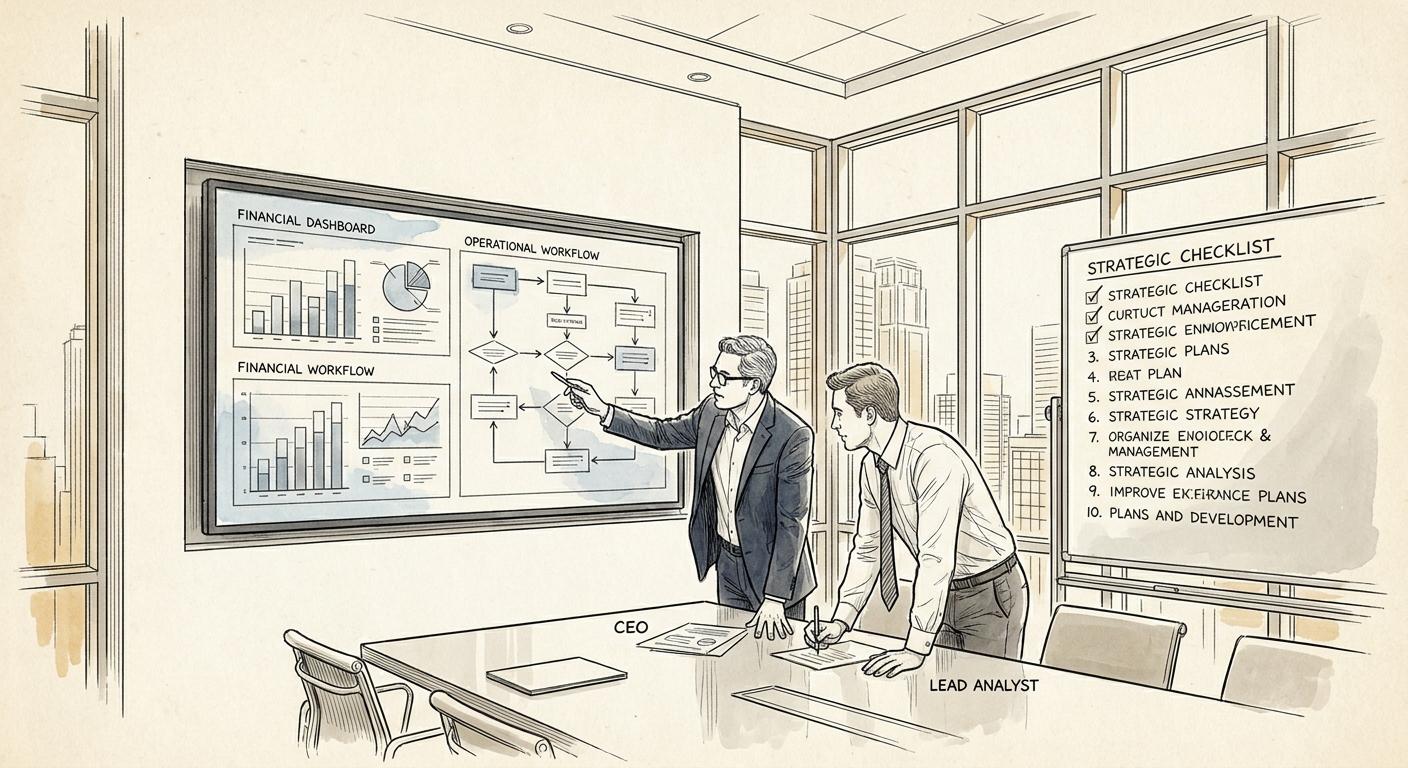
An industrial first 100 days value creation plan must establish clear milestones for operational leverage. Without an early assessment of data maturity, portfolio companies frequently purchase expensive software licenses that sit on the shelf due to low user adoption and poor data quality. Establishing a repeatable AI playbook early in the hold period ensures that technology investments directly correlate with EBITDA improvement and a higher exit multiple.
The Reality of Manufacturing ERPs: Messy Data, Silos, and Tribal Knowledge
An industrial AI data readiness audit is a structured 2-to-4 week diagnostic performed during a post-acquisition onboarding phase to evaluate whether a portfolio company's ERP and operational systems contain clean, accessible data required to successfully deploy artificial intelligence use cases.
Industrial operators know that reality on the shop floor rarely matches the ERP database. Part descriptions vary across plants, historical quote-to-cash logs live in disconnected Excel files, and critical scheduling logic exists only as tribal knowledge in the heads of senior plant managers. Manufacturing ERP data quality issues are the primary reason machine learning pilots fail to reach production. Addressing these structural gaps requires looking past polished software demos and auditing the actual tables, logs, and manual workarounds your teams rely on daily.
Step 1: Map the Critical Data Flow (Not All Data Matters for AI)
Operating Partners often make the mistake of trying to clean every database in the enterprise before starting an AI initiative. This approach wastes valuable time and stalls the portfolio company AI strategy. The audit must focus exclusively on data streams that feed high-impact operational decisions.
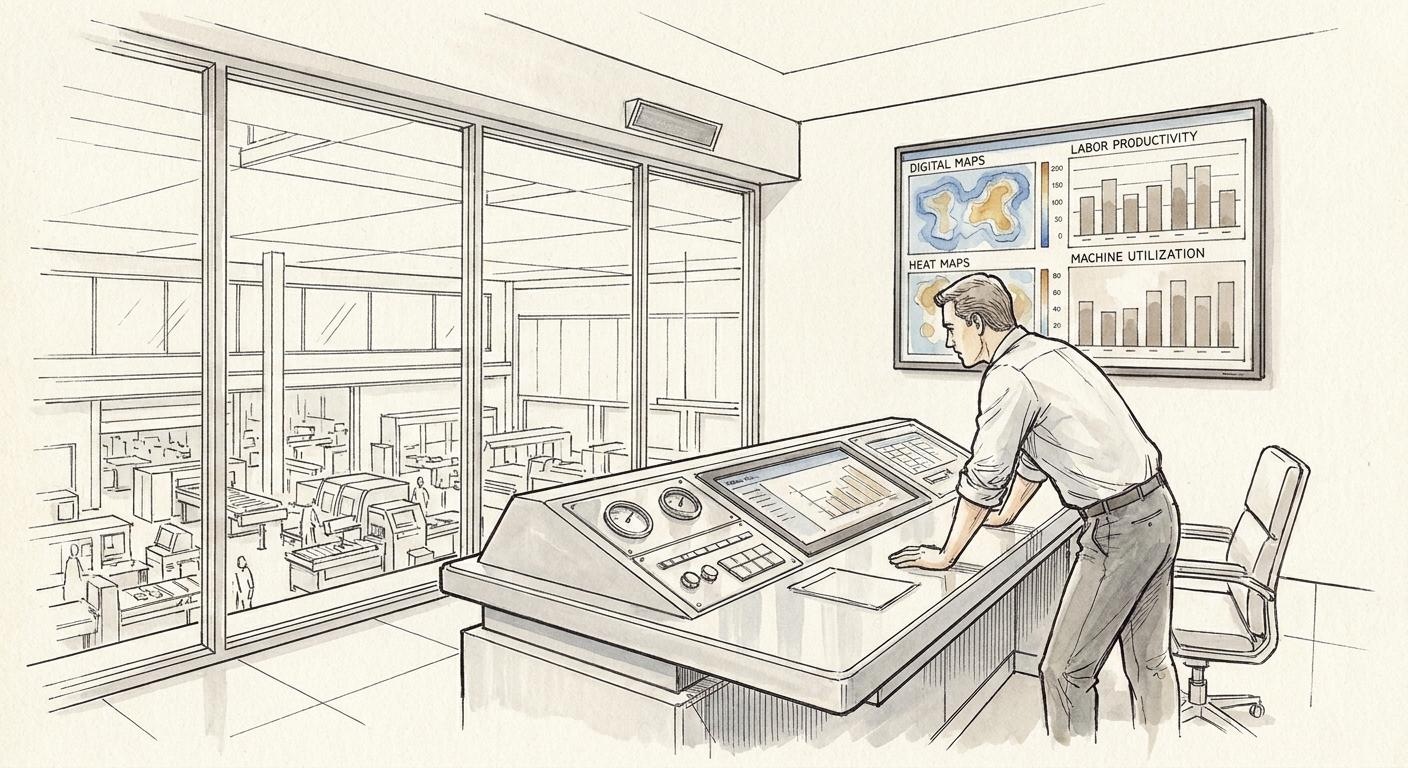
Prioritize data flows connected directly to revenue leakage and margin erosion. This includes inventory turnover logs, historical shop floor scheduling, estimate-versus-actual job costing, and quote turnaround times. By narrowing the scope to three critical operational bottlenecks, the operating team can establish an industrial data infrastructure baseline without boiling the ocean.
Step 2: Assess Data Hygiene and Accessibility Across Systems
Once the critical data flows are mapped, the diagnostic must evaluate how easily that data can be extracted and ingested. Many legacy manufacturing environments rely on monolithic ERP deployments with closed databases, custom SQL modifications that lack documentation, and zero API availability.
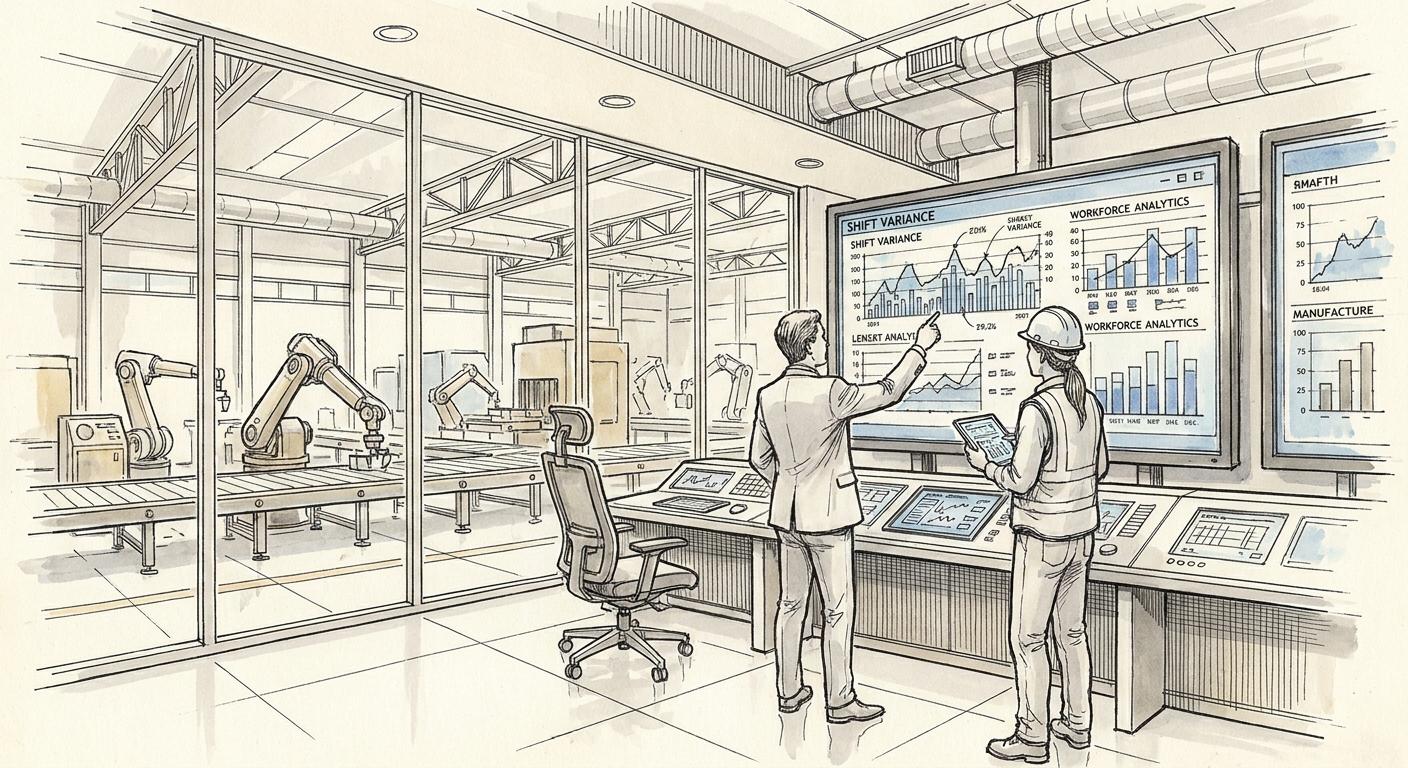
This phase of the audit measures the volume of manual spreadsheet workarounds required to generate daily reports. If plant operators spend hours manually consolidating shift reports into Excel before entering them into the ERP, the underlying process lacks the maturity for automated forecasting. Documenting these friction points highlights the exact integration work required before an AI operating partner playbook can move into execution.
Step 3: Identify Quick-Win AI Use Cases Rooted in Current Data Reality
Deploying artificial intelligence does not require pristine enterprise data across every department. The key is matching the current state of data hygiene to an immediate, high-value use case. If historical inventory logs are reliable, demand forecasting and automated reordering become viable quick wins.
When historical quoting data is well-structured, automated quoting tools can reduce proposal generation time from days to minutes. These initial projects should demonstrate measurable time-to-value within 60 to 90 days. Showing early operational wins builds confidence across the management team and satisfies LP reporting requirements regarding active value creation.
Step 4: Build the 12-Month AI Roadmap and Assign Ownership
An audit without an execution plan is just an expensive report. The final step translates the audit findings into a sequenced 12-month roadmap that aligns with the broader value creation strategy. Portfolio companies often struggle here because they attempt to recruit a solo Head of AI, leading to prolonged hiring cycles and high burn rates without production output.
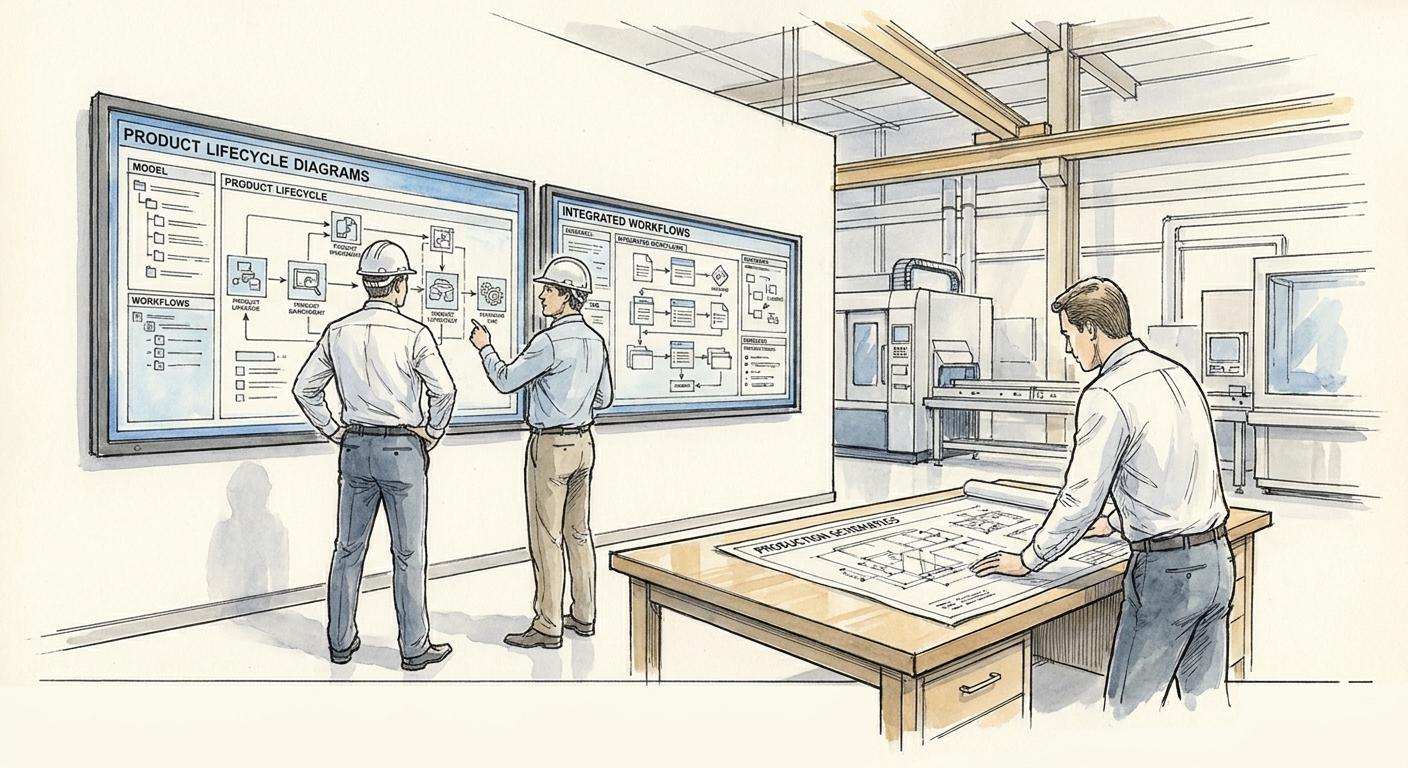
A more effective model involves leveraging specialized external execution partners who bring pre-built frameworks and technical depth. Through structured interventions like an AI Starter Package, operating teams can deploy production-grade use cases, conduct executive AI training, and upskill existing internal staff simultaneously. This model bridges the execution gap and accelerates the path to a profitable exit.
Frequently Asked Questions
What is an industrial AI data readiness audit?
An industrial AI data readiness audit is a rapid diagnostic of a manufacturing company's ERP, MES, and operational databases to determine if historical and real-time data is clean, structured, and accessible enough to feed AI models.
Why do manufacturing ERP systems fail AI readiness checks?
Manufacturing ERP systems often fail readiness checks due to legacy data silos, heavy reliance on offline Excel sheets, inconsistent part descriptions, and a lack of API integration between financial ERP platforms and shop floor execution systems.
How quickly can a PE portfolio company see ROI from AI after an audit?
With a targeted, use-case-driven approach, portfolio companies can take their first AI project from data audit to live production within 60 to 90 days.
How do you audit ERP data for AI in manufacturing?
The audit process involves mapping critical data flows tied to operational bottlenecks, evaluating database access and API availability, measuring the frequency of manual spreadsheet workarounds, and assessing master data consistency across plants.
What is the private equity first 100 days AI playbook?
The first 100 days AI playbook is a structured framework used by Operating Partners to rapidly assess data readiness, identify high-impact margin improvement use cases, avoid failed software implementations, and establish a repeatable value creation roadmap across the portfolio.
Learn about the AI Starter Package at ifor.ai/solutions/private-equity

Asaf Yosifov
Founder & CEO at iForAI