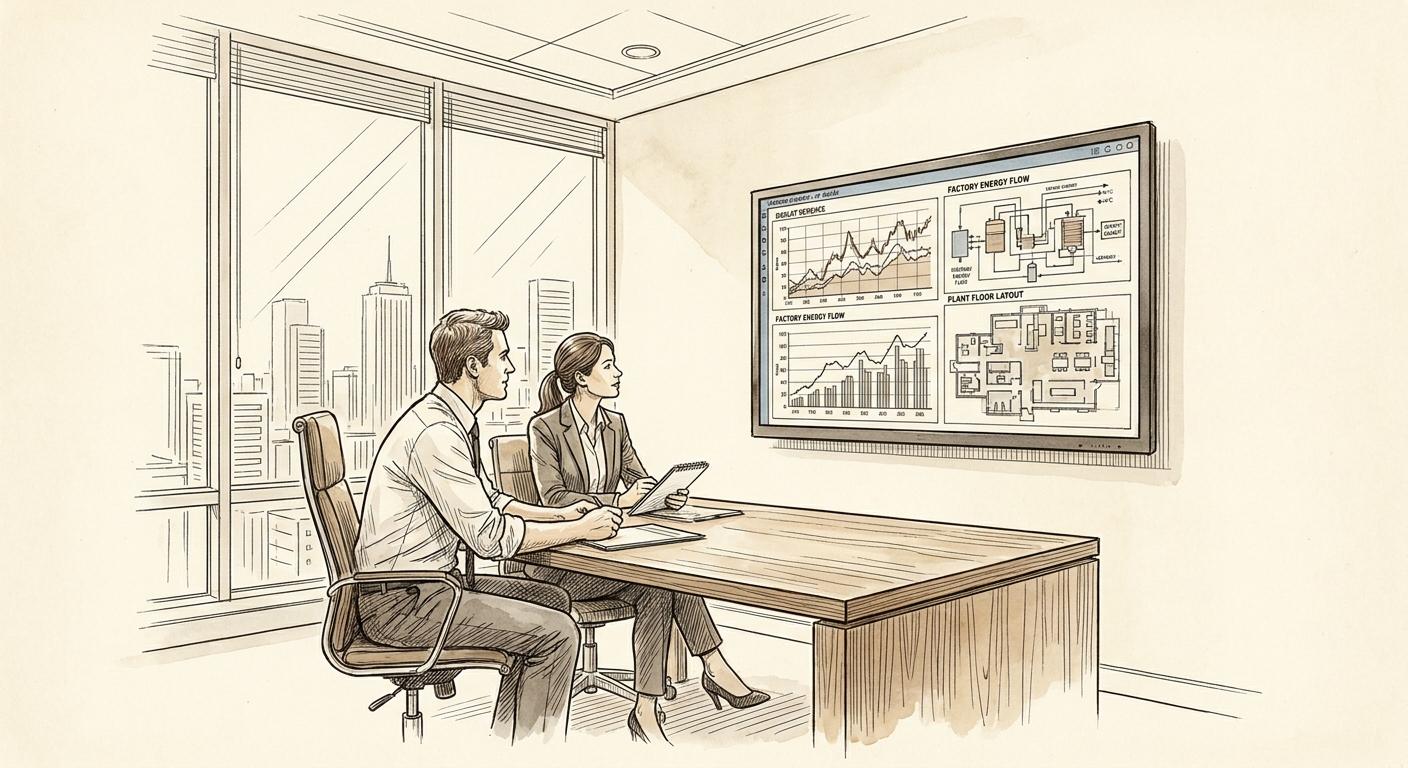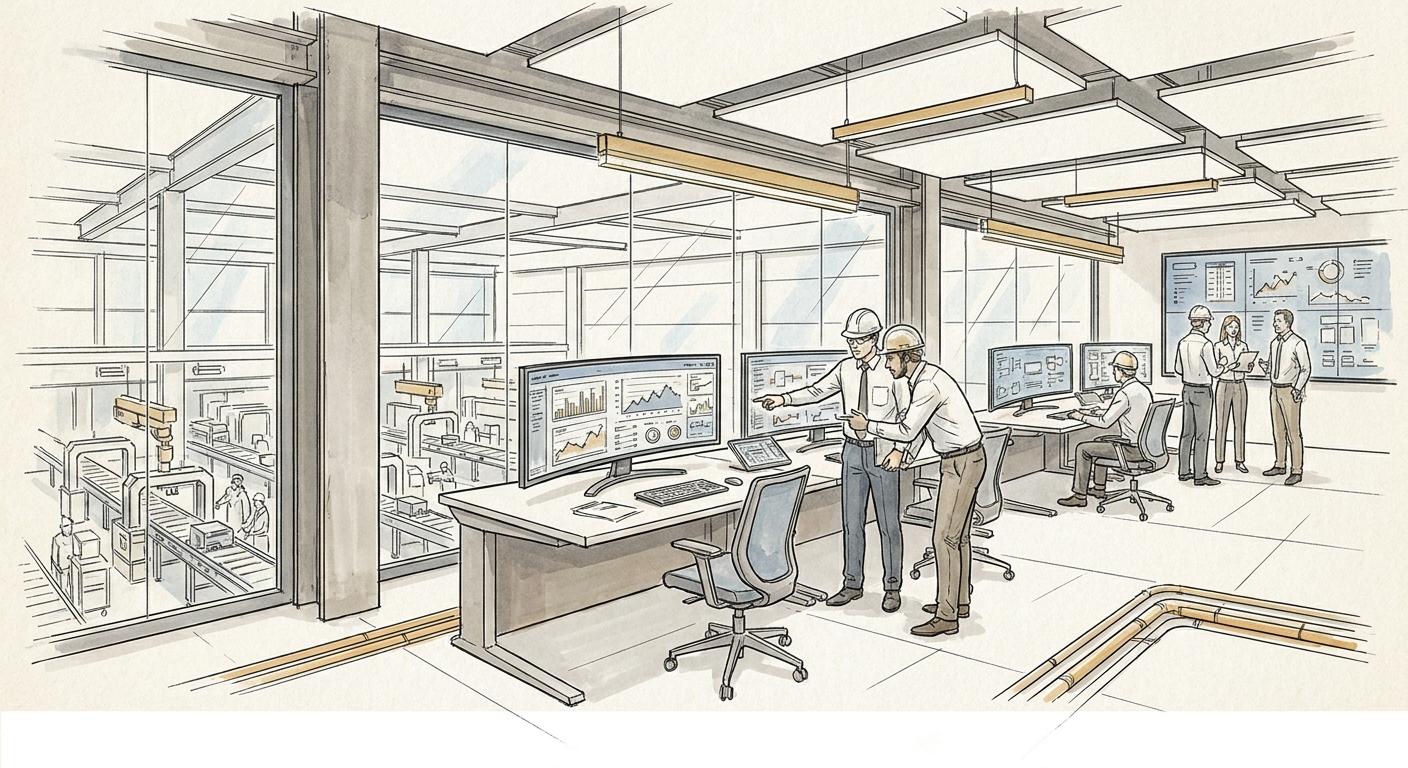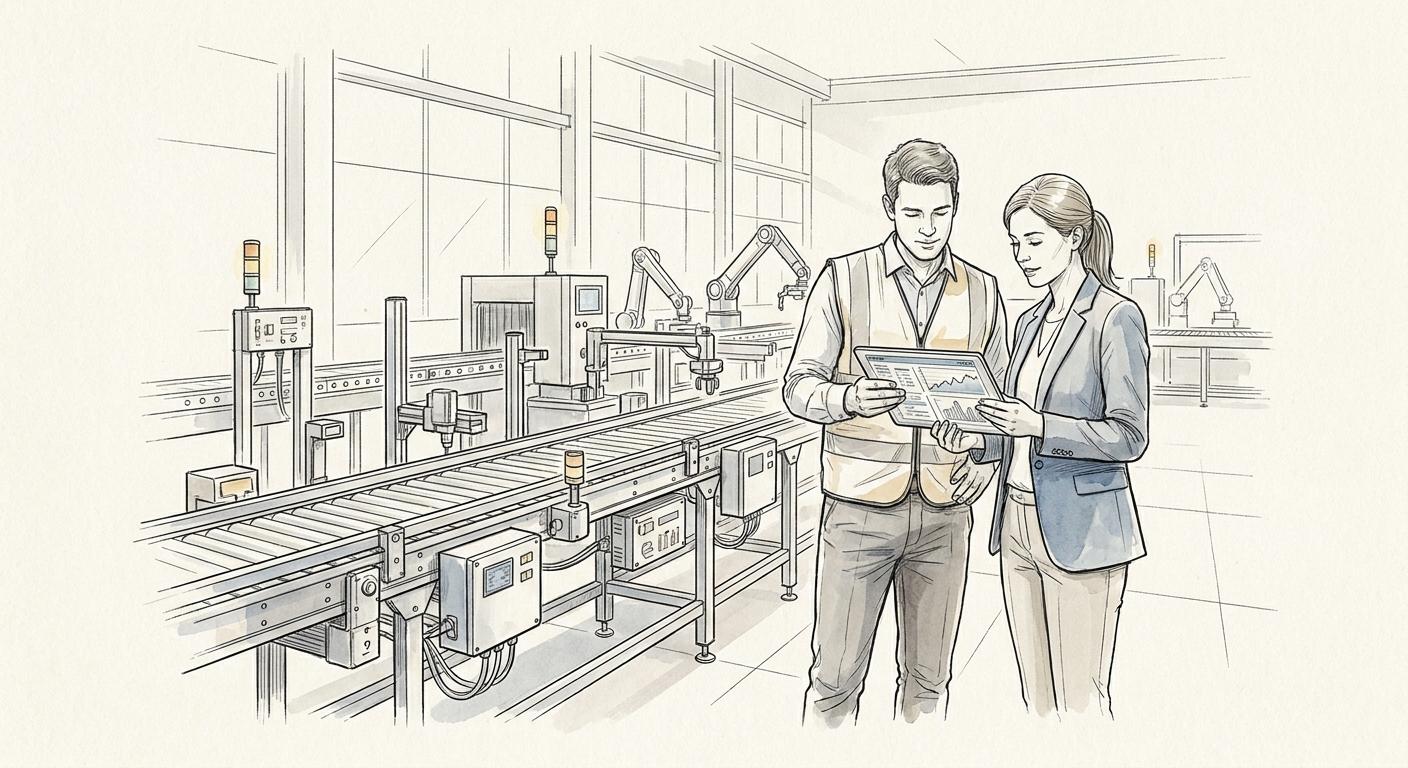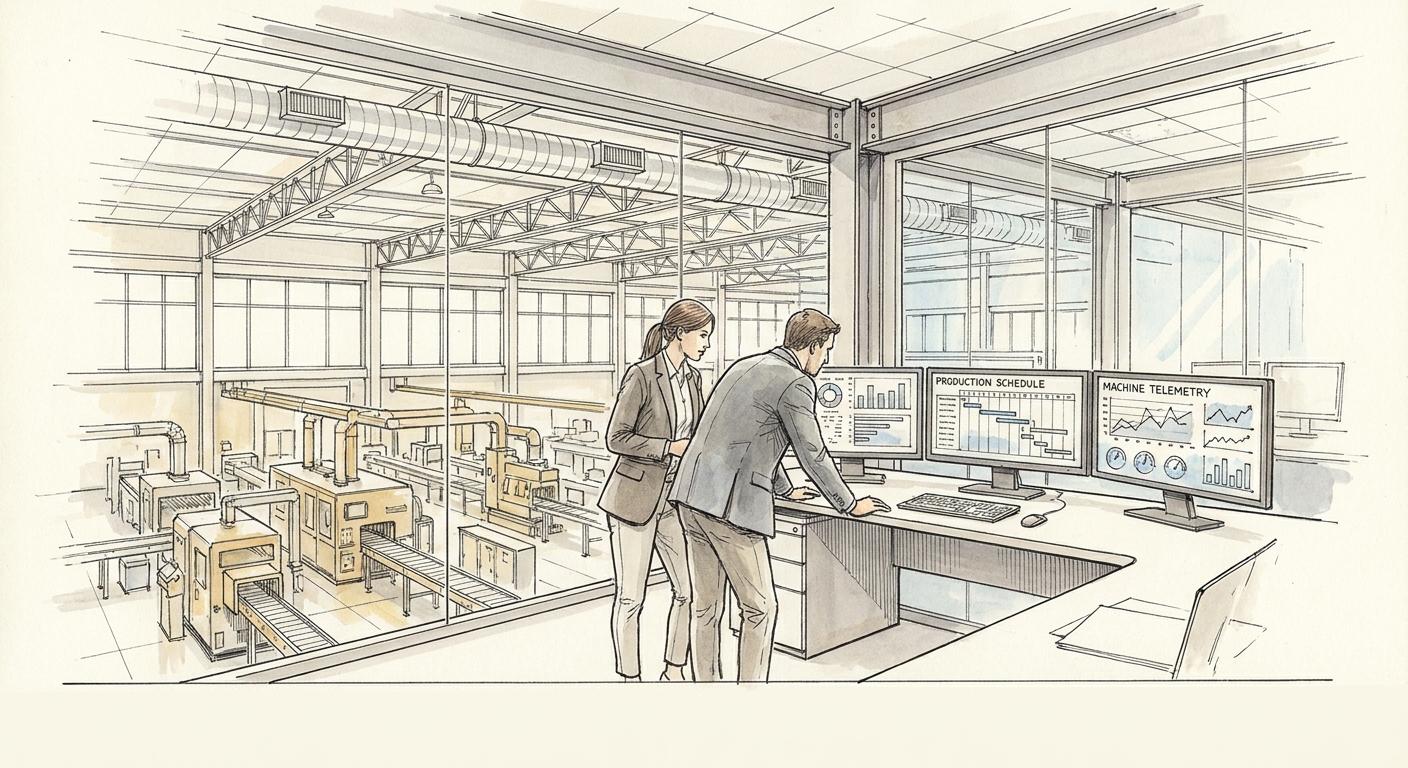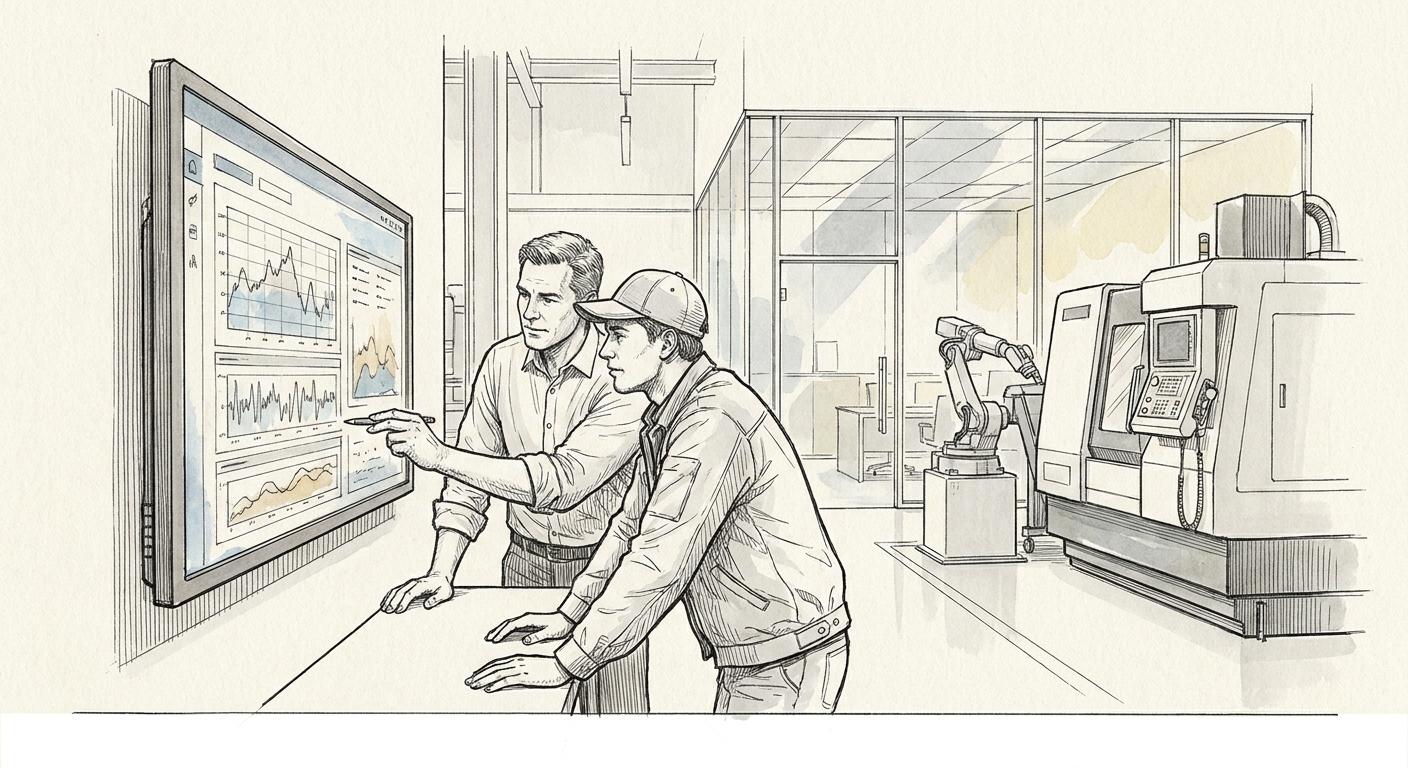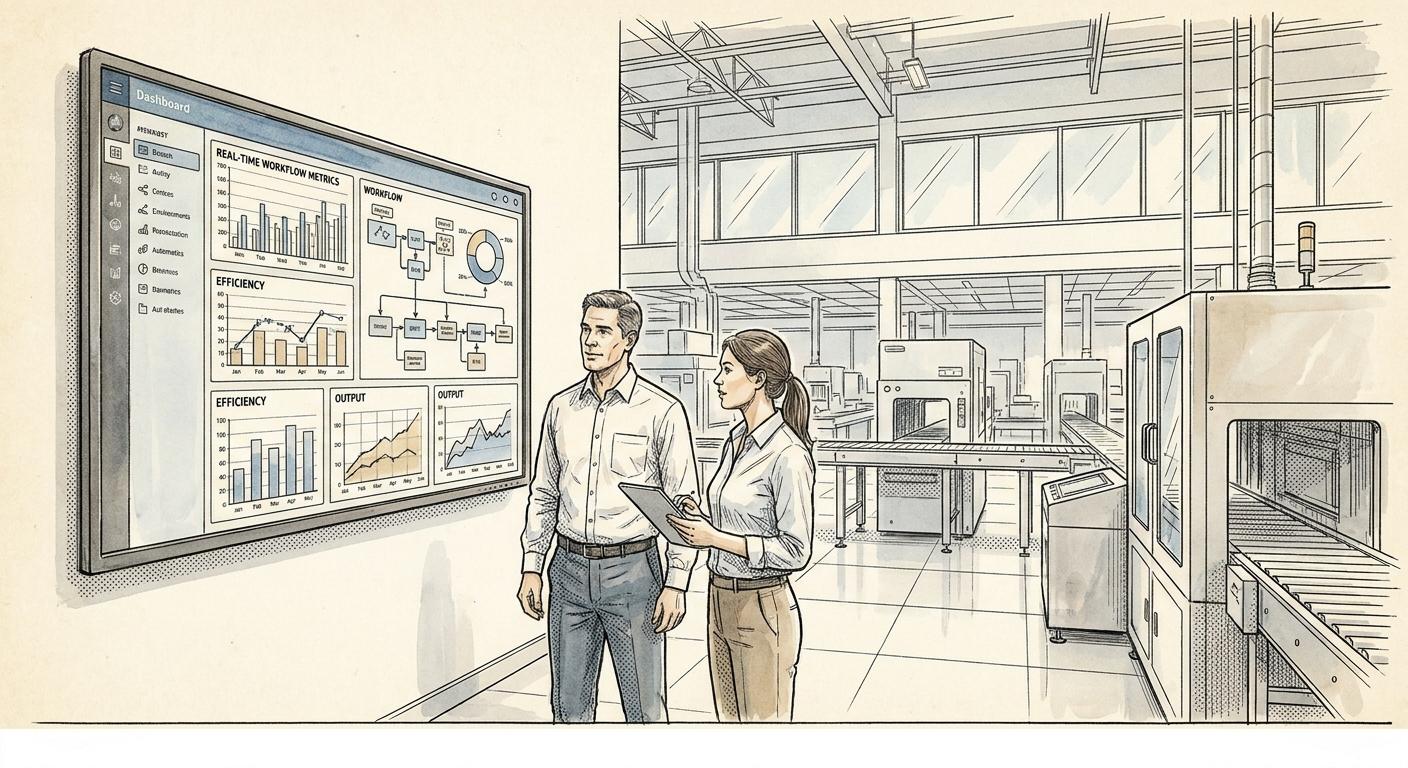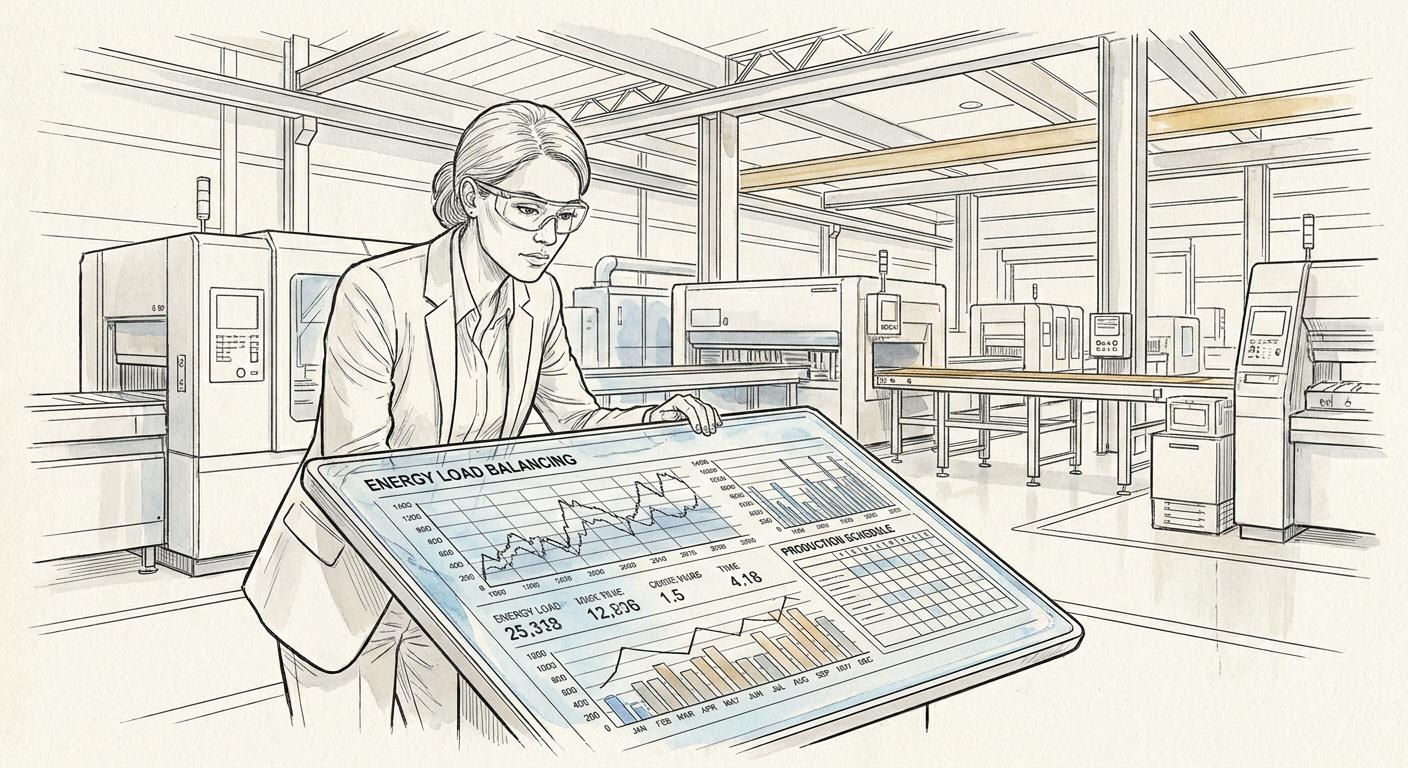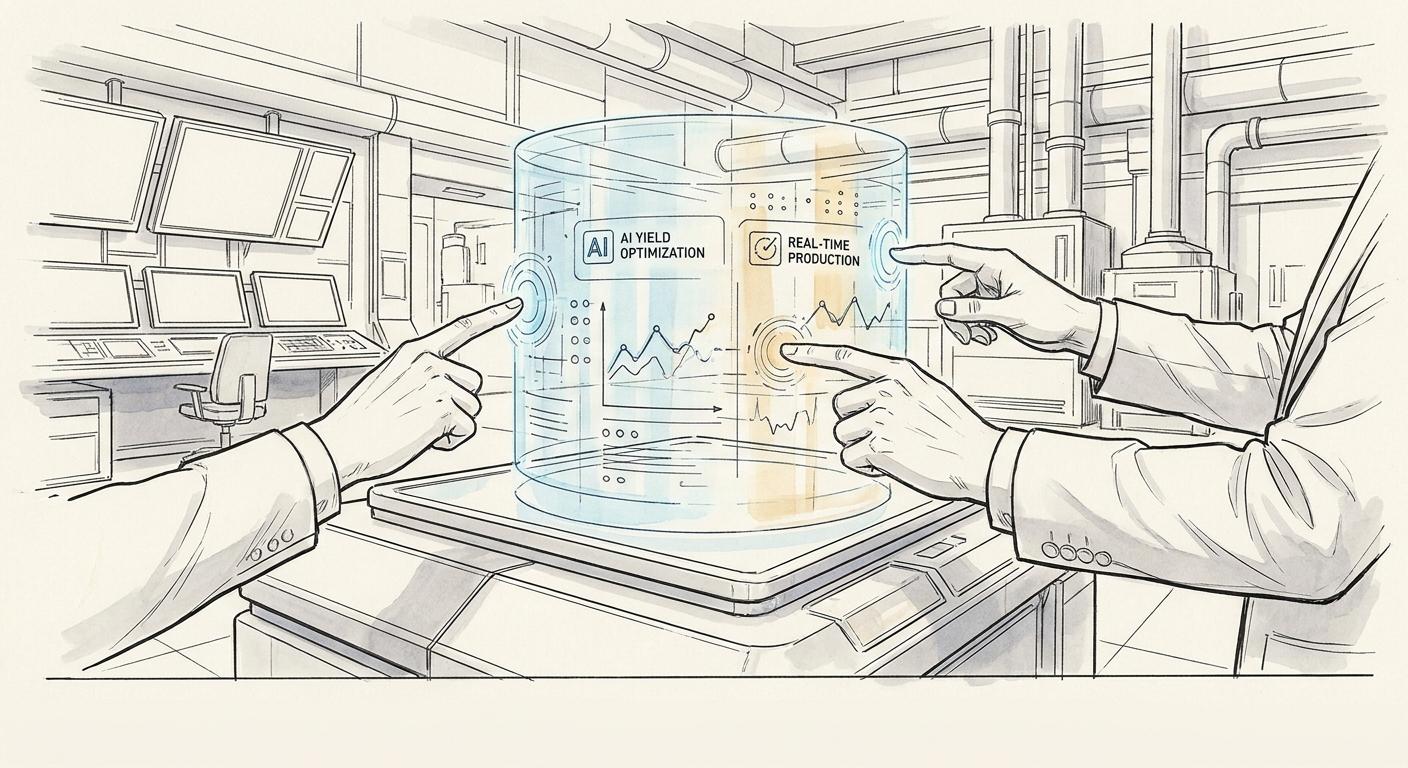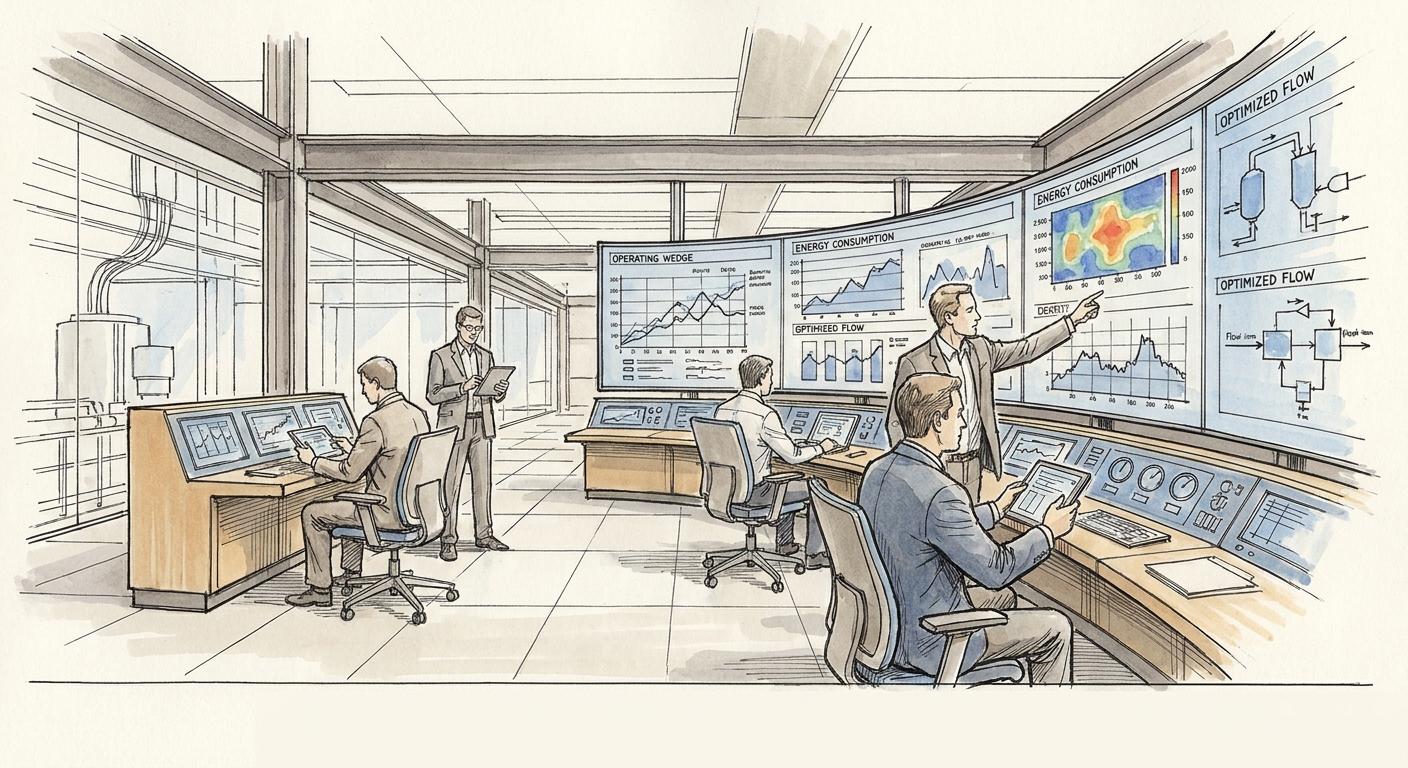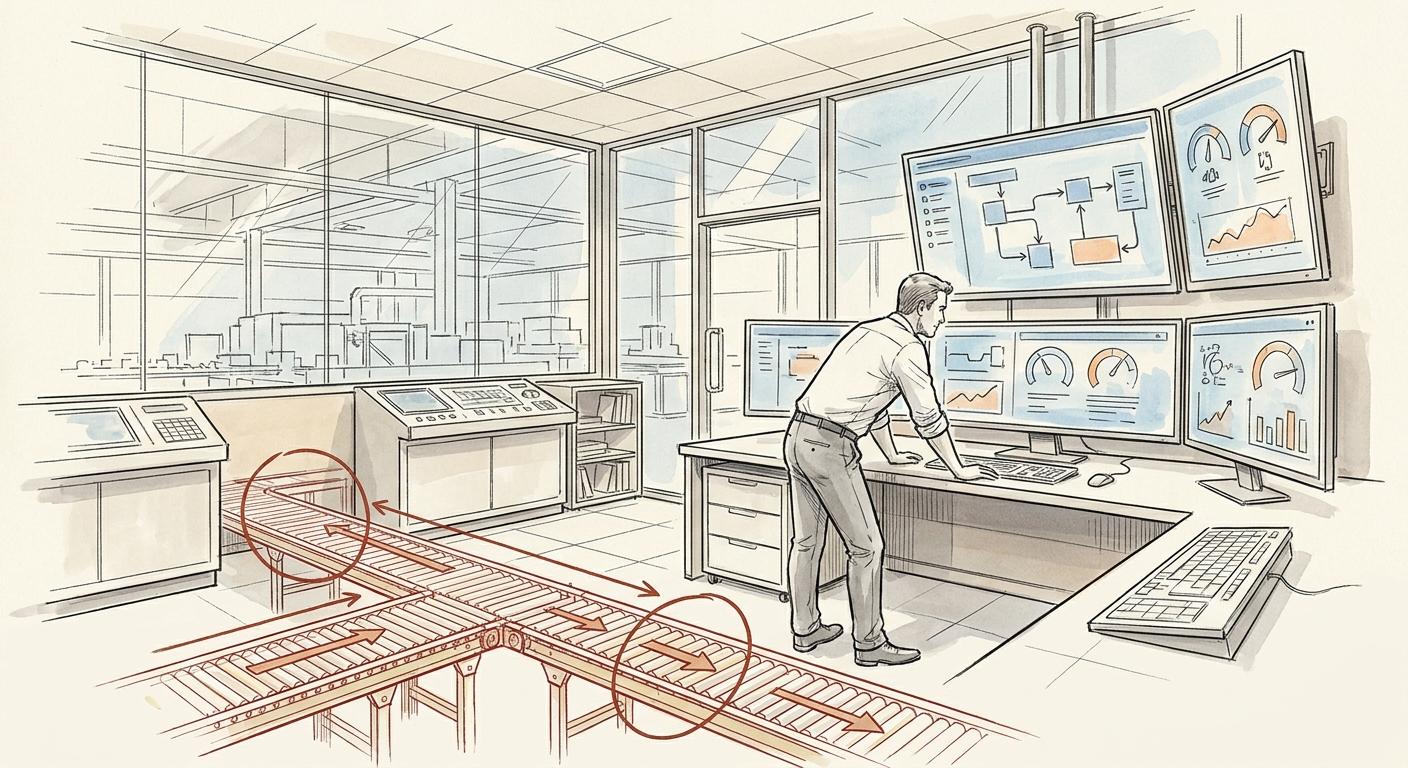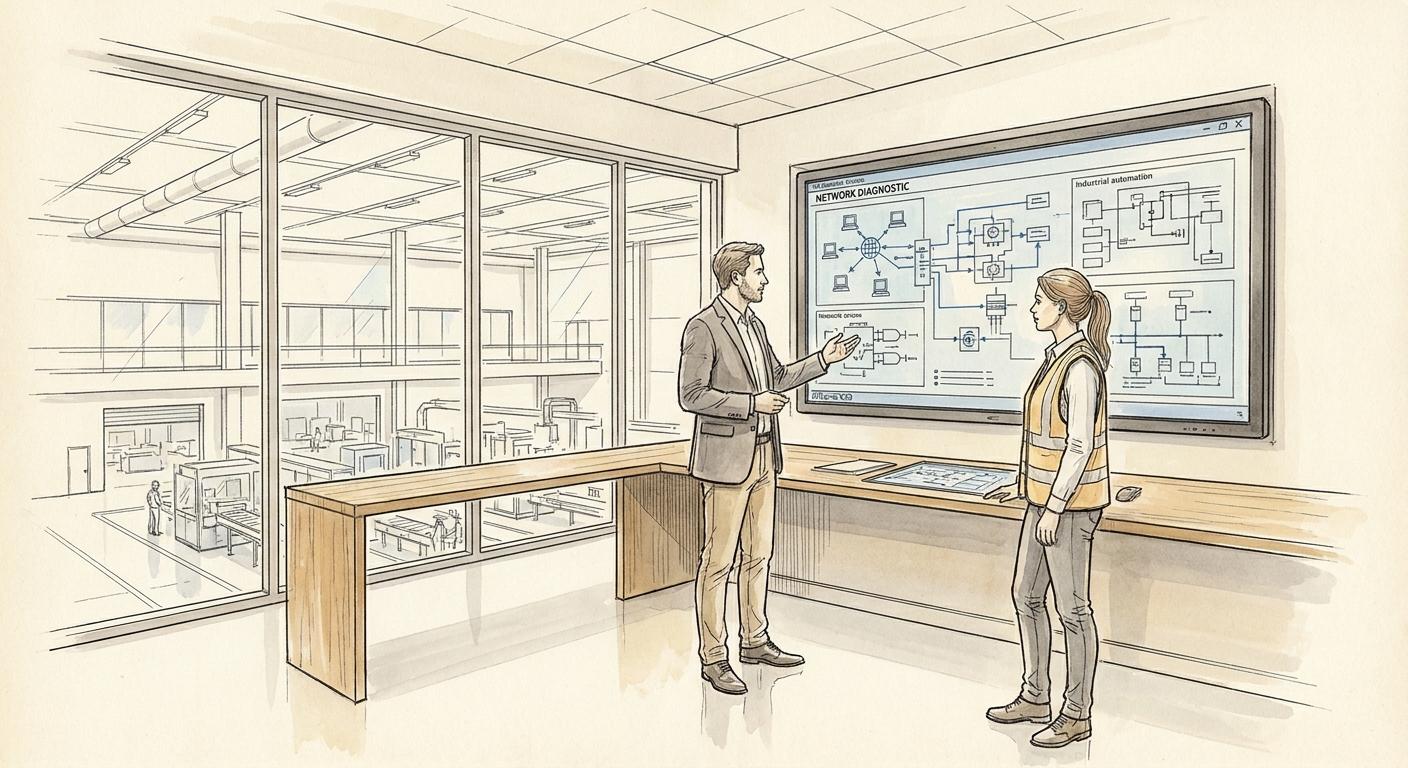


Plant managers and COOs know the frustration of watching another digital transformation initiative stall because the shop floor cannot reliably feed data to new software. When estimate-vs-actual gaps widen and unexpected downtime eats into operating margins, leadership often looks to edge artificial intelligence for a fix. Yet, deploying these models on legacy shop floors requires more than buying software licenses. Without a systematic brownfield plant data readiness checklist, teams run into bandwidth bottlenecks, proprietary communication protocols, and PLC memory limits that kill pilots before they reach production. This guide provides a practical technical standard to audit your legacy environment and prepare your industrial networks for local inference.
The Brownfield Reality: Why Edge AI Fails at the PLC Layer
Brownfield plant data readiness is the systematic assessment of legacy operational technology (OT), industrial networks, and programmable logic controller (PLC) architectures to ensure they can securely capture and stream high-frequency data for local edge AI inference. Most manufacturing AI pilots fail not because the models are inaccurate, but because the underlying infrastructure was never designed for high-throughput data collection. Legacy controllers running proprietary firmware prioritize deterministic control loops over data extraction. When teams attempt to poll variables at sub-second frequencies for anomaly detection or cycle-time optimization, the added network burden can cause controller lag or trigger watchdog timeouts.
Operating in a brownfield environment means working around these physical limitations rather than replacing multimillion-dollar assets. Plant engineers must balance the need for granular operational data with the absolute requirement for line stability. If a data collection script impacts PLC scan times, production schedules suffer immediately. Addressing this challenge requires an intentional audit of every layer of the automation stack, starting with the physical network.
Phase 1: Industrial Network and Ethernet Infrastructure Audit
The physical and logical network layer forms the backbone of any reliable edge deployment. On a typical factory floor, switches, cabling, and communication protocols have evolved organically over decades, resulting in a patchwork of managed and unmanaged hardware.
To prepare for industrial Ethernet PLC networks, audit your hardware against the following baseline requirements:
- Switch Capability: Verify that plant floor switches support VLAN segmentation to separate safety-critical control traffic from diagnostic data streams.
- Cabling Standards: Inspect physical cable runs for industrial-grade shielding (STP/FTP) to mitigate electromagnetic interference (EMI) generated by heavy machinery and variable frequency drives (VFDs).
- Bandwidth Utilization: Measure peak traffic loads on existing trunks. Industrial networks running edge models need headroom to handle bursts of time-series data without dropping packets.
- Deterministic Routing: Ensure that time-sensitive networking protocols are preserved and that data collection gateways do not introduce jitter into critical control loops.
Mapping out current switch topologies exposes hidden chokepoints where older hardware drops high-frequency packets. Identifying these weak links prevents data loss before edge models begin processing inference streams.
Phase 2: PLC and Controller Data Accessibility Assessment
Once the network layer is stable, attention turns to the controllers themselves. Extracting data from mixed-vendor PLC environments often means bridging proprietary barriers using industrial protocols like OPC UA, Modbus TCP, or EtherNet/IP.
Evaluate your controller inventory against these specific constraints:
- Polling Impact: Calculate the effect of requested data read rates on controller scan times. Polling internal memory registers too frequently starves the main control logic.
- Memory Overhead: Check available memory registers in legacy processors. Adding logic blocks or structured text routines for data logging can exceed capacity on older models.
- Protocol Standardization: Document which controllers support open standards natively versus those requiring proprietary middleware or hardware protocol converters.
- Data Granularity: Determine whether the PLC can buffer historical data locally during temporary network interruptions or if it relies entirely on real-time streaming.
Many plants bypass direct PLC polling by installing passive tap devices or dedicated industrial protocol gateways. These units mirror network traffic or read memory registers independently, protecting the core controller from performance degradation.
Phase 3: Edge Hardware and Compute Placement
Deploying AI models locally requires hardware capable of running edge AI inference manufacturing workloads in harsh environments. Unlike pristine server rooms, the factory floor subjects electronics to high ambient temperatures, vibration, dust, and electrical noise.
Size and position your edge compute infrastructure by verifying these environmental and technical parameters:
- Thermal Ratings: Select fanless industrial PCs rated for ambient operating temperatures typical of your plant floor, especially near stamping presses, furnaces, or unconditioned warehouses.
- Vibration Resistance: Mount edge gateways using dampening hardware or solid-state storage solutions that withstand continuous mechanical vibration without read-write failures.
- Compute Sizing: Match local processing units (CPUs, GPUs, or NPUs) to model complexity. Simple anomaly detection models run efficiently on modest industrial controllers, while computer vision pipelines require dedicated acceleration hardware.
- Physical Security: Enclose edge hardware in NEMA-rated cabinets with proper air filtration to prevent particulate accumulation.
Proper hardware placement ensures continuous operation without requiring frequent maintenance trips into hazardous or difficult-to-reach plant areas.
Phase 4: Data Security and OT/IT Segmentation
Connecting industrial machinery to edge processing nodes introduces cybersecurity vulnerabilities if proper boundaries are not maintained. OT data pipeline integration must respect the Purdue Model for control hierarchy, ensuring that analytics traffic does not expose critical control networks to enterprise or external threats.
Secure your operational data streams by implementing these architectural safeguards:
- Demilitarized Zones (DMZs): Route all plant floor data through an industrial DMZ equipped with stateful firewalls before exposing it to higher-level analytics or cloud storage.
- Unidirectional Gateways: Use data diodes where appropriate to guarantee that information flows strictly out of the control network without any possibility of inbound tampering.
- Authentication Standards: Enforce certificate-based authentication for all edge devices and gateways communicating with plant controllers.
- Firmware Maintenance: Establish an inventory and patch management schedule for all protocol converters, edge gateways, and network switches.
Maintaining strict air-gapping or secure segmentation protects production lines from ransomware and unauthorized access while still feeding clean data to analytics models.
From Checklist to Production: Getting Measurable Results in 60-90 Days
Auditing legacy infrastructure does not require a multi-year IT overhaul. Using a focused operating wedge, manufacturers can target a single high-impact constraint - such as a specific bottleneck machine or recurring quality defect - and build a targeted data pipeline around it. iForAI helps industrial organizations deploy their first production-ready use case within 8-12 weeks through structured AI Starter Packages. By pairing legacy network assessments with rapid software deployment, plants achieve measurable results without ripping out core controllers. To learn more about structuring your production environment for scalable AI initiatives, book a Manufacturing Diagnostic at ifor.ai/solutions/manufacturing.
Frequently Asked Questions
Can edge AI run on legacy PLCs without replacing them?
Yes. Edge AI inference relies on industrial Ethernet gateways, passive network taps, or dedicated protocol converters that pull data from legacy controllers without modifying the underlying control code or replacing core hardware.
What network bandwidth is required for edge AI inference on the plant floor?
Edge inference minimizes cloud bandwidth consumption by processing raw data locally at the machine. However, local switch backplanes must support high-frequency polling traffic between the controllers, data loggers, and edge compute nodes.
How do you handle proprietary protocols in a brownfield environment?
Industrial protocol gateways and standardized software like OPC UA bridge the gap between proprietary PLC languages and modern analytics pipelines, translating raw registers into clean, consumable data streams for edge models.

Asaf Yosifov
Founder & CEO at iForAI