

.svg)

Private Equity Operating Partners managing industrial assets often face the same structural drag: R&D cycles that outlast the investment window and stagnant margins due to rigid design processes. Generative AI for product prototyping offers a mechanism to compress these timelines and unlock significant operating leverage by automating the iterative heavy lifting of design. This article outlines how to deploy GenAI to reduce R&D overhead, optimize unit costs, and build a repeatable AI playbook that enhances exit readiness.
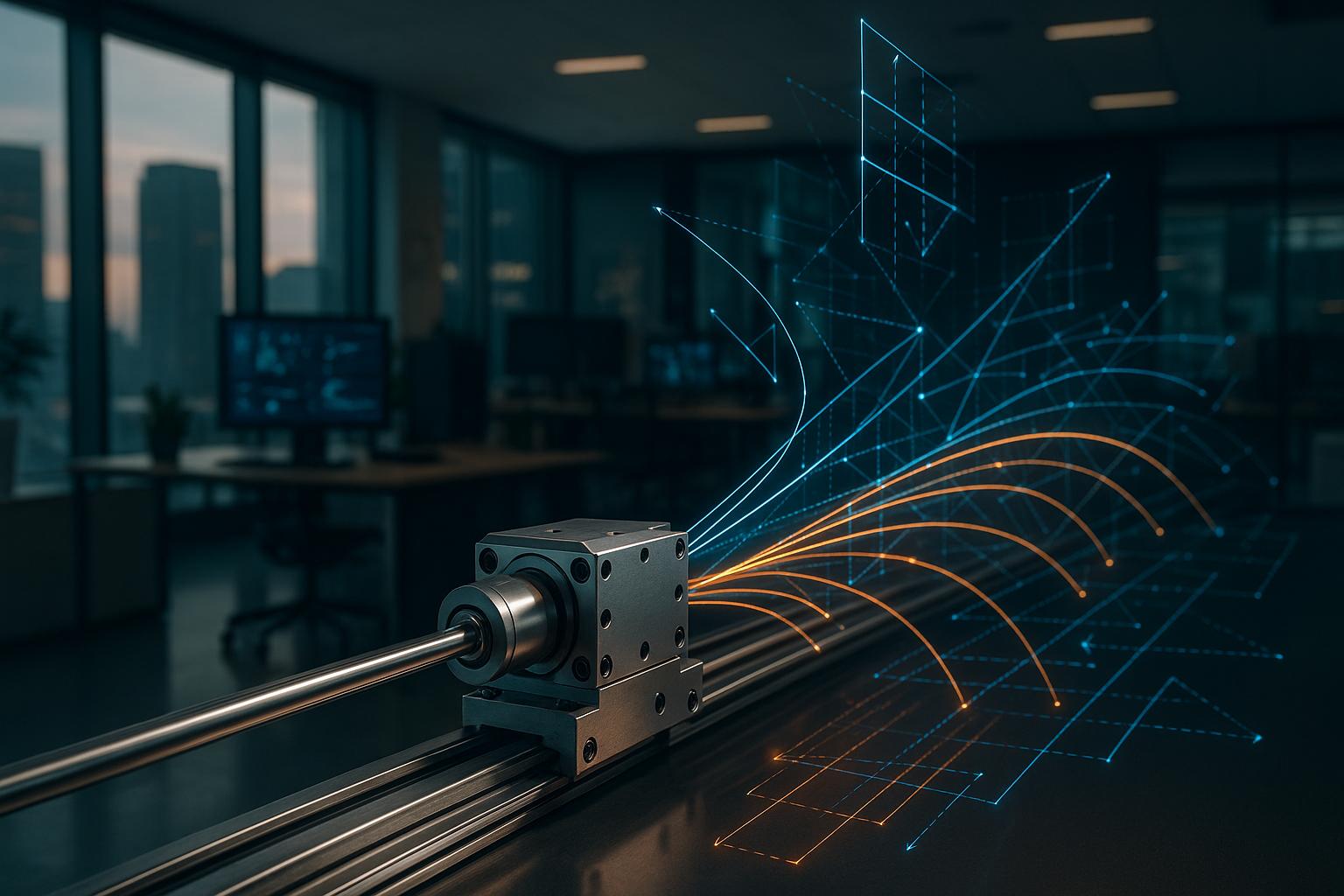
Generative AI for product prototyping is the application of machine learning algorithms to autonomously generate optimal design solutions based on specific constraints such as material type, cost, weight, and manufacturing method. Unlike traditional CAD, which requires manual iteration, this technology evaluates thousands of permutations simultaneously to identify the most efficient path from concept to production-ready model.
The Margin Compression Problem: Why Traditional R&D is an Exit Risk
In many industrial portfolio companies, the R&D department functions as a cost center with unpredictable output. When a PortCo relies on manual, sequential prototyping, the time-to-value for new product lines often stretches into years. For a PE firm on a 3-to-5-year hold, this lag directly threatens the projected exit multiple.
Slow innovation cycles lead to margin leakage as competitors with more agile setups capture market share. Furthermore, traditional design often fails to account for the full spectrum of job costing variables, leading to products that are over-engineered and under-profitable. If the engineering team is stuck in a cycle of "design-fail-redesign," the resulting EBITDA erosion makes the asset less attractive to secondary buyers or strategic acquirers who prioritize lean, technology-forward operations.
From 12 Months to 12 Weeks: How GenAI Accelerates Prototyping
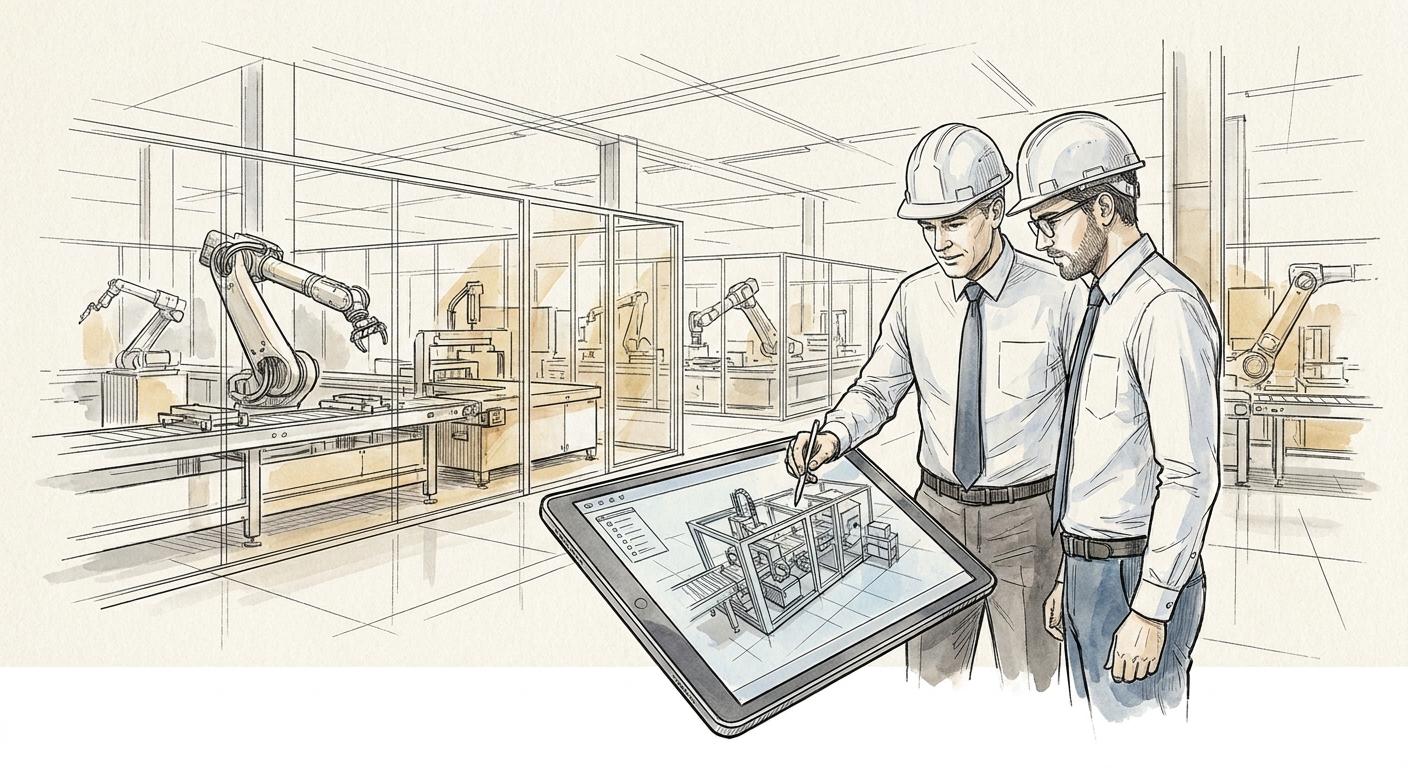
Moving from manual CAD iterations to embedded AI workflows changes the math of product development. Instead of an engineer spending weeks tweaking a single geometry, GenAI tools allow the team to input performance requirements - such as load-bearing capacity or thermal resistance - and receive dozens of viable, high-fidelity prototypes in hours.
This shift accelerates industrial portfolio innovation by moving the "fail fast" mentality into a virtual environment. One PE-backed manufacturing group recently used this approach to reduce their validation time for new components from 3 minutes to 20 seconds per iteration. By the time a physical prototype is built, the AI has already simulated thousands of stress tests, ensuring the first physical build is nearly production-ready. This compression of the value creation timeline is what allows an Operating Partner to turn a stagnant R&D department into a high-velocity growth engine within the first 100 days post-acquisition.
Driving Down Unit Costs: AI-Optimized Design for Manufacturability (DfM)
The most direct path to EBITDA improvement through GenAI is not just speed, but material efficiency. Generative design often produces organic shapes that provide the same structural integrity as traditional blocks but with 30% less material. These AI-driven cost reductions aggregate quickly across high-volume production runs.
AI models can also identify estimate-vs-actual gaps by analyzing historical job costing data against new designs. If a design requires a specific machining process that historically leads to high scrap rates, the AI can flag this in the prototyping phase, suggesting a Design for Manufacturability (DfM) alternative. This prevents margin leakage before the first unit ever hits the shop floor. By optimizing the Bill of Materials (BOM) through AI, PortCos can realize immediate gross margin expansion that carries through to the bottom line.
The 90-Day Execution Framework: Implementing AI Without Disrupting Operations
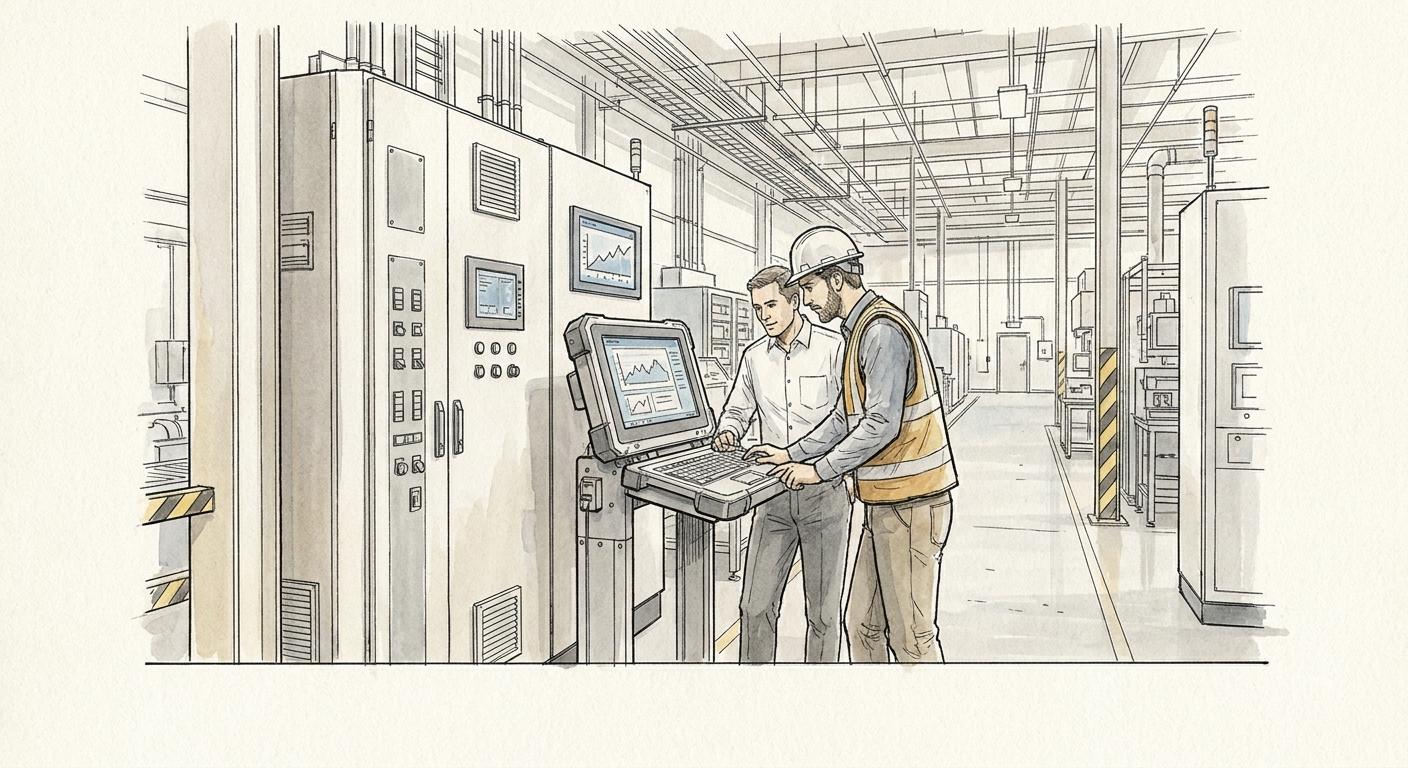
The primary fear for a COO or Plant Manager is that a new technology initiative will cause OTIF misses or disrupt the ERP-MES data flow. To mitigate this, we recommend a fixed-scope AI Starter Package that focuses on a single, high-impact use case. This avoids the "pilot purgatory" common in mid-market firms.
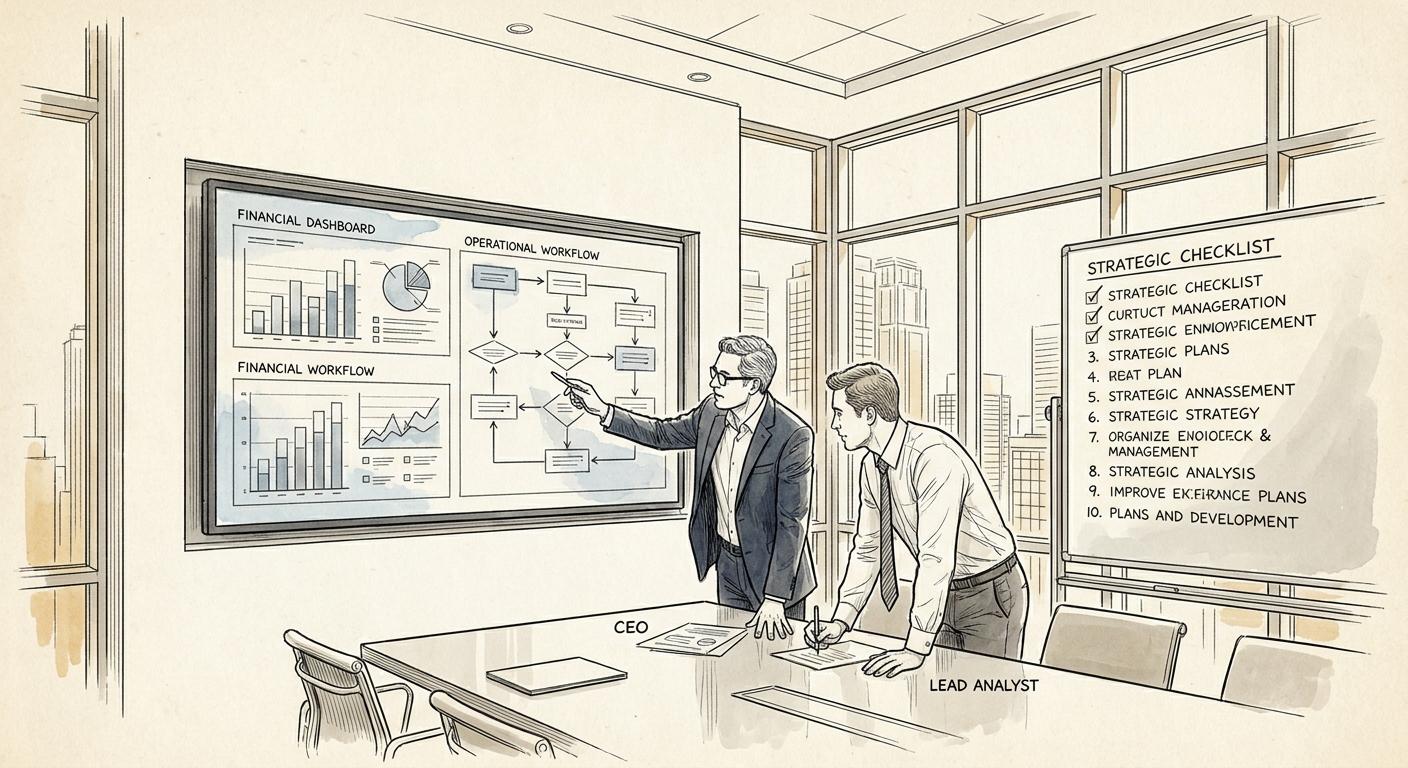
The process begins with an AI readiness audit to ensure the PortCo has the necessary data hygiene. Within 60 to 90 days, the goal is to have one live use case in production - such as an automated BOM analyzer or a synthetic design generator - that produces measurable ROI. This low-risk entry point allows the PE firm to demonstrate quick wins to LPs while building the foundation for a portfolio-wide rollout. We have found that this phased approach increases AI maturity by an average of 56% across client organizations.
Building the Capability: Why Your PortCo Needs a Playbook, Not Just a Tool
Purchasing software like Copilot or specialized generative design tools is not a strategy. Without a value creation playbook that includes upskilling, adoption will remain low, and the investment will be wasted. True exit readiness comes from transforming the workforce so they can operate alongside AI.
At iForAI, we have trained over 1,500 employees because we know that technology only sticks when the internal team knows how to prompt, validate, and iterate with it. Providing a PortCo with 35+ specialists for the price of a single hire ensures that the operating wedge created by AI remains permanent. When it comes time to exit, you aren't just selling a manufacturing company; you are selling a modern, AI-enabled enterprise with high operating leverage and a repeatable engine for innovation.
Frequently Asked Questions
How soon can a PE firm see ROI from GenAI in manufacturing? Measurable results typically emerge within 60 to 90 days. By focusing on a specific use case - such as reducing material waste in design or automating manual customer service workflows - firms can see immediate EBITDA improvement and a clear path to scaling the technology across the portfolio.
Does GenAI require a complete overhaul of existing ERP/PLM systems? No, GenAI acts as an execution layer that sits on top of your existing infrastructure. It extracts and processes data from current ERP and PLM systems to provide actionable design and costing insights without requiring a high-risk, multi-year systems migration.
How does generative prototyping impact the exit multiple? Acquirers pay a premium for companies with high AI maturity and shorter R&D cycles. By demonstrating a repeatable AI playbook that consistently reduces time-to-market and unit costs, a PE firm can argue for a higher multiple based on superior operating margins and future growth scalability.
What is the biggest risk in implementing AI for industrial PortCos? The biggest risk is low adoption due to a lack of upskilling. Simply buying tools without training the engineering and operations teams leads to "shadow AI" and inconsistent results. A successful strategy requires combining execution with executive and staff-level training to ensure the value is captured and maintained.
Generative AI transforms R&D from a slow-moving cost center into a high-velocity driver of margin expansion. By following a structured 90-day framework, PE firms can de-risk the implementation and ensure the portfolio company is positioned for a high-multiple exit.
Take the free AI Maturity Assessment at ifor.ai