
.svg)


6
min read

September 21, 2026
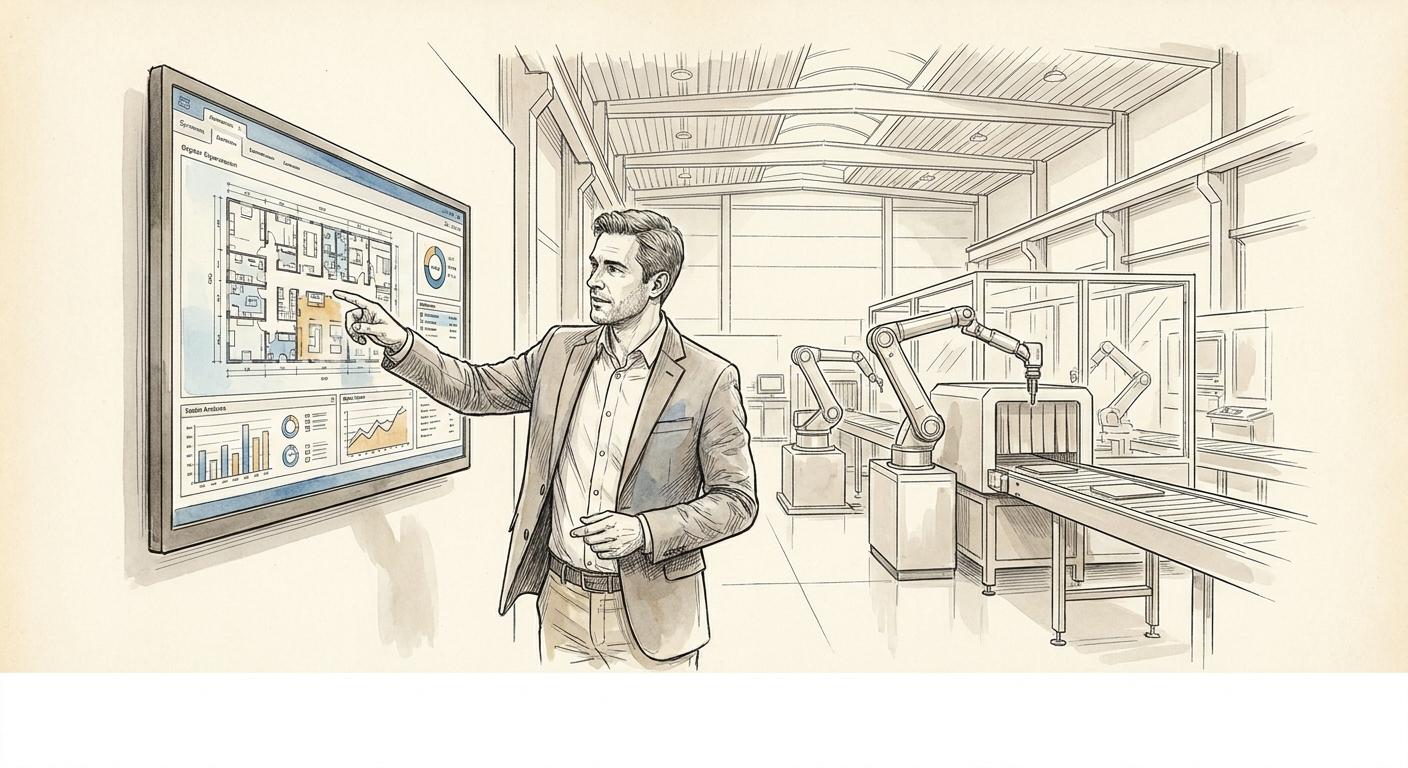
Standardization drift across production facilities is a primary driver of margin leakage and inconsistent OTIF performance. When the "gold standard" process exists only in the head of a retiring plant manager in Ohio, the facility in Monterrey inevitably suffers from quality variance. Implementing Generative AI for manufacturing SOPs allows COOs to bridge the gap between their high-level ERP data and the actual execution truth on the shop floor. This article explores how to move from static, outdated PDF manuals to a dynamic, AI-driven framework for standard work and multi-plant compliance.
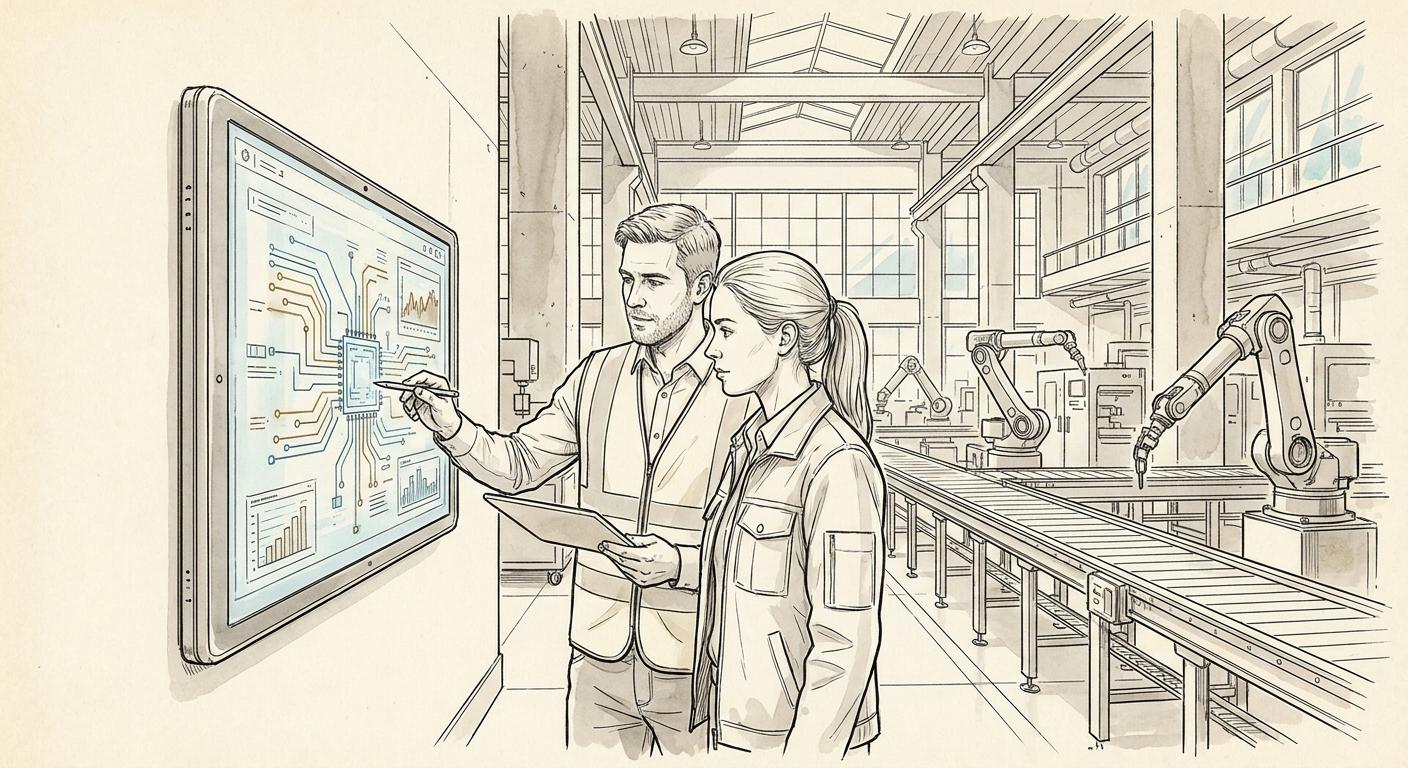
Generative AI for manufacturing SOPs is the application of Large Language Models (LLMs) to ingest unstructured technical data - such as equipment manuals, video walkthroughs, and legacy spreadsheets - to produce standardized, compliant, and actionable work instructions. These digital procedures can be deployed instantly across multiple production facilities to ensure operational consistency.
The Cost of Inconsistency: Why Manual SOPs Fail Multi-Plant Operations
In a multi-plant environment, manual SOP management is often the root cause of estimate-vs-actual gaps. When processes are documented manually, they are rarely updated in real-time, leading to "tribal knowledge" where floor workers develop their own shortcuts. This divergence creates significant risk for Private Equity-backed manufacturers looking to scale, as it masks inefficiencies that erode EBITDA.
When one plant achieves a 15% higher throughput than another, the delta is often found in undocumented tribal knowledge. Manual systems fail to capture these nuances, resulting in margin erosion and safety risks. Without a repeatable AI playbook for documentation, the cost of auditing these discrepancies across five or ten sites becomes prohibitive, leaving the organization vulnerable during exit readiness assessments.
From 40 Hours to 40 Minutes: Automating SOP Creation with GenAI
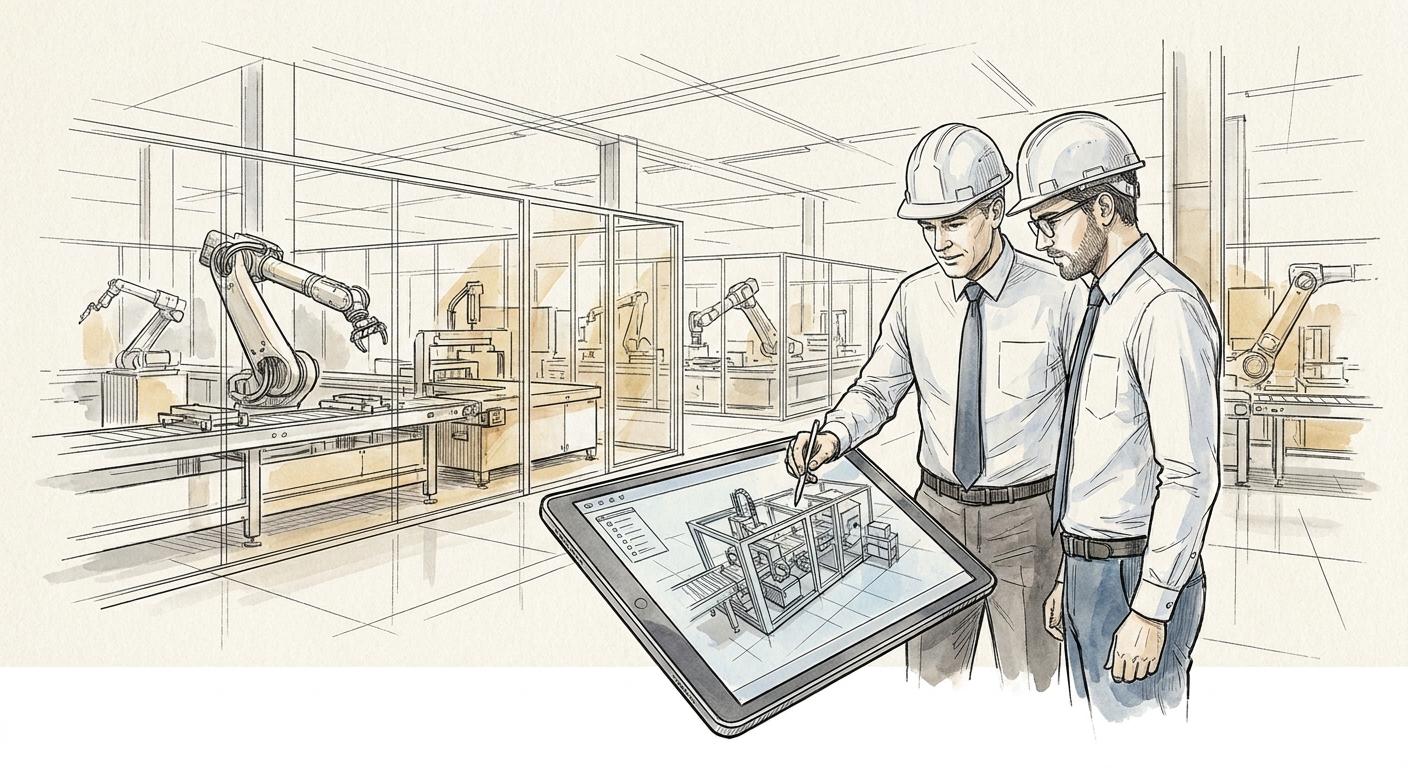
The traditional process of creating a single, high-quality Standard Operating Procedure can take upwards of 40 hours when accounting for interviews, drafting, and safety reviews. Standard Operating Procedure automation using Generative AI reduces this timeline to under an hour. By utilizing Retrieval-Augmented Generation (RAG), an AI system can ingest a manufacturer’s specific technical manuals and CAD data to draft structured instructions that are technically accurate and contextually relevant.
At iForAI, we have seen manufacturing workforce upskilling timelines accelerate significantly when plant managers can generate multilingual instructions from a simple 2-minute video of a technician performing a task. The AI identifies the steps, highlights safety warnings, and formats the output for the specific MES interface used at that site. This speed to results allows a lean corporate operations team to standardize 70+ use cases in the time it previously took to document one.
Solving the Compliance Gap: Real-Time Monitoring and Feedback Loops
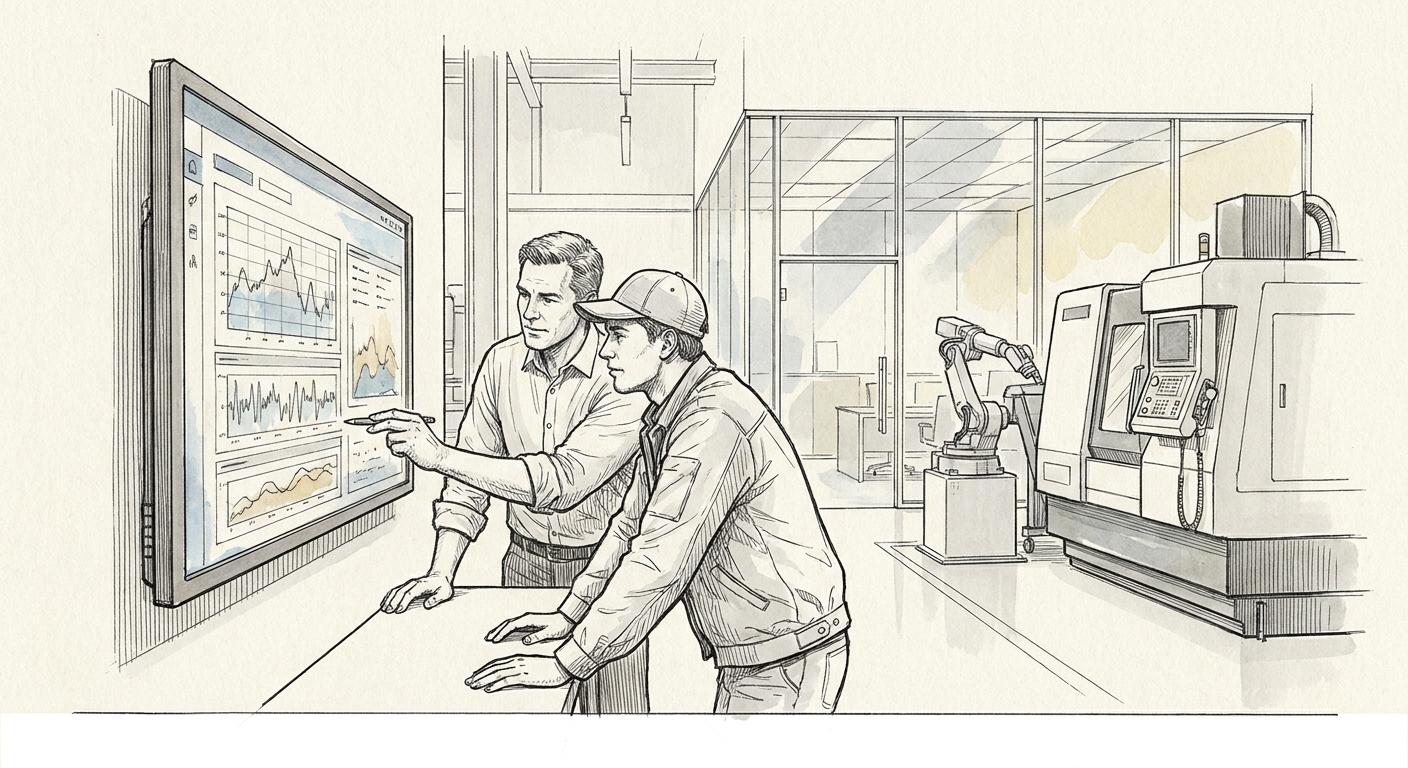
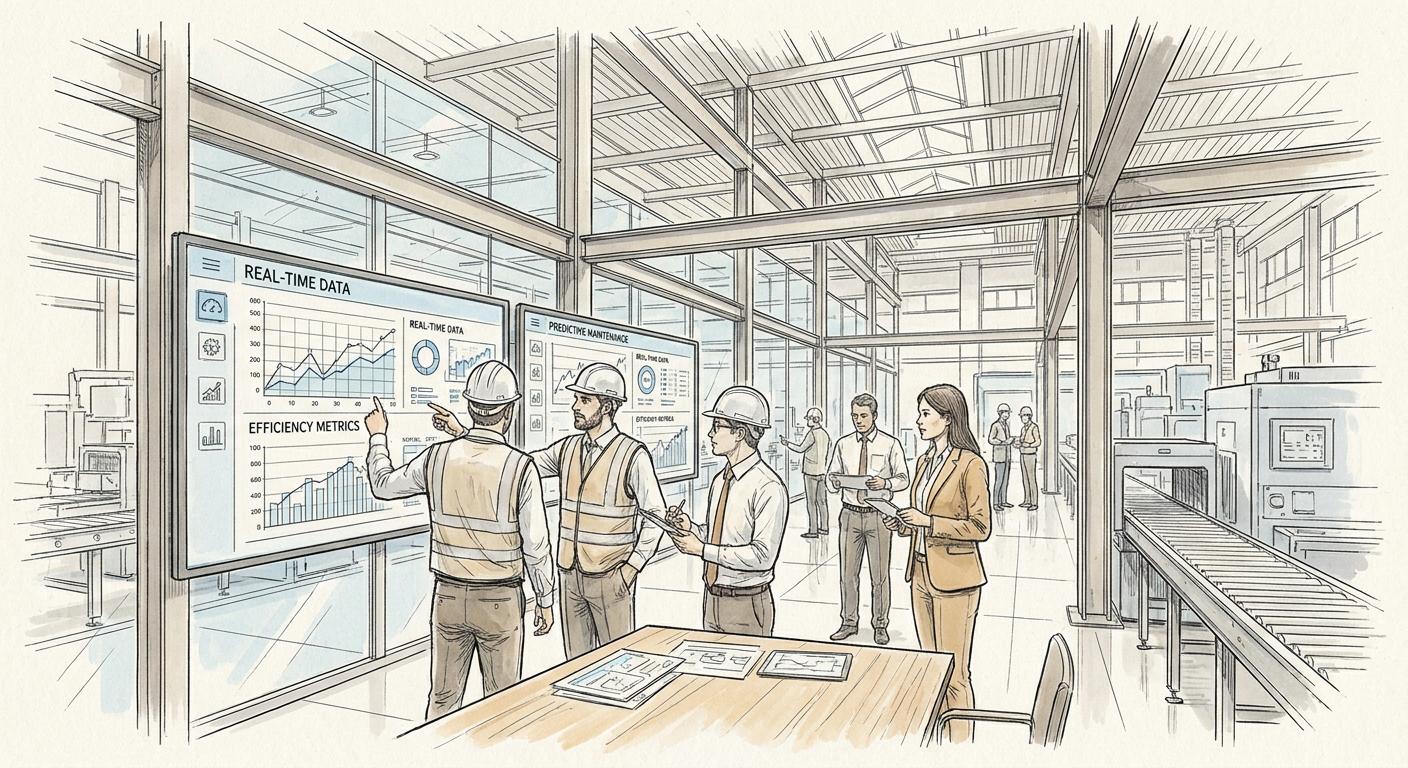
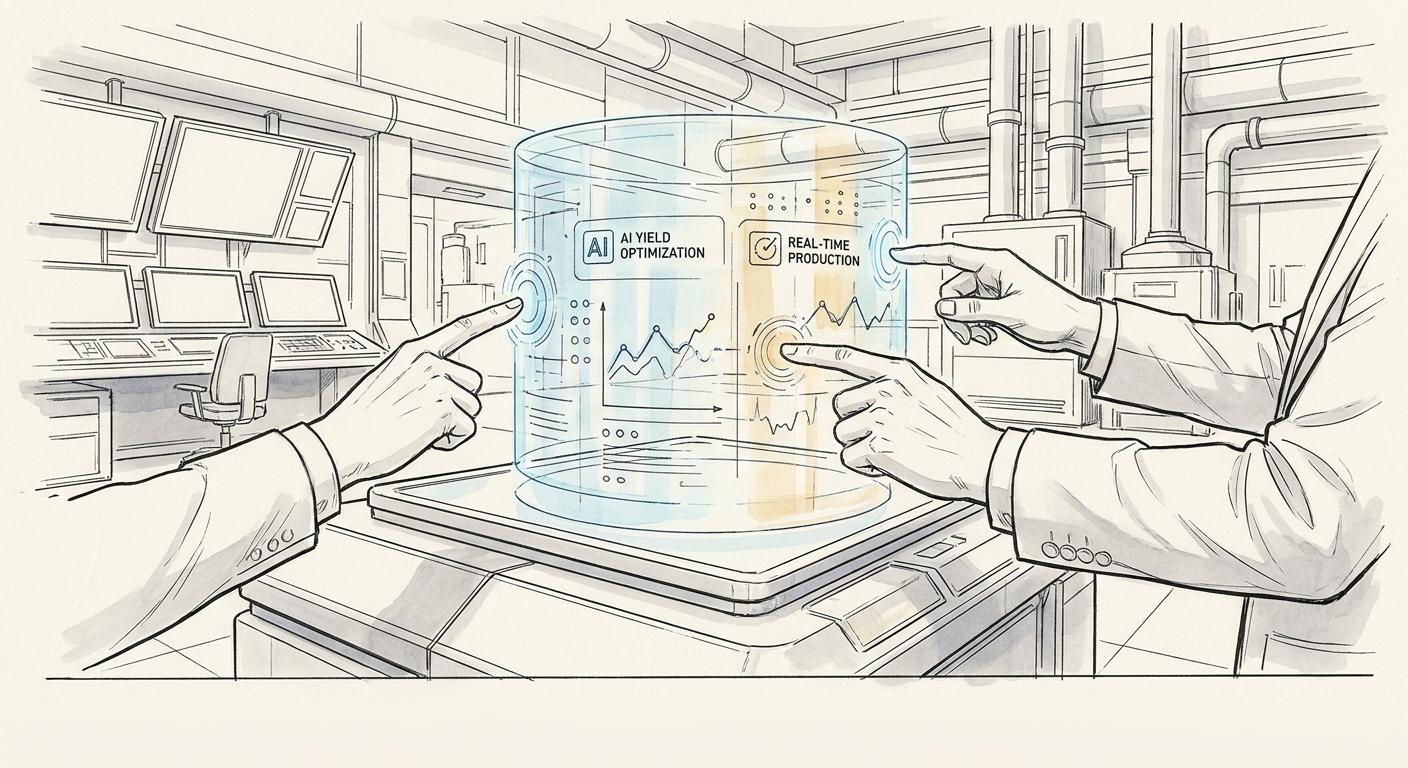
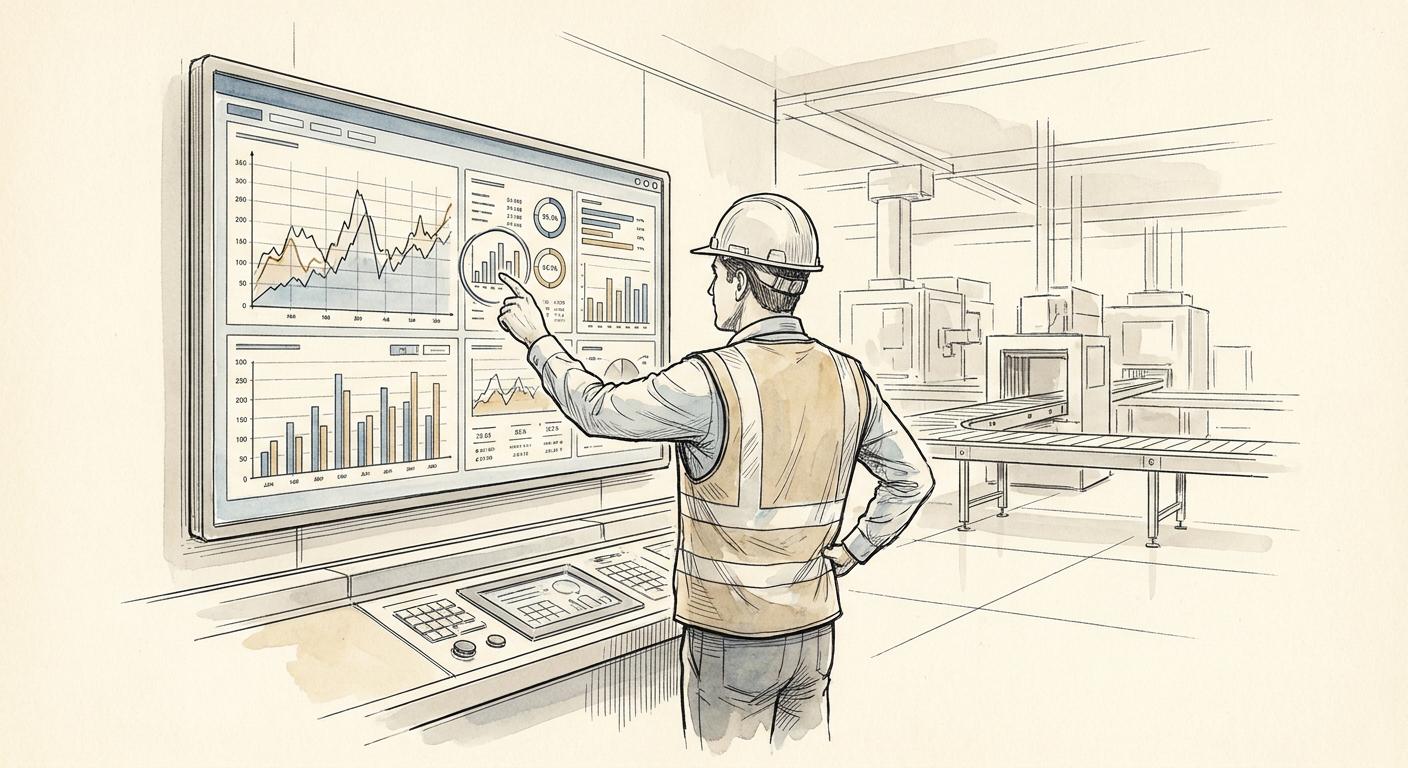
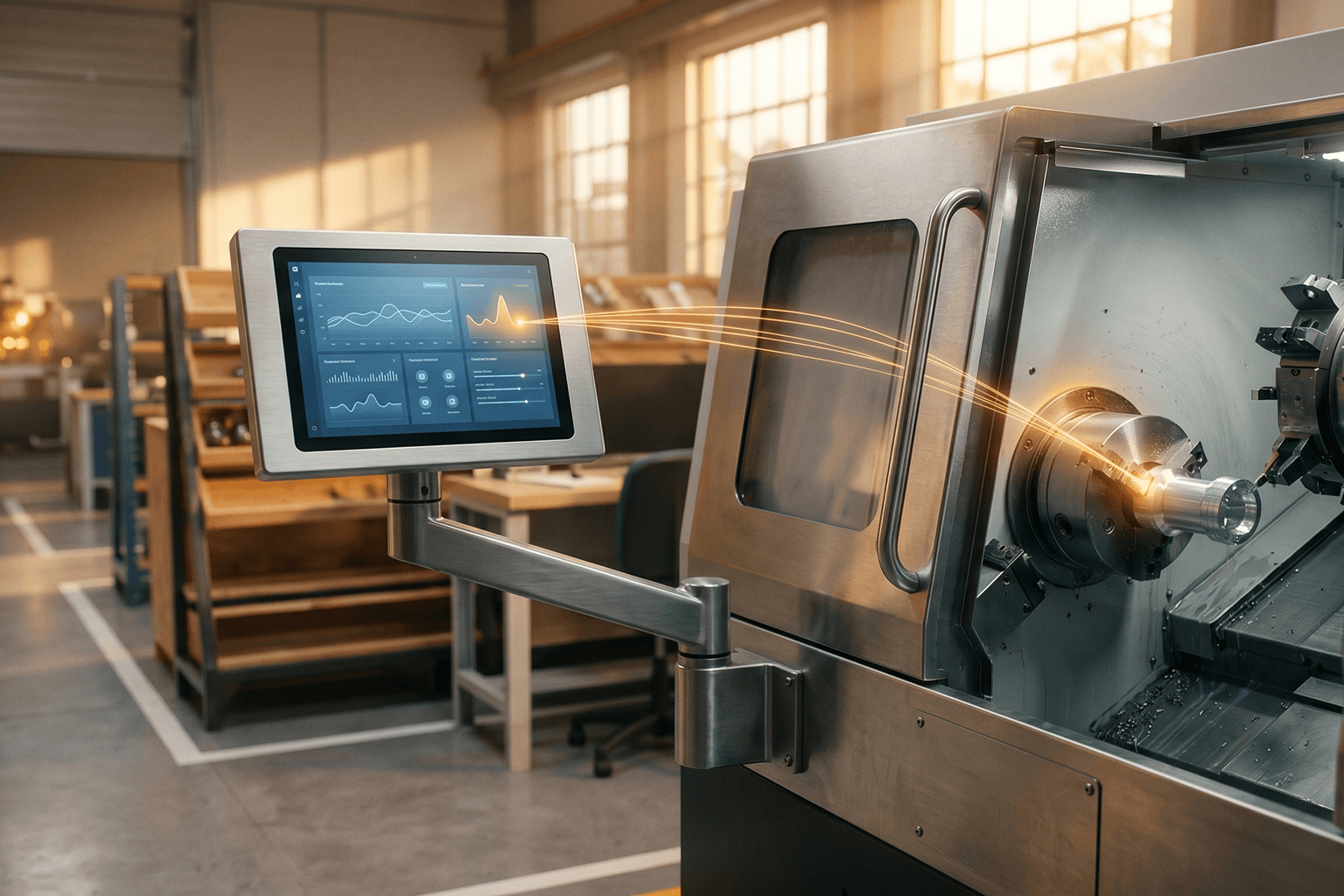
Static documentation is a passive control; it does not guarantee compliance. AI-driven compliance monitoring transforms SOPs into active data streams. By integrating GenAI with existing vision systems or tablet-based checklists, manufacturers can create a feedback loop that validates execution in real-time. If a step is skipped or a safety protocol is ignored, the system flags the variance before the batch is completed.
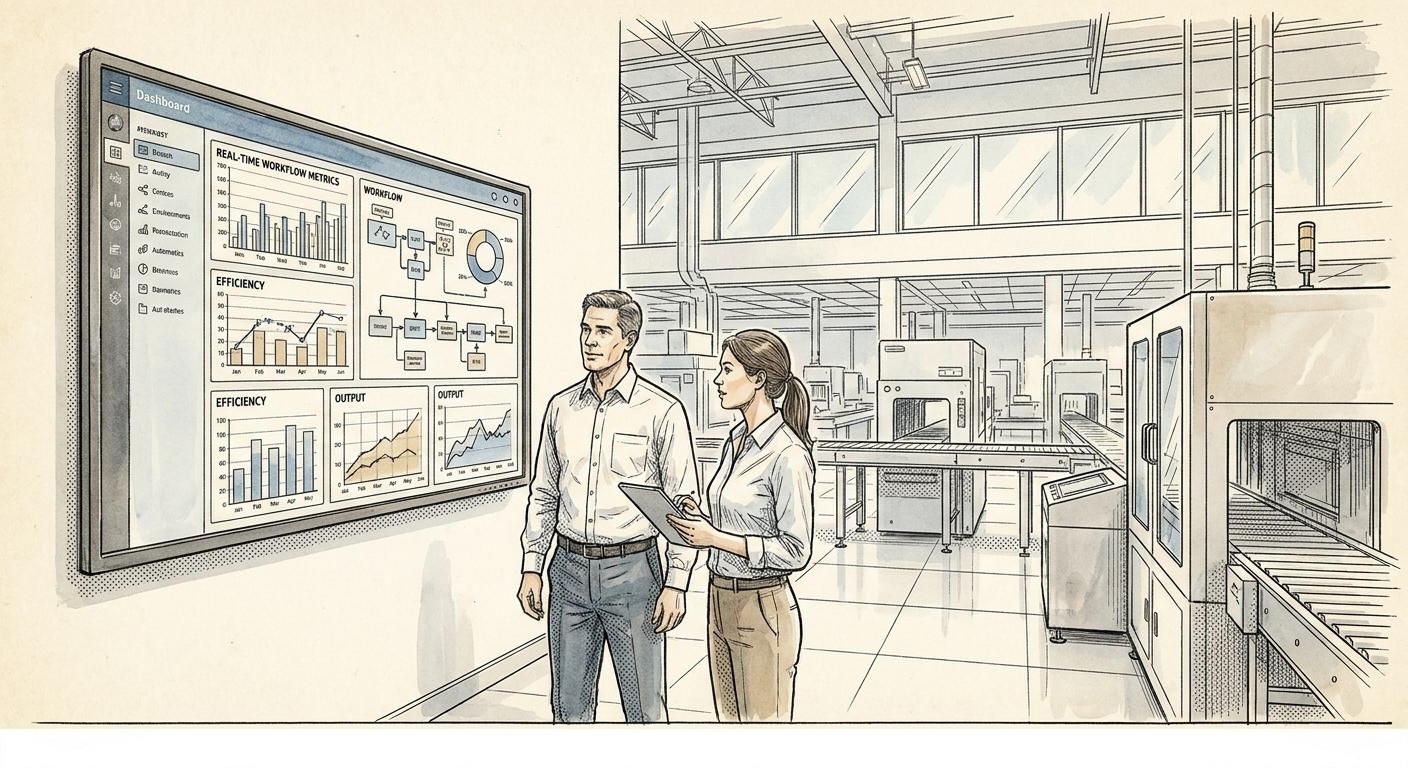
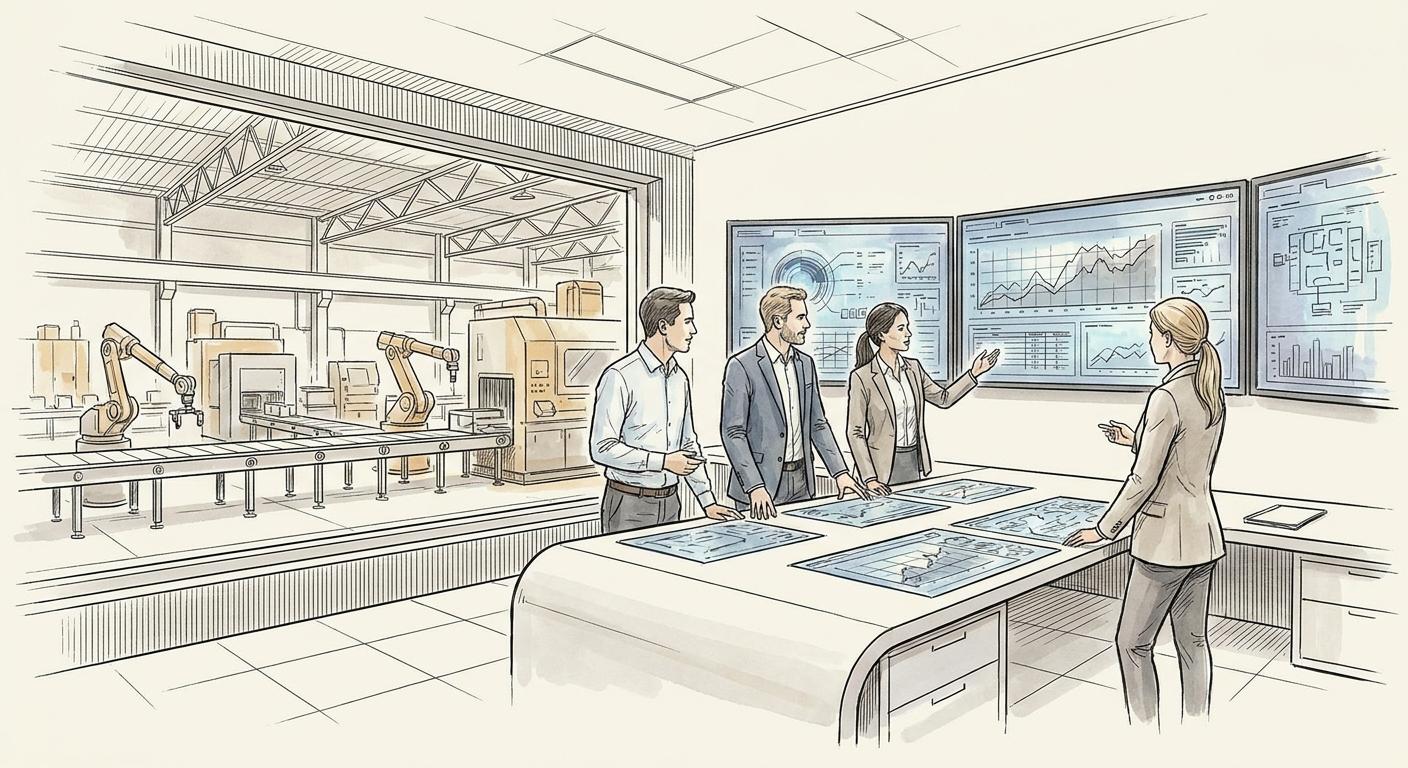
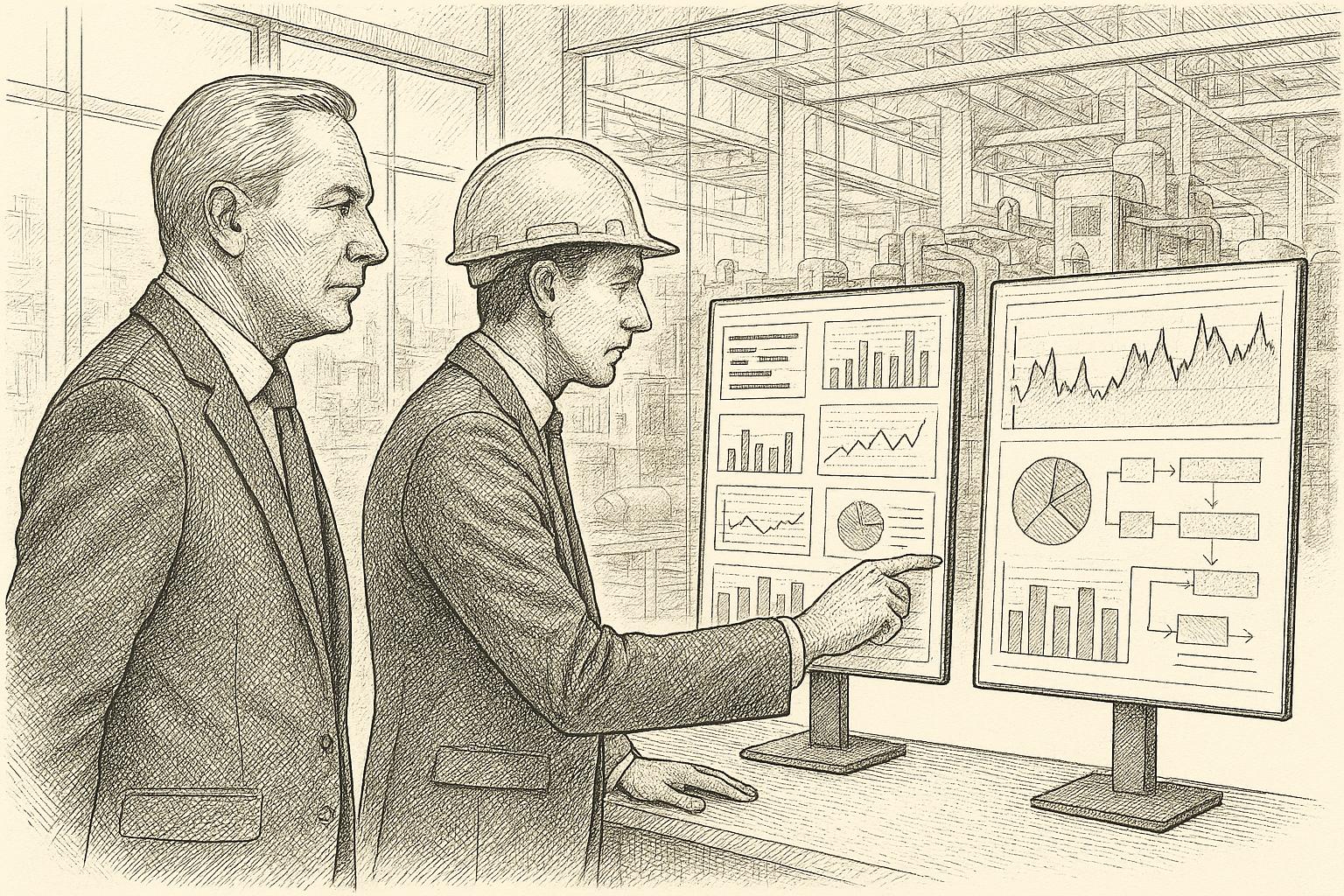
This approach addresses the delayed execution truth that plagues many COOs. Instead of finding out about a quality dip during a post-mortem at the end of the month, AI-powered systems provide immediate visibility. For PE firms, this level of embedded AI increases the valuation multiple by demonstrating a rigorous, tech-enabled approach to operational excellence that does not rely on manual oversight.
Bridging the Skills Gap: Using AI to Upskill Floor Workers Faster
The manufacturing sector faces a persistent labor shortage, and the "time to productivity" for new hires is a critical metric. Digital transformation in plant operations must focus on the worker. Generative AI facilitates faster onboarding by providing "on-demand" expertise. A new operator can ask a natural language query - "How do I clear a jam on the Line 4 sealer?" - and receive a concise, step-by-step guide pulled directly from the plant's verified SOP library.
This internal knowledge base acts as an operating wedge, allowing the company to maintain high output even with a less experienced workforce. We have seen organizations reduce manual customer service and internal support effort by 60% by deploying these intelligent interfaces. It moves the plant away from a reliance on veteran employees who are nearing retirement and creates a scalable, institutional memory.
Beyond Strategy: A 90-Day Roadmap for AI-Driven Standard Work
Deploying AI across a portfolio or multiple sites does not require a multi-year overhaul. A focused value creation plan can deliver measurable results in 60 to 90 days. The process begins with a discovery phase to identify the highest-impact processes - typically those with the highest scrap rates or safety incidents.
iForAI’s AI Starter Package for manufacturing provides a fixed-scope entry point: one live use case in production, comprehensive executive training, and a 12-month roadmap. By starting with a single "quick win," such as automating maintenance SOPs for a bottleneck machine, leadership can prove the ROI before scaling the repeatable AI playbook portfolio-wide. This phased execution ensures that the technology is adopted by the floor workers, rather than becoming another "shelfware" tool with low adoption.
FAQ
How to automate SOP creation with AI without losing technical accuracy? Automation is achieved by grounding the AI in your company’s specific technical documentation using RAG. This ensures the AI only uses verified data rather than general knowledge, preventing "hallucinations" and maintaining the integrity of complex engineering instructions.
What are the benefits of scaling standard work across multiple manufacturing sites? Scaling standard work ensures that every plant operates at the "gold standard" efficiency, reducing quality variance and OTIF misses. It allows for more accurate job costing and enables COOs to compare plant performance on a true apples-to-apples basis.
How does AI for manufacturing quality and safety compliance improve EBITDA? AI reduces the costs associated with scrap, rework, and safety penalties by providing real-time execution oversight. By ensuring processes are followed correctly the first time, manufacturers capture lost margin and improve their operating leverage.
Can GenAI handle multilingual SOPs for global operations? Yes, modern GenAI models provide context-aware translations that respect technical terminology better than generic tools. This allows a process developed in a German plant to be deployed in a Mexican facility with high linguistic and technical fidelity.
Effective AI adoption is the difference between an exit at a standard multiple and a premium valuation.
Book a Manufacturing Diagnostic at ifor.ai/solutions/manufacturing

Asaf Yosifov
Founder & CEO at iForAI