

.svg)

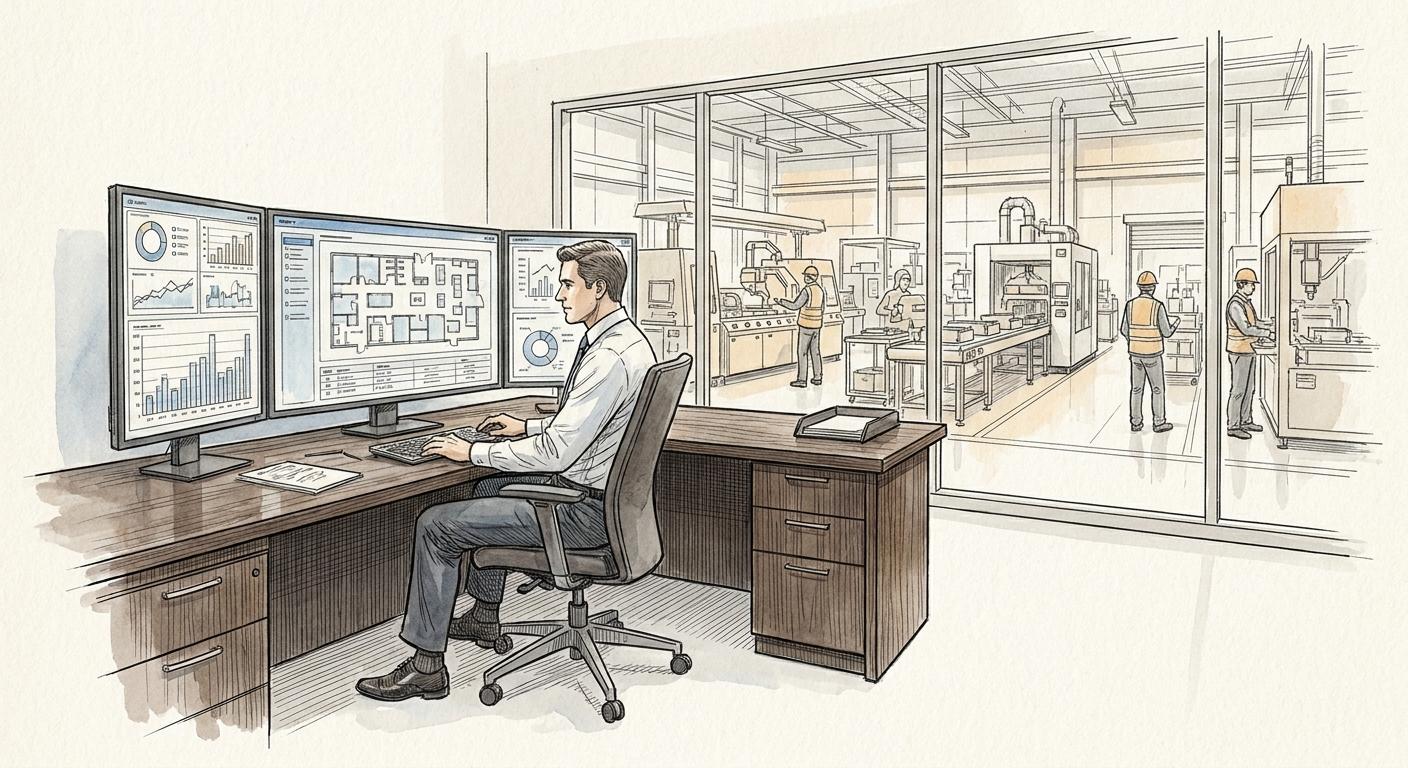
Standard operating procedures sitting in binders or shared network drives rarely reflect how the plant floor actually runs. When a COO oversees multiple facilities, this documentation gap directly causes margin erosion, persistent OTIF misses, and severe safety compliance risks. The hidden costs of outdated process instructions show up immediately in the estimate-vs-actual gaps that plague modern manufacturing. Relying on tribal knowledge leaves facilities vulnerable to audit failures and scrap rate spikes whenever shift leads rotate out. Implementing AI for SOP creation manufacturing addresses this bottleneck by turning raw operational inputs into standardized, audit-ready instructions at scale.
The Multi-Plant SOP Bottleneck: Why Manual Documentation Fails
Multi-plant operators face a distinct documentation crisis following acquisitions or rapid organic growth. Each facility maintains its own version of routine tasks, often preserved in handwritten notes, siloed spreadsheets, or three-ring binders that haven't been updated in years. When corporate engineering tries to audit these plants, they find conflicting guidelines for the same assembly line.
This fragmentation creates severe operational friction. New hires spend weeks trying to decipher contradictory instructions, leading to assembly errors and extended cycle times. More critically, the variance between estimated labor hours and actual shop floor execution widens. Without reliable standard operating procedures, plant managers operate in reactive mode, spending hours chasing root causes for quality escapes that stem from poor documentation.
AI-driven SOP creation uses generative models to transform unstructured operational inputs - such as video, audio transcripts, and rough notes - into standardized, compliant, and auditable work instructions across manufacturing facilities.
How Generative AI Accelerates SOP Creation Without Adding Headcount
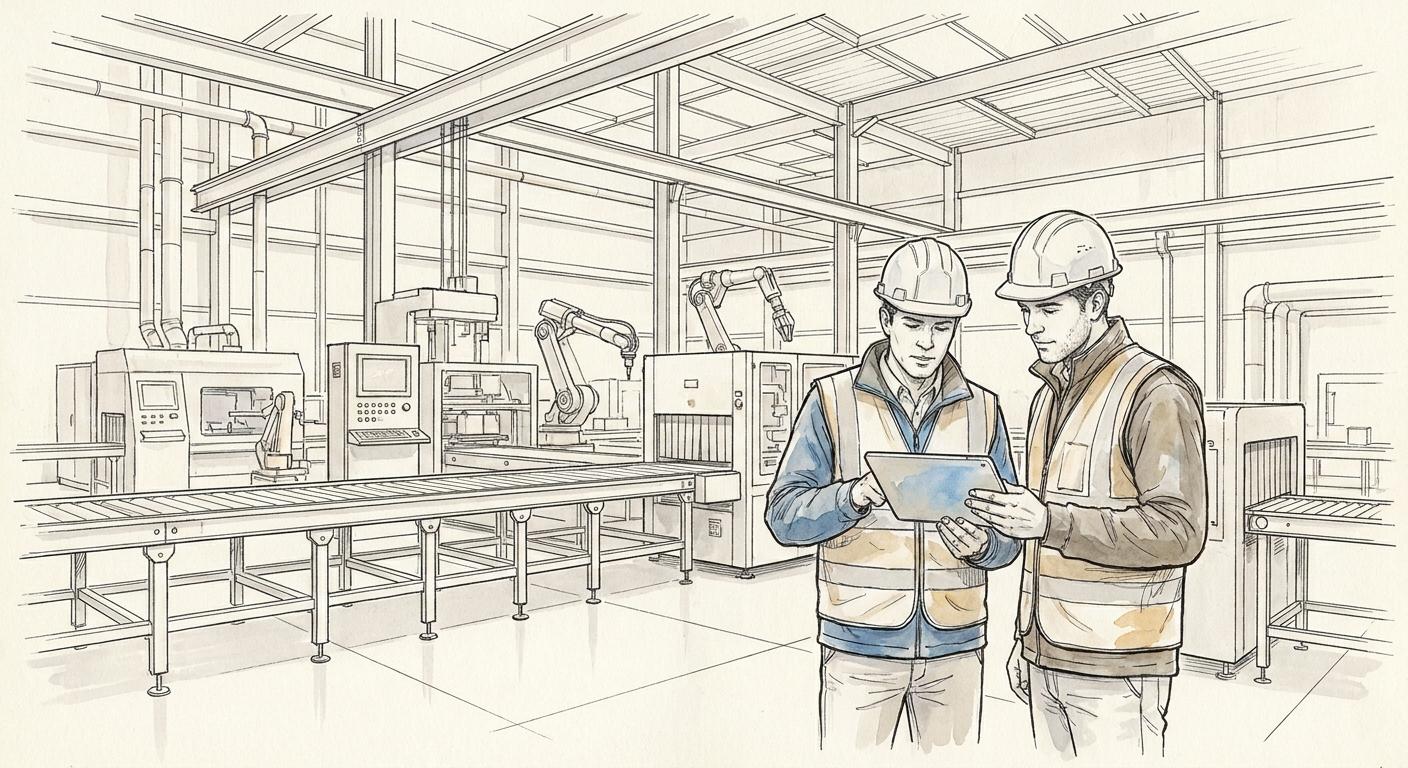
Writing standard operating procedures manually requires significant time from engineers and shift supervisors who should be focusing on throughput and yield. Generative AI fundamentally alters this math by compressing authoring time by up to seventy percent. Instead of starting with a blank page, subject matter experts record a quick video walkthrough of a process or dictate a rough audio log while performing maintenance.
The AI transcription and processing engine immediately structures these inputs into a professional format. It breaks the procedure down into sequential steps, flags critical safety warnings, and highlights required tooling. Plant engineers review, refine, and approve the output rather than drafting every sentence from scratch. This approach scales documentation efforts across multiple plants without requiring an expanded technical writing headcount.
Enforcing Compliance Across Facilities: Consistency vs. Customization
Maintaining uniform regulatory standards across geographically dispersed facilities remains a persistent challenge for operations leadership. OSHA requirements, ISO certifications, and internal quality protocols demand strict adherence, yet every plant floor has unique physical layouts and legacy equipment. Centralized compliance teams struggle to enforce universal rules without stifling localized problem-solving.
Modern digital SOPs manufacturing frameworks solve this tension through centralized governance and modular templates. Corporate compliance teams establish mandatory core steps for safety-critical tasks, while allowing plant-level engineers to insert equipment-specific parameters. When regulatory standards change, updates push out to all facility databases simultaneously. This structure ensures complete audit readiness without creating friction for operators on the shop floor.
Bridging the ERP-MES Gap with Intelligent Work Instructions
Operational data often lives in isolated silos. Enterprise Resource Planning systems track high-level financials and inventory, while Manufacturing Execution Systems monitor machine cycles and job status. Yet neither system captures the qualitative nuance of human execution. When operators follow static paper instructions, the data flowing back into the ERP regarding job costing and labor standards remains inaccurate.
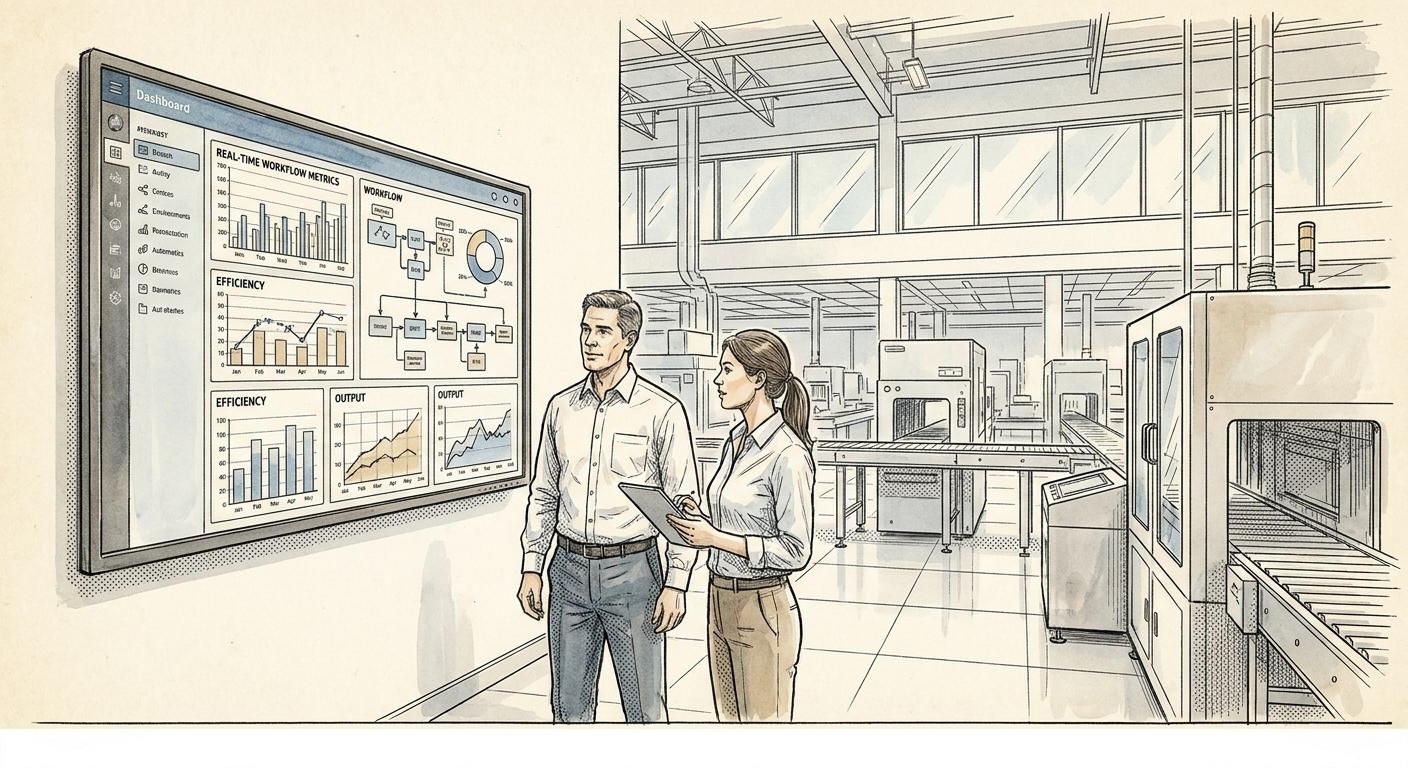
Connecting intelligent standard process documentation directly to shop floor execution changes this dynamic. When work instructions are digital and interactive, operators confirm step completion in real time. This loop feeds accurate cycle times back into the ERP, narrowing estimate-vs-actual variances. Manufacturers often pair these intelligent instructions with targeted upskilling initiatives, achieving up to a 56% average increase in overall AI readiness across plant operations.
The 90-Day Implementation Playbook: Moving From Pilot to Production
Deploying new software across an industrial enterprise often introduces adoption friction and extended timelines. Successful operations leaders bypass lengthy enterprise rollouts by focusing on a single, high-impact plant line during a structured 8-to-12-week starter engagement.
The implementation follows a pragmatic path. The project team identifies one critical bottleneck area where poor SOPs drive scrap or downtime. They capture video and audio data from veteran operators, build the first digital workflows, and train internal teams to maintain the system. Securing measurable results on the shop floor within 60 to 90 days proves the model before expanding the playbook across the rest of the manufacturing footprint.
Frequently Asked Questions
How accurate are AI-generated standard operating procedures?
AI-generated procedures rely on a human-in-the-loop validation process where subject matter experts review and approve the drafts. This workflow drastically cuts down authoring time while ensuring complete technical accuracy rather than replacing human oversight.
Can AI integrate with our existing ERP and MES systems for compliance tracking?
Modern AI execution layers plug directly into existing data structures to tie SOP adherence and operator sign-offs directly to shop floor metrics and ERP job costing modules.
How do we get plant managers to actually adopt AI-driven SOPs?
Adoption succeeds by focusing on upskilling and building intuitive, mobile-friendly workflows that save plant workers time on documentation rather than adding administrative burden.
What is the typical timeframe to see initial results from AI-driven SOP projects?
Initial production deployments on a single plant line typically go live within 60 to 90 days, delivering immediate improvements in process consistency and audit readiness.
Book a Manufacturing Diagnostic at ifor.ai/solutions/manufacturing

Asaf Yosifov
Founder & CEO at iForAI