.svg)

Head of AI vs. Hands-On CTO: Who Truly Drives Innovation?
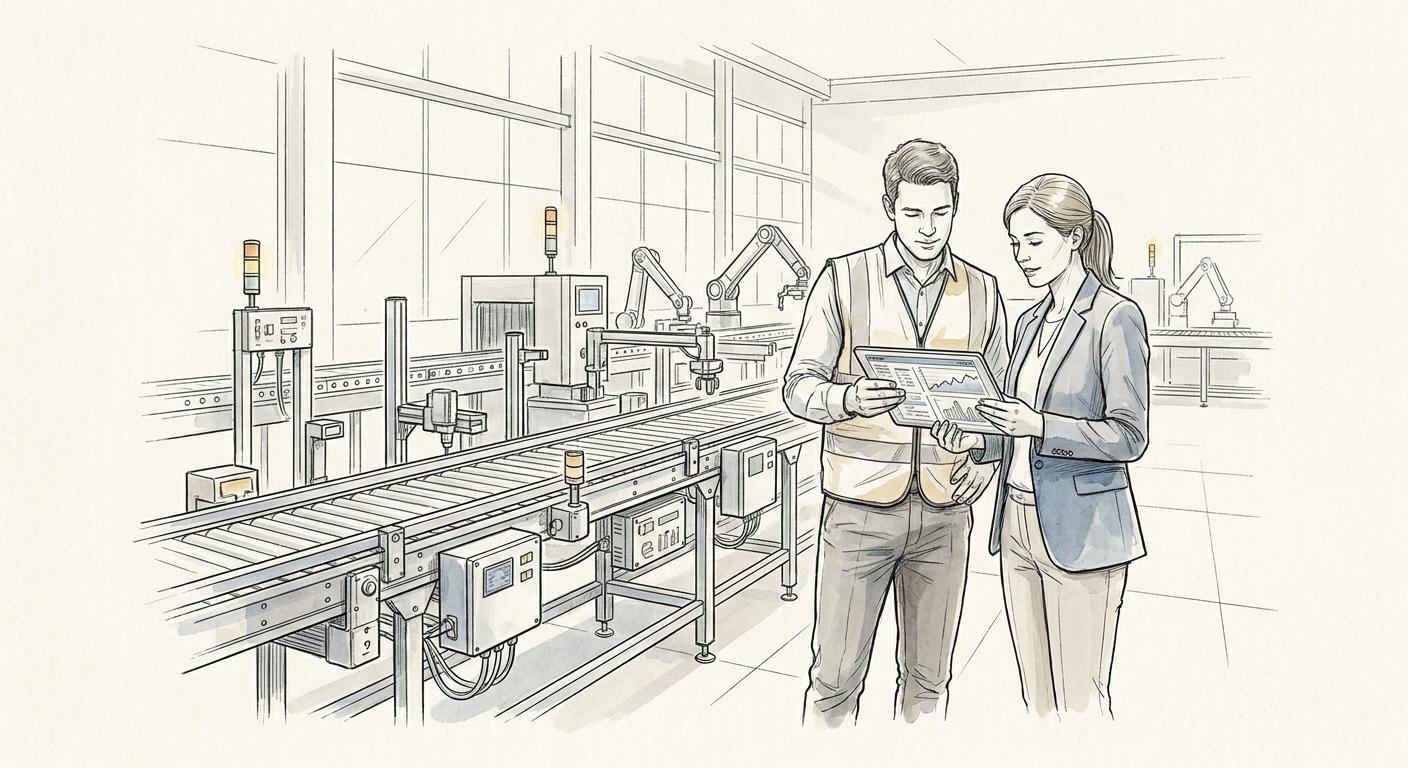
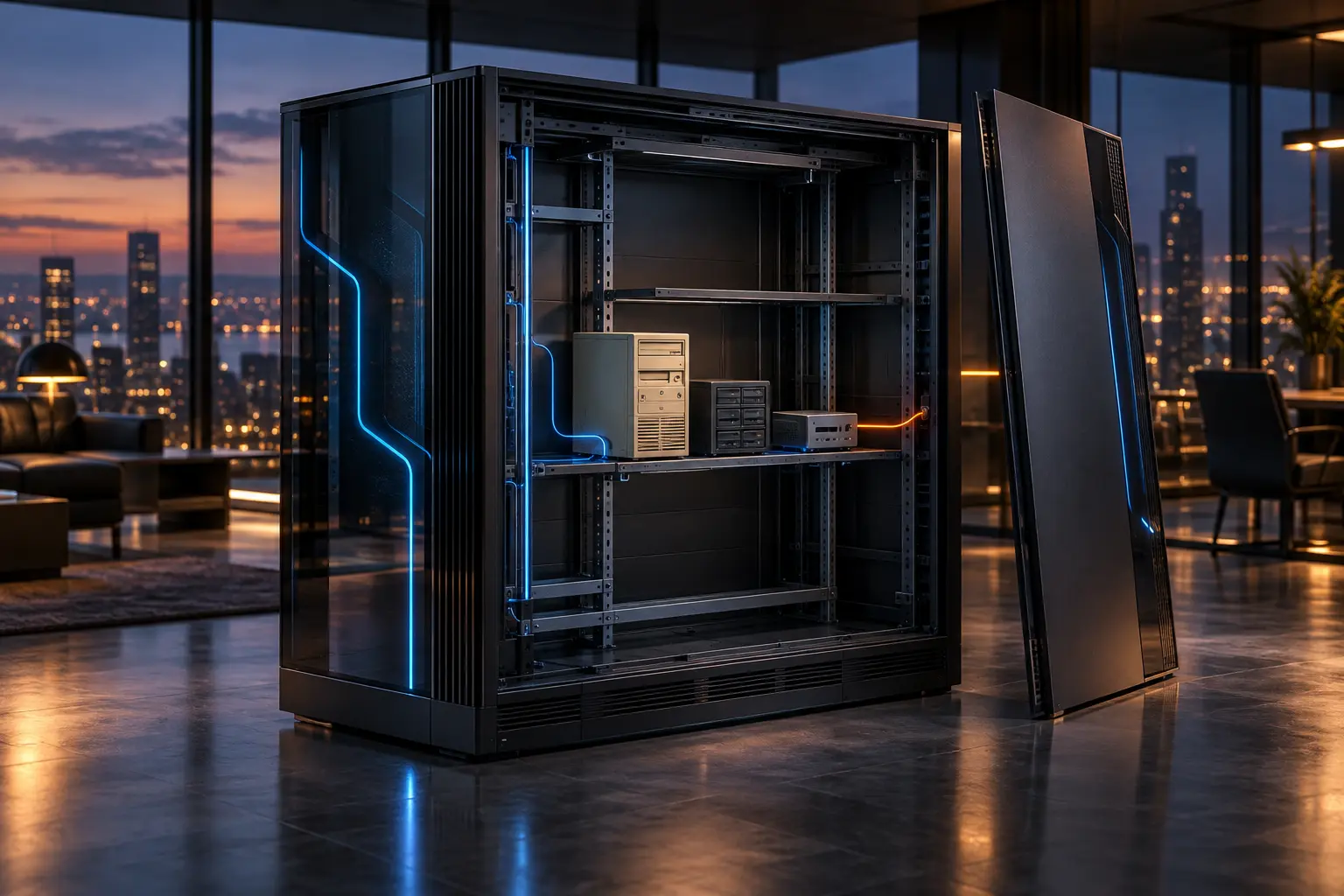
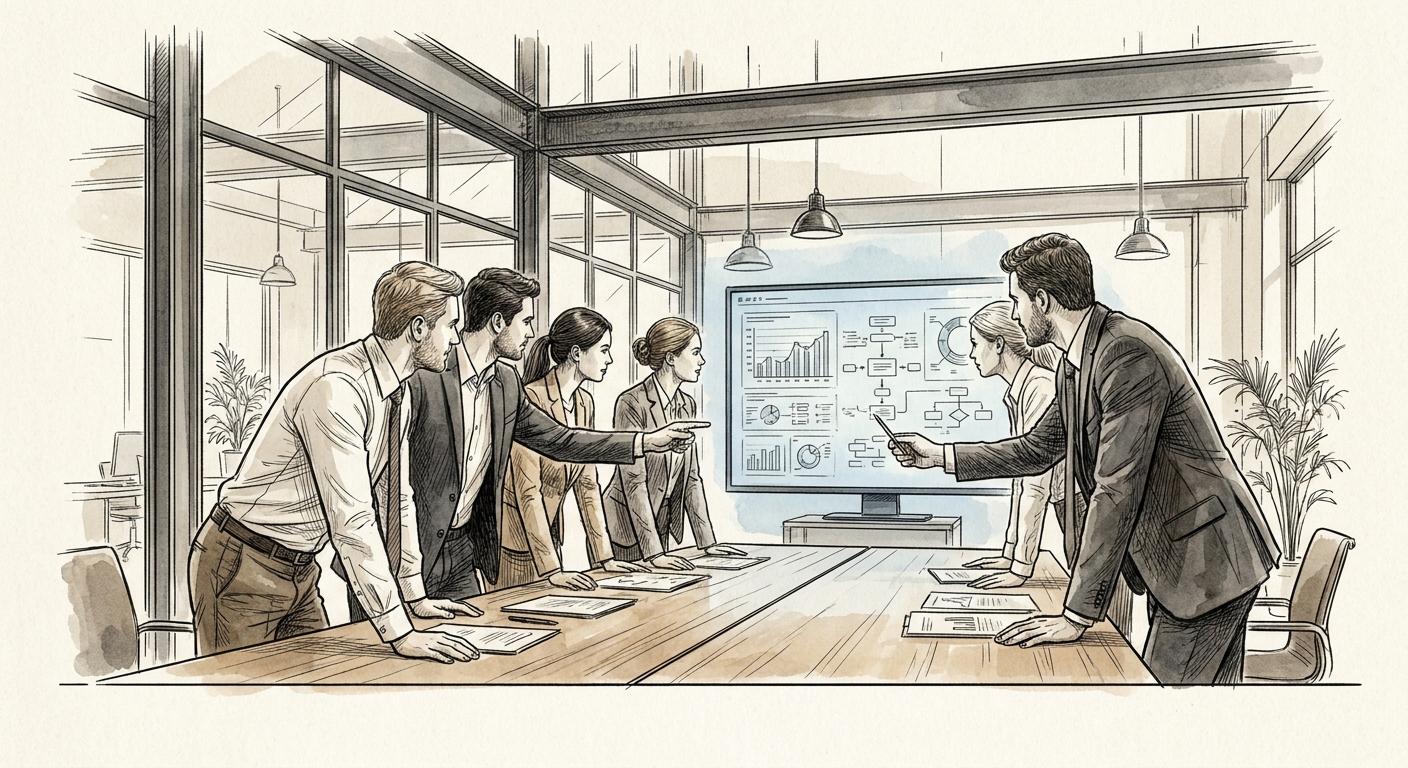
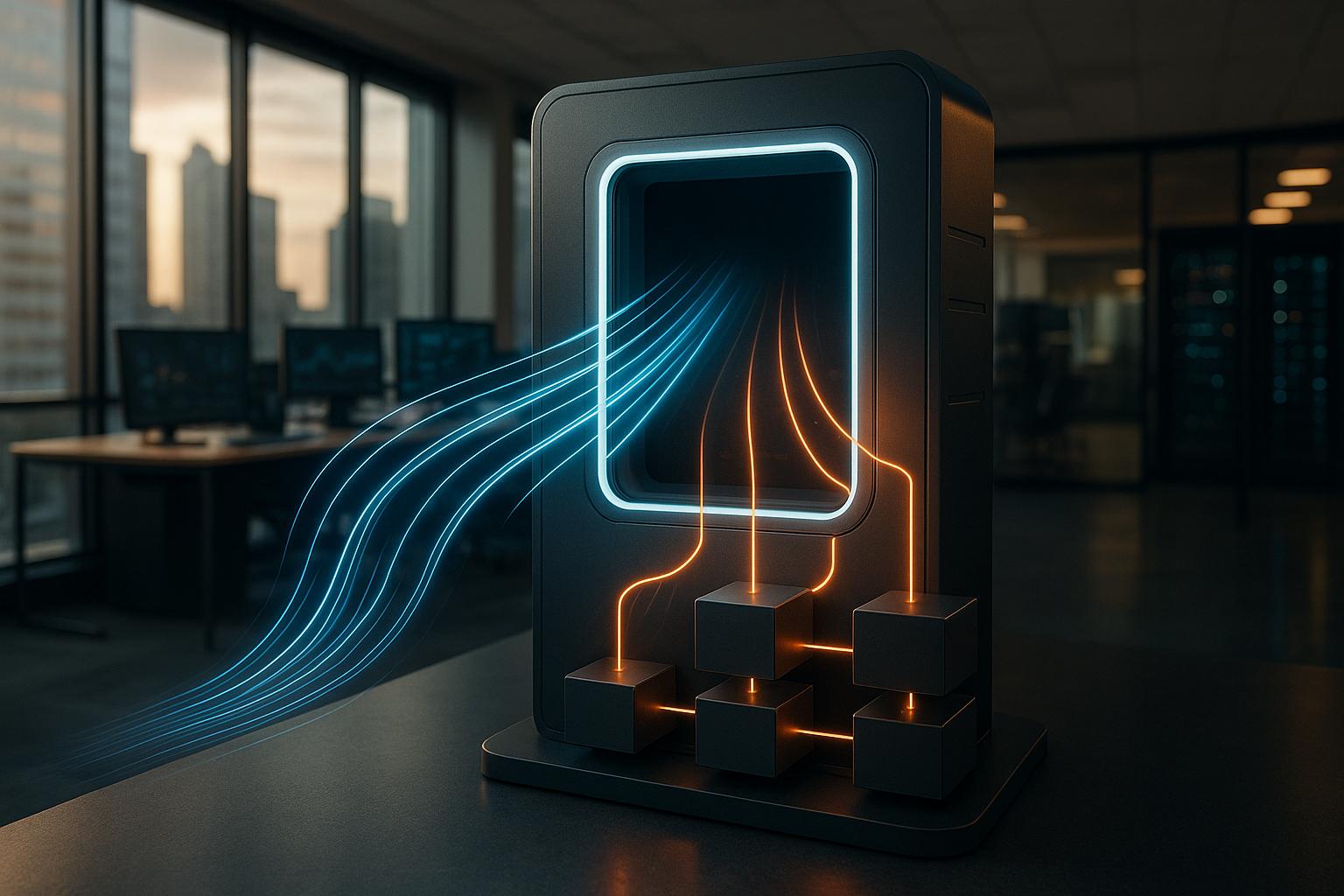
Many CTOs face a common challenge: their engineering teams are leveraging AI to accelerate coding, yet overall product delivery timelines remain unchanged. This phenomenon, which we term the "Turbocharger in Traffic" effect, highlights a critical disconnect. A powerful engine, like AI-driven coding, offers limited benefit if the development process is stalled by manual handoffs, legacy workflows, and disconnected tools.
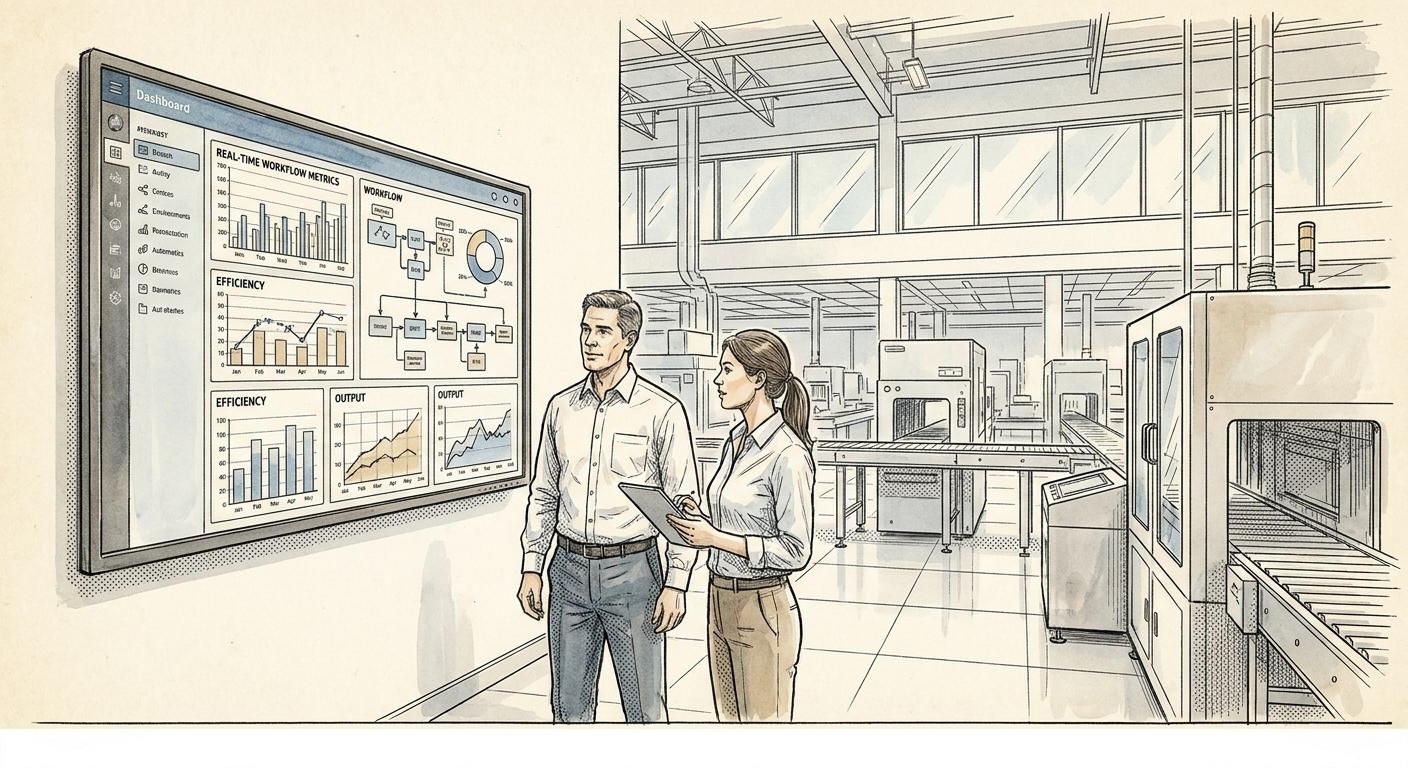
To achieve a tangible return on investment (ROI) from AI, leadership must shift its focus from individual coding speed to systemic orchestration. The core question evolves from "How fast can we write a function?" to "How quickly can we move a feature from concept to production?"
From Reactive Assistants to Proactive Agents
Most organizations currently utilize AI in a reactive assistant capacity—tools that await a developer's prompt to, for example, autocomplete code. While beneficial, this approach addresses only a segment of the comprehensive development lifecycle.
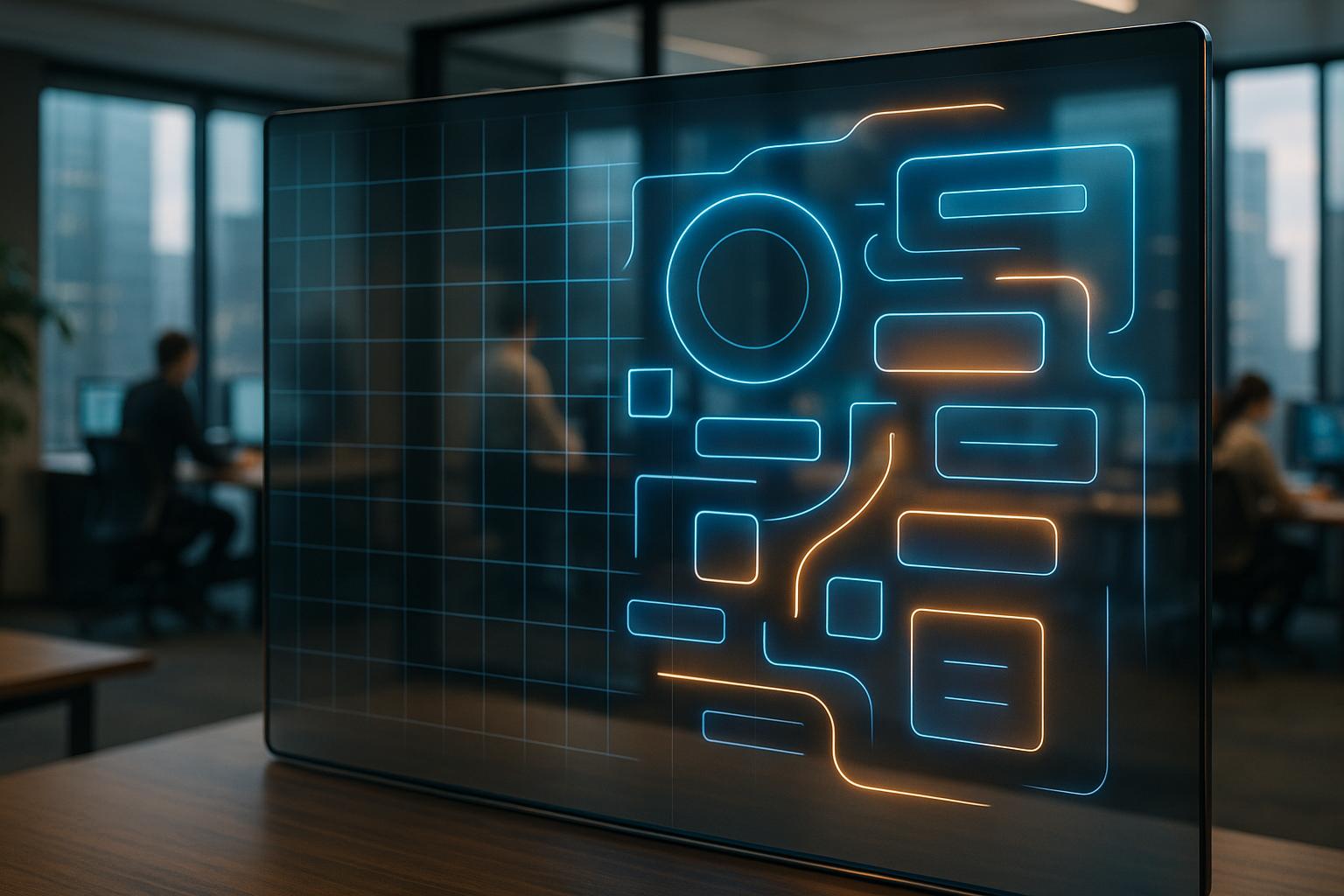
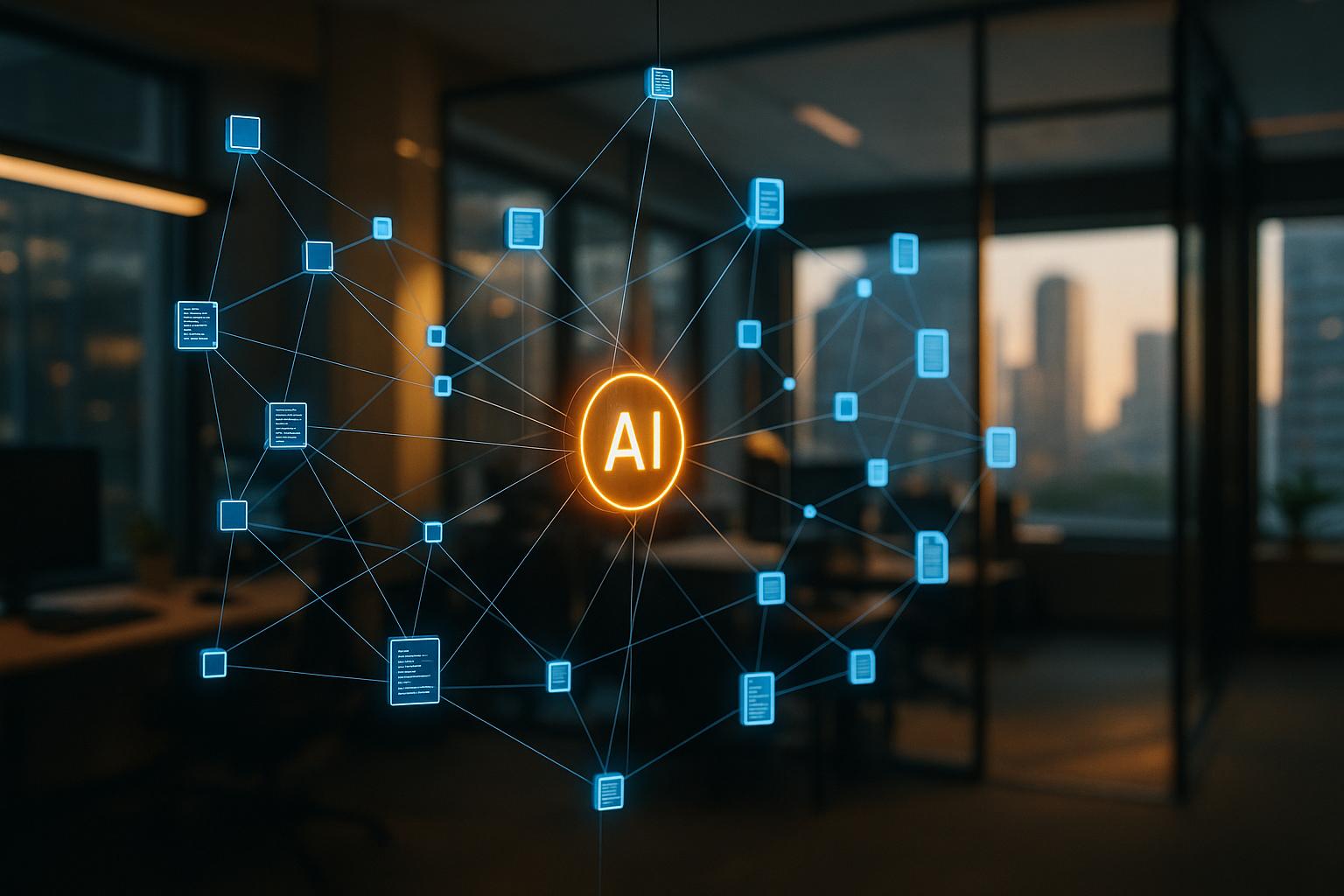
Achieving enterprise-scale impact necessitates the adoption of proactive agents. Consider these agents as virtual team members that continuously monitor workflows. Instead of waiting for explicit instructions, they actively scan pull requests for security vulnerabilities, validate new code against Product Requirement Documents (PRDs), or identify architectural inconsistencies before a human developer begins work. This transition from "pull" to "push" intelligence is where significant time efficiencies are realized.
Automating the "Connective Tissue"
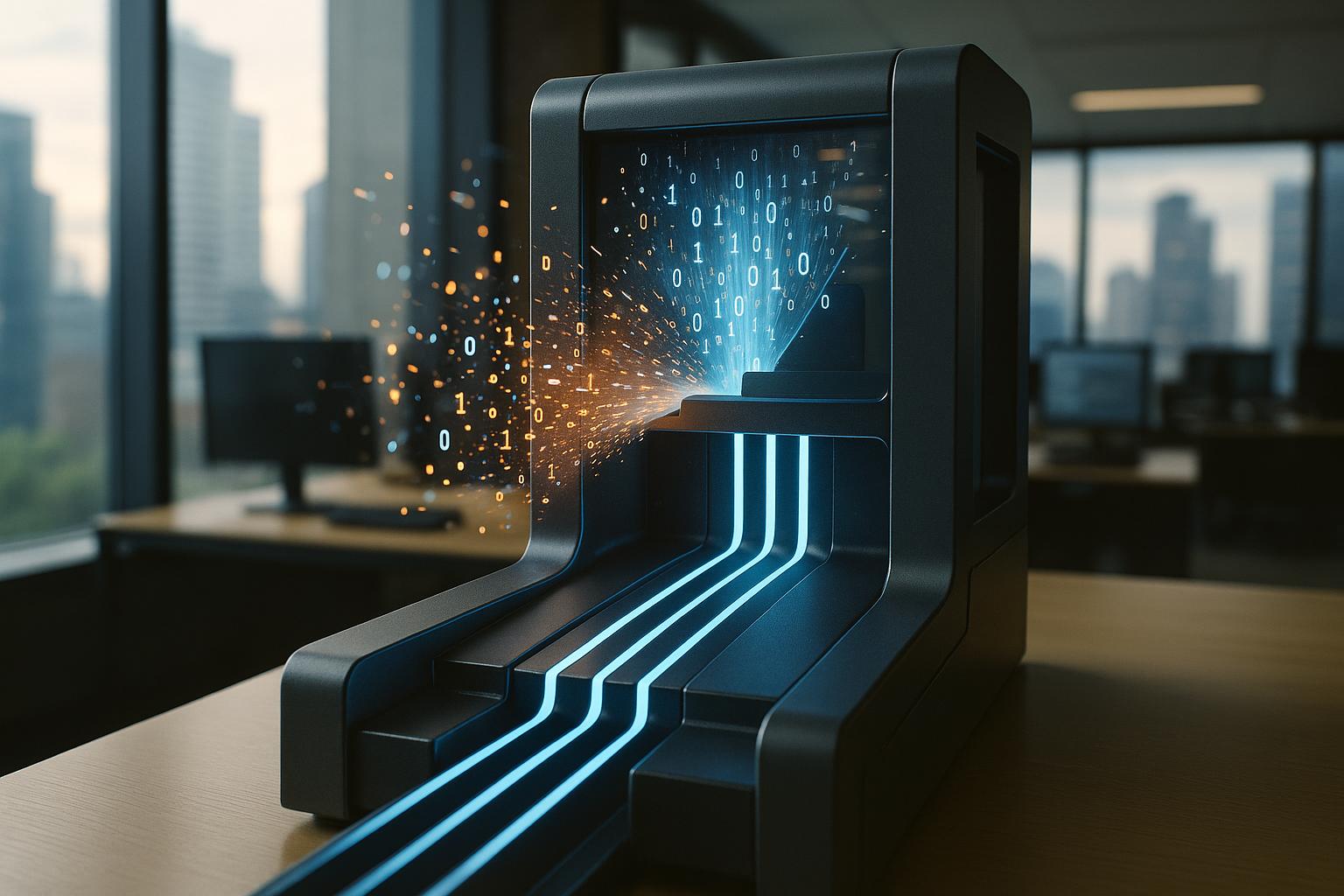
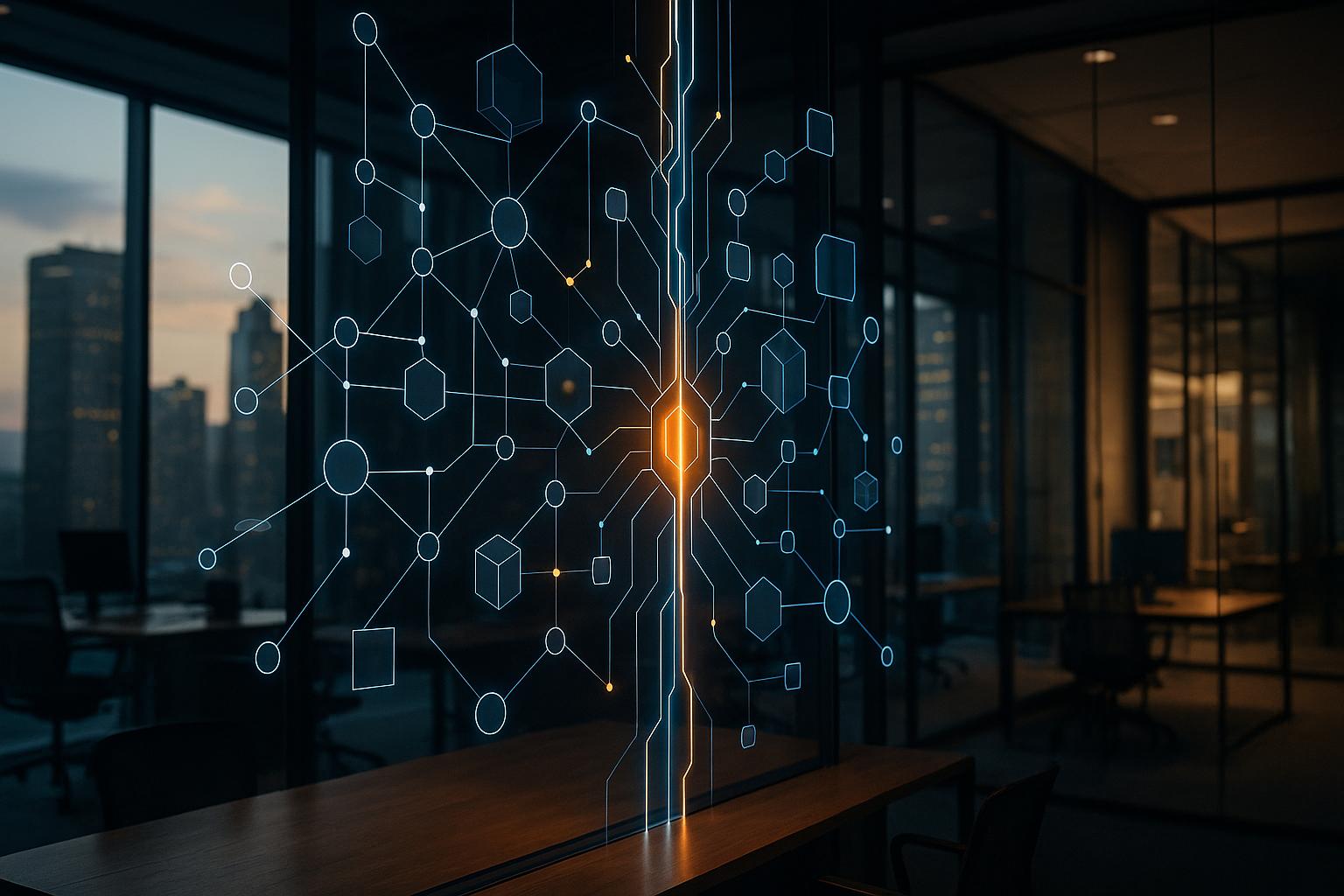
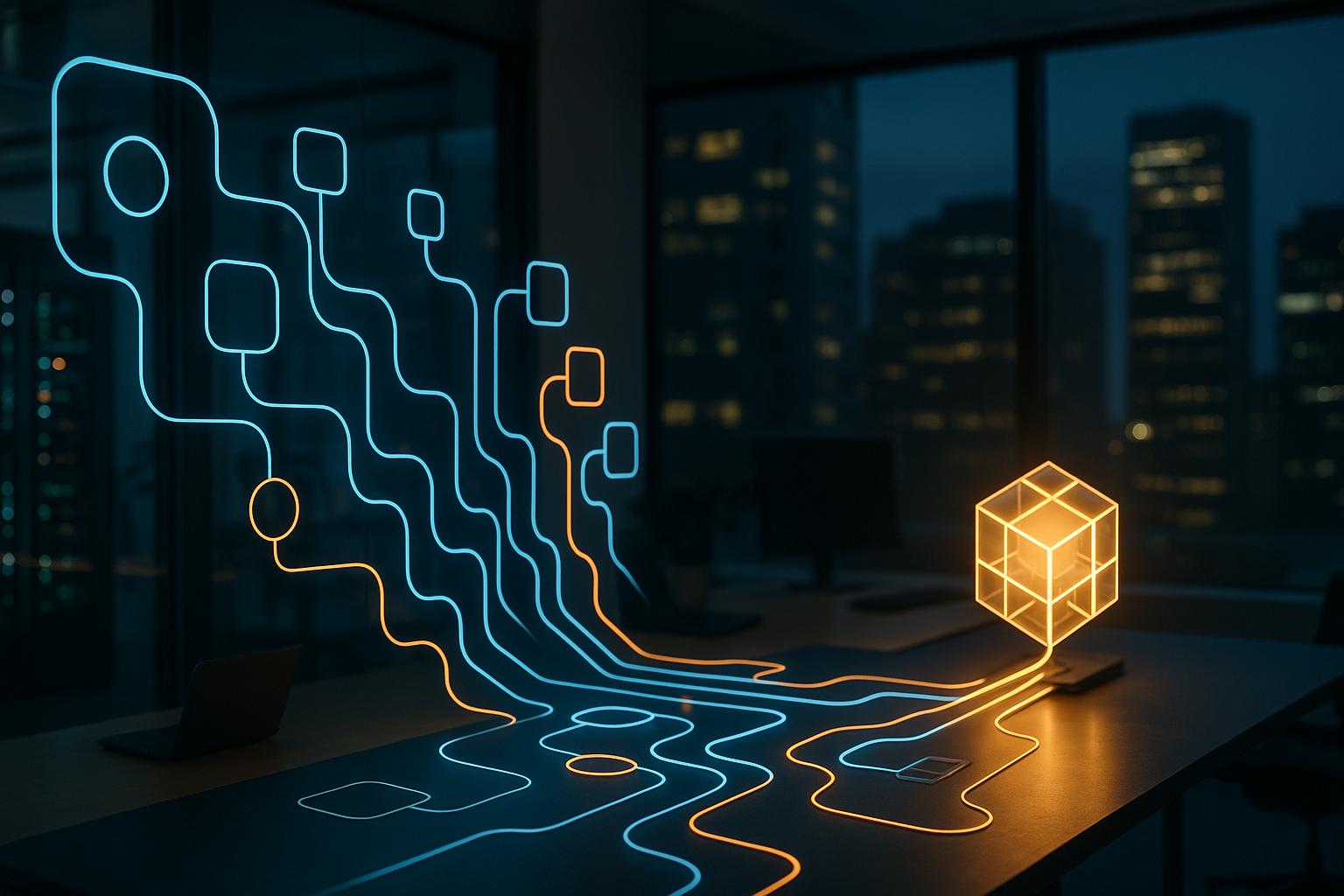
In mid-market and enterprise technology environments, the primary sources of friction often reside not within the coding process itself, but in the "connective tissue"—the handoffs between design, development, and quality assurance (QA). When these transitions are manual, they inevitably become bottlenecks.
Automated integration can bridge these gaps through:
- Dynamic Documentation: Specifications that update automatically alongside the codebase, ensuring documentation remains current.
- Upstream Validation: Identifying potential architectural conflicts during the planning phase, well before any code is committed.
- Automated Impact Analysis: Utilizing AI to predict how changes in one microservice might affect the broader system, thereby reducing the risk of regressions.
Eliminating Shadow AI through Integrated Governance
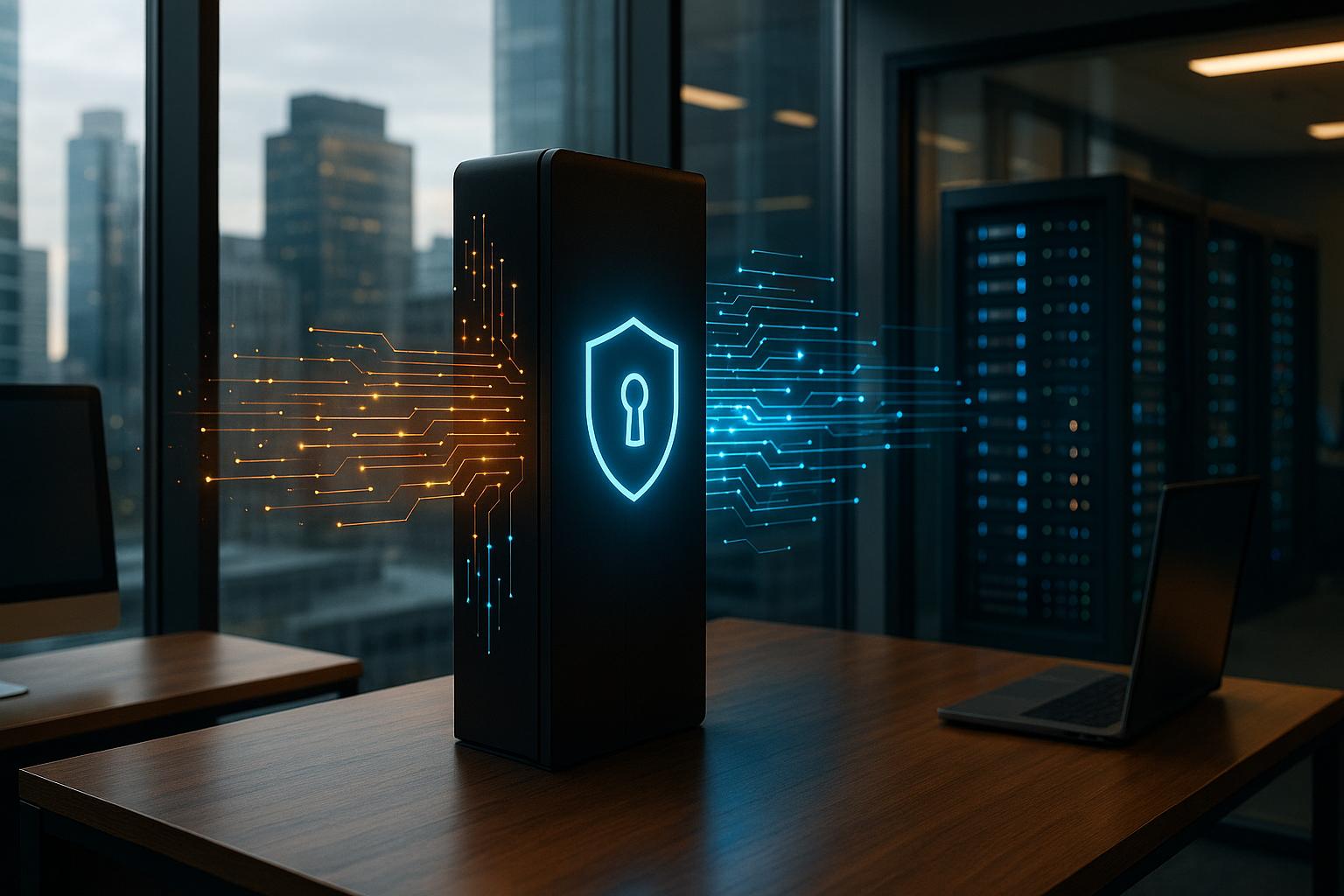
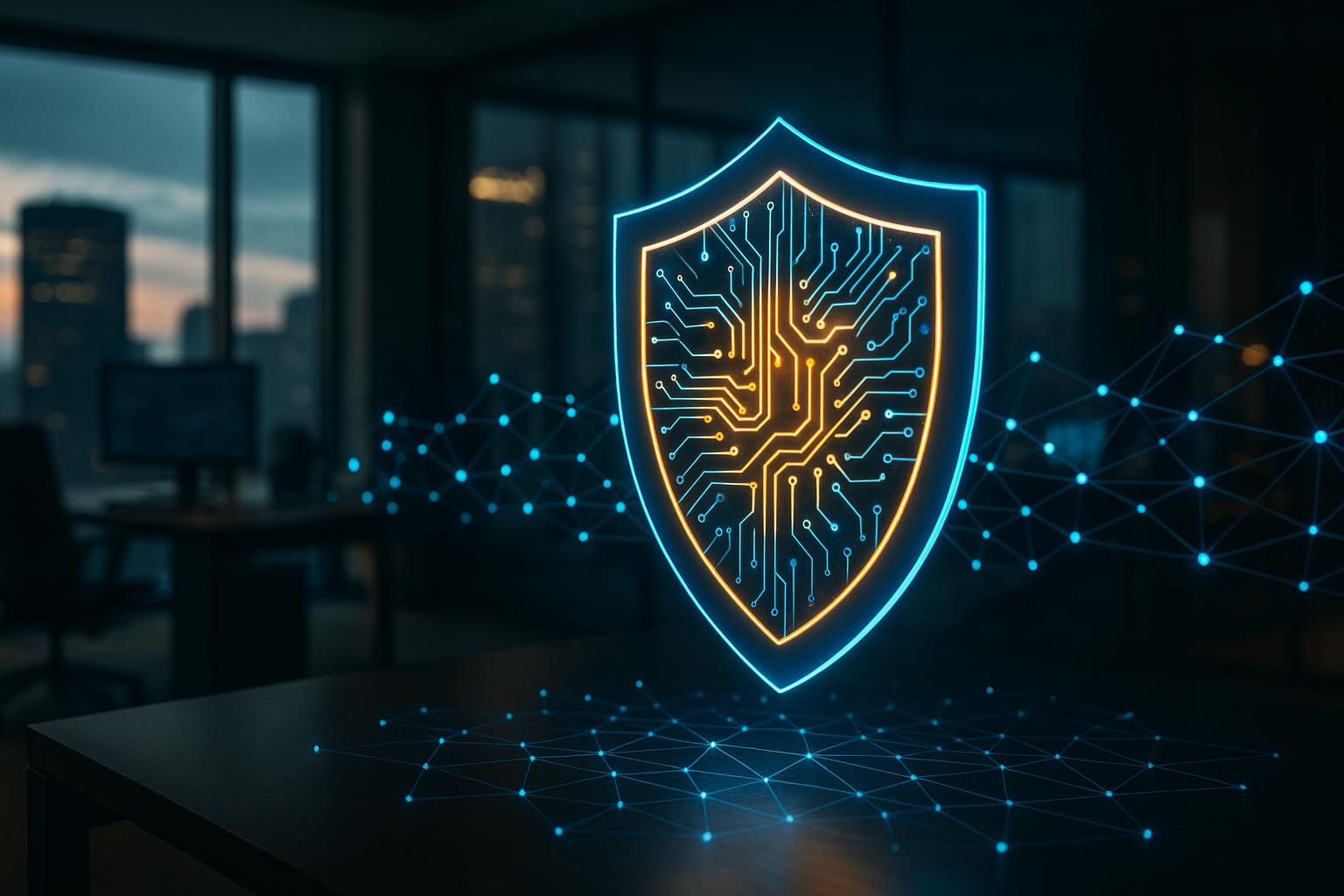
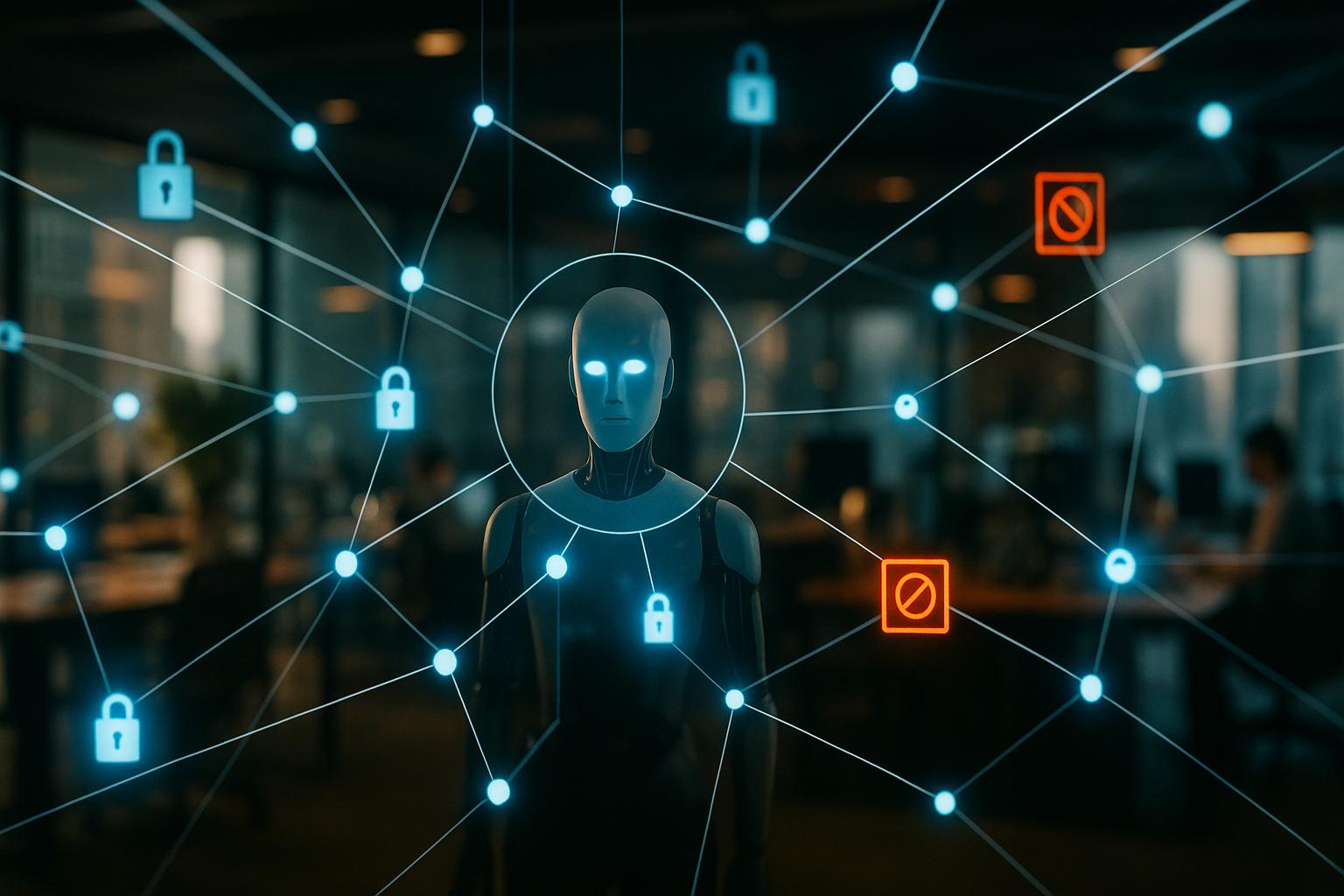
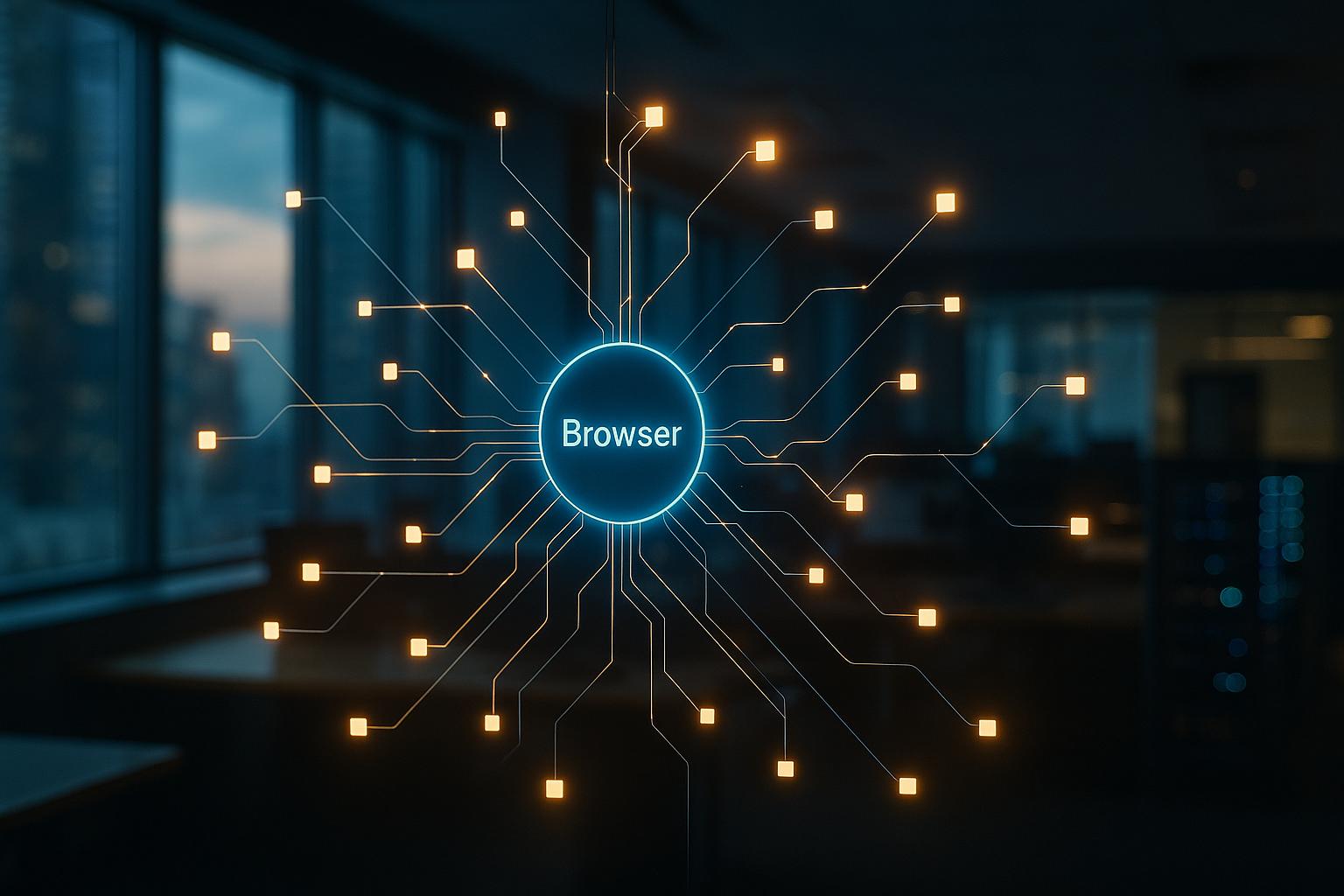
Without deep integration of AI into the Continuous Integration/Continuous Deployment (CI/CD) pipeline, developers may resort to "Shadow AI." This often involves copying sensitive proprietary code into external, browser-based large language models (LLMs) to seek assistance. Such practices can lead to fragmented workflows and introduce significant security risks.
Sustainable innovation requires AI to function as an integrated component within existing technology stacks. By embedding AI directly into internal version control and deployment workflows, organizations can maintain governance and security while empowering teams with the tools they need to sustain their flow state.
Measuring ROI through Cycles, Not Lines of Code
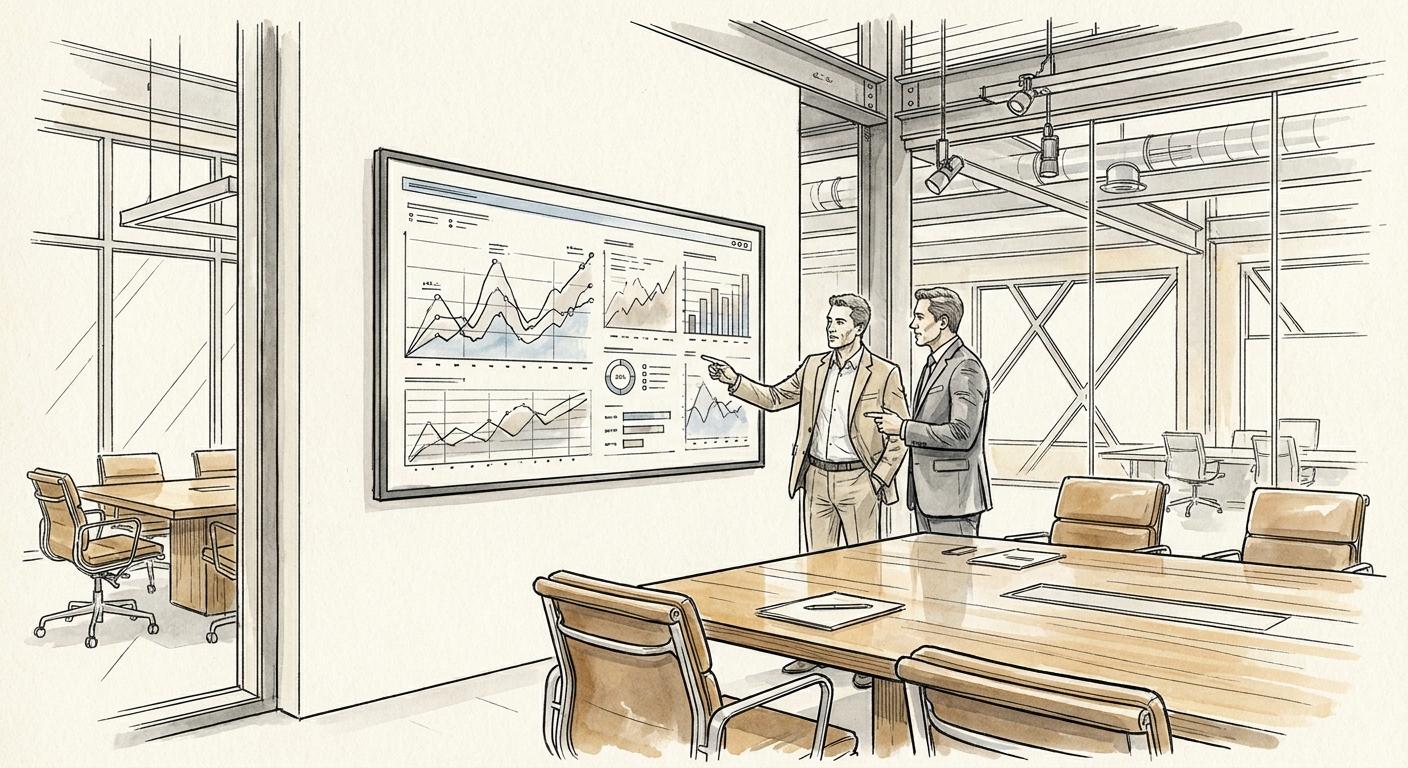
The success of AI transformation should be measured not by the volume of code generated, but by the reduction in release cycles and the enhanced reliability of the output. Systemic bottlenecks typically incur far greater costs than slower coding speeds. Identifying and automating these points of friction offers the most direct path to measurable ROI.
The Bottom Line: If AI initiatives are not accelerating your product delivery, the challenge likely lies in orchestration rather than the technology itself. True innovation emerges when AI is integrated as an operational component, rather than treated as a standalone tool.
Ready to move beyond pilot projects and accelerate your shipping capabilities? Explore how integrating intelligent agents into your development lifecycle can transform your operations.