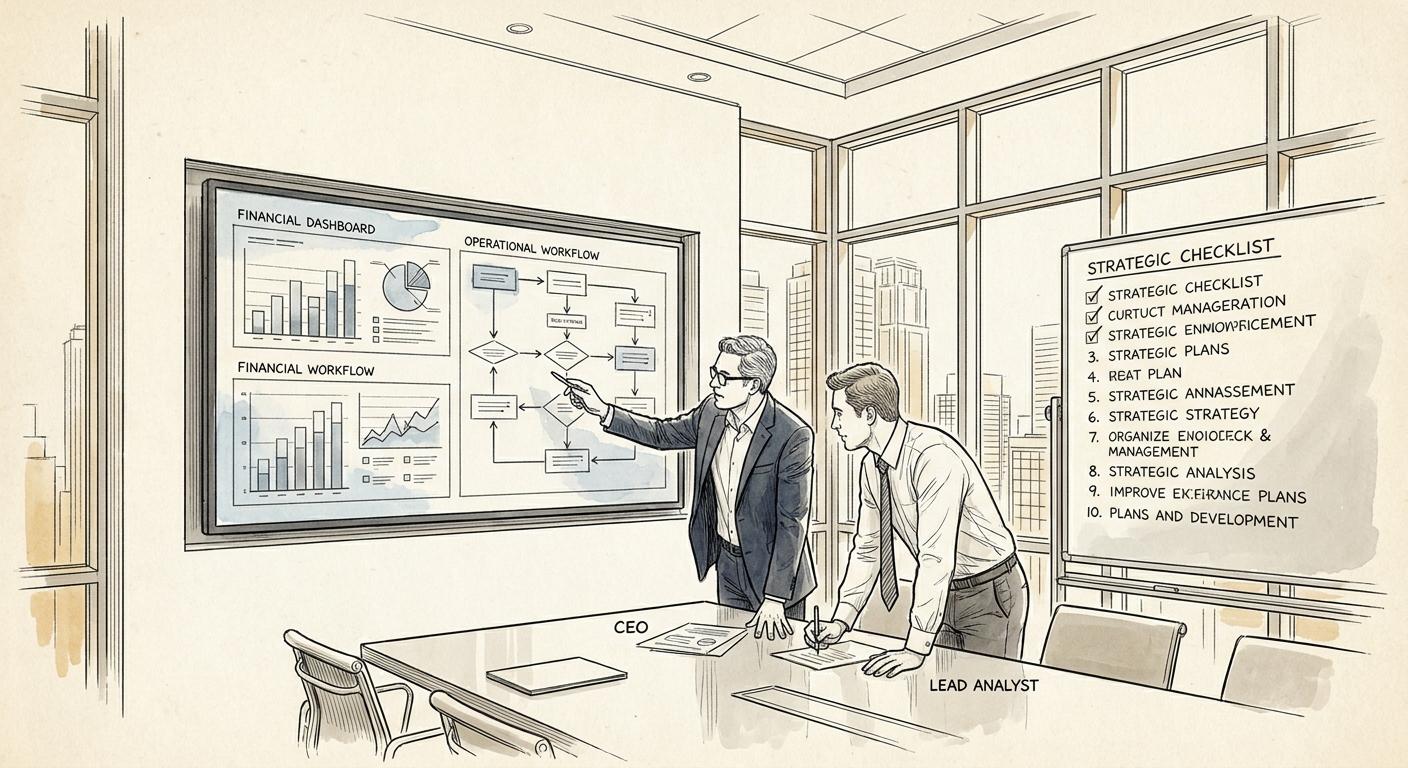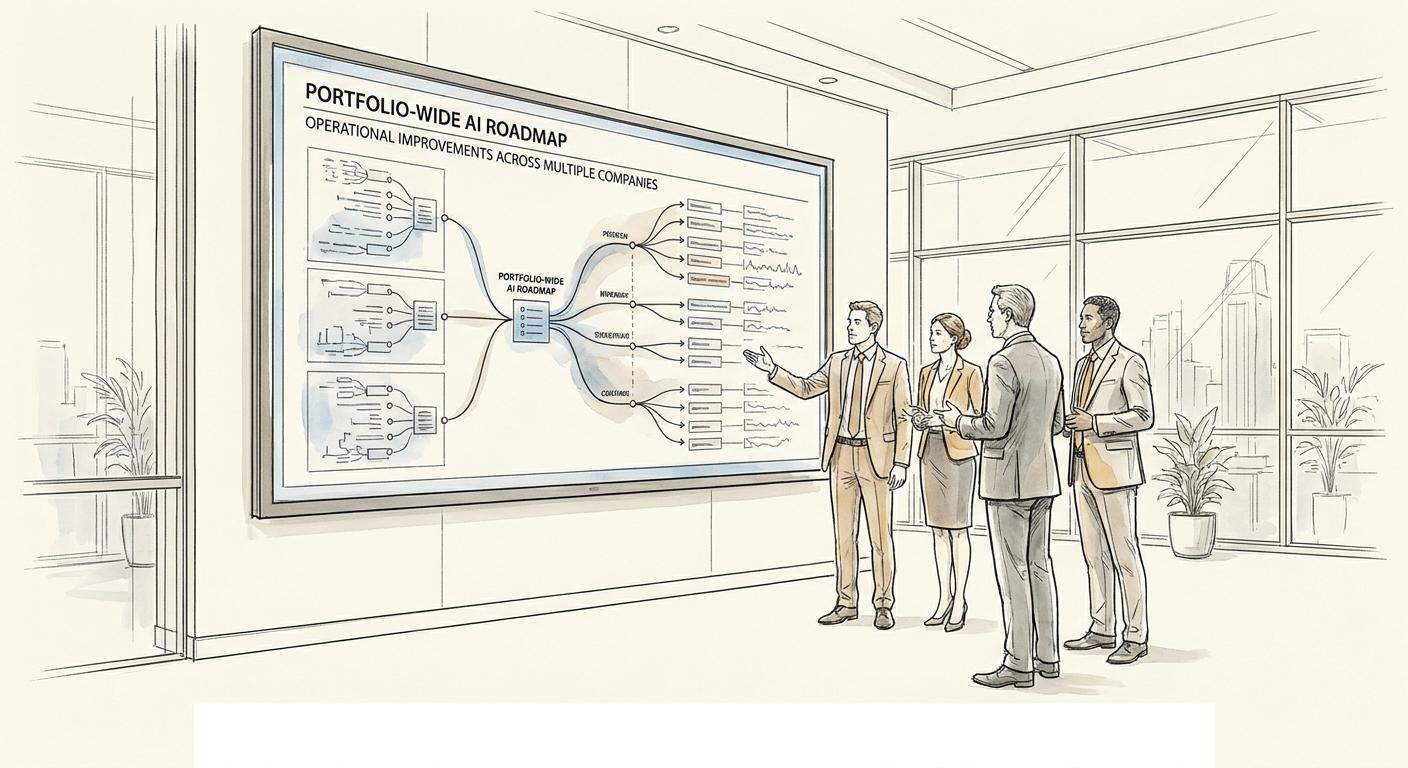


The portfolio CEO is staring at flat EBITDA margins despite rising top-line revenue, realizing that sales teams are discounting heavily and ERP quote-to-cash data is siloed. Addressing ERP margin leakage is the fastest path to meaningful EBITDA improvement without waiting for long-term volume growth. In industrial and manufacturing assets, gross margins quietly erode between the initial quote and the final invoice. This guide explores how portfolio companies can combine algorithmic price optimization and discount governance to capture hidden margin within their existing value creation playbook.
The Hidden Drain: Why Standard ERP Reports Miss Margin Leakage
Standard month-end financial reviews in enterprise resource planning systems rarely reveal the true extent of gross margin erosion. Portfolio CEOs often see stable blended margins at the product-line level while individual transactions bleed cash through unbilled freight, unrecorded rebates, and localized discounting. This leakage sits trapped in transactional tables, hidden behind summary rollups that aggregate thousands of distinct SKUs and customer tiers.
ERP margin leakage refers to the uncaptured revenue and profit that evaporates between initial quoting and final invoicing due to unmanaged discounting, manual entry errors, and outdated cost-plus pricing models buried within enterprise resource planning systems.
When an operating partner conducts a post-acquisition AI readiness assessment, they frequently find that historical sales data is never linked back to actual delivery costs. Sales teams discount to close volume, while operations absorb rising raw material and labor costs. Because these variances are buried in siloed tables, the executive team only discovers the damage when quarterly margins compress unexpectedly.
The Estimate-vs-Actual Trap in B2B Quote-to-Cash Workflows
Industrial and manufacturing businesses rely heavily on custom quotes, engineering estimates, and complex bill-of-materials structures. The core operational failure occurs when estimated costs diverge from actual production costs, yet the pricing model never updates to reflect the reality of the shop floor. This is the estimate-vs-actual trap.
Sales engineers quote jobs based on outdated labor standards or best-case material yields. When actual production runs over time or incurs expedited shipping charges, the ERP system records the higher cost of goods sold, but the quote-to-cash workflow treats the job as a standard execution. Multiplied across hundreds of monthly orders, this discrepancy creates permanent margin leakage that directly impacts the portfolio company's exit multiple. Fixing this requires automated ERP data extraction to feed actual production costs back into the quoting engine.
Algorithmic Price Optimization: Moving Beyond Cost-Plus Models
Traditional repricing usually involves a blunt, across-the-board percentage increase that alienates key accounts and triggers customer churn. Algorithmic price optimization takes a surgical approach by using machine learning models to analyze historical transaction data, customer purchasing elasticity, order frequency, and delivery costs.
Instead of adding a standard markup to manufacturing costs, pricing algorithms recommend dynamic price bands by SKU and customer tier. These models identify which accounts absorb price increases without volume reduction and flag products where current pricing is artificially depressed. Implementing these models serves as a primary operating wedge for private equity sponsors seeking quick-win margin expansion during the first 100 days of ownership.
Discount Governance: Automated Guardrails and Approval Workflows
Algorithms fail if sales reps retain the authority to override recommended prices without justification. Rogue discounting is one of the largest contributors to unmanaged margin erosion in B2B portfolio companies. True discount governance replaces manual approval chains with programmatic guardrails embedded directly inside the CRM and ERP stack.
When a sales representative enters a deal below the algorithmic margin threshold, the system triggers automated approval workflows based on deal size and historical customer profitability. Rather than relying on rigid rules that slow down sales velocity, these workflows provide reps with pre-approved trade-offs, such as tying a larger discount to a longer contract term or higher order volume. This structure enforces discipline without frustrating the commercial team.
The 60-90 Day Value Creation Sprint: How iForAI Deploys Pricing Engines Fast
Value creation timelines in private equity leave no room for multi-year software implementations. Portfolio operations teams need solutions that deliver measurable results within the current investment window. An embedded execution model focuses on rapid data ingestion, immediate quick wins, and structured change management to ensure adoption.
Firms like iForAI deploy specialized teams that integrate directly with existing ERP and CRM environments in weeks rather than quarters. By combining deep domain expertise with rapid data science execution, these initiatives bypass the traditional delays associated with heavy IT overhauls. The objective is to establish working pricing models and automated governance in production within 60 to 90 days, delivering verifiable EBITDA impact before the next board meeting.
Frequently Asked Questions
How quickly can algorithmic price optimization show a measurable ROI in a portfolio company?
With a targeted execution partner like iForAI, initial pricing guardrails and data cleanup yield gross margin improvements within 60 to 90 days. This rapid time-to-value fits neatly into aggressive value creation timelines and early holding-period milestones.
What is the difference between traditional repricing and algorithmic price optimization?
Traditional repricing is a blunt across-the-board percentage increase that causes customer churn. Algorithmic optimization evaluates elasticity, order frequency, and margin mix by individual customer and SKU, protecting top-line revenue while capturing hidden margin.
How do you get sales teams to adopt new pricing guardrails?
Sales teams often reject rigid tools if they do not trust the underlying data or understand the pricing logic. Embedded execution includes structured upskilling and change management to help commercial teams understand the data and trust the recommended price bands.
Stop margin erosion across your portfolio assets. Learn about the AI Starter Package at ifor.ai/solutions/private-equity

Inna Dzhulai
Social Media Manager at iForAI