

.svg)

Margin erosion in manufacturing is often driven by the "delayed execution truth" of safety incidents. When a plant manager relies on lagging indicators - like an OSHA recordable incident or a worker’s comp claim - the damage to EBITDA and OTIF (On-Time In-Full) metrics is already done. Implementing AI worker safety manufacturing protocols shifts the focus from post-incident reporting to real-time risk mitigation. This article examines five specific AI applications that move the needle on safety, reduce downtime, and provide the data needed to lower insurance premiums.
AI worker safety manufacturing refers to the use of machine learning, computer vision, and IoT data to identify, predict, and prevent occupational hazards on the shop floor in real-time. By analyzing environmental variables and worker movements, these systems trigger alerts before an accident occurs, transitioning safety from a reactive cost center to a proactive value driver.
The Shift from Reactive to Proactive: Why Lagging Safety Indicators Are No Longer Enough
Traditional EHS (Environment, Health, and Safety) strategies depend on historical data. By the time a "near-miss" is logged in the ERP or a shift report, the underlying risk has likely existed for weeks. For a COO, this delay represents a significant operating wedge between current safety performance and potential margin improvement. Reactive safety management leads to unpredictable worker's compensation spikes and sudden shutdowns that jeopardize customer contracts.
Modern AI maturity allows for a "detect-and-deflect" model. Instead of reviewing footage after a trip-and-fall, AI systems monitor live feeds to identify the liquid spill or the misplaced pallet that causes it. This shift is critical for exit readiness; a portfolio company with a demonstrable, data-driven safety record commands a higher multiple because it carries lower unquantified liability risk.
1. Computer Vision for Real-Time PPE Compliance and Exclusion Zone Monitoring
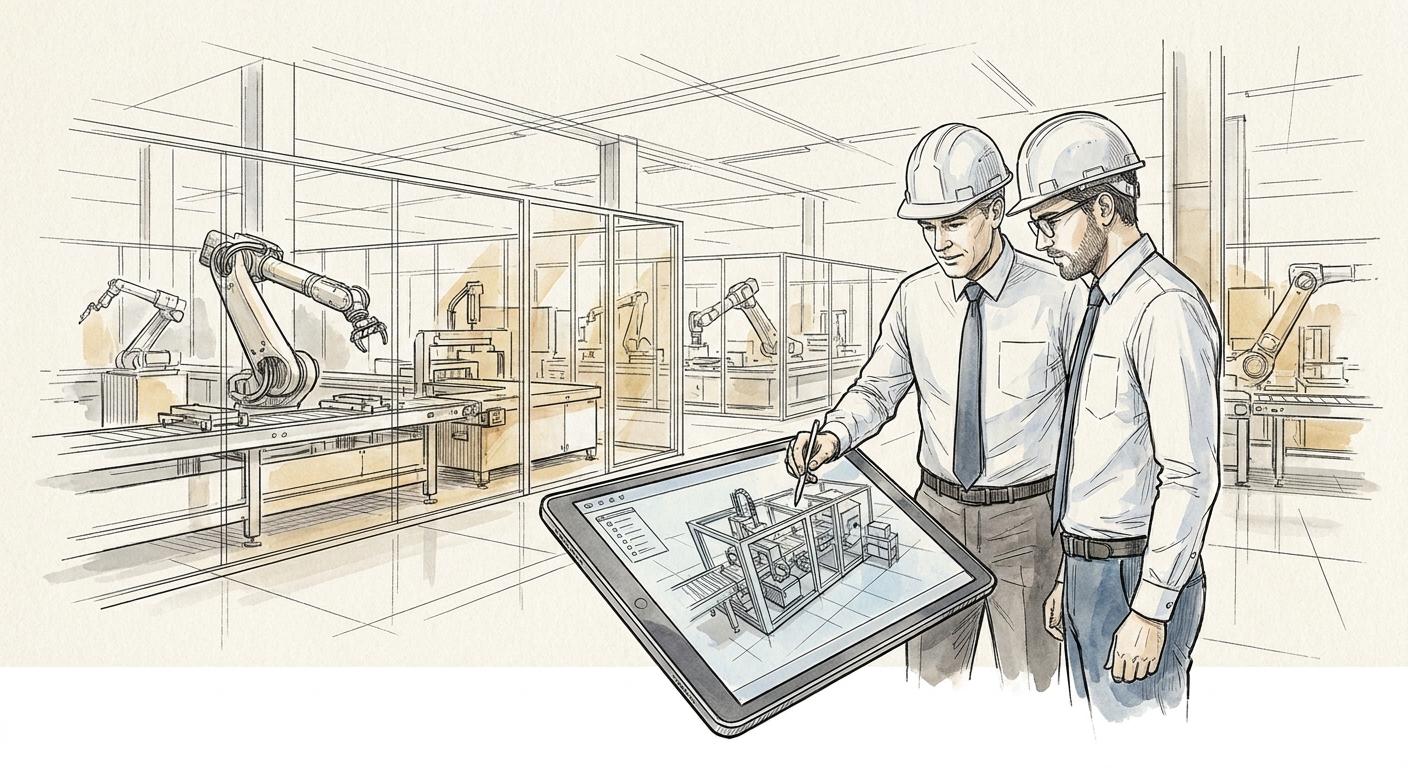
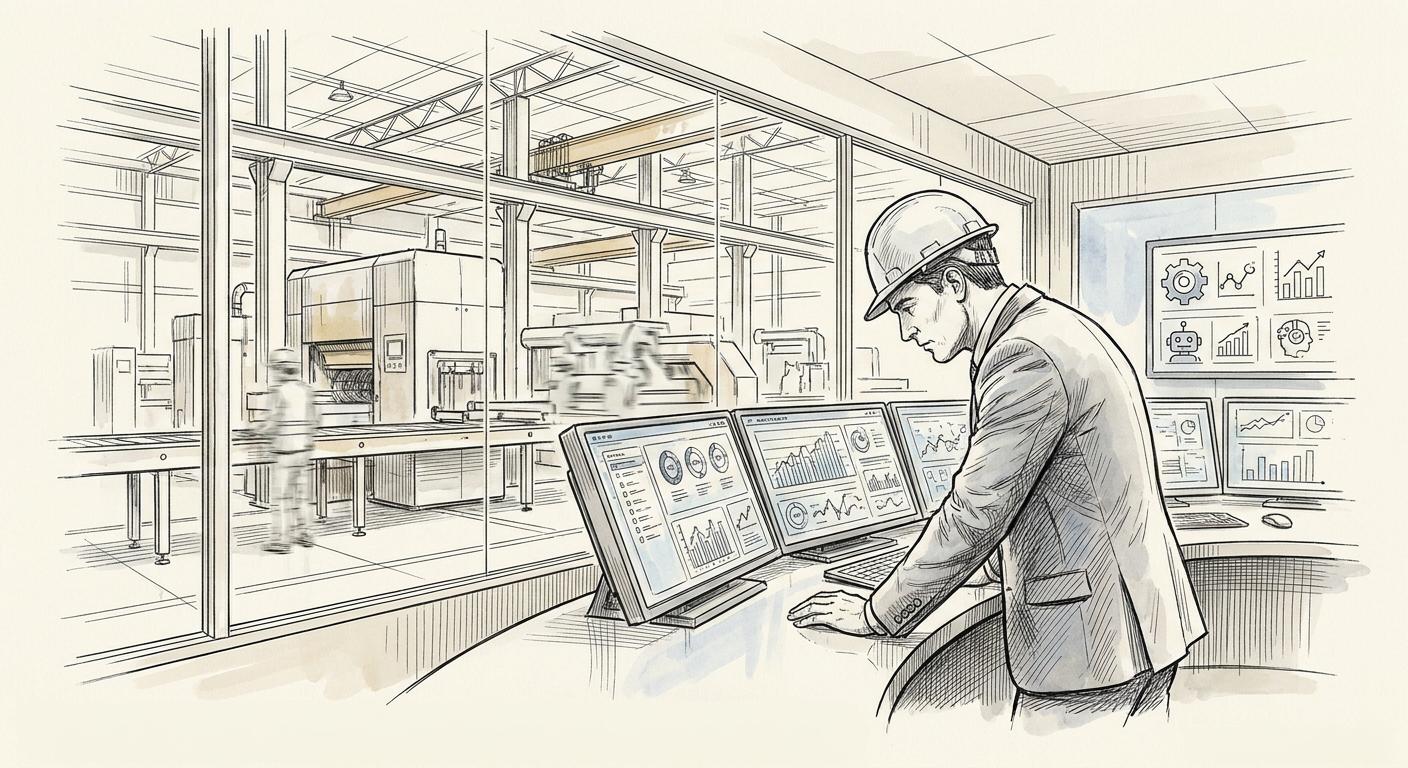
The most immediate application of computer vision PPE detection is the automated monitoring of safety gear. Traditional floor supervision cannot be everywhere at once. AI models, integrated with existing IP camera infrastructure, can identify in real-time if a worker enters a high-risk area without a hard hat, high-visibility vest, or required steel-toed boots.
Beyond PPE, exclusion zone monitoring creates a digital "geofence" around dangerous machinery. If a human limb or unauthorized personnel enters a "red-zone" while a machine is active, the AI can trigger an emergency stop signal via the PLC (Programmable Logic Controller). This reduces the margin of error in high-speed production environments where a split-second distraction leads to permanent injury.
2. AI-Driven Ergonomic Analysis: Preventing Musculoskeletal Disorders (MSDs)
Musculoskeletal disorders account for a significant portion of worker's comp claims and long-term margin leakage. Standard ergonomic assessments are typically performed by consultants who observe a fraction of a shift. AI-driven ergonomic analysis uses video data to map skeletal points and analyze repetitive motions across the entire workforce 24/7.
These systems identify high-risk movements - such as improper lifting techniques or excessive overhead reaching - that lead to chronic strain. By correcting these behaviors through data-backed coaching, plant managers can prevent the slow-burn injuries that eventually result in months of paid leave and lost productivity.
3. Predictive Maintenance as a Safety Safeguard
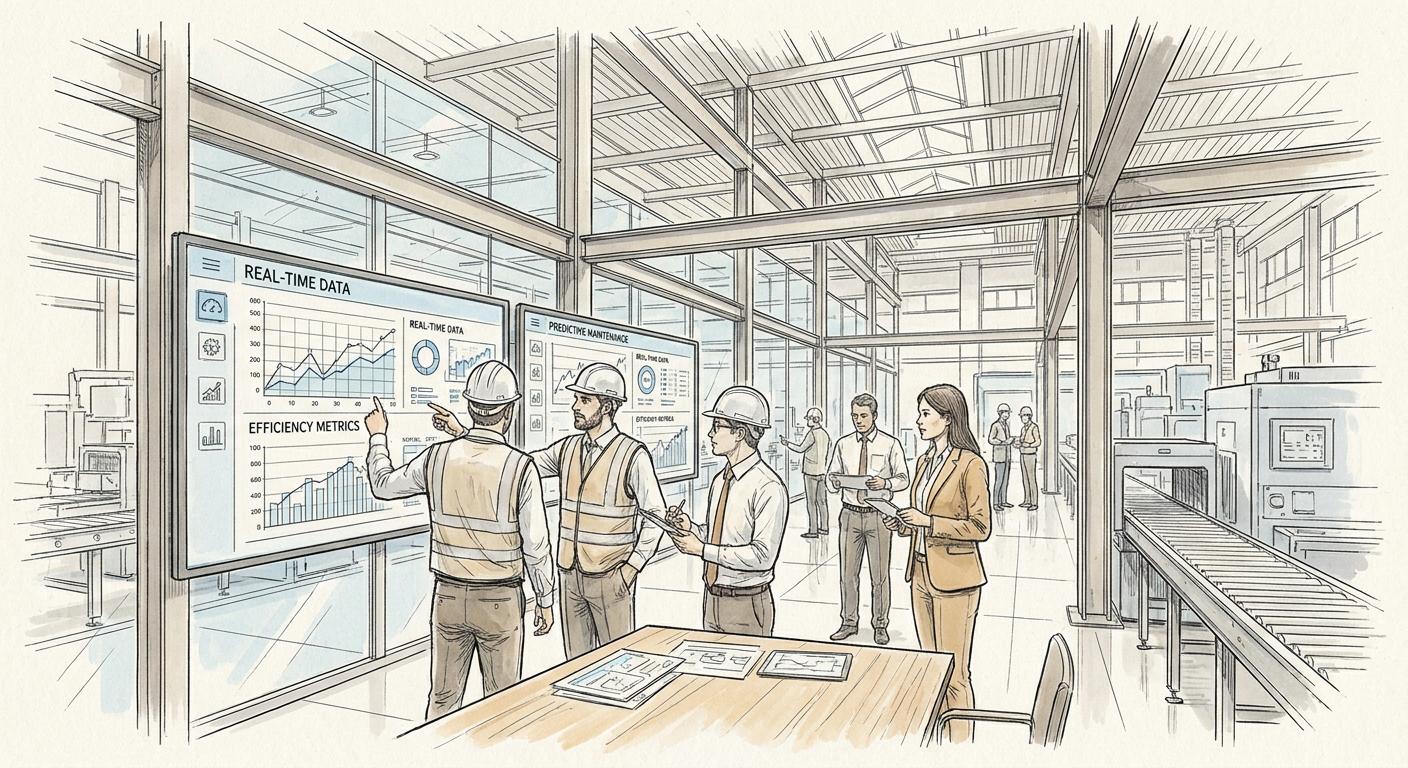
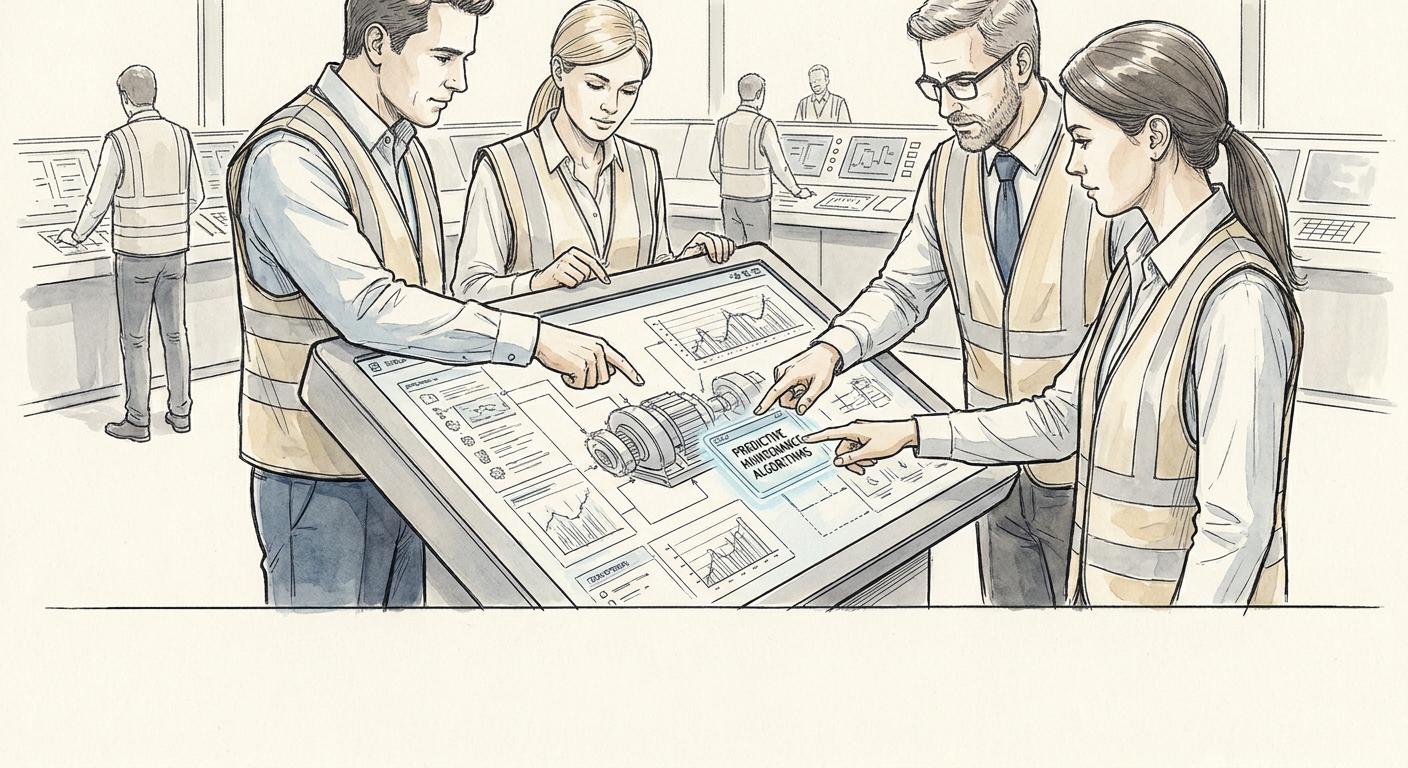
While usually discussed in the context of uptime, predictive maintenance for worker safety is a critical risk mitigation tool. Catastrophic equipment failure, such as a pressurized line rupture or a mechanical shear, is a primary source of industrial trauma. By connecting AI to OT (Operational Technology) data, the system identifies vibration patterns or thermal spikes that precede a failure.
Preventing a machine from failing mid-cycle does more than save the part; it ensures the operator is not in the line of fire. Closing the estimate-vs-actual gap in maintenance schedules ensures that safety-critical components are replaced based on actual wear-and-tear rather than arbitrary calendar dates.
4. Automated Incident Reporting and 'Near-Miss' Pattern Recognition
In many plants, near-misses go unreported because the paperwork is cumbersome or the culture discourages it. Large Language Models (LLMs) can now parse handwritten shift logs, maintenance notes, and digital sensor data to identify hidden safety trends. This industrial accident prevention strategy uncovers patterns that human operators might miss, such as a specific workstation having a higher frequency of minor slips every Tuesday during a specific cleaning cycle.
At iForAI, we have seen how automating these data pipelines can reduce manual administrative effort by 60%. Instead of chasing down paper trails, safety officers can focus on high-impact interventions based on a repeatable AI playbook.
5. Intelligent Forklift and AGV Collision Avoidance Systems
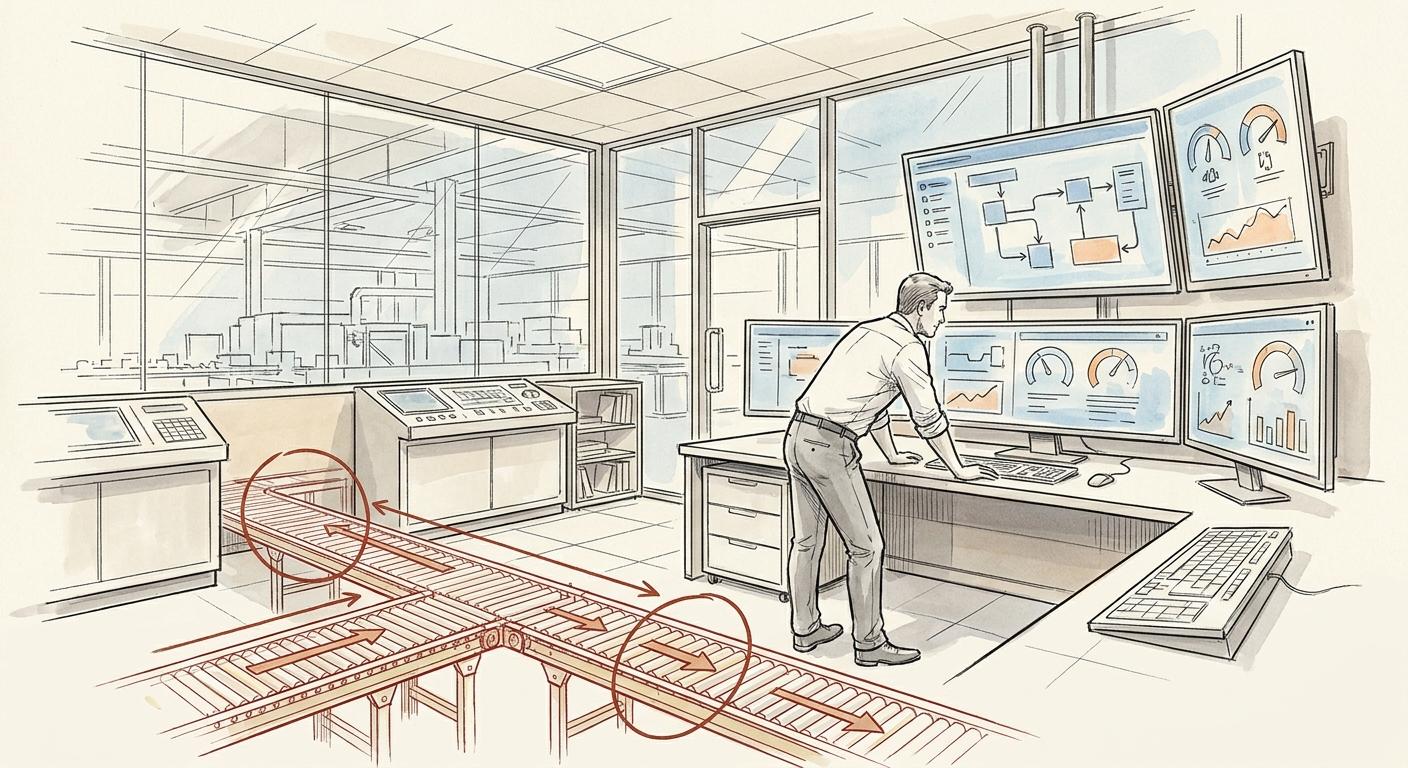
Vehicle-pedestrian strikes remain one of the costliest incidents on a manufacturing floor. AI integration with warehouse hardware - specifically forklifts and Automated Guided Vehicles (AGVs) - manages traffic flow through computer vision for shop floor safety monitoring. These systems detect humans in a forklift’s blind spot and automatically governed the vehicle's speed or apply brakes.
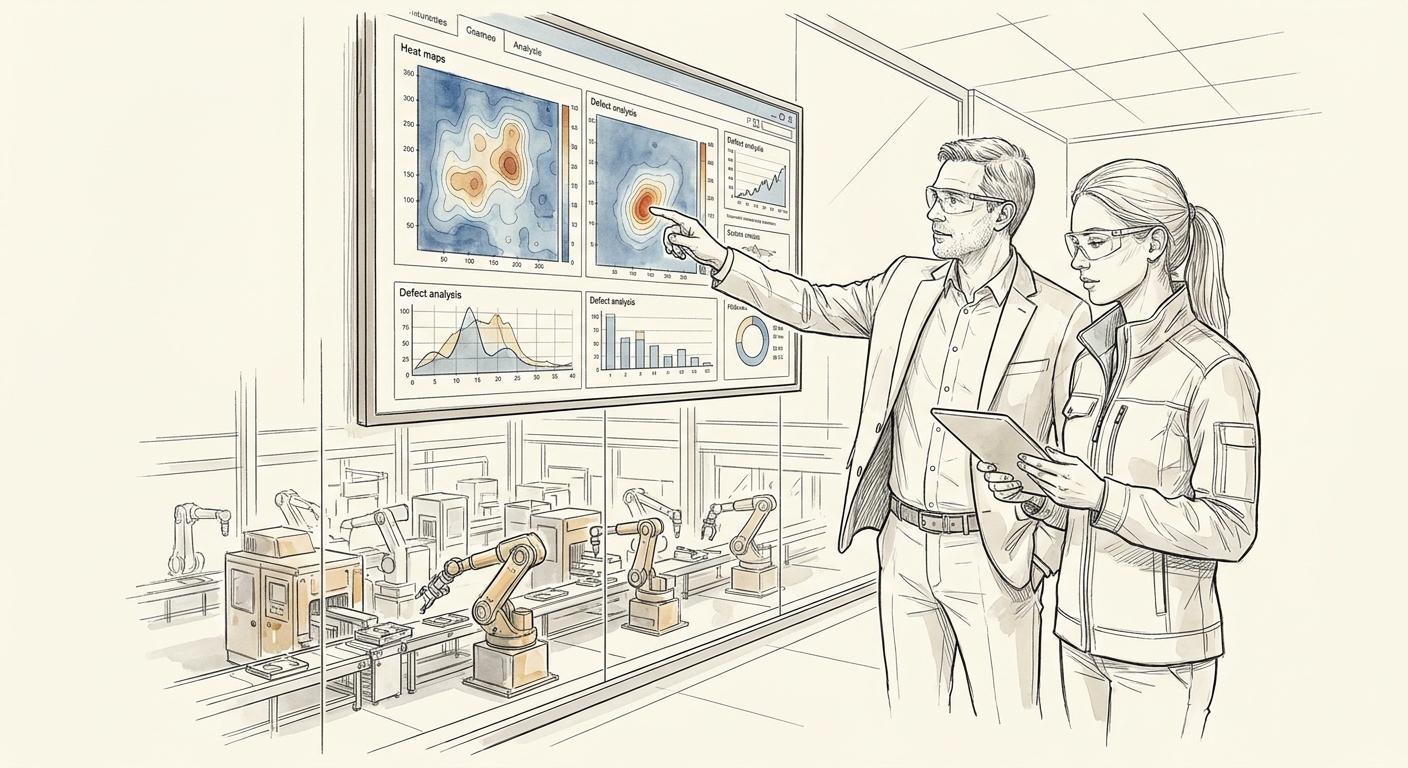
This data is then aggregated to heat-map "conflict zones" where pedestrians and vehicles cross paths too frequently. Management can then redesign floor layouts to eliminate these high-risk intersections entirely, providing a permanent solution rather than a temporary warning.
The ROI of Safety: Leveraging Data to Negotiate Lower Insurance Premiums
For Private Equity firms, the ultimate goal of EHS technology implementation is often insurance premium reduction manufacturing. Insurance carriers price risk based on uncertainty. When a company provides an audit trail showing 99.9% PPE compliance and a 70% reduction in near-misses over a 12-month period, they are no longer a generic risk.
This granular data allows COOs to negotiate from a position of strength. Proving a "low-risk" profile through embedded AI transforms safety from an expense into a strategic asset that improves operating leverage. In a value creation context, reducing insurance overhead by 10-15% through technology is a direct hit to EBITDA that persists through the life of the investment.
Beyond Software: Why Execution Matters in Harsh Manufacturing Environments
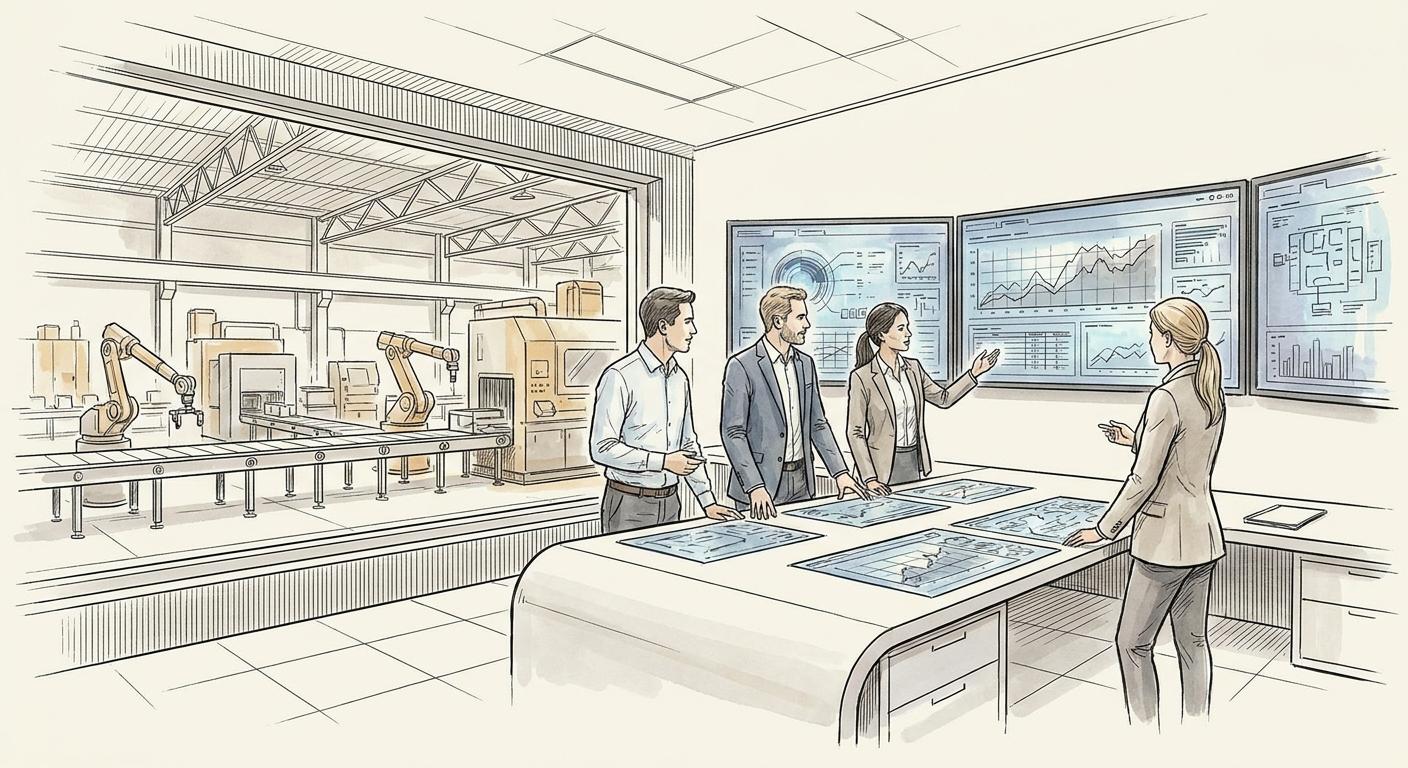
A "tool" alone will not fix a safety culture. Success in AI worker safety manufacturing requires more than just buying a license for a computer vision platform. It requires the integration of AI outputs into the daily workflow of the plant floor - ensuring that an alert actually results in a supervisor intervention or a process change.
iForAI focuses on time-to-value, delivering live production use cases in 60-90 days. We provide the strategy, execution, and upskilling necessary to ensure that AI isn't just a dashboard in the front office, but a functional safeguard on the shop floor. With a team of 35+ specialists, we offer the technical depth required to integrate with legacy ERP-MES systems, ensuring that safety data is never siloed.
AI Worker Safety FAQ
Does AI worker safety require replacing my existing cameras? No, most modern AI safety software can be layered onto your existing IP camera infrastructure. By using edge gateways or cloud processing, you can turn standard security cameras into intelligent sensors without a total hardware overhaul.
How does AI safety impact insurance premiums? Insurers reward demonstrable risk reduction. Real-time data provides an objective audit trail that proves a proactive safety culture, which allows companies to negotiate better rates based on actual performance rather than industry averages.
What is the typical timeline for seeing results from AI safety implementation? Using a focused AI Starter Package, most manufacturing plants see their first measurable safety data and PPE compliance improvements within 60 to 90 days.
Can AI monitor safety in high-noise or low-light manufacturing environments? Yes, advanced computer vision models can be trained specifically for the unique environmental constraints of a shop floor, including low-light conditions and heavy particulate matter, ensuring reliability where human vision might fail.
Proactive safety management is no longer a luxury; it is a requirement for maintaining margins and protecting worker health. By deploying targeted AI applications, manufacturers can eliminate the hidden costs of safety failures.
Book a Manufacturing Diagnostic at ifor.ai/solutions/manufacturing