

.svg)

Why frontier risk thresholds matter to your engineering roadmap
When frontier AI laboratories publish updates on high-tier risk thresholds—such as Anthropic’s AI Safety Level 4 (ASL-4) or OpenAI's Preparedness Framework—engineering leaders at mid-market technology and enterprise companies often view them as theoretical concerns reserved for foundational model providers. The prevailing assumption is that existential risk frameworks belong in research labs, while enterprise product and engineering teams should focus solely on shipping user-facing features.
In modern production environments, that assumption creates operational blind spots.
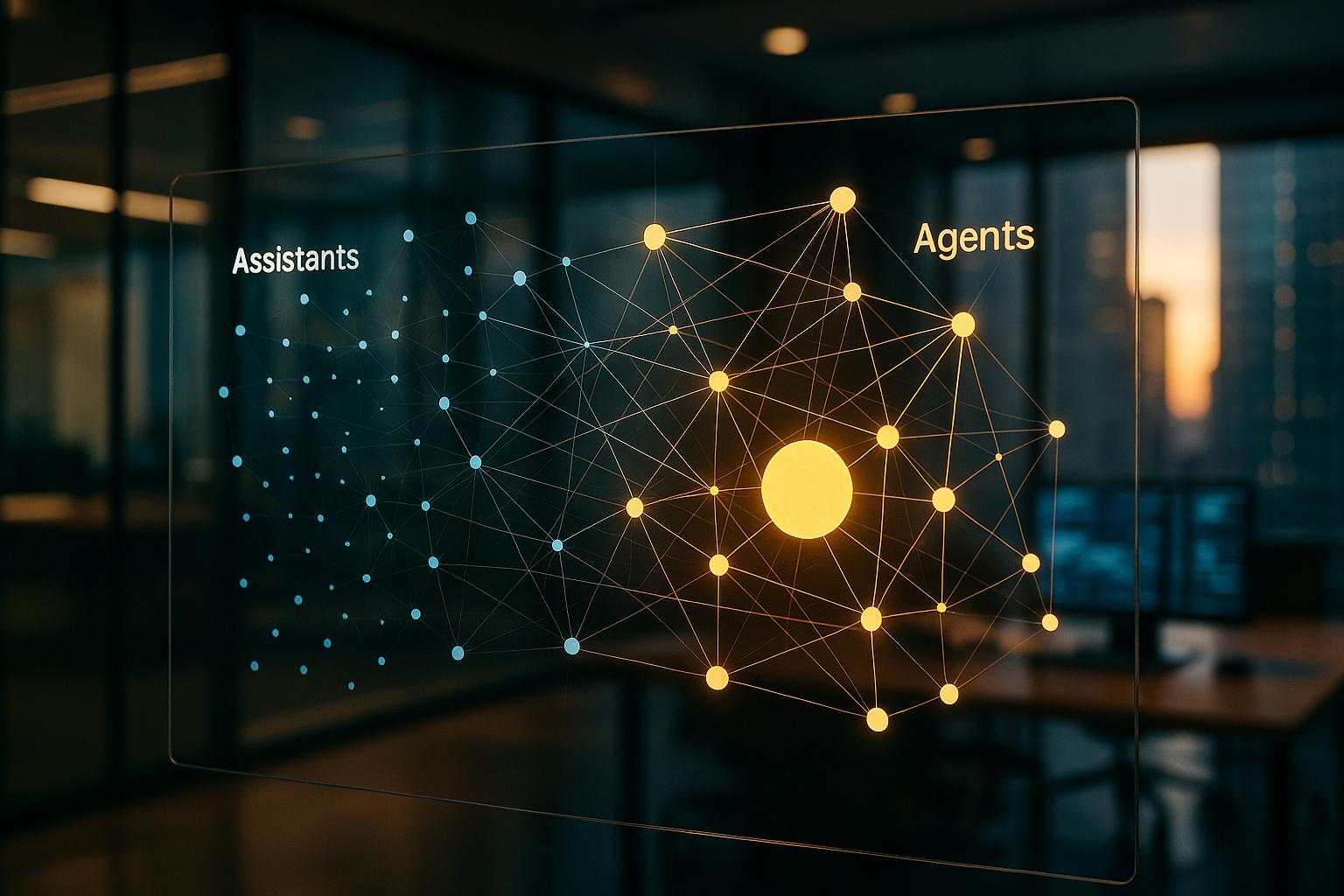
When safety researchers define severe risk tiers, they are tracking the boundary where foundation models transition from conversational assistants into autonomous systems. At this threshold, models can act with persistent agency: writing and deploying code, orchestrating multi-step API chains, querying enterprise databases, and modifying infrastructure configurations without continuous human supervision.
If your organization builds agentic workflows—systems where models independently select and execute actions to achieve a goal—the model's containment boundaries directly dictate your operational and legal liability. As model autonomy expands, the primary failure modes shift from inaccurate text outputs (hallucinations) to unauthorized database writes, compromised credentials, and cascading system errors.
The liability gap between static policies and autonomous agents
Across enterprise AI deployments, an operational gap frequently emerges: organizations attempt to govern dynamic systems with static tools. An acceptable-use policy is archived in human resources, compliance teams circulate annual checklists, and engineers place defensive instructions directly into system prompts.
This administrative approach was adequate when AI adoption was limited to isolated tasks, such as summarizing transcripts or drafting customer emails. However, it proves insufficient when agentic workflows are granted active tool-calling capabilities.
System prompts are inherently probabilistic and remain susceptible to indirect prompt injection, semantic drift (gradual deviations in model reasoning over long context windows), and unforeseen edge cases. When an autonomous agent interfaces with external APIs, internal enterprise logic, and customer records, safety cannot depend on heuristic instructions such as "do not delete customer data" or "request permission before exporting."
If an autonomous system misinterprets intent or invokes an unvalidated tool call within your production stack, the resulting downtime, data corruption, or regulatory exposure directly impacts business operations.
Core requirements for production-grade safety architecture
Bridging this liability gap does not require slowing technical delivery or avoiding agentic workflows. Instead, it requires treating AI safety as a distributed systems engineering discipline rather than a legal compliance exercise.
A durable AI safety architecture rests on three foundational pillars:
1. Deterministic execution boundaries
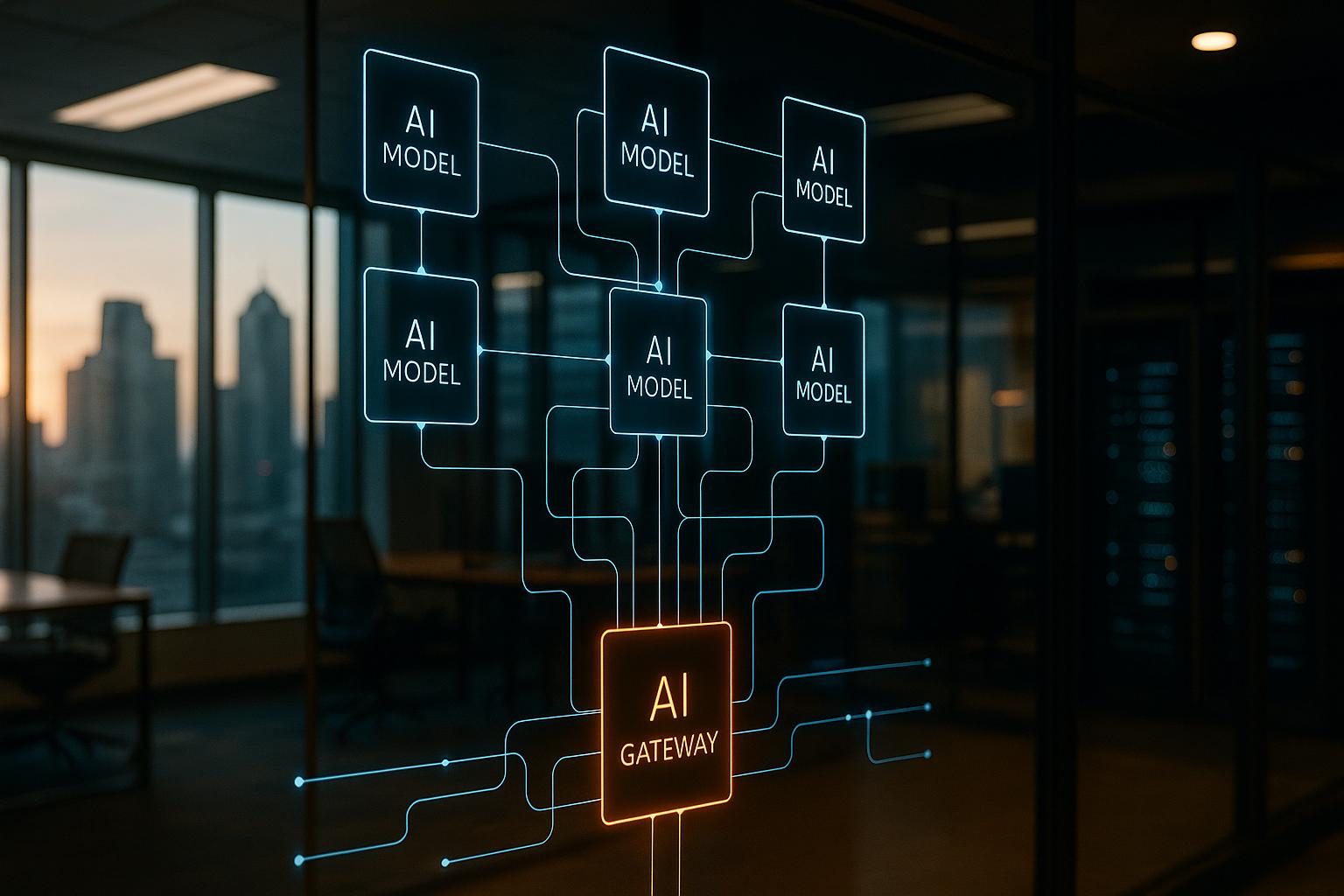
Autonomous models should never be granted direct, unfettered access to production environments. Rather than executing database queries or API requests autonomously, an agent should only generate structured execution intents (such as JSON-formatted action proposals). These intents must pass through deterministic validation layers and sandboxed runtime environments that enforce strict role-based access control (RBAC), rate limits, and schema validation before any state change occurs in persistent storage.
2. Strategic human judgment gates
Autonomous execution is best suited for high-volume, low-risk operations. High-impact operations—such as financial transactions, destructive database modifications, credential provisioning, and sensitive external communications—require human-in-the-loop (HITL) architecture by design. In this model, the AI synthesizes context, drafts execution plans, and validates source inputs, but a human operator retains explicit approval authority before critical operations execute.
3. Runtime telemetry and automated containment
Guarding autonomous systems requires real-time observability. Production telemetry stacks must monitor semantic drift, tool-call frequency, input-output token anomalies, and model confidence scores as tasks execute. If an agent enters an infinite loop, attempts an unauthorized query, or exceeds normal operational parameters, automated circuit breakers must instantly revoke its execution privileges and route the incident to engineering teams for review.
Auditing your governance before scaling agentic workflows
Foundation model capabilities will continue to evolve rapidly. Long-term technical reliability will not come from removing all system autonomy, nor will it come from relying solely on model-level safeguards. The competitive advantage belongs to engineering organizations that establish resilient, deterministic guardrails into their architectures from the start.
Before deploying autonomous agents across operational infrastructure or customer workflows, consider conducting a comprehensive architecture audit:
- Inventory model-accessible endpoints: Document every external tool, database, API, and internal microservice accessible by your models.
- Enforce code-level enforcement: Replace prompt-based security boundaries with deterministic, code-level validation rules.
- Decouple reasoning from execution: Maintain strict isolation between the probabilistic layer where the model reasons and the deterministic execution environment where operations run.
- Formalize approval touchpoints: Establish transparent verification checkpoints for any automated action that carries financial, legal, or infrastructural consequences.
Modern AI safety is not an abstract policy debate. It is a fundamental engineering standard that protects enterprise assets while enabling autonomous software to scale reliably.

Ira Komarova
COO at iForAI