

.svg)

Missing mid-month production targets or suffering from persistent yield loss isn't just an operational headache; it is a direct hit to your exit multiple. For most mid-market manufacturers, the gap between "booked orders" and "shipped revenue" is filled with margin leakage that traditional ERPs fail to capture. Using AI for EBITDA improvement allows leadership to stop guessing and start attacking specific operational friction points that erode the bottom line.
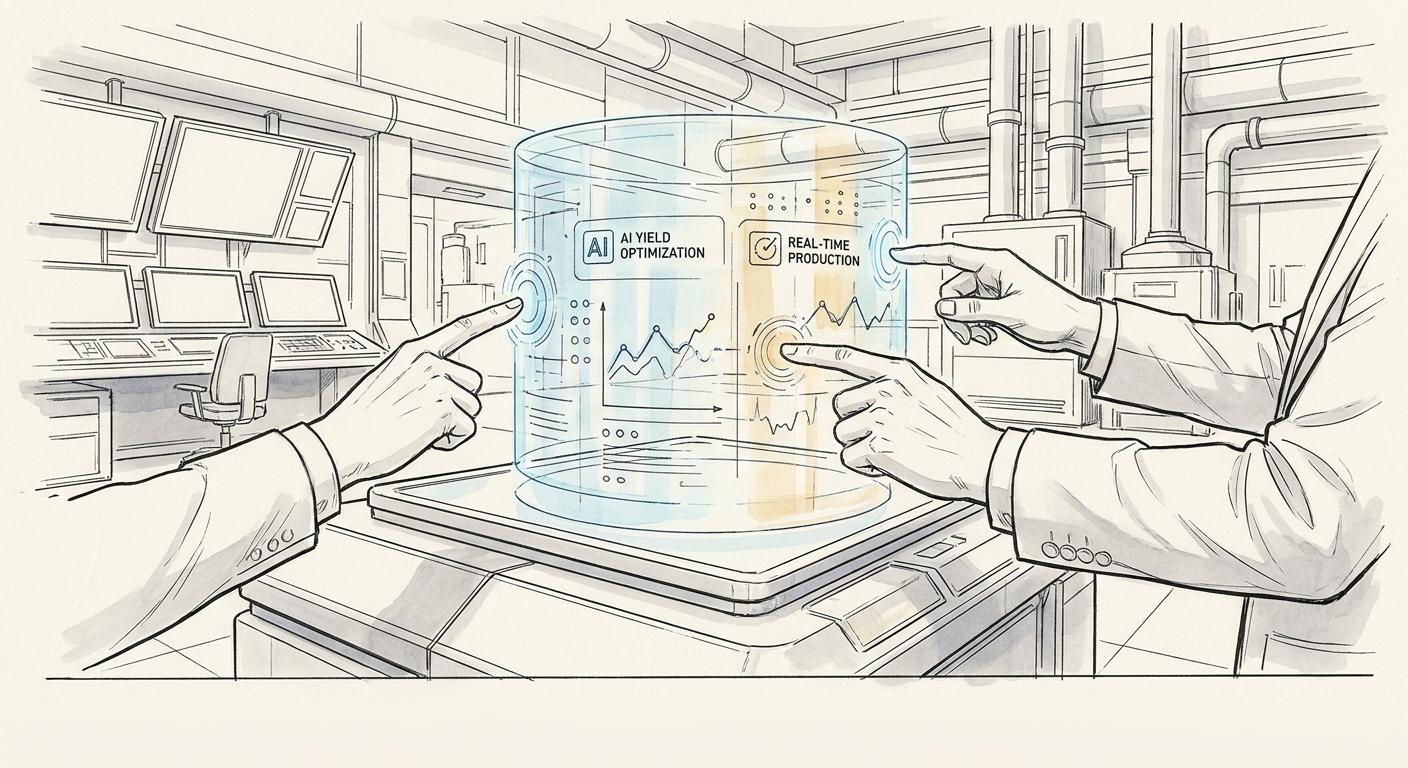
This guide breaks down seven specific AI deployments engineered to widen the operating wedge and drive measurable value within standard industrial investment windows.
The Efficiency Gap: Why Generic AI Fails Mid-Market Manufacturing
Generic AI tools often fail in a plant environment because they ignore the delayed execution truth - the gap between a decision made in the front office and an action taken on the shop floor. Private Equity Operating Partners need rapid results, while COOs need solutions that don't break the existing production flow.
EBITDA-Focused AI is the strategic application of machine learning and automation targeted specifically at reducing COGS or SG&A expenses to achieve measurable margin expansion within a single fiscal quarter. Unlike broad digital transformation projects, these deployments focus on high-impact "wedges" where data already exists but is currently underutilized.
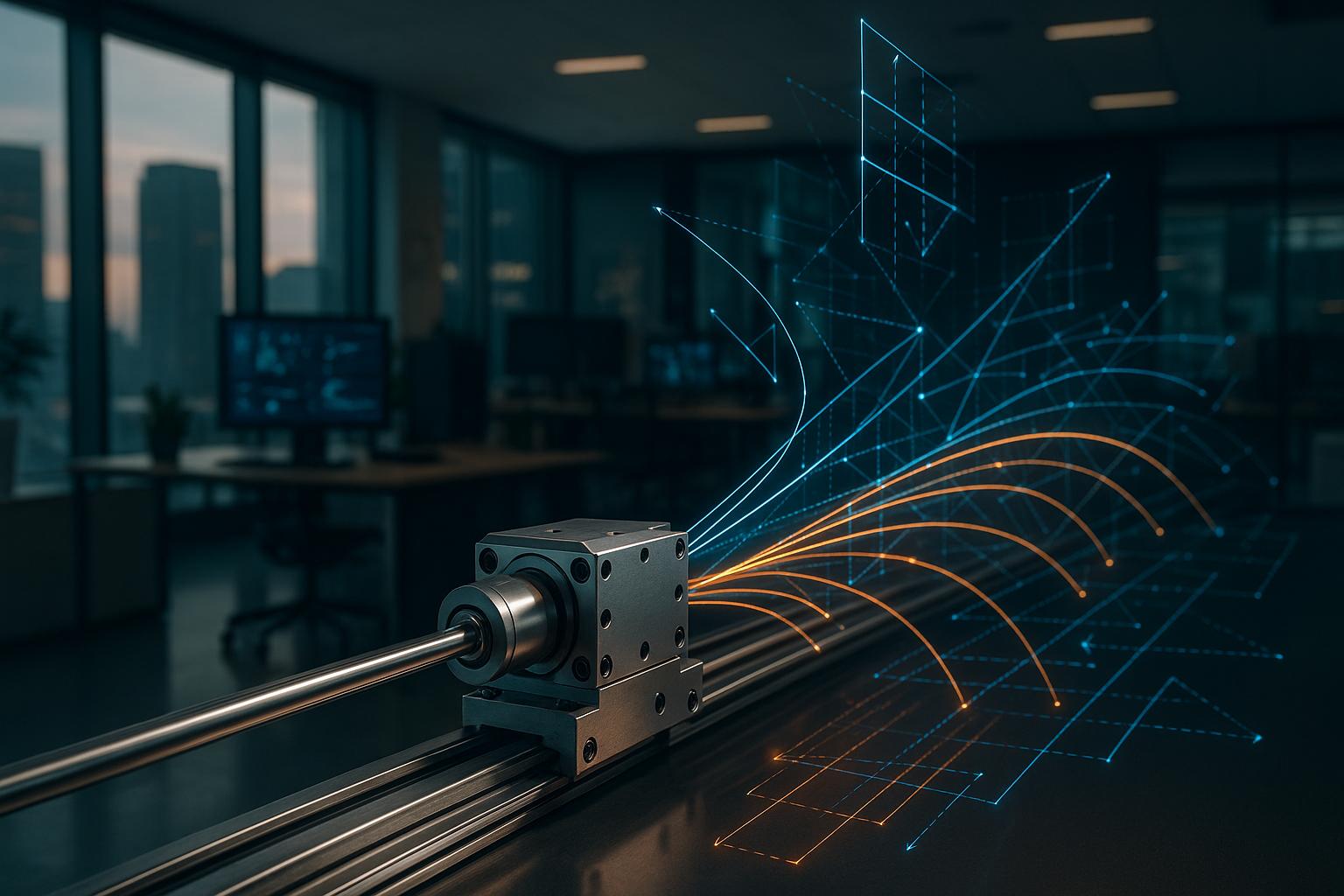
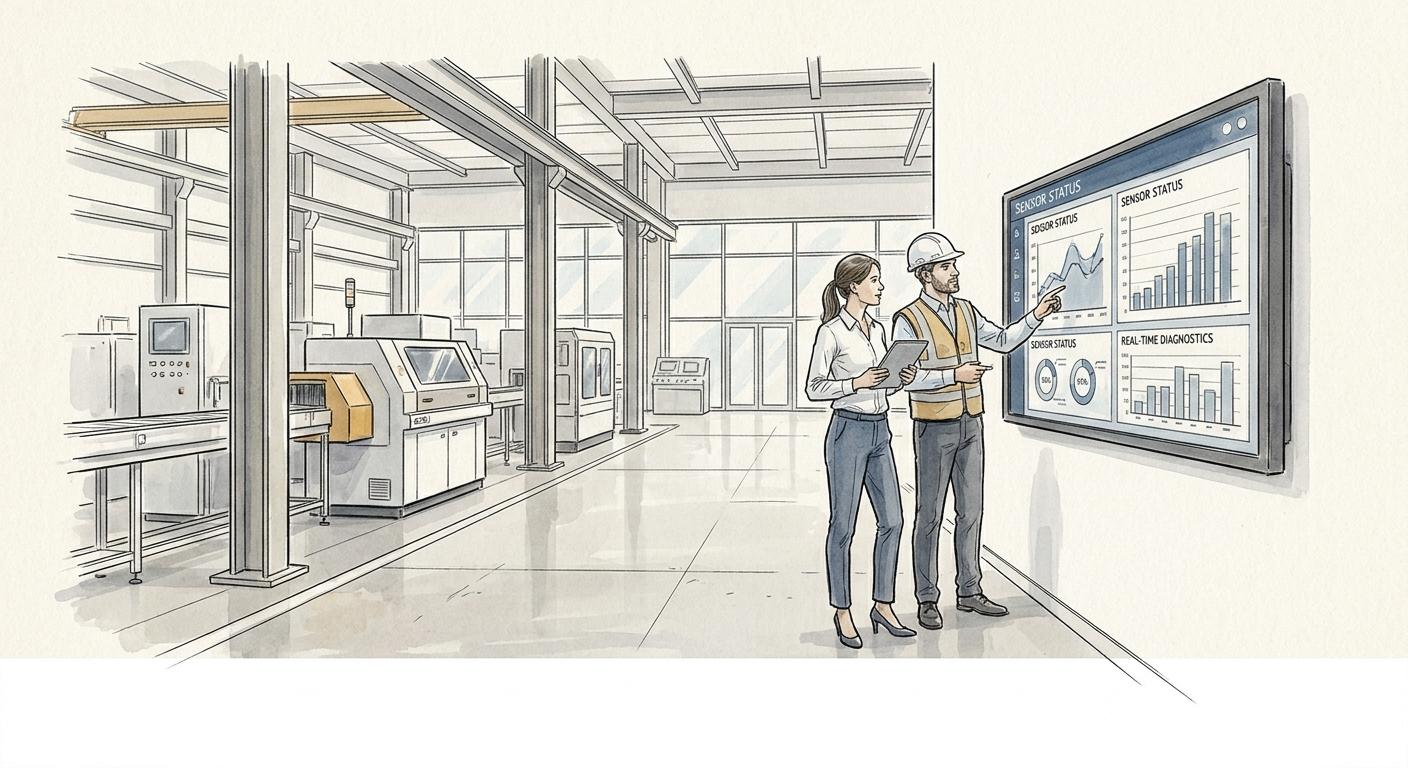
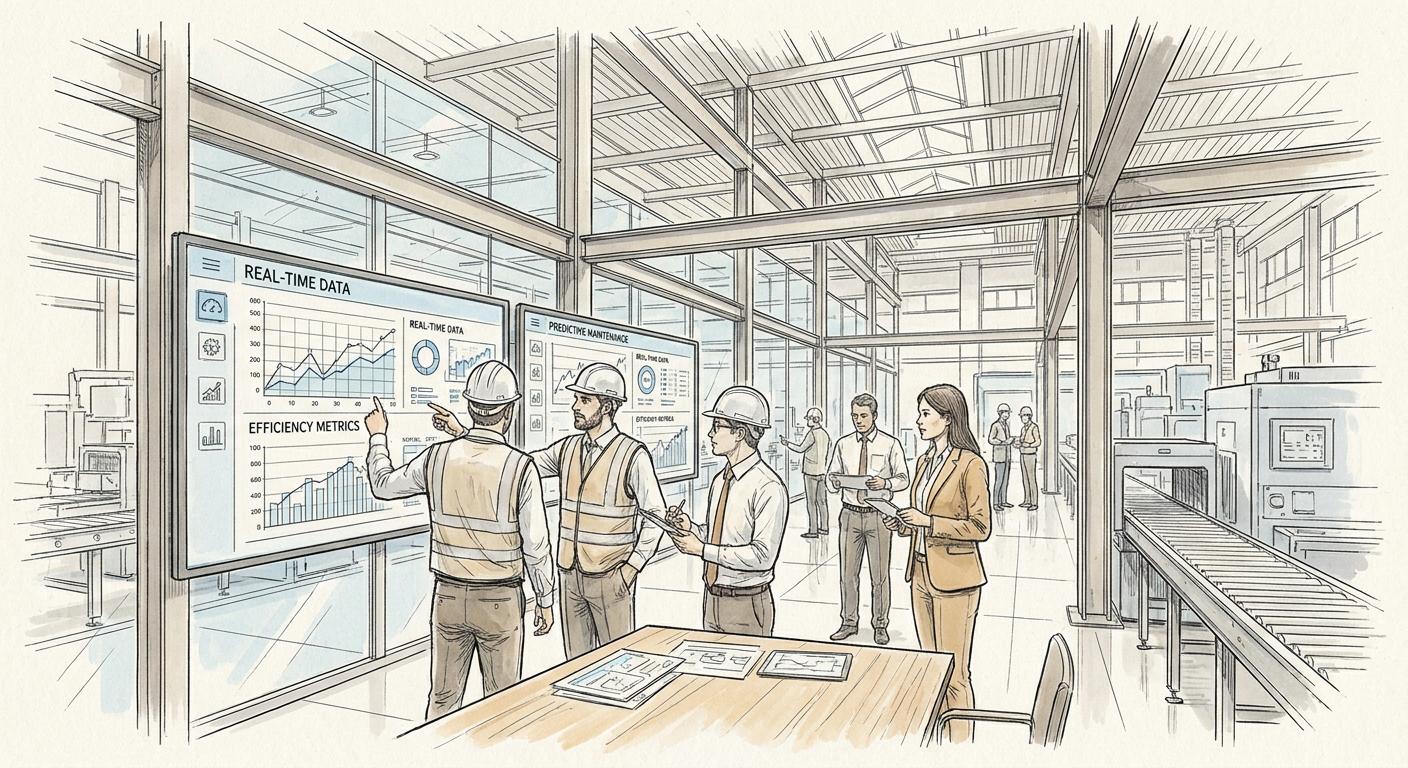
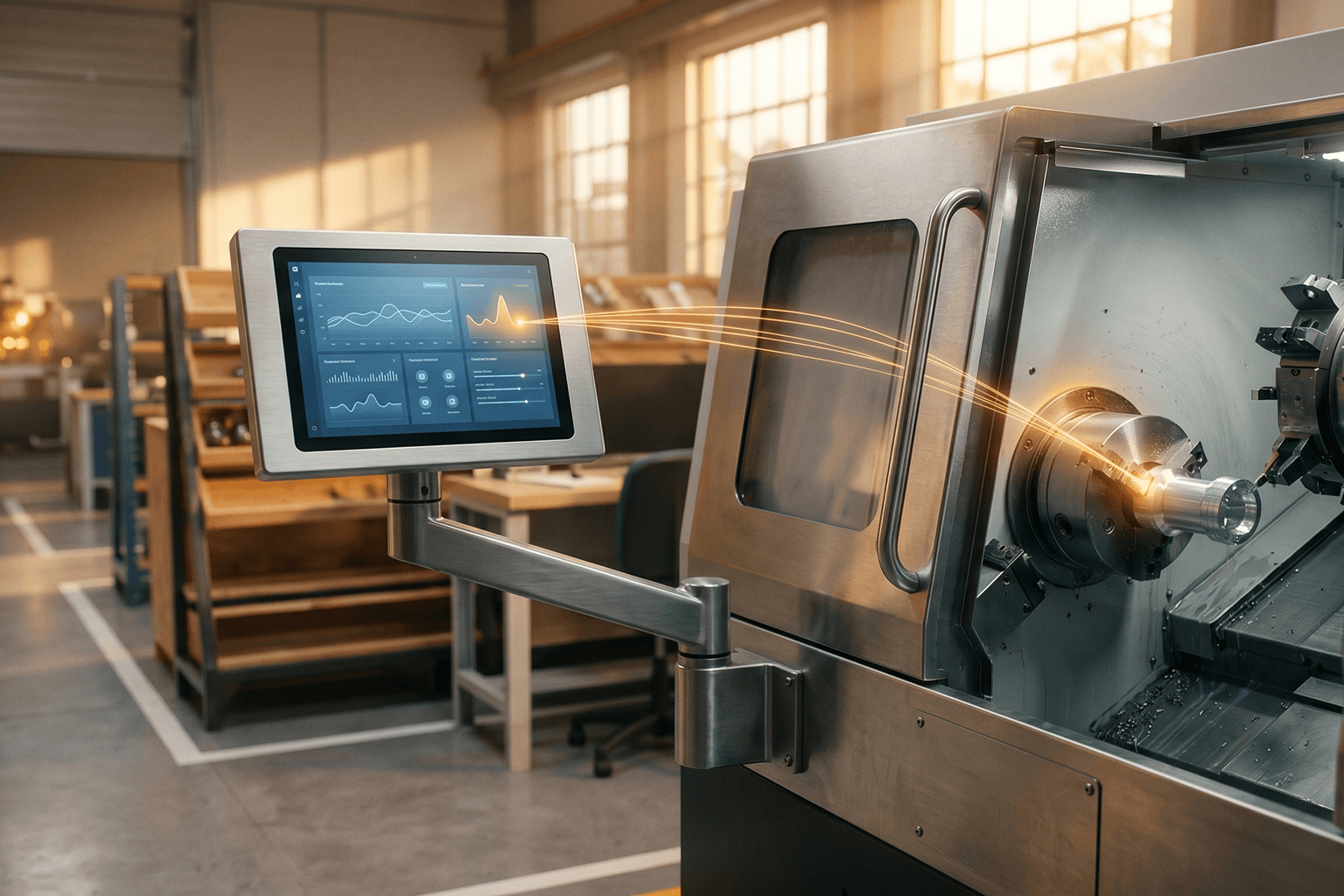
By deploying sensors and embedded AI on highest-value assets, plants move from reactive repairs to predictive intervention. A 200-employee plastic injection molding facility in Michigan recently used this approach to identify bearing heat signatures three days before failure. This transition reduces maintenance-related COGS and directly preserves the manufacturing margin.
AI models analyze internal sales data alongside external market signals to sharpen job costing and inventory levels. By tightening the forecast accuracy, firms can reduce safety stock levels without risking stockouts. For a PE-backed portfolio company, this creates a quick win by releasing cash that can be redeployed into further accretive acquisitions or debt paydown.
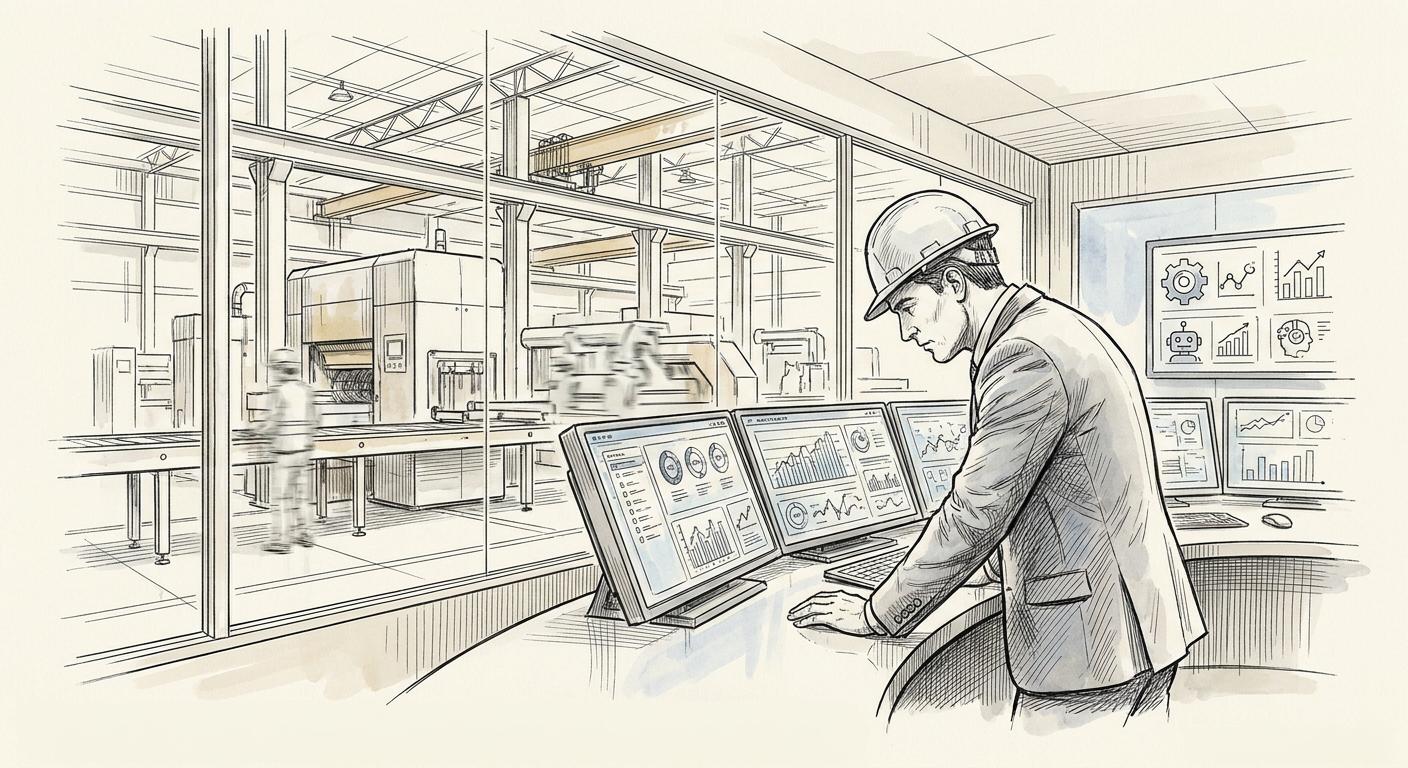
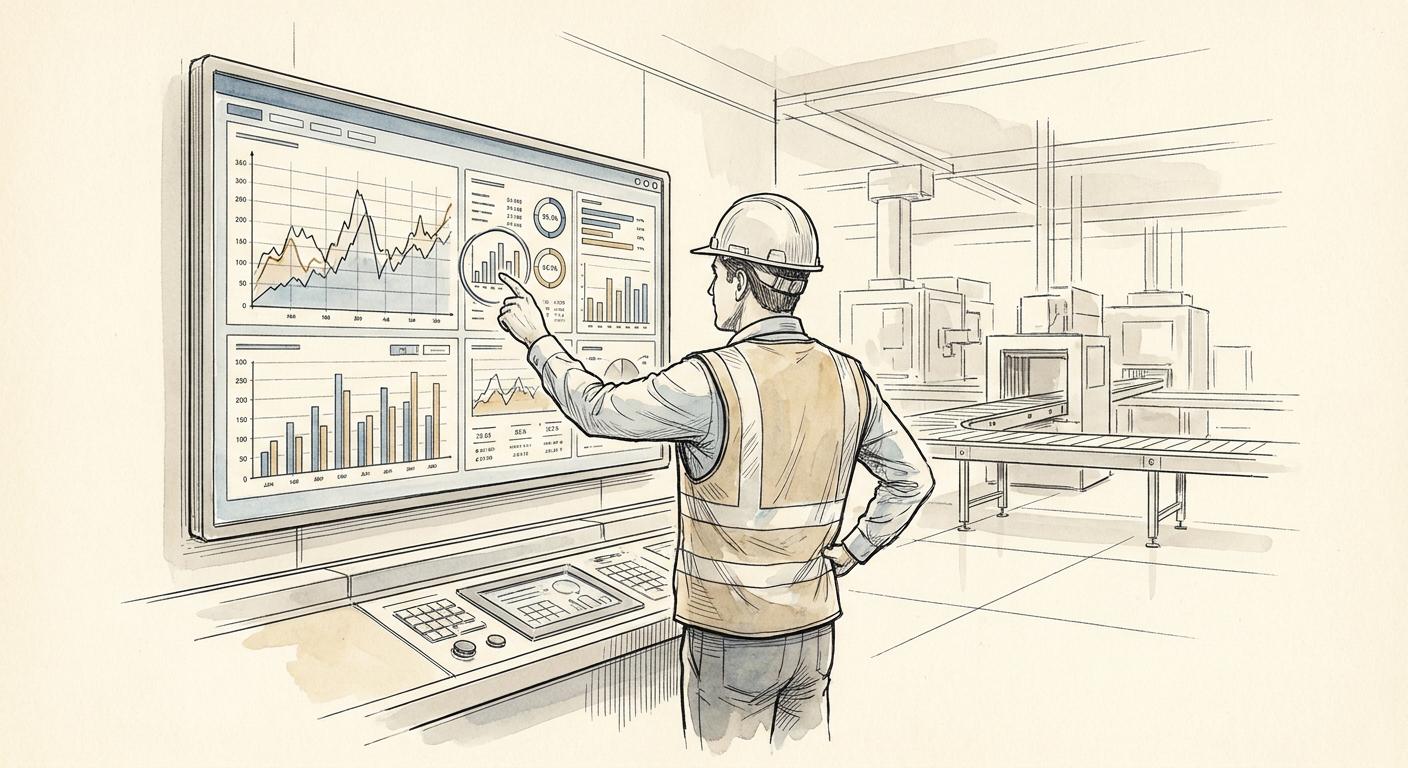
Computer vision systems act as an always-on quality layer. Using high-speed cameras and machine learning, these systems detect anomalies in real-time. For a mid-market metal fabricator, catching a misalignment early in a production run can reduce material waste by 12–15%, moving those saved costs directly to the bottom line.
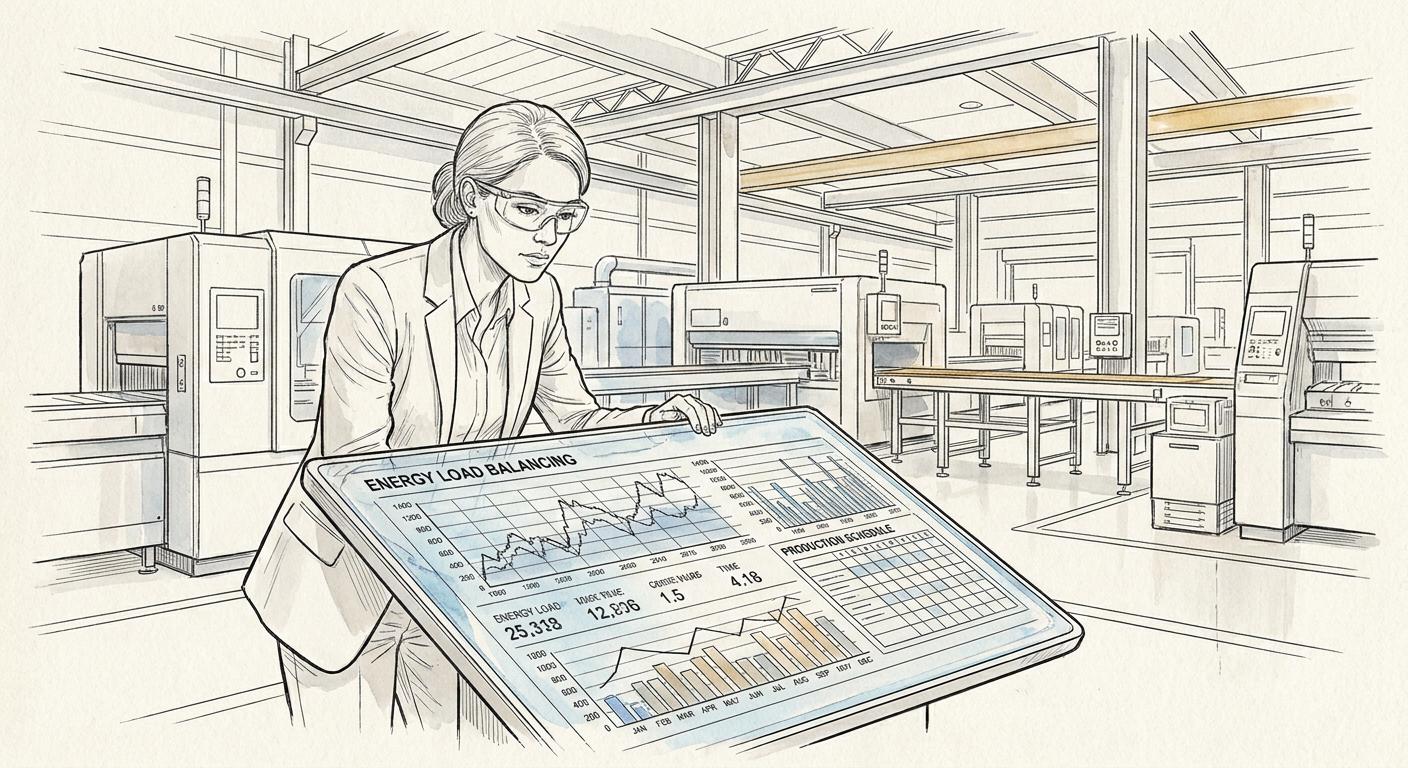
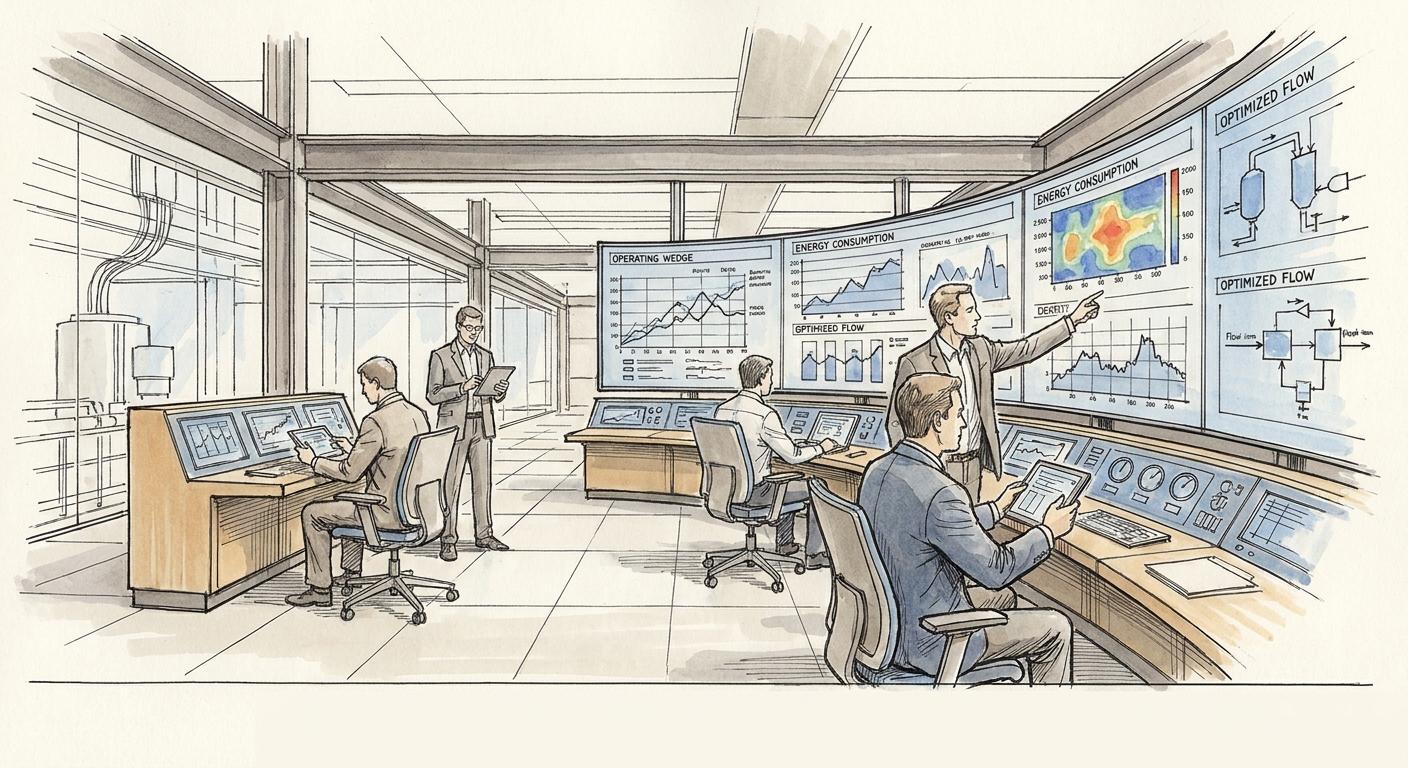
AI-driven energy management systems analyze production schedules against utility rate spikes. By suggesting minor shifts in equipment startup or cooling cycles, plants can "load-shed" during high-cost periods. These adjustments require zero capital expenditure on new machinery but yield immediate reductions in operating expenses.
This AI identifies volume discount opportunities that humans miss across different business units. Rationalizing the tail spend and enforcing vendor compliance ensures that "leaked" procurement dollars are recaptured, providing a significant boost to the operating wedge.
By deploying AI co-pilots on tablets, junior operators can query the system for troubleshooting steps specific to a 20-year-old machine. This reduces time-to-value for new hires and lowers the reliance on a few key individuals, de-risking the human capital element of the investment thesis.
By compressing "Last Mile" inefficiencies and optimizing internal material movement, a company reduces fuel, labor, and maintenance costs. For companies moving high-volume, low-margin goods, these fractional gains in logistics efficiency are often the difference between meeting or missing an EBITDA target.
The 8-Week Execution Framework: Moving from Listicle to Ledger
Success in AI for EBITDA improvement isn't about the technology; it's about the speed of deployment. The iForAI "Operating Wedge" process bypasses multi-year R&D cycles.
Weeks 1-2: Identify the "Margin Leak" (e.g., Scrap, Downtime, or Energy).
Weeks 3-5: Integrate embedded AI into existing data streams.
Weeks 6-8: Validate the Quick Win and scale across the production line.
This framework focuses on AI readiness by targeting isolated data sets rather than waiting for a perfect "data lake."
FAQ: AI for Manufacturing EBITDA
How long does it take to see EBITDA impact from AI? Measurable results should manifest in 4–8 weeks via a targeted ‘wedge’ deployment. By focusing on a specific cost center like energy or scrap, the financial impact can be seen in the following month's P&L statement.
Is my manufacturing data 'clean enough' for AI? High-impact AI can work on specific, siloed data sets - such as sensor logs or procurement records - without needing a perfect enterprise-wide data lake first. We focus on the data that directly influences the targeted margin leak.
What is the typical 'Operating Wedge' for a mid-market plant? The 'Operating Wedge' refers to the widening gap between revenue and operating expenses created by AI efficiencies. For a typical $50M–$200M manufacturer, this usually targets a 300–500 basis point improvement in EBITDA margin.
AI is no longer a speculative venture; it is an essential tool for achieving value creation within a tight investment window. By focusing on these seven deployments, leadership can ensure their technical roadmap aligns directly with their financial objectives.
Book a Manufacturing Diagnostic at ifor.ai/solutions/manufacturing