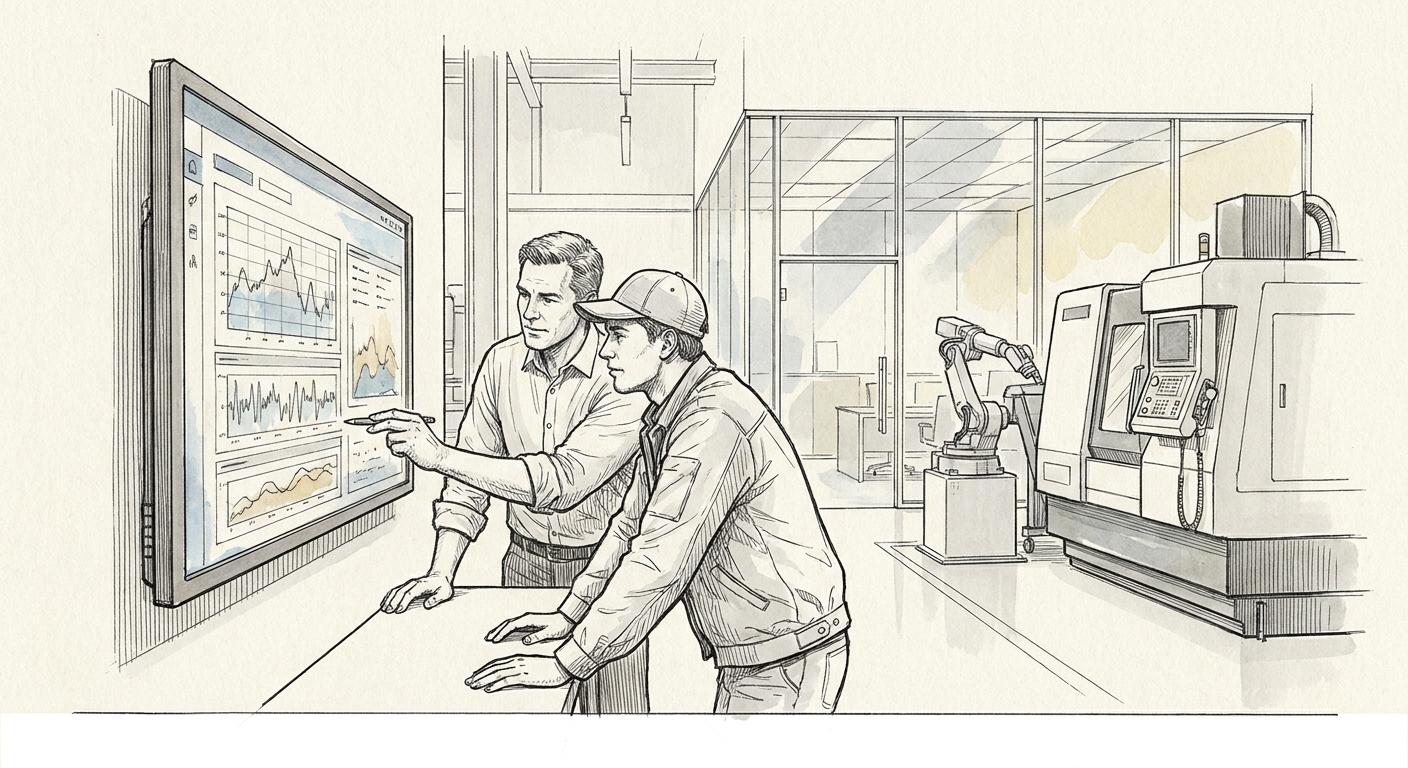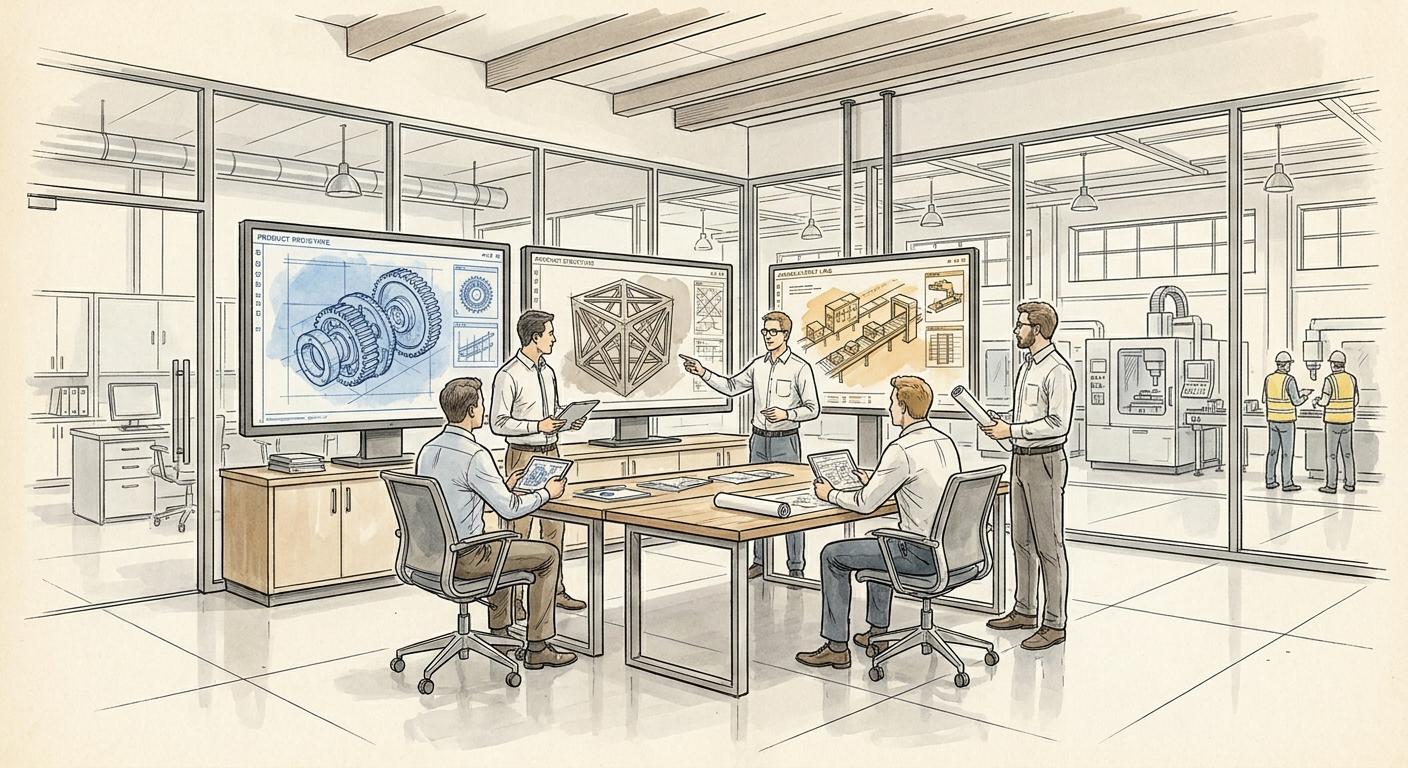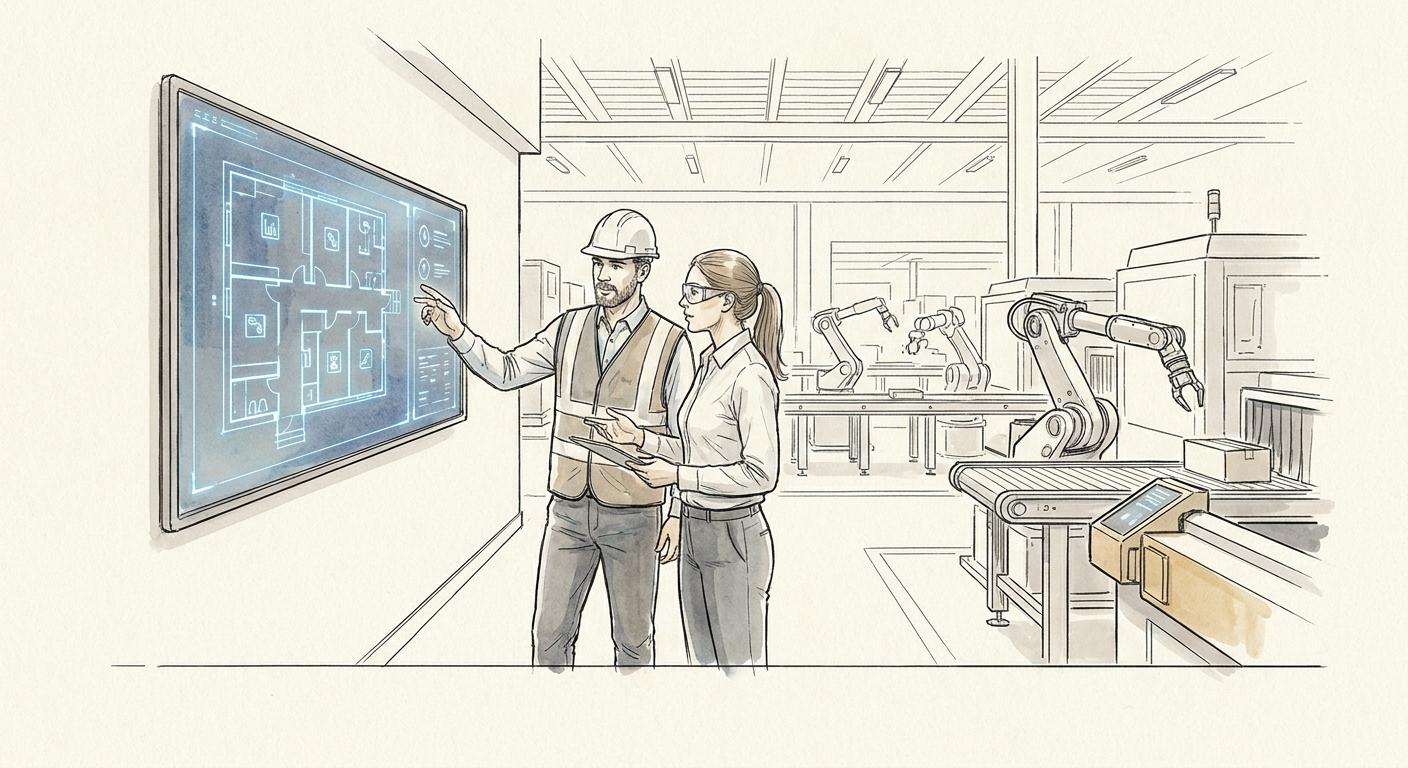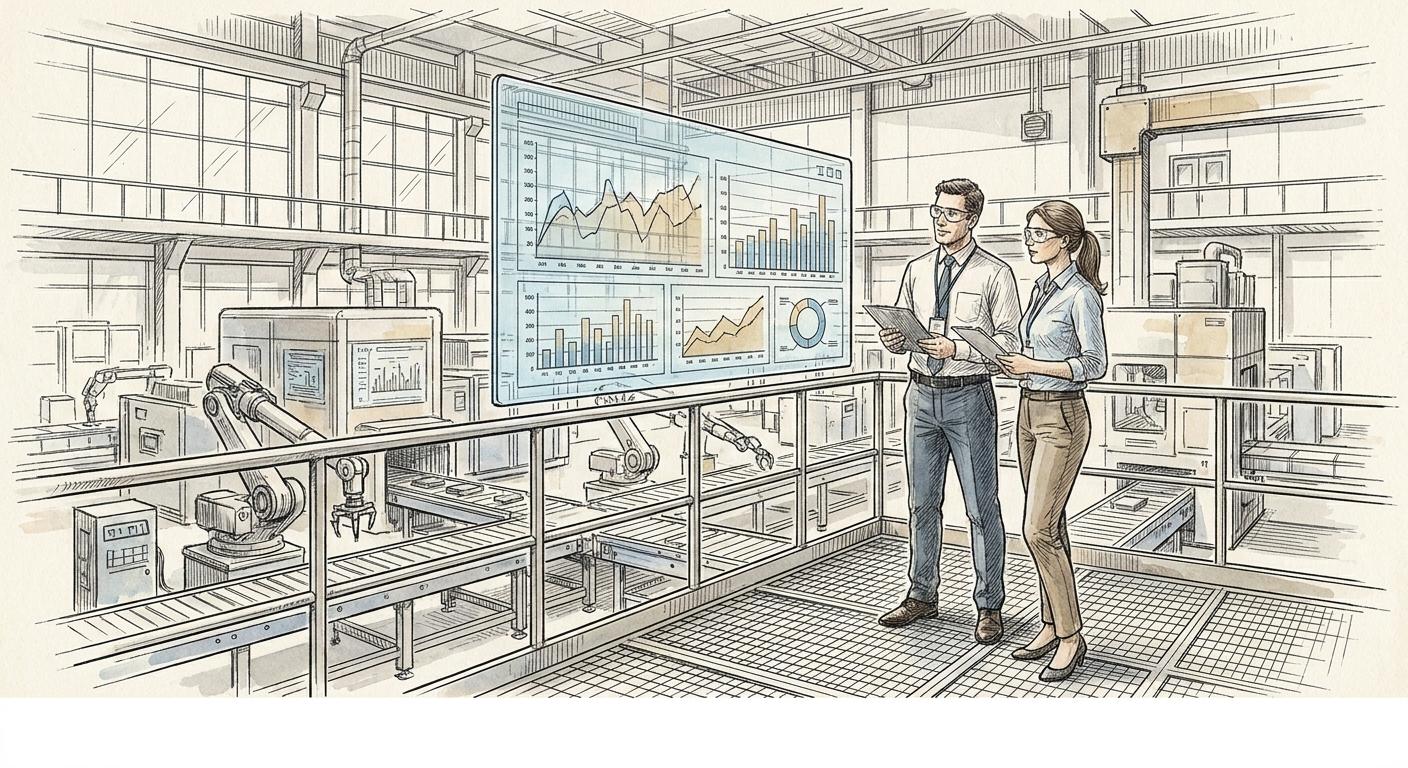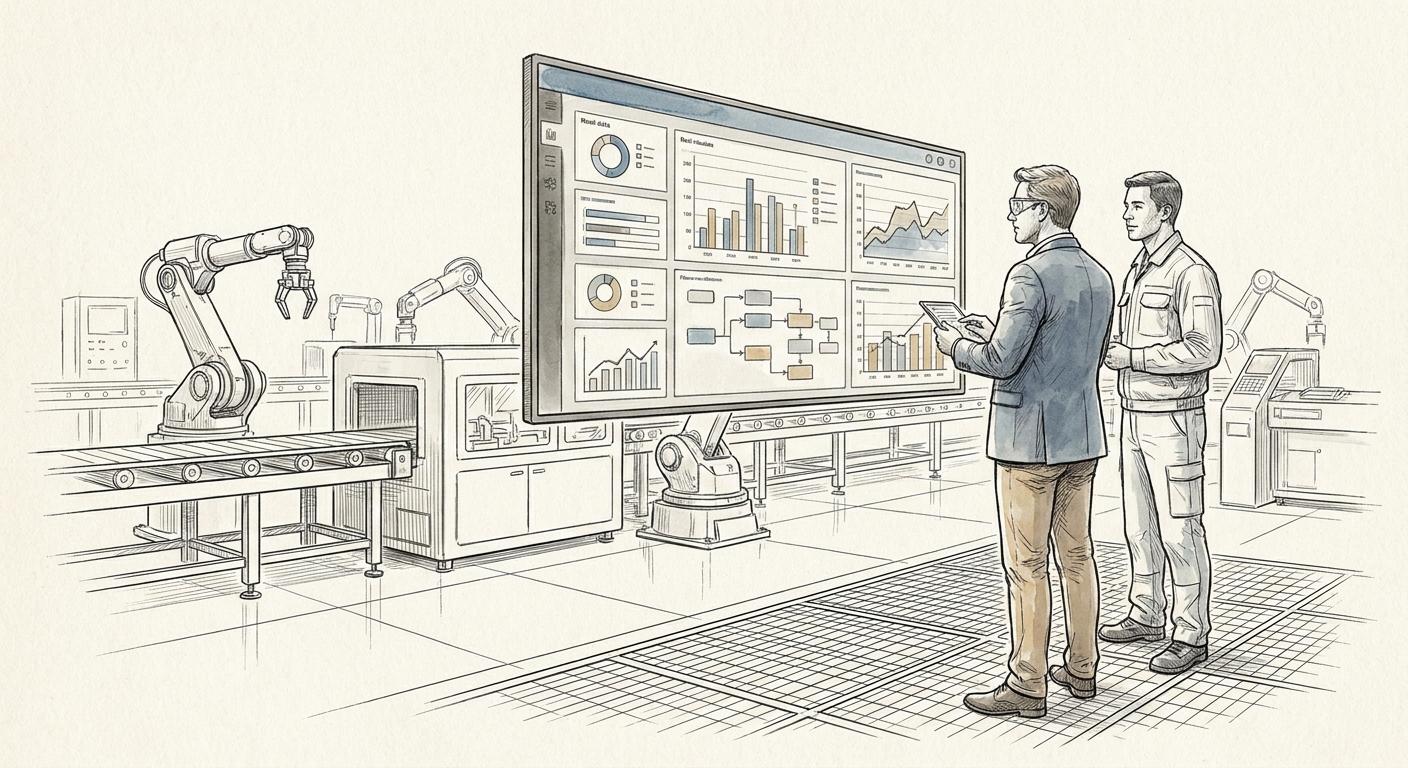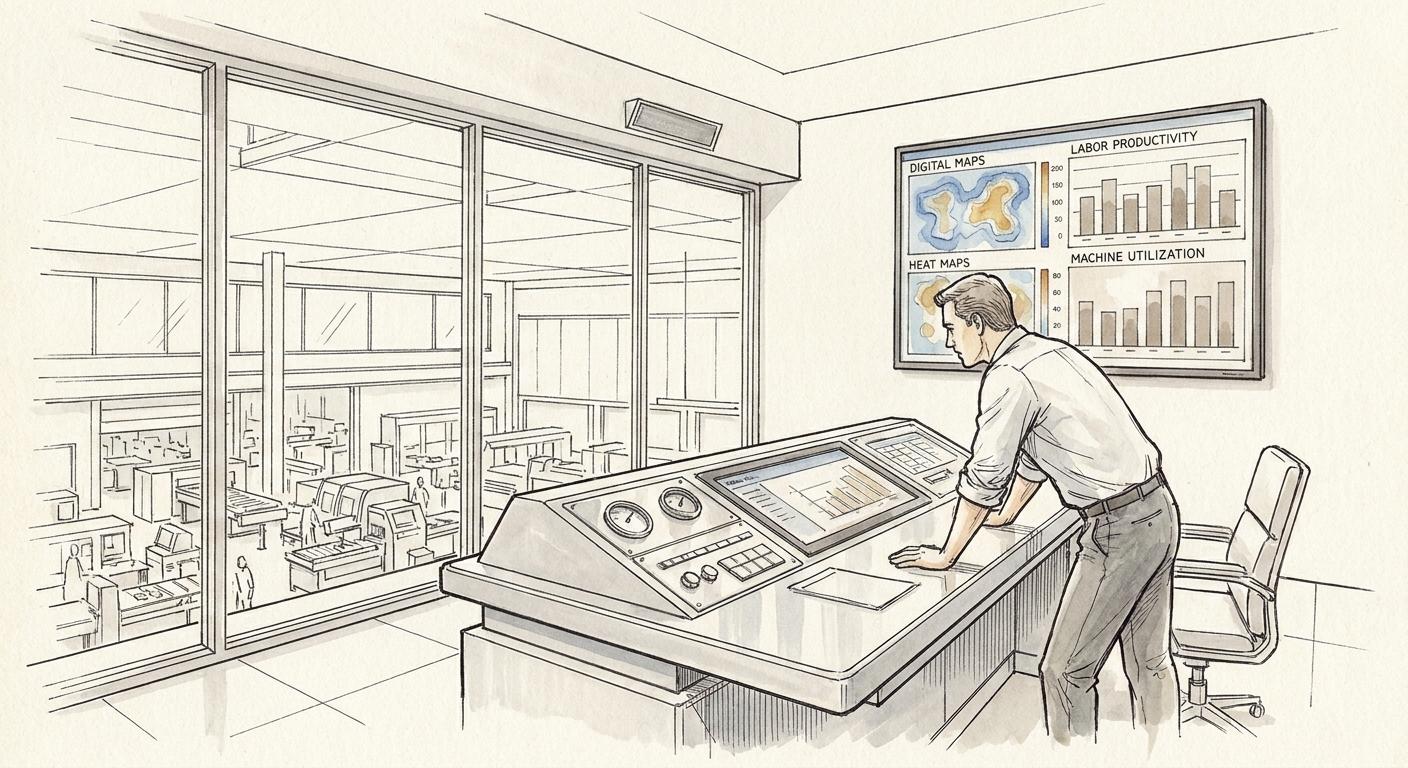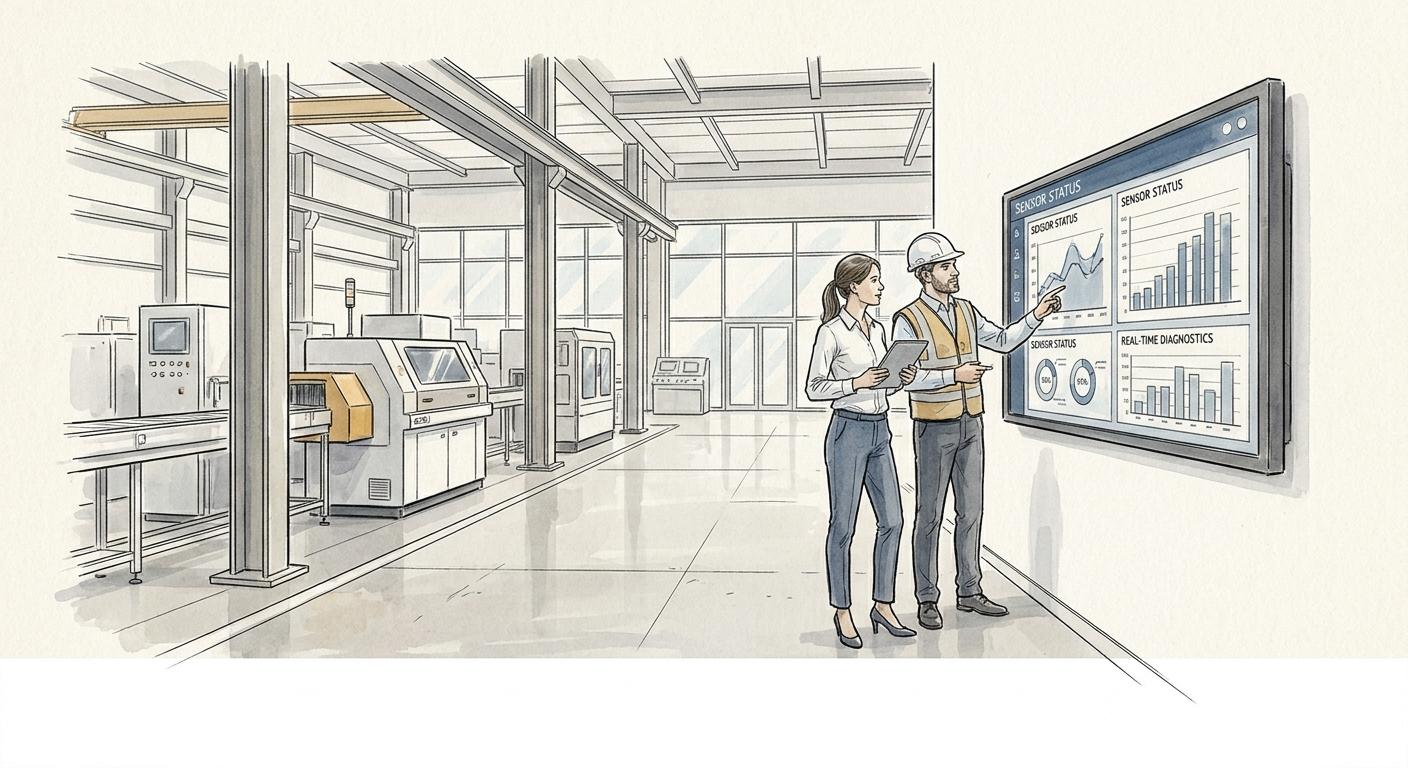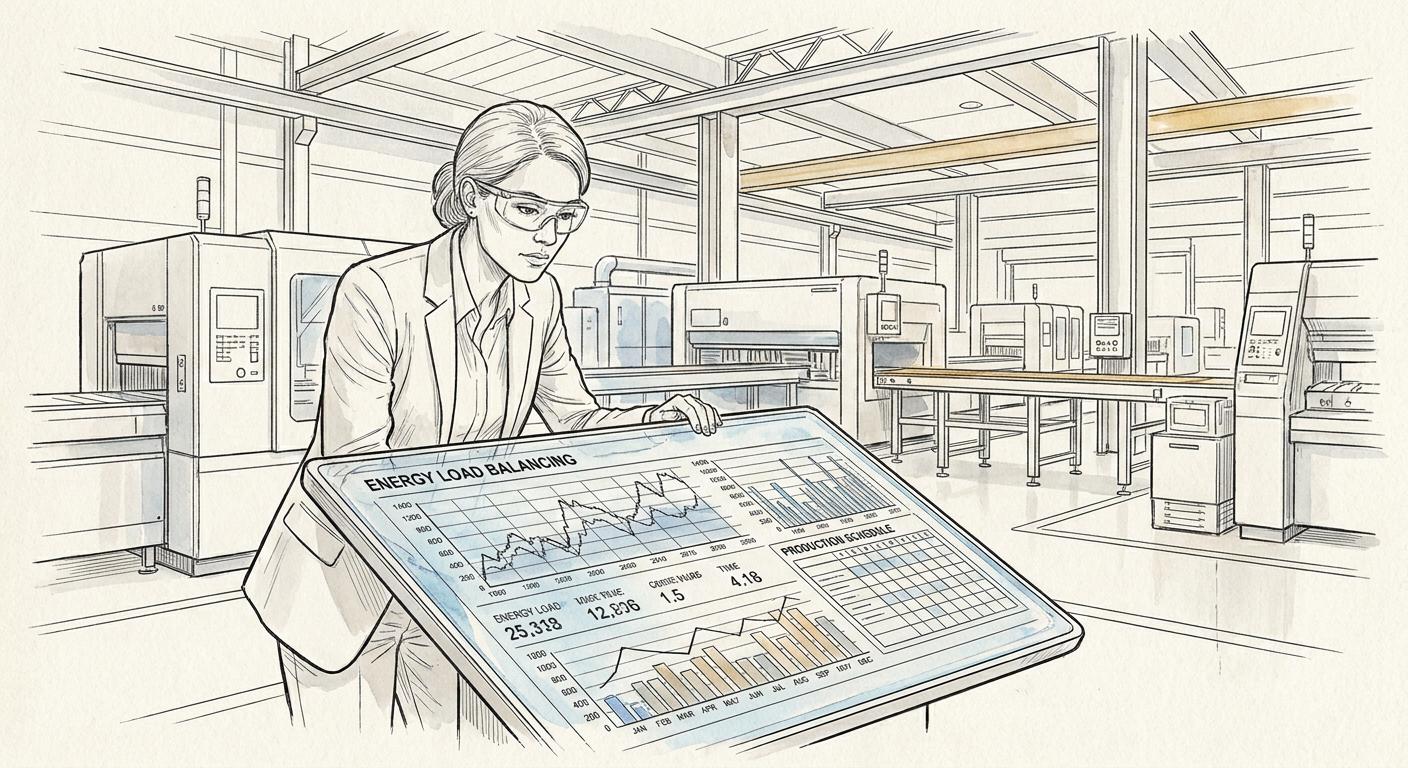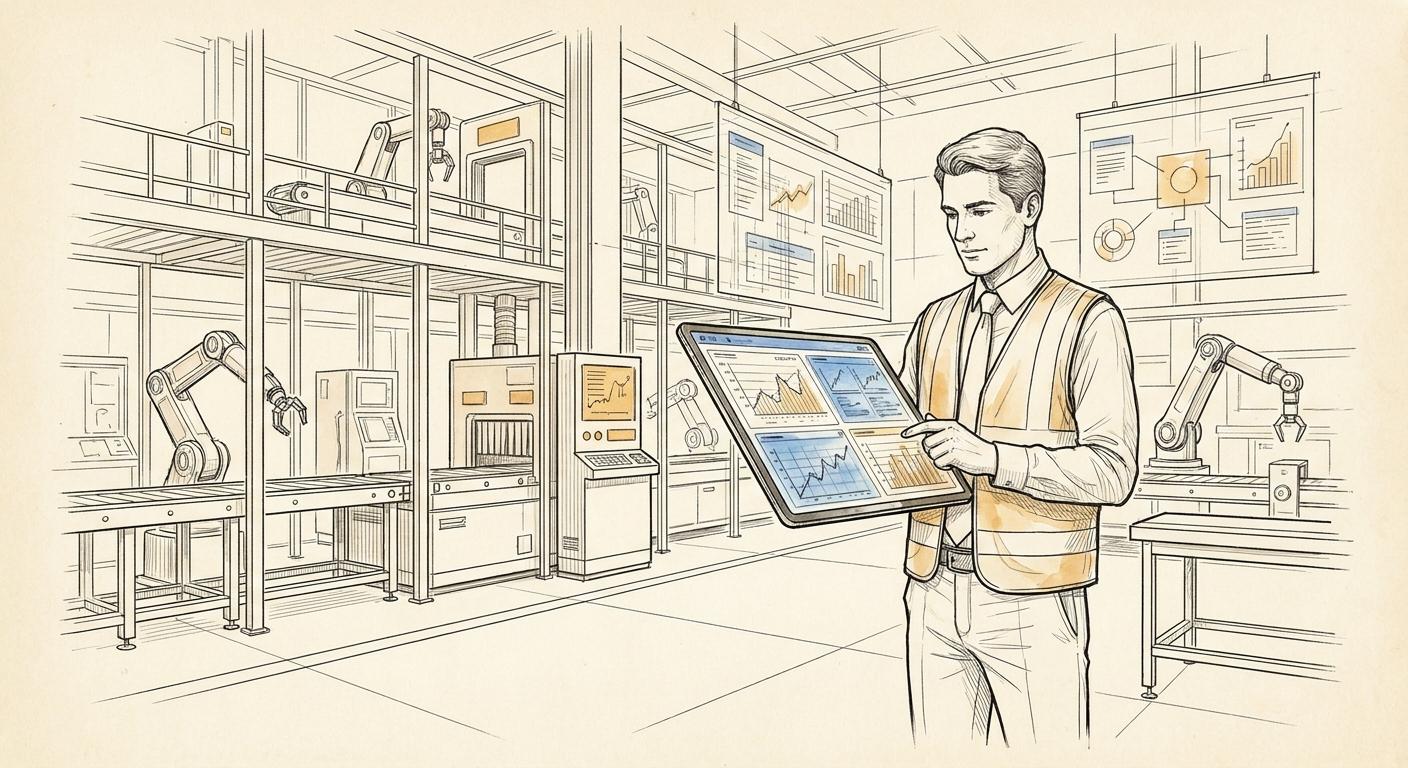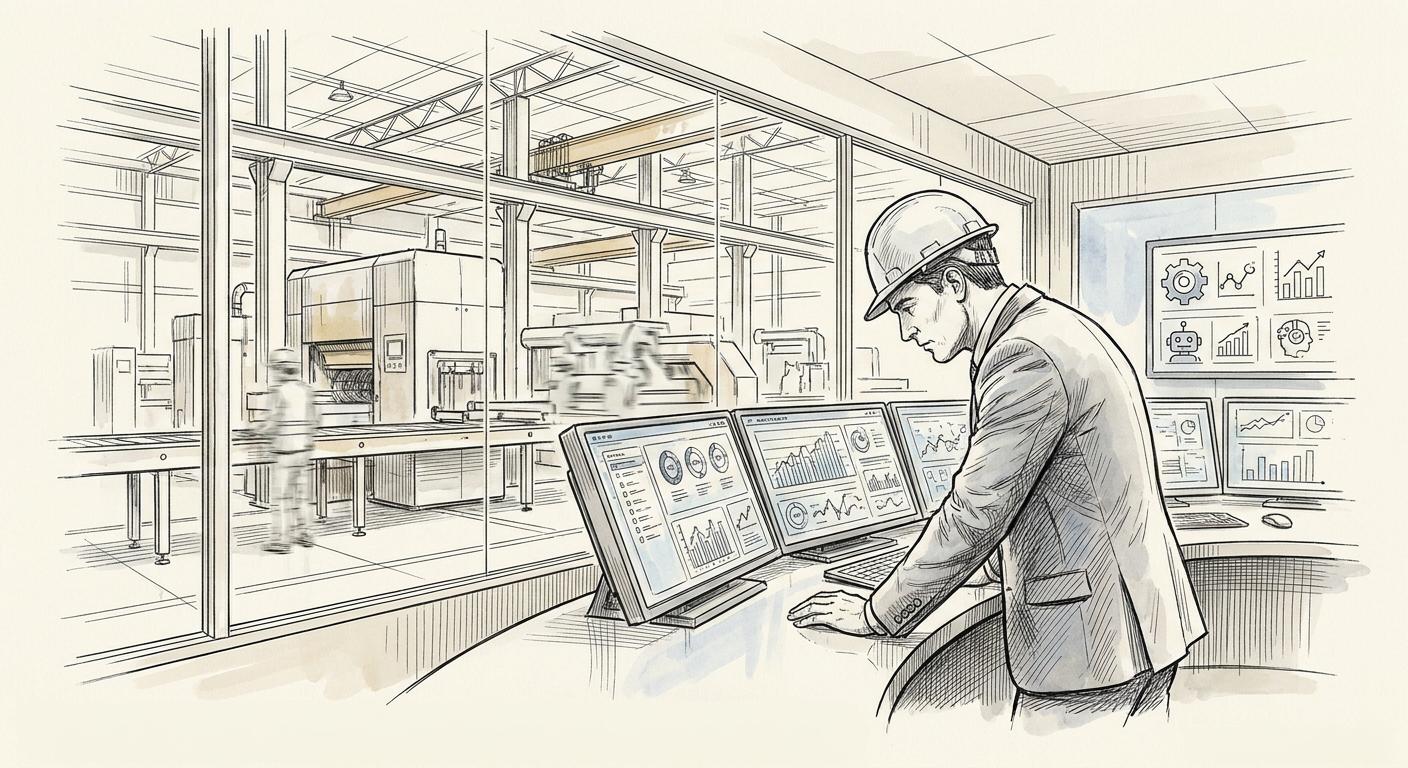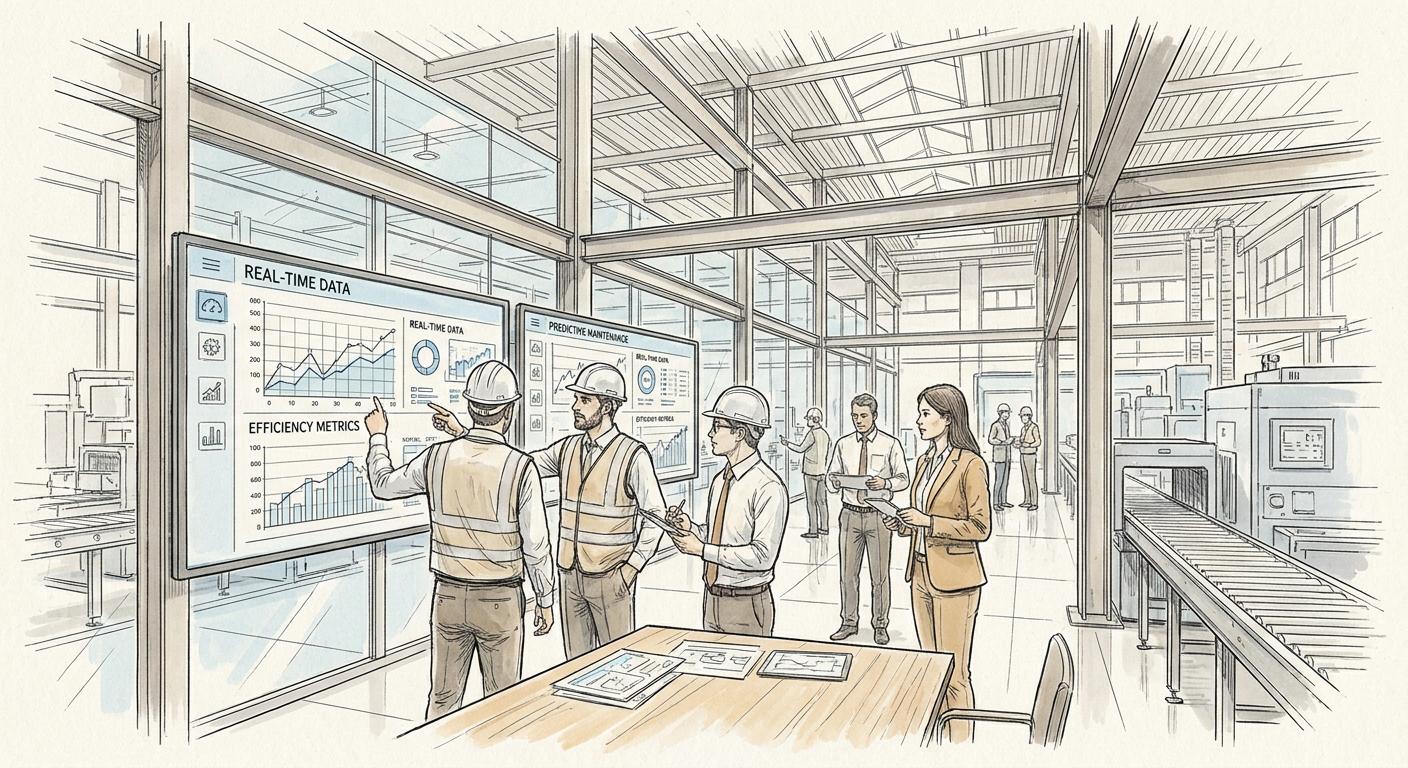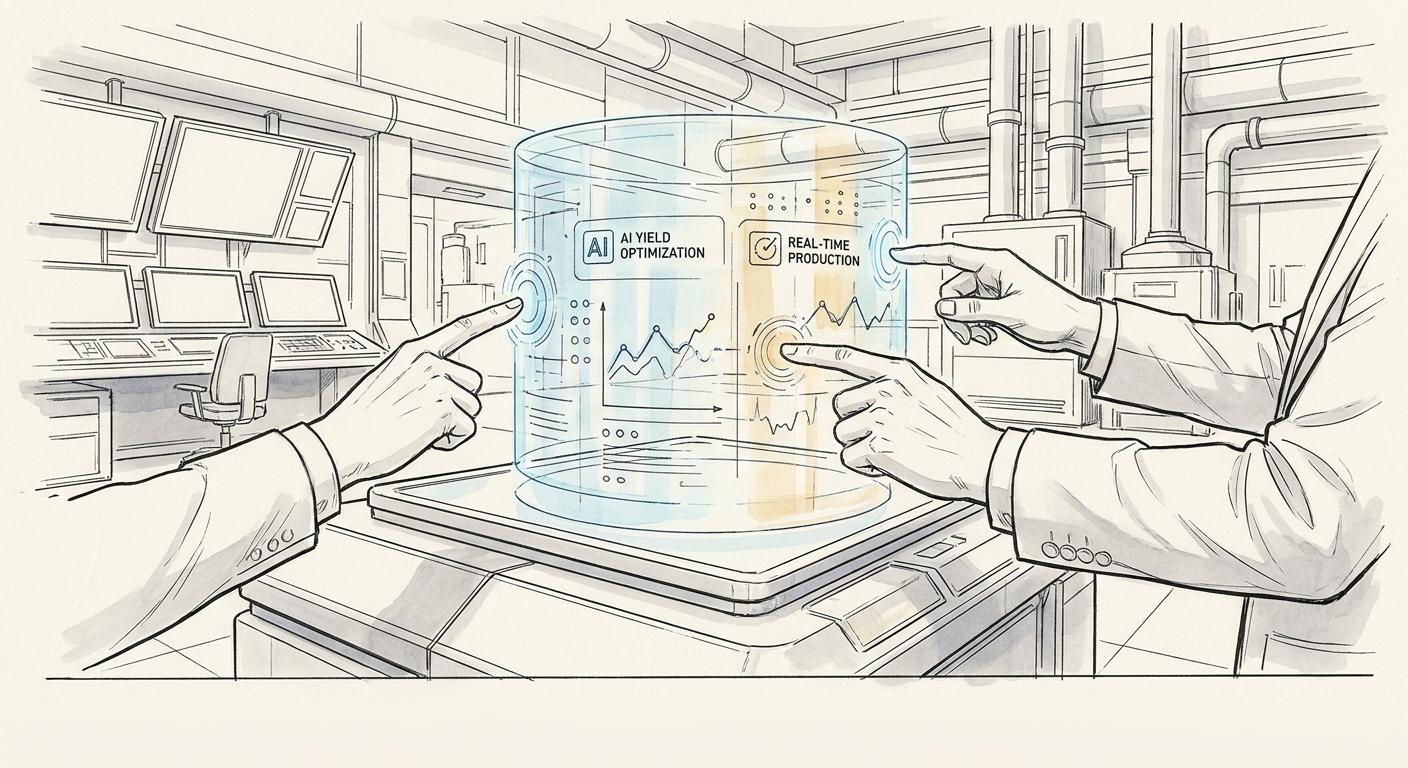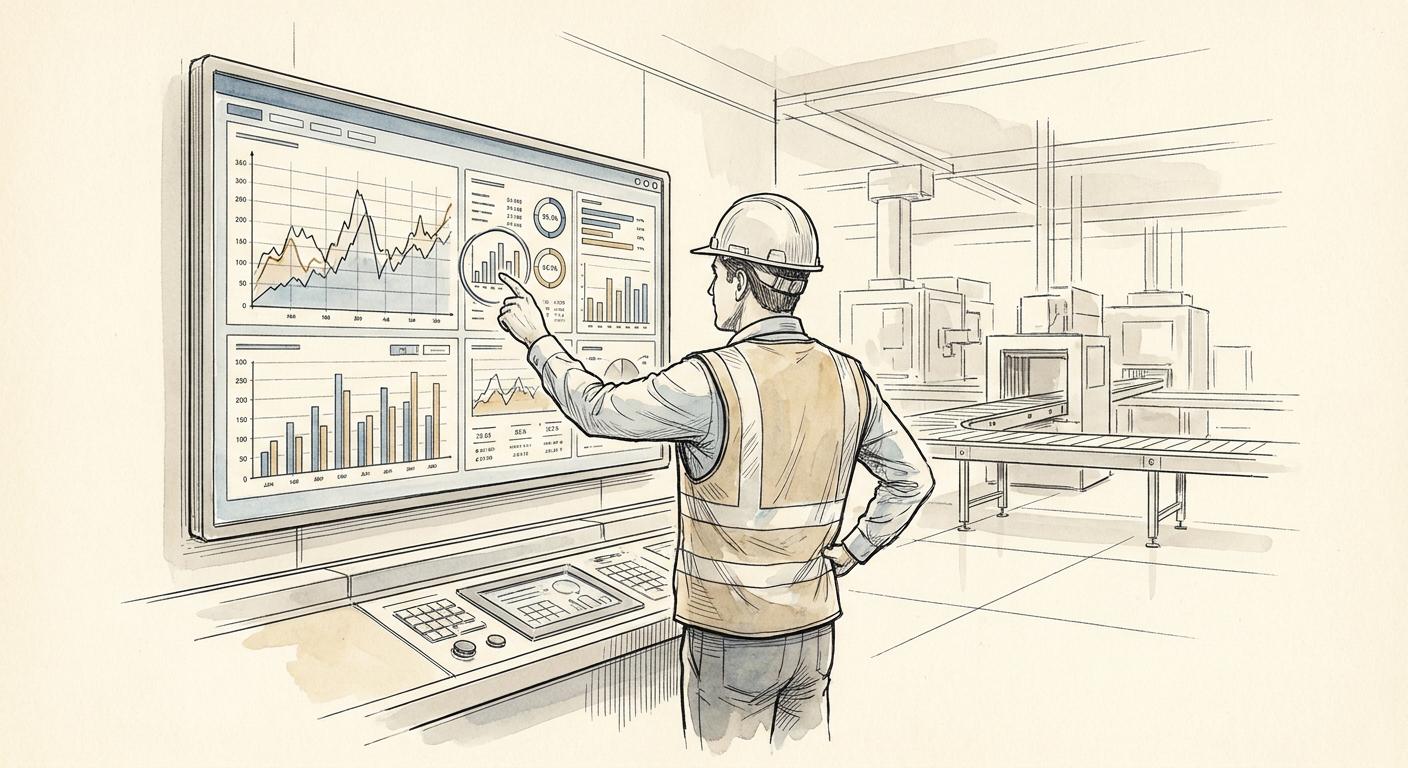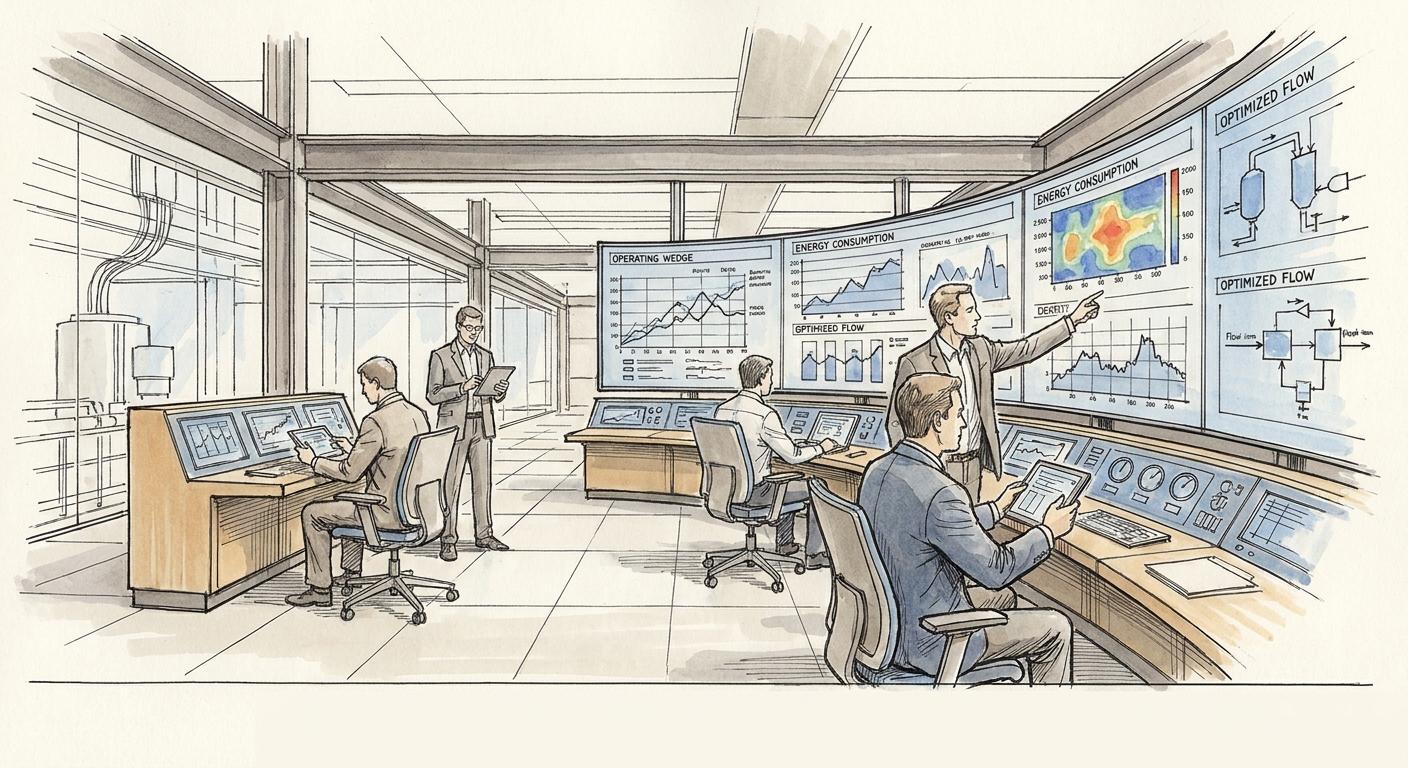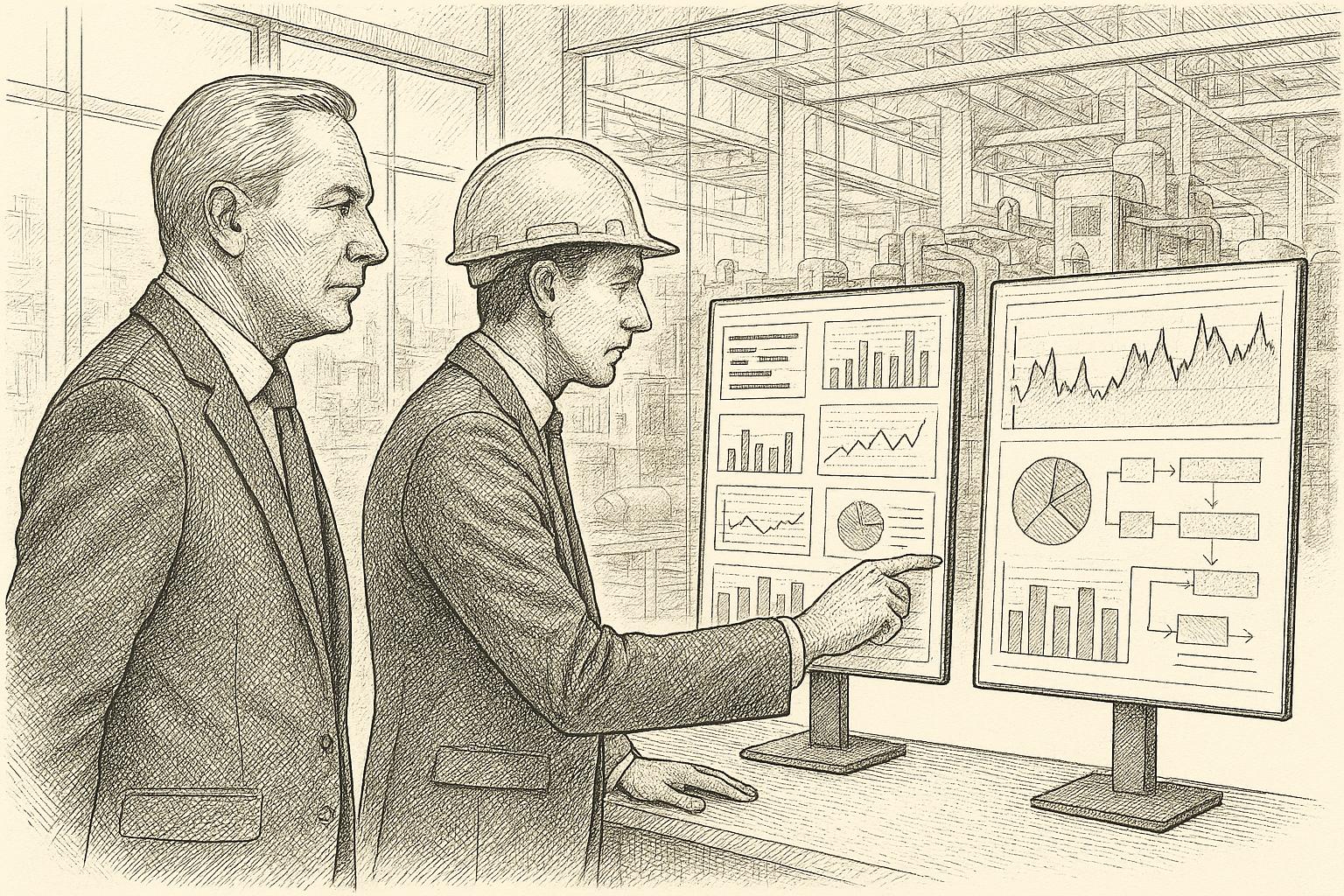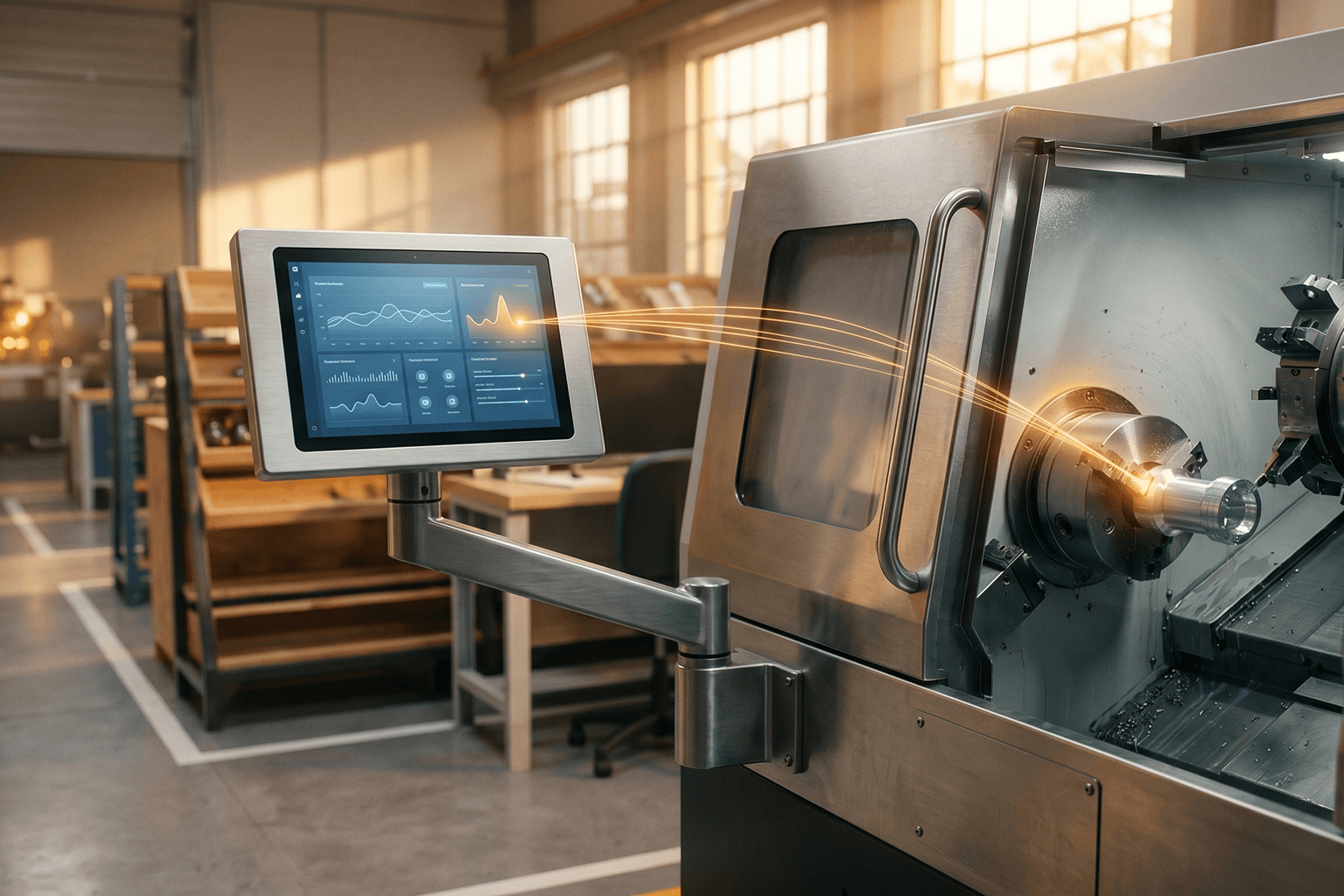
Mid-market COOs often find themselves trapped between a modern ERP system and stagnant floor metrics. Despite heavy investment in digital systems, On-Time In-Full (OTIF) rates remain stubbornly low while Overall Equipment Effectiveness (OEE) plateaus due to invisible micro-stops and manual scheduling shifts. Implementing AI in manufacturing operations serves as the connective tissue between recorded data and real-time execution, moving beyond basic dashboards to active margin protection. This guide explores seven high-impact AI applications that solve the "ERP gap" and drive measurable EBITDA improvement within a single fiscal quarter.
The Predictive Maintenance Plateau: Why COOs Must Look Further
Predictive maintenance (PdM) is frequently cited as the primary use case for AI in manufacturing operations, but for most mid-market firms, it has become table stakes. Realizing a significant operating wedge requires looking past simple machine uptime. True operational excellence is found in the optimization of flow, labor efficiency, and material yield. When a plant manager relies on "gut feel" to reschedule a line after a material delay, they risk margin leakage that a standard ERP cannot catch. AI shifts the focus from merely keeping machines running to ensuring every minute of uptime contributes to the highest-margin output.
AI-driven OEE Optimization is the application of machine learning algorithms to manufacturing data to identify, predict, and eliminate inefficiencies in equipment availability, performance speed, and output quality. By analyzing historical and real-time data streams, these systems provide actionable interventions that humans or static software rules often miss.
1. Dynamic Production Scheduling & Rescheduling
Most mid-market manufacturers suffer from a "delayed execution truth." The ERP generates a static schedule, but by 9:00 AM, a machine jam or a late raw material shipment renders that schedule obsolete. Production scheduling AI acts as a real-time re-optimizer. It evaluates thousands of permutations to re-sequence jobs, minimizing changeover times while protecting OTIF commitments. This prevents the "bullwhip effect" where a minor morning delay leads to expensive overtime or expedited shipping costs by Friday.
2. AI-Driven Scrap & Yield Optimization
Quality issues often remain hidden until the final inspection, leading to significant wasted labor and material costs. By deploying computer vision or analyzing sensor data from early-stage processes, AI can identify the signatures of a defect long before it is visible to the naked eye. In a high-volume environment, identifying a 2% variance in raw material consistency allows for real-time machine calibration. This directly impacts the Quality component of OEE and reduces the estimate-vs-actual gap that erodes gross margins.
3. Automated Root Cause Analysis (RCA) for Downtime
The biggest hurdle to improving Overall Equipment Effectiveness AI is the "hidden factory" - the hundreds of 30-second micro-stops that operators often fail to log manually. AI can ingest PLC data to automatically categorize these stops. Instead of a generic "mechanical failure" log, the system identifies specific patterns, such as a misaligned sensor or a worn belt. This level of granularity allows maintenance teams to focus on high-impact fixes rather than chasing symptoms, directly increasing machine Availability.
4. Intelligent Labor Allocation & Skill-Gap Analysis
OEE Performance is often a function of the operator, not just the machine. AI can analyze historical performance data to identify which crews or individuals perform best on specific product runs or machine types. By matching high-complexity jobs with high-performing teams - and identifying specific training needs for others - COOs can optimize labor leverage. This data-driven approach removes the subjectivity from workforce management and ensures that the most critical OTIF orders are handled by the most capable hands.
5. Real-time Bottleneck Detection (Digital Twin Lite)
Traditional MES systems show you what happened, but they struggle to show you where the next constraint will emerge. AI creates a "Digital Twin Lite" by modeling the flow of materials across the shop floor. It can spot a shifting bottleneck - perhaps a secondary packaging station that is falling behind due to a specific product mix - before it causes a line stoppage upstream. Identifying these constraints in real-time allows for proactive labor shifting, keeping the entire plant in balance.
6. Supplier Risk Scoring for OTIF Protection
External volatility is the primary enemy of On-Time In-Full optimization. AI can aggregate external signals - weather patterns, port congestion, or supplier financial health - and cross-reference them with your open POs. If the AI predicts a 70% probability of a two-day delay for a critical component, the plant can adjust the schedule 48 hours in advance. This prevents the high cost of a "dry run" where machines are prepped and labor is clocked in, only for the material to never arrive.
7. AI-Enhanced Energy Management
As energy costs fluctuate, the sequence in which machines are powered up or shut down impacts the bottom line. AI in manufacturing operations can optimize startup sequences to avoid peak demand charges from utilities. By correlating energy consumption with specific SKUs, COOs can gain a more accurate view of total landed cost, ensuring that high-energy-intensity products are priced to reflect their actual operational footprint.
The Execution Gap: Why 60-90 Days is the New Benchmark
The primary reason AI initiatives fail in manufacturing is not the technology; it is the "pilot purgatory" where projects never reach the shop floor. At iForAI, we have found that AI maturity is built through execution, not just strategy. Our methodology focuses on delivering a live, production-ready use case in 8-12 weeks.
By layering intelligence on top of existing data silos rather than attempting a total ERP replacement, mid-market firms can see a 56% average increase in AI readiness. Whether it is reducing manual customer service effort by 60% or tightening the job costing loop, the goal is always EBITDA improvement that is visible on the P&L before the next board meeting.
Frequently Asked Questions
How does AI improve OEE specifically?
AI improves all three pillars of OEE: Availability by predicting failures and categorizing micro-stops, Performance by optimizing machine settings for specific SKUs, and Quality by detecting defects in real-time through computer vision. This comprehensive approach ensures that machine time is both maximized and profitable.
Do I need to replace my ERP/MES to implement these AI tools?
No. Effective AI implementation involves using the system as an "intelligent layer" that sits above your existing ERP or MES. The AI ingests the data your current systems already collect, processes it to find patterns, and pushes actionable insights back to your team.
What is the typical time-to-value for AI in manufacturing operations?
For mid-market manufacturers, a focused AI project should deliver measurable results within 60 to 90 days. Starting with a single, high-impact use case - such as dynamic scheduling or scrap reduction - allows for a quick win that funds further value creation across the portfolio.
How does AI help with OTIF targets?
AI protects OTIF by providing supply chain visibility and predicting disruptions before they hit the shop floor. By dynamically re-adjusting schedules based on real-time material arrivals and machine status, AI ensures that delivery promises are kept without incurring excessive overtime.
Manufacturing COOs who transition from reactive reporting to AI-driven intervention can expect significant gains in margin and market responsiveness. By focusing on these seven use cases, organizations can bridge the gap between their digital tools and their physical output.
Book a Manufacturing Diagnostic at ifor.ai/solutions/manufacturing