

.svg)

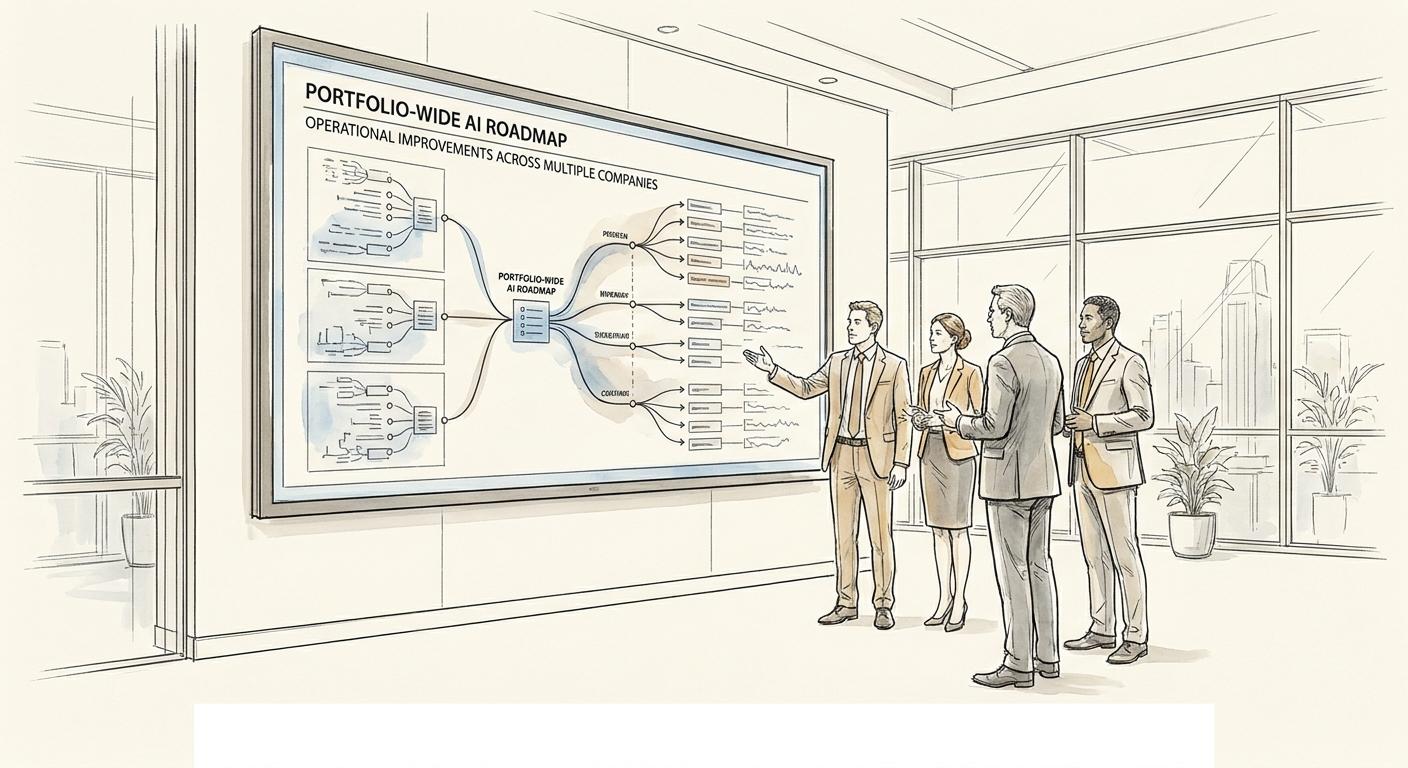
Many plant managers find themselves trapped in a "pilot purgatory" where AI proof-of-concepts look good on paper but fail to move the needle on the P&L. Tracking the right AI KPIs for manufacturing is the only way to bridge the gap between technical success and real EBITDA improvement. This guide outlines the seven metrics COOs and Private Equity partners must monitor to ensure their digital investments create a permanent operating wedge rather than just adding to the overhead. Beyond the Hype: Why Manufacturing COOs Need AI-Specific Metrics Standard operations metrics like total output are too broad to isolate the impact of a new algorithm. Without specific AI performance monitoring, organizations suffer from margin leakage where the cost of maintaining the software outweighs the marginal gains on the floor. Moving from a pilot to a production-scale deployment requires a shift in focus from "Does the AI work?" to "Does the AI improve the bottom line?" For a PE-backed manufacturer, this clarity is essential for driving value creation within a tight 36-month investment window.
Manufacturing AI KPIs are quantifiable metrics used by operations leaders to evaluate the performance, accuracy, and economic impact of artificial intelligence integrations on production lines and supply chains. These indicators allow executives to distinguish between general operational improvements and specific gains driven by machine learning models.
- Predictive Accuracy and Model Drift The "delayed execution truth" in many factories stems from relying on models that worked in January but failed by June. Predictive accuracy measures how closely the AI’s forecasts - whether for demand or machine failure - match reality. Over time, changes in raw material quality or ambient shop floor temperature can cause "model drift," where the AI's logic no longer aligns with physical conditions. Tracking this ensures you aren't making procurement or maintenance decisions based on stale data.
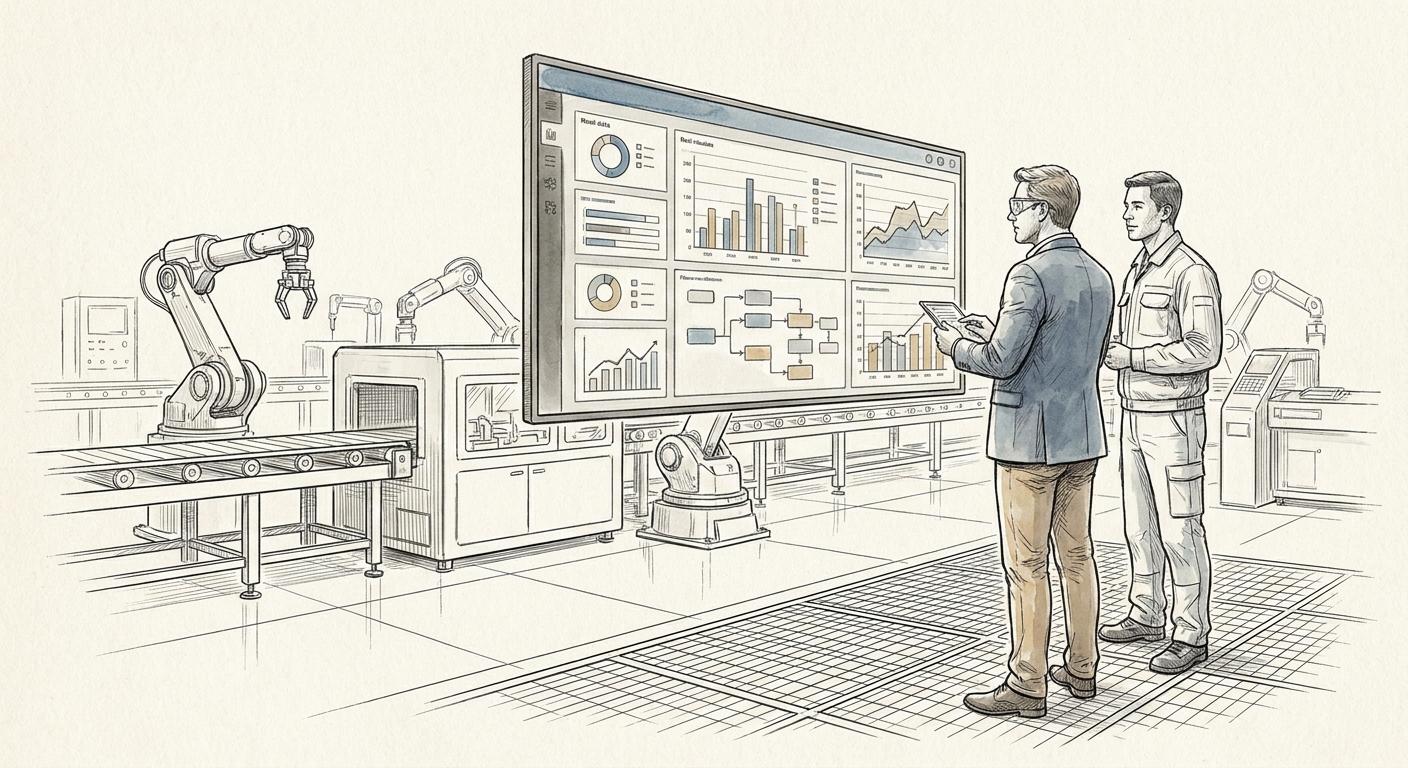
- Impact on Overall Equipment Effectiveness (OEE) AI should have a direct, measurable impact on OEE. Instead of viewing OEE as a static benchmark, COOs should look for the delta created by AI interventions. For example, a 200-employee plastic injection molding plant might use AI-driven cooling cycle optimizations to shave seconds off a process. If availability and performance rise while quality rejects drop, the AI is effectively widening the operating wedge by squeezing more value out of existing capital assets.
- Throughput and Cycle Time Reduction Measuring manufacturing throughput optimization identifies how AI shortens the path from raw material to finished good without increasing headcount. In a high-mix, low-volume job shop, AI-driven scheduling can reduce bottlenecks that manual planners might miss. The goal is to see a downward trend in cycle times that correlates directly with the deployment of the AI, proving that the system is handling complexity more efficiently than the previous manual baseline.
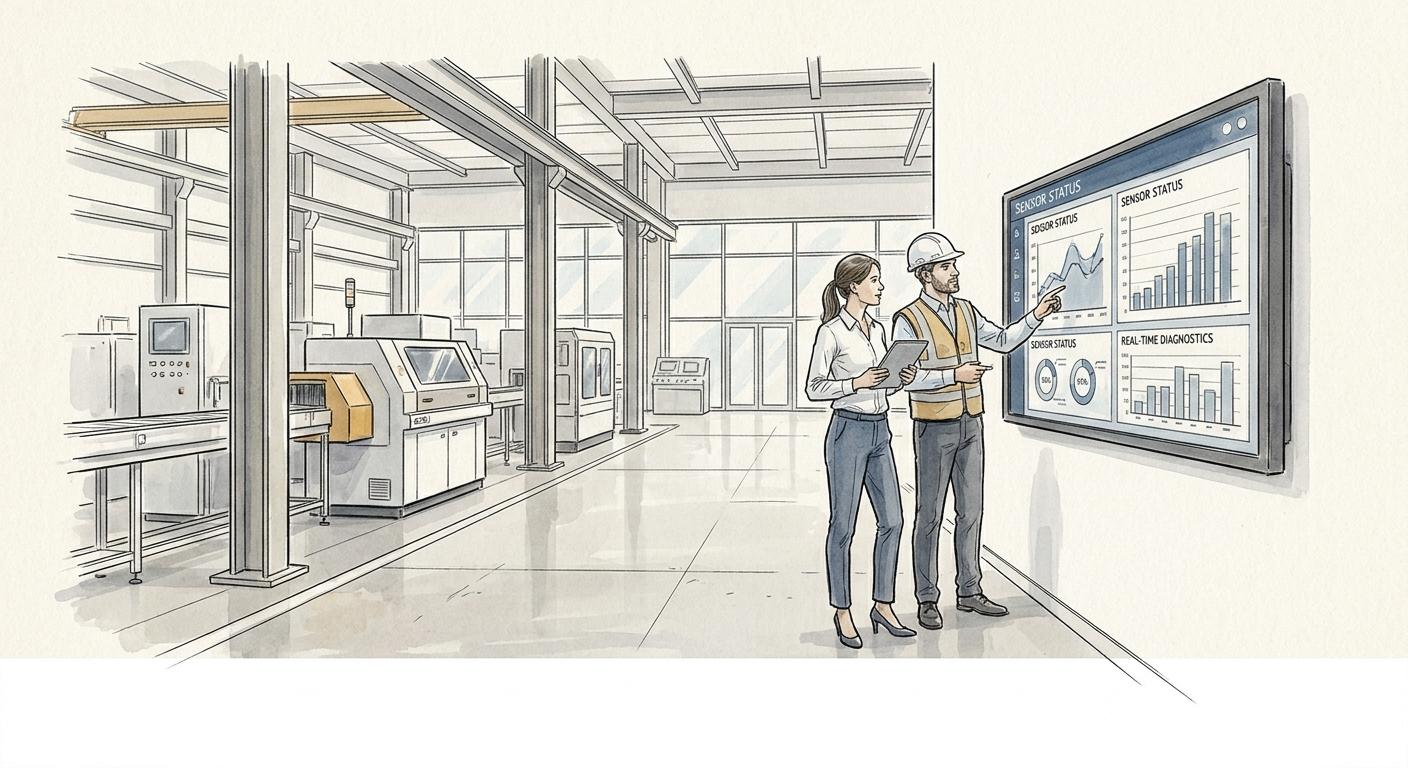
- Mean Time to Resolution (MTTR) with AI Support When a machine goes down, the cost isn't just the repair - it's the lost margin during every minute of idleness. AI performance monitoring in maintenance looks at Mean Time to Resolution (MTTR). If the AI provides predictive alerts and specific diagnostic "prescriptions," your maintenance team should spend less time floor-walking and more time fixing. A successful implementation typically sees MTTR drop because the "discovery phase" of a breakdown is virtually eliminated.
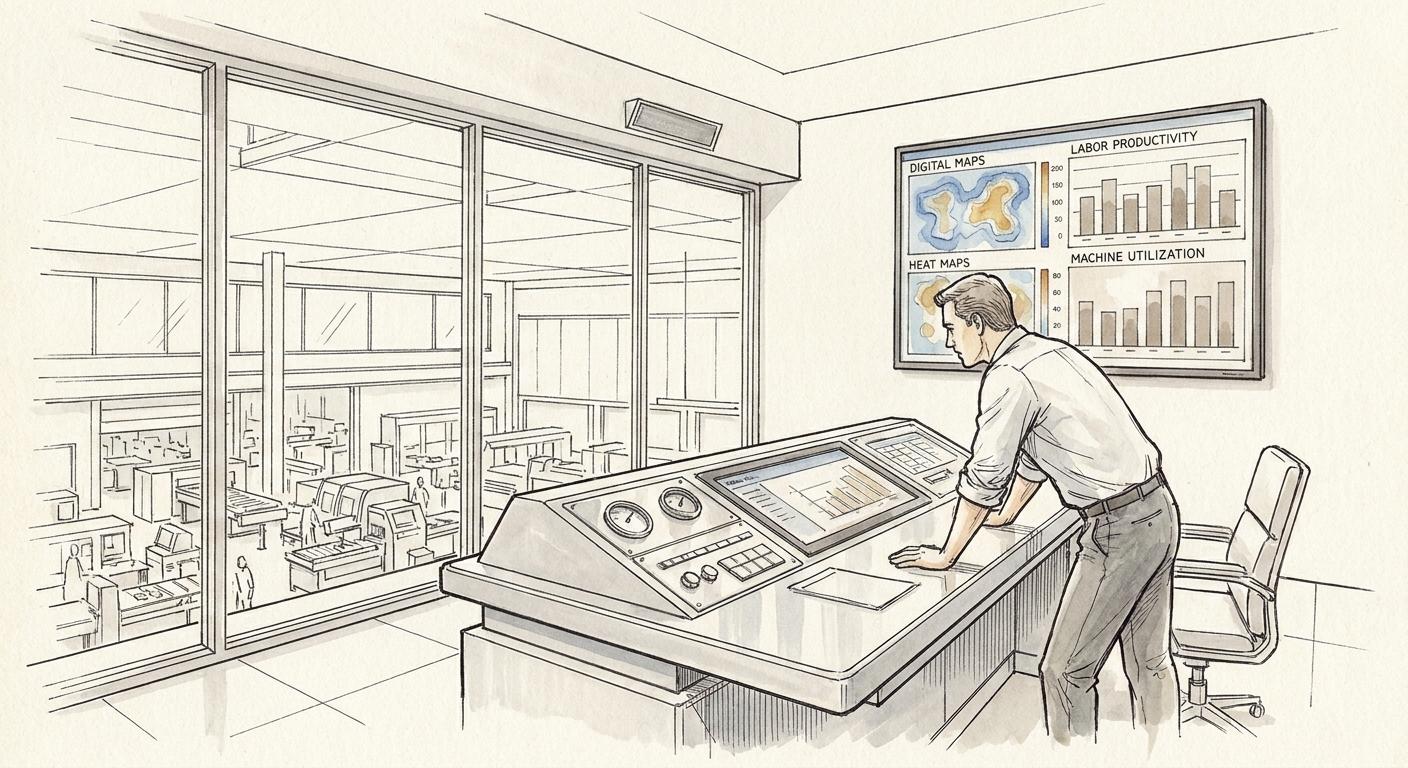
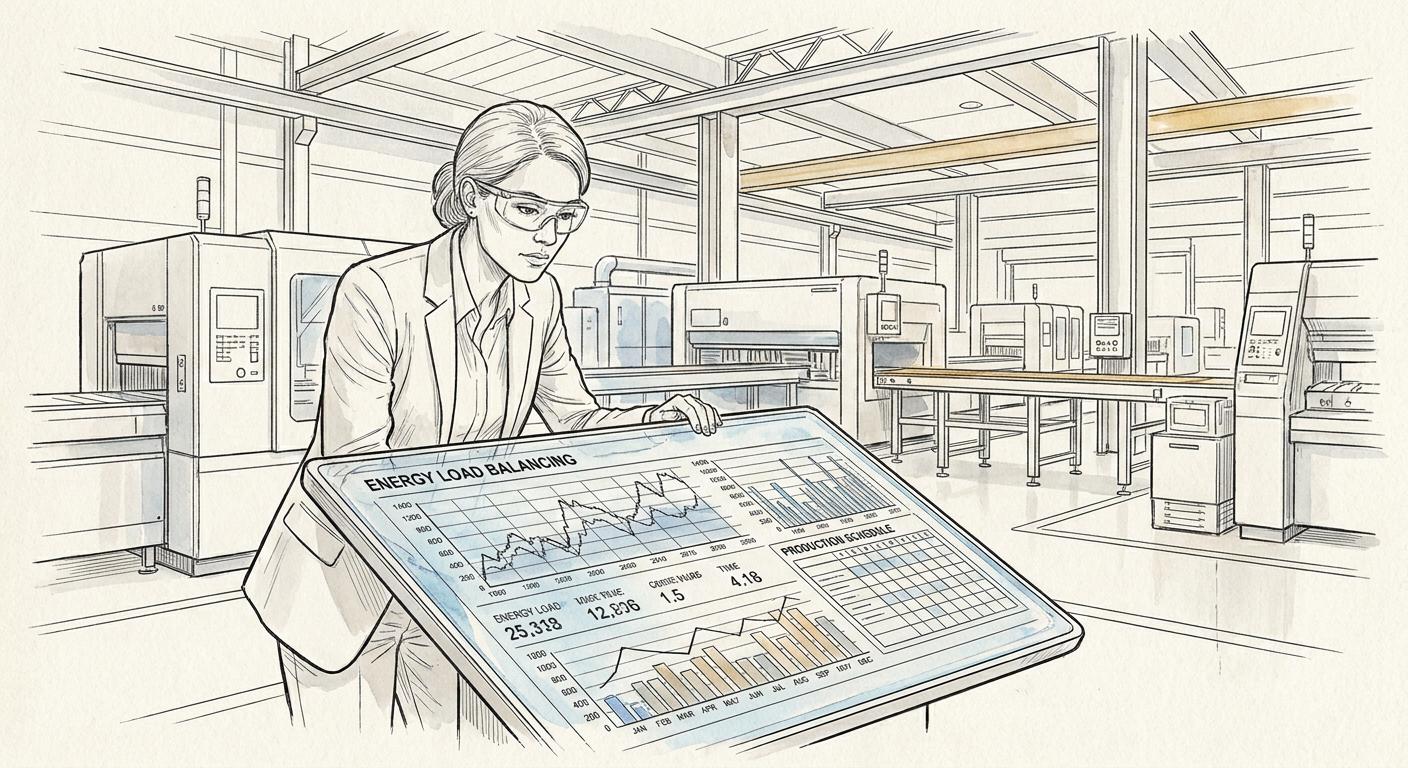
- Resource Utilization and Waste Reduction In energy-intensive sectors like steel or chemicals, raw material and utility costs are primary drivers of margin leakage. AI models that optimize kiln temperatures or chemical dosages help in measuring AI impact on manufacturing productivity by reducing scrap rates and energy spend. Tracking the ratio of "Input vs. Yield" provides a clear quick win for the CFO, showing that the technology pays for itself through material savings alone.
- Workforce Augmentation: The Human-AI Collaboration Score A major friction point in industrial AI projects is operator adoption. If the AI suggests a setting change but the operator overrides it, the "Human-AI Collaboration Score" is low. Large-scale value creation is only possible when the shop floor trusts the system. COOs should track the "Override Rate" - the frequency with which humans ignore AI recommendations - as a leading indicator of change management success and future ROI.
- Total Cost of Ownership (TCO) vs. Value Realized The ultimate metric for any Private Equity operating partner is the balance between the TCO and the realized EBITDA improvement. TCO includes sensor hardware, cloud compute costs, and the internal labor required for data cleaning. If the time-to-value exceeds 12 months without a significant uptick in margins, the project needs a strategic pivot. Real-world success often looks like a 4x return on the software spend through reduced overtime and optimized job costing. The iForAI Advantage: Moving from Monitoring to Mastery in 8 Weeks Monitoring metrics is the first step toward building a data-driven culture that prioritizes AI implementation ROI. Most manufacturers don't need more data; they need better execution on the data they already have. By focusing on a narrow operating wedge, firms can realize measurable gains in throughput and quality within two months, providing the momentum needed for a full-scale digital transformation.
FAQs for Manufacturing AI KPIs
How soon should we expect to see ROI from manufacturing AI? Initial "wedge" wins, such as reduced energy consumption or scrap reduction, should be visible within 4–8 weeks. Full ROI typically compounds over 6–12 months as the model matures and adoption spreads across shifts.
What is the most important KPI for AI in factories? Predictive accuracy is the most critical leading indicator. If the model's accuracy fails, downstream metrics like OEE and MTTR will inevitably degrade, leading to wasted spend and lost trust on the shop floor.
How do you measure the "operating wedge" in AI projects? The operating wedge is measured by the gap between increasing output and stagnant or decreasing operating expenses. AI creates this by allowing a plant to scale production without a proportional increase in headcount or energy costs.
Can AI help with estimate-vs-actual accuracy in job shops? Yes, AI improves job costing by analyzing historical production data to provide more accurate time-to-completion estimates. This reduces margin leakage caused by underquoting complex projects.
Achieving sustainable ROI requires moving beyond vague innovation goals and focusing on specific operational deltas. By tracking these seven KPIs, COOs can ensure their AI investments translate directly into enterprise value.
Book a Manufacturing Diagnostic at ifor.ai/solutions/manufacturing or contact our Private Equity team for a portfolio valuation at ifor.ai/solutions/private-equity.