

.svg)

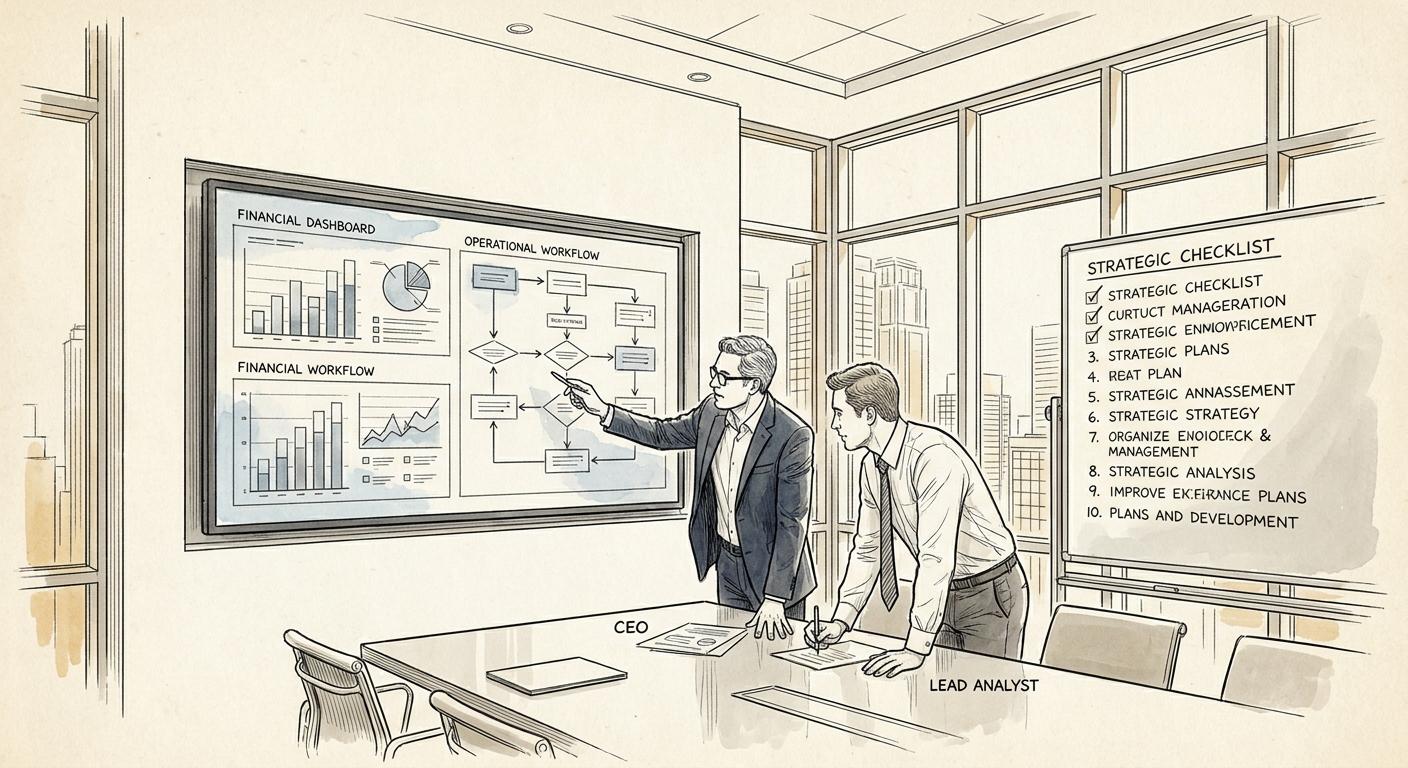
The high-pressure window following a close is often defined by a paradox: the Board demands immediate synergy, yet the CEO is blinded by fragmented data and legacy processes across the new entities. AI for post-acquisition integration has shifted from a speculative tech play to a fundamental operating wedge that determines how quickly a firm can realize its value creation plan. This checklist provides a framework for Portfolio CEOs to move past the "black box" of new acquisitions, using automation to harmonize data and capture EBITDA improvement within the first 100 days.
AI Post-Acquisition Integration is the application of machine learning and generative AI to rapidly unify disparate data sets, automate redundant cross-entity workflows, and provide real-time operational visibility during the first 100 days of a private equity investment. It allows leadership to bypass traditional, multi-year ERP consolidations in favor of a semantic data layer.
The First 100 Days: Why AI is the New Foundation for Value Creation
Traditional post-merger integration is notoriously slow, often relying on manual spreadsheets and expensive consultants to bridge the gap between two different operating models. In the current PE landscape, where exit multiples are under pressure, waiting eighteen months for a full ERP migration is no longer viable. AI in private equity operations allows for the immediate extraction of insights from the "messy middle" of an acquisition.
By deploying AI agents early, a CEO can gain an unvarnished view of the new entity’s performance without waiting for clean data. This speed creates immediate operating leverage, allowing the leadership team to focus on strategic growth rather than forensic accounting. The goal is to move from "integration anxiety" to a documented value creation roadmap where AI acts as the connective tissue between the parent company and the new asset.
Phase 1: Data Harmonization (The 'Source of Truth' Sprint)
The most significant barrier to portfolio company data harmonization is the lack of a common language between systems. One entity might track "Gross Margin" at the product level, while the other tracks it at the ship-to level. AI can map these disparate fields without a massive ETL (Extract, Transform, Load) overhaul.
- Map Disparate ERP Fields: Use LLMs to act as a translation layer between legacy systems, creating a unified dashboard in weeks rather than months.
- Identify Margin Leakage: Deploy AI to scan historical transaction data for inconsistent pricing or unapplied rebates that are often buried in unstructured PDF invoices.
- Standardize Customer Data: Cleanse and deduplicate CRM records across entities to ensure a single view of the customer for cross-selling opportunities.
iForAI has demonstrated that this approach can reduce manual validation time significantly - in one instance, taking a payment validation process from 3 minutes down to 20 seconds. This phase is about establishing the "Source of Truth" to satisfy LP reporting requirements and internal KPIs.
Phase 2: Operational Synergy through Process Automation
Once data is visible, the focus shifts to post-merger integration automation. Many CEOs make the mistake of looking only at headcount reduction as a synergy lever. A more sustainable approach is using embedded AI to centralize redundant back-office tasks, allowing the remaining team to handle 2x or 3x the volume without adding cost.
- Centralize Shared Services: Use AI agents to handle AP/AR, payroll inquiries, and basic HR ticket resolution across all portfolio entities.
- Automate Customer Service: Reduce manual effort by up to 60% through AI-driven triage and response systems that learn from the combined knowledge bases of both companies.
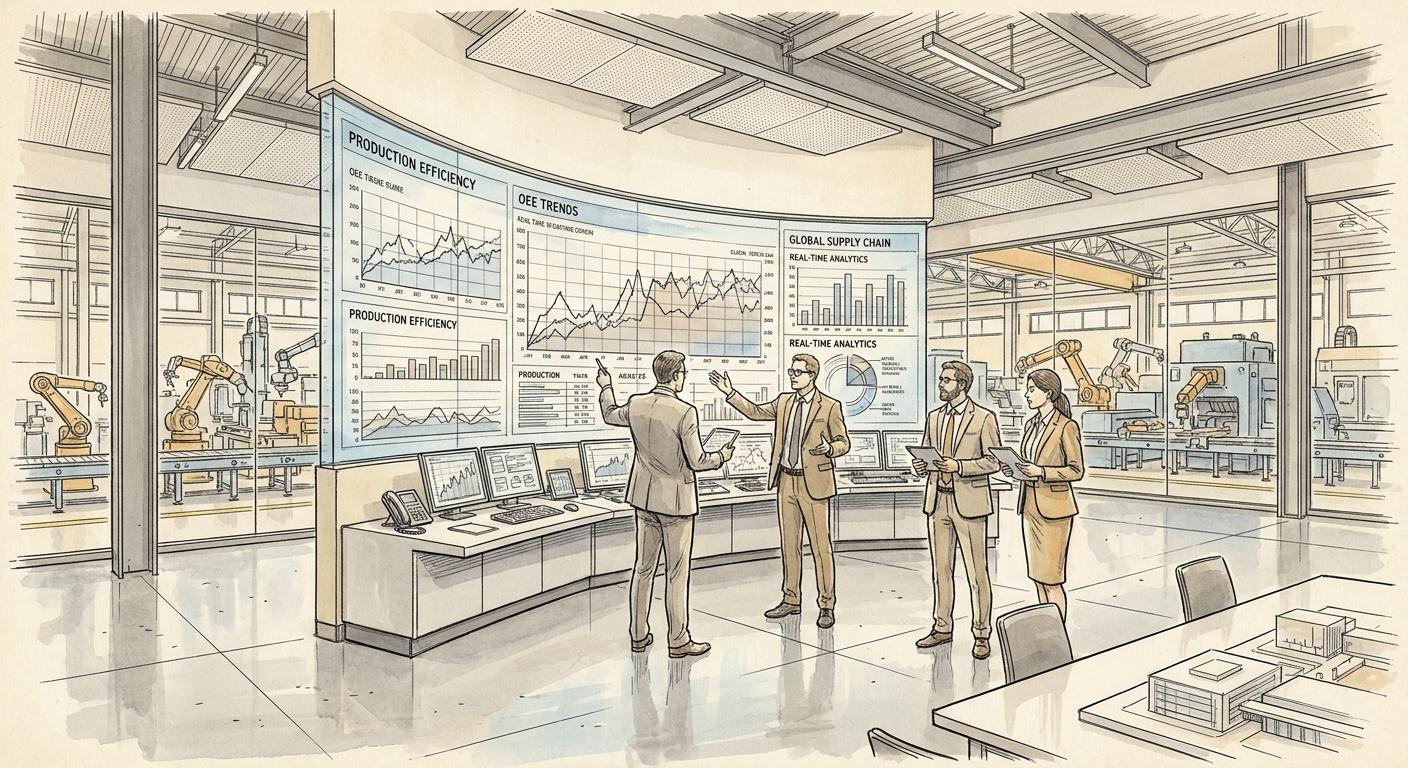
- Bridge ERP-MES Gaps: In manufacturing contexts, use AI to flag OTIF (On-Time In-Full) risks by connecting shop floor data directly to the executive suite, bypassing manual reporting lags.
Phase 3: Upskilling the New Leadership Team
A common failure point in the value creation plan is hiring a high-priced "Head of AI" who lacks the operational context to drive results. Real AI maturity comes from upskilling the existing team so they can identify and own the use cases.
Effective upskilling turns purchased tools - like Copilot or similar enterprise licenses - into actual ROI. If a team doesn't know how to prompt or integrate AI into their specific workflow, the software becomes shelfware. The objective is to build a repeatable AI playbook that stays with the company even after the private equity firm exits. At iForAI, we have trained over 1,500 employees, ensuring that the technology is actually adopted at the plant and office levels.
Measuring Success: The 60-90 Day AI ROI Framework
For a Portfolio CEO, the only metrics that matter are those that impact the exit multiple. The first 90 days of an AI-driven integration should be measured by:
- Reporting Lag Reduction: The time it takes to produce a consolidated month-end report across all entities.
- Identified Margin Leakage: The dollar value of pricing errors or procurement overlaps found by AI audits.
- Employee AI Adoption: The percentage of the workforce actively using AI agents to automate daily tasks, measured by API calls or seat activity.
- Time-to-Value: How quickly a specific use case moves from pilot to production (iForAI targets one live use case in 8-12 weeks).
The iForAI Starter Package: From Integration to Production in 12 Weeks
Navigating AI for post-acquisition integration shouldn't be a multi-million dollar experiment. The iForAI Starter Package for PE is designed as a fixed-scope, low-risk entry point. We provide 35+ specialists for the price of a single hire, focusing on one live use case in production within 90 days.
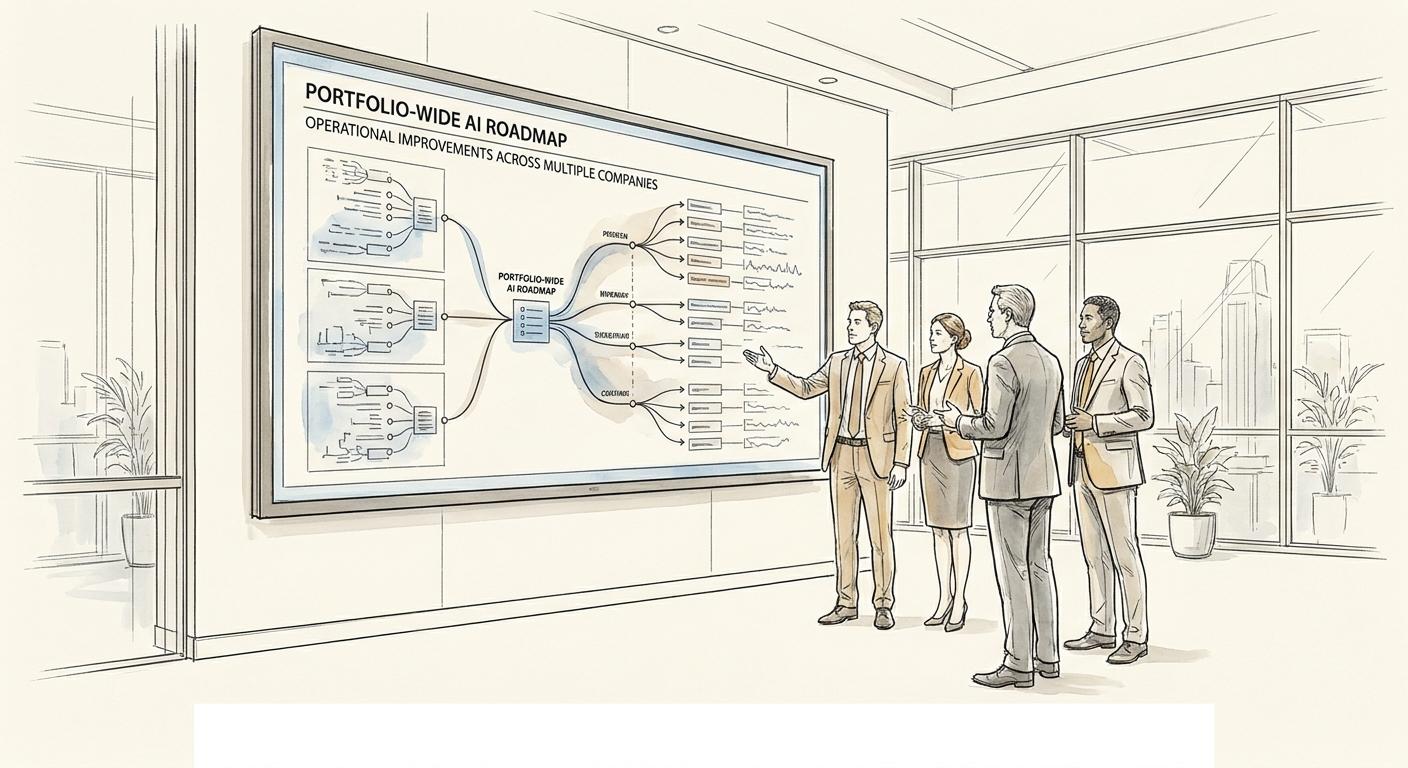
This approach allows the PE firm to enter through a single portfolio company and then scale a repeatable AI playbook across the entire fund. By combining strategy, execution, and upskilling, we ensure the "quick wins" found during integration become permanent fixtures of the company's EBITDA profile.
Frequently Asked Questions
Can AI integrate data from different ERP systems without a full migration?
Yes, Large Language Models and specialized AI agents can act as a semantic layer, mapping data from legacy systems to a unified dashboard. This allows for portfolio company data harmonization without the cost and risk of a multi-year ERP overhaul.
How soon should we start AI implementation after a close?
AI implementation should ideally begin within the first 30 days of the first 100 days period. Integrating AI into the value creation plan early ensures it is viewed as a core operating strategy rather than a secondary tech project.
How does AI improve exit readiness for a PE-backed company?
AI improves exit readiness by institutionalizing processes and creating clean, real-time data logs that provide transparency to potential buyers. A company with embedded AI and a proven AI maturity score often commands a higher multiple due to its superior operating leverage.
What is the typical timeline to see EBITDA improvement from AI?
Most portfolio companies see the first measurable results in 60 to 90 days. Initial gains typically come from margin leakage identification and the reduction of manual labor in high-volume back-office departments.
AI is the most effective tool for accelerating synergy and ensuring the first 100 days set the stage for a successful exit. By focusing on data harmonization and operational automation, CEOs can drive meaningful EBITDA expansion across the entire portfolio.
Learn about the AI Starter Package at ifor.ai/solutions/private-equity