

.svg)

5 Ways AI Agents Are Reshaping the Software Development Lifecycle
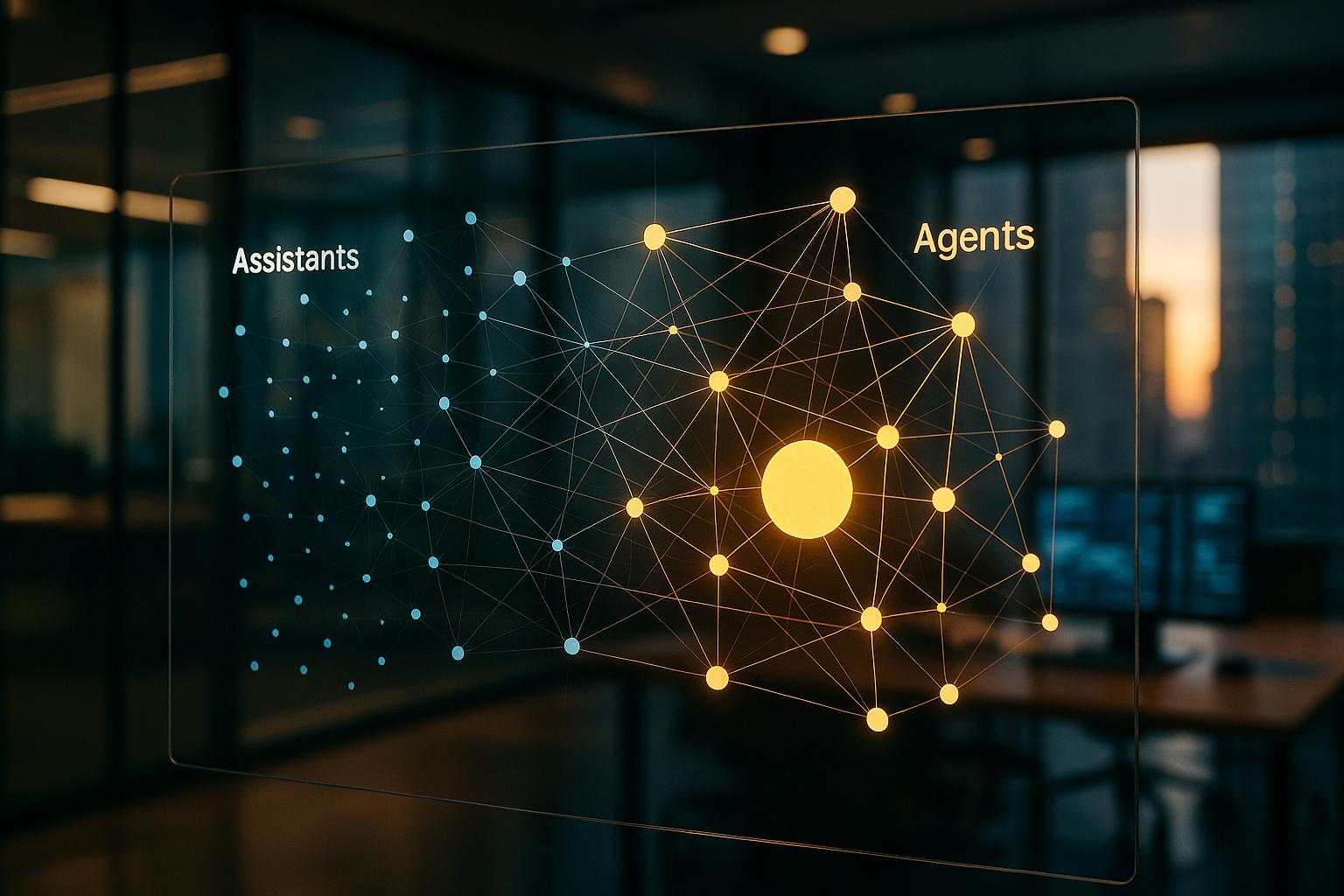
Many technology leaders believe they've addressed "AI for Developers" by equipping their teams with tools like GitHub Copilot. While code completion certainly boosts productivity, it primarily enhances existing processes. The more significant transformation—one poised to differentiate market leaders—involves moving from AI assistants to AI agents.
An AI assistant typically suggests the next line of code or provides information. In contrast, an AI agent can execute a complete workflow autonomously. This shift goes beyond faster coding; it fundamentally redefines how software is developed. At iForAI, we observe a profound evolution in the Software Development Lifecycle (SDLC) as these autonomous operators transition from experimental tools to foundational infrastructure.
Here are five key areas where AI agents are redefining the SDLC.
1. Bridging the Documentation Gap
A common challenge in software development is documentation debt: code is shipped, but documentation often lags, becoming outdated quickly. This can quietly hinder engineering velocity. AI agents can address this by integrating directly into the Continuous Integration/Continuous Delivery (CI/CD) pipeline. They can automatically update technical documentation, README files, and API schemas as soon as a pull request (PR) is merged. By automating documentation generation as a byproduct of the commit process, institutional knowledge transforms from static files into dynamic, current assets.
2. Establishing a Proactive First Line of Defense in Code Reviews
Code review bottlenecks can significantly slow down development. Senior developers often spend valuable time on tasks such as flagging syntax errors or verifying architectural compliance, which may not require their advanced expertise. AI agents can function as "pre-reviewers," identifying potential security vulnerabilities and style inconsistencies before a human developer begins their review. This allows lead developers to concentrate their efforts on high-level logic and system design, rather than on more routine checks.
3. Shifting from Reactive to Proactive Debugging
When a bug report is filed, the typical response involves a manual effort to reproduce the issue. Modern AI agents can streamline this process. They can ingest logs, cross-reference them with the codebase in real-time, and then present the developer with the likely root cause, a suggested fix, and a test case to validate the solution. This approach not only accelerates bug resolution but also reduces the cognitive load on developers, potentially mitigating burnout.
4. Translating Product Vision into Technical Execution
A frequent point of friction in many organizations is the "lost in translation" phenomenon between a Product Requirement Document (PRD) and its technical implementation. AI agents can bridge this gap by assisting product owners in breaking down high-level requirements into granular, actionable technical tasks. This helps ensure that engineering output remains closely aligned with business objectives and desired return on investment (ROI), fostering a more efficient collaboration between product and development teams.
5. Scaling "Shadow AI" into Enterprise Assets
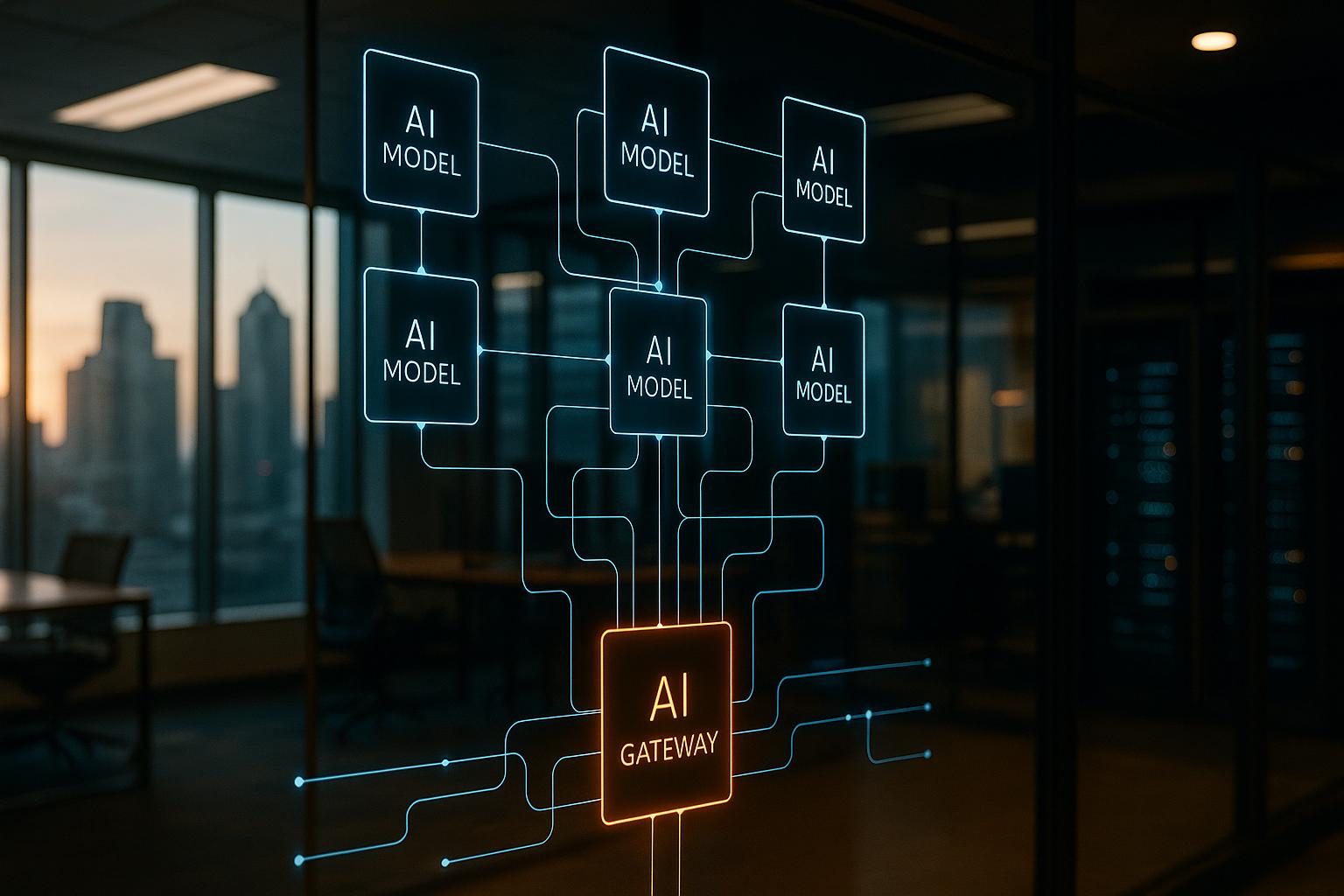
If a formal AI strategy isn't yet in place, individual developers may already be using AI tools to automate repetitive tasks. This "Shadow AI" can create isolated pockets of efficiency that are difficult to scale across an organization. By implementing a formal enterprise gateway, companies can capture these grassroots innovations. For instance, if one developer builds an agent to automate deployment testing, an integrated enterprise approach allows every team member to benefit, turning individual solutions into company-wide competitive advantages.
The iForAI Perspective: From Strategy to Execution
At iForAI, we view AI agents as more than just tools; they represent a fundamental component of the modern enterprise's operational infrastructure. Our focus extends beyond merely helping teams write code faster—it's about enabling the construction of resilient, scalable delivery systems.
Organizations that move beyond basic code assistants and integrate autonomous agents into their core workflows are likely to gain a significant competitive edge in the market.
Ready to explore how intelligent agents can enhance your software development processes? Let's discuss how to integrate these capabilities into your existing stack to achieve measurable business outcomes.