.svg)

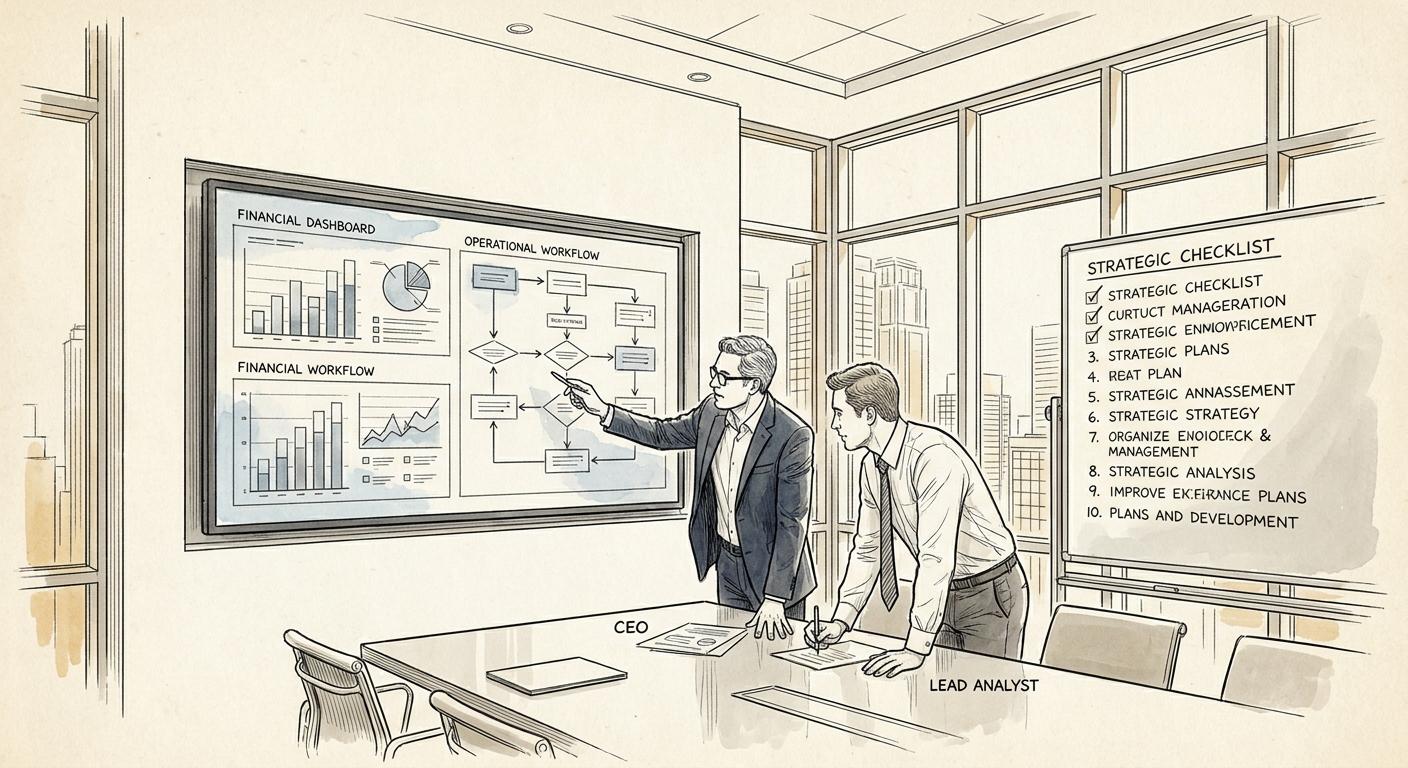
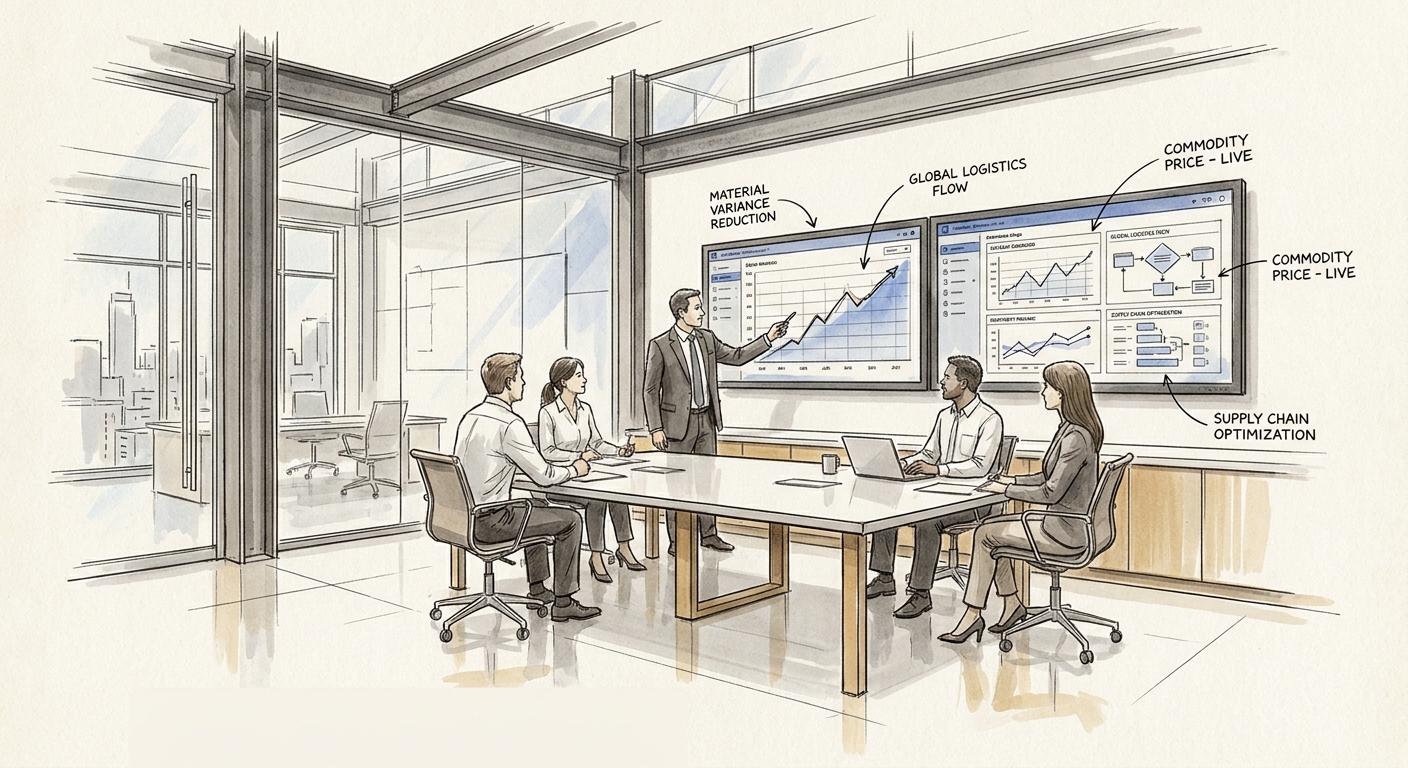
Most portfolio company CEOs view AI as a high-level technology initiative, but in a 36-month investment window, it must be treated as an operational rigor. AI due diligence portfolio companies requires a shift from discussing "possibilities" to identifying specific margin leakage that can be plugged with automated logic. This checklist provides a framework for assessing your company’s technical foundation and its ability to turn data into value creation without bloating the headcount.
What is Operational AI Readiness?
Operational AI Readiness is the measure of a company’s data infrastructure, process maturity, and talent capability to deploy AI solutions that generate measurable EBITDA improvement within a single fiscal quarter. It moves beyond theoretical use cases to focus on integrated systems that provide a delayed execution truth for decision-makers.
The Shift from Speculative AI to Operational ROI
For Private Equity, every deployment must widen the operating wedge - the gap between revenue growth and the cost of goods sold. Moving from speculative AI to operational ROI means ignoring generic "innovation" and focusing on the P&L. If an AI tool doesn't directly address OTIF (On-Time In-Full) misses or reduce scrap rates in a production line, it is likely a distraction from the exit strategy.
Reliable ROI in this space usually stems from embedded AI that automates high-volume, low-complexity decisions. This allows the lean team at a mid-market portco to handle increased volume without adding a corresponding layer of middle management.
Phase 1: Assessing Data Hygiene and Accessibility
The biggest barrier to AI due diligence for private equity portcos is the state of the ERP. You cannot deploy predictive models if your shop floor data is locked in paper logs or unstructured Excel files.
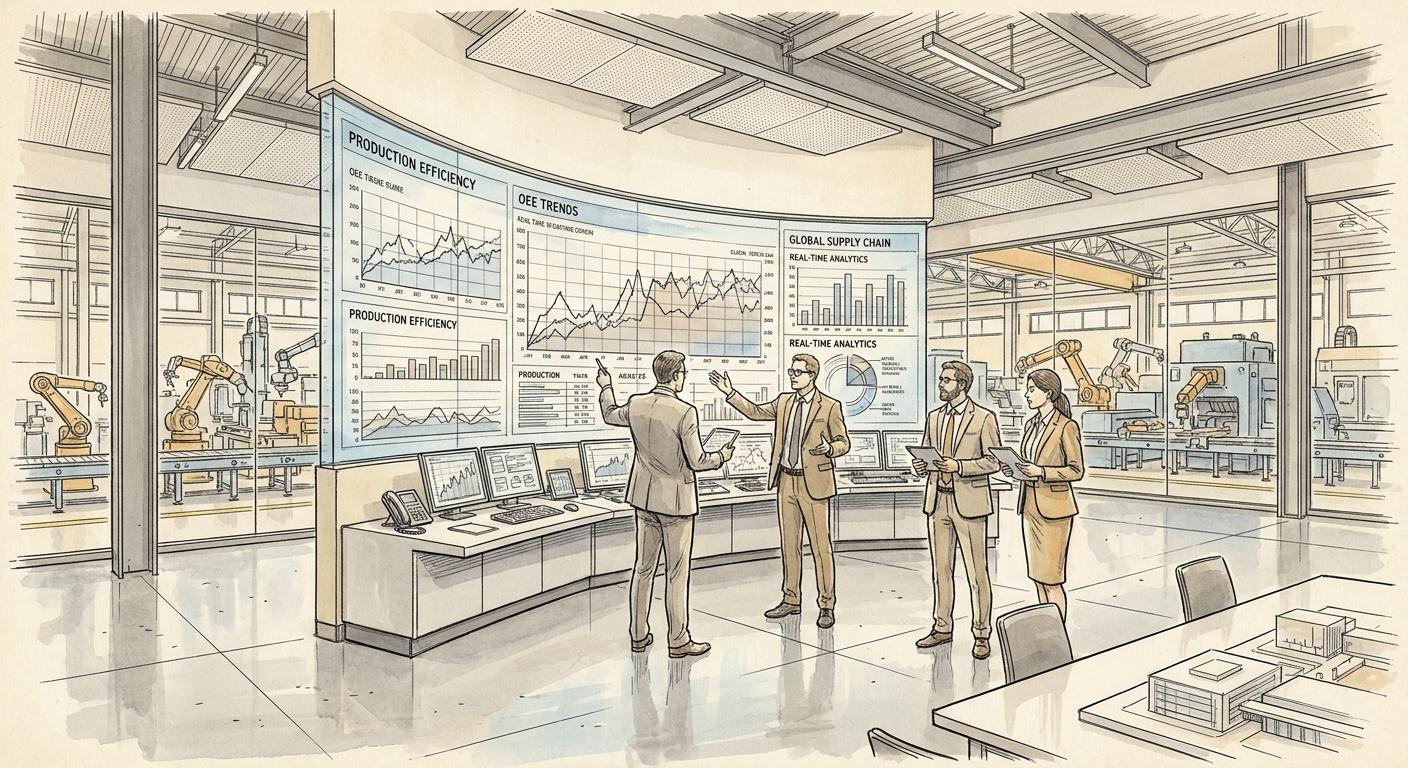
Audit the ERP/MES Gap: Does the system capture real-time floor data, or is there a 24-hour lag?
Evaluate Estimate-vs-Actual Accuracy: Are your labor and material costs based on current market rates or three-year-old standards?
Identify Data Silos: Do Sales, Operations, and Finance share a single source of truth, or are they debating whose spreadsheet is correct?
Phase 2: Identifying High-Impact 'Quick Win' Use Cases
To prove AI ROI in manufacturing portfolio companies, you need a quick win that pays for the broader transformation. Look for areas where small percentage shifts in efficiency lead to six-figure EBITDA gains.
Job Costing: Automate the comparison of actual production costs against quotes to stop price erosion on complex orders.
Predictive Maintenance: Target a single bottleneck machine where unplanned downtime costs over $5,000 per hour.
Automated Quoting: Reduce the time-to-quote from days to minutes to improve win rates on high-margin work.
Phase 3: Talent and Culture - Can Your Team Execute?
The vision often stops at the CEO’s desk. AI due diligence portfolio companies must evaluate if the Plant Manager and IT Lead have the bandwidth or the skill set to sustain these tools.
Technical Capability: Does the current IT staff understand data pipelines, or are they primarily managing hardware and security?
Frontline Buy-in: Does the shop floor view AI as a monitoring threat or a tool that solves their daily frustrations?
Execution Partners: Identify if the portco needs a specialized partner to bridge the gap between "strategy" and a coded solution that works on a Tuesday at 2:00 AM.
Phase 4: Risk Mitigation and Technical Debt
Scaling is often hampered by legacy bloat. Before layering on AI, you must identify which systems will break under the weight of real-time data streaming.
Cloud Readiness: Determine if core legacy systems can connect securely to cloud-based AI environments.
Compliance & IP: Ensure that any embedded AI does not inadvertently leak proprietary manufacturing processes into public LLM training sets.
Maintenance Debt: Calculate the cost of keeping outdated software alive versus migrating to an AI-ready stack.
The 60-Day Synergy Roadmap
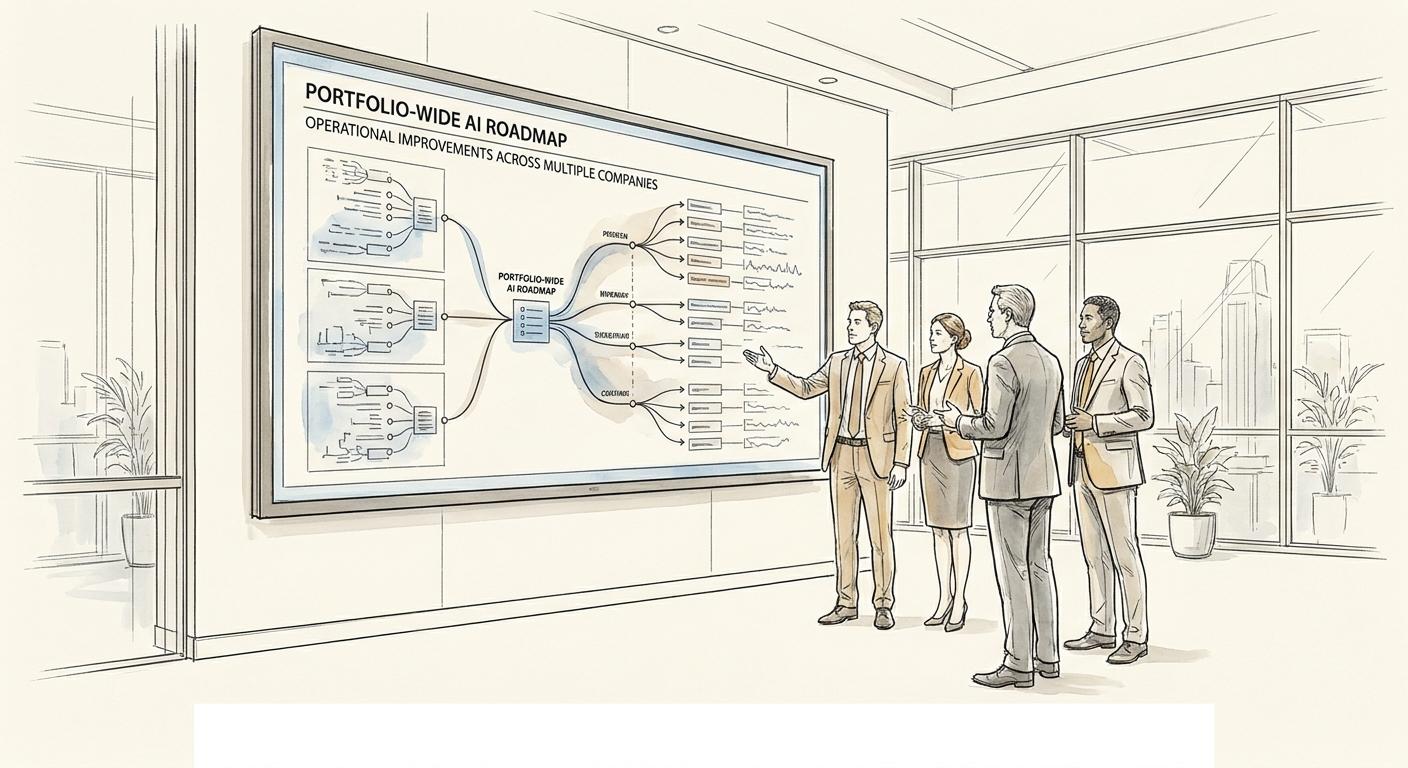
A successful AI synergy assessment results in a tactical timeline, not a 50-page slide deck.
Days 1–15: Data Audit. Map every touchpoint from order entry to shipping.
Days 16–30: Use Case Prioritization. Rank opportunities by EBITDA impact vs. ease of implementation.
Days 31–60: Pilot Execution. Deploy a narrow tool - such as an automated job costing auditor - to demonstrate time-to-value.
By Day 60, the CEO should have clear evidence of the operating wedge in action, providing a repeatable model for the rest of the hold period.
Frequently Asked Questions
How long does a typical AI due diligence assessment take?
A focused operational assessment should take 2 to 4 weeks. This timeline allows for a deep dive into data hygiene and the identification of 2-3 quick wins that move to pilot execution within the first 60 days.
What is the biggest roadblock to AI in PE portfolio companies?
Fragmented data silos and a lack of middle-management buy-in are the primary obstacles. Even with sufficient capital, AI initiatives fail if the underlying data in the ERP is inaccurate or if the shop floor refuses to use the new tools.
How is AI ROI measured in a manufacturing portco?
ROI is measured through direct EBITDA improvement, specifically by reducing margin leakage, improving OTIF percentages, and lowering the cost per unit through better estimate-vs-actual tracking.
What is the role of the CEO in AI integration?
The CEO’s role is to ensure AI is treated as an operational priority rather than a tech project. This includes aligning the leadership team on a 18–36 month value creation window and removing legacy barriers to implementation.
The clock is ticking on your investment window. Identifying the right AI due diligence portfolio companies strategy today ensures your exit multiple reflects a modern, efficient organization rather than a legacy shop floor.
Book a Manufacturing Diagnostic at ifor.ai/solutions/private-equity