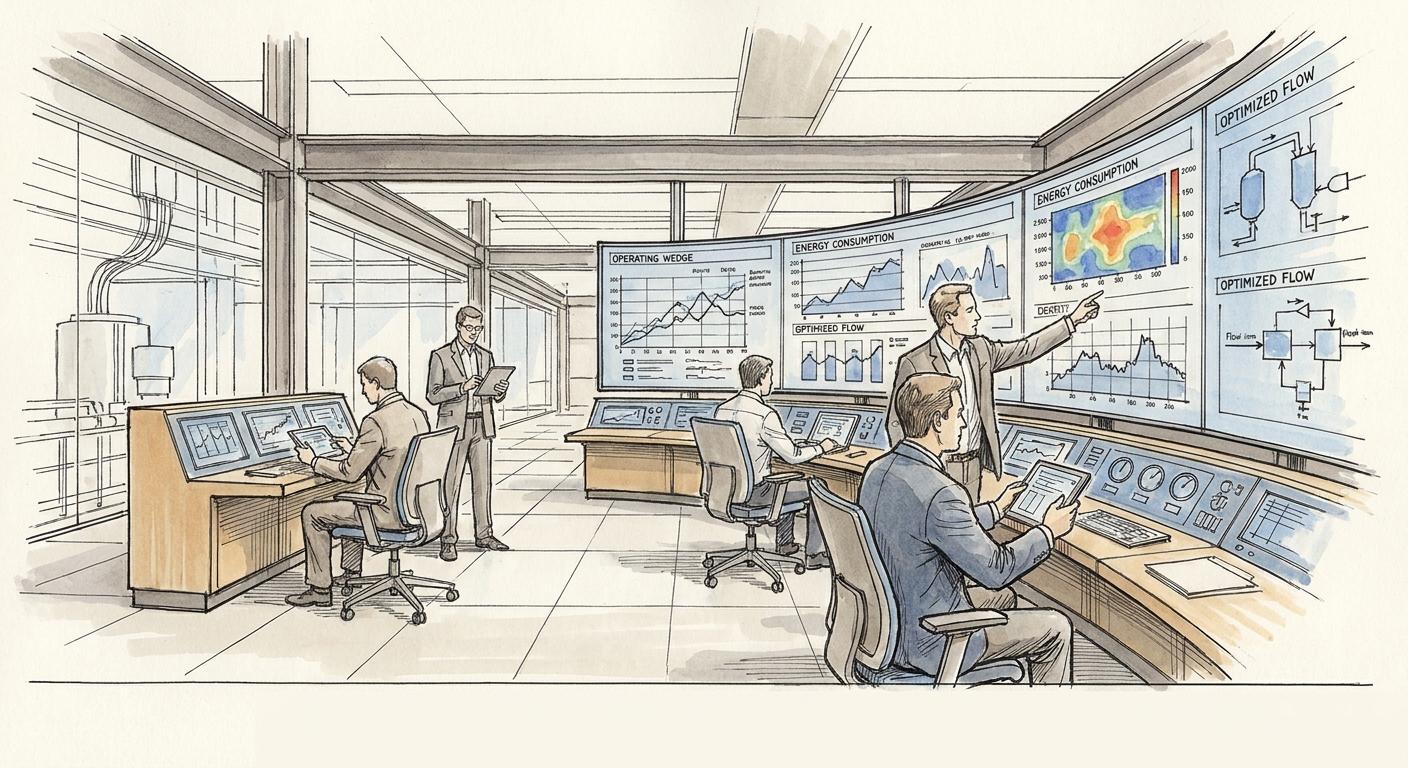
Most mid-market manufacturers treat energy as a fixed overhead cost, a line item on the P&L that fluctuates with utility rates and production volume. This passivity leads to significant margin leakage, especially in high-mix environments where machine idle times and peak demand charges erode the bottom line. Implementing AI-enabled energy optimization transforms these utility expenses into a controllable variable, allowing COOs to synchronize energy consumption with real-time production demand. This article analyzes how embedded AI identifies hidden inefficiencies to drive EBITDA improvement and meet tightening carbon mandates within a single fiscal quarter.
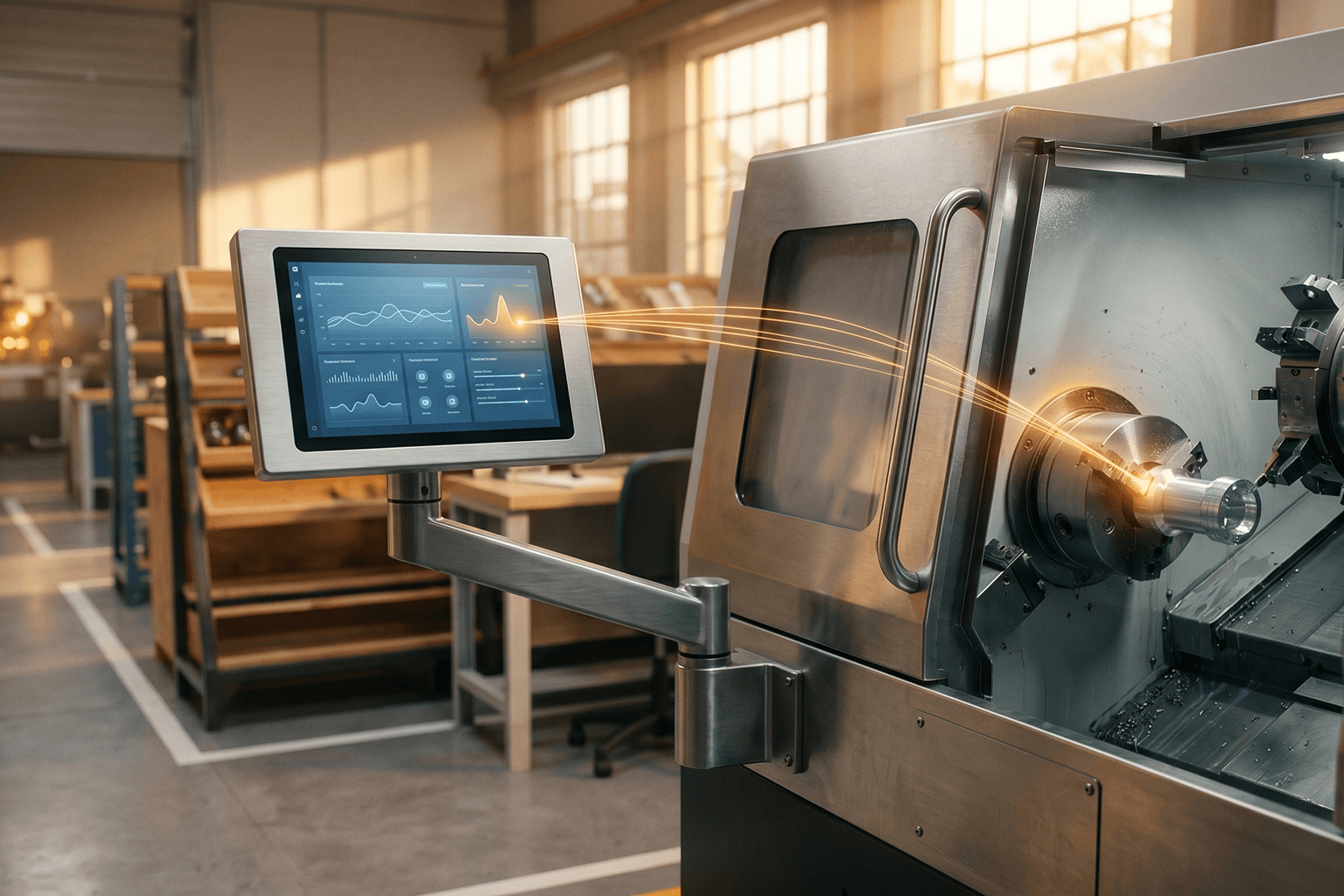
AI-Enabled Energy Optimization is the application of machine learning algorithms to industrial telemetry to analyze power consumption patterns in real-time. It identifies the operating wedge - the gap between the energy required for theoretical peak performance and actual waste - and automatically suggests or executes adjustments to localized production variables to minimize carbon emissions without sacrificing throughput. The Efficiency Gap: Why Traditional Energy Audits Fail the Modern COO Traditional energy audits are retrospective. A consultant walks the floor, reviews six months of utility bills, and provides a static report recommending LED lighting or HVAC upgrades. While useful, these snapshots miss the delayed execution truth of a dynamic shop floor. They cannot account for a 15% surge in energy waste caused by a miscalibrated CNC spindle or a cooling system cycling unnecessarily during a shift change.
For a 200-employee injection molding facility, energy costs are tied to the second-by-second mechanical load. Static audits fail because they don't capture the relationship between machine telemetry and variable utility pricing. When a plant hits peak demand during high-tariff hours, the resulting surcharges can wipe out the margin on an entire production run. Modern COOs need a dynamic solution that correlates energy draw with specific job codes. The 'Operating Wedge' Approach to Energy Reduction At iForAI, we focus on the operating wedge - the measurable difference between current baseline performance and optimized state. We don't advocate for "boil the ocean" digital transformations. Instead, we target high-consumption production lines for a quick win within 4 to 8 weeks.
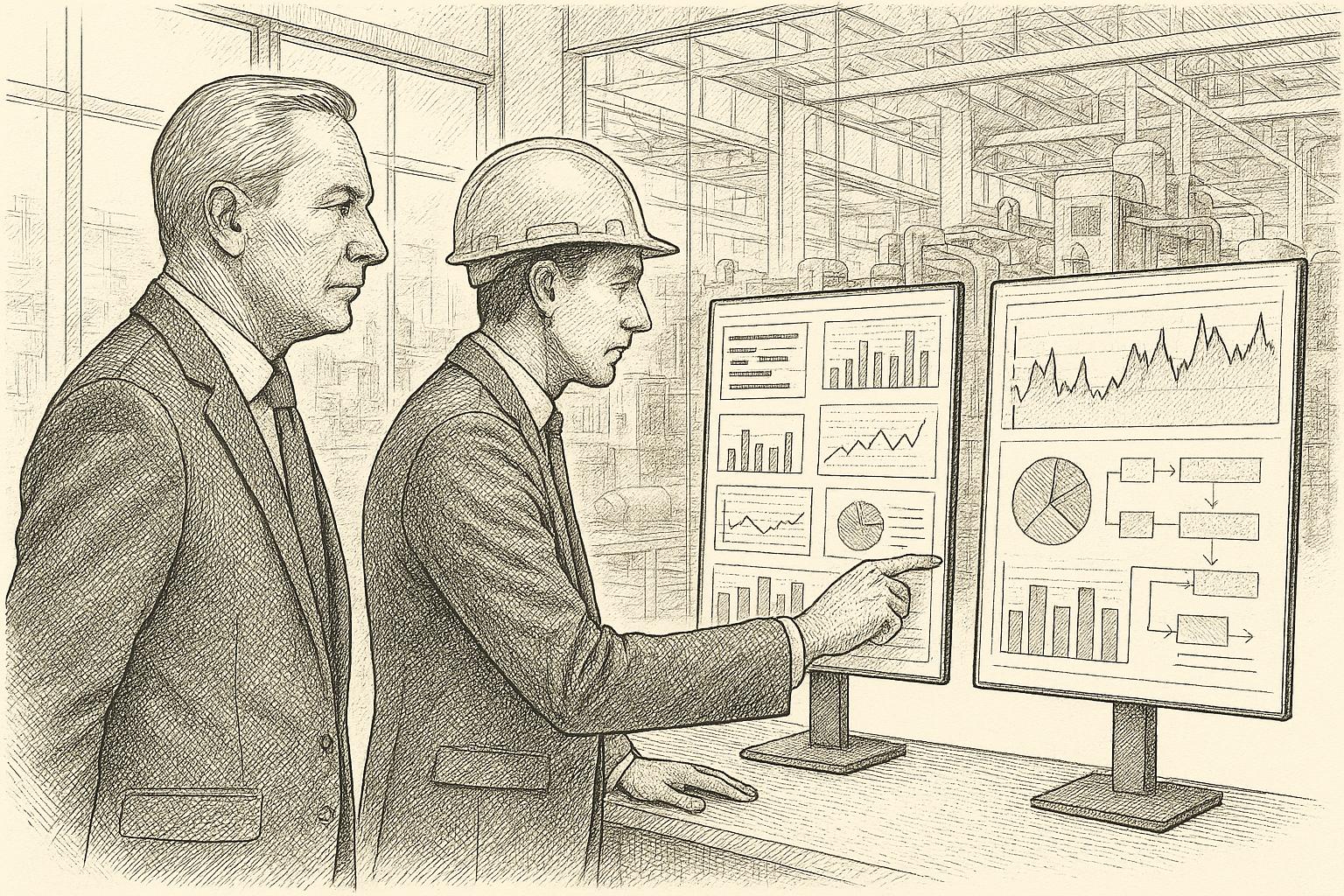
This phased approach starts by capturing granular sensor data from existing PLCs. By isolating a single high-energy process - such as an industrial oven or a heavy stamping press - we establish an estimate-vs-actual energy baseline. Once the AI identifies the variance, management can see exactly where power is being pulled by idle machinery or inefficient start-up sequences. This immediate visibility creates the data-backed roadmap required for the Operating Partner to validate the investment and project EBITDA uplift across the entire portfolio. Real-Time Consumption Reduction: A Performance Deep Dive The technical mechanics of AI-enabled energy optimization center on industrial load balancing and peak load shaving. Embedded AI models ingest data from smart meters and machine controllers to predict when a facility is approaching a peak demand threshold. Instead of a manual shutdown, the system intelligently staggers machine startups or modulates the frequency of variable speed drives.
Consider a mid-market food processing plant. By integrating AI with their thermal systems, the plant can pre-cool or pre-heat components based on the day’s production schedule and real-time energy pricing. The AI optimizes electricity draw to happen during lower-cost windows, reducing the "cost per pound" of product. This isn't about working less; it's about shifting the energy-intensive portions of the workflow to align with grid capacity and machine efficiency ratings. Quantifying the Carbon Footprint Impact for ESG Compliance Mid-market manufacturers are increasingly pressured by Tier 1 customers and private equity backers to provide granular carbon reporting. General estimates based on square footage are no longer sufficient. Smart factory carbon reduction requires a direct link between the machine and the carbon output.
By using embedded AI, manufacturers move from speculative "green" claims to verified data. The system tracks the exact kilowatt-hours consumed per unit produced. This level of detail allows CFOs to report on Scope 1 and Scope 2 emissions with audit-ready accuracy. For a PE-backed company, this transparency increases the terminal value of the asset by de-risking the "S" and "G" components of the exit strategy, proving the facility is optimized for a low-carbon regulatory environment. From Pilot to Performance: Managing the 8-Week Implementation The primary barrier to adopting AI-enabled energy optimization is the fear of production downtime. However, high-performing implementations do not require a "rip and replace" of existing infrastructure. The process begins with AI readiness - identifying which machines already have the sensors needed to provide a data feed.
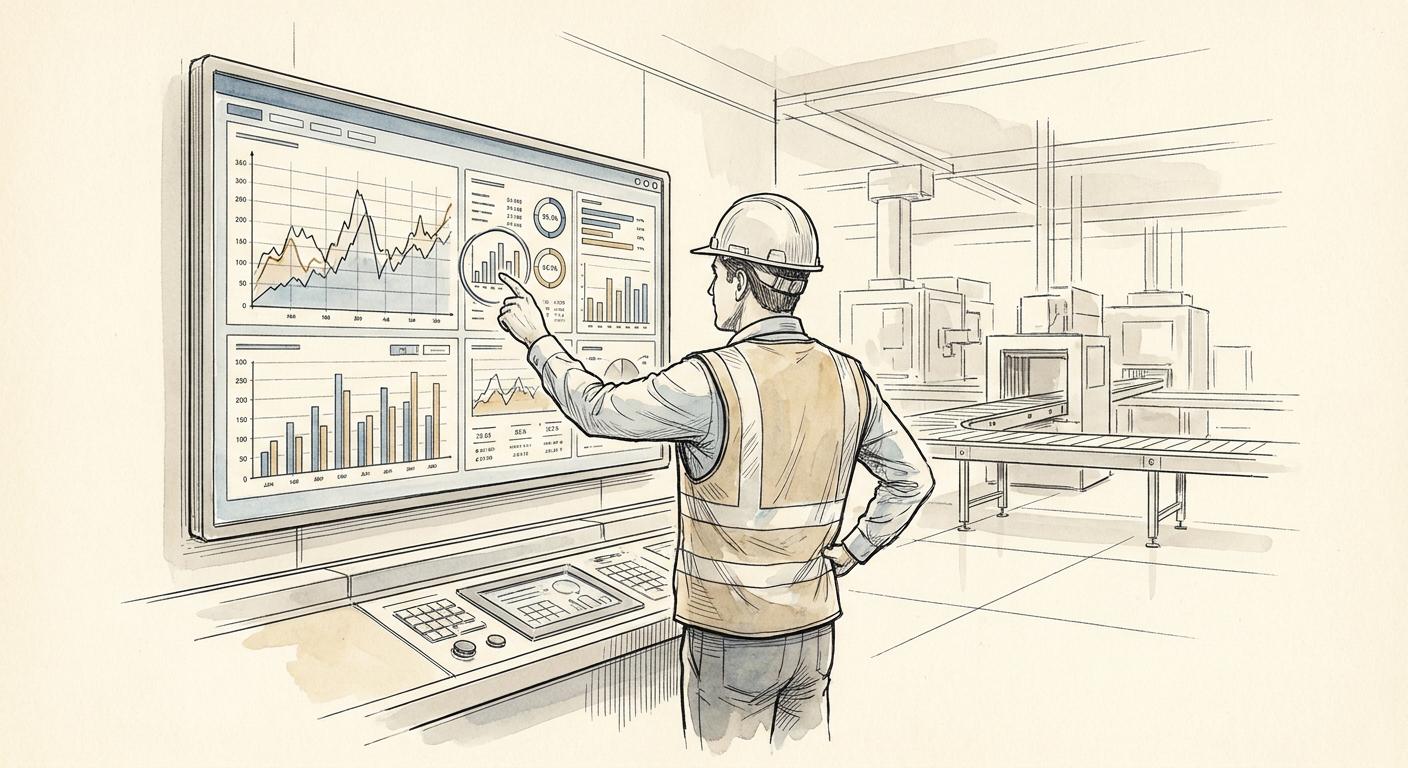
Weeks 1–2: Integration with existing hardware (PLCs, SCADA) to capture the baseline energy draw. Weeks 3–5: AI model training on specific shift patterns and job costing data. Weeks 6–8: Deployment of a real-time dashboard and automated alerts for "energy anomalies."
By the end of the eighth week, the facility manager should have a time-to-value report showing specific energy savings. This execution cycle is designed to fit within the typical 18-36 month investment window of an operating partner, ensuring the technology pays for itself through direct utility savings before the next capital planning cycle. FAQ What is the typical ROI for AI energy optimization in manufacturing? Mid-market manufacturers usually see a 10-25% reduction in variable energy costs. Most facilities achieve full payback on the software and integration costs within 6 to 12 months, primarily through the elimination of peak demand penalties and reduced idle-time consumption.
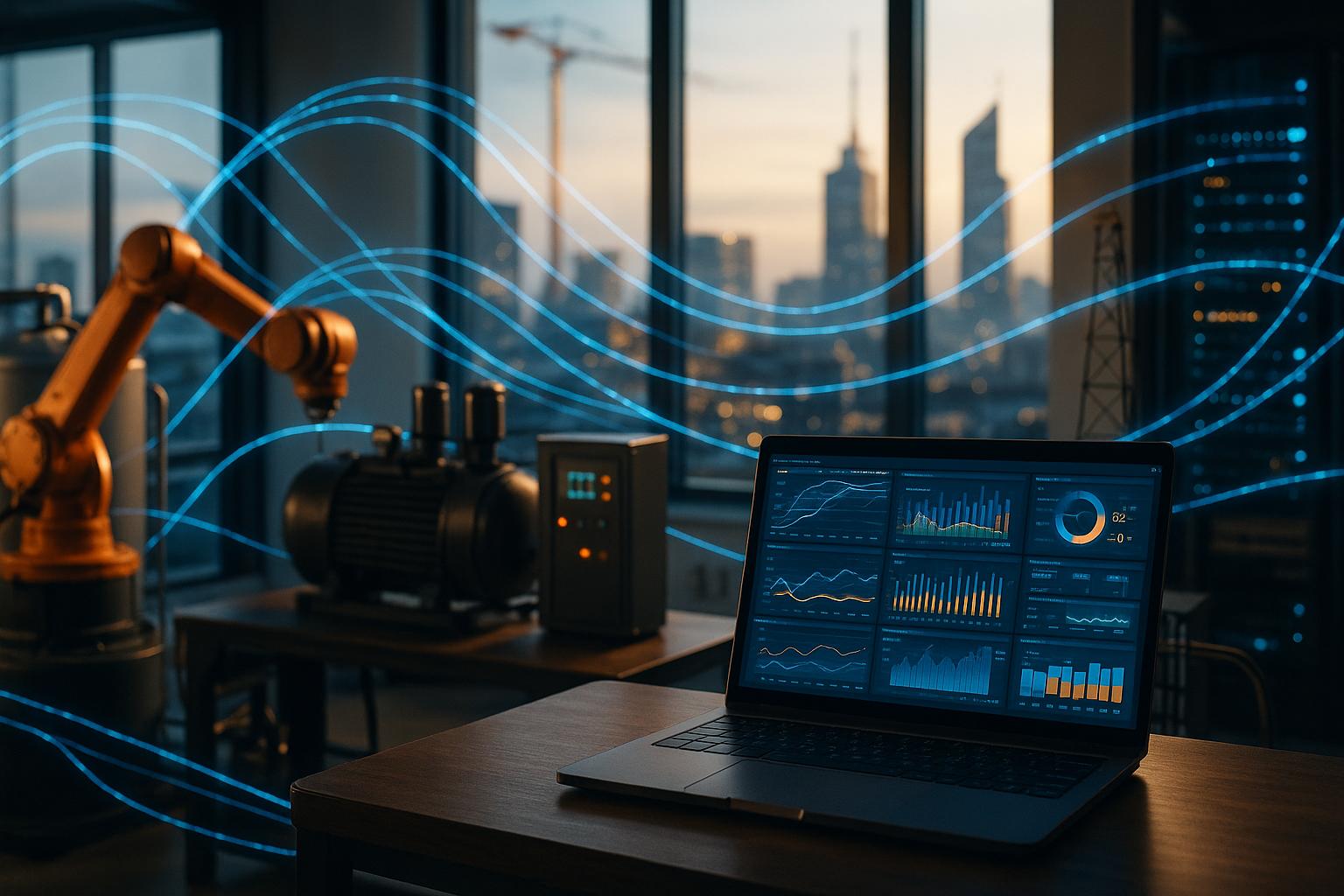
Does this require replacing existing shop floor hardware? No. This solution acts as an embedded software layer that communicates with your existing sensors, meters, and PLCs. It leverages the data your hardware is already generating to provide actionable insights without the need for significant CapEx.
How does AI energy optimization affect production throughput? The goal is to maintain or improve OTIF (On-Time In-Full) metrics. The AI optimizes the timing and efficiency of energy move-sets; it does not throttle production unless explicitly programmed to do so during an emergency grid event.
Can this help with job costing accuracy? Yes. By attributing real-time energy consumption to a specific work order, you move from "peanut-buttering" overhead costs to precise job costing. This reveals the true margin of each product line, exposing where energy-intensive parts may be underpriced.
What is the first step for a plant with no existing AI infrastructure? Start with an energy connectivity audit. We identify which power-hungry assets can be networked immediately to establish a digital baseline, focusing on the highest-impact machines to ensure a quick win.
AI-enabled optimization converts energy from a fixed burden into a strategic lever for EBITDA growth. By closing the gap between production demand and power consumption, manufacturers secure a measurable operating wedge that improves both margins and sustainability.
Book a Manufacturing Diagnostic at ifor.ai/solutions/manufacturing