

.svg)

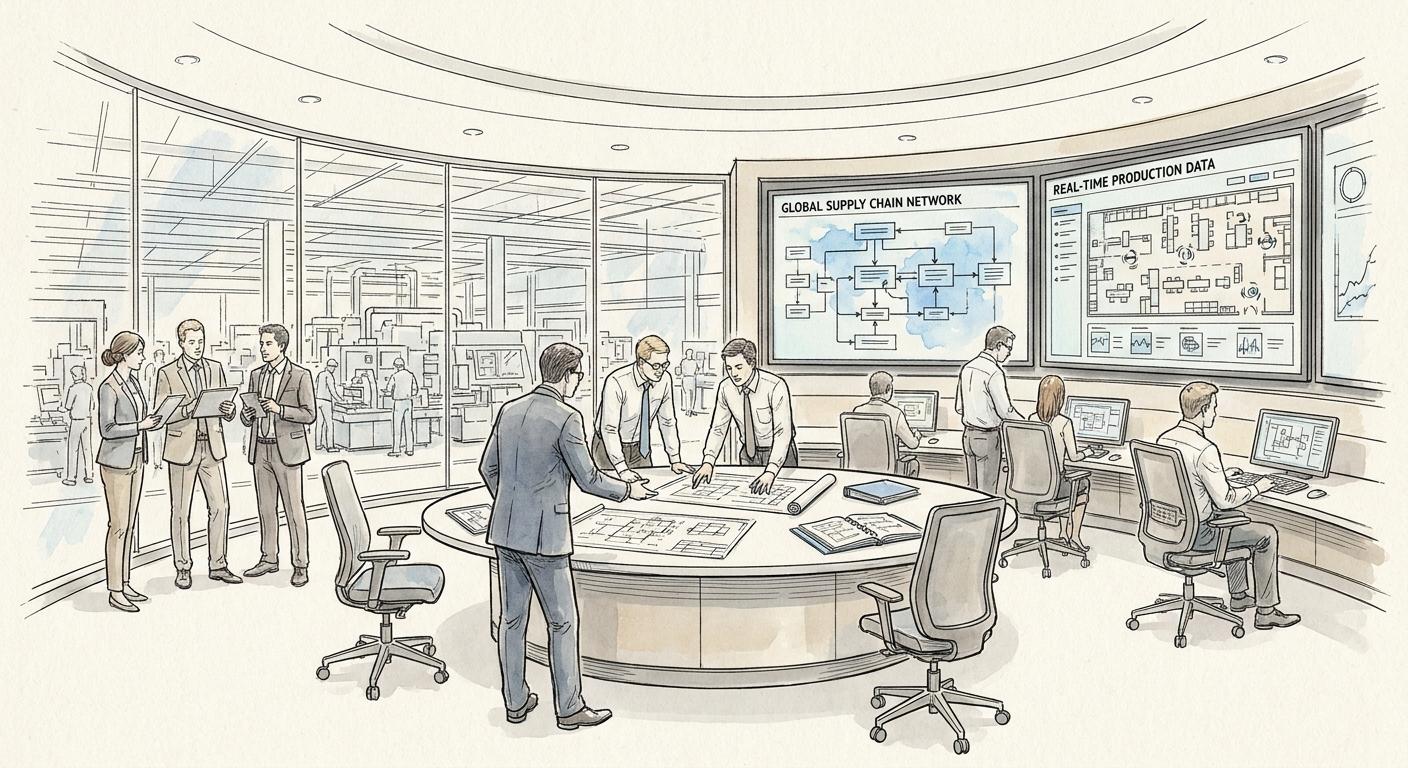
Most mid-market COOs live with a 30-day "blind spot" where production discrepancies only surface during month-end closes. Using production variance analysis AI allows operations teams to move past reactive accounting and identify exactly why a specific shift, machine, or material batch eroded your margins in real-time. By automating the detection of granular deviations, manufacturers can stop margin leakage before it compounds into a quarterly EBITDA miss.
This guide examines how embedded AI identifies root causes across fragmented data silos, the specific financial levers it pulls for Private Equity-backed firms, and the 8-week path to operationalizing these insights.
What is Production Variance Analysis?
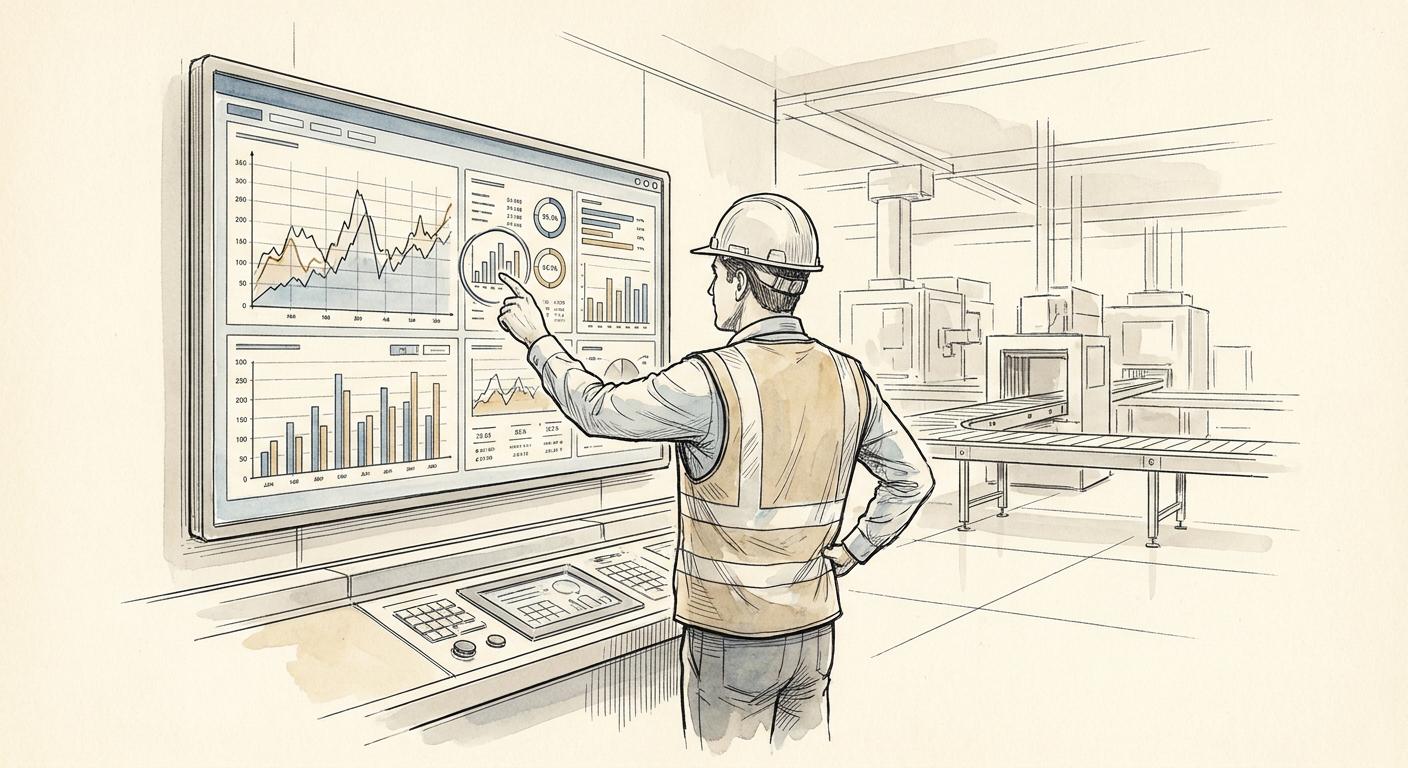
Production Variance Analysis is the systematic process of comparing actual manufacturing costs, material usage, and labor hours against budgeted standards to identify operational gaps. When enhanced with embedded AI, this process shifts from manual data entry to automated, real-time detection of granular anomalies, allowing leadership to isolate specific root causes - such as machine calibration or raw material quality - to recover lost margins immediately.
The Spreadsheet Ceiling: Why Manual Variance Analysis Fails Mid-Market Manufacturers
For a 300-employee Tier 2 automotive supplier, the "delayed execution truth" is a constant threat. When variance analysis lives in a spreadsheet, it is inherently historical. By the time a CFO identifies a 5% spike in scrap rates, the problematic job is long gone, and the margin leakage has already hit the P&L.
Manual analysis typically fails because it lacks granularity. Standard ERP reports might show a negative labor variance, but they rarely pinpoint whether the cause was a faulty sensor causing micro-stops, poor training on the third shift, or a slight deviation in the viscosity of a raw chemical. This lack of detail prevents value creation because managers are forced to guess at solutions rather than acting on forensic data.
From Hindsight to Insight: How AI Pinpoints Root Cause in Real-Time
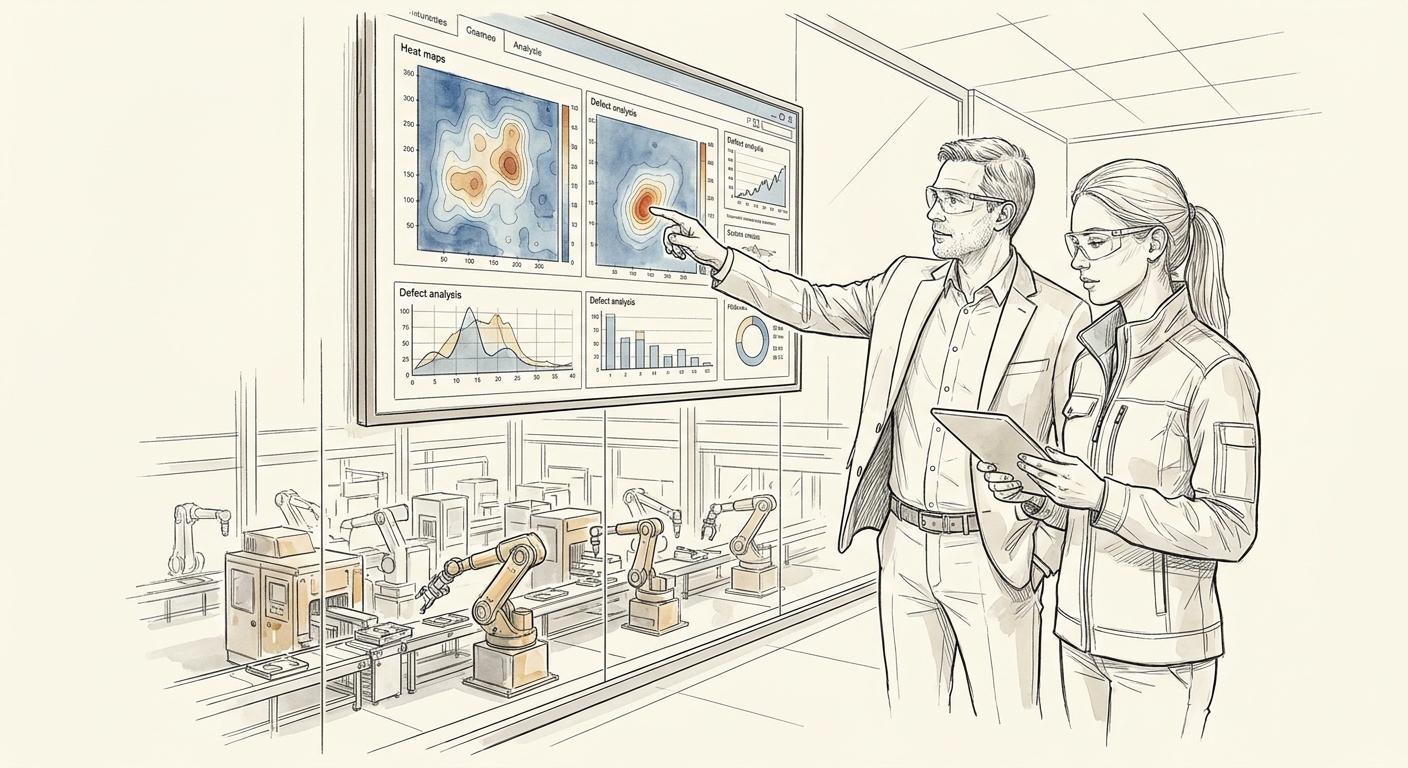
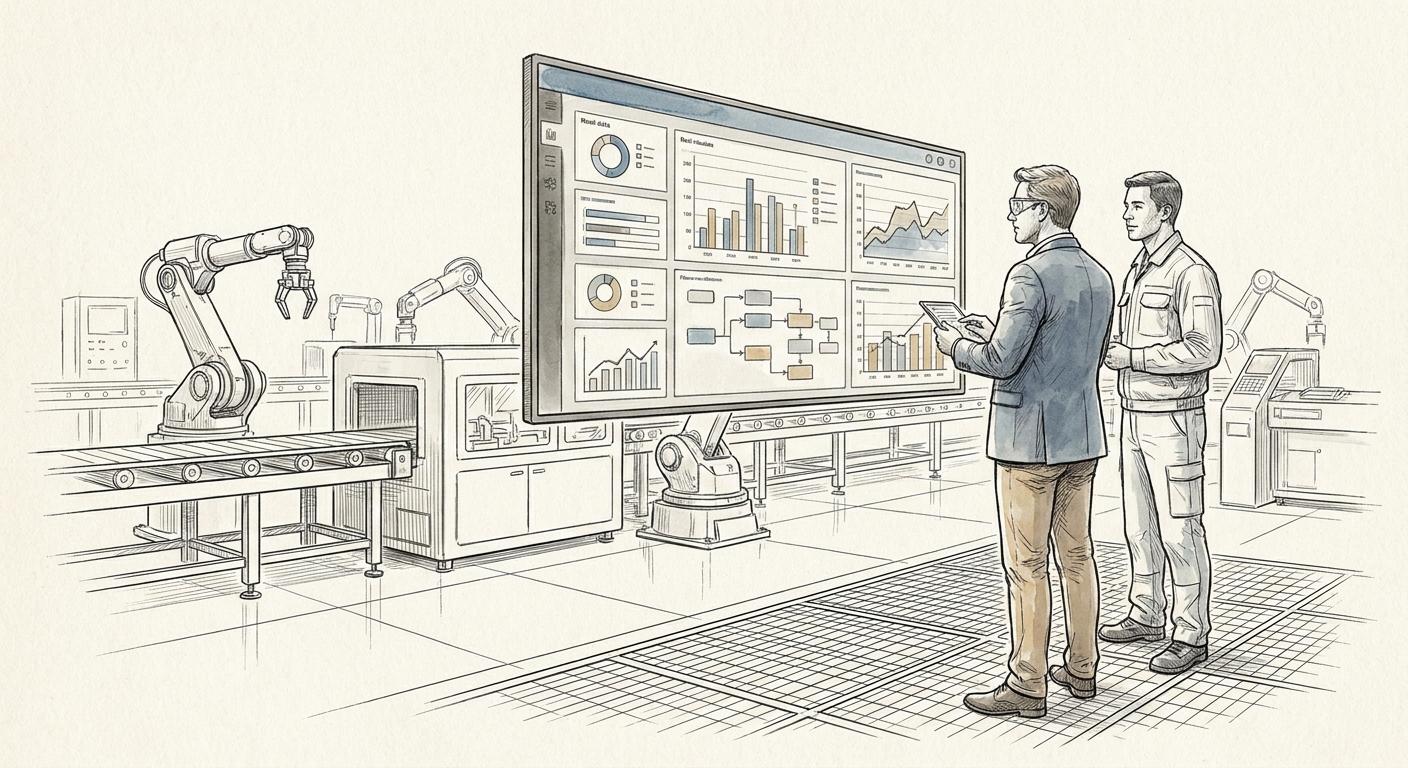
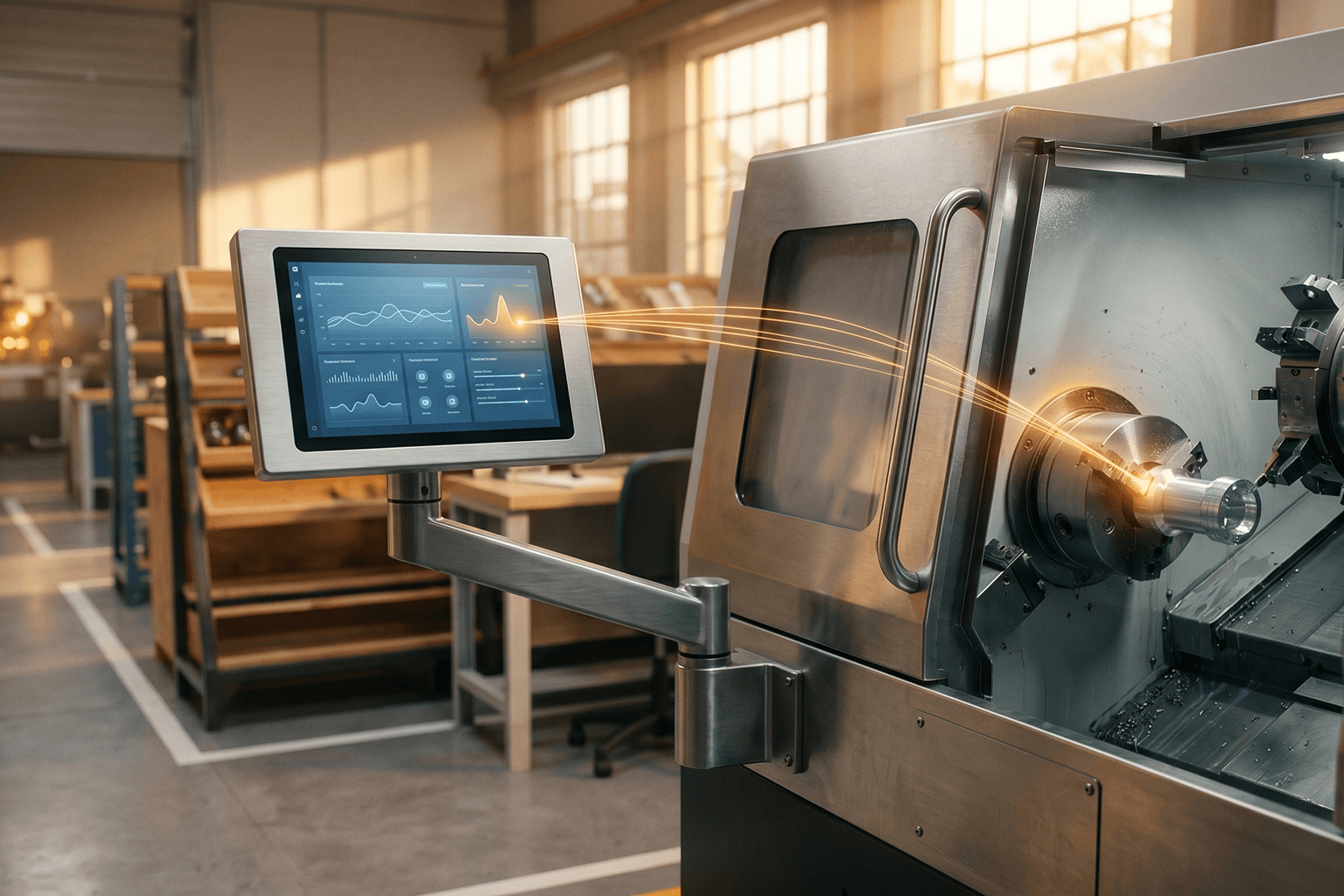
Artificial Intelligence changes the internal math by bridging operational data silos. Instead of looking at labor logs and material invoices in isolation, AI correlates high-frequency machine data with your ERP’s job costing modules.
Key technical capabilities include:
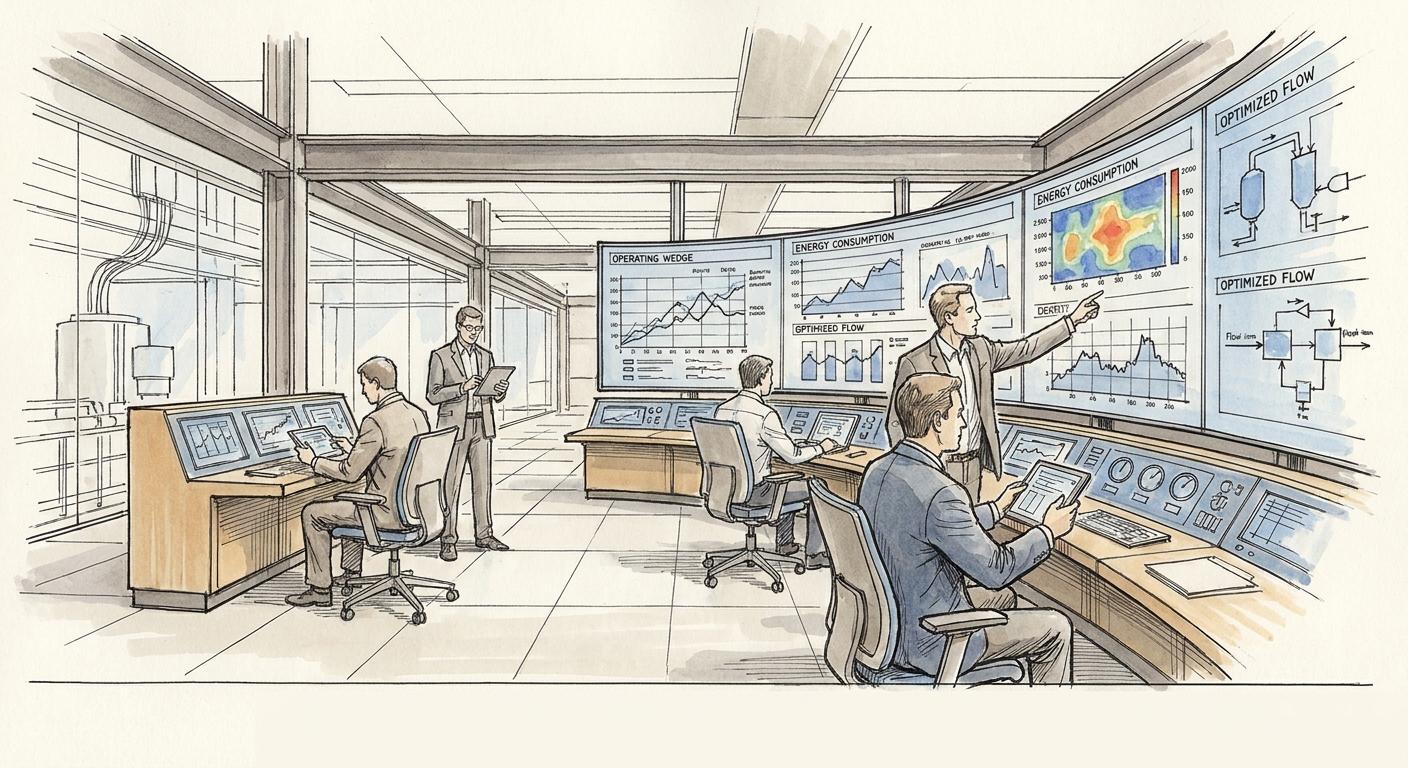
Root cause identification automation: AI algorithms scan thousands of variables to find the "operating wedge" - the specific delta between an estimated process and actual execution.
Granular yield analysis: By tracking material inputs at the batch level, AI identifies subtle quality shifts that traditional systems miss, preventing downstream rework.
Pattern Recognition: If OTIF (On-Time, In-Full) rates drop every Tuesday afternoon, AI can correlate that trend to specific ambient temperature changes or power fluctuations that a human analyst would overlook.
This moves the organization toward an estimate-vs-actual reality where the floor is always in sync with the front office.
The Financial Impact: Capturing Margin via Granular Variance Visibility
For a Private Equity Operating Partner, every basis point of margin recovered represents a multiple on exit. Production variance analysis AI targets EBITDA improvement by squeezing out hidden inefficiencies that have been "baked into" the standards over years of sloppy reporting.
Direct Material Cost Reduction: By identifying the exact moment manufacturing cost variance occurs - such as over-pouring or excessive trim - plants can adjust settings mid-run.
Optimized Job Costing: Accurate variance data allows for more aggressive, yet safe, commercial bidding. If you know your actual cost to produce is 3% lower than the ERP suggests due to recent efficiency gains, you can win more volume without sacrificing the floor.
Better CAPEX Forecasting: Data-driven variance reporting shows which machines are truly underperforming versus which ones simply lack trained operators, preventing unnecessary capital spend.
The 8-Week Operating Wedge: Implementing AI Without an ERP Overhaul
The most common fear is that AI requires a two-year ERP AI integration project. In reality, the most successful implementations act as a "wedge" - a targeted application that sits on top of existing systems to deliver a quick win.
Weeks 1-2: Data Ingestion. Map existing ERP, MES, and IIoT data streams to identify where the "truth" currently hides.
Weeks 2-4: Pattern Discovery. The AI identifies historical correlations between specific variances and their operational drivers.
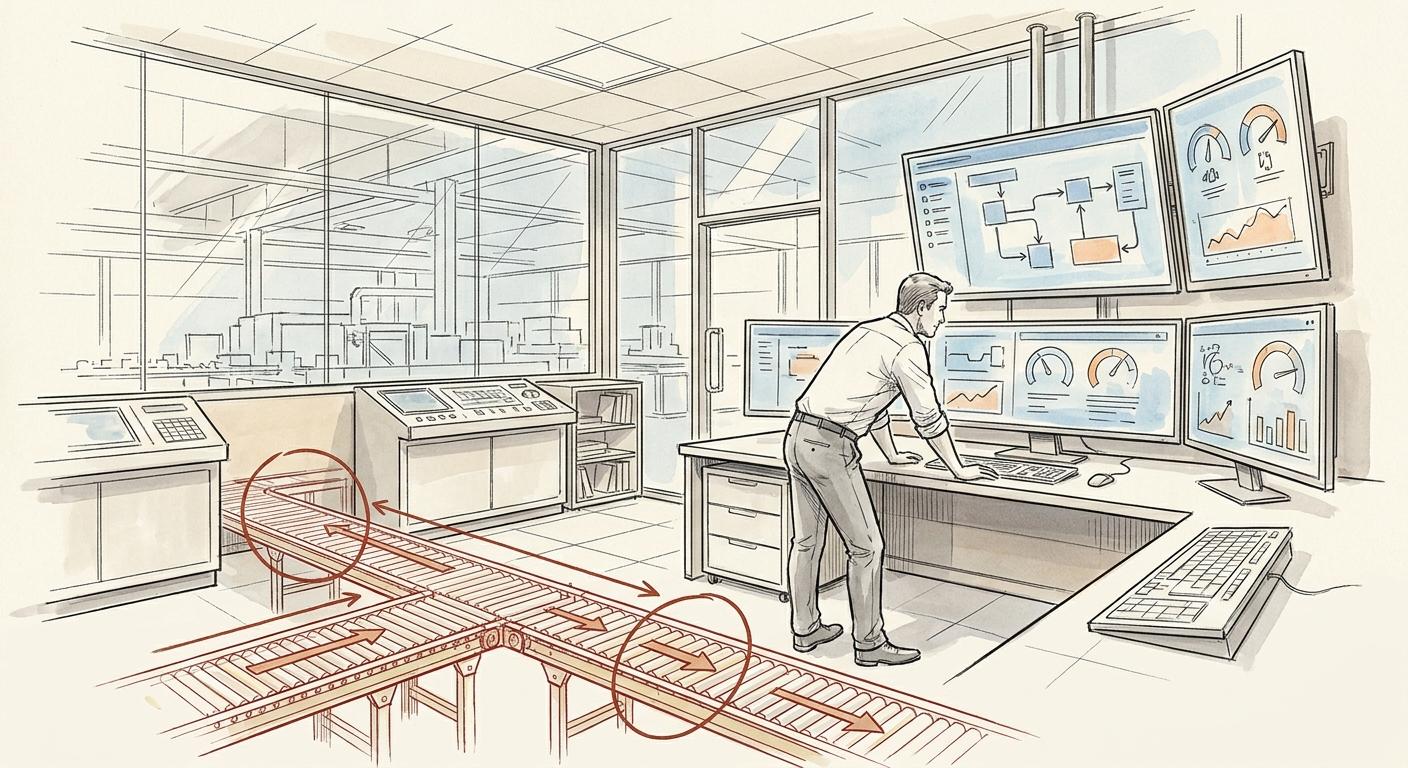
Weeks 5-8: Execution. The system begins alerting floor managers to variances as they happen, allowing for immediate course correction.
This approach focuses on time-to-value. Rather than fixing every data point in the company, the "wedge" focuses on the top three lines or products responsible for 80% of the variance.
Criteria for Selection: Evaluating AI Partners for Production Efficiency
Not all AI is built for the shop floor. When evaluating partners, disregard vague promises of "innovation" and focus on AI readiness and operational experience.
Domain Expertise: Does the partner understand the difference between a mechanical failure and a process deviation? Generalist AI firms often struggle with the nuances of industrial physics.
Integration Depth: The partner must be able to pull data from "dirty" sources - legacy PLC controllers, manual logs, and disconnected spreadsheets - without requiring a total system replacement.
Actionability: The output should not be a "black box" score. It must be a specific directive: "Adjust the feed rate on B-Line by 2% to eliminate material thinning."
Frequently Asked Questions
Do we need to replace our current ERP or MES to use AI for variance analysis?
No. Modern AI solutions sit on top of your existing infrastructure as an overlay. They pull data from your current systems, clean it, and provide an analytical layer that supplements your existing ERP/MES without the risk of a total rip-and-replace.
How quickly can we see a measurable reduction in production variance?
Using an embedded partner approach, initial root cause identification typically occurs within 4 weeks. Most mid-market manufacturers see a measurable reduction in cost variance and improved OTIF within 8 to 12 weeks of implementation.
Can AI handle "dirty" or incomplete data from older machines?
Yes. Advanced AI models are designed to handle "noisy" industrial data. By cross-referencing multiple data points - such as energy draw, labor logs, and cycle times - the system can fill in gaps and provide accurate root cause analysis even when specific sensors are missing.
What is the primary difference between standard reporting and AI-driven analysis?
Standard reporting tells you what happened 30 days ago (e.g., "we are over budget on labor"). AI-driven analysis tells you why it is happening right now (e.g., "Line 4 is running 12% slow due to a specific bearing friction issue") and provides the corrective action.
Summary: AI-driven production variance analysis eliminates the lag between the shop floor and the P&L, allowing for real-time margin recovery. By implementing a targeted "operating wedge," plants can achieve significant EBITDA improvement within a single quarter.
Book a Manufacturing Diagnostic at ifor.ai/solutions/manufacturing