.svg)

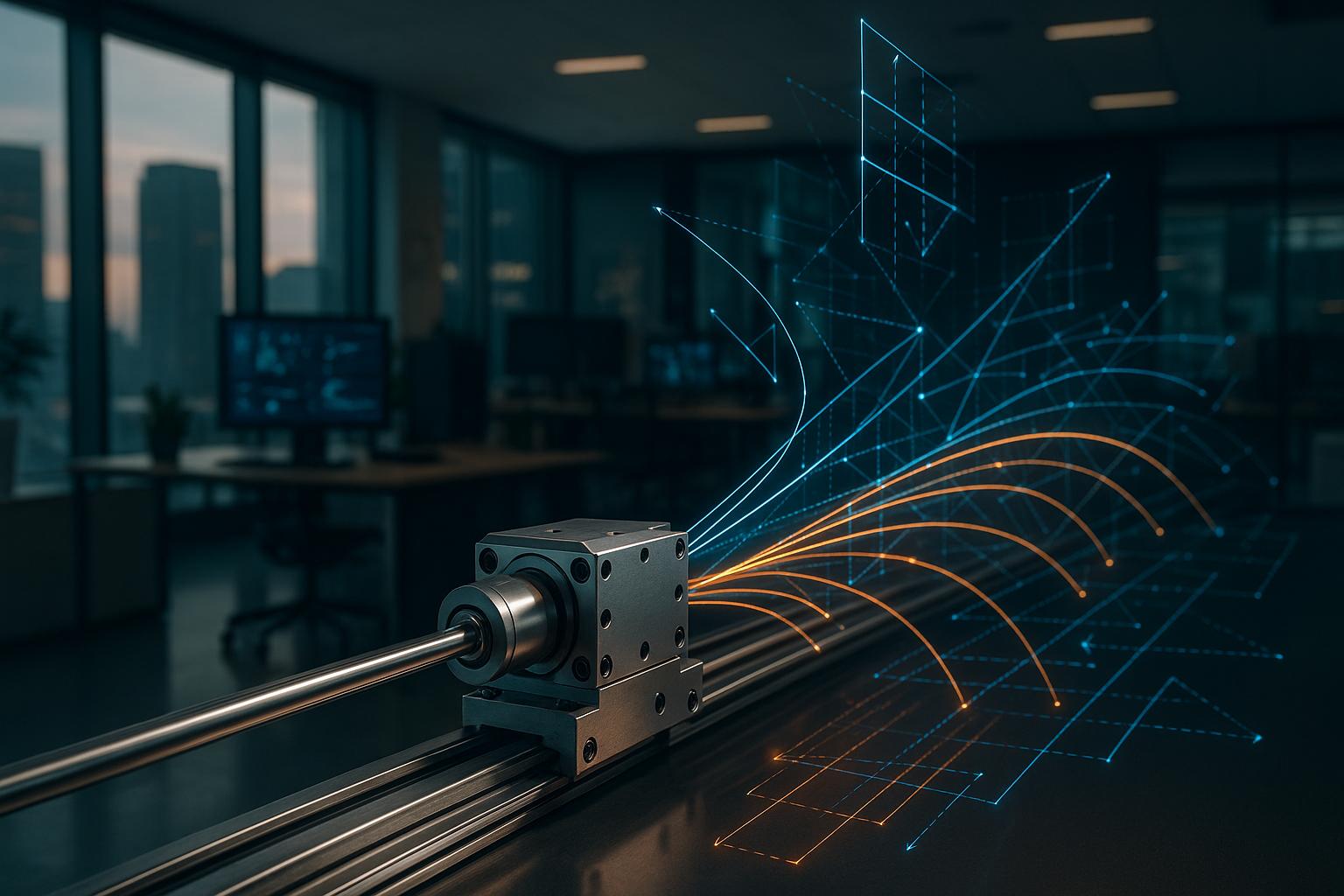
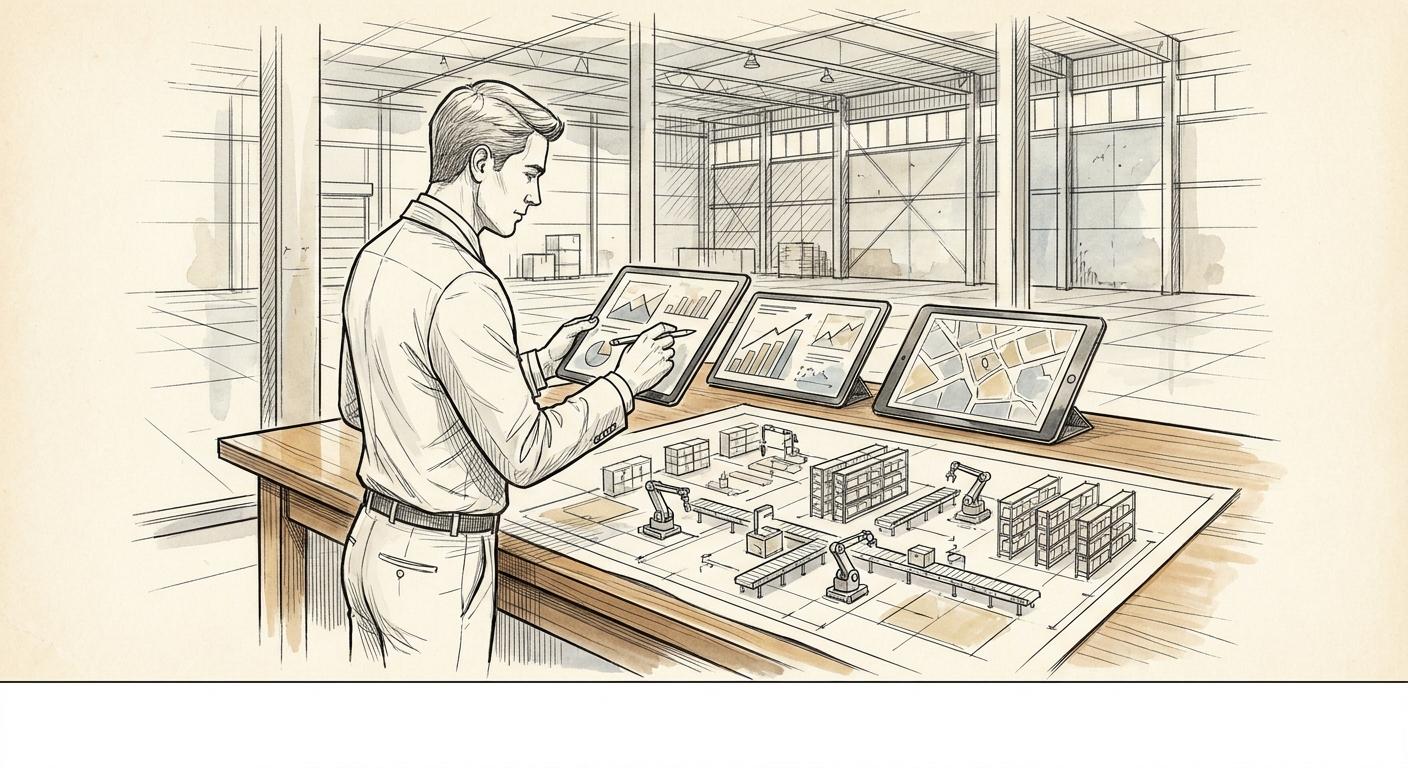
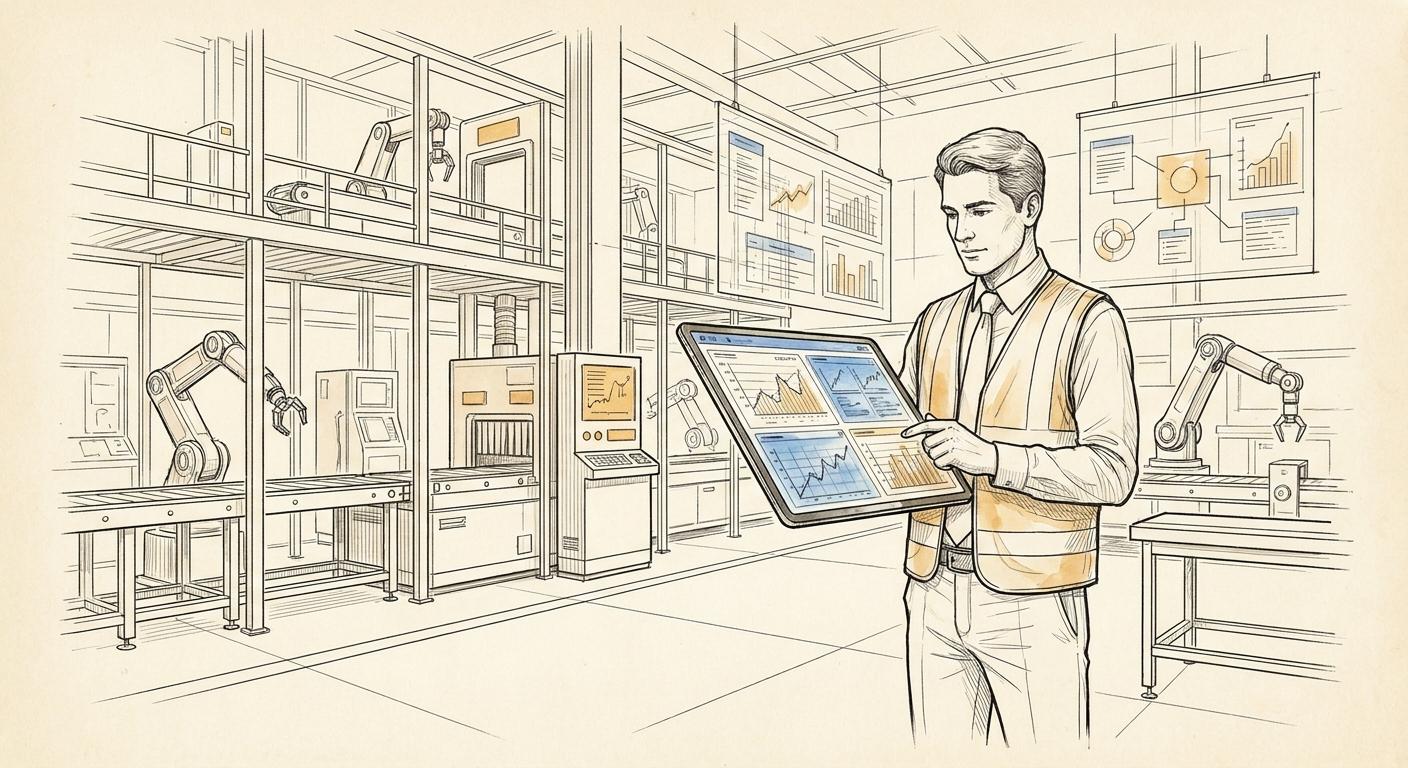
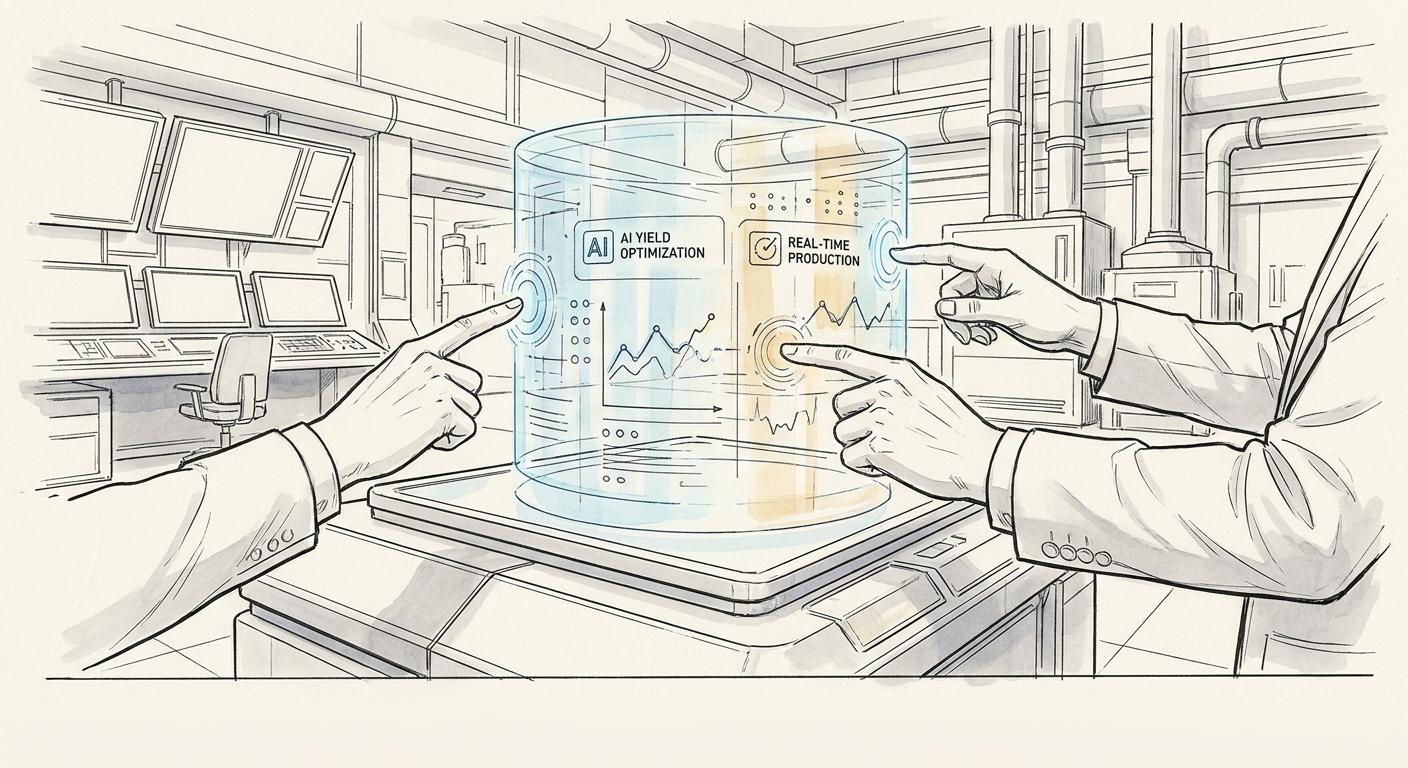
Unplanned spindle failure on a legacy horizontal boring mill doesn't just stall one job; it triggers a cascade of margin leakage across your entire production schedule. For many mid-market plants, AI predictive maintenance legacy CNC is the only way to modernize 20-year-old assets without a $500,000 CapEx spend for new machinery. This guide outlines the operational framework for retrofitting older equipment with AI to stabilize OTIF and protect EBITDA.
The Legacy Gap: Why Standard Maintenance Fails Mid-Market CNC Shops
Most mid-market CNC shops rely on preventative maintenance - fixing things on a calendar Basis regardless of actual wear. This approach is fundamentally flawed for legacy machines because it ignores the unique "personality" of an older spindle or ball screw. You end up over-maintaining healthy components or, more commonly, suffering a catastrophic failure three days after a scheduled inspection.
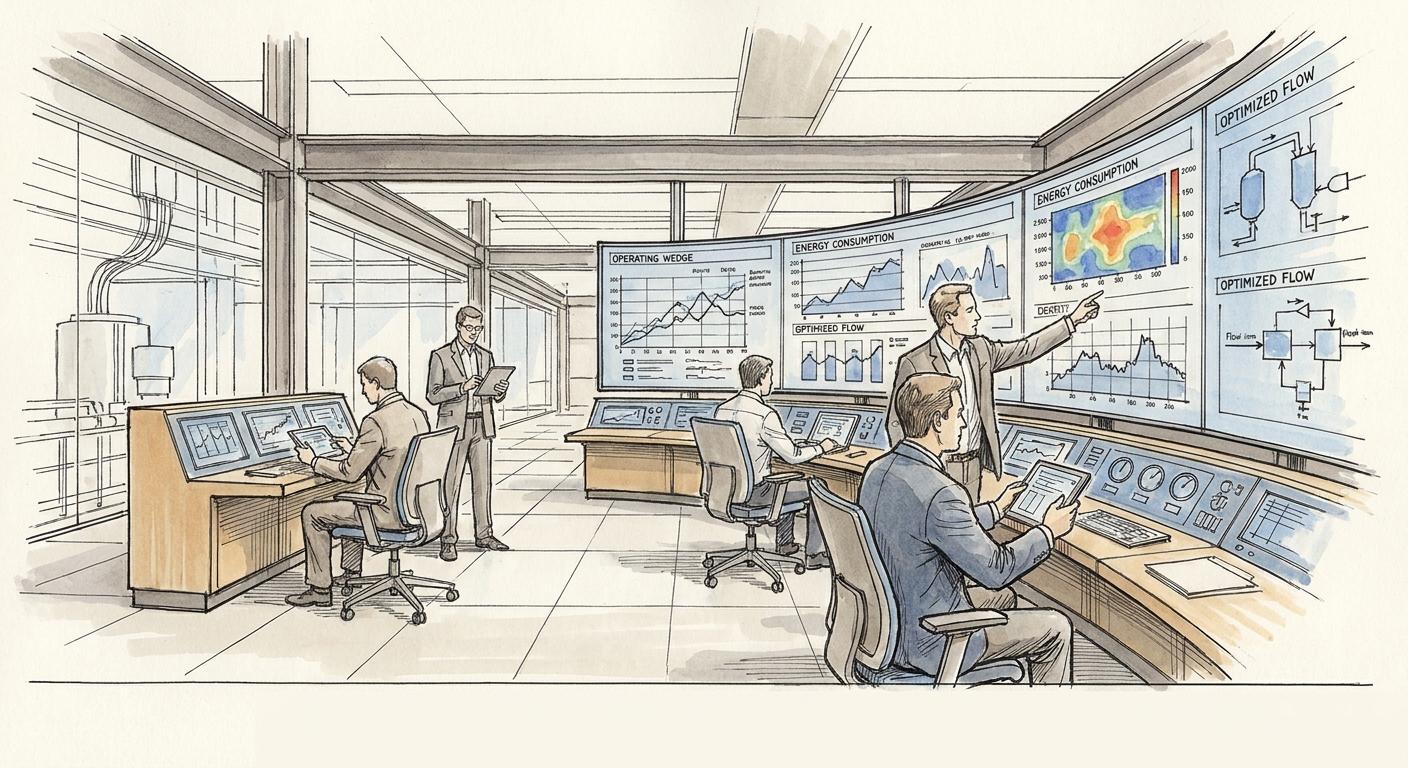
For Private Equity operating partners, this unpredictability creates a massive operating wedge between projected and actual margins. When a critical machine goes down unexpectedly, the cost isn't just the repair bill; it's the expedited shipping, labor overtime, and potential liquid damages from the customer. Standard maintenance cannot bridge the gap between "running" and "failing" in real-time.
Defining AI Predictive Maintenance for Legacy CNC
Predictive maintenance legacy CNC is the process of using external IoT sensors and machine learning algorithms to forecast component failure on older, non-networked machinery, allowing for repairs before downtime occurs. By monitoring physical signatures like vibration and heat, manufacturers can identify the delayed execution truth - the gap between how a machine is programmed to perform and its actual physical health.
Step 1: The Sensor Retrofit (Collecting Data Without PLC Access)
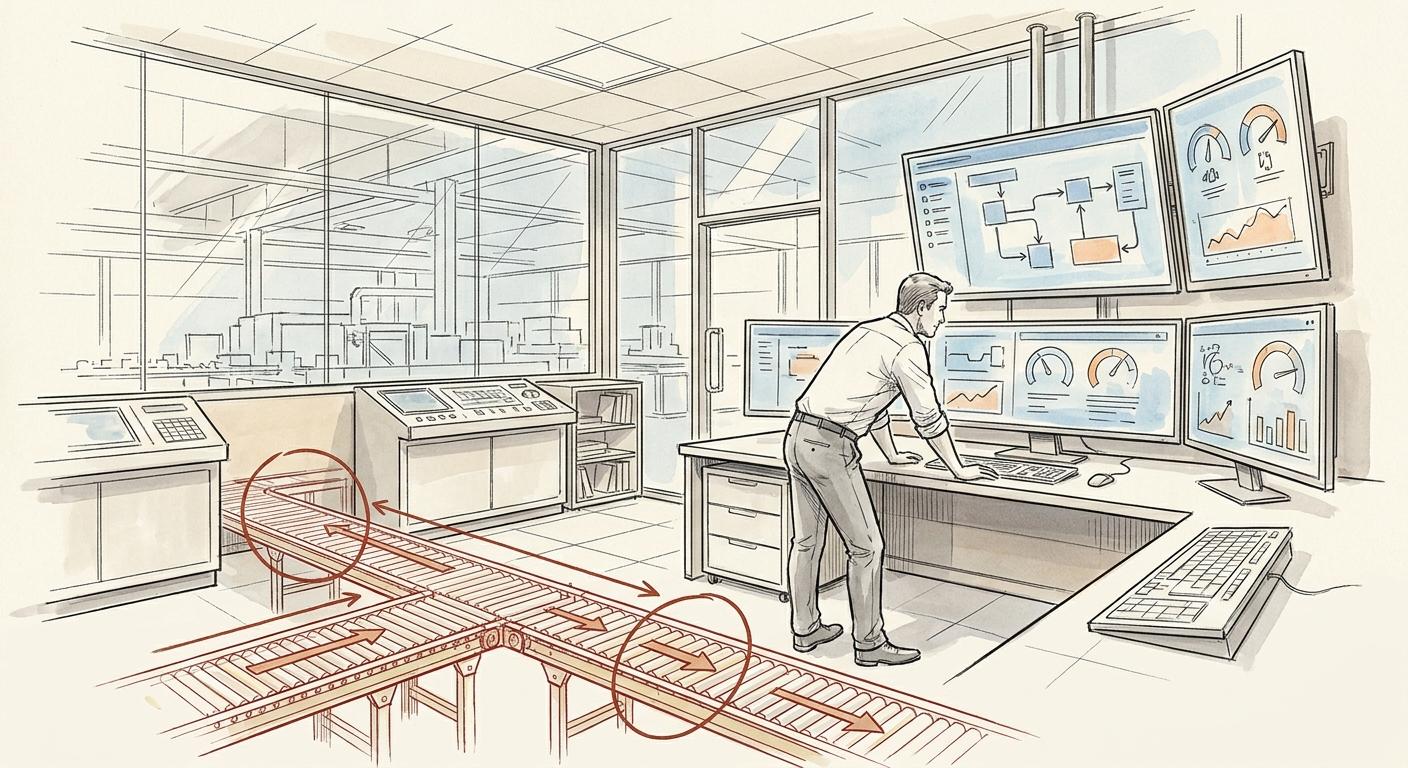
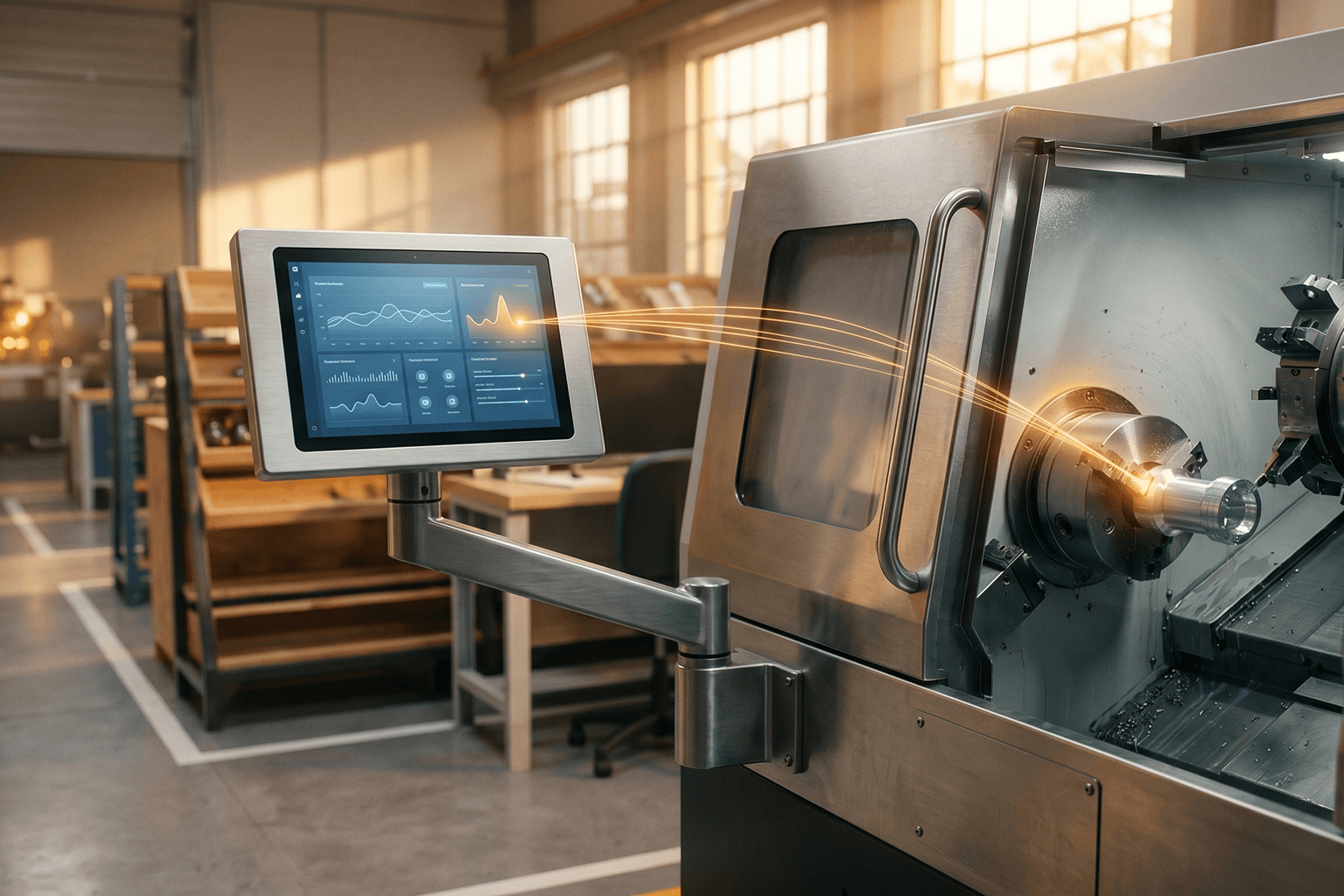
The biggest hurdle for legacy machines is the lack of open data protocols. Older Fanuc or Siemens controllers often lack Ethernet ports or MTConnect capabilities. To bypass this, we use Industrial IoT retrofitting. This involves mounting non-invasive sensors directly to the machine's exterior:
Vibration Sensors: Placed on spindle housings to detect bearing degradation or eccentricity.
Current Transducers: Clamped onto power leads to monitor motor strain and tool dullness.
Acoustic Sensors: To pick up high-frequency "chatter" that humans (and older controllers) miss.
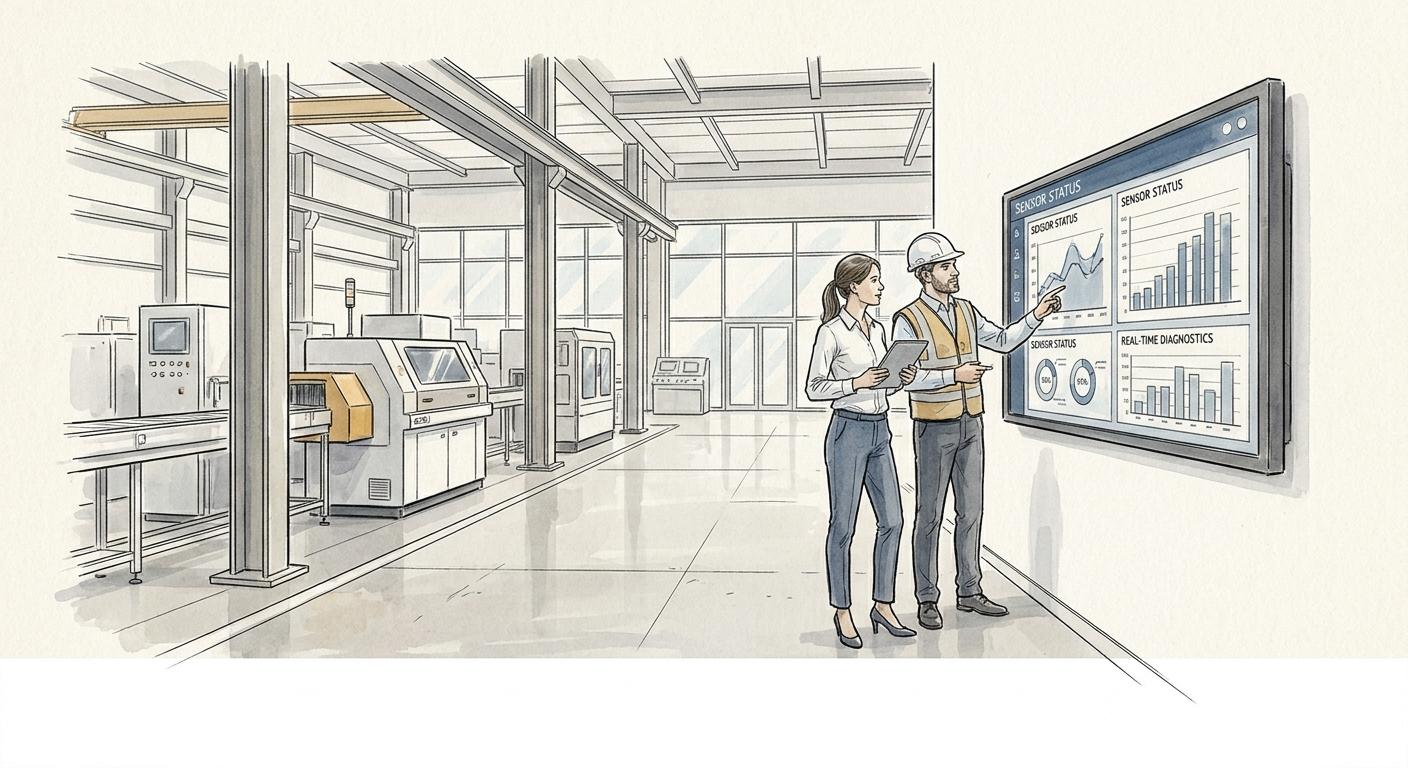
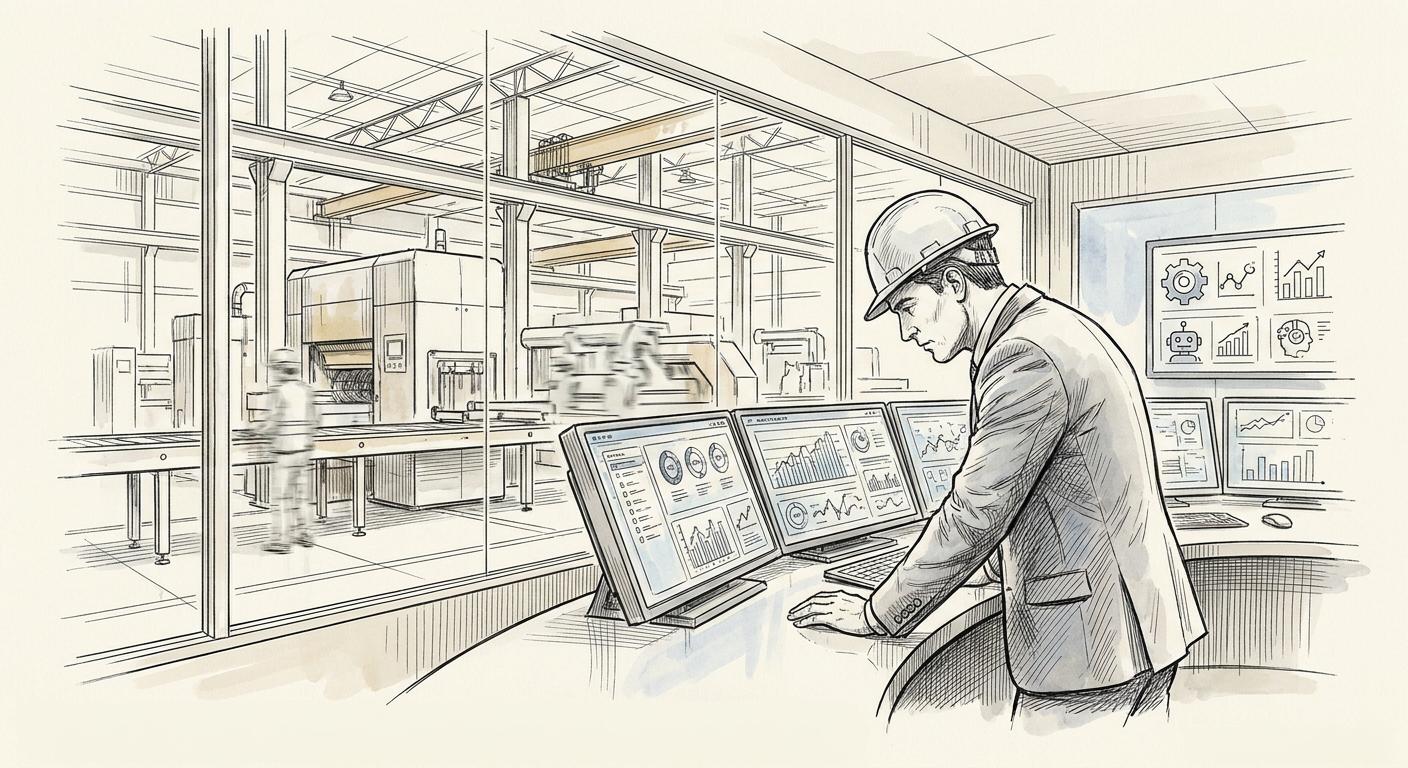
These sensors feed data into an embedded AI gateway, bypassing the proprietary PLC entirely. This method allows you to start collecting high-fidelity data in hours rather than months of software integration.
Step 2: Establishing the Baseline with 'Operating Wedge' Data
You cannot predict a failure if you don't know what "good" looks like. For a 15-year-old Haas or Mazak, "good" isn't the factory spec from 2009; it’s the machine's current stable operating state. During the first two weeks, we use edge computing to filter out environmental noise - like the forklift driving by or the vibrating compressor next door.
By establishing this baseline, we create a job costing advantage. We can see exactly how much mechanical "stress" a specific high-tolerance job puts on the machine compared to routine work. This data becomes the foundation for an estimate-vs-actual performance audit that factors in machine health.
Step 3: Deploying the Predictive Model for Early Failure Detection
Once the baseline is set, the AI looks for anomalies. A 15% reduction in unplanned downtime is usually achieved by catching "soft failures" - issues like spindle misalignment or thermal expansion that haven't caused a crash yet but are killing part quality.
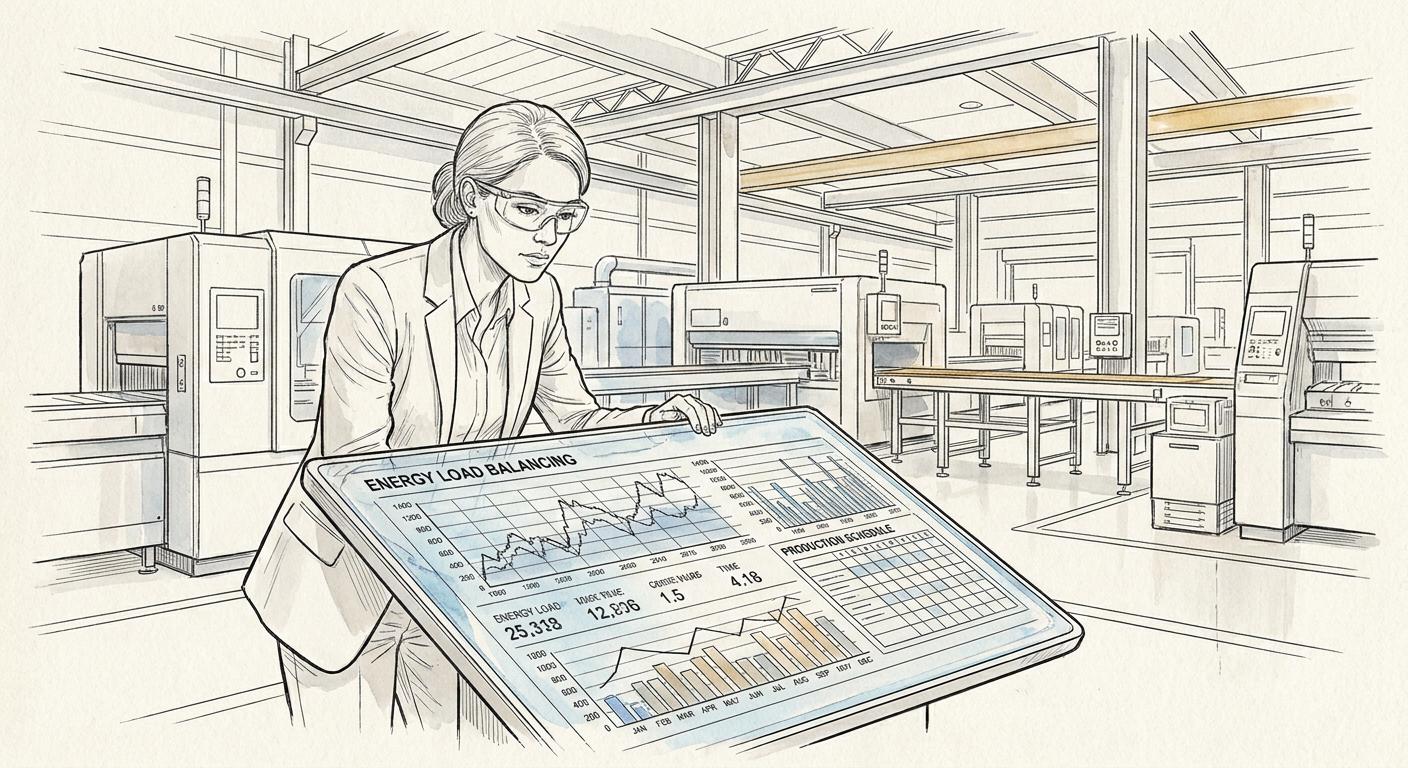
By identifying these trends two weeks in advance, the plant manager can schedule a four-hour repair during a shift change rather than losing three days during a peak production run. This move from reactive to proactive is a primary driver of EBITDA improvement within the first six months of deployment.
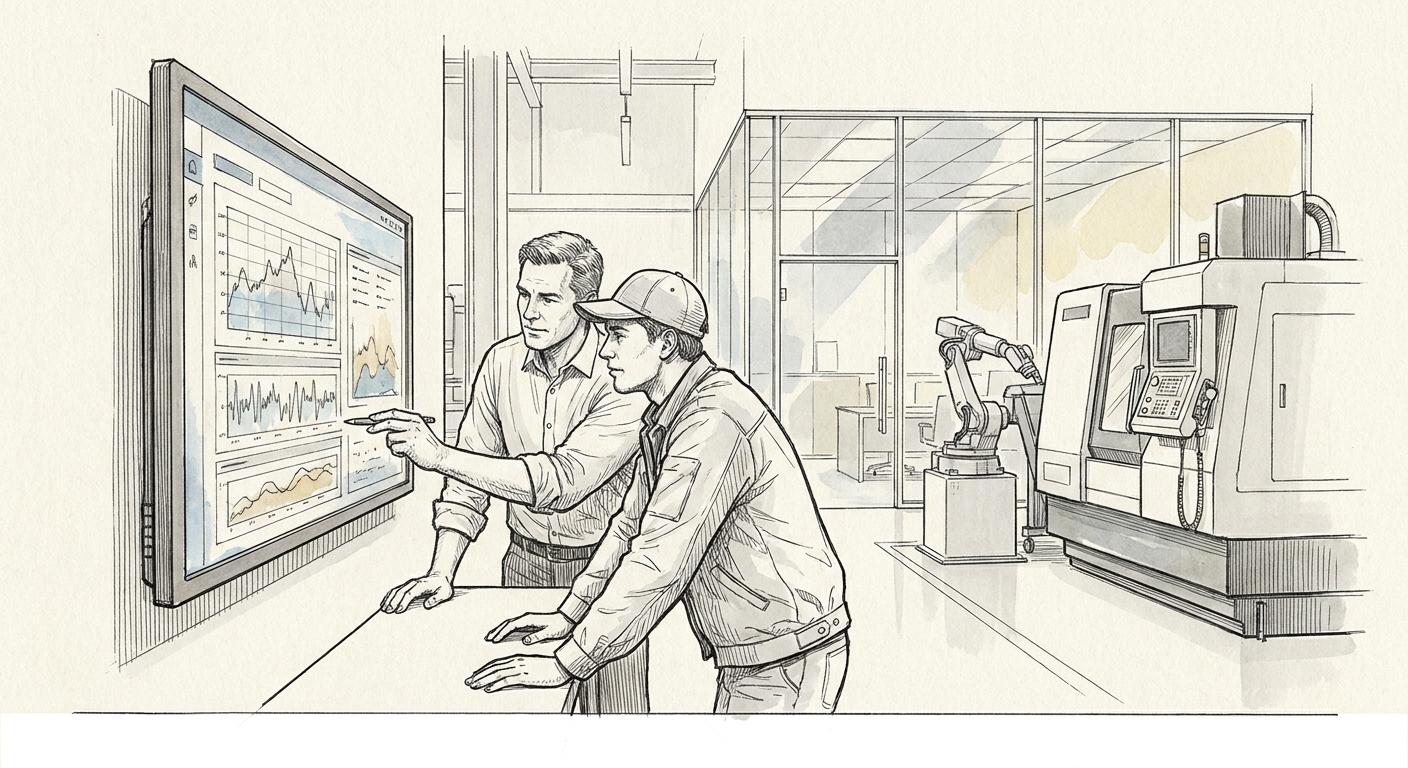
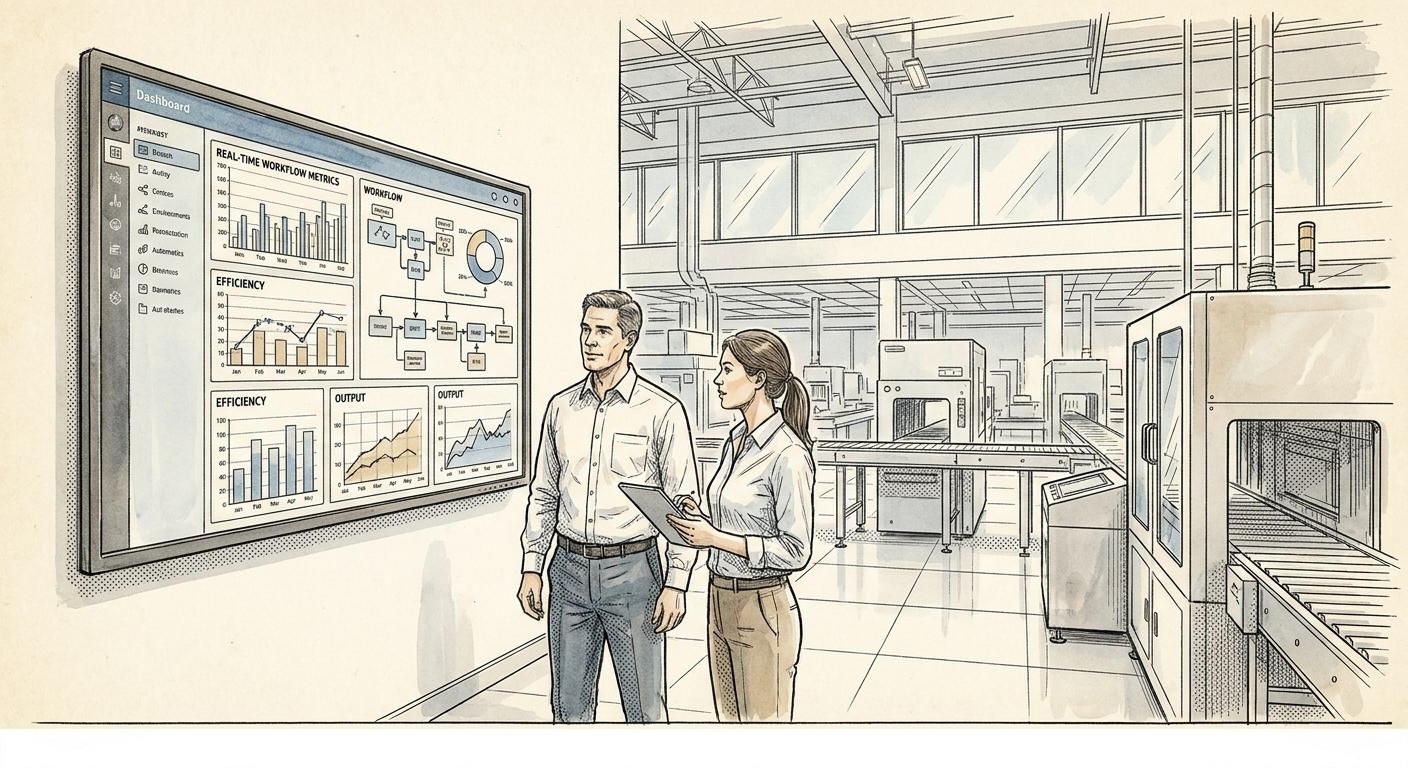
Operationalizing the Win: Integrating AI Alerts into the Plant Floor Workflow
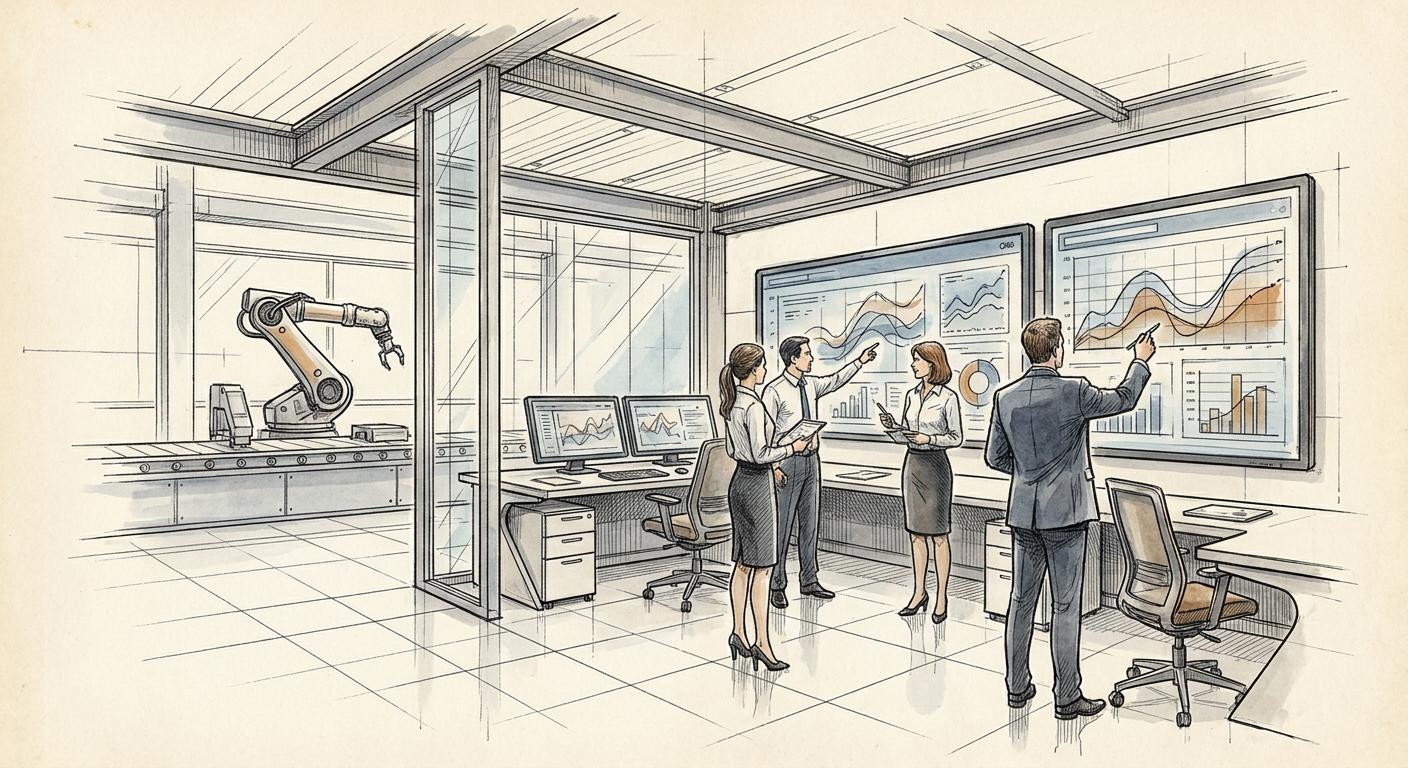
The most sophisticated AI model is useless if the maintenance lead ignores the alert because they’re "too busy." To hit the 15% downtime reduction target, AI insights must be embedded into the daily workflow.
This means:
Direct SMS/Email Alerts: Automated tickets sent to the maintenance CMMS.
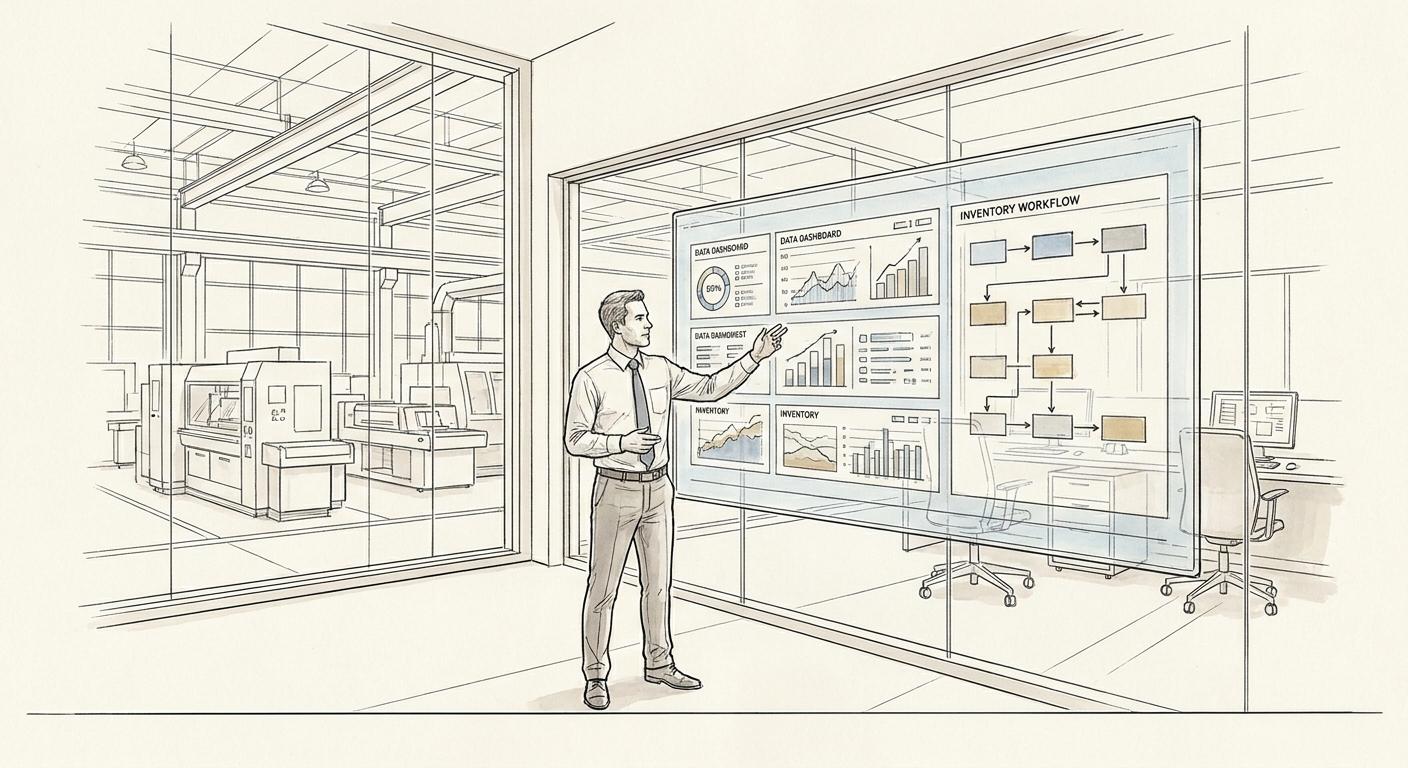
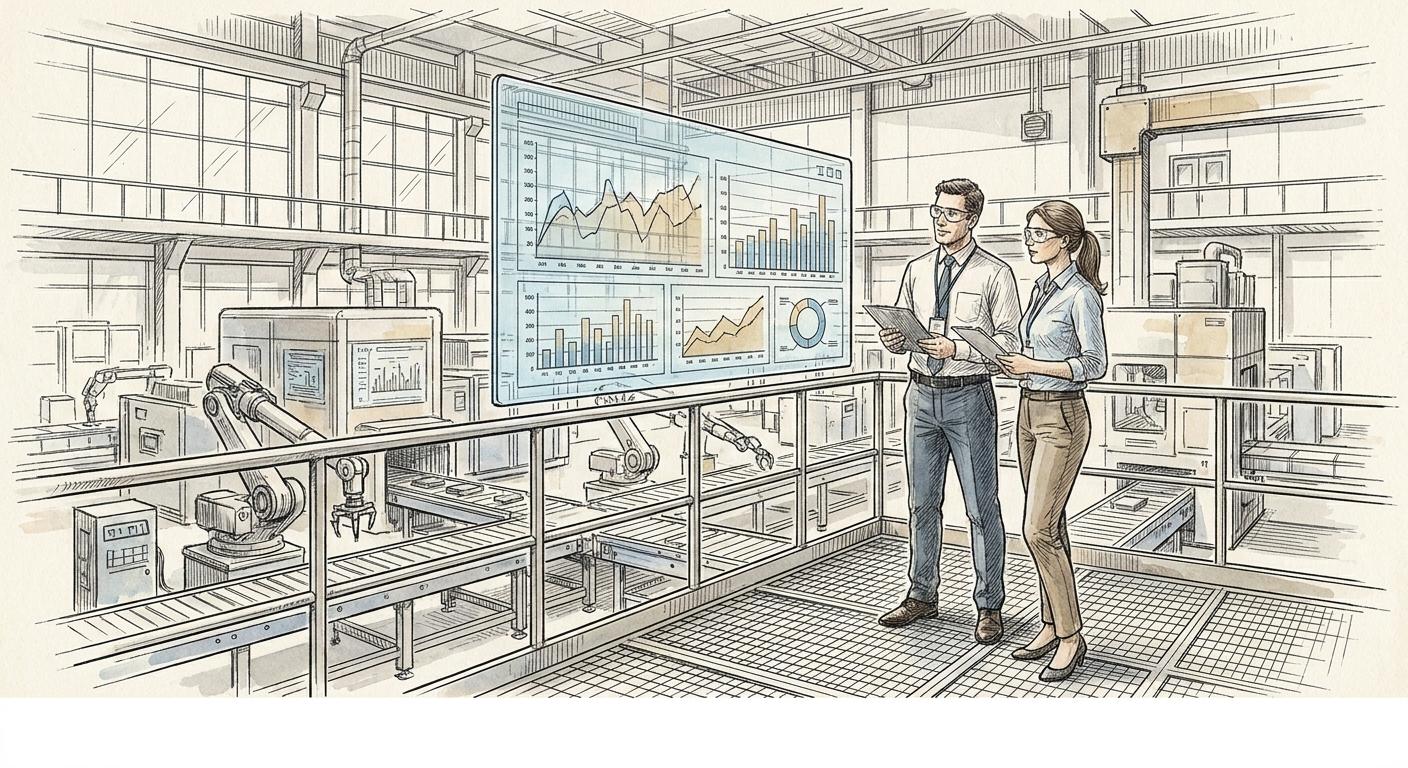
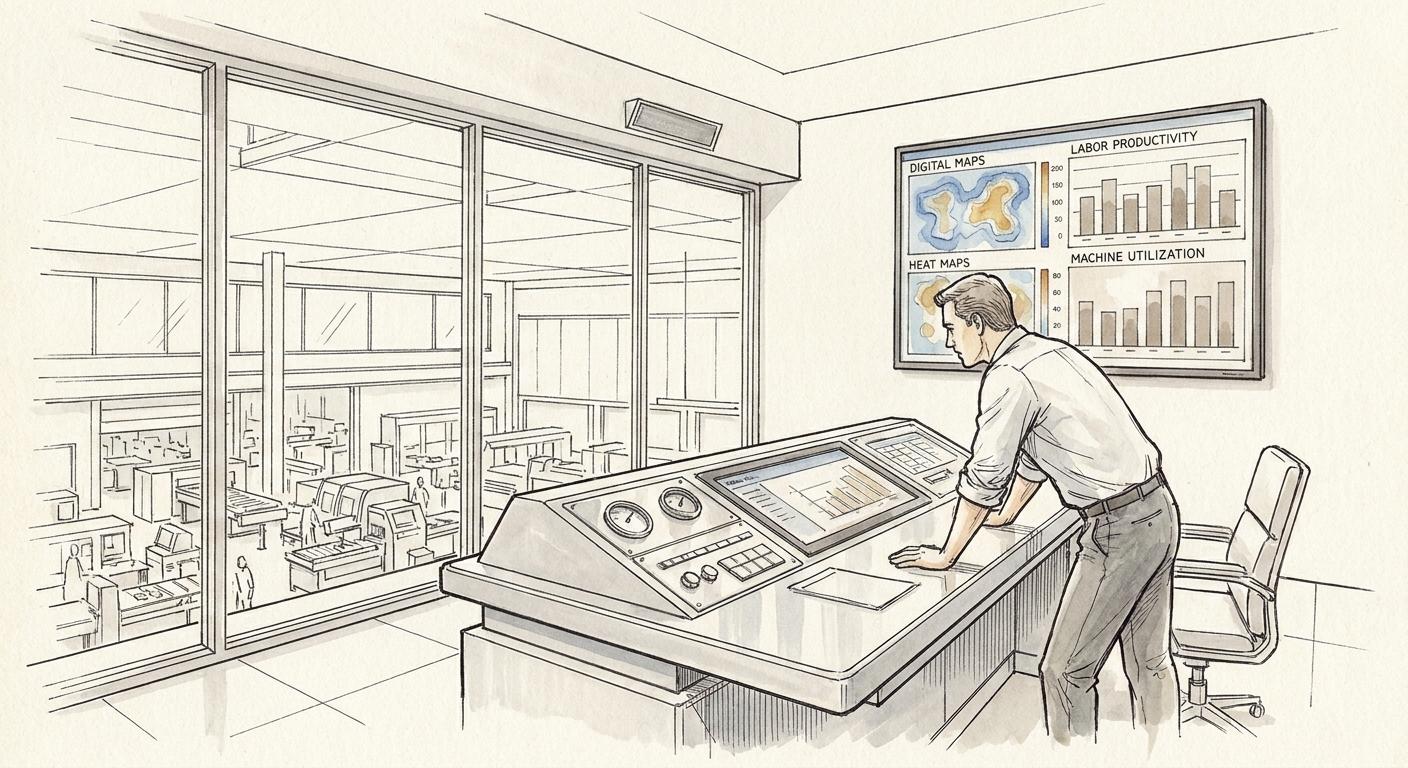
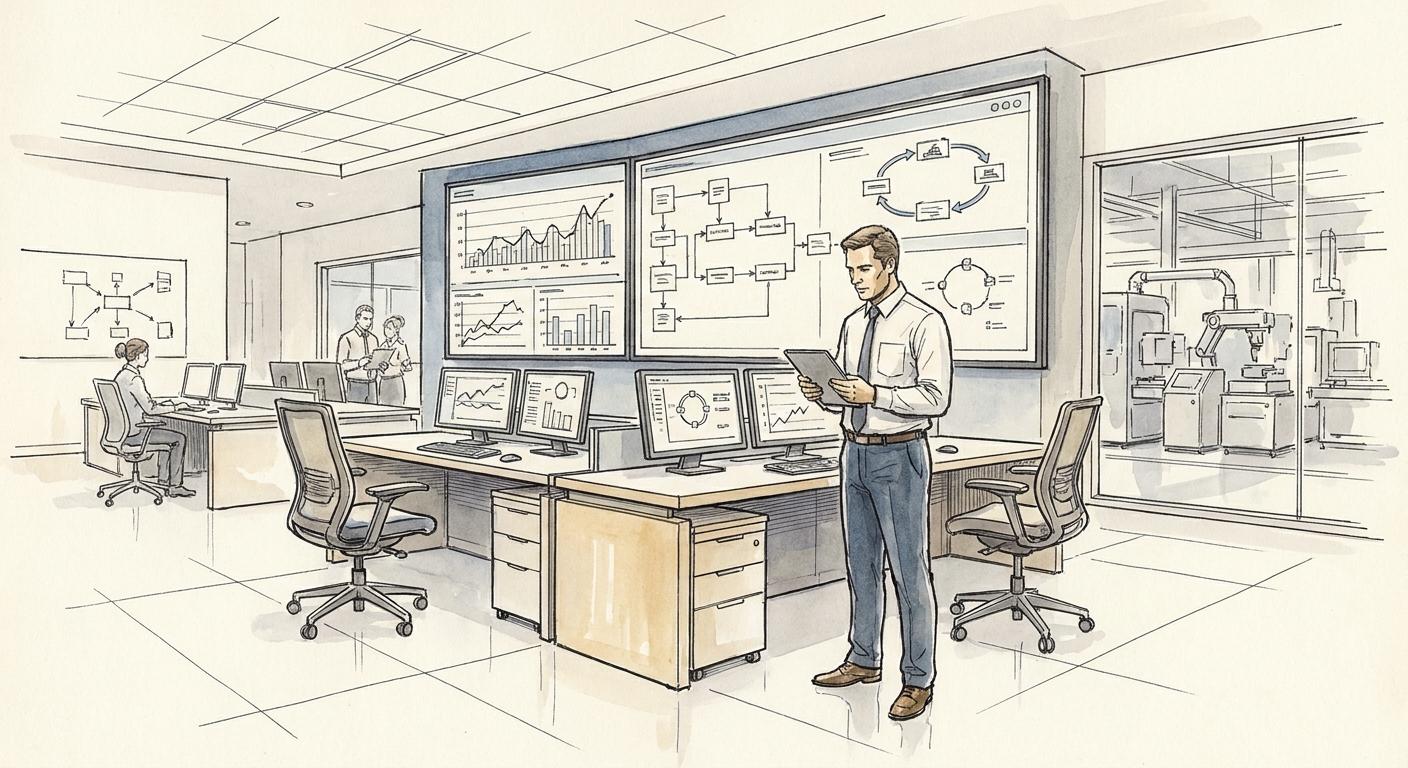
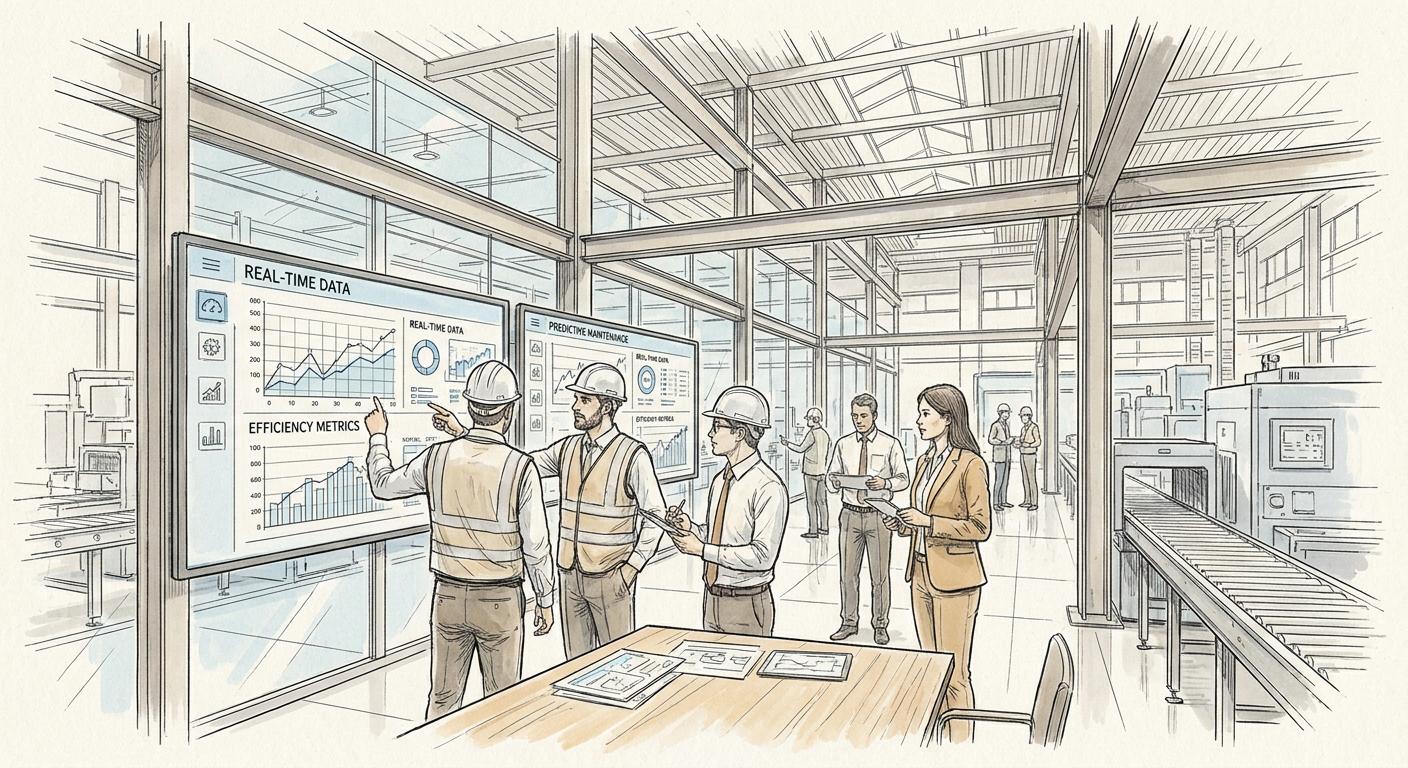
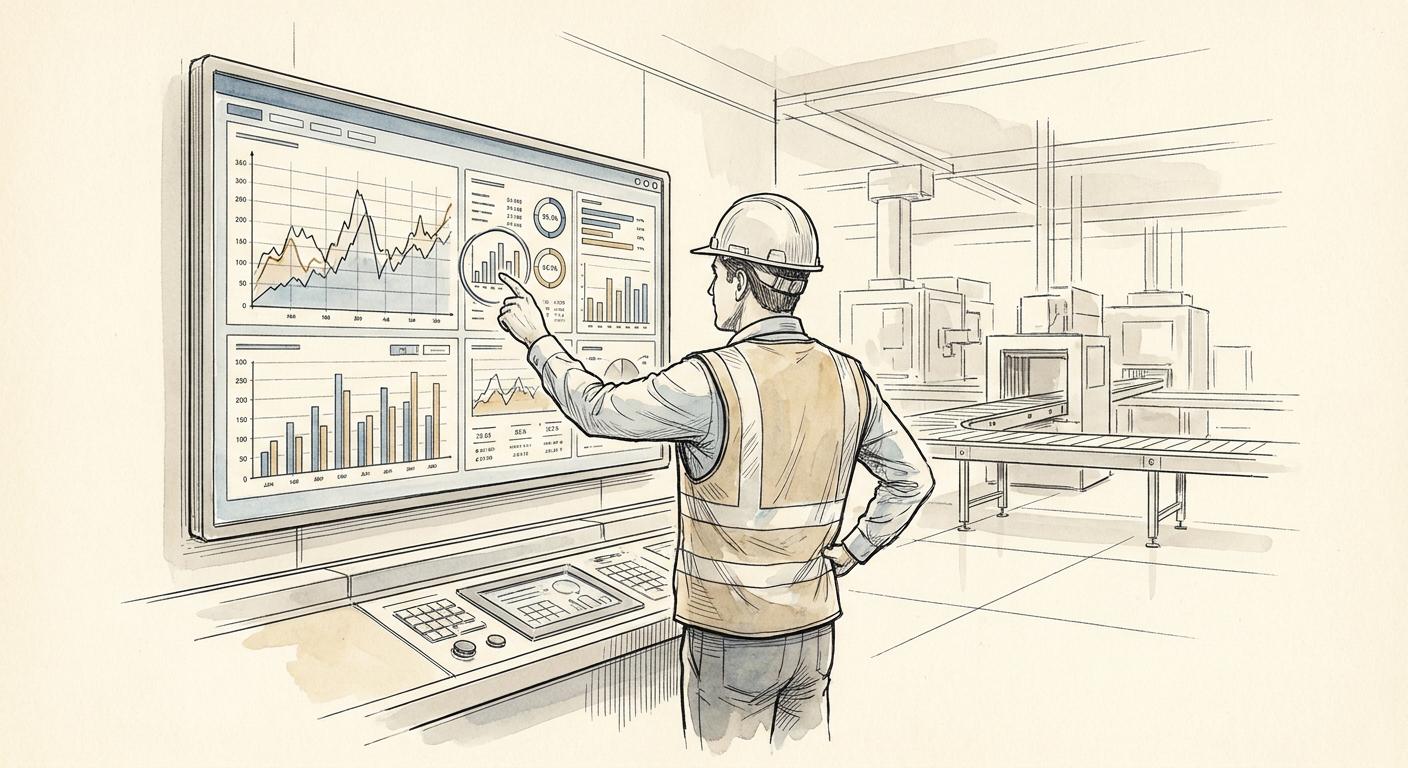
Red/Yellow/Green Dashboards: Visible on the shop floor to signal AI readiness.
Accountability Loops: Linking machine uptime metrics to floor supervisor KPIs.
When the team sees that the AI accurately predicted a bearing seizure on the VMC-40, the "buy-in" happens naturally. Trust is built on quick wins.
The 8-Week AI Sprint: Moving from Pilot to ROI
Speed is critical in a 18-36 month investment window. We recommend an 8-week "sprint" model to prove value creation:
Week 1-2: Identify the "Bad Actor" machine and install sensors.
Week 3-5: Data ingestion and baseline modeling.
Week 6-7: Pilot alert system and refine sensitivity.
Week 8: Measure time-to-value and calculate the ROI on avoided downtime events.
Starting with one high-impact machine prevents "analysis paralysis" and provides a clear case study for scaling across the entire portfolio.
FAQ
Can I use AI on CNC machines that aren't networked? Yes. By using external vibration sensor AI integration and current clamps, you can monitor the machine's physical state without ever connecting to its internal controller or PLC.
What is the typical ROI timeframe for predictive maintenance? Most plants see a measurable reduction in unplanned stops and a noticeable OEE optimization within 4 to 8 weeks of the initial sensor installation.
How do I add AI sensors to old CNC machines without a technician? Magnetic-mount IoT sensors and split-core current transformers can be installed by a standard plant electrician in under an hour per machine.
What is the primary cause of margin leakage in legacy shops? Unplanned downtime is the leader, followed closely by "scrap creep" caused by machines losing tolerance as components begin to fail - both of which are detectable via predictive AI.
Implementing AI on legacy equipment is about protecting your existing assets and stabilizing your margins.
If you are ready to eliminate unplanned stops, Book a Manufacturing Diagnostic at ifor.ai/solutions/manufacturing.