.svg)

Mid-market CEOs and Operating Partners often find their 100-day plans stalled by a lack of visibility across the newly acquired footprint. When disparate systems cannot communicate, ERP data harmonization becomes the primary barrier to realizing the investment thesis and driving early EBITDA improvements. This guide outlines how embedded AI eliminates the manual mapping bottleneck, providing the operational clarity required to scale margins and secure an "AI-ready" exit.
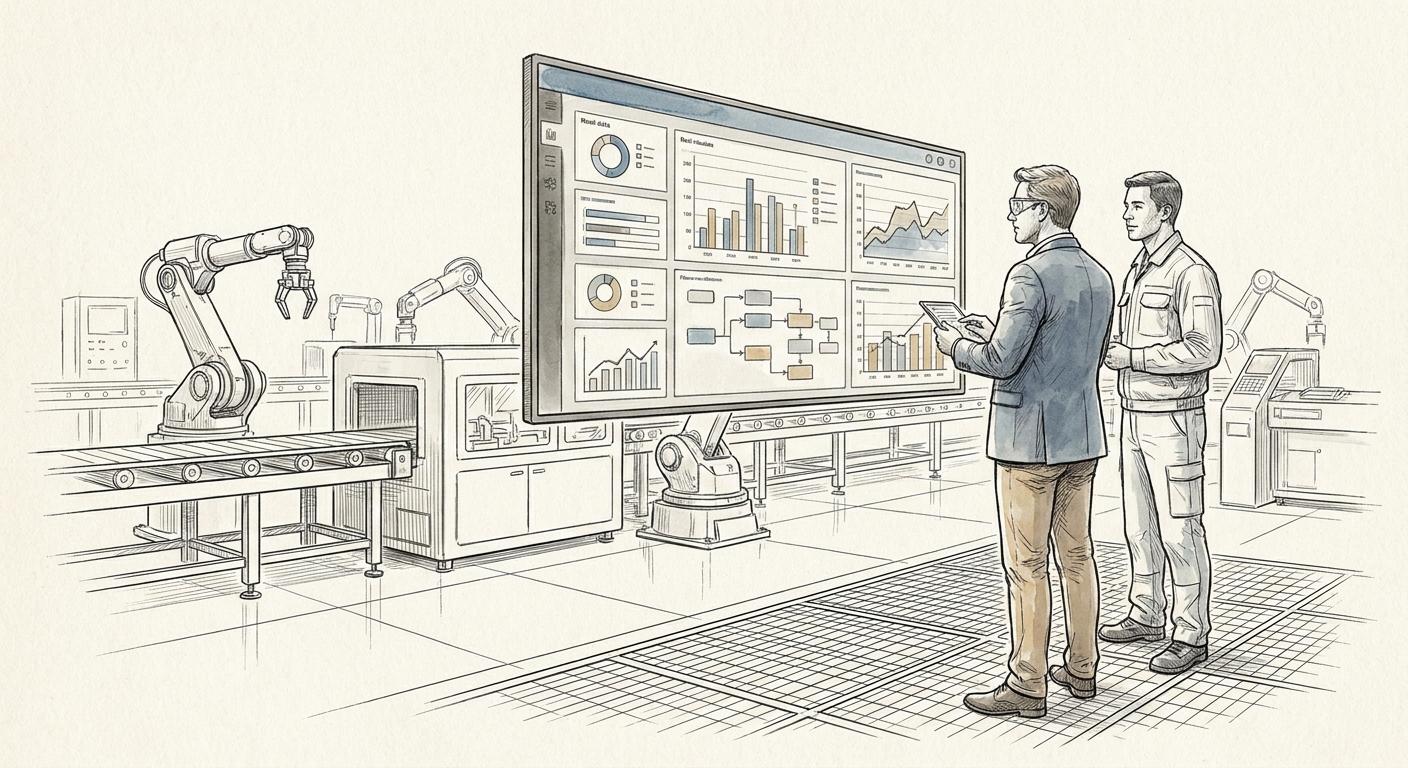
ERP Data Harmonization is the process of using AI and machine learning to automatically reconcile and standardize disparate data formats from multiple legacy systems into a single, unified operational view. By mapping schemas and cleaning master data without manual coding, it creates a "single source of truth" for cross-functional reporting and financial consolidation.
The Integration Bottleneck: Why Traditional ETL Fails the 100-Day Plan
Traditional Extract, Transform, Load (ETL) processes are a frequent source of delayed execution truth. In a typical bolt-on acquisition, the first 90 days are spent in "spreadsheet hell," where analysts attempt to manually map Part IDs, customer lists, and vendor data between the platform company and the new asset. This manual approach is slow, prone to error, and often requires expensive external consultants who lack deep operational context.
For a mid-sized manufacturer with three or four legacy systems, waiting for a full software consolidation can take 12 to 24 months. During this time, margin leakage occurs because the leadership team cannot see consolidated procurement spend or overlapping customer discounts. The investment window is too short to permit a two-year IT project before seeing a return. If you cannot measure the business on day 100, you are already behind on the value creation curve.
AI-Driven Data Harmonization vs. Legacy ERP Migration
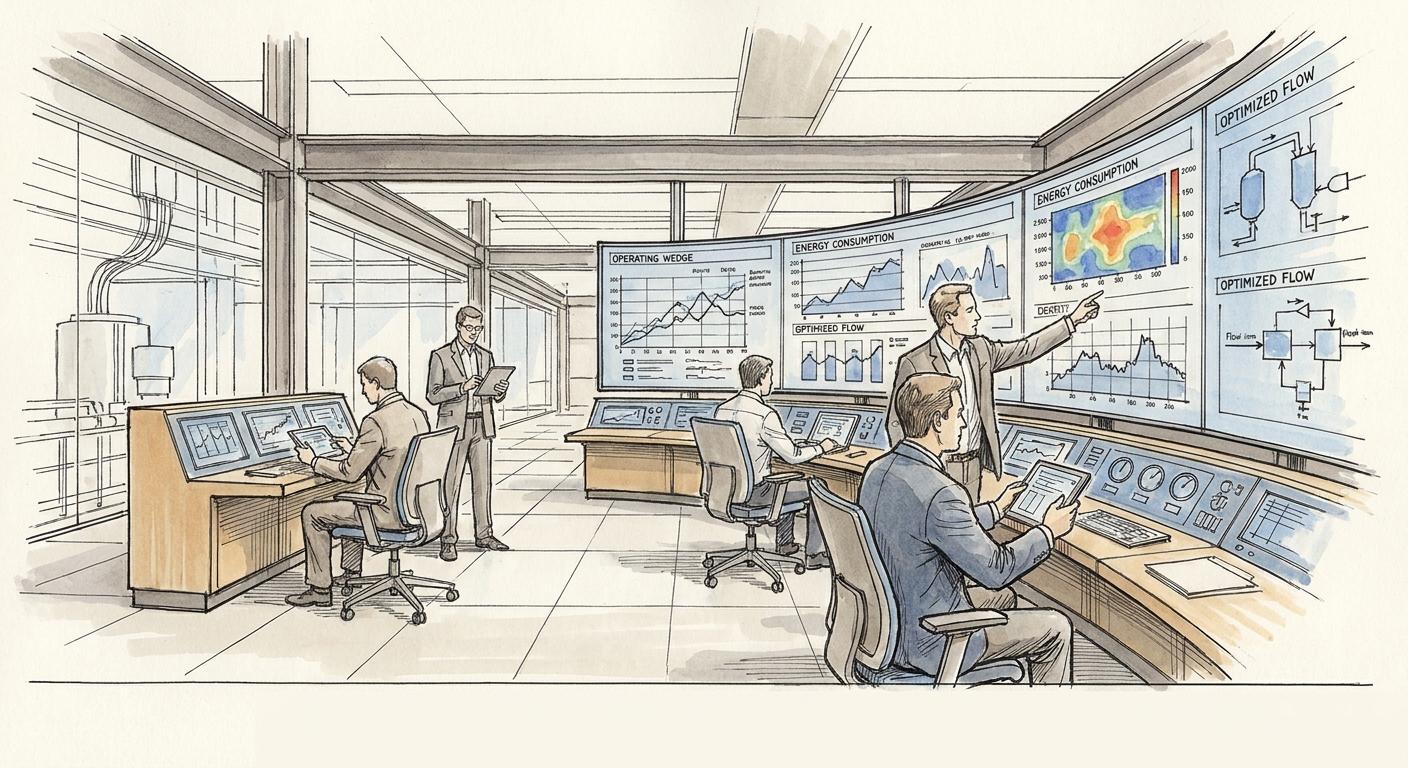
The old playbook insisted on a "ribbon cutting" ERP migration where every satellite plant moved to a central instance at once. Modern AI in private equity focuses instead on an operating wedge. Rather than moving all data, AI-enabled tools sit on top of legacy systems to harmonize data in real-time.
While legacy migrations focus on moving rows and columns, embedded AI focuses on intent and entity resolution. For instance, if "Plant A" calls a raw material "Steel-01" and "Plant B" calls it "SS-Grade-A," the AI recognizes these as identical entities based on historical transactions and technical specifications. This allows for a quick win in reporting without the $2 million price tag of a total system replacement.
Scaling EBITDA: The Direct Impact of Uniform Data on Operational Visibility
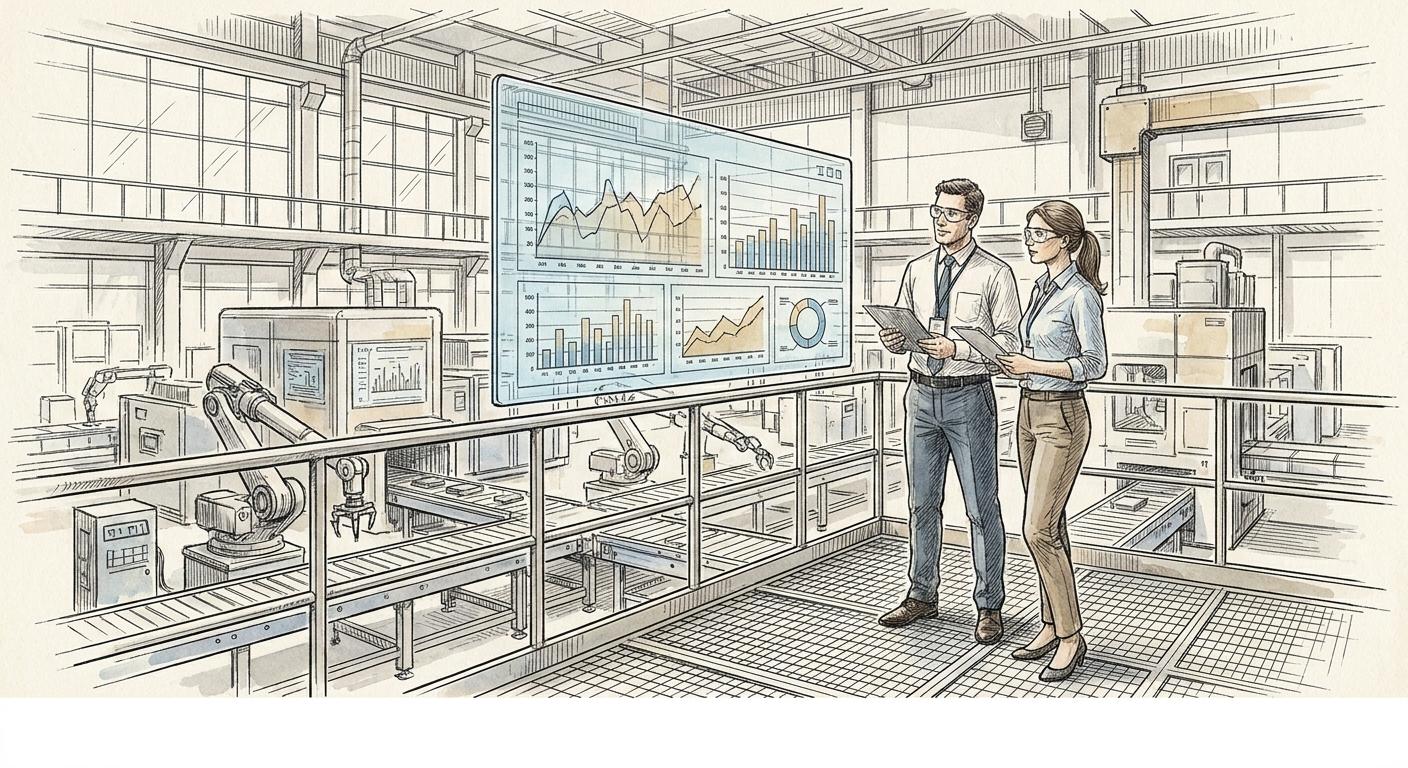
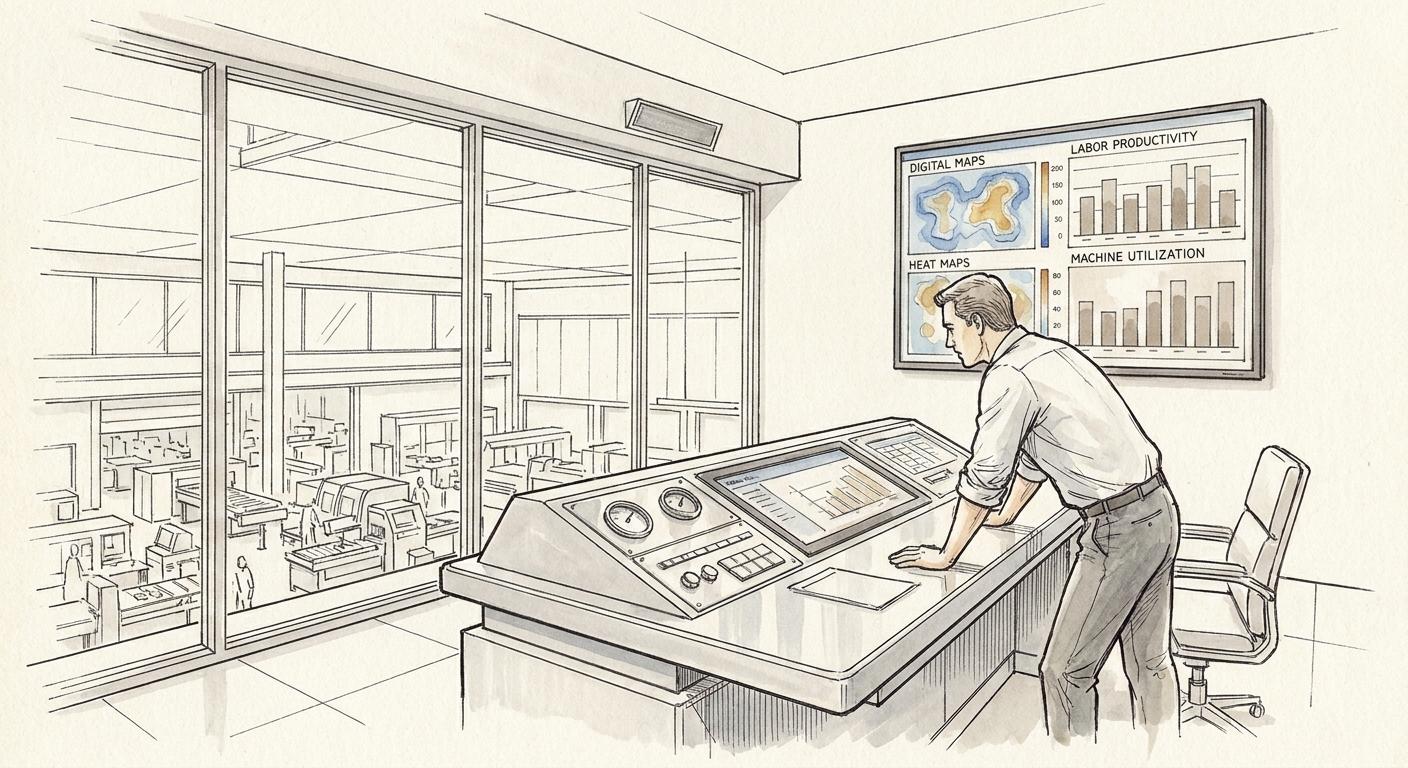
Unified data is not just an IT metric; it is a financial lever. When an Operating Partner can view a portfolio-wide estimate-vs-actual report, they can identify specific plants where labor efficiency is dragging down the aggregate EBITDA.
Procurement Leverage: Harmonized vendor data allows a CEO to aggregate spend across four regional entities to negotiate better terms with shared suppliers.
Pricing Integrity: Eliminating price variance across different business units ensures the company isn't competing against itself for the same customer.
OTIF Improvements: Real-time cross-plant visibility allows for production re-routing, ensuring OTIF (On-Time, In-Full) targets are met even if one facility faces a bottleneck.
A 250-employee job shop in Illinois recently used automated harmonization to reconcile 15 years of messy inventory records. By identifying 12% in duplicate "ghost stock," they freed up significant working capital within the first quarter post-acquisition.
The 8-Week Execution Framework for Portfolio CEOs
Achieving AI readiness does not require a massive cultural shift; it requires a disciplined execution framework focused on the highest-yield data points.
Weeks 1-2: Inventory & Scoping: Identify the two most critical KPIs for your investment thesis (e.g., Gross Margin by Category or Labor Utilization).
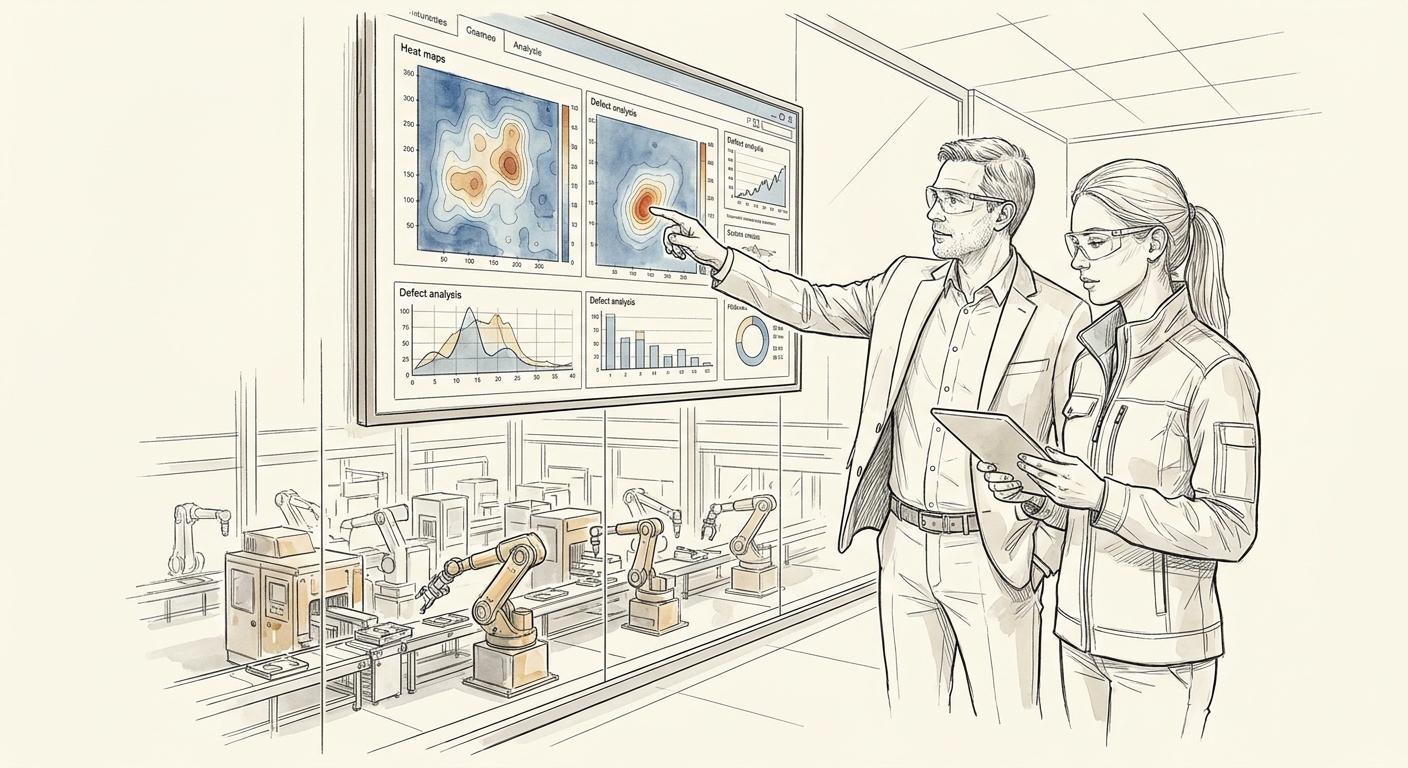
Weeks 3-5: The AI Operating Wedge: Deploy light-touch connectors to ingest data from legacy ERPs. Let the AI map the disparate schemas and flag "dirty data" for human validation.
Weeks 6-7: Refinement: Validate the job costing and SKU-level profitability reports against the trial balance.
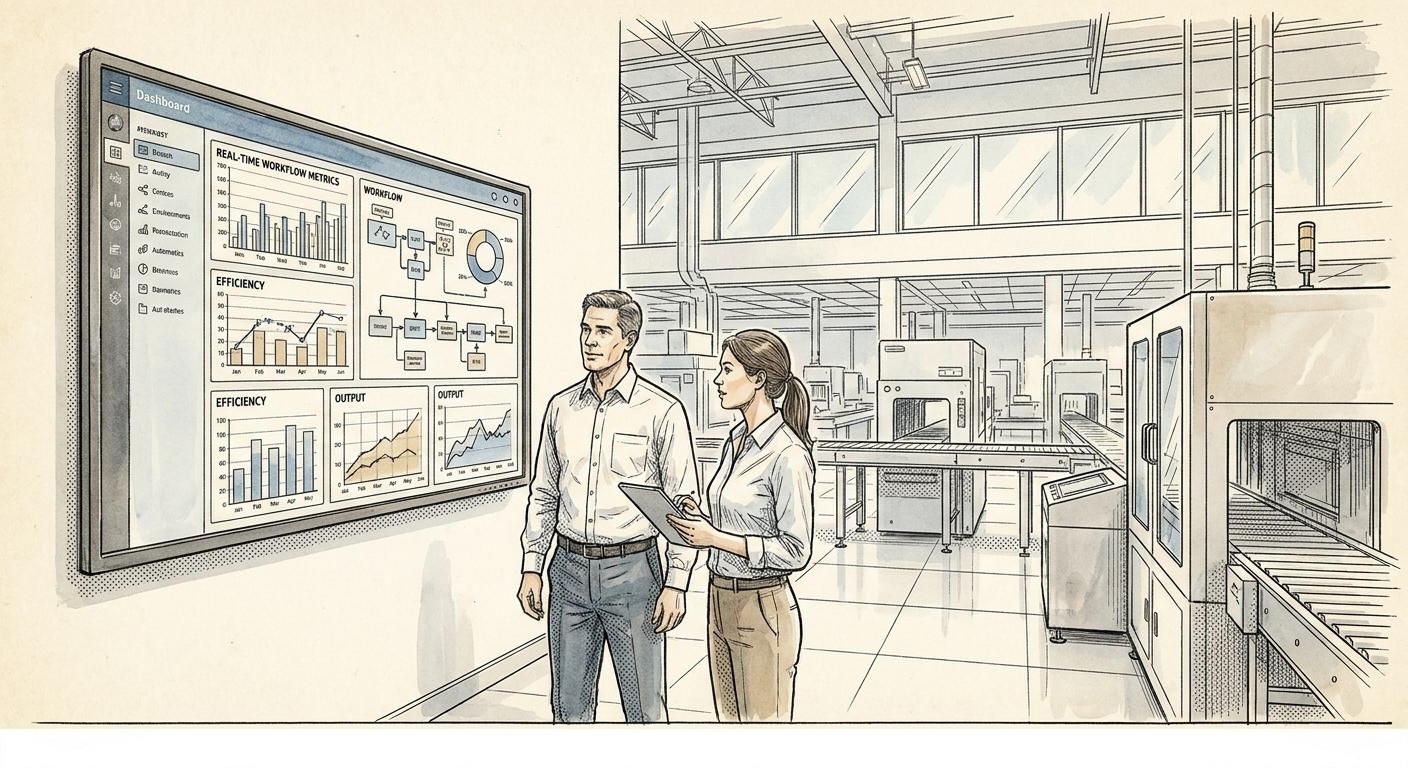
Week 8: Actionable Dashboarding: Push the harmonized data into a live BI tool for the Board and the Operating team.
This phased approach delivers time-to-value in weeks rather than years, allowing the CEO to make data-backed decisions while the competition is still debating the migration strategy.
De-risking the Asset: Preparing for an AI-First Exit
Clean data is a massive value-add during the exit phase. Buyers today are wary of "black box" financials or companies where the data is trapped in 20-year-old on-premise servers. By implementing a robust harmonization layer, you are effectively "pre-auditing" the business for the next buyer.
When a strategic acquirer or a larger PE firm conducts due diligence, a central, AI-validated data repository increases confidence in the reported numbers. It demonstrates that the business has high operating leverage and can scale further without adding headcount to the finance or IT departments. This transparency often leads to higher multiples and a smoother transition.
FAQ: ERP Data Harmonization & PE Value Creation
Does AI-enabled harmonization require a full ERP replacement? No. It acts as a digital overlay that pulls data from existing legacy systems, standardizing it in a cloud environment. This allows leadership to maintain current operations while gaining the visibility usually reserved for a single-ERP environment.
What is the typical time-to-value for AI data projects in PE? Unlike traditional multi-year ERP implementations, an AI-driven harmonization project typically delivers its first set of actionable reports within 4 to 8 weeks. This timing aligns perfectly with the 100-day plan found in most PE value creation strategies.
How does harmonized data impact EBITDA growth specifically? It drives EBITDA by identifying hidden cost savings in procurement, reducing manual administrative labor for reporting, and enabling more aggressive pricing strategies through a clear view of customer-level profitability.
Is my data too "messy" for AI to be effective? AI thrives on messy data. Machine learning algorithms are specifically designed to find patterns in inconsistent naming conventions and incomplete records that would take human teams months to untangle manually.
To drive faster EBITDA growth and eliminate data silos across your portfolio, prioritize operational transparency today.
Book a Manufacturing Diagnostic at ifor.ai/solutions/private-equity