The Innovation Lab Trap: Why AI Pilots Struggle to Scale
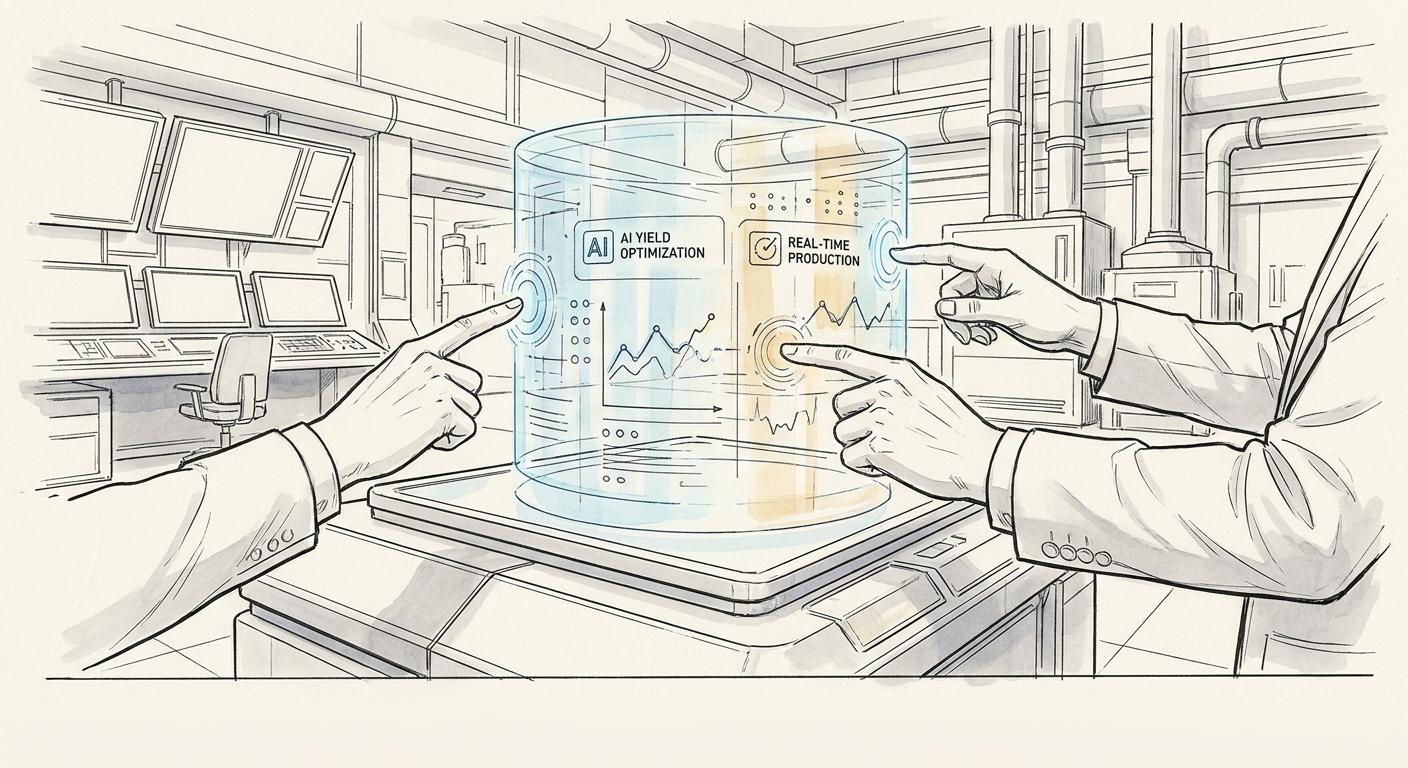
Many organizations invest in artificial intelligence (AI) prototypes, often developed by dedicated innovation teams. These prototypes can appear promising in demonstrations, showcasing potential returns on investment (ROI). However, a common challenge arises when attempting to integrate these prototypes into live operational environments, such as customer relationship management (CRM) systems or marketing platforms. Issues like unreliable Application Programming Interfaces (APIs), unrefined data, and a lack of user-friendliness can hinder adoption and prevent successful deployment. This recurring issue is often referred to as the Innovation Lab Trap, where promising AI initiatives fail to transition from experimental stages to practical application.
The Sandbox Problem: Why Isolated AI Development Can Fail
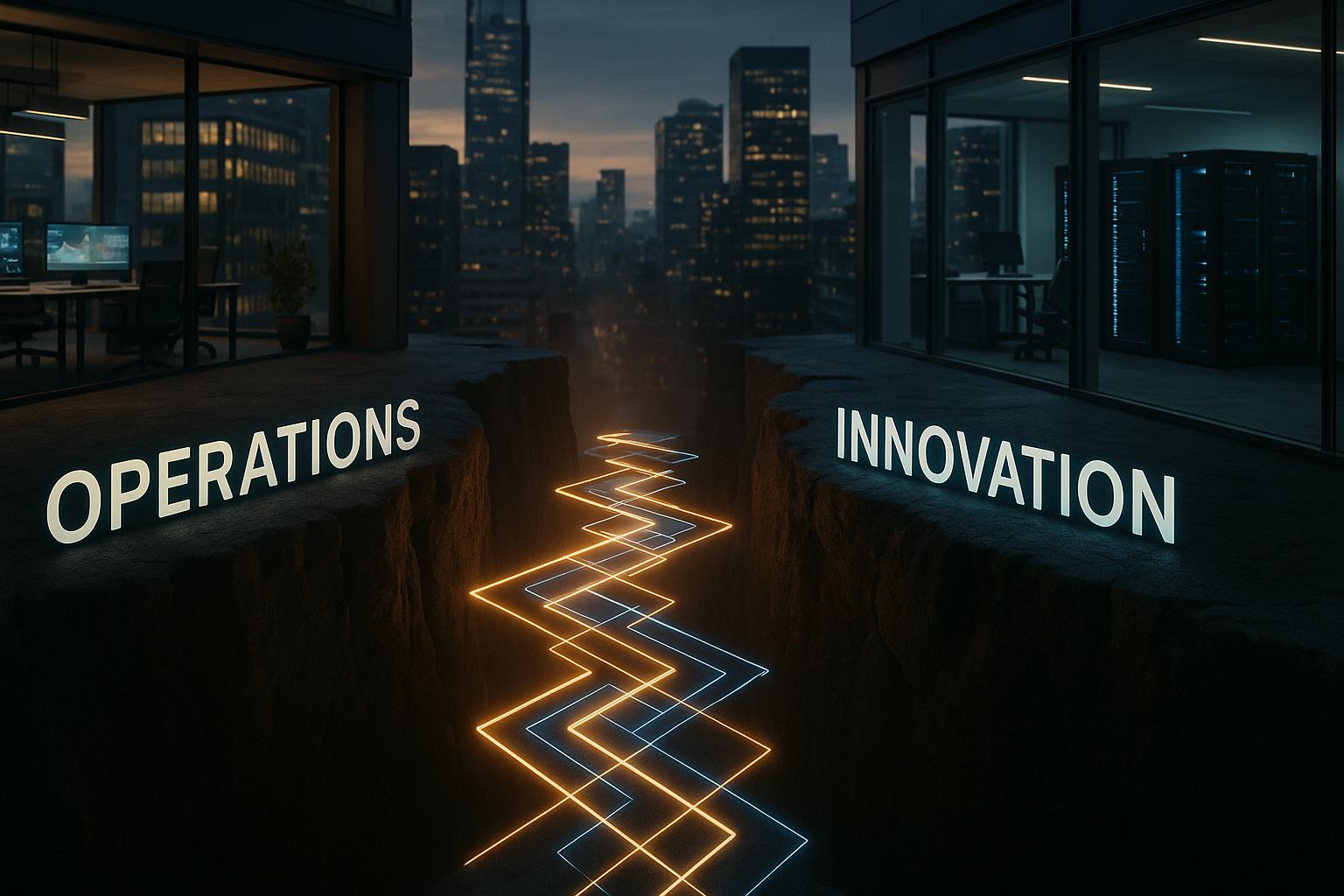
A common strategy for managing the perceived risks of AI development involves isolating innovation teams. These teams are often given separate budgets and tasked with developing AI solutions independently. While this approach aims to mitigate risk, it can inadvertently create a significant disconnect: a lack of operational context.
AI models developed in controlled environments, using clean, static datasets, may perform well. However, they often encounter difficulties when exposed to the dynamic, fragmented, and real-time data streams characteristic of live business operations, such as those found in FinTech or SaaS companies. Effective AI integration requires solutions that function as integral parts of existing infrastructure, rather than standalone projects.
Key Obstacles to AI Implementation
Several factors commonly impede the progress of AI initiatives:
- Data Reality vs. Data Theory: A primary challenge involves transitioning from curated datasets, often used in development, to live, integrated data pipelines. Many promising AI pilots falter when confronted with the "noise" and complexity of actual production data, which can prevent scaling.
- Workflow Friction: For AI tools to be adopted, they should enhance existing workflows, not complicate them. If a new AI solution requires employees to manually transfer data between systems, user adoption is likely to be low. Successful AI integration means embedding these tools directly into current operational processes.
- The Ownership Gap: Projects originating in isolated innovation labs may not be fully embraced by relevant business departments. Without a clear business leader championing the initiative, navigating the organizational complexities required for full-scale deployment becomes significantly more difficult.
From Research & Development to Product Transformation
To realize a tangible return on AI investments, organizations often need to shift their perspective from treating AI as a scientific experiment to viewing it as a product transformation. This involves integrating AI agents and workflows directly into existing technological stacks, including cloud infrastructure, data systems, and daily operational processes.
The focus should be on moving from theoretical research and development (R&D) to practical, functional delivery. This means bridging the gap between initial demonstrations and deployed solutions that contribute measurable value.
Moving AI Initiatives into Production
AI generates value when it moves beyond the experimental phase and begins to address real-world challenges for users. If AI innovation efforts are perceived as a cost center rather than a driver of growth, it may indicate a need to re-evaluate the development and deployment strategy.
The goal is to transition from continuous experimentation to effective execution. For organizations ready to advance their AI strategy from isolated development to active production, exploring partnerships that facilitate this transition can be beneficial. The aim is to transform prototypes into high-performing, ROI-driven systems.