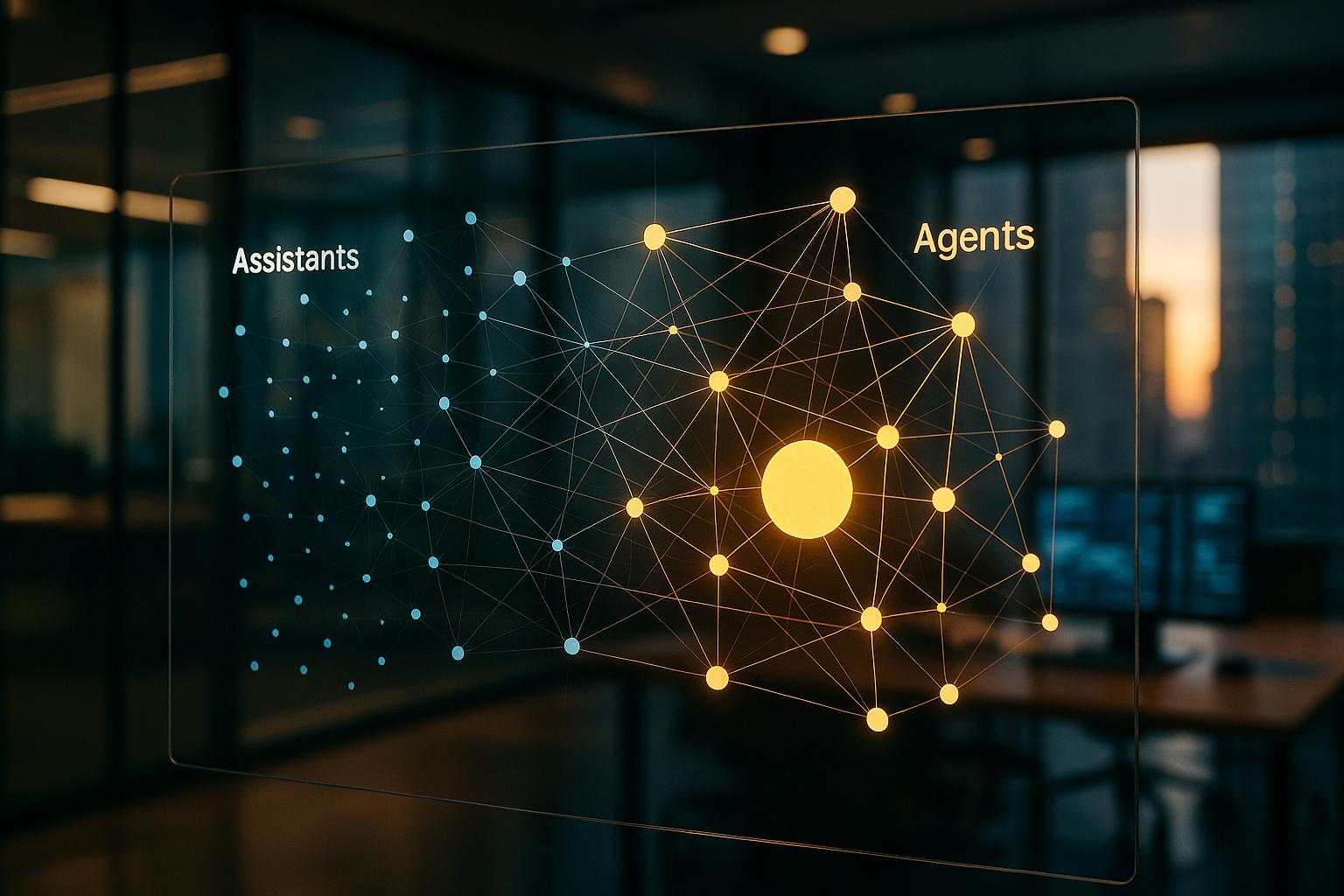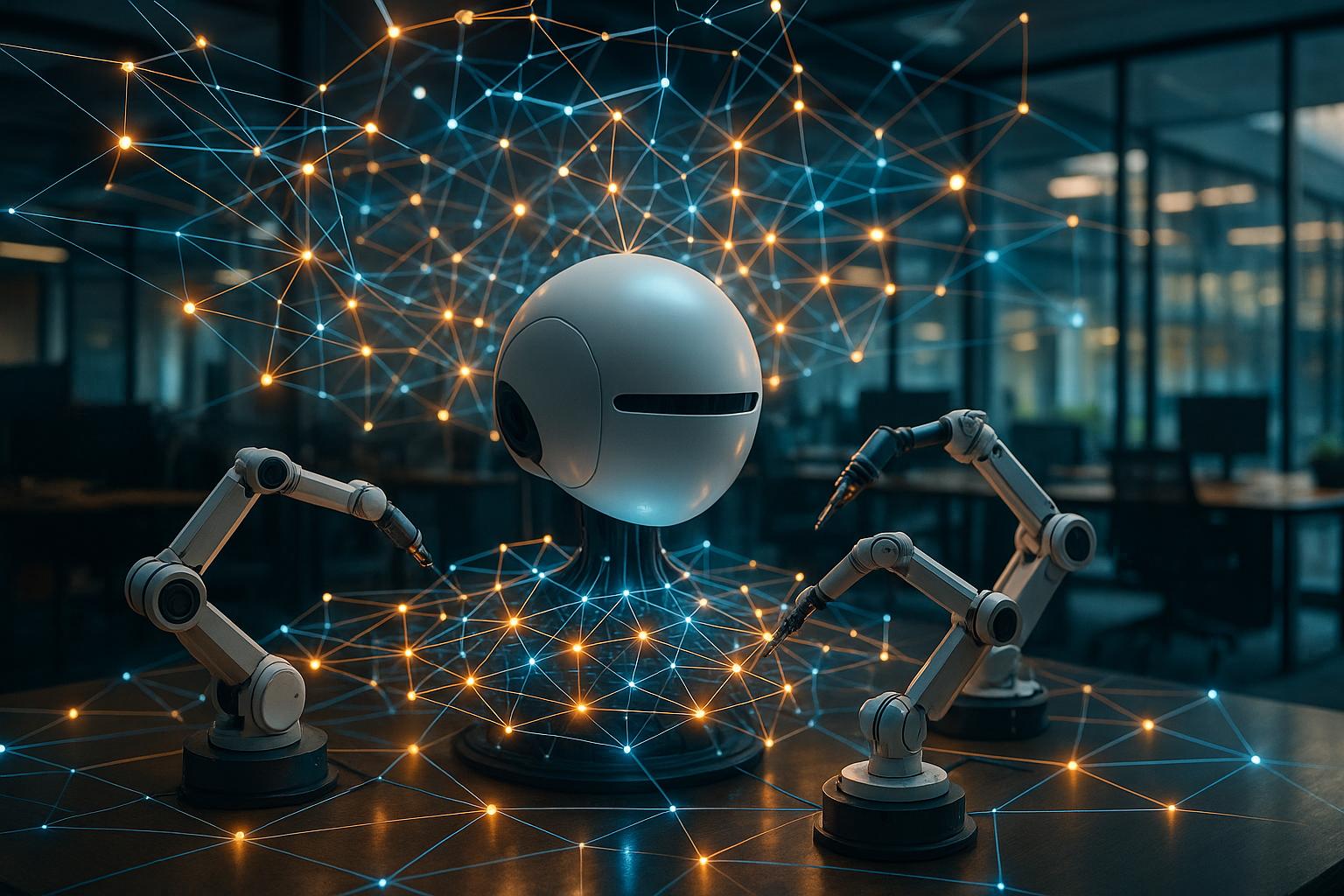
The trajectory of generative AI is shifting. We are moving beyond "AI as a search engine" toward AI as an operator. This evolution is poised to redefine how software is developed, tested, and maintained.
Anthropic recently highlighted this shift with its "Computer Use" capability, enabling its AI model, Claude, to interact with a desktop environment much like a human. This is more than an incremental update; it signifies a fundamental change. For business leaders, this marks the point where AI transitions from a sophisticated assistant to a functional member of the engineering team.
From Suggestions to Self-Sufficiency
Historically, AI coding tools, such as GitHub Copilot or earlier versions of large language models, functioned primarily as advanced "autocomplete" systems. While valuable, they required significant human intervention: developers still had to copy code, set up terminals, run tests, and manually debug errors.
Anthropic's autonomous approach alters this dynamic. By allowing the AI to view screens, control cursors, and execute commands directly within an operating environment, the agent can iterate on a problem until it reaches a solution. For founders and product leaders, this means AI isn't just providing a recipe; it's actively engaged in the development process.
Why This Matters for Mid-Market Tech
For organizations with 100 to 1,000 employees, a common challenge isn't a shortage of ideas, but rather technical debt and limited engineering resources. Roadmaps are often filled with high-value features, yet teams can be constrained by maintenance tasks or resource limitations.
Autonomous coding agents can address these constraints in several key ways:
Accelerated Prototyping: The time required to validate a new feature or proof-of-concept can potentially decrease from weeks to days.
Engineering Force Multiplier: Senior engineers can dedicate more focus to high-level architecture and security, while autonomous agents manage repetitive integration tasks and routine bug fixes.
Enhanced Operational Agility: Automation extends further up the value chain, tackling complex workflows that previously demanded manual, high-touch intervention.
Driving ROI: From Experimentation to Execution
Many organizations initially approach AI as an experimental tool rather than a core infrastructure component. A key challenge today is not just enabling an agent to write code, but integrating that agent safely and effectively into existing CI/CD pipelines, security protocols, and workflows.
To achieve measurable ROI, leadership can transition from fragmented experimentation to a structured AI Maturity Framework. This involves identifying specific use cases where autonomous agents excel—such as quality assurance testing, documentation generation, or legacy code migration—while maintaining rigorous human oversight in critical areas.
The Bottom Line
The development of autonomous AI agents suggests that barriers to complex software development are becoming more permeable. The strategic question for leadership teams is evolving from whether to automate product cycles to how quickly and effectively this can be achieved without compromising control or stability.
Ready to move from AI concepts to functional systems?
At iForAI, we assist mid-market leaders in bridging the gap between strategic vision and technical implementation. If you're exploring how autonomous agents can integrate into your product roadmap, consider a consultation with our team to discuss turning these technological advancements into tangible business outcomes.