

.svg)

Operating Partners managing complex manufacturing portfolios often find themselves trapped in a cycle of "death by a thousand tail-end products." While the first 100 days focus on headcount and procurement, the persistent drag on EBITDA often stems from bloated product catalogs that legacy ERP systems cannot effectively parse. AI SKU rationalization offers a repeatable mechanism to identify these margin-dilutive items by analyzing cross-functional data that traditional spreadsheets miss. This guide explores how advanced analytics move beyond simple 80/20 rules to drive significant value creation and working capital optimization across the portfolio.
AI SKU Rationalization is the application of machine learning algorithms to evaluate product performance by integrating disparate data points such as sales velocity, total landed cost, and production complexity. Unlike manual audits, this approach identifies the "hidden" costs of inventory - including labor overhead and freight volatility - to pinpoint which products should be Harvested, Optimized, or Eliminated to maximize portfolio margin expansion. The Margin Trap: Why Manual SKU Pruning Fails the 100-Day Plan Traditional SKU rationalization usually involves an analyst pulling a "Sales by Part" report and applying a standard Pareto analysis. The problem is that revenue does not equal contribution margin. Manual pruning often overlooks the inventory carrying costs and the operational friction caused by low-volume, high-complexity parts that disrupt production schedules.
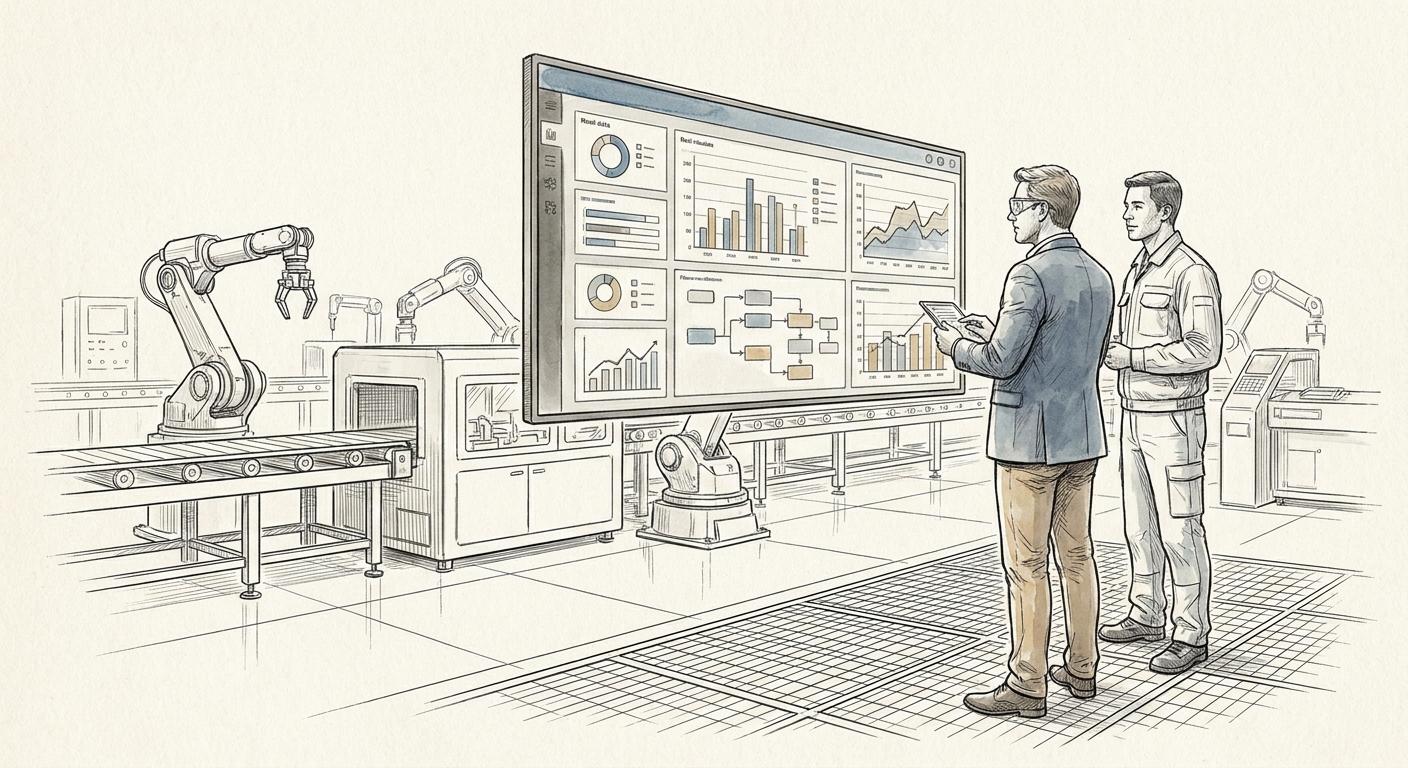
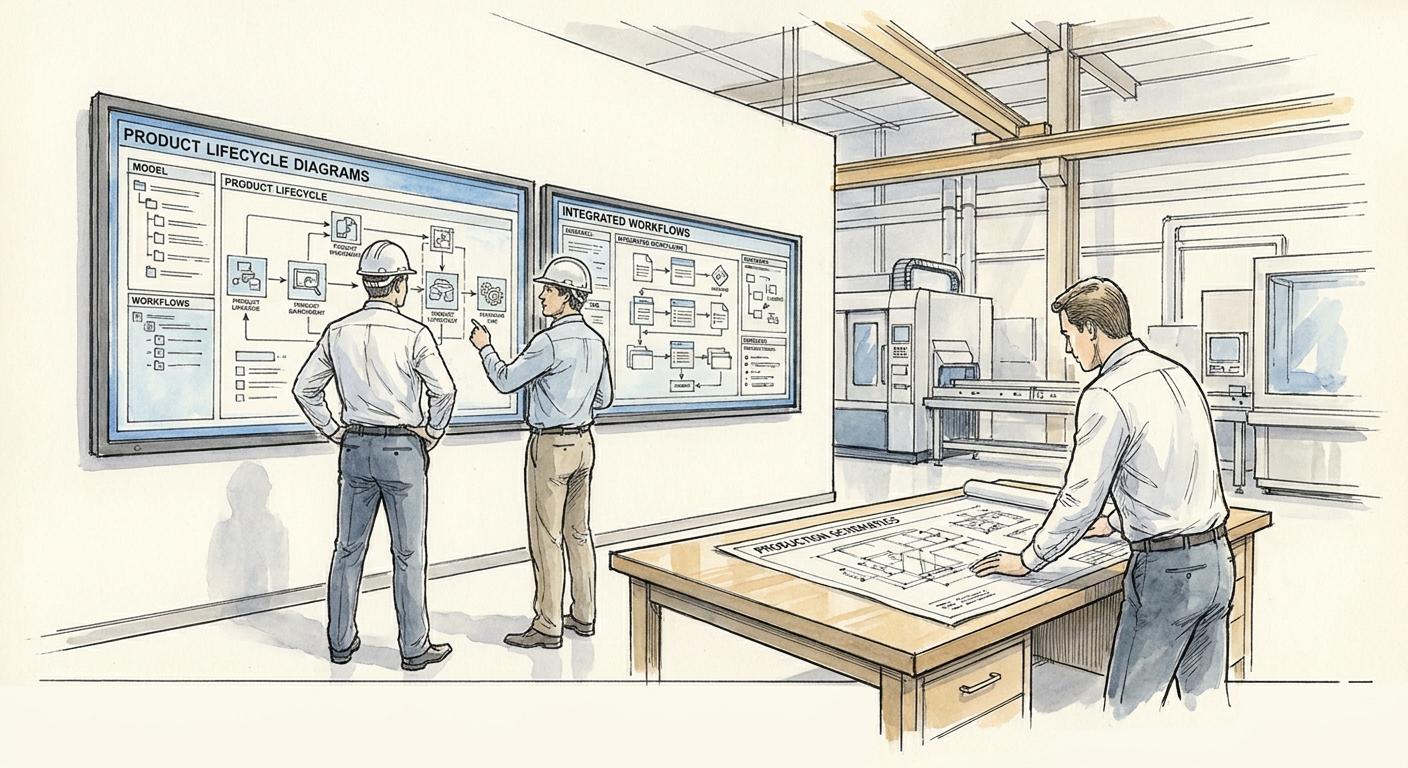
Legacy ERP systems are notoriously poor at capturing the "true cost" of a SKU. They rarely account for the setup time required on the factory floor or the disproportionate customer service effort required to manage small-batch orders. When Operating Partners rely on these incomplete datasets, they either cut too deep and damage customer relationships or, more commonly, fail to move the needle on EBITDA improvement. This inability to see the full cost stack results in margin leakage that persists long after the initial post-acquisition restructuring. From Complexity to Clarity: The AI-Driven Approach to SKU Sentiment Advanced analytics allow PE firms to move toward data-driven product pruning by creating a multidimensional view of every SKU. Instead of looking at a single metric, an AI model ingest data from the ERP, the MES, and even external logistics providers. It maps COGS, freight, specialized labor, and lead times to generate a "profitability sentiment" for every item in the catalog.
This process uncovers items that appear profitable on an invoice but are EBITDA-negative when accounting for the total operating leverage required to produce them. For example, a mid-tier SKU might require a specific raw material with a volatile lead time, forcing the company to tie up excessive cash in safety stock. AI identifies these correlations, allowing leadership to see how inventory simplification directly influences working capital optimization. At iForAI, we have seen this level of visibility reduce manual customer service effort by 60% and transform validation times from minutes to seconds by removing the "noise" from the system. Operationalizing Rationalization: Moving Beyond the "Delete" Key Successful SKU rationalization is not just about deleting parts; it is about strategic execution. The output of an AI model provides a roadmap for executive decision-making that protects OTIF (On-Time, In-Full) metrics. This is the operating wedge that separates a generic consultancy from an execution partner.
Operating Partners can use these insights to initiate "price or exit" conversations with customers. If the AI reveals that a specific low-volume SKU is driving up the estimate-vs-actual gap in production costs, the portco CEO has the data to justify a price hike or transition the customer to a standardized alternative. This data-backed approach prevents the "delayed execution truth" that often occurs when sales teams push back against SKU reduction for fear of losing accounts. The 90-Day Value Creation Milestone: iForAI’s Execution Framework The pressure to deliver results within a 2-to-3-year investment window makes long-term IT projects unfeasible. iForAI’s AI Starter Package for PE is designed to address this by delivering a live production use case in 8-12 weeks. We don't spend months on strategy; we focus on time-to-value.
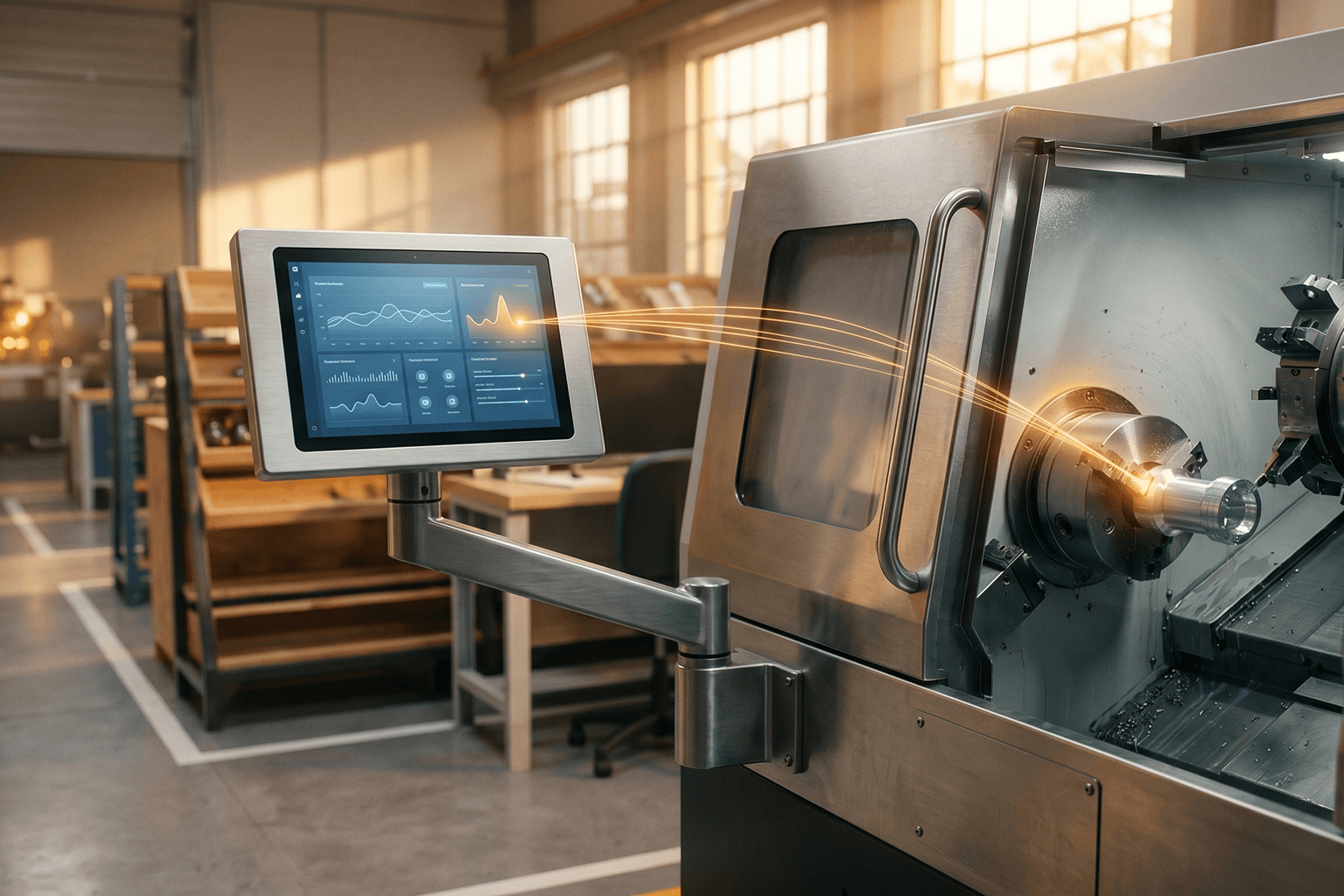
By entering through the PE firm and expanding across the portfolio, we create a repeatable AI playbook. In the first 60 days, we ingest the portco's transactional data to identify the first wave of "quick win" rationalization targets. By day 90, the management team has a live dashboard that reflects real-time margin improvements as the "tail" is pruned. This speed is critical for LP reporting and provides a measurable boost to the bottom line before the next board meeting. Exit Readiness: How a Simplified SKU Architecture Increases Multiple When it comes time for an exit, a streamlined product architecture is a significant asset. Prospective buyers look for scalable operational models, not businesses bogged down by thousands of legacy parts and complex supply chains. Demonstrating that a portco has achieved AI maturity through an embedded SKU rationalization process signals to the market that the business is optimized for growth.
A lean catalog improves the exit multiple by proving that the EBITDA is high-quality and sustainable. It shows that the company has mastered its job costing and can maintain high margins without constant manual intervention. By presenting a data-backed product portfolio, PE firms can defend their valuations more effectively during the due diligence process. AI SKU Rationalization FAQs How quickly can AI SKU rationalization show results? Using iForAI’s execution model, initial data ingestion and the first "pruning roadmap" are delivered within 60 days. This allows firms to begin realizing EBITDA improvements and working capital release by the following quarter.
Does this require a complete ERP overhaul? No. AI acts as an execution layer that sits on top of your existing MES and ERP systems. It extracts and cleanses the necessary data to provide insights without the need for a multi-year, high-risk IT infrastructure project.
What is the primary benefit of AI for SKU rationalization in private equity? The primary benefit is the acceleration of the value creation plan. AI identifies margin expansion opportunities that manual audits miss, allowing Operating Partners to capture EBITDA growth and optimize working capital faster than traditional methods.
How does SKU optimization impact exit readiness? A streamlined SKU architecture reduces operational complexity and proves the business has a scalable, data-driven culture. This maturity often leads to a higher exit multiple by reducing perceived risk for the next buyer.
Integrating AI into SKU management turns a defensive necessity into a proactive value creation lever. By focusing on high-impact data and rapid execution, PE firms can transform their portcos from high-complexity laggards into high-margin leaders.
Learn about the AI Starter Package at ifor.ai/solutions/private-equity