

.svg)

On-time, in-full (OTIF) failures are rarely the result of a single machine breakdown. For a mid-market manufacturer, poor delivery performance usually stems from a compounding series of scheduling gaps that traditional ERP systems cannot resolve. AI predictive scheduling offers a path to close these gaps by identifying production friction before it hits the shipping dock. This guide provides a strategic checklist for Portfolio CEOs to deploy predictive tools that drive EBITDA improvement and expand the operating wedge within a typical 18-36 month investment window. The OTIF-EBITDA Link: Why Predictive Scheduling is a High-Yield Wedge In a PE-backed environment, OTIF is more than a customer service metric; it is a direct lever for enterprise value. When a 200-employee job shop in the Midwest misses delivery dates, the result is more than just a dissatisfied client. It leads to margin leakage through expedited shipping fees, overtime premiums to catch up, and unabsorbed overhead.
Operating partners view OTIF as a proxy for operational maturity. Improving delivery performance from 82% to 92% doesn't just stabilize the top line - it increases the exit multiple by proving the business can scale without linear head-count growth. By using AI predictive scheduling, leadership can reduce the "hidden factory" of constant rescheduling, allowing the plant to run leaner and with higher operating leverage.
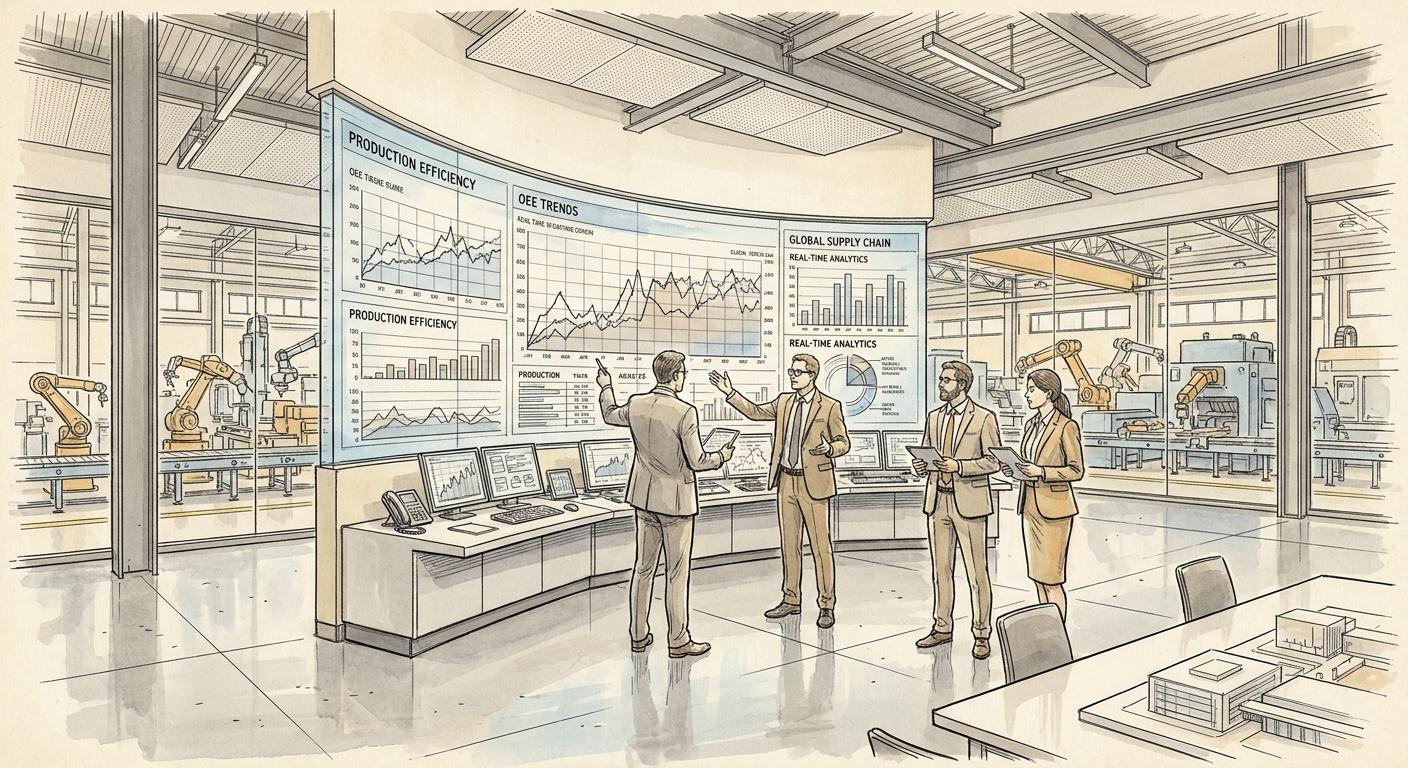
Predictive scheduling in manufacturing is a process where AI models analyze historical job data, machine uptime, and labor constraints to forecast production delays. Unlike traditional static scheduling, it provides real-time adjustments to protect OTIF margins by highlighting bottlenecks before they result in delayed execution truth. Step 1: Assessing Data Readiness Without the Infrastructure Overhaul Many CEOs hesitate to adopt embedded AI because they believe their data is too messy or their ERP is too old. This is a misconception that delays value creation. Most mid-market firms already possess the three core data pillars required for a quick win: historical job durations, Bill of Materials (BOM), and past shippable dates.
To achieve a 4–8 week time-to-value, focus on "good enough" data. The AI does not need a pristine database; it needs specific visibility into estimate-vs-actual variances. If your team can export a CSV of the last six months of production runs, you have enough to begin production bottleneck identification. The goal is to layer AI on top of existing systems rather than undergoing a multi-year ERP replacement that eats into the investment lifecycle. Step 2: Evaluating the 'Black Box' vs. Augmented Intelligence The primary risk in deploying AI on the shop floor is cultural resistance. If a plant manager feels the tool is a "black box" making arbitrary decisions, they will revert to Excel. A successful AI predictive scheduling rollout must prioritize augmented intelligence - tools that suggest the "next best action" rather than overriding human expertise.
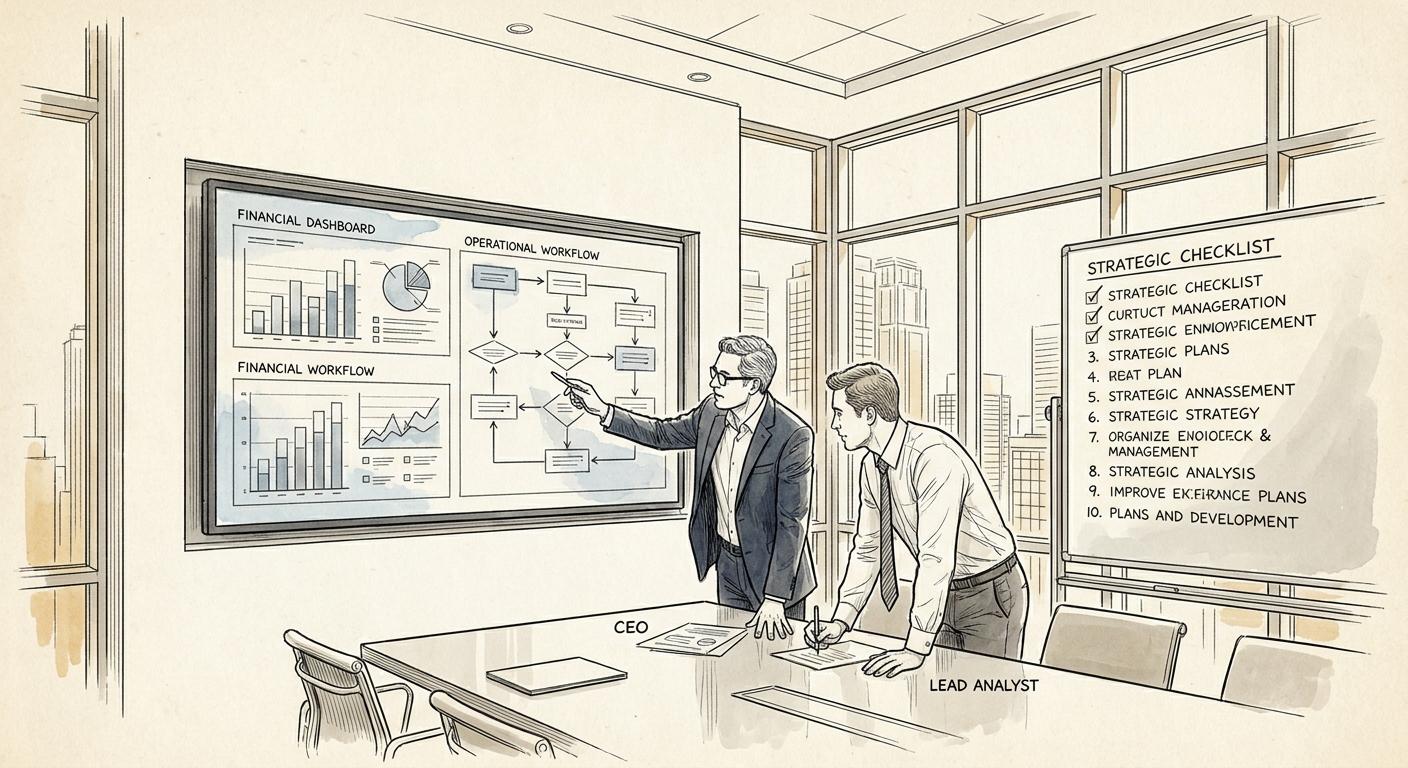
Checklist for evaluating the solution:
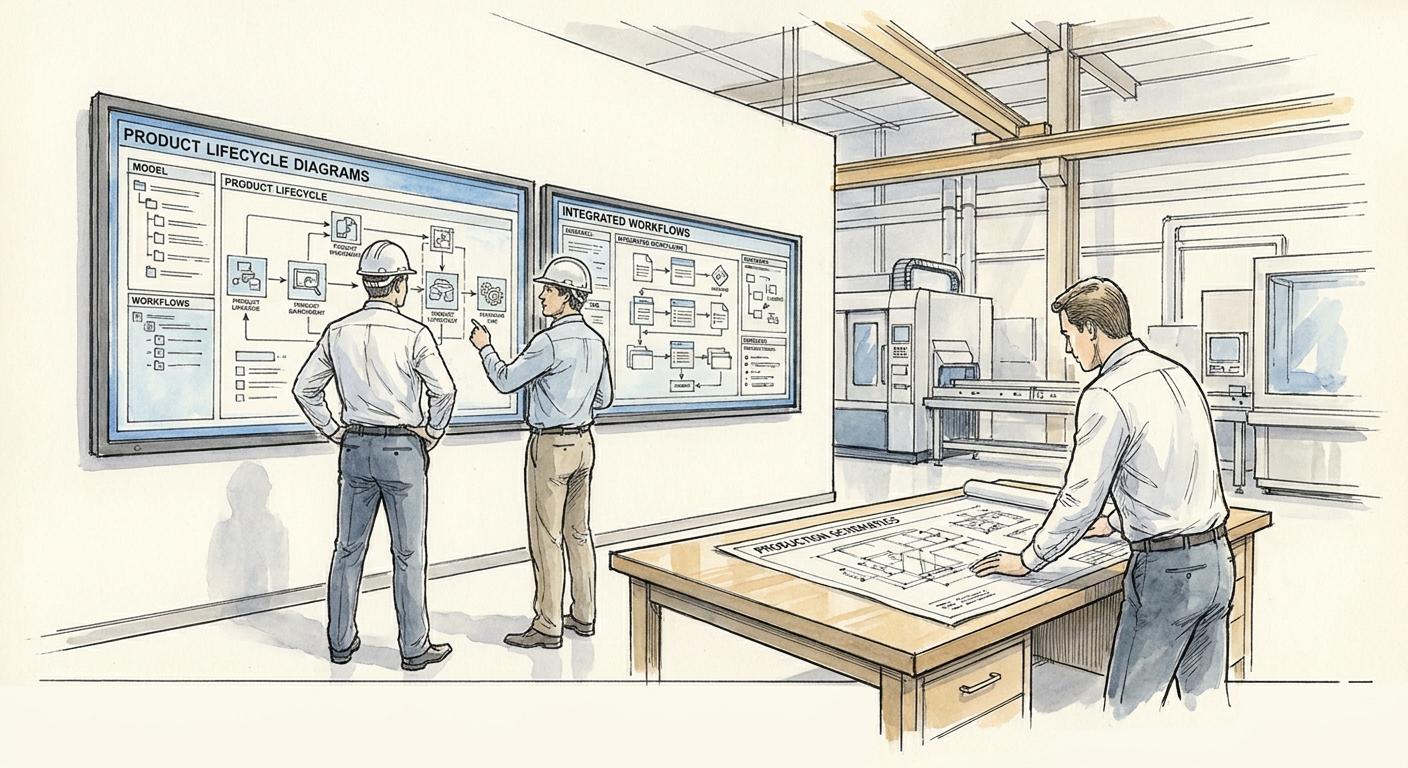
Does it explain why a shift was recommended (e.g., "High probability of tool failure on Line 4")? Can it run "what-if" scenarios for unplanned downtime? Does it integrate with existing workflows to minimize training friction?
Solutions that focus on shop floor optimization through transparency outperform those that attempt total automation. You are looking for a tool that serves as a high-fidelity GPS for your production supervisor, not an autopilot. Step 3: Execution Over Installation (The Operating Wedge) Strategy in private equity is only as good as the speed of execution. To drive EBITDA improvement, the transition from software procurement to measurable impact must happen in under 60 days. This requires a "pilot and pivot" mindset.
Identify one high-margin, high-complexity product line where job costing is currently erratic. By applying predictive models to this specific "operating wedge," leadership can demonstrate a quick win that builds internal buy-in. Once the pilot shows a reduction in work-in-progress (WIP) levels and a stabilization of OTIF, the model can be scaled across the remaining facility. This phased approach ensures that technical debt does not accumulate while the clock is ticking on the fund's hold period. The 10% OTIF Growth Audit: Key Questions for Your Ops Team To gauge your current AI readiness and identify where delivery margins are being lost, ask your VP of Operations these five questions:
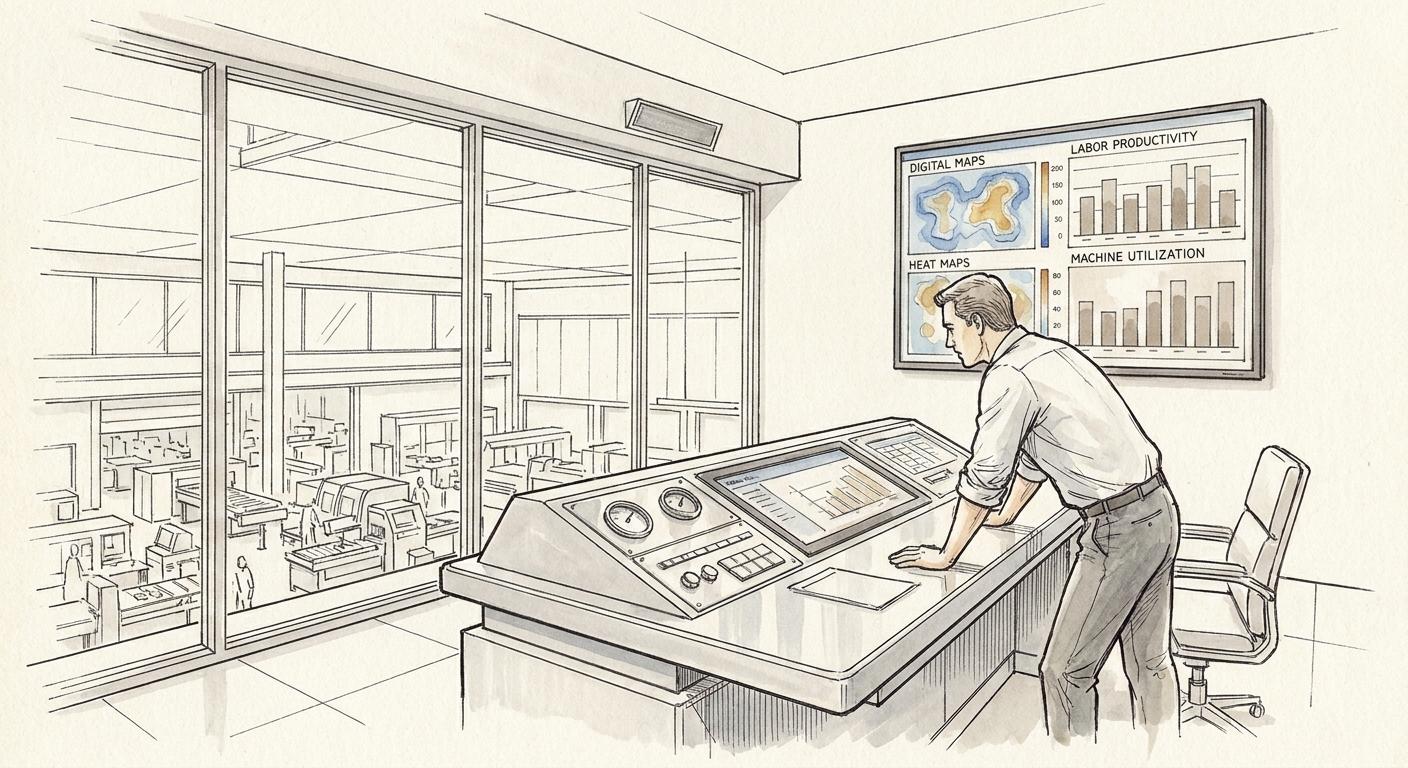
What is the current variance between our estimated lead times and the actual time-to-ship for our top 20% of SKUs? How many manual touches does a production schedule require between Monday morning and Friday afternoon? If we lost our three most senior shop floor leads tomorrow, could we still hit our monthly shipments? Do we know our true machine utilization rate, or are we relying on "gut feel" estimates from floor supervisors? What was the total cost of expedited freight and unplanned overtime in the last quarter?
These questions cut through the fluff and focus on the delayed execution truth that often hides in standard reporting. FAQ How long does it take to see an OTIF improvement using AI? Initial results typically emerge within 4–8 weeks when using the "operating wedge" model. By targeting a specific high-friction production line for a pilot, leadership can see measurable reductions in cycle time and schedule volatility before a full-site rollout.
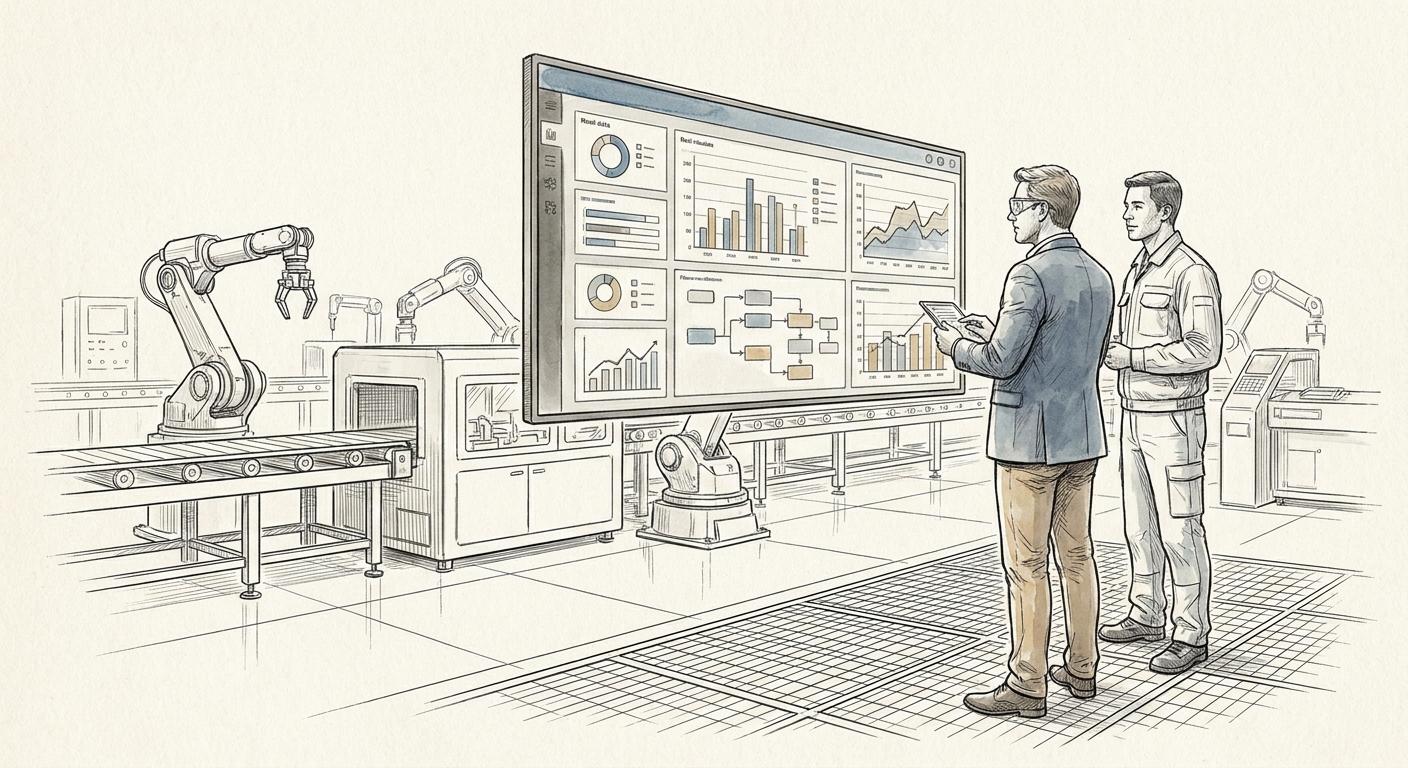
Does AI scheduling require replacing our existing ERP? No. Most effective AI tools function as an embedded AI layer that sits on top of existing ERP or MES systems. They ingest existing data to provide better forecasting and optimization without the cost or risk of a total infrastructure replacement.
How does predictive scheduling impact manufacturing EBITDA? It improves EBITDA by reducing the costs associated with "fire-fighting," such as overtime, expedited shipping, and excess inventory buffers. Additionally, better job costing accuracy allows for more aggressive pricing and higher throughput without adding fixed costs.
What is the difference between traditional scheduling and AI predictive scheduling? Traditional scheduling is reactive and relies on fixed assumptions about capacity. AI predictive scheduling is proactive, using machine learning to account for variables like operator efficiency, machine wear, and supply chain delays to provide a realistic production plan.
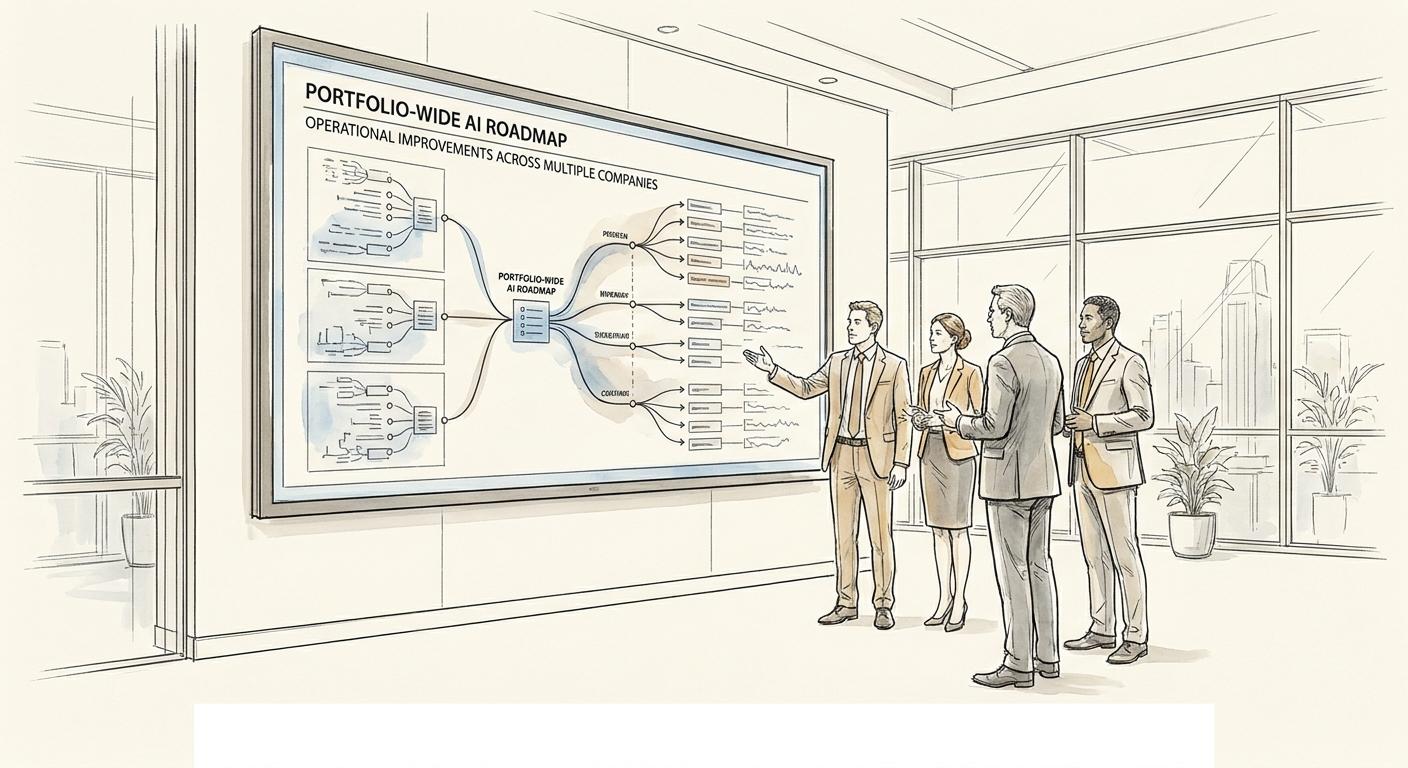
Through focused application of these checklists, CEOs can stabilize operations and ensure the portfolio company is positioned for a high-multiple exit.
To evaluate your portfolio's digital maturity, book a Manufacturing Diagnostic at ifor.ai/solutions/private-equity.