

.svg)

Middle-market COOs frequently face a disconnect between the master schedule and the actual shop floor reality, leading to margin leakage from excessive overtime and poor equipment utilization. Integrating AI production scheduling manufacturing allows operators to move beyond static spreadsheets and rigid ERP logic to dynamically optimize capacity. This article explores how algorithmic scheduling identifies hidden bottlenecks, aligns the workforce to machine availability, and provides a measurable operating wedge to expand margins without significant capital expenditure.
AI Production Scheduling manufacturing is a machine-learning-based approach to shop floor management that dynamically balances machine capacity, labor availability, and material constraints to maximize manufacturing throughput in real-time. By analyzing historical performance and current constraints, it creates a resilient execution plan that adjusts as disruptions occur. The Mid-Market Scheduling Gap: Why Legacy ERPs Fail the COO Most mid-cap manufacturers still rely on ERP-based Advanced Planning and Scheduling (APS) modules that assume a "perfect world" scenario. These systems are often deterministic; they follow fixed rules that do not account for the high-mix, low_volume variability typical of a 150-employee job shop. When a CNC machine goes down or a key operator calls out, the ERP schedule breaks, forcing plant managers back into manual spreadsheets.
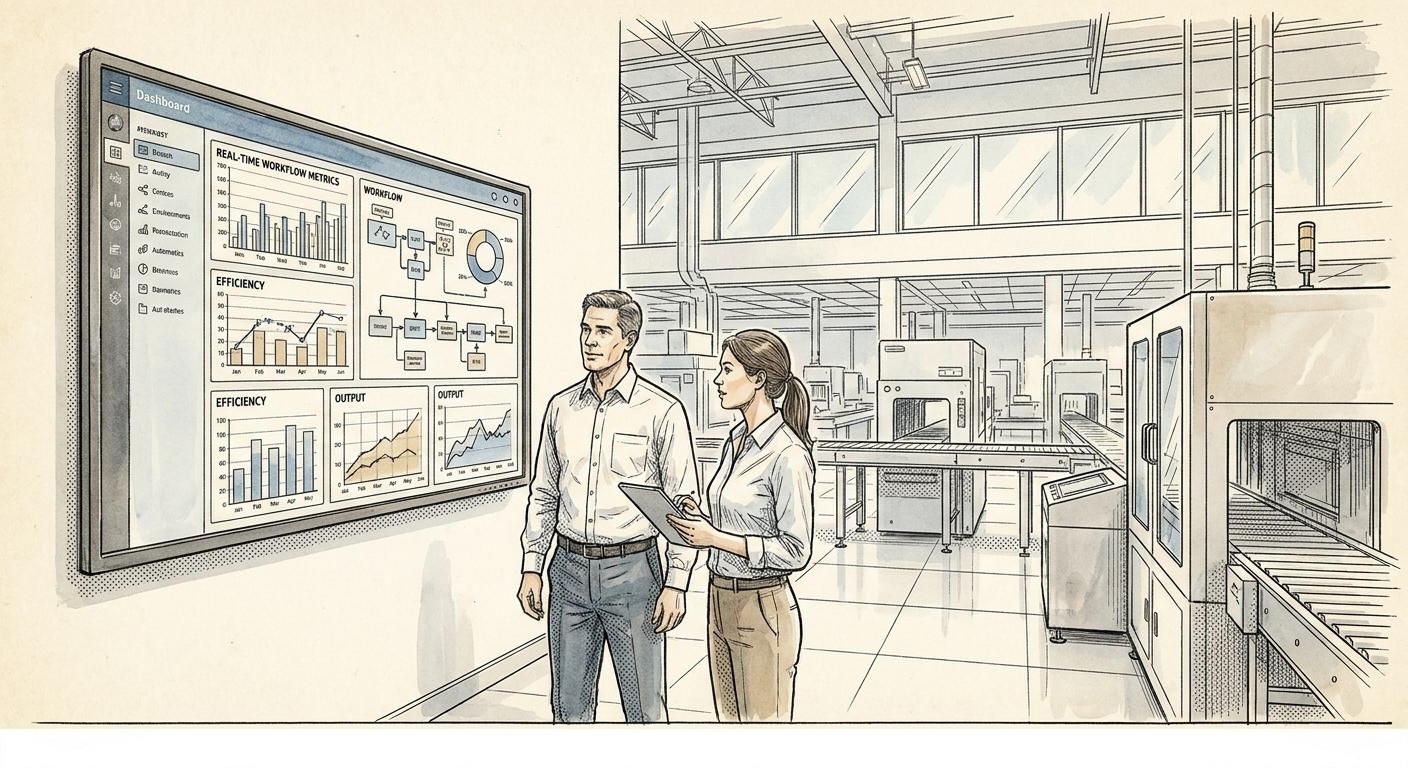
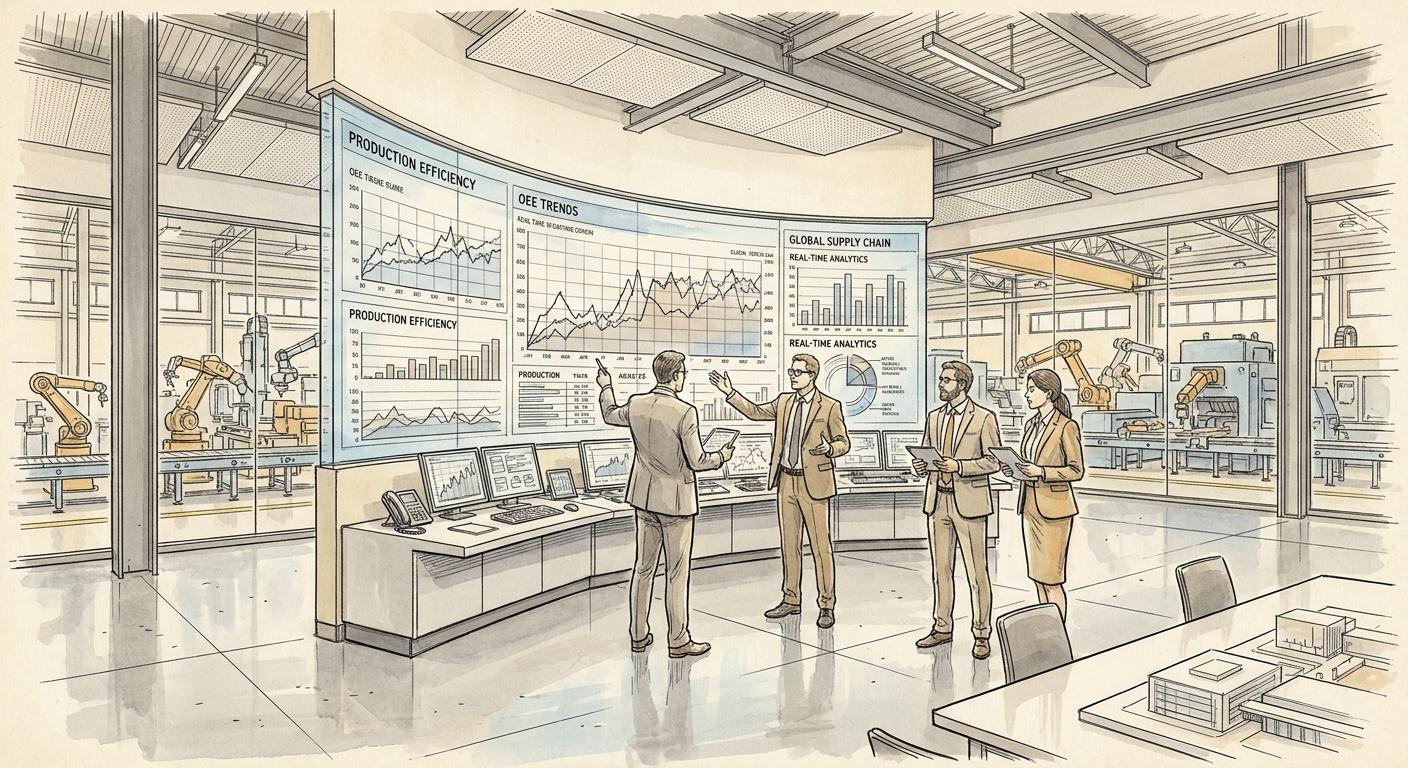
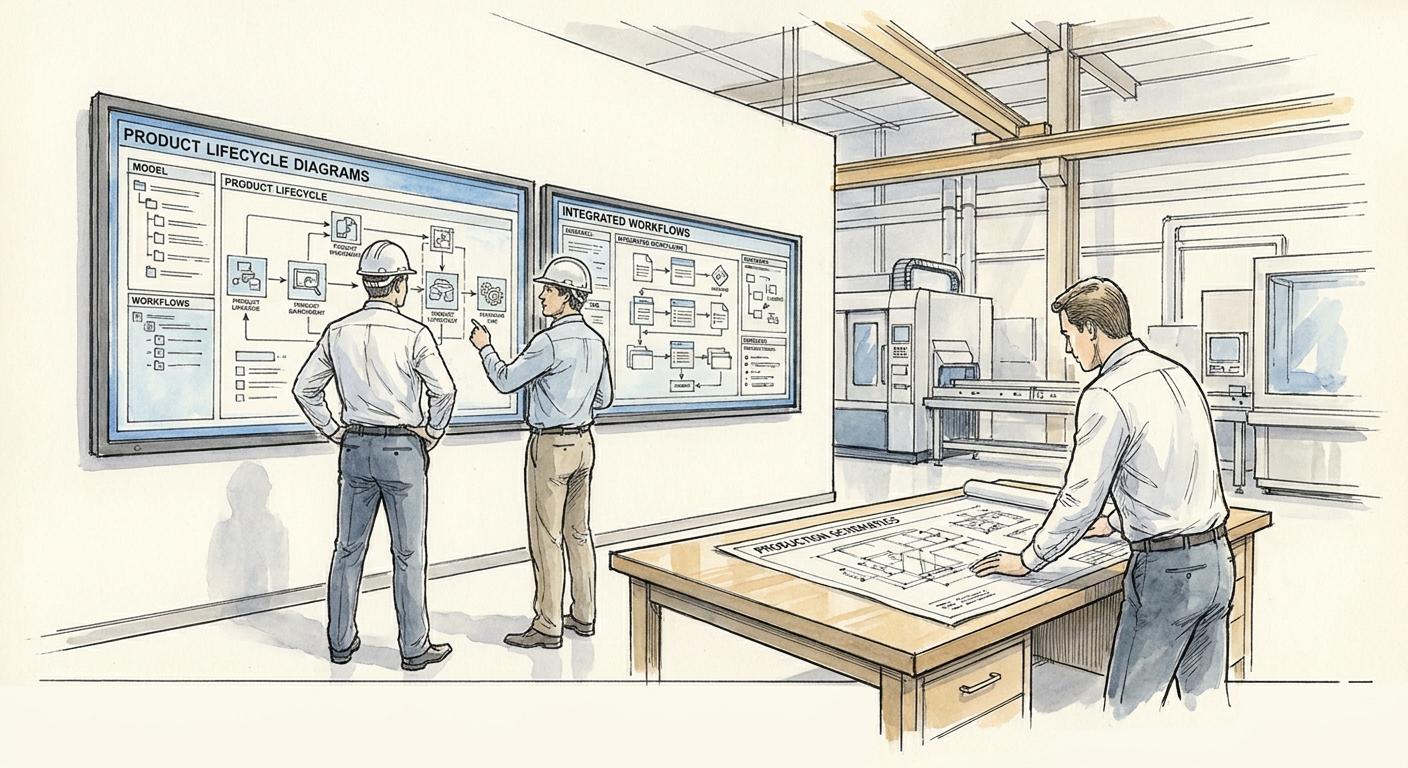
This creates a delayed execution truth. By the time the front office realizes the schedule is lagging, the floor has already drifted into inefficient setups or prioritized the wrong jobs. For Private Equity operating partners, this lack of visibility is a primary driver of OTIF misses. Legacy systems cannot quantify the cost of secondary effects - like how a delay on Line A cascades into a three-hour setup change on Line B - resulting in persistent margin erosion that traditional software simply wasn't built to solve. The Physics of Throughput: AI as an Operating Wedge Throughput is often throttled not by machine speed, but by the "micro-bottlenecks" hidden in the sequence of operations. AI production scheduling manufacturing acts as an operating wedge, inserting a layer of intelligence between the ERP and the machine tool. Unlike a human scheduler, an algorithm can simulate thousands of permutations in seconds to find the sequence that minimizes changeover times and maximizes spindle hours.
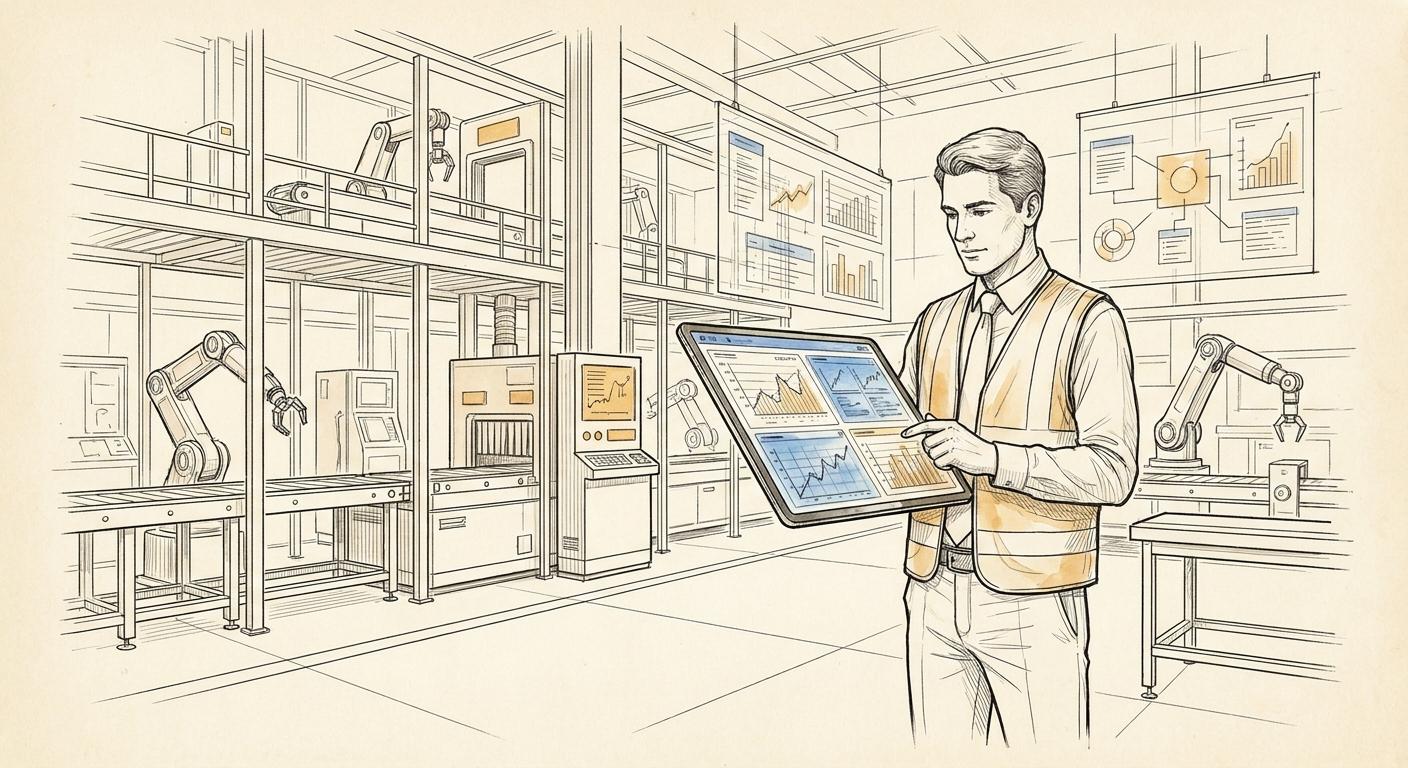
For example, a mid-market plastic injection molder might discover that sequencing jobs by resin type and color - rather than just ship date - unlocked 12% additional capacity on existing machines. In a PE-backed environment, this capacity expansion is critical for value creation. If you can increase output by 10% using the same fixed assets, the operating leverage significantly increases the exit multiple by demonstrating that the business can scale without immediate, heavy CapEx. Optimizing the Human Element: AI-Driven Workforce Alignment Labor remains the most volatile variable in the production equation. Most plants struggle with an "all-or-nothing" approach to overtime, often because they lack the data to align specific skill sets with machine uptime. AI-driven workforce optimization software ingests the skill matrix of the employees and matches it against the real-time production demand.
By accurately predicting the estimate-vs-actual labor hours for specific parts, the system identifies where shift patterns are misaligned. This prevents the common trap of paying "blanket" Friday overtime to hit a ship date that was actually derailed on Tuesday. Operators using these tools have seen an overtime reduction of 8%+ by simply ensuring the right person is at the right machine during the highest-value windows of the production cycle. The 4-8 Week Execution Framework: From Data Silos to Measurable Wins One of the largest barriers to AI readiness is the fear of a two-year implementation cycle. However, a focused approach avoids the "rip and replace" mentality. The process starts by ingesting the last 12–24 months of historical job logs and maintenance records to establish a baseline. This is the quick win phase: identifying where the plant consistently loses time compared to the theoretical ship dates.
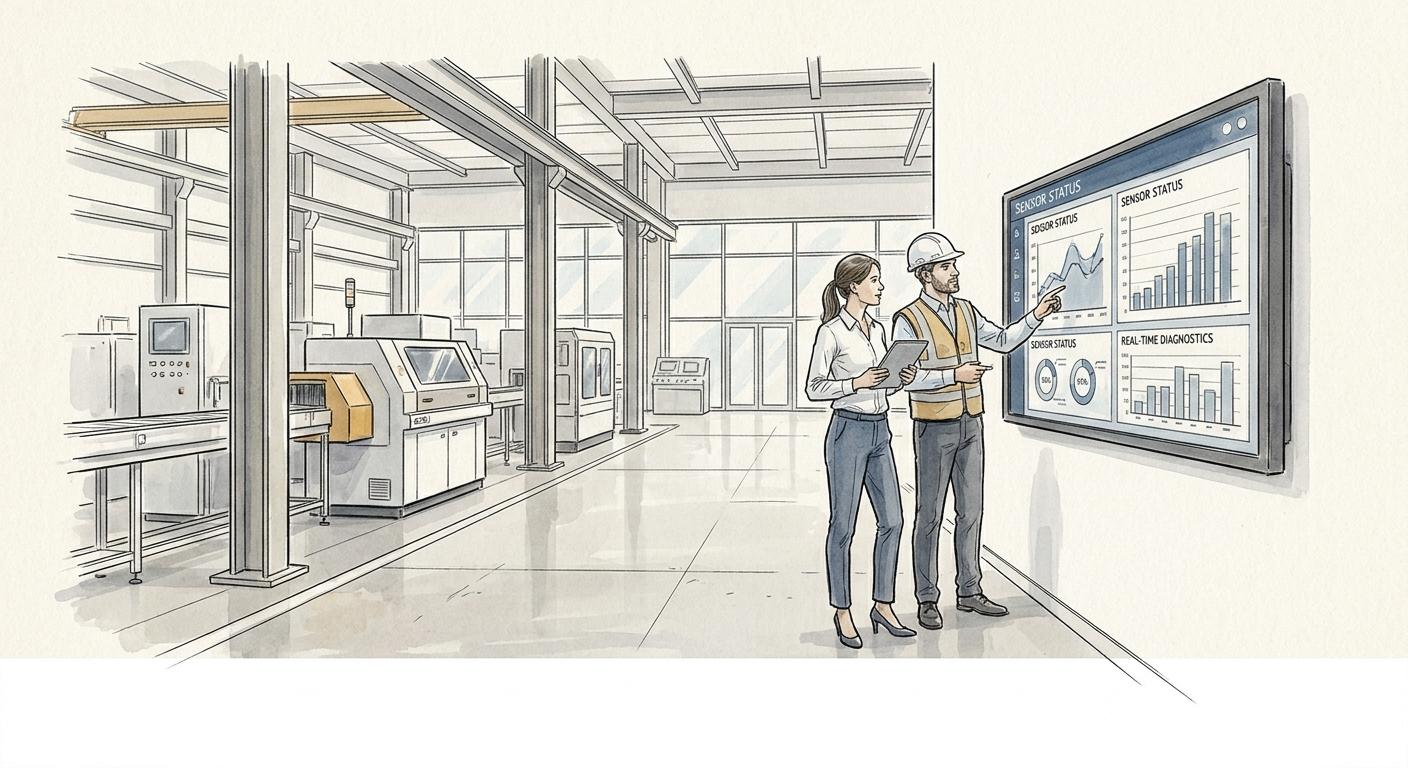
During weeks four through eight, the embedded AI begins generating daily "optimized views" that flag potential delays before they happen. This enables the shop floor lead to make data-backed decisions on whether to reroute a job or adjust a shift. For a 200-employee Tier 2 automotive supplier, this four-week pivot can be the difference between hitting quarterly EBITDA targets and absorbing a margin-killing expedite fee. Quantifying the ROI: Capacity Expansion vs. Capital Expenditure When a portfolio CEO is pressured to increase output, the instinctive move is to buy more equipment or hire a third shift. However, these are high-cost, high-risk moves in a high-interest-rate environment. Improving operational efficiency in manufacturing through algorithmic scheduling allows a firm to "find" capacity that is already paid for but currently wasted in idle time and long setups.
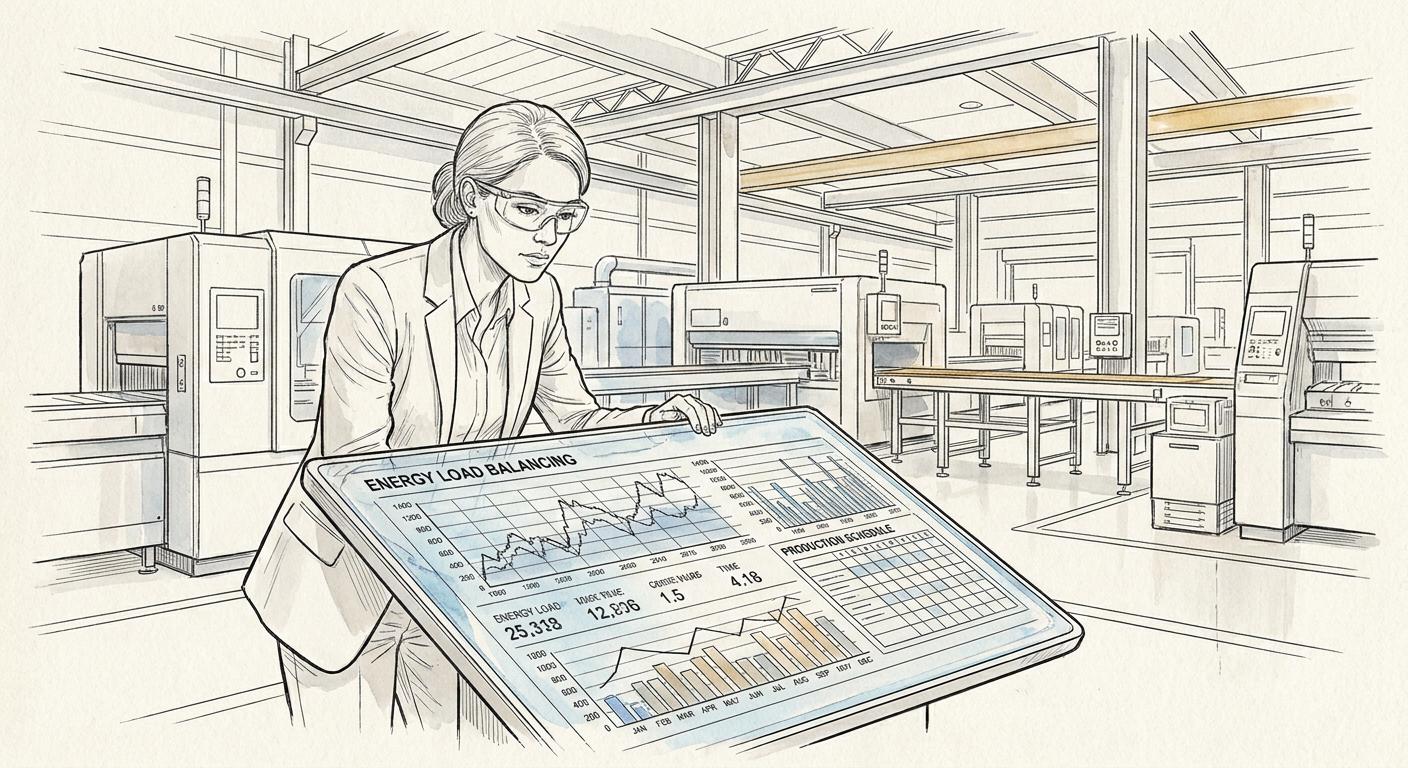
The ROI of AI scheduling is measured by the delta between current EBITDA and the gains from reduced labor spend and increased volume. If a plant can achieve a 5% increase in throughput and an 8% reduction in overtime through software, the time-to-value is measured in months, not years. This makes it a preferred lever for Private Equity firms looking to drive rapid improvement within a tight 18-36 month investment window. FAQ How does AI production scheduling differ from traditional APS systems? Traditional APS systems use fixed, "if-then" rules that break when real-world variables change unexpectedly. AI models are probabilistic, meaning they learn from historical disruptions - like machine lag or material delays - to create schedules that are resilient to surface-level shop floor volatility.
Does implementing AI scheduling require replacing our current ERP? No. The AI acts as an optimization layer that pulls data from your existing ERP or MES and pushes an optimized sequence back to the floor. It enhances your current tech stack rather than requiring a costly and disruptive overhaul.
How much data do we need to start seeing results? Most mid-market manufacturers already have enough data in their historical job logs and ERP records. A focused 4-8 week implementation can typically produce a functional optimization model using roughly 12 months of clean historical production data.
How does this impact job costing accuracy? By tracking the estimate-vs-actual performance in real-time, AI scheduling provides a more accurate feedback loop for the sales and estimating teams. This ensures that future bids are based on actual floor performance, preventing thin-margin jobs from entering the pipeline.
The path to increased throughput starts with seeing the shop floor as it truly is, not as the ERP assumes it to be. By deploying an AI-driven operating wedge, manufacturers can capture immediate EBITDA improvement and stabilize their delivery performance.
Summary: Implementing AI for production scheduling and workforce alignment allows mid-cap manufacturers to unlock hidden capacity and reduce overtime costs by 8% or more. This rapid deployment provides a clear path to EBITDA improvement and value creation within standard investment cycles.
Book a Manufacturing Diagnostic at ifor.ai/solutions/manufacturing