.svg)

For most high-mix, low-volume manufacturers, the production schedule is obsolete the moment it is printed. When a critical machine goes down or a Tier-2 supplier delays a shipment, the gap between your ERP’s static plan and the shop floor reality widens, leading to margin leakage and missed delivery dates. Implementing AI production scheduling for manufacturing allows COOs and Operating Partners to move from reactive fire-fighting to predictive execution. This guide outlines how to bridge the ERP-MES gap and secure a measurable quick win in operational throughput within a single quarter.
AI production scheduling for manufacturing: A Definition
AI production scheduling for manufacturing is the application of machine learning algorithms to dynamically adjust shop floor timelines and resource allocation in real-time. Unlike static ERP logic, it balances labor availability, machine constraints, and material arrivals to maximize OTIF (On-Time In-Full) metrics and minimize work-in-process (WIP) inventory.
The OTIF Stagnation: Why Traditional ERP Scheduling Fails Today
Traditional ERP and MRP systems were built for a stable world. They rely on "fixed" lead times - assuming, for instance, that a CNC process always takes 45 minutes or a substrate always arrives in 10 days. In reality, modern supply chain volatility management requires a system that accounts for the delayed execution truth: lead times are variables, not constants.
When the ERP fails to account for a sudden shift in labor availability or a micro-delay in a preceding work center, the schedule "breaks." This results in manual overrides by production planners using Excel side-sheets. These manual workarounds create data silos, meaning the CFO sees a different version of the truth than the Plant Manager. For a PE-backed manufacturer, this lack of visibility is a primary driver of margin leakage.
The Operating Wedge: Identifying Your High-Impact AI Opportunity
You do not need to overhaul your entire tech stack to see results. We recommend the operating wedge approach - a targeted AI implementation focused on a specific bottleneck or a high-margin product line. For a mid-market manufacturer, the goal is a time-to-value window of 4 to 8 weeks.
Start by auditing your estimate-vs-actual variances. If a 200-employee job shop in Ohio finds that their secondary finishing department is the consistent site of OTIF misses, that is the wedge point. By applying AI-driven lead time reduction to that specific bottleneck, you create immediate capacity without adding headcount or equipment.
Step 1: Data Normalization Without 'Data Lake' Overkill
The most common excuse for delaying AI readiness is poor data quality. However, you do not need a pristine "data lake" to begin. The AI only requires four core data points: your current order backlog, bill of materials (BOM), historical cycle times, and current labor/machine availability.
Focus on extracting "good enough" data from your existing ERP. In many cases, discrete manufacturing OTIF optimization can begin with 6–12 months of historical execution data. The AI learns the patterns of your inefficiency - identifying, for example, that certain shifts consistently over-perform on specific work centers - and builds a schedule based on how your shop actually runs, not how the ERP thinks it runs.
Step 2: Deploying Real-Time Constraint Modeling
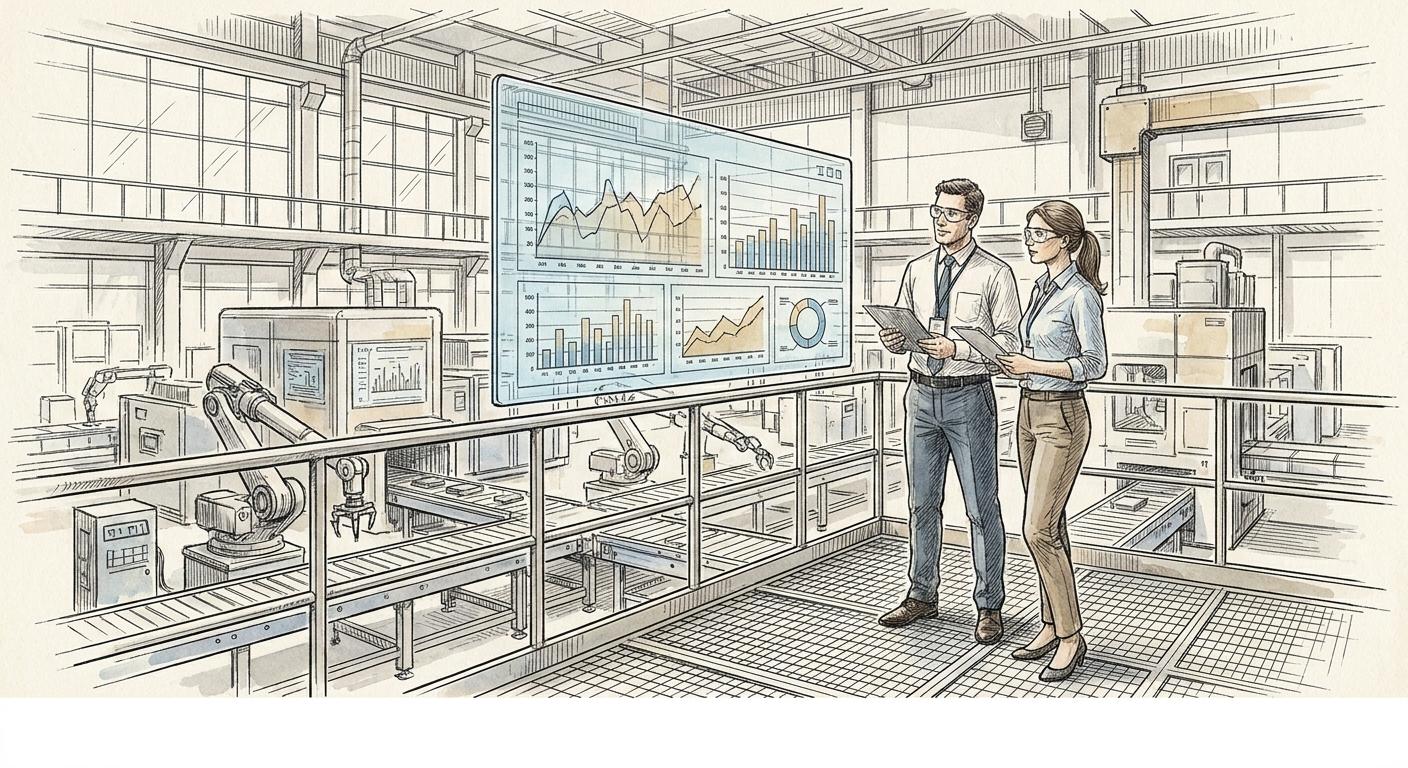
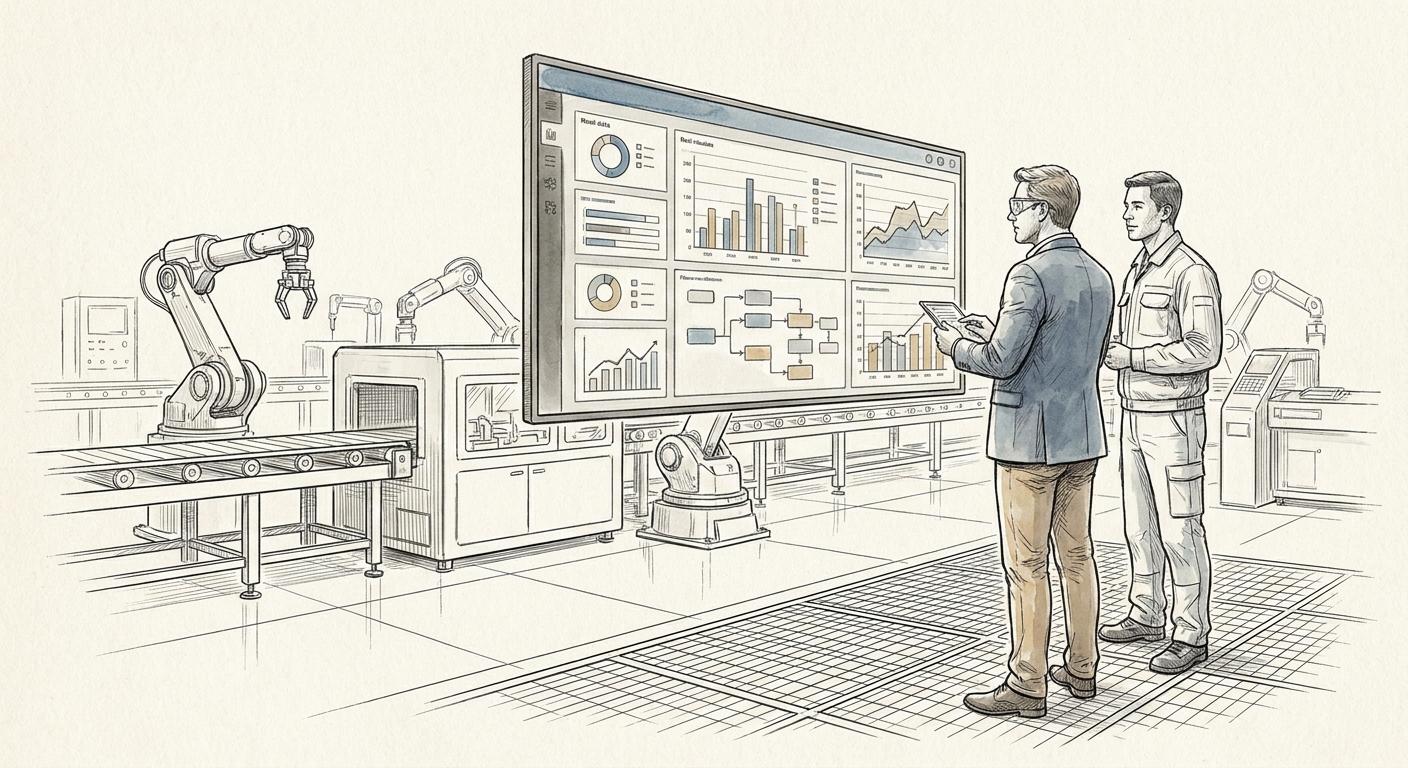
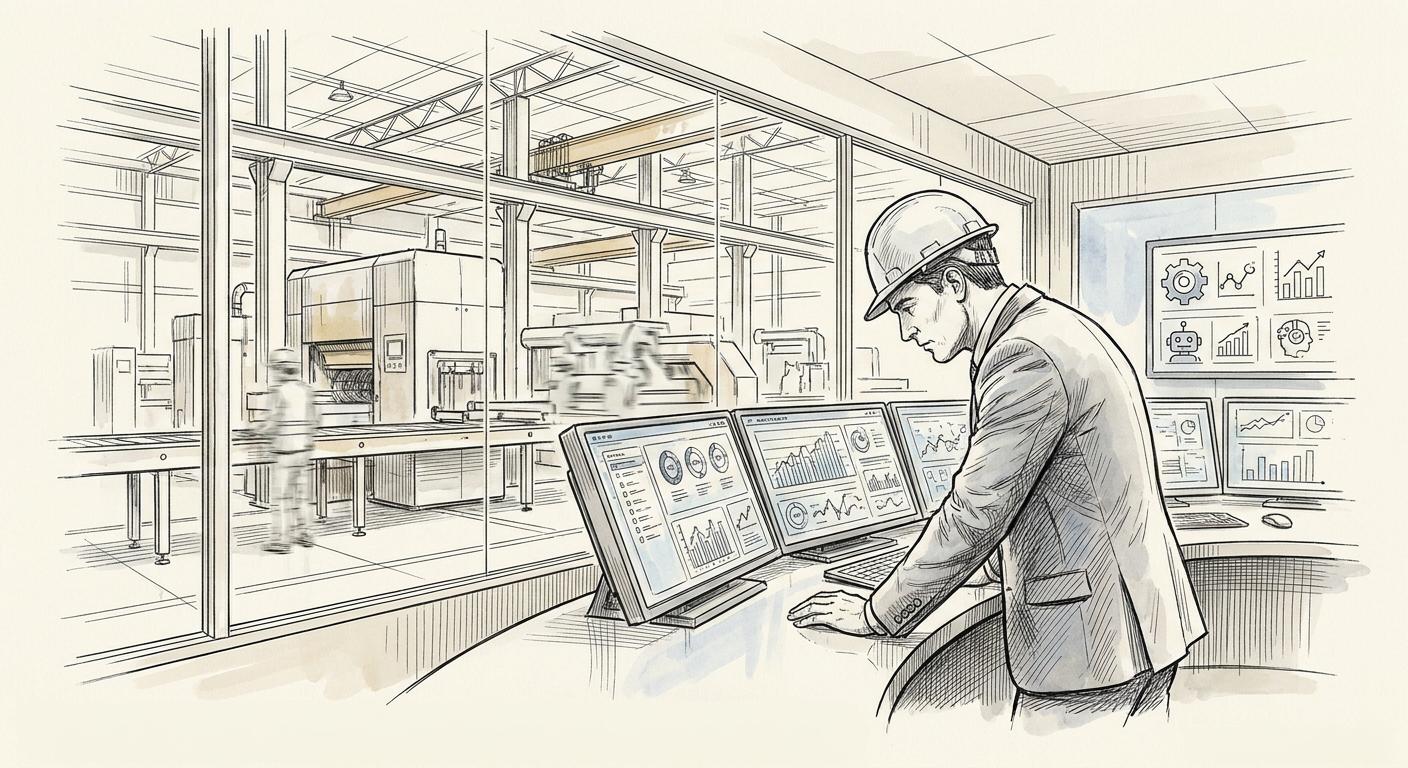
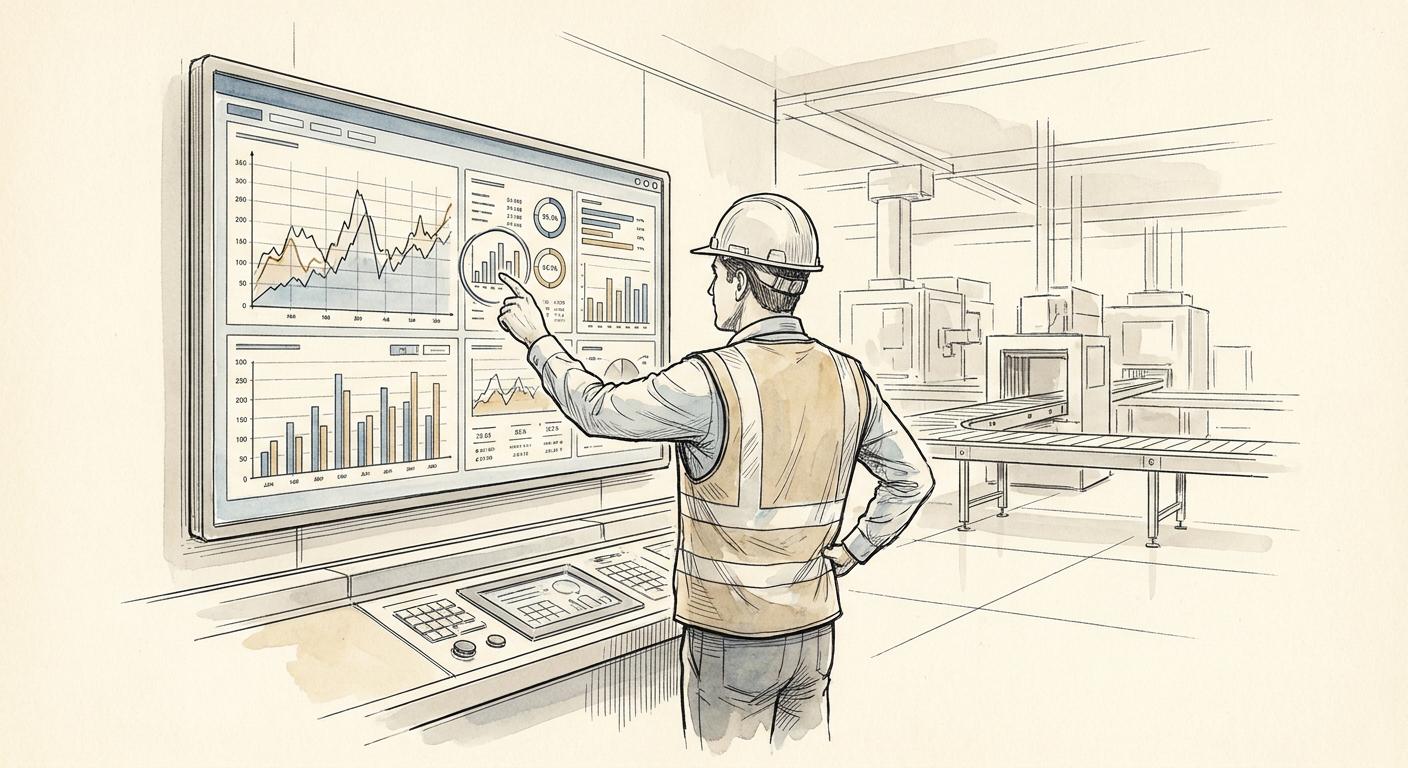
Once data is ingested, the AI builds a digital twin of your constraints. This is where real-time shop floor scheduling outperforms human planners. A human can typically manage three or four variables at once; an AI model handles thousands.
If a material shipment is delayed by 48 hours, the AI immediately recalculates the entire shop floor sequence. It identifies which orders can be pulled forward to keep machines running and which orders must be de-prioritized to protect high-EBITDA customers. This prevents the "bullwhip effect" where a single delay at the start of the week causes a total collapse of OTIF by Friday.
Step 3: Closing the Feedback Loop with Shop Floor Execution
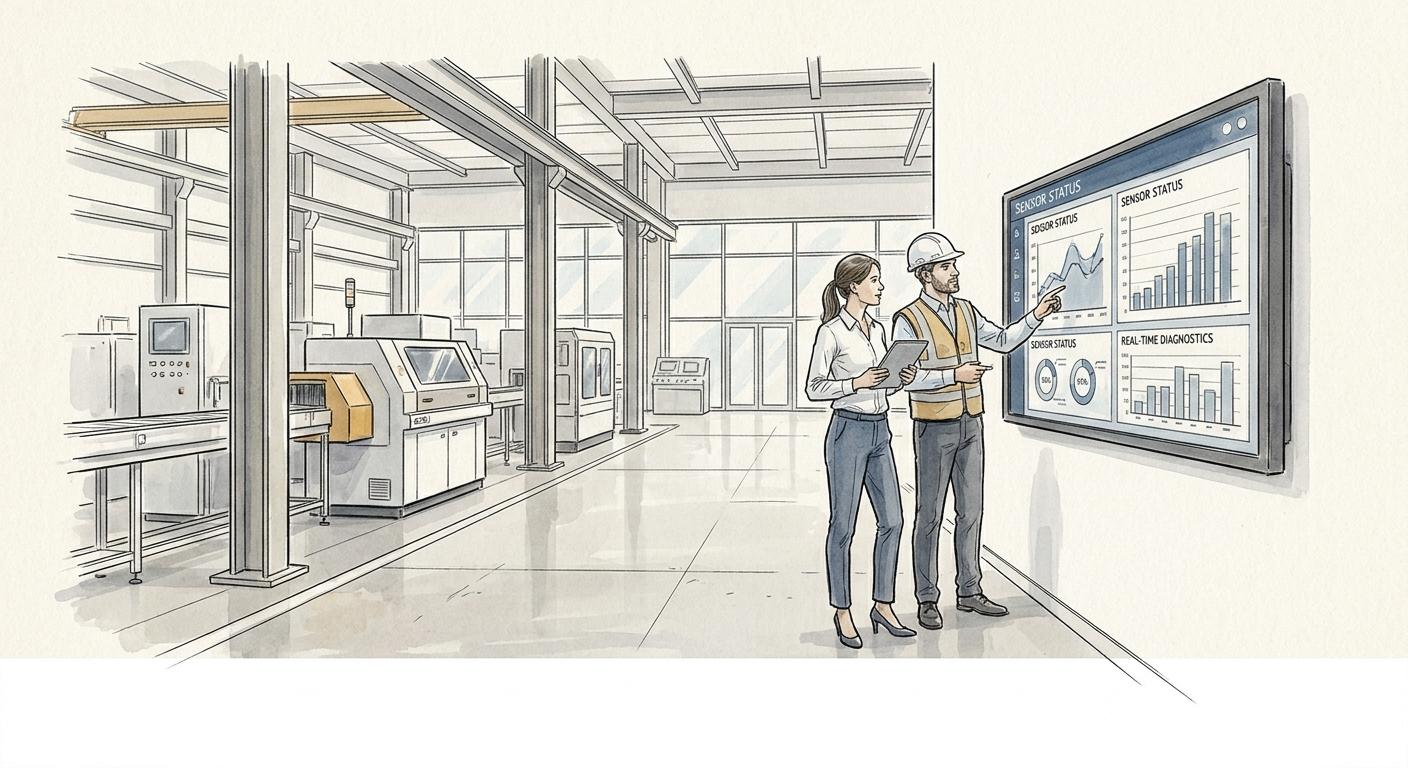
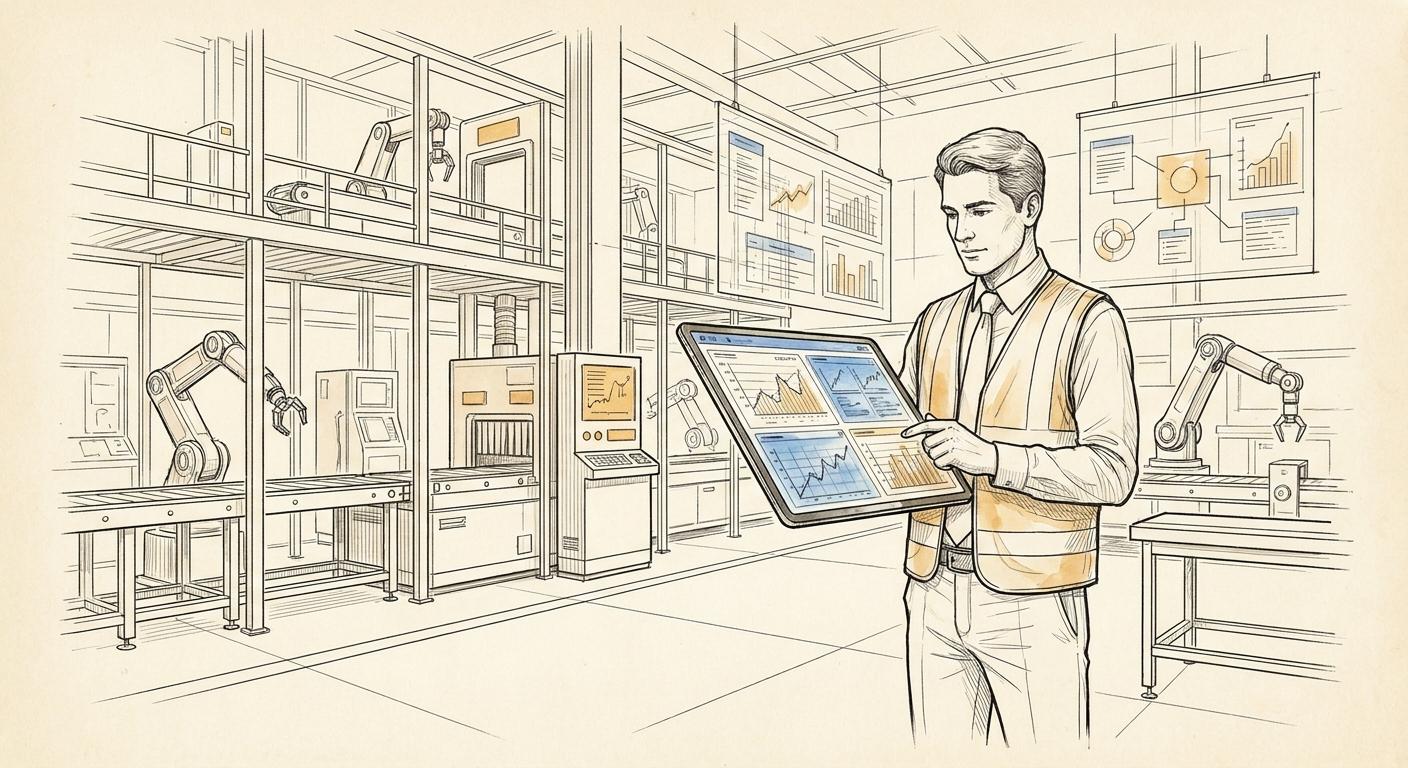
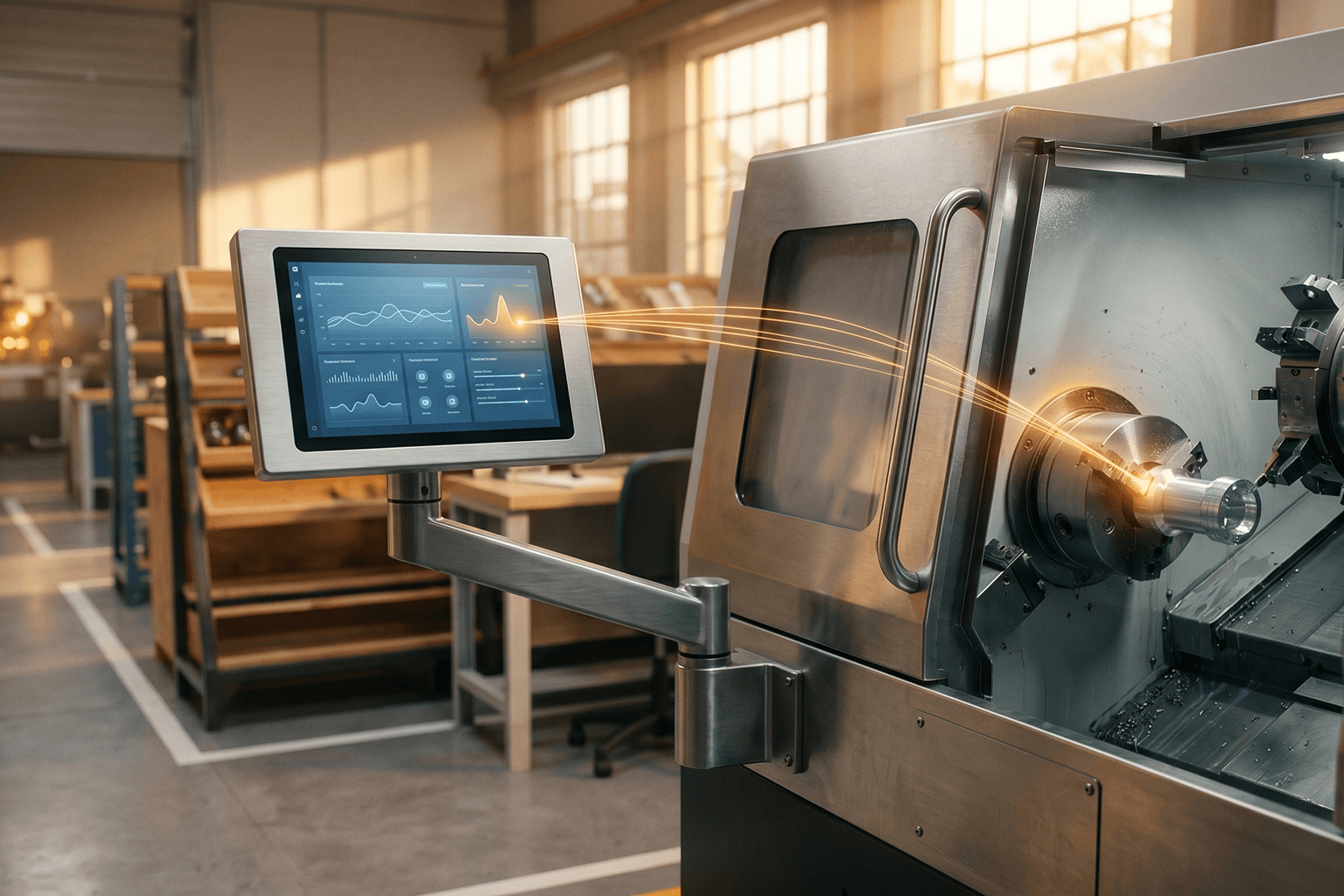
The best schedule is useless if the operators don't follow it. Success requires embedded AI - the intelligence must be delivered to the floor in a format that mirrors existing workflows. Instead of a static paper traveler, operators receive a dynamic queue on a tablet or workstation.
To ensure buy-in, the system must provide a clear "reason why" for sequence changes. When a machinist see that switching to Job B prevents a late delivery for a key account, adoption increases. This transparency eliminates the friction between the front office and the shop floor, ensuring the planned value creation actually hits the bottom line.
Measuring the Value Creation: PE Metrics that Matter
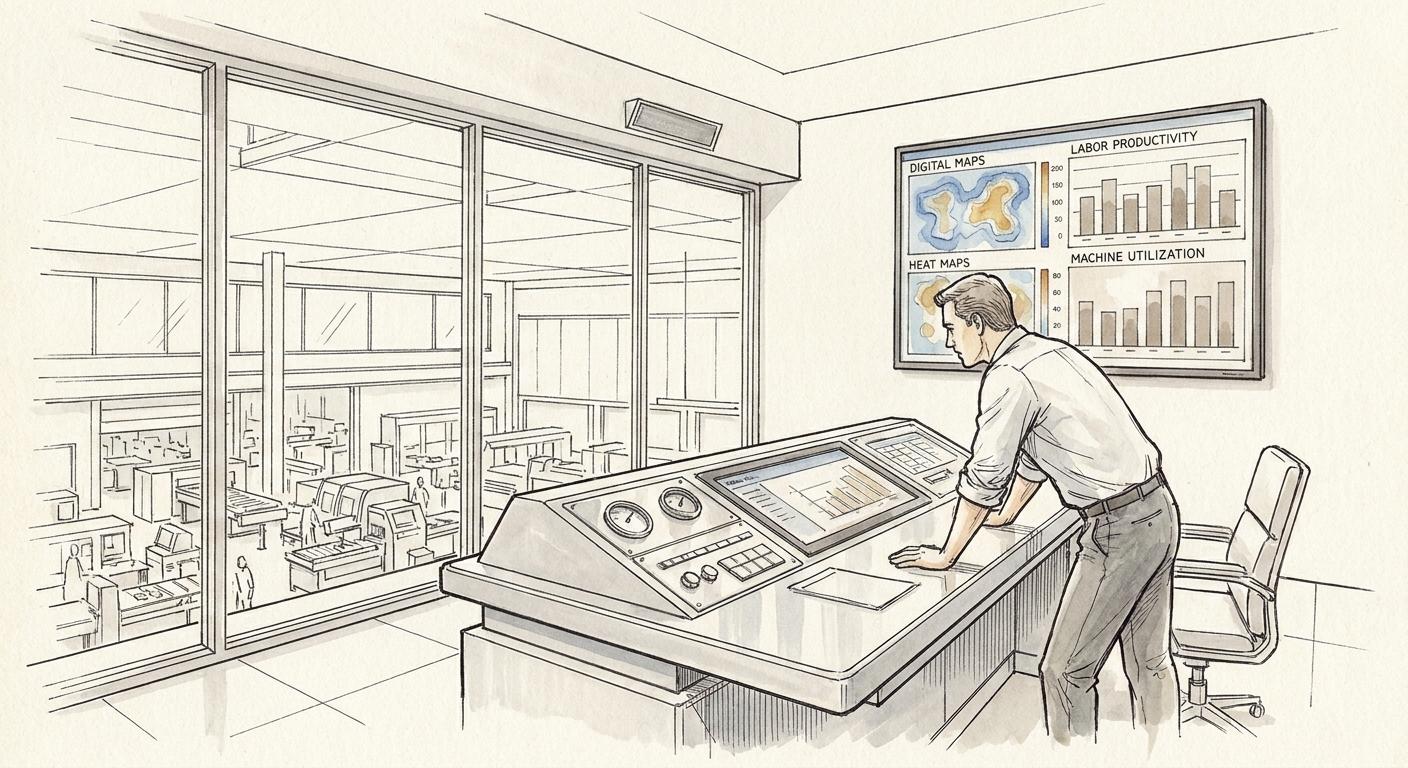
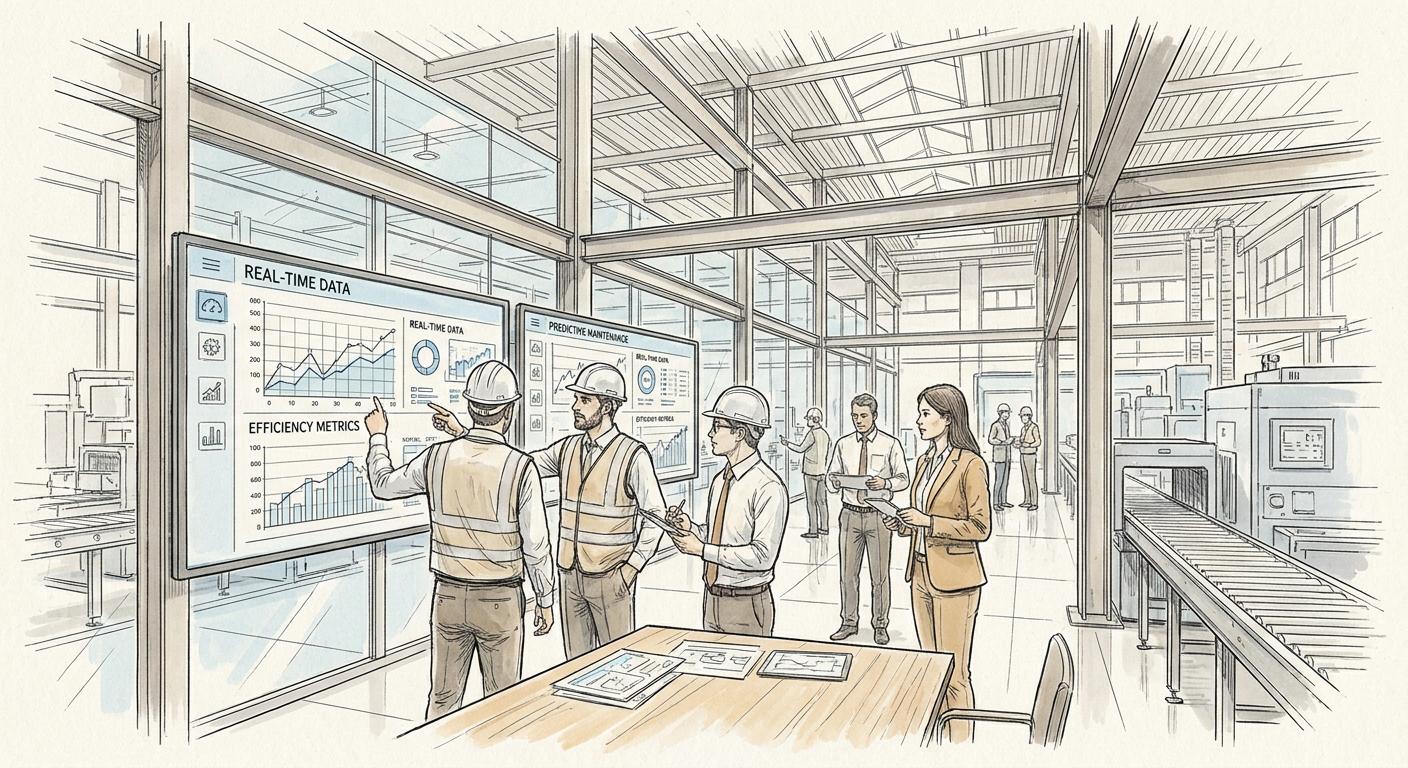
For Private Equity firms, AI scheduling is an operating leverage play. By tightening the schedule, you increase "revenue per head" without increasing payroll.
Key metrics to track during a 90-day pilot include:
OTIF Percentage: A direct correlation to customer retention and contract penalties.
WIP Inventory Levels: Freeing up cash tied up in semi-finished goods waiting for the next process.
Job Costing Accuracy: Narrowing the gap between estimated and actual labor costs to protect margins.
EBITDA Improvement: Every 1% increase in throughput in a fixed-cost environment typically yields a disproportionate gain in EBITDA.
Frequently Asked Questions
How to improve OTIF with artificial intelligence?
AI improves OTIF by identifying hidden constraints and dynamically re-sequencing jobs based on real-time variables like machine downtime or material shortages. This ensures the production floor is always working on the highest-priority tasks that are actually feasible to complete.
How long does it take to see OTIF improvements with AI?
Initial quick win results are typically visible within 4 to 8 weeks. Unlike enterprise-wide software deployments, an AI scheduling wedge targets specific bottlenecks to show immediate lift in throughput and delivery reliability.
Does AI production scheduling for mid-market manufacturers replace our current ERP?
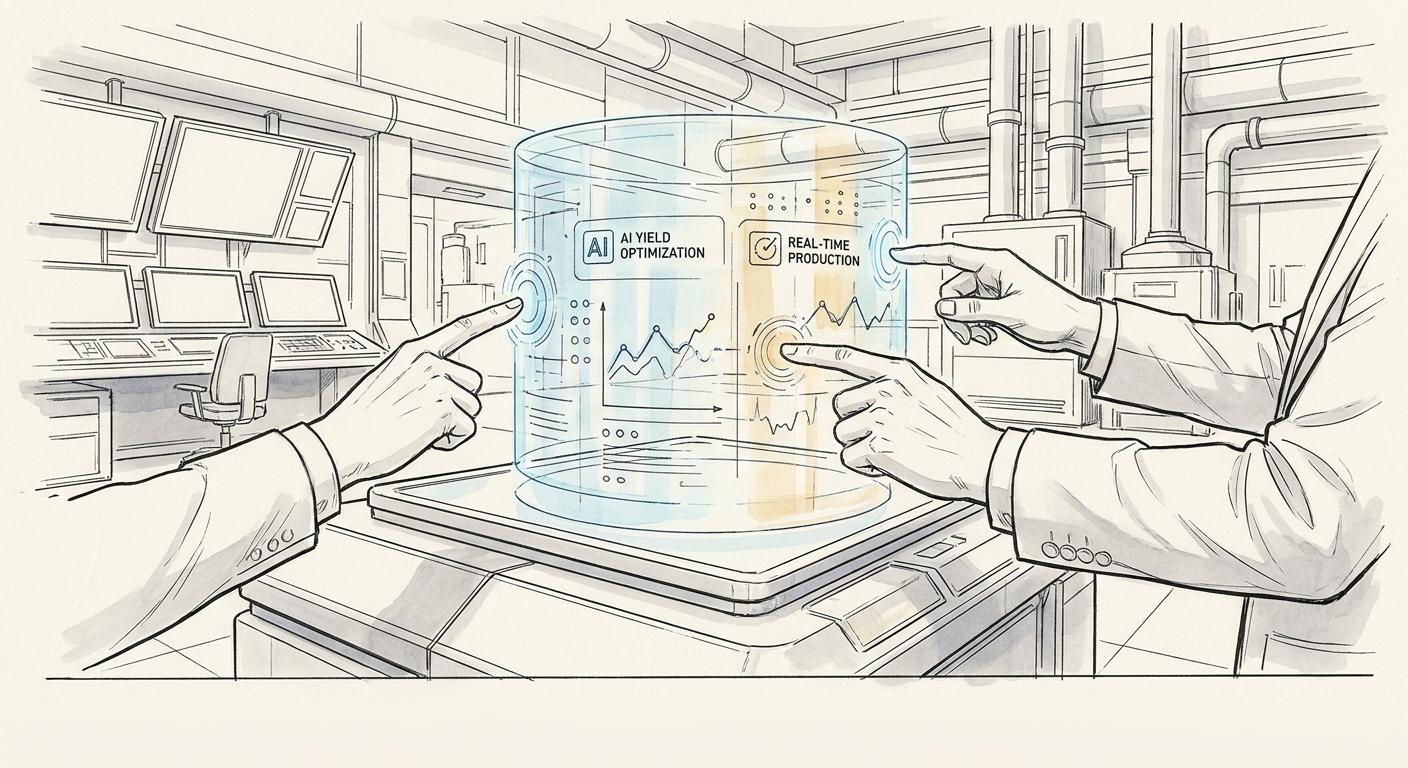
No, the AI acts as an optimization layer that sits on top of your existing ERP. It pulls data from the ERP, runs complex constraint simulations, and pushes an optimized sequence back to the shop floor without requiring a system "rip and replace."
What is the primary benefit of private equity manufacturing value creation AI?
The primary benefit is the rapid expansion of the operating wedge - improving margins by increasing asset utilization and reducing waste without requiring significant capital expenditure (CapEx) for new machinery or additional facilities.
Conclusion: AI production scheduling transforms the shop floor from a reactive environment into a precision-tuned engine for value creation. By focusing on a targeted "wedge" implementation, manufacturers can secure higher OTIF rates and EBITDA growth in under 60 days.
Book a Manufacturing Diagnostic at ifor.ai/solutions/manufacturing