

.svg)

Most COOs are exhausted by "innovation projects" that look great in a Slide deck but fail to move the needle on the shop floor. When scaling AI in manufacturing, the goal isn’t to prove the math works; it’s to ensure the math translates into OTIF improvements and reduced margin leakage across every facility in the portfolio. This guide provides a tactical checklist for operationalizing industrial AI, moving from a single successful pilot to a standardized production environment that drives enterprise value.
AI Pilot Scaling is the transition of an artificial intelligence prototype from a controlled laboratory or single-line test environment into a standardized, operational workflow across multiple manufacturing facilities to achieve repeatable ROI. This process requires aligning data infrastructure, shop-floor processes, and financial reporting to create a sustainable operating wedge.
The Chasm Between POC and Production: Why Manufacturing AI Stalls
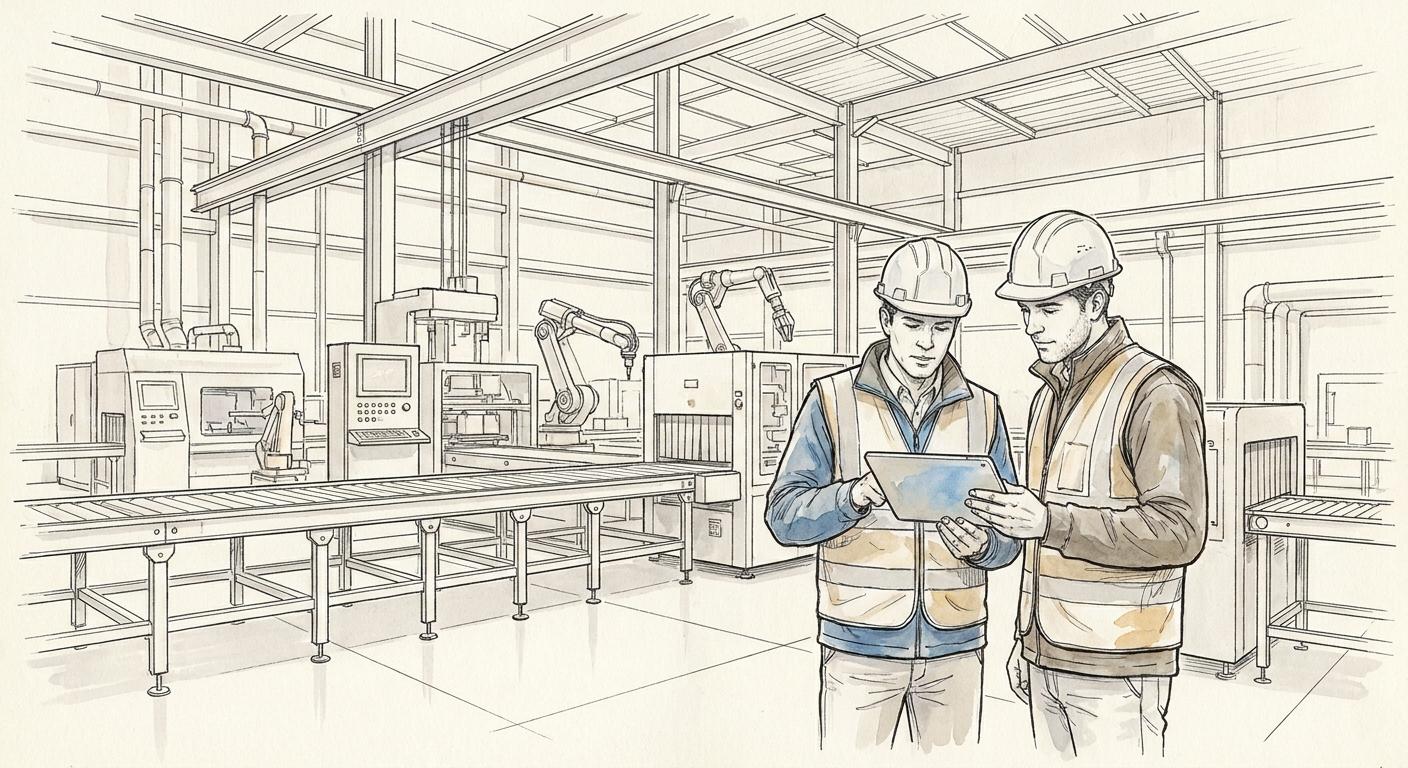
Many industrial AI projects die in "Pilot Purgatory." A 100-employee machine shop in the Midwest might see a quick win on one CNC line, but the solution collapses when deployed to a larger facility with different equipment vintages. This stall usually happens because the pilot was a "science project" rather than a scalable process.
The failure is rarely the algorithm. Instead, it is a lack of an operational wedge - the specific process integration that forces the AI’s insights into the daily workflow of plant managers. Without this, you face delayed execution truth: by the time you realize the model is failing in Plant B, you’ve already burned six months of the investment window.
Phase 1: Operational Infrastructure & Connectivity Baseline
Scaling requires industrial data infrastructure that can handle the "dirty" data of a real plant. You cannot scale a model built on manually cleaned CSV files.
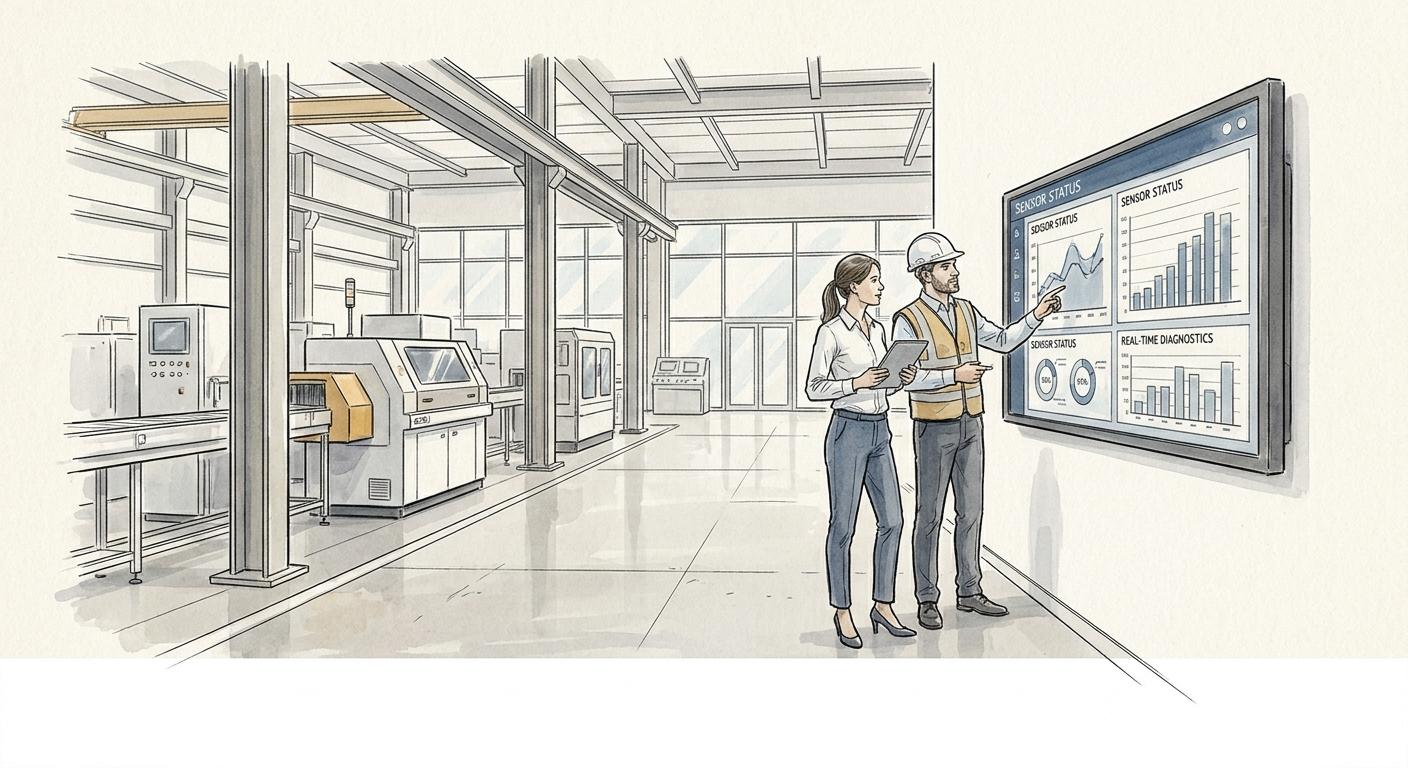
Sensor Health Audit: Verify that telemetry from legacy assets is consistent with modern PLC data. If sensor drift is high, your estimate-vs-actuals will never align.
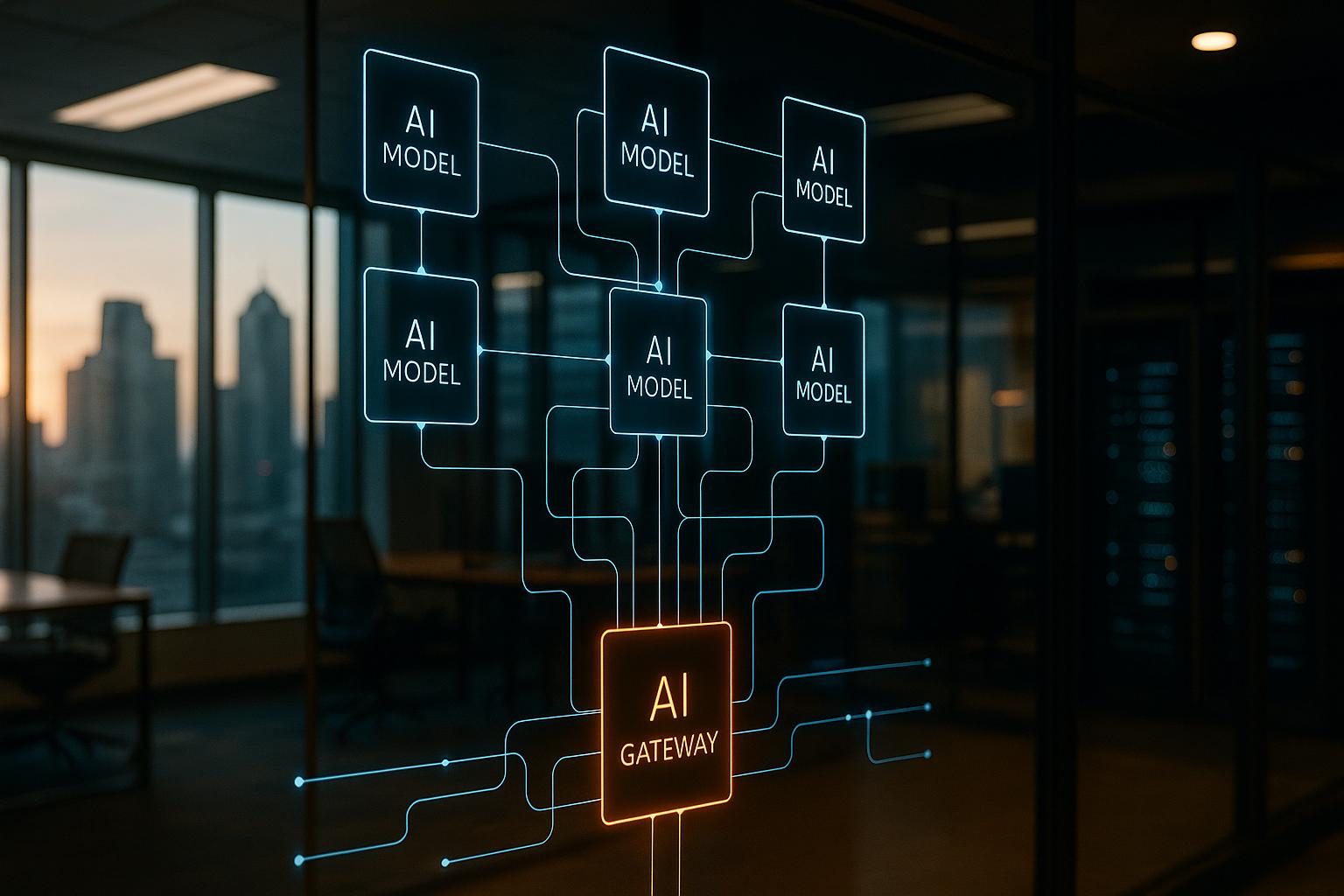
Edge vs. Cloud Strategy: Determine which workloads must live at the edge for low-latency machine control and which roll up to the corporate level for EBITDA improvement analysis.
Standardized Data Ingestion: Ensure Plant A and Plant B use the same naming conventions for downtime codes and material SKU formats.
AI Readiness Score: Assess if the facility has the localized compute power to run embedded AI without disrupting the existing MES or ERP traffic.
Phase 2: The 'One Win' Protocol – Defining Measurable Success
To secure the operating leverage needed for a multi-plant rollout, you must achieve one undeniable financial win in 4–8 weeks. Private Equity partners typically look for improvements that directly impact the multiple, such as increased throughput or decreased scrap.
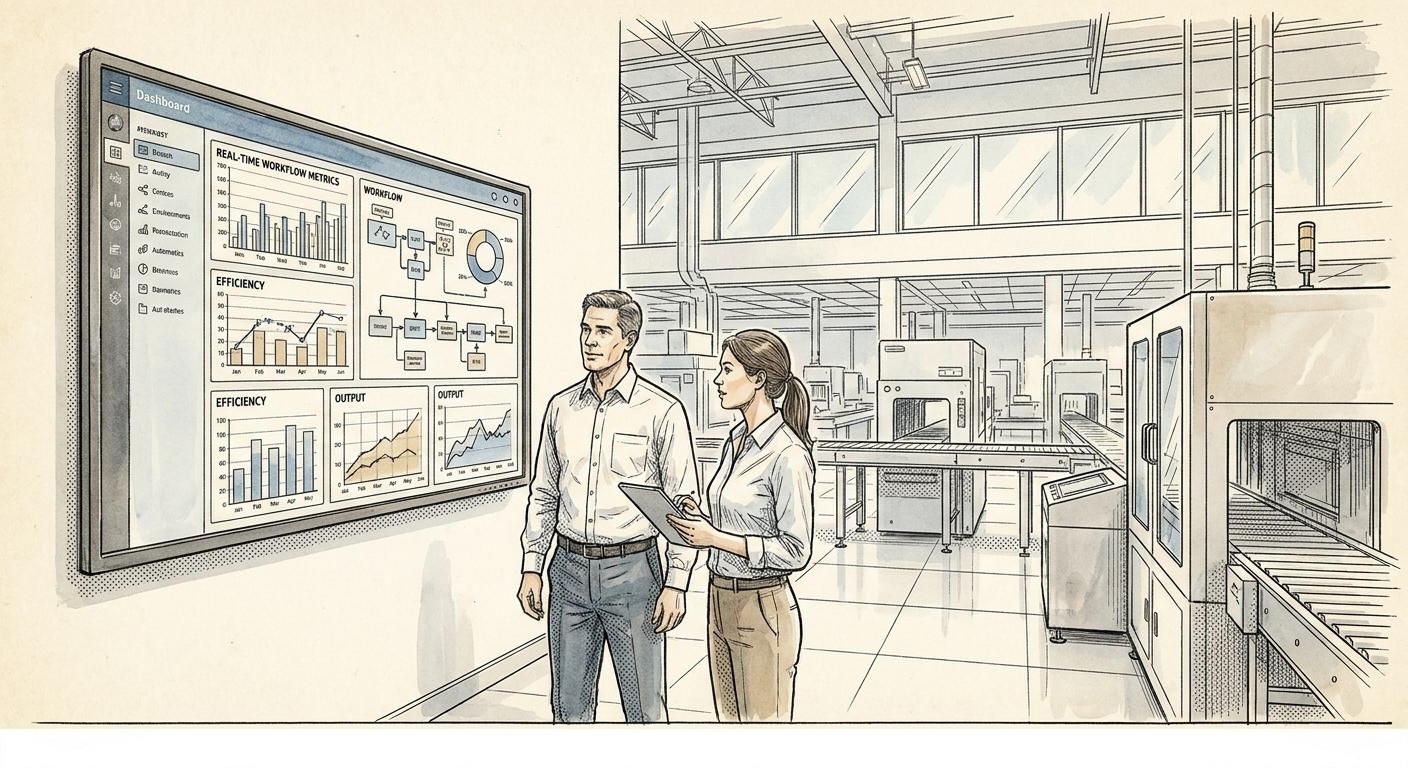
Identify a high-impact, narrow KPI. For example, focus exclusively on reducing "unplanned downtime on the primary bottling line." If you can correlate the AI's predictive alerts to a 5% increase in OTIF shipments at the pilot plant, the business case for the next five plants becomes a math exercise rather than a boardroom debate.
Phase 3: Workforce Alignment and Shop-Floor Change Management
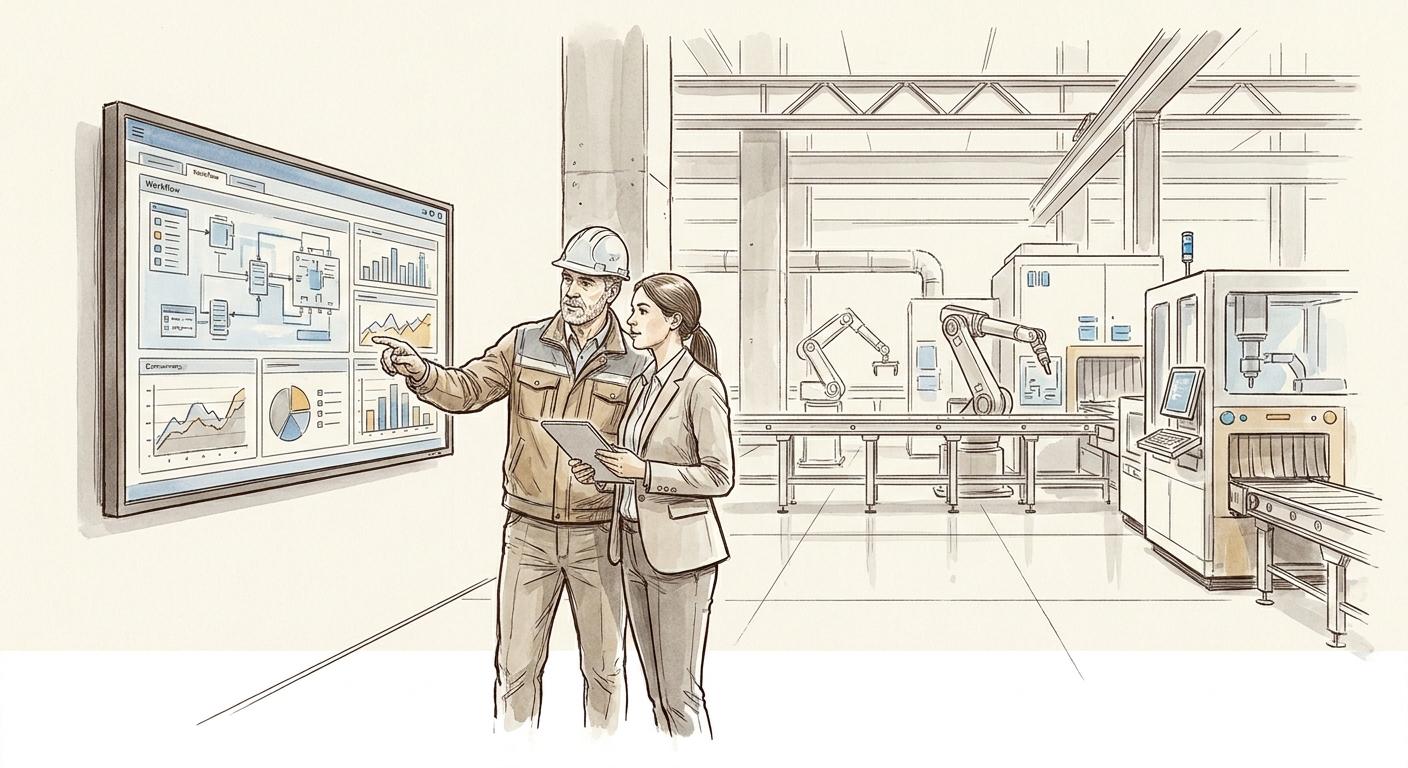
An AI tool that plant managers don't trust is a liability. If the operator on the floor ignores the AI’s recommendation because the UI is cluttered, the investment is wasted.
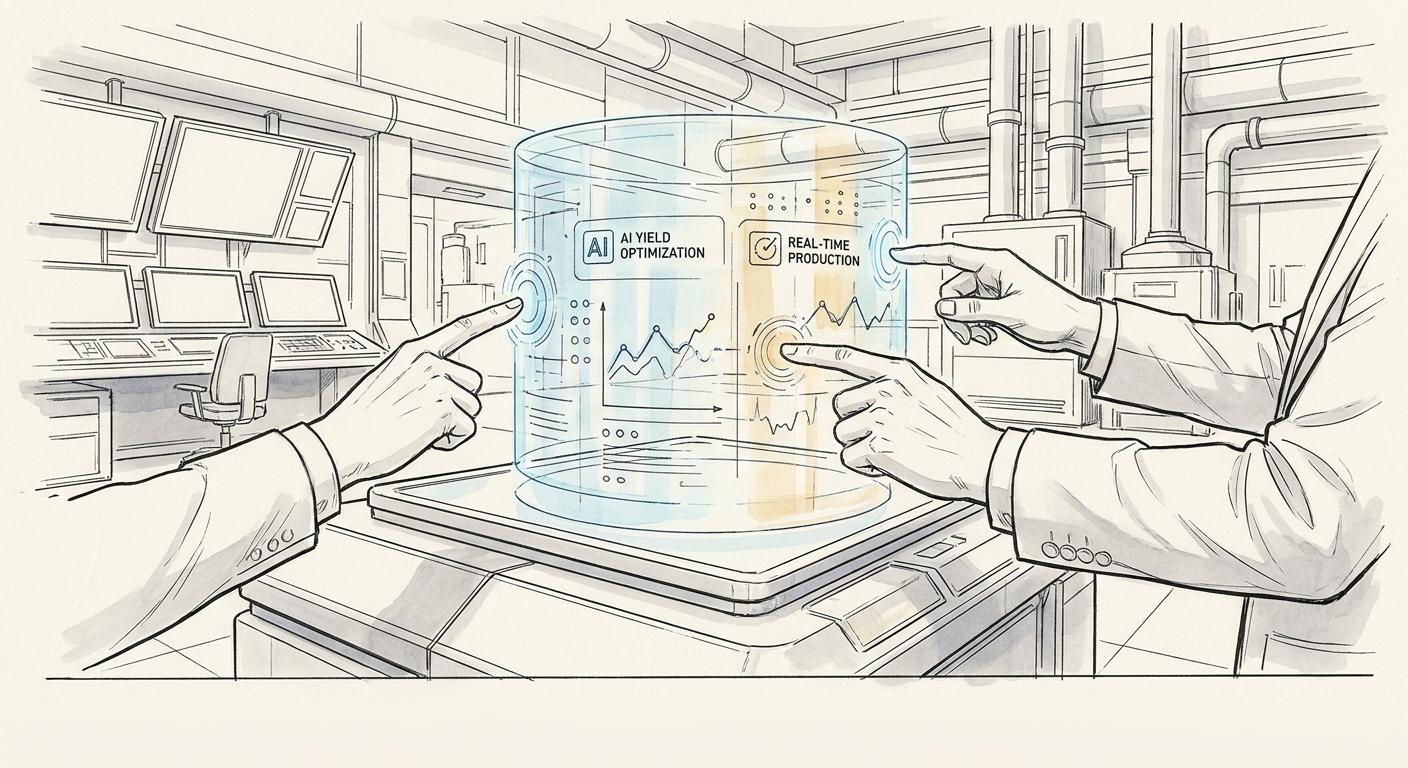
The "Two-Click" Rule: Operators should reach the actionable insight in two clicks or less.
Explainability: The system must show why it is recommending a temperature change or a tool switch.
Feedback Loops: Create a mechanism for shop-floor leads to "downvote" or correct AI suggestions, which helps retrain the model for facility-specific nuances.
Training for Adoption: Shift the narrative from "automation" to "augmentation," focusing on how the tool reduces the burden of manual job costing and data entry.
Phase 4: Multi-Facility Governance & Standardization
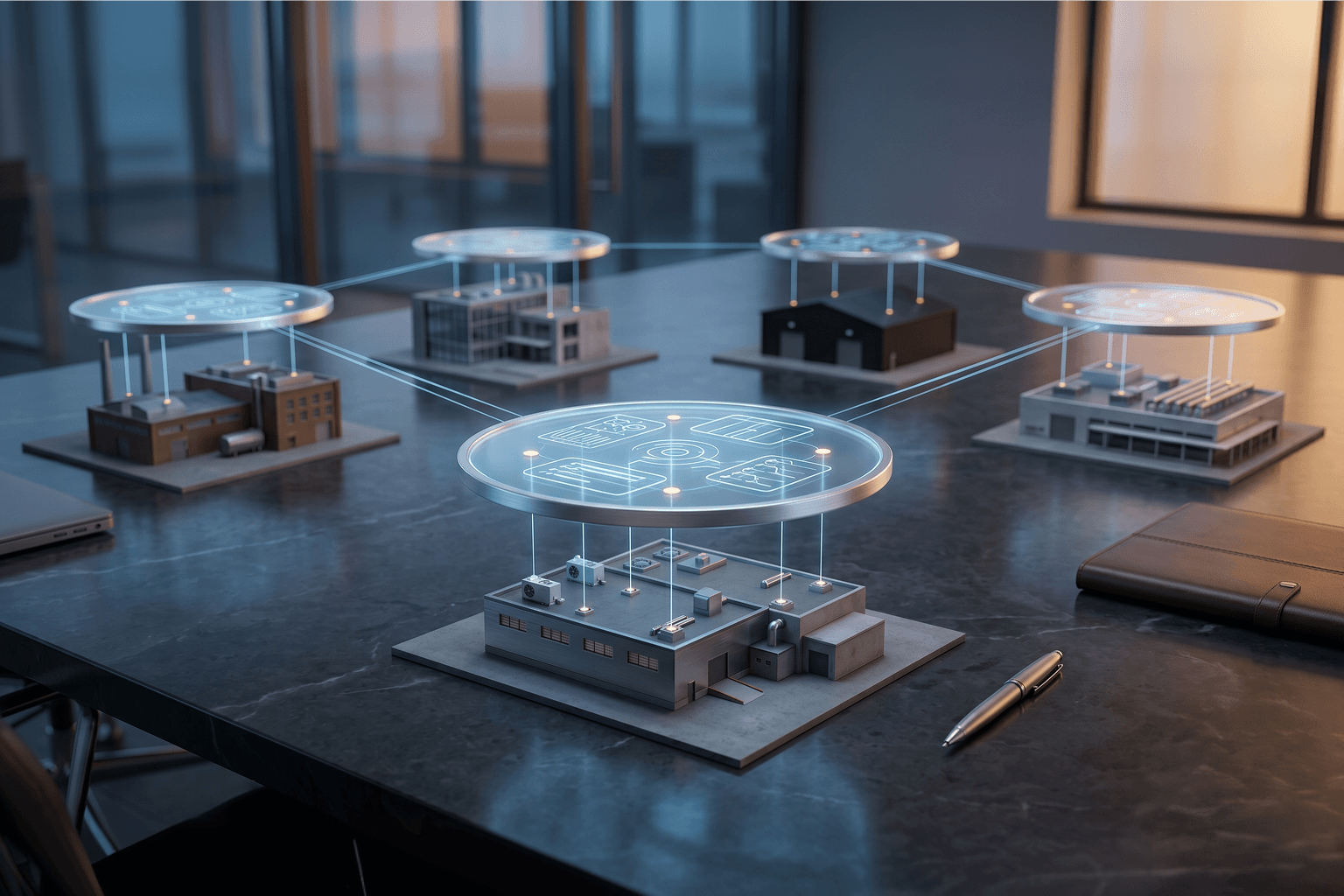
Scaling from one plant to ten introduces "Model Drift." What worked for a facility in Ohio may not work for a twin facility in Mexico due to ambient humidity, different raw material suppliers, or power grid fluctuations.
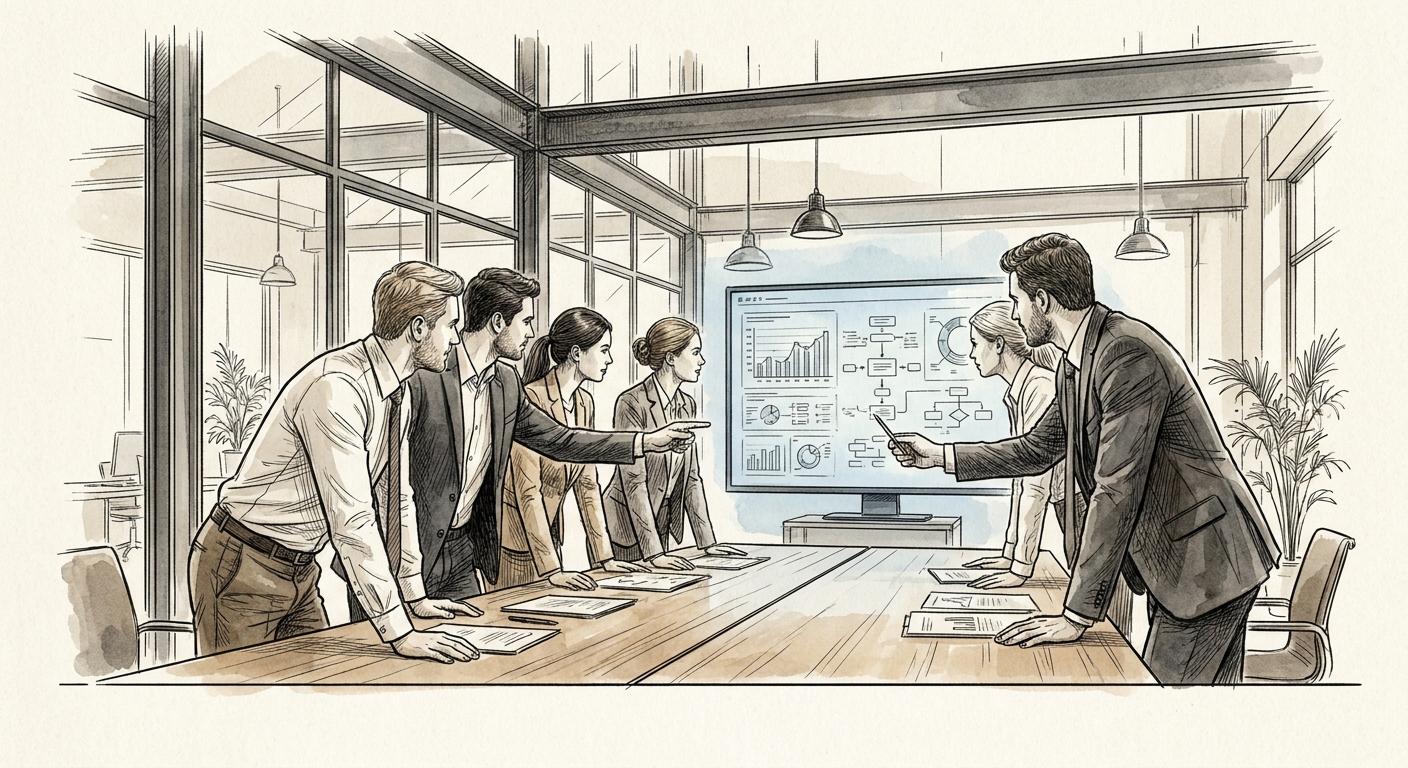
Establish a centralized team responsible for the operating wedge. This group monitors model performance across the footprint, ensuring that as margins fluctuate, the AI recalibrates correctly. They should maintain a "Golden Image" of the AI workflow that is 80% standardized, leaving 20% for facility-specific tuning. This balance is critical for maintaining value creation targets across a diverse portfolio.
Continuous Execution: The Embedded AI Partner Advantage
Generic consultants often deliver a report and a roadmap, leaving the COO to handle the difficult task of technical integration. An execution partner, however, provides embedded AI that sits inside your existing workflows.
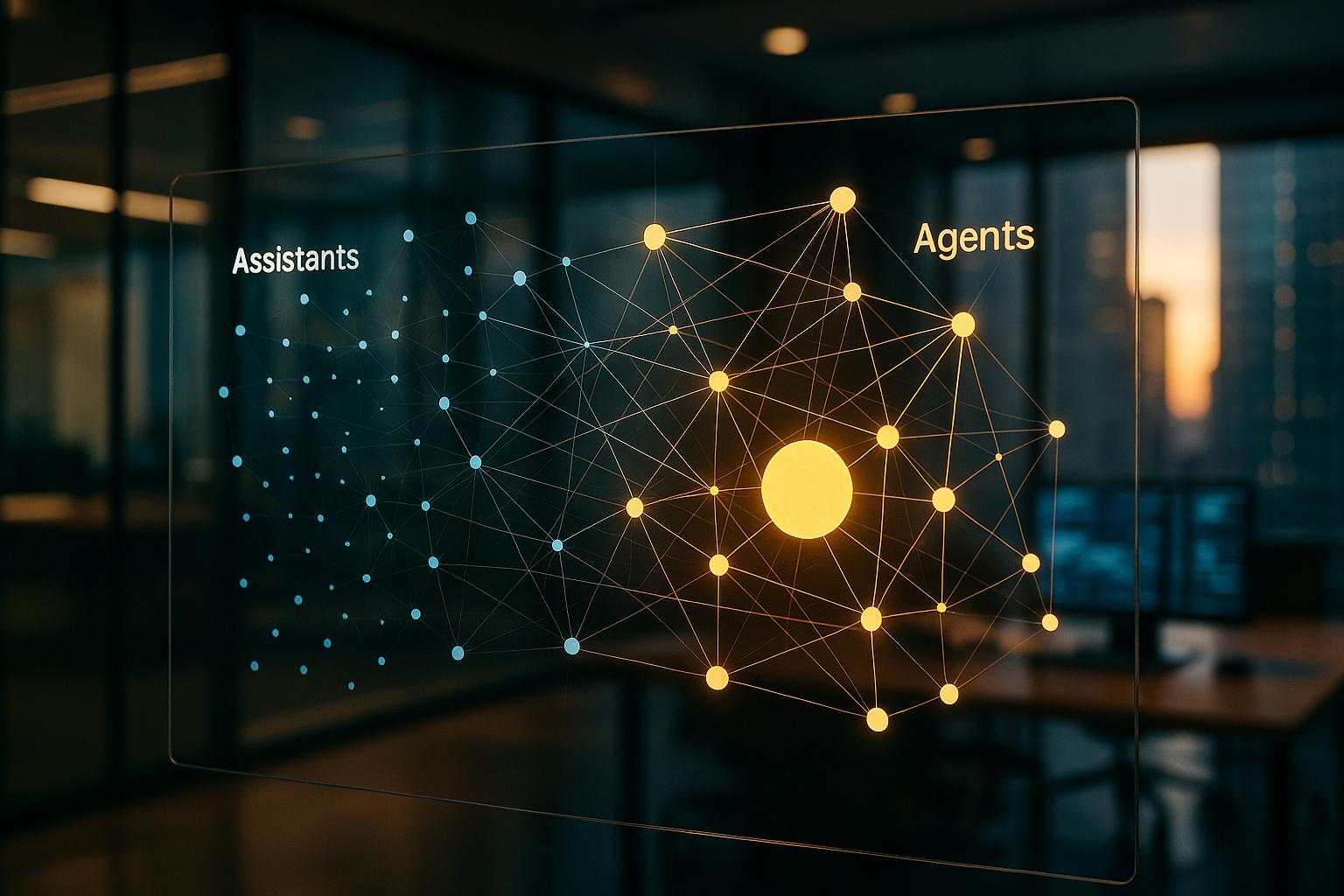
The goal is to move away from fragmented "point solutions" and toward a unified operating system. By focusing on time-to-value, an execution partner helps bridge the gap between the CFO’s requirement for EBITDA improvement and the Plant Manager’s need for a stable, predictable floor.
FAQ
How long should a manufacturing AI pilot take before scaling?
A focused AI pilot should deliver a measurable result in 4–8 weeks. If the project exceeds this timeframe without a clear quick win, the scope is likely too broad and risks losing stakeholder buy-in.
What is the biggest barrier to scaling AI across plants?
The primary barrier is data heterogeneity; different equipment vintages and varying data formats across sites make standardization difficult. Successful scaling requires a unified industrial data infrastructure before the rollout begins.
How does AI impact job costing and margin leakage?
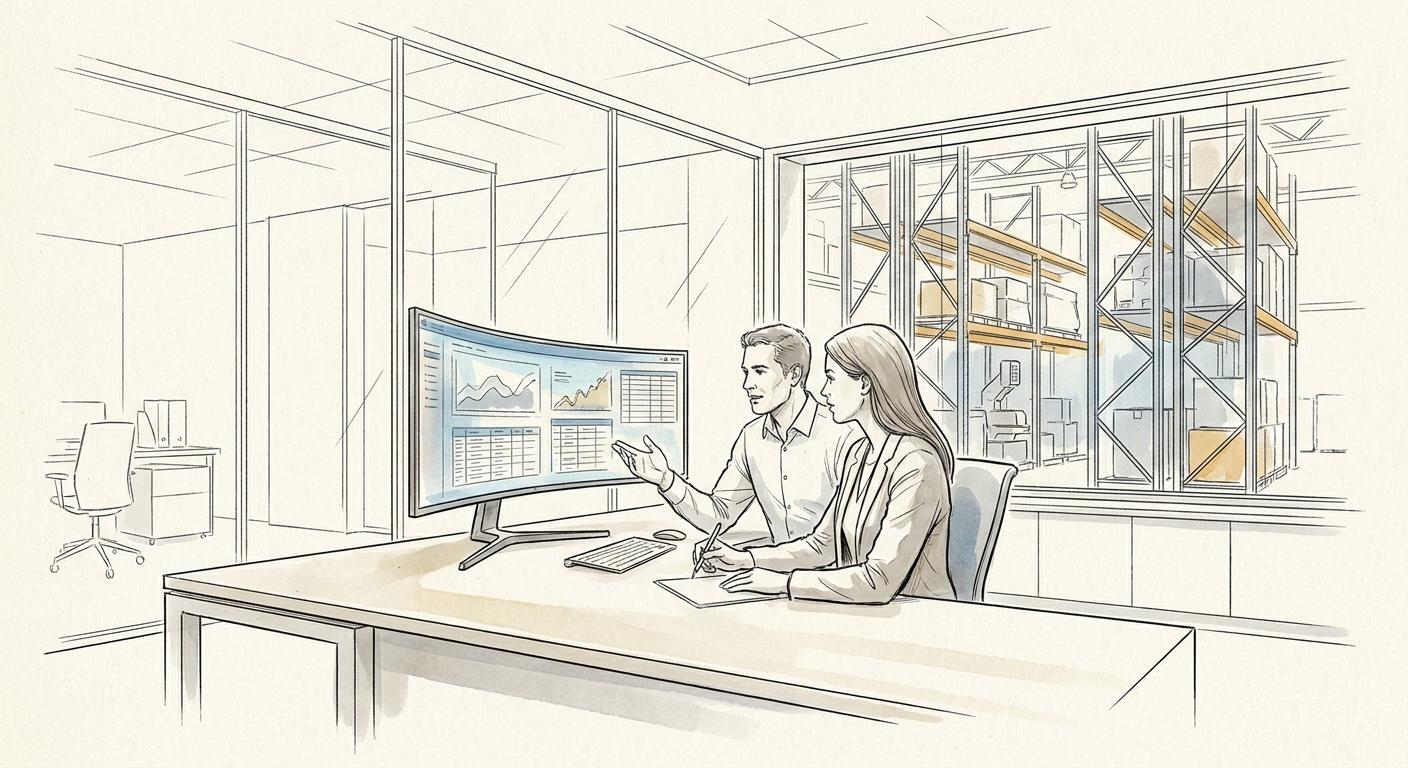
AI provides real-time estimate-vs-actual tracking, identifying exactly where material waste or labor overages occur. This transparency allows COOs to plug margin leakage that is often hidden in aggregated monthly reports.
Can AI be scaled in facilities with legacy equipment?
Yes, by using secondary sensors and edge gateways, legacy assets can be integrated into the data stream. The focus is on capturing specific signals that correlate to machine health and production quality.
Key Takeaways:
Scale AI by focusing on a narrow, high-impact KPI that proves ROI within an 8-week window.
Ensure the "Operational Wedge" includes shop-floor buy-in and a standardized infrastructure to prevent model drift across facilities.
Build your roadmap for enterprise-wide AI deployment. Book a Manufacturing Diagnostic at ifor.ai/solutions/manufacturing