.svg)

Rising utility rates and peak demand surcharges create significant margin leakage for high-output plants. For a COO, manufacturing energy optimization AI isn't about sustainability metrics; it is an operational necessity to stop the erosion of COGS. This guide explores how mid-market manufacturers are moving beyond static monitoring to use active AI models that synchronize production schedules with fluctuating energy costs.
The Hidden Leak: Why Conventional Energy Management Fails the Modern COO
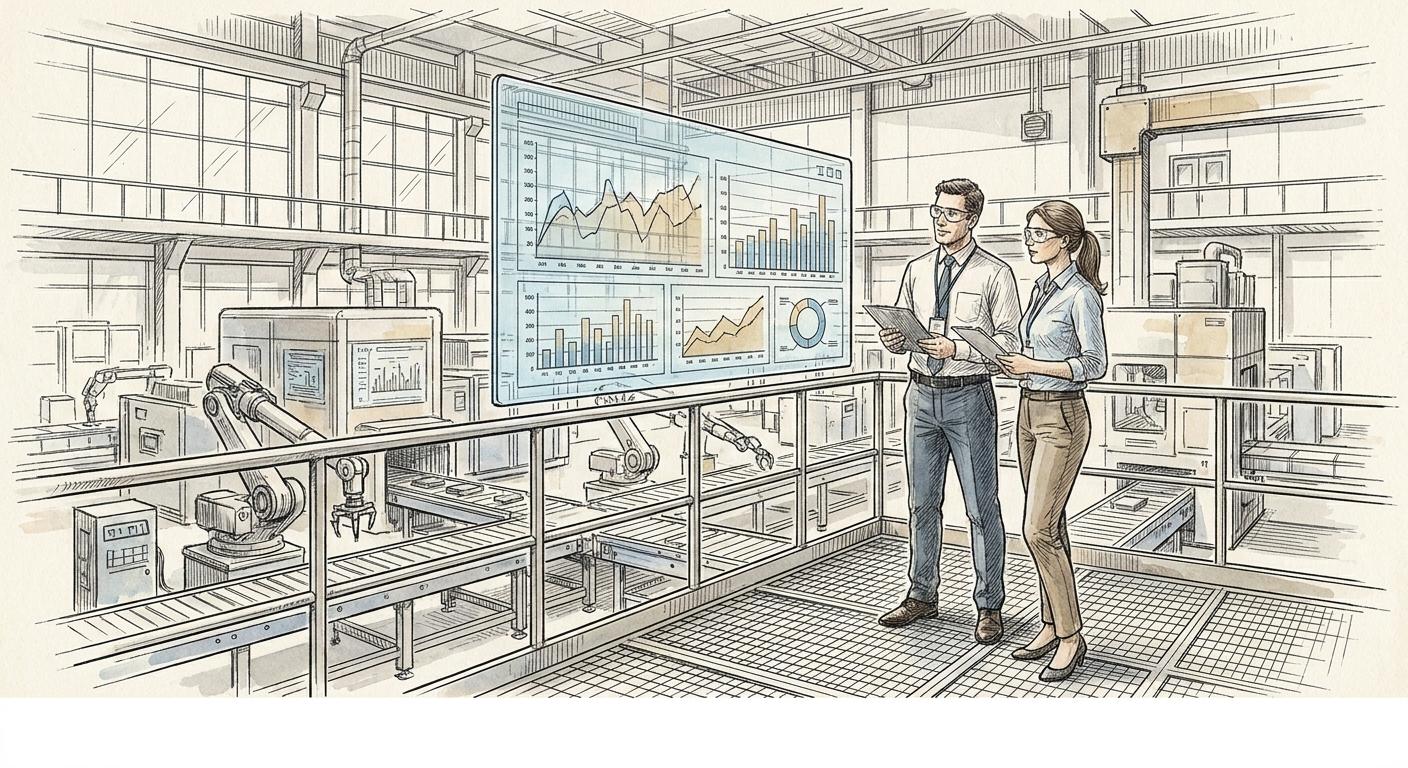
Most plants rely on "looking in the rearview mirror." Monthly utility bills and legacy sub-metering tell you what happened 30 days ago, but they offer no delayed execution truth for the shift happening right now. Conventional energy management systems (EMS) function as glorified dashboards - they show you the data but don't act on it.
In high-intensity environments, like a 250-employee plastics plant in the Midwest, energy consumption is often treated as a fixed cost. However, the disconnect between floor-level demand and utility-grid pricing leads to massive surcharges. When several high-draw machines cycle on simultaneously during peak hours, the resulting "demand spike" can dictate up to 50% of the entire month's bill, even if that spike only lasted 15 minutes.
The Economics of 10%: Impacting EBITDA through AI Energy Integration
Manufacturing energy optimization AI is the use of machine learning algorithms to analyze real-time industrial energy consumption patterns and autonomously adjust machinery loads to minimize costs and peak demand surcharges. By shifting or staggering loads without stopping production, manufacturers can see an immediate EBITDA improvement.
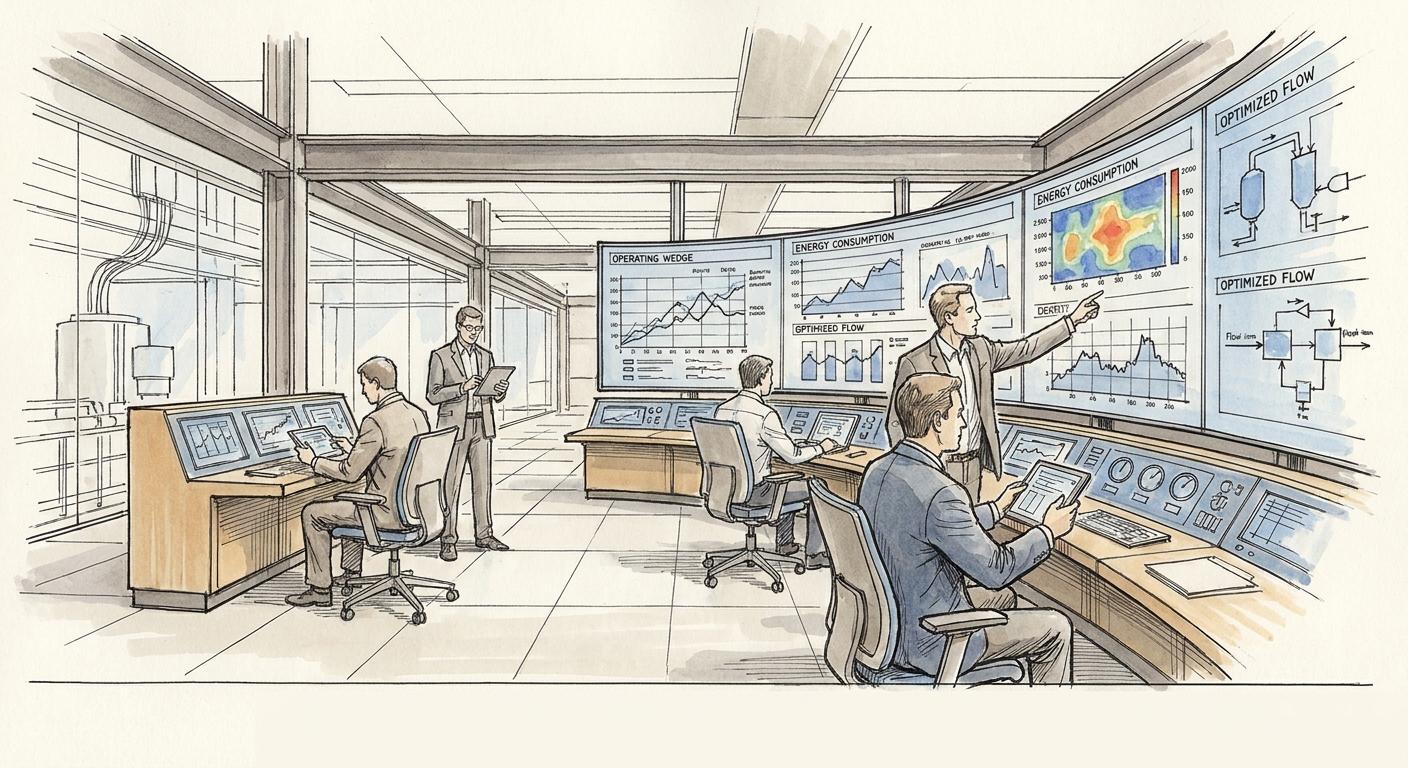
For Private Equity operating partners, reducing energy spend by 10% creates a significant operating wedge. In a facility with $2M in annual power costs, a 10% reduction adds $200k directly to the bottom line. At a 7x exit multiple, that represents $1.4M in value creation. This is achieved by moving energy from a variable "tax" on production to a managed input that scales with efficiency rather than just volume.
Smart Grid Integration: Moving Beyond Basic Peak Shaving
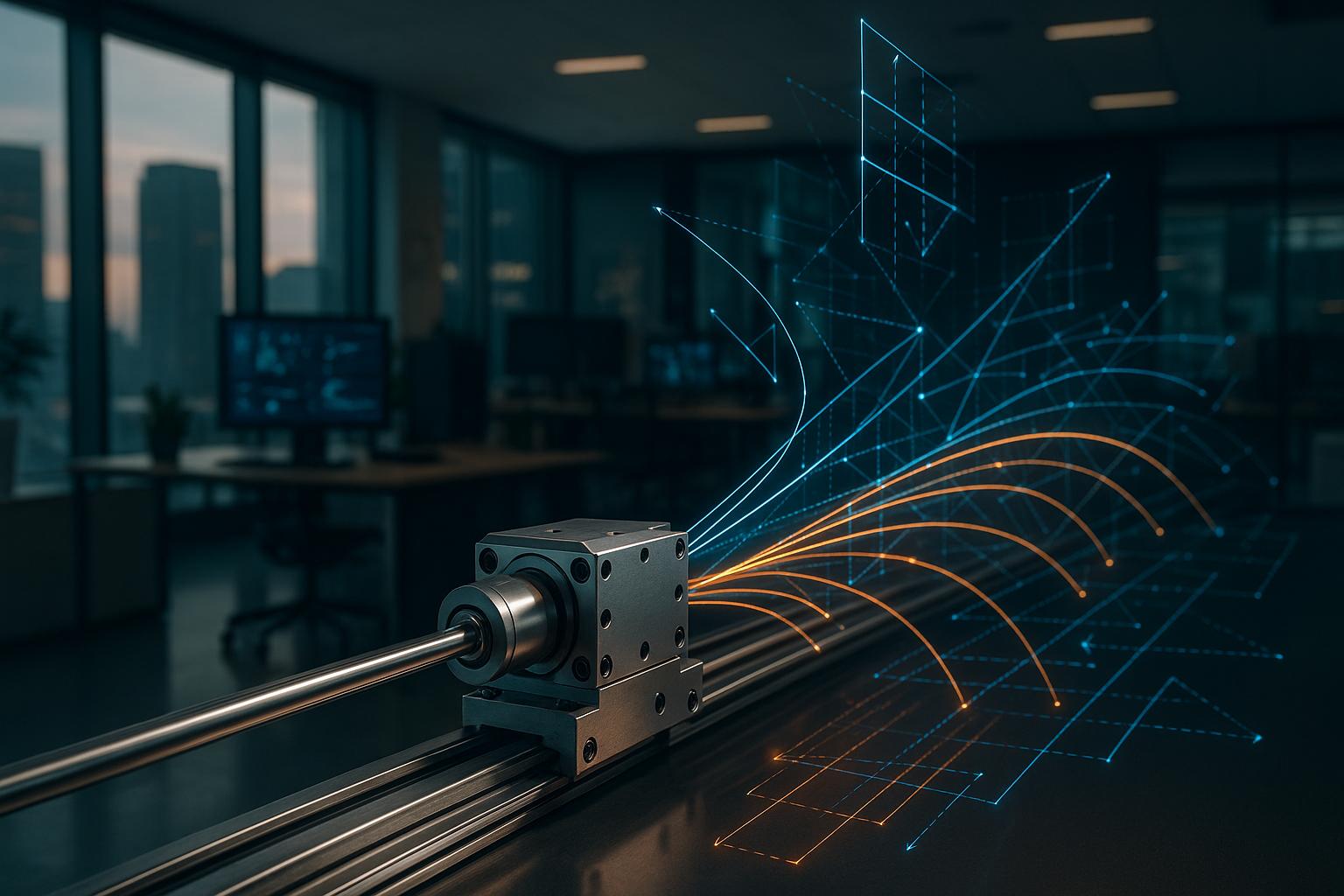
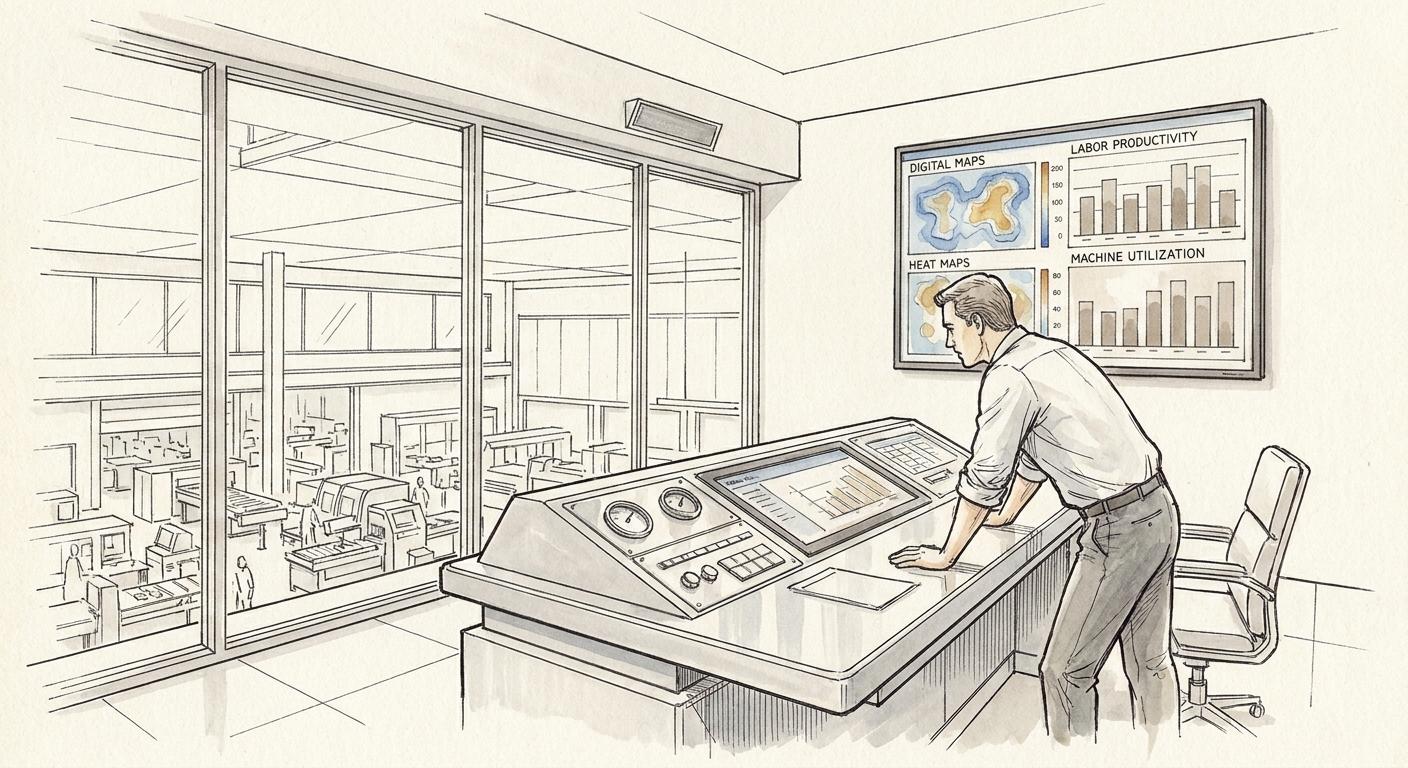
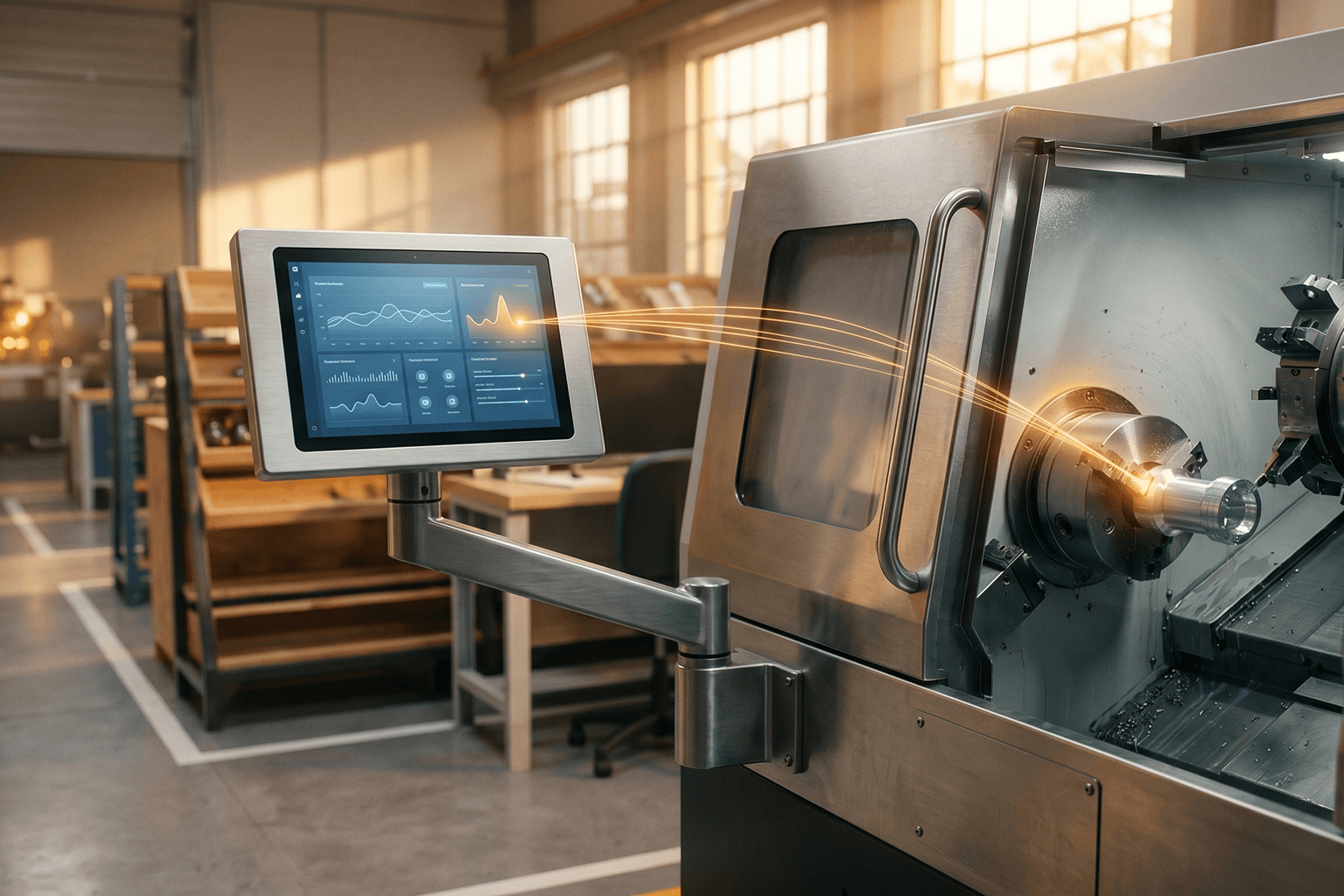
Basic peak shaving usually involves manually shutting down non-essential equipment when the grid is strained. AI-driven smart grid integration manufacturing is more surgical. It utilizes embedded AI to create a digital twin of your energy footprint, predicting both grid pricing fluctuations and your facility’s demand.
The system looks at the production queue and asks: "If we delay the startup of the curing ovens by 12 minutes, can we avoid a $40,000 peak surcharge without missing our OTIF target?" This level of automated load balancing allows the plant to function as a flexible asset for the grid, often qualifying for "demand response" incentives while simultaneously lowering the per-kilowatt-hour cost of operations.
The iForAI Operating Wedge: Achieving Your First Energy Win in 8 Weeks
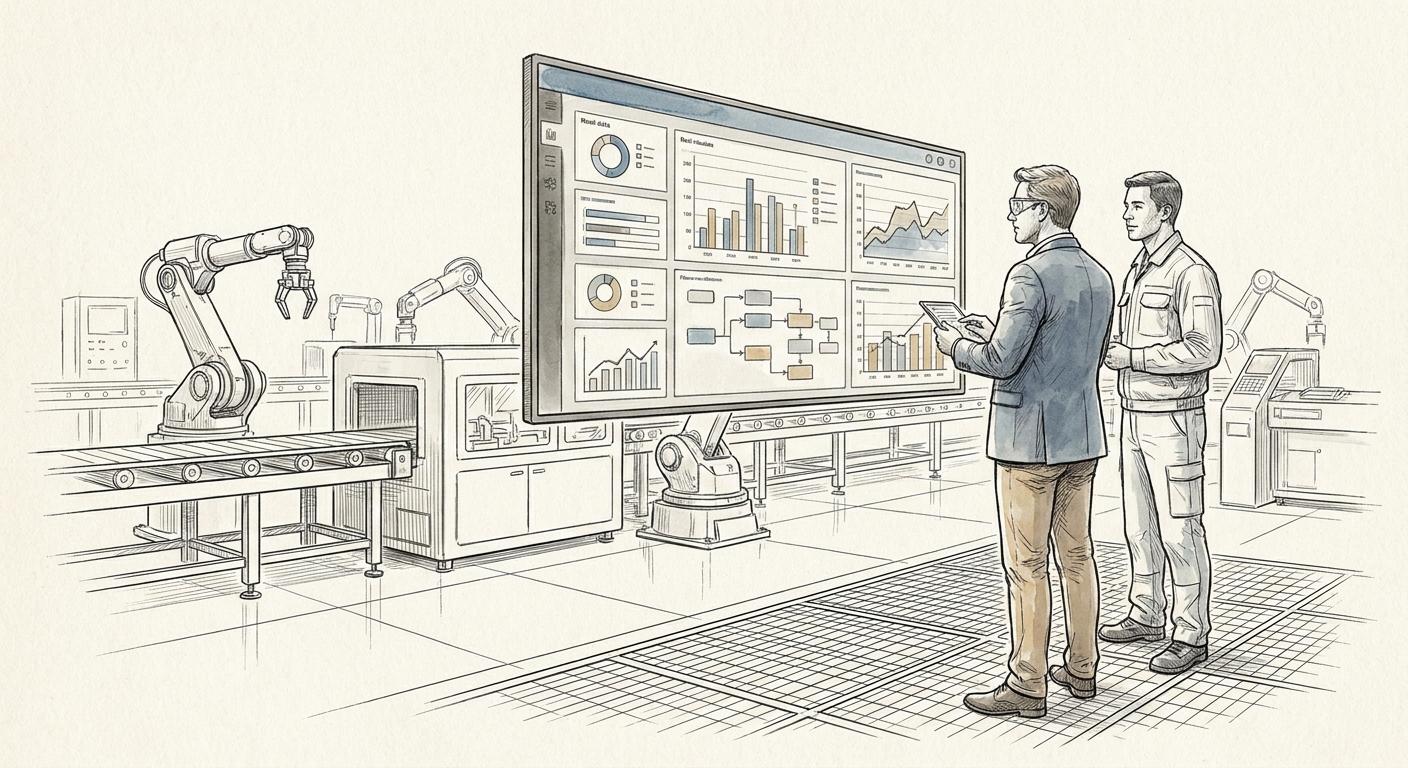
You don't need a three-year digital transformation to see results. We focus on a quick win through an 8-week operating wedge. This involves selecting one energy-intensive asset - such as a large-scale chiller or a furnace - and applying a focused optimization layer.
Weeks 1-2: Establish AI readiness by auditing existing meter data and identifying the highest delta between estimate-vs-actual energy use.
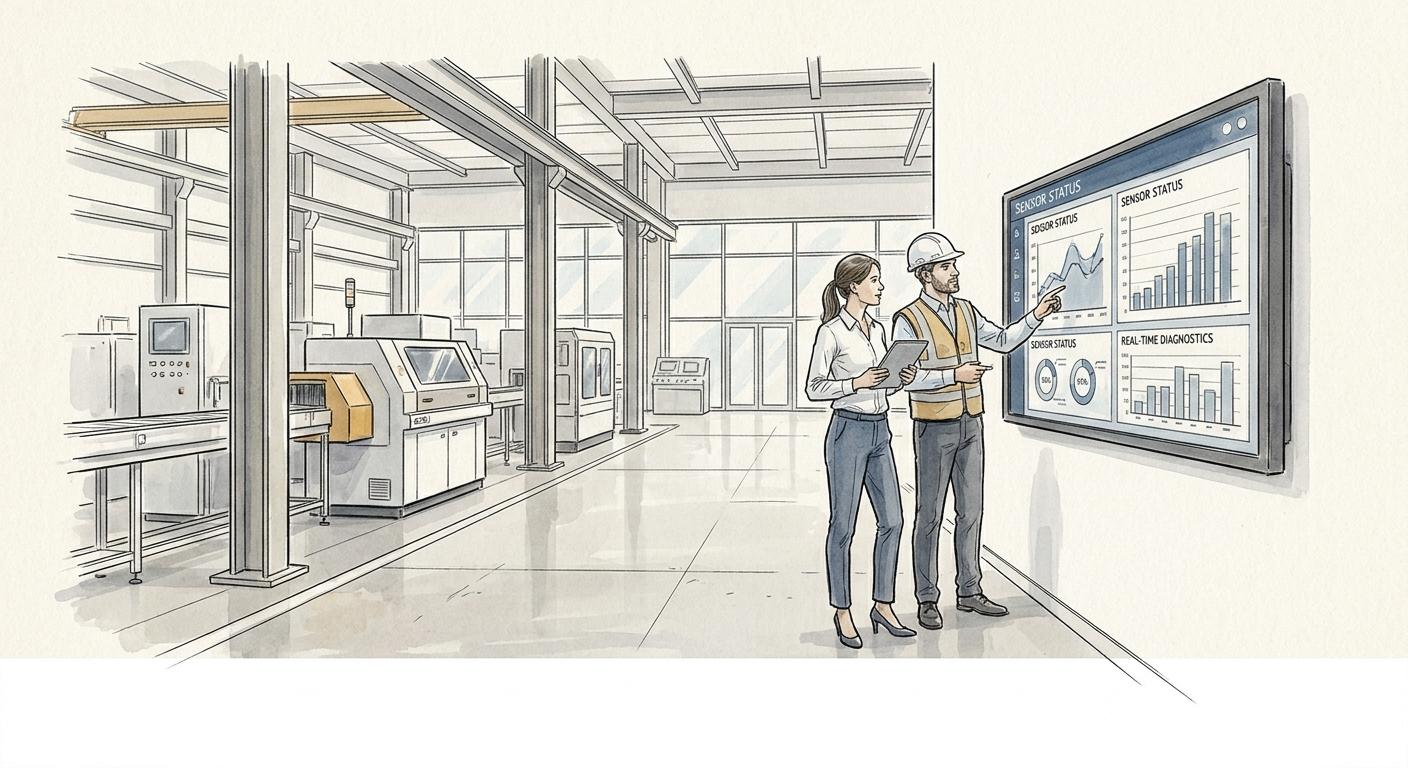
Weeks 3-5: Deploy non-invasive sensor overlays to capture granular, minute-by-minute consumption data.
Weeks 6-8: Execute the first automated "shift," where the AI model begins moderating the machine’s power draw based on real-time grid conditions.
This phased approach provides immediate time-to-value, proving the ROI before scaling the solution across the entire enterprise floor.
Operational Roadblocks: Addressing Data Silos and Legacy Equipment
A common objection from plant managers is that their equipment is "too old" for AI. This is a misconception. Industrial energy management systems today don't require the machinery to be "smart" - they only require the data to be accessible.
By using API-led execution and external sensor kits, you can bridge the gap between legacy hardware and modern AI. We don't replace the 20-year-old press; we monitor its power draw and control its power supply or cycle timing. This bypasses the need for heavy CAPEX, allowing COOs to optimize job costing and capture margin without a total equipment overhaul.
Frequently Asked Questions
How long does it take to see actual utility bill reductions? Initial results typically appear within 4 to 8 weeks. Once the operating wedge is established, the first full billing cycle usually reflects a reduction in peak demand surcharges as load balancing begins to smooth out the consumption curve.
Does AI energy optimization require replacing existing shop floor equipment? No. The optimization layer works with your current infrastructure. By using smart meters and IoT sensor overlays, the AI gathers necessary data and communicates with your existing PLC or building management system to adjust operations.
How does this integrate with my existing ERP or MES? AI energy tools act as a middleware. They pull production schedules from your ERP to ensure that energy-saving measures never interfere with production deadlines or OTIF requirements, keeping the emphasis on delayed execution truth.
What is the typical ROI for mid-market manufacturing plants? While variables like regional utility rates differ, most energy-intensive plants see enough utility spend reduction to reach a "break-even" on the initial implementation within 6 to 12 months.
Conclusion
AI energy optimization is the most direct path to reducing OpEx and expanding the operating wedge in high-intensity manufacturing. By stabilizing utility spend and eliminating peak demand surcharges, COOs can protect margins against volatile energy markets.
Book a Manufacturing Diagnostic at ifor.ai/solutions/manufacturing