

.svg)

Beyond the Keystroke: Is Your AI Strategy Stuck in Traffic?
Visit almost any engineering department today, and a common scene unfolds: developers are using tools like GitHub Copilot to accelerate through routine coding tasks. Yet, despite these individual productivity boosts, product delivery timelines often remain unchanged.
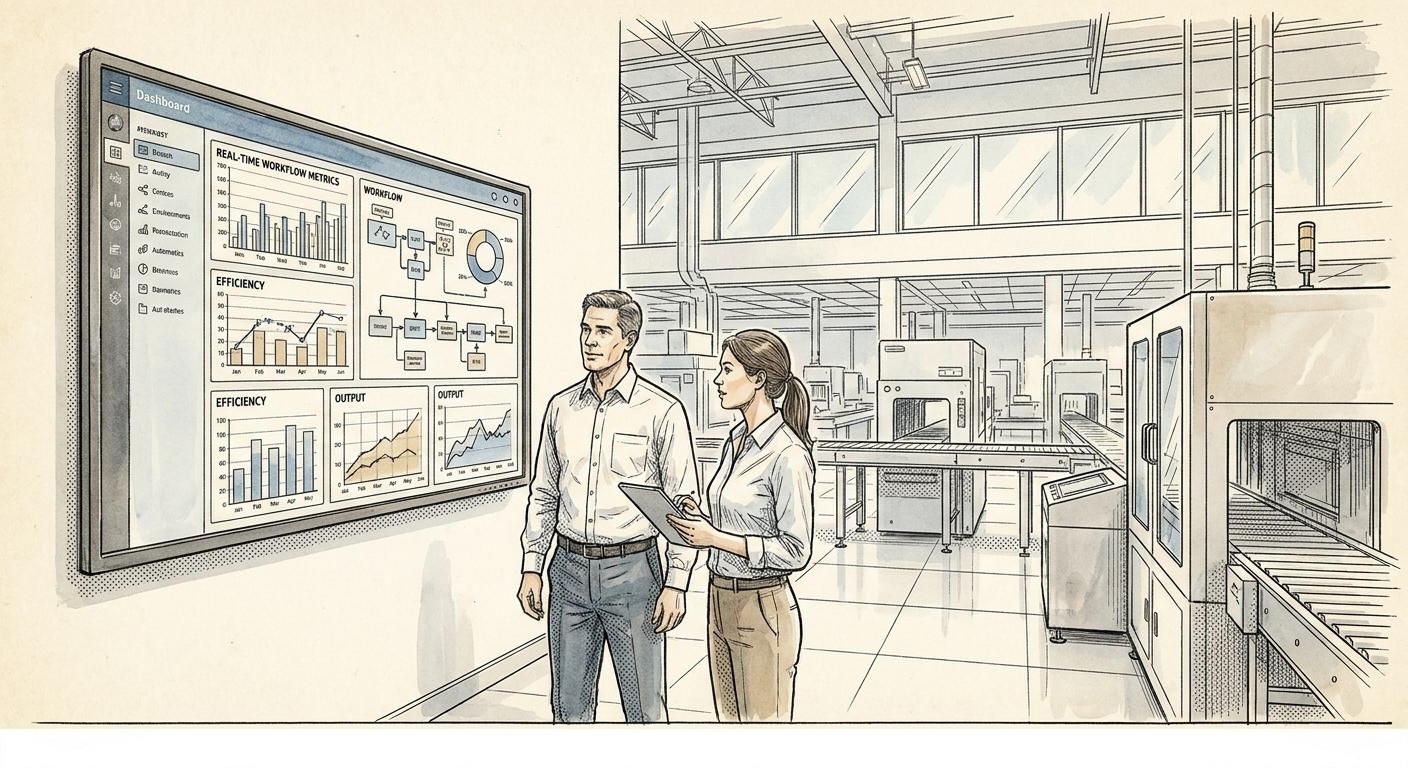
This phenomenon, sometimes called the “Turbocharger in Traffic” paradox, highlights a critical challenge. While individual contributors may gain speed, the overall organizational flow can remain hindered by manual handoffs, outdated documentation, and numerous coordination meetings. If an AI strategy focuses solely on enhancing individual output, it risks creating isolated pockets of efficiency that don't translate into broader business transformation.
From Reactive Assistants to Objective-Driven Agents
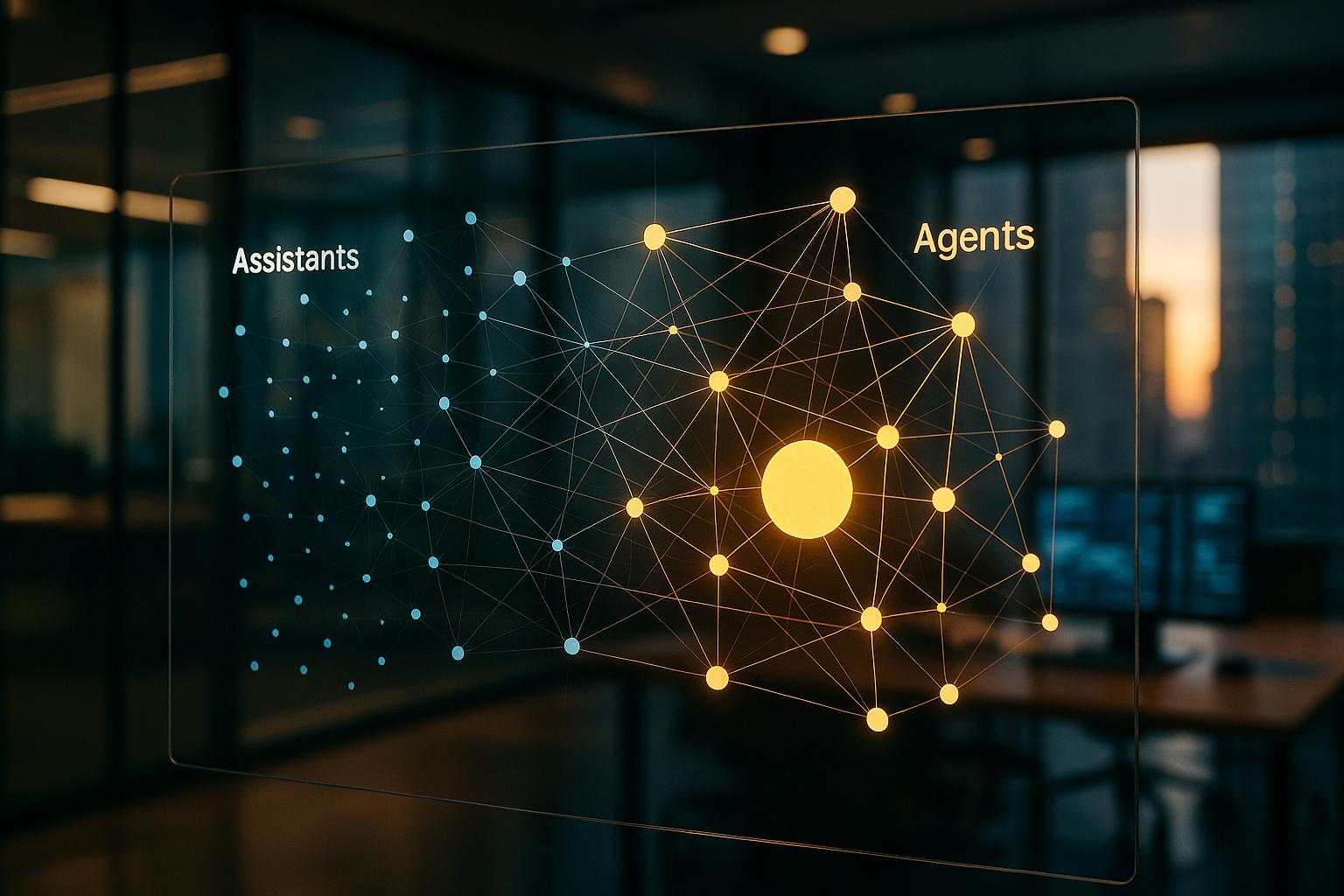
To overcome this gridlock, leaders can shift their focus from AI Assistants to AI Agents. This distinction is more than semantic; it represents a fundamental difference in operational capability.
- AI Assistants are typically reactive. They await human prompts to perform specific tasks, such as completing a sentence or suggesting code functions. They generally require continuous human direction.
- AI Agents are designed to be objective-driven. Given a mission—for example, "Audit this pull request against security standards and synchronize technical documentation"—an agent can execute a complex workflow autonomously.
Agents are designed not just to assist individual work but to facilitate organizational progress by independently managing intricate tasks, bridging the gap between human intent and desired outcomes.
Enhancing Workflow "Connective Tissue"
Significant returns on AI investment can often be found not just in direct task automation but in optimizing the "connective tissue" of workflows. This "middle-work"—the manual handoffs and coordination points—frequently slows down project delivery.
Enterprise teams are increasingly deploying agents to manage these high-friction areas, thereby accelerating delivery:
- Dynamic Documentation: Systems that automatically update technical documentation as code changes occur, aiming to ensure that the "source of truth" remains current.
- Product Requirement Document (PRD) Validation: Agents that analyze PRDs to identify potential logic gaps or contradictions before development begins.
- Automated Alignment: Reducing the need for frequent status meetings by leveraging agents that track dependencies across various workstreams in real time.
Scaling Beyond "Shadow AI"
Many organizations experience "Shadow AI," where individual employees use various AI tools in an uncoordinated manner. While this might offer personal efficiency gains, its impact on overall company performance can be limited.
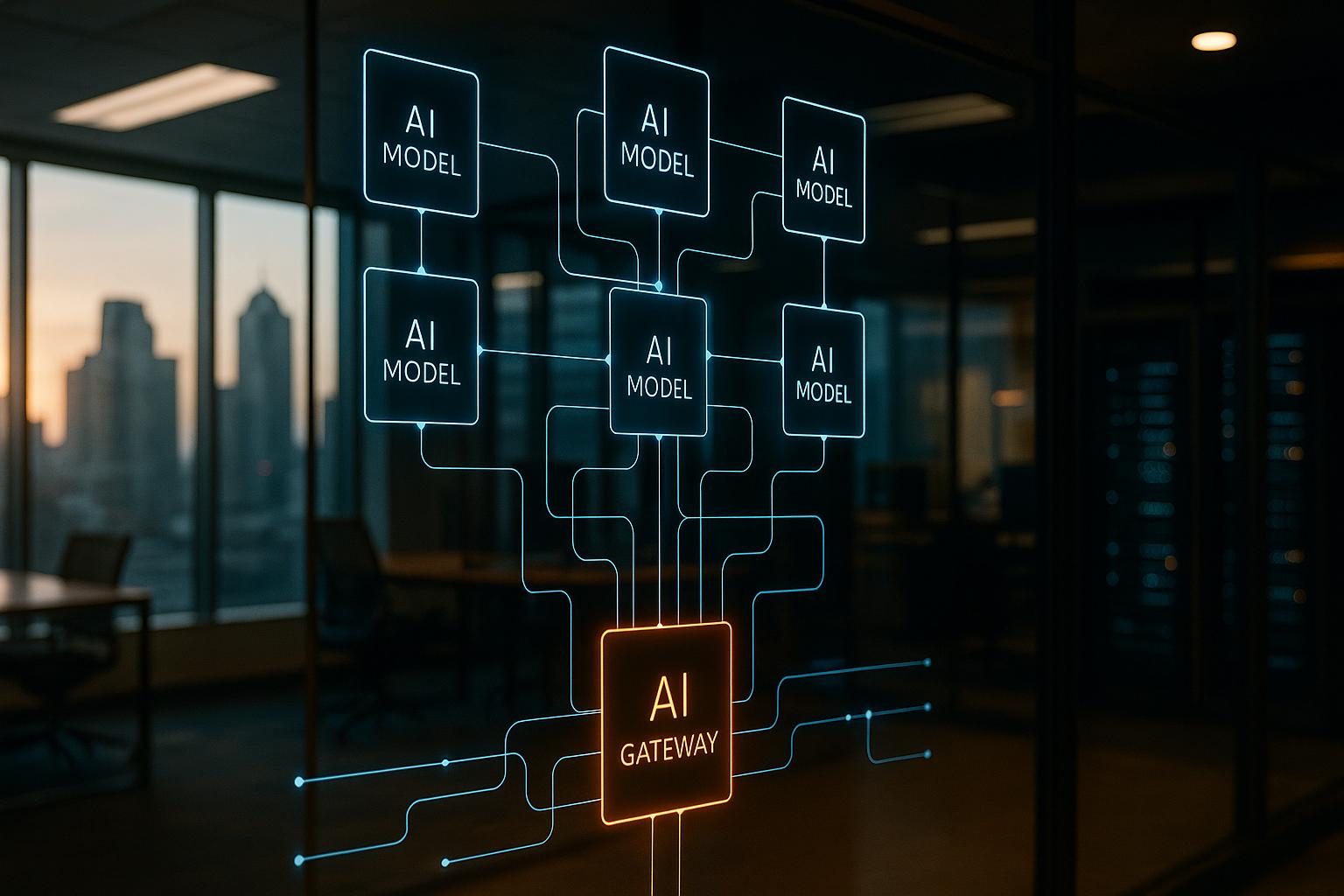
For AI to deliver measurable business impact, it often needs to be integrated into core infrastructure, such as CI/CD pipelines and data stacks, rather than remaining in isolated applications.
The Bottom Line: Instead of solely measuring individual output, organizations can focus on how quickly they deliver value. If executive teams are not yet exploring agentic augmentation, they might be overlooking opportunities to enhance delivery capacity and overall operational efficiency.
Ready to transform AI experiments into a high-performance delivery engine? Explore how an agentic roadmap can benefit your organization.