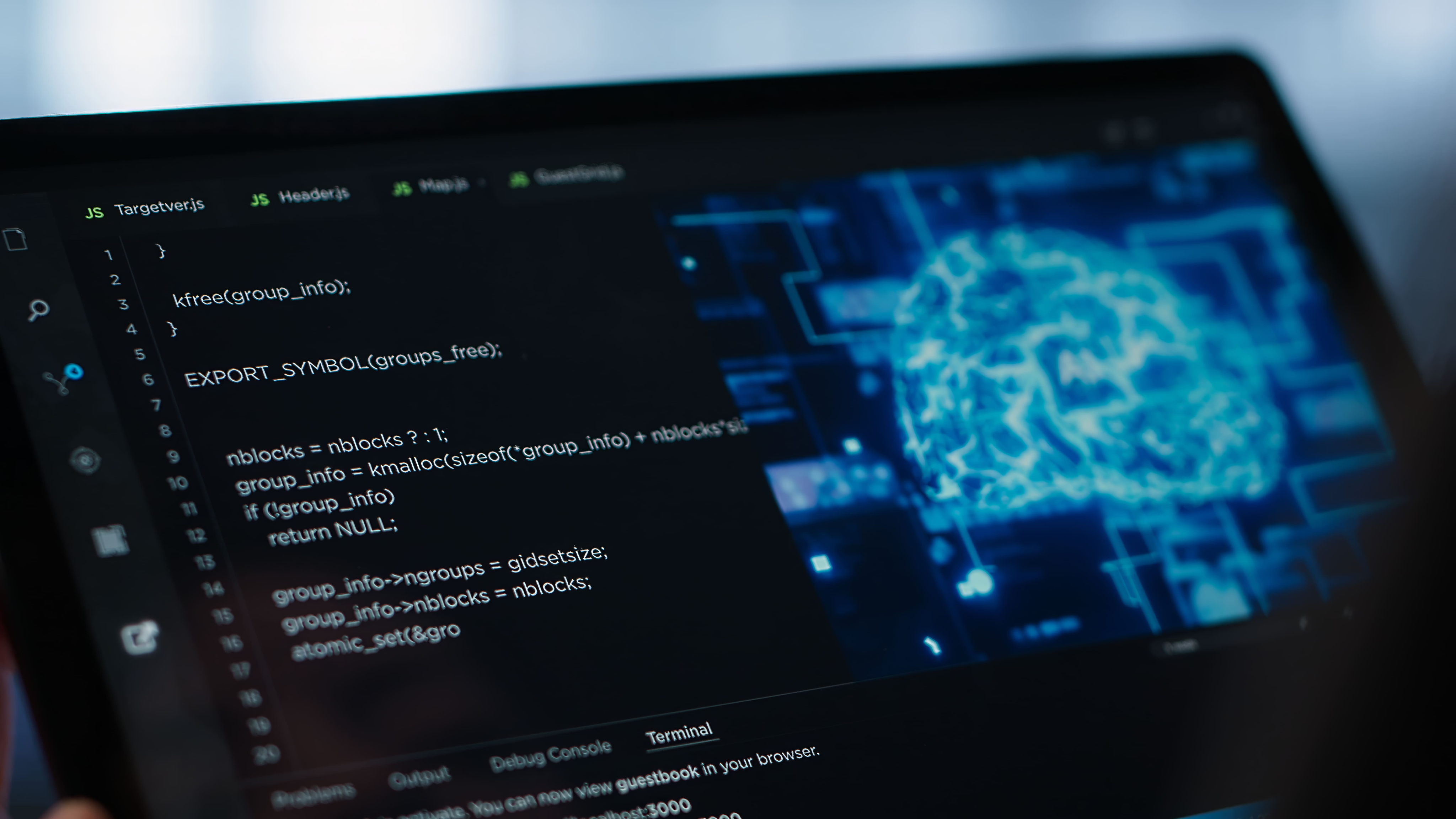
When the U.S. Department of Defense (DoD) integrates new technology, the conversation often centers on security. The recent news that the Pentagon is leveraging Anthropic’s Claude for data analysis and operational support sends a clear signal across the tech landscape.
For enterprise leaders, this development is more than just a defense contract headline. It marks a definitive shift away from the "ban everything" era of AI governance. If one of the most risk-averse and highly targeted organizations globally has found a way to bridge the gap between strict data privacy and generative AI capabilities, it suggests a blueprint exists for other organizations to do the same.
The Limitations of the 'Sanction' Strategy
In the initial surge of generative AI (GenAI) adoption, many organizations—particularly in regulated sectors like FinTech and HealthTech—opted for a complete block on these tools. The rationale was often to protect intellectual property and mitigate the unpredictability of model "hallucinations" (AI-generated information that is plausible but incorrect).
However, a ban rarely serves as a long-term solution; it often acts as a delay tactic that can lead to Shadow AI. This occurs when employees use unauthorized tools, potentially on personal devices, to debug code or experiment with prompts. By sanctioning these tools, organizations may not eliminate risk but rather lose visibility and control over their usage. The military’s shift toward Anthropic represents a transition from fear-based sanctioning to synergy: integrating tools into a managed, secure environment where they can drive value.
Lessons for Your Innovation Pipeline
Moving from a defensive "no" to a strategic "yes" requires re-evaluating your infrastructure rather than solely focusing on the AI itself. Here’s how to apply this logic to a commercial innovation pipeline:
Secure the Stack, Not Just the Tool: The DoD is not simply logging into a standard public web interface. They utilize integrated environments like AWS Bedrock or GovCloud, ensuring data remains within their specific security perimeter. For SaaS or digital product teams, the key takeaway is to integrate AI into your own secure cloud infrastructure, maintaining control over data flow, rather than relying solely on third-party logins.
Prioritize High-Impact Use Cases: The military is currently using AI to synthesize massive amounts of intelligence, not for autonomous tactical decision-making. Enterprise leaders can follow suit by focusing on Intelligent Agents that handle data-intensive tasks, thereby freeing core teams to concentrate on high-level strategy and execution.
Cultivate Verification Skills: AI adoption can stall if teams lack the skills to prompt effectively or, critically, to audit the output. Successful integration requires fostering a culture of "verify, then trust," ensuring that AI functions as a co-pilot rather than an unchecked operator.
Turning AI into an ROI Engine
At iForAI, we help organizations move beyond the "slideware" phase of AI. We've observed that the transition from a stalled pilot to a scalable rollout often occurs when AI is viewed not as an external threat but as a core component of the technical stack.
Your innovation pipeline doesn't need to be held back by uncertainty. If the military can find synergy with generative models, your team can identify and achieve a significant return on investment (ROI). The question is no longer if AI belongs in the enterprise, but how quickly it can be deployed securely and effectively.
Ready to move from strategy to execution? Explore our AI Maturity Framework to understand how to integrate AI securely and effectively within your organization.



.png)
















.png)