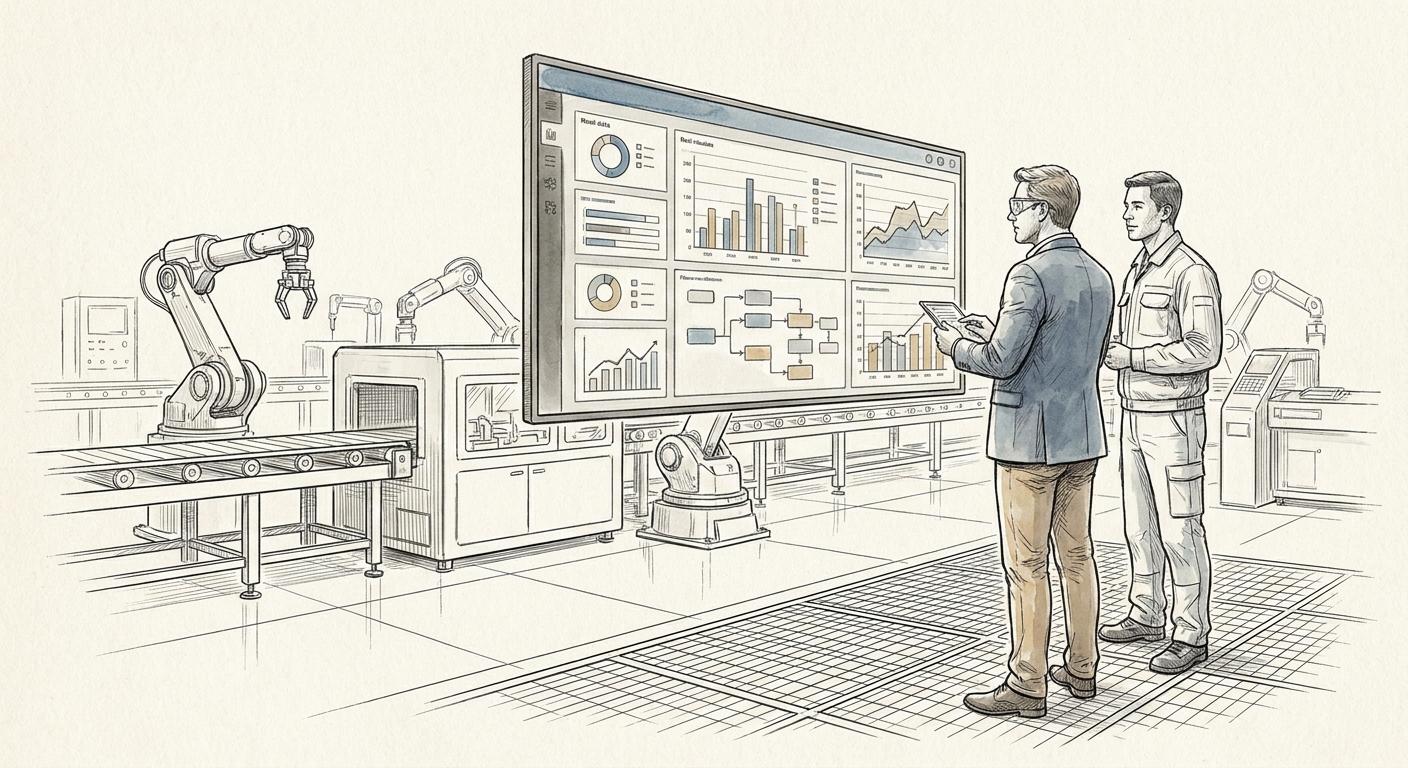
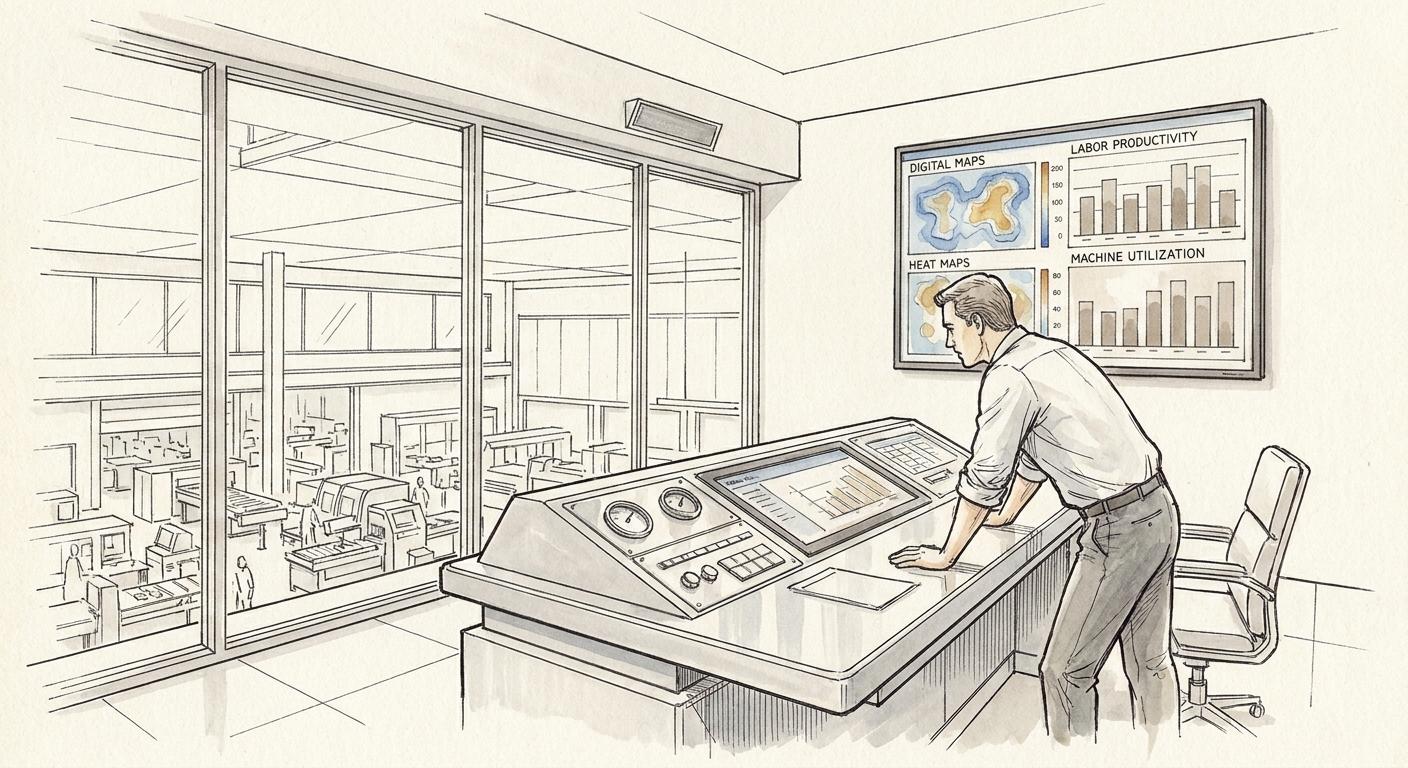
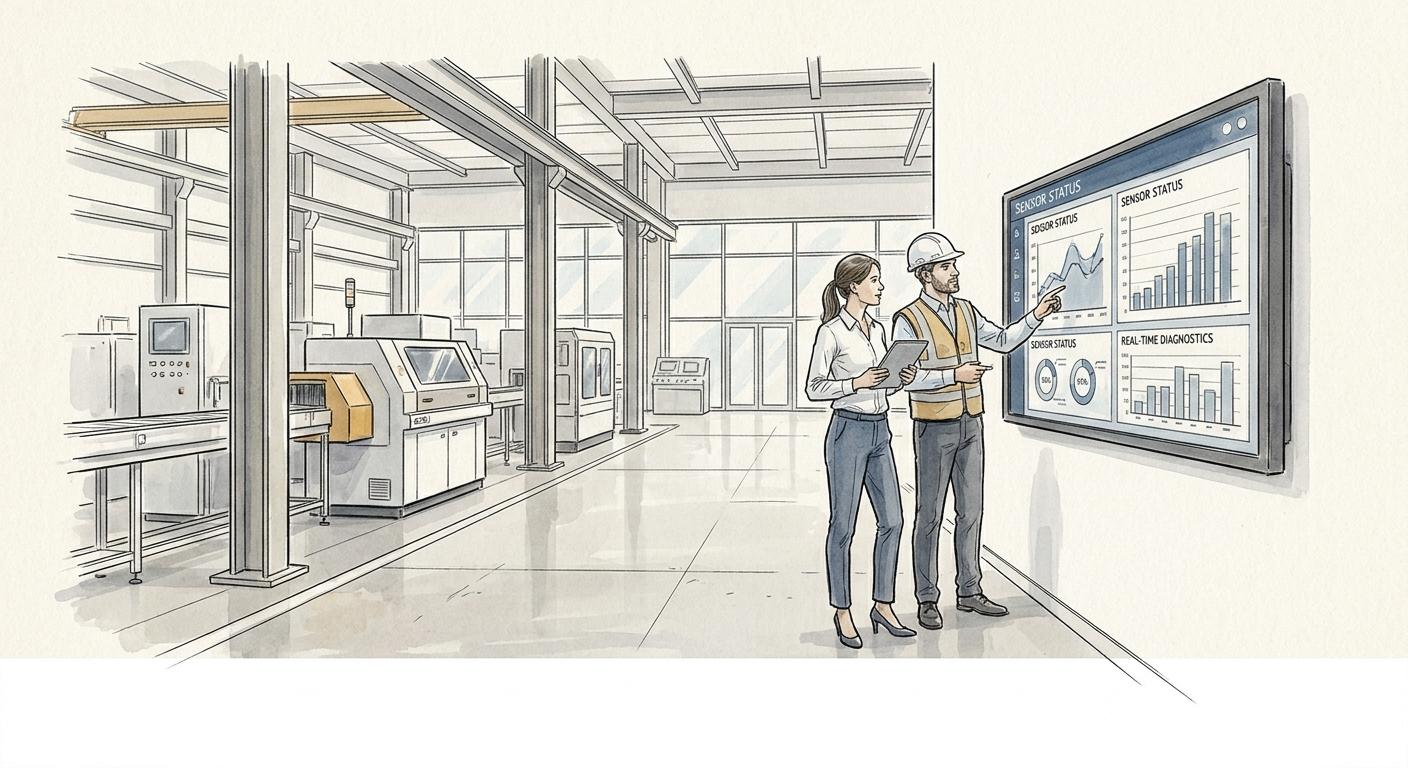
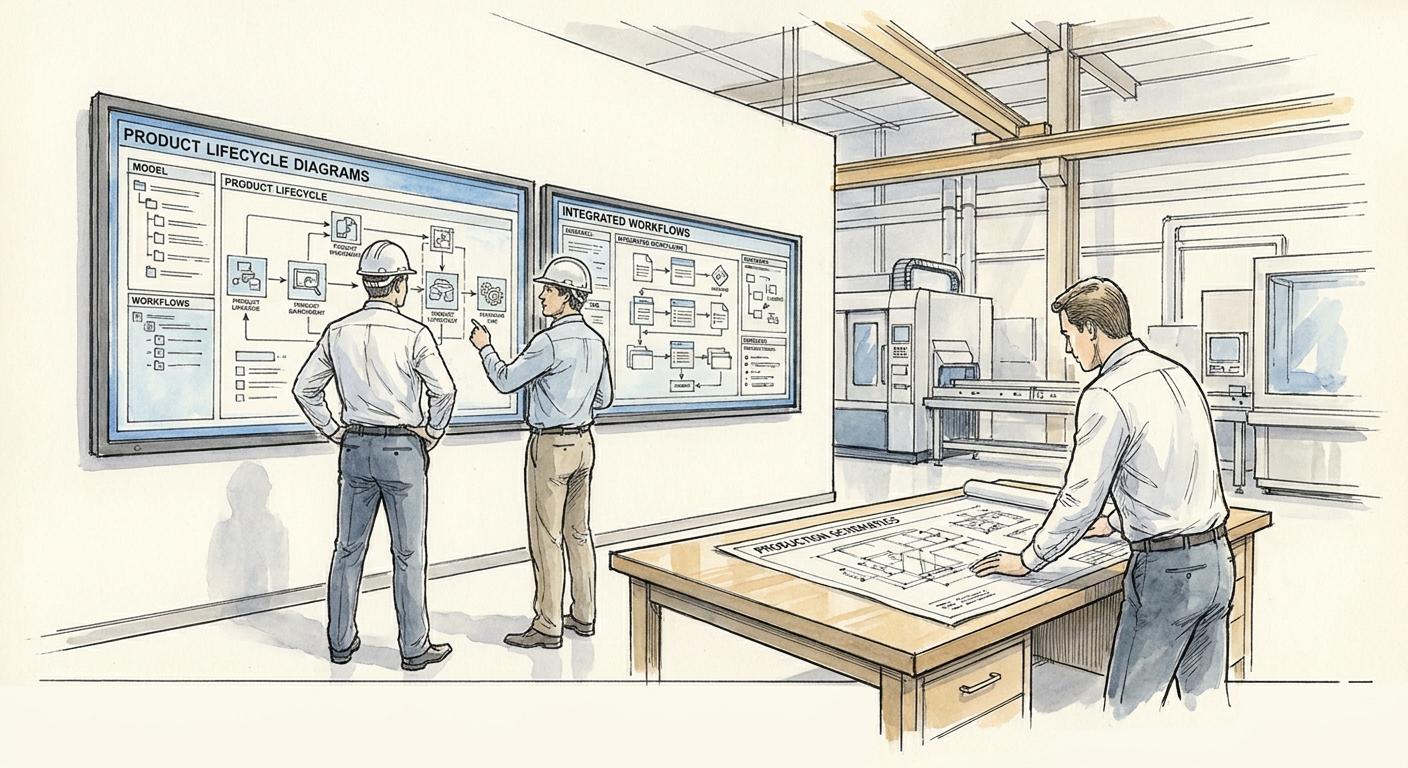
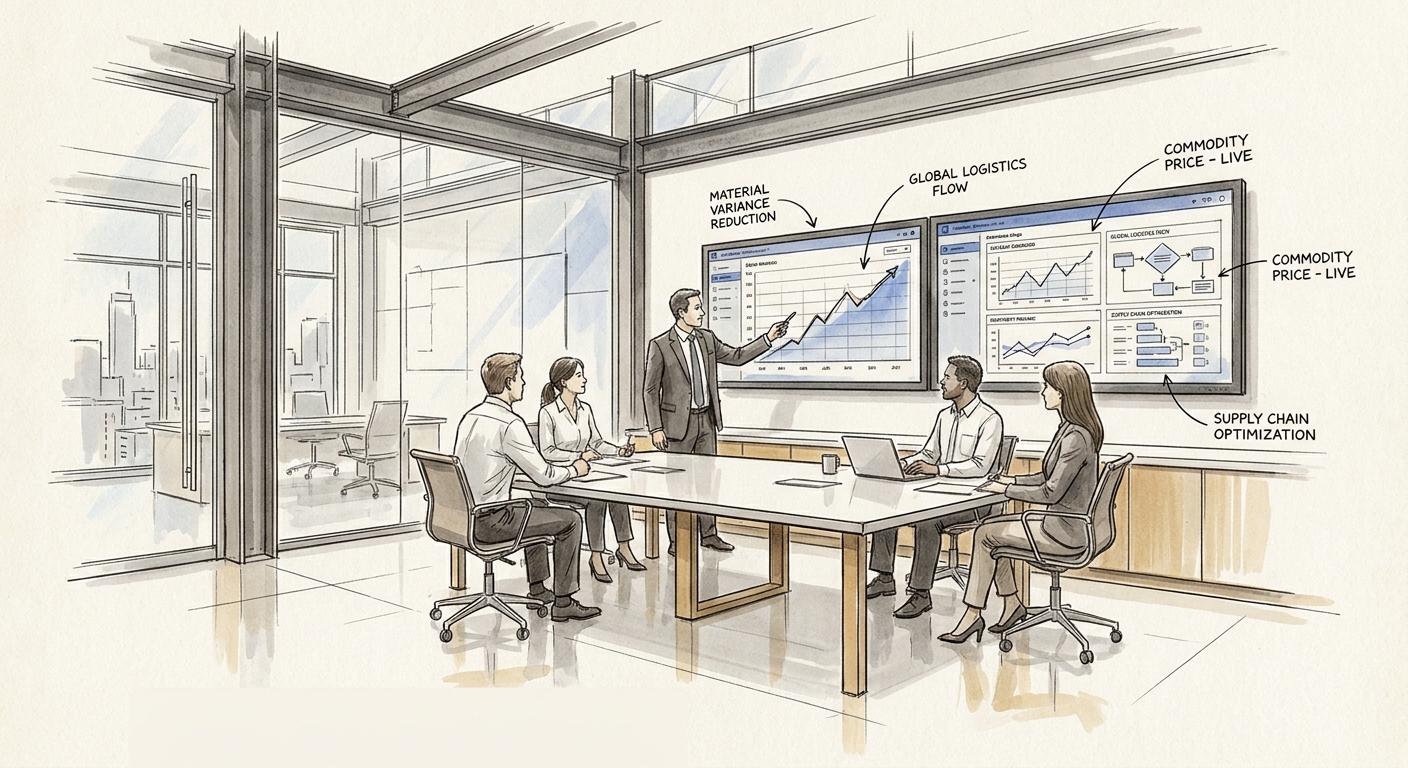
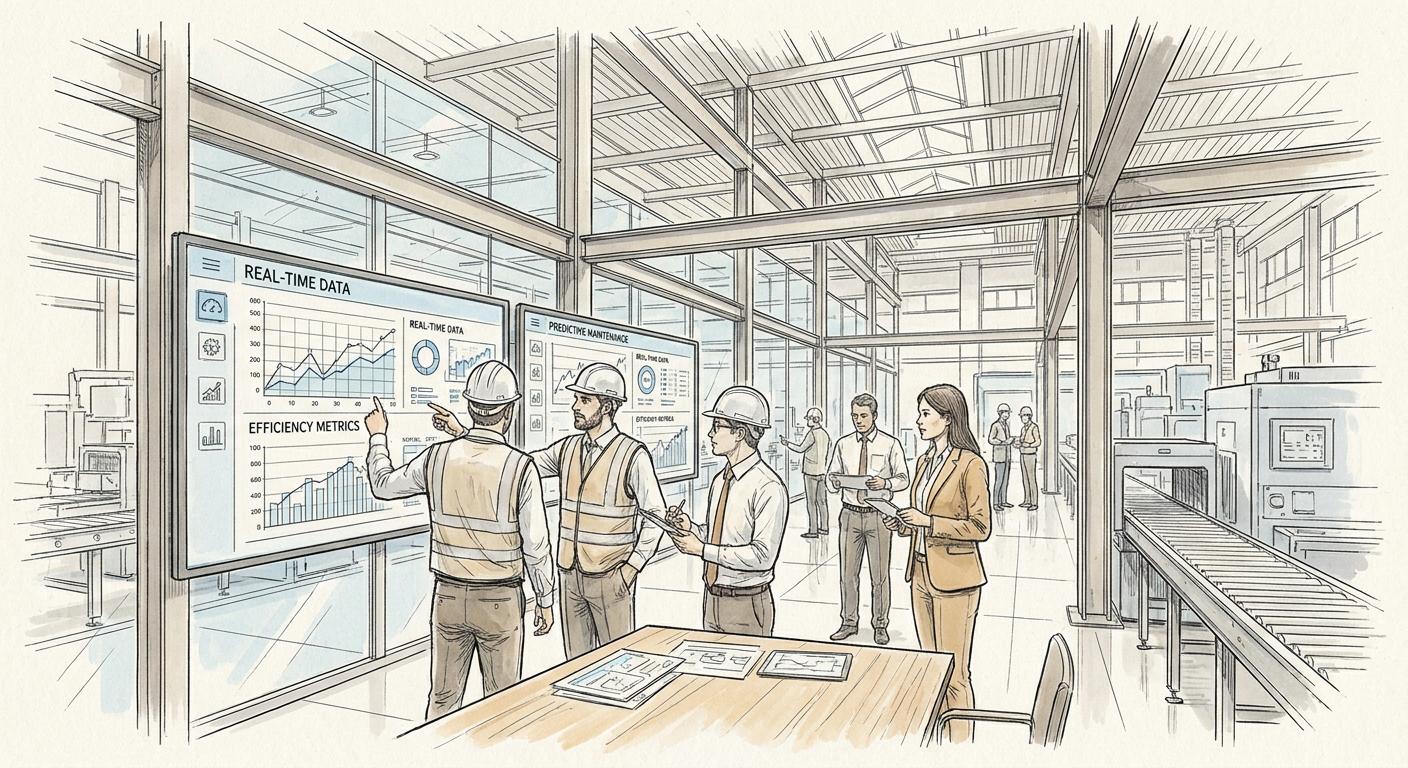
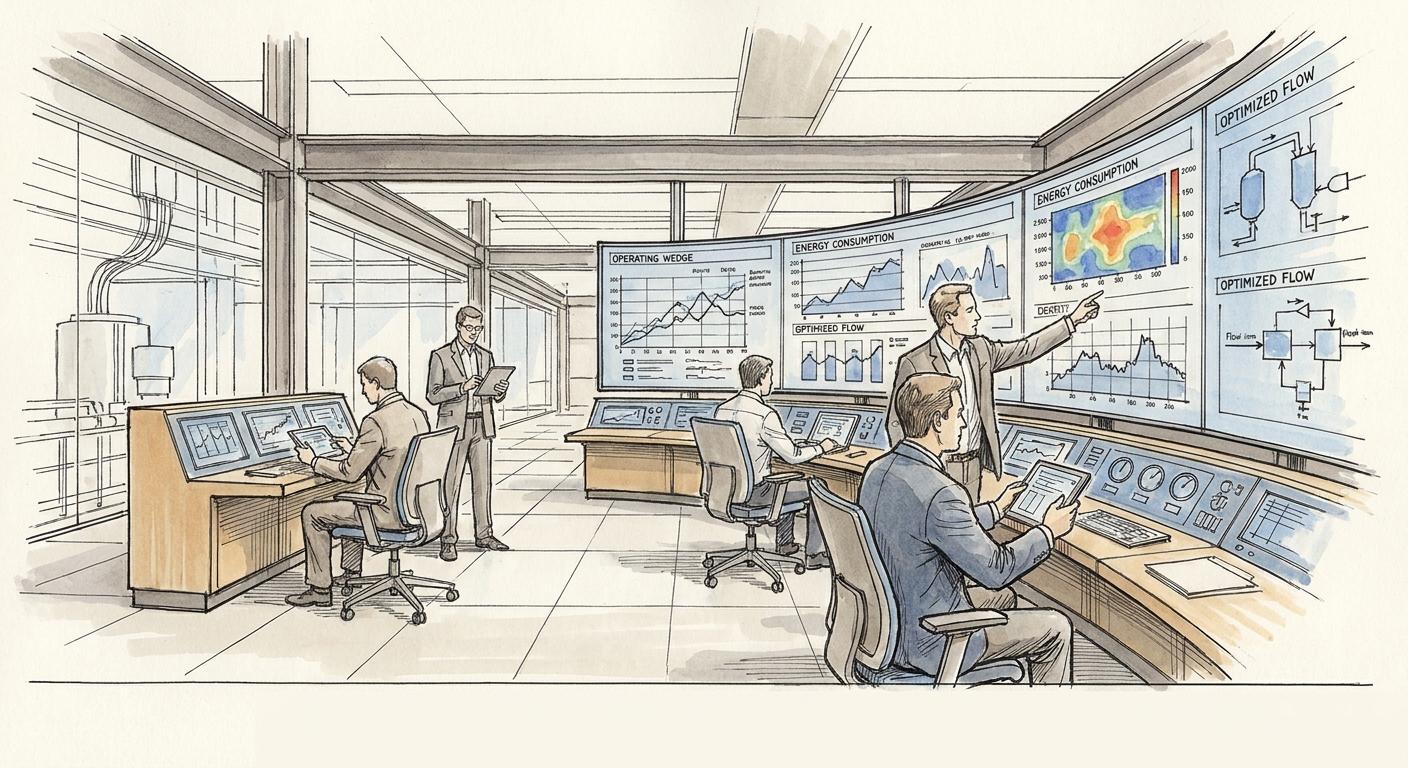
Operating Partners often inherit portfolio companies with flat margins and "stalled" AI pilots that never moved past a trial phase. When evaluating AI vendors for manufacturing, the primary challenge isn't a lack of technology; it is a lack of focus on the operating wedge. Most mid-market manufacturers suffer from a "delayed execution truth" where ERP data doesn't match shop-floor reality. Without a rigorous framework to vet vendors on their ability to close these gaps, PE firms risk purchasing expensive software that adds complexity without improving EBITDA.
Evaluating AI vendors for manufacturing is the systematic process used by PE Operating Partners to vet artificial intelligence solutions based on their ability to drive EBITDA, integrate with existing industrial tech stacks (ERP/MES), and scale across multiple portfolio sites. This evaluation focuses on time-to-value and the reduction of margin leakage rather than purely technical benchmarks.
Beyond the Demo: Why PE Firms Fail at Manufacturing AI Due Diligence
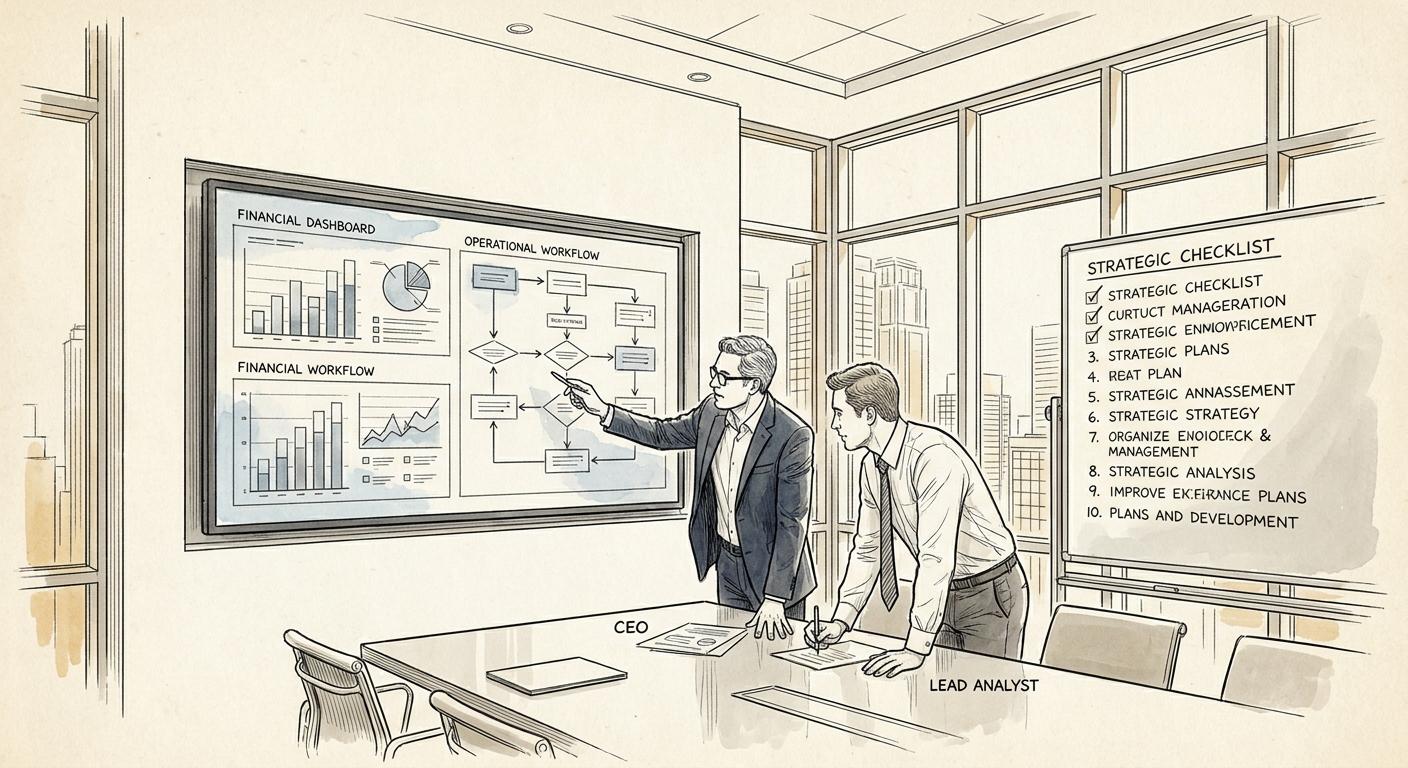
Standard due diligence often misses the "pilot purgatory" trap. A vendor may show a slick user interface with predictive maintenance alerts, but if that software requires a pristine data lake that the portco doesn't have, the implementation will fail. Most mid-market manufacturers operate with messy, fragmented data across disparate ERP and MES systems.
Operating Partners must look past the "shiny object" and ask how the vendor handles estimate-vs-actual gaps. If a vendor cannot demonstrate how they ingest historical job costing data to improve future bidding accuracy, they are offering a feature, not a value creation plan. Failure in due diligence usually happens when the PE firm treats AI as a standalone IT purchase rather than an operational lever.
The Three-Pillar Framework: ROI, Scalability, and Integration
To move the needle on exit readiness, an AI solution must be assessed against three non-negotiable pillars:
- ROI and Payback Period: In a 3-to-5-year investment window, you cannot wait 18 months for a return. Effective AI implementation ROI should be measurable within 60-90 days. This is achieved by focusing on high-impact, narrow use cases - such as reducing OTIF (On-Time, In-Full) misses or optimizing labor scheduling - rather than boiling the ocean.
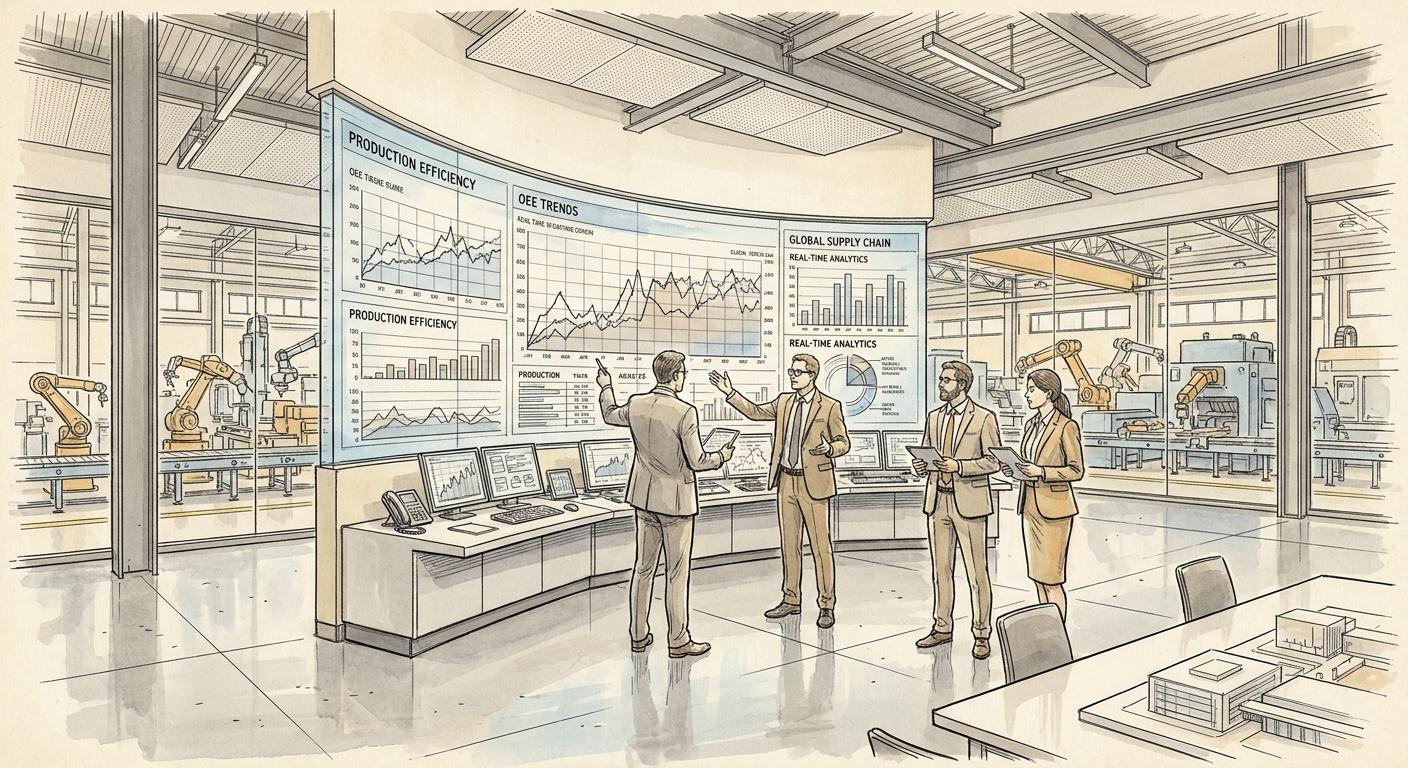
- Industrial AI Scalability: A solution that works in one plant but requires a custom six-month build for the second plant is not a portfolio-wide solution. True industrial AI scalability means the underlying model can be templatized across multiple sites with minimal reconfiguration.
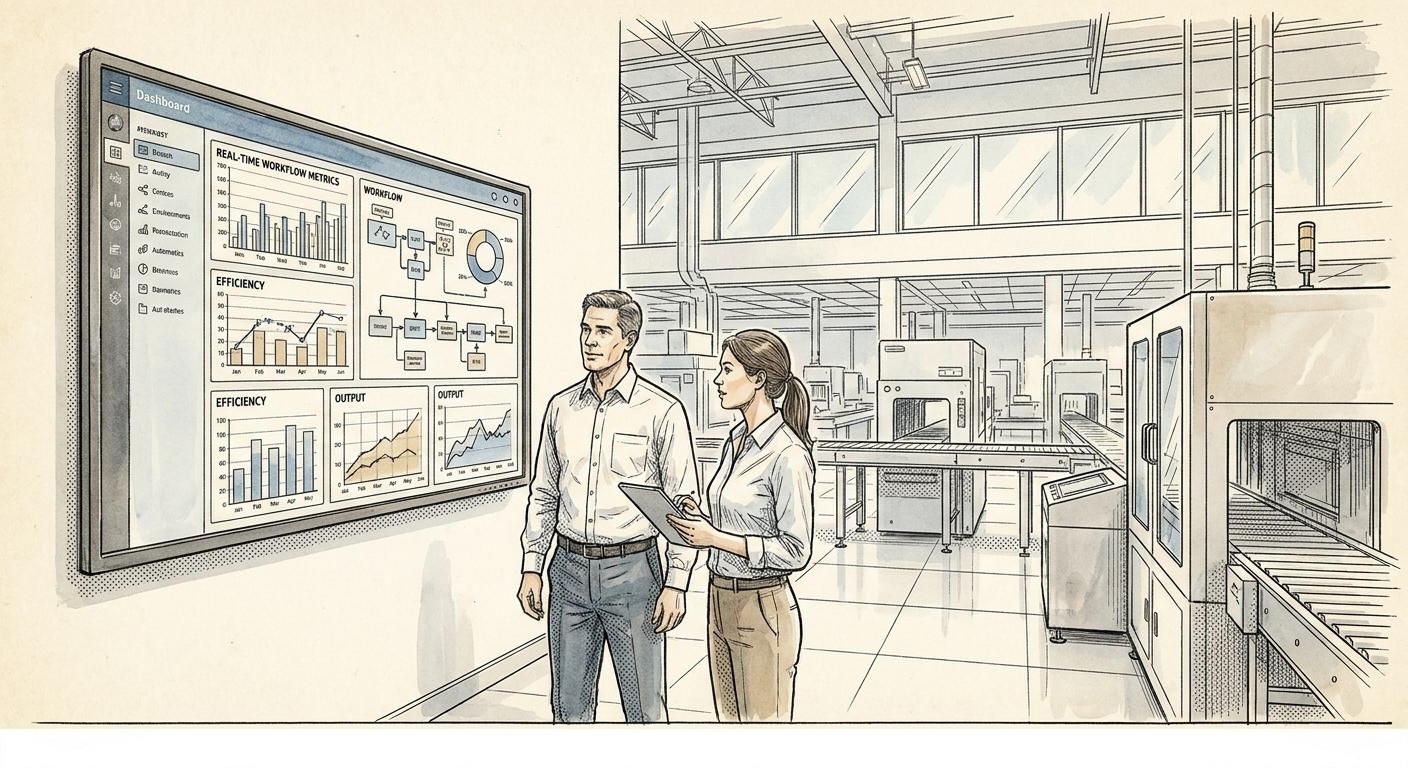
- Integration Friction: The most common point of failure is manufacturing tech stack integration. A vendor must prove they can bridge the gap between IT (ERP) and OT (Operational Technology) without requiring a total infrastructure overhaul. At iForAI, we have seen validation times drop from minutes to seconds by simply automating the data handshake between these layers.
Assessing Implementation Risk: Specialized Talent vs. Black-Box Software
A common mistake is assuming that buying a SaaS license is the same as achieving AI maturity. Many portcos lack the internal "AI muscle" to manage complex tools. When evaluating vendors, ask: Does this require us to hire a $250k-a-year Head of AI?
The risk of "black-box" software is that it provides outputs without context. If a plant manager doesn't understand why the AI is suggesting a change in the production schedule, they won't follow it. This is why embedded AI execution - where the vendor provides both the technology and the upskilling for the existing workforce - is often superior to a software-only play. Training over 1,500 employees has shown us that adoption, not the algorithm, is the ultimate bottleneck for EBITDA improvement.
The 100-Day AI Audit: Integrating AI into the Value Creation Plan
The first 100 days post-acquisition is the window to set the tone for digital transformation. An AI audit should be a standard part of the value creation playbook. This audit identifies where margin leakage is occurring - whether it's through inefficient scrap rates or inaccurate job costing - and maps specific AI use cases to those leaks.
Moving from pilot to production requires a fixed-scope approach. Instead of a vague "AI strategy," the goal should be one live production use case in the first quarter. This builds confidence with LP reporting and proves that the "AI thesis" for the portco is grounded in reality. This repeatable AI playbook ensures that by the time you reach the exit multiple discussions, the AI is an embedded asset, not an experimental project.
The iForAI Alternative: Why Execution Trumps Subscription
PE firms don't need more subscriptions; they need results that show up on the P&L. iForAI provides 35+ specialists for the price of a single hire, offering an AI Starter Package for PE that guarantees a live use case in 8-12 weeks. This de-risks the investment by focusing on quick wins that fund the longer-term roadmap.
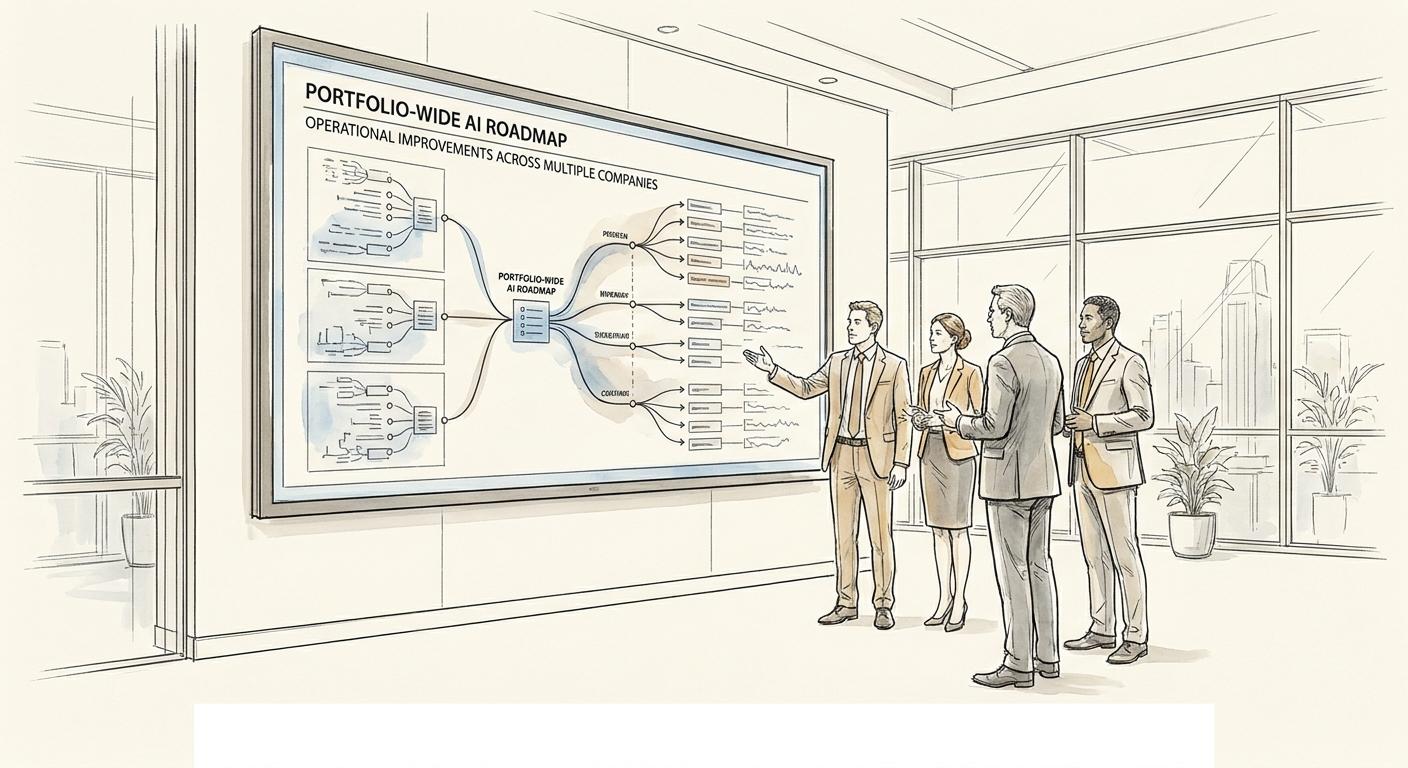
By entering through the PE firm and expanding across the portfolio, we ensure a consistent standard of AI readiness. Our experience across 150+ projects proves that when you combine strategy, execution, and upskilling, you turn purchased tools into actual operating leverage.
Frequently Asked Questions
How long should it take to see ROI from a manufacturing AI vendor? For PE-backed companies, the first measurable results should be visible in 60-90 days. This timeline ensures the project aligns with the value creation plan and provides immediate proof of concept for LP reporting.
What is the biggest risk when integrating AI with legacy ERP systems? The biggest risk is data fragmentation. An AI vendor must have a proven methodology for bridging the gap between OT and IT (the "delayed execution truth") without requiring a 12-month system overhaul.
How do you assess the ROI of AI in mid-market manufacturing? ROI is assessed by measuring specific operational improvements such as a reduction in OTIF misses, narrowing the gap in estimate-vs-actual job costing, or reducing manual customer service effort by 60% or more.
What should be included in a PE framework for AI due diligence? The framework must evaluate data availability, the vendor’s ability to scale across multiple plants, the total cost of ownership (including internal hiring needs), and the specific EBITDA impact of the proposed use cases.
Successful AI implementation in a manufacturing portfolio requires moving beyond software demos to focus on execution, integration, and measurable EBITDA impact. By vetting vendors on their ability to deliver results within the first 100 days, Operating Partners can turn AI from a cost center into a significant value creation lever.
Book a portfolio AI diagnostic at ifor.ai/solutions/private-equity