Manufacturing COOs and Plant Managers frequently grapple with a persistent performance ceiling: the inability to push On-Time In-Full (OTIF) rates past the mid-80s without skyrocketing labor or expedited shipping costs. While your ERP holds the data, it lacks the predictive intelligence to manage the volatility of the modern shop floor. Implementing AI for manufacturing scheduling transforms this static data into a dynamic advantage, closing the gap between your production estimates and the reality of the shipping dock. This guide outlines how to bridge the ERP-MES divide to secure 98%+ OTIF rates and stop the margin leakage caused by delayed execution.
OTIF (On-Time In-Full) is a supply chain performance metric that measures a manufacturer's ability to deliver the correct quantity of goods to the specified location within the customer's requested delivery window. It serves as the primary indicator of operational health, reflecting the synchronization of procurement, production, and logistics.
The OTIF Ceiling: Why Traditional ERPs Fail to Hit 98%
Most manufacturing organizations are trapped in a cycle of reactive scheduling. Traditional ERP systems are built for record-keeping, not real-time optimization. They operate on static assumptions about lead times and machine capacity, leading to a significant estimate-vs-actual gap. When a machine goes down or a supplier misses a window, the ERP cannot adjust the schedule in real-time, leaving planners to manage the fallout in manual spreadsheets.
This reliance on manual intervention creates a performance ceiling. Human planners, regardless of experience, cannot account for the thousands of permutations in a complex production environment. The result is margin erosion driven by overtime pay, last-minute material sourcing, and the "hidden" cost of customer dissatisfaction. Achieving 98% OTIF requires moving beyond these manual limits into automated, data-driven decision-making.
Bridging the Data Silos: Connecting ERP, MES, and Logistics Data
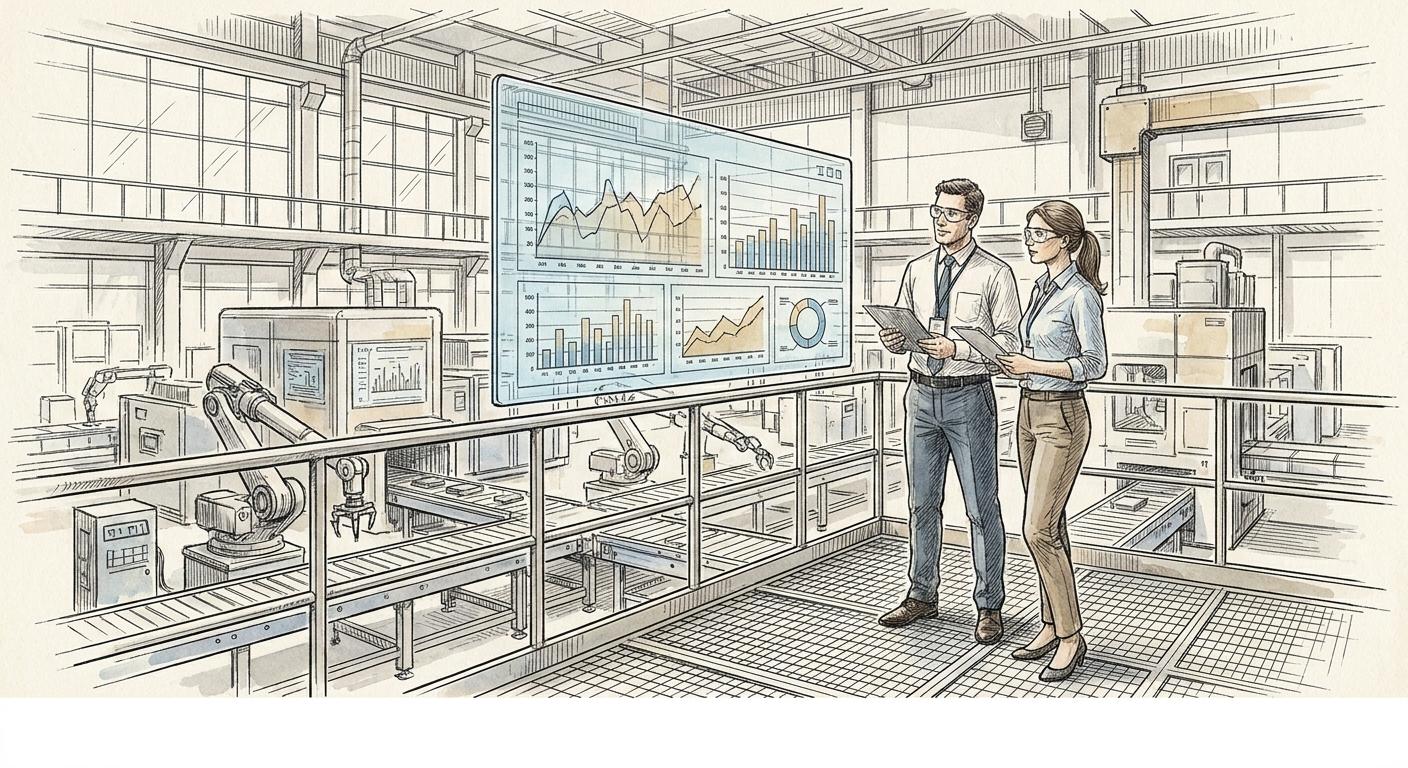
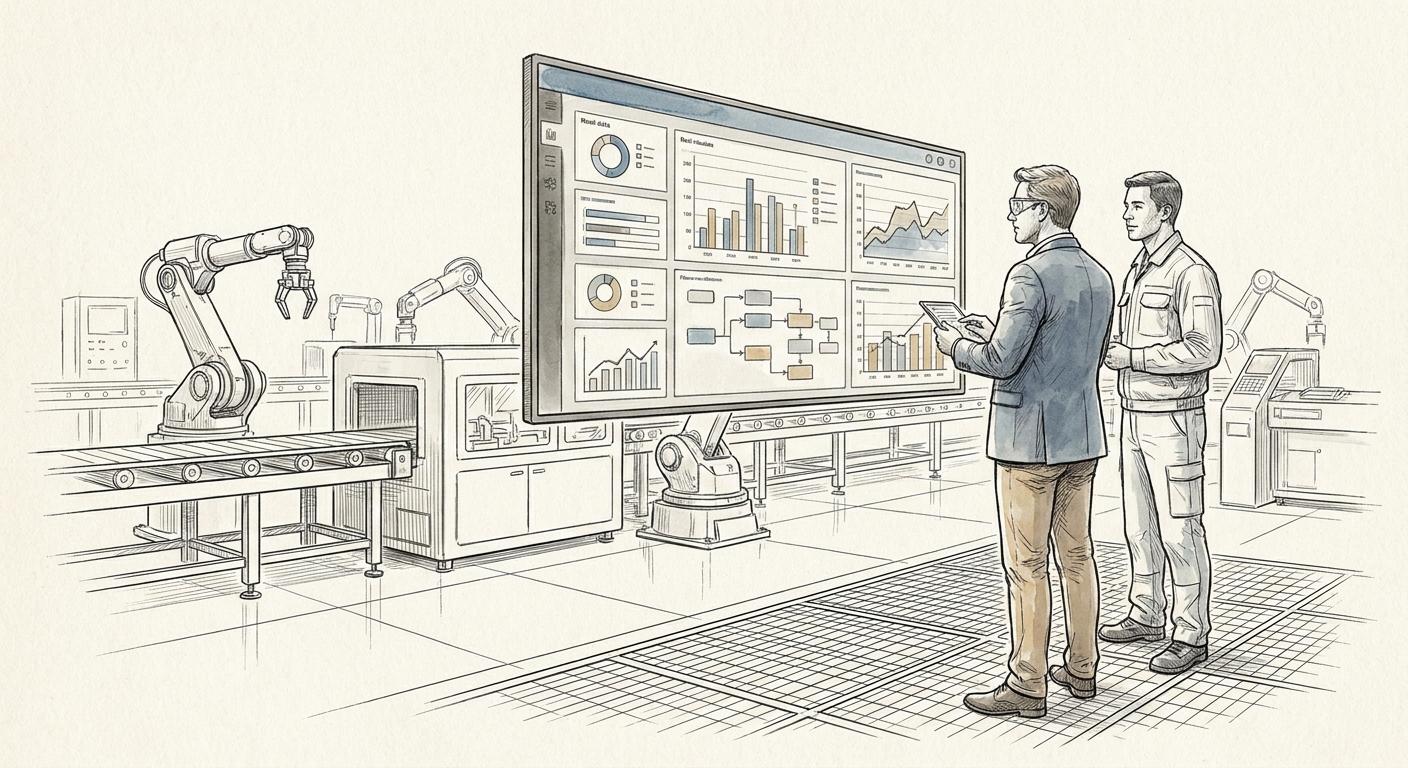
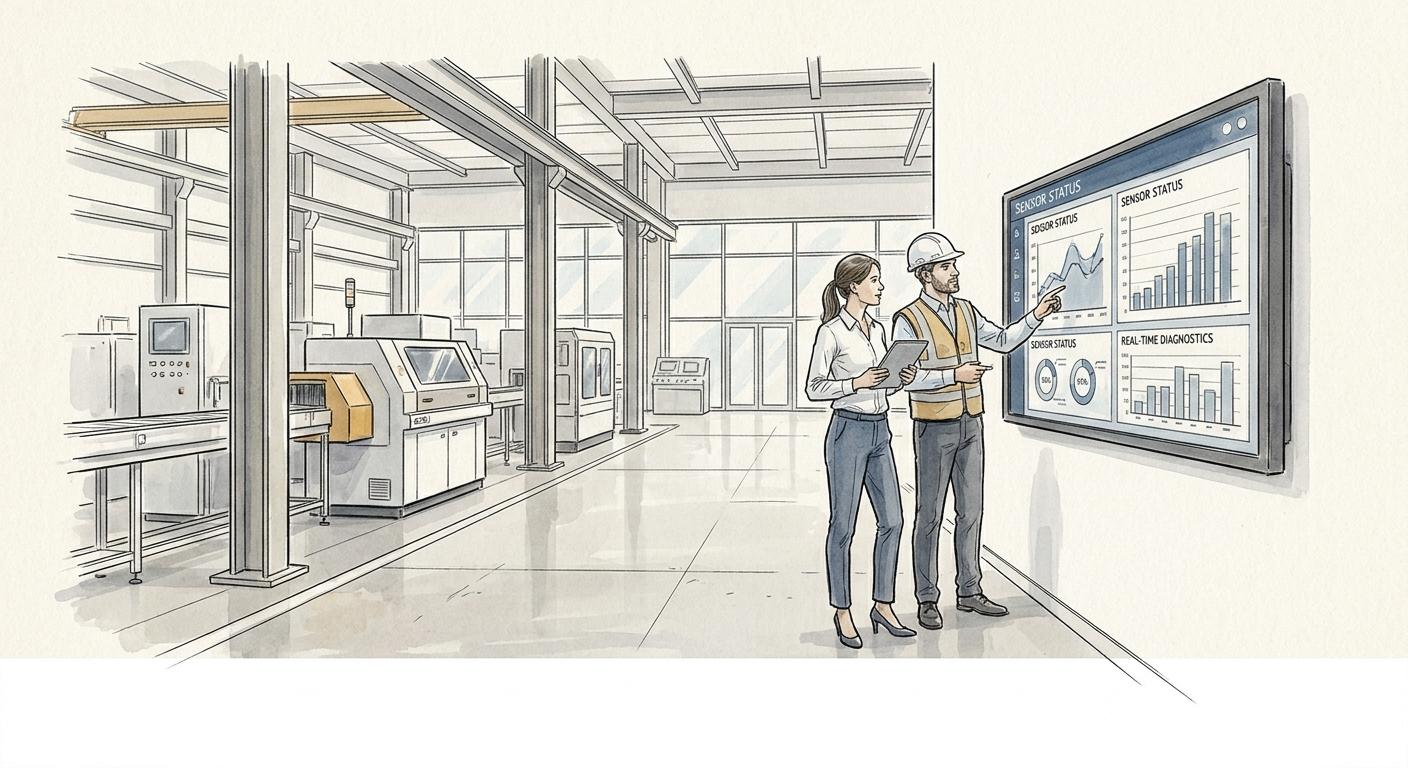
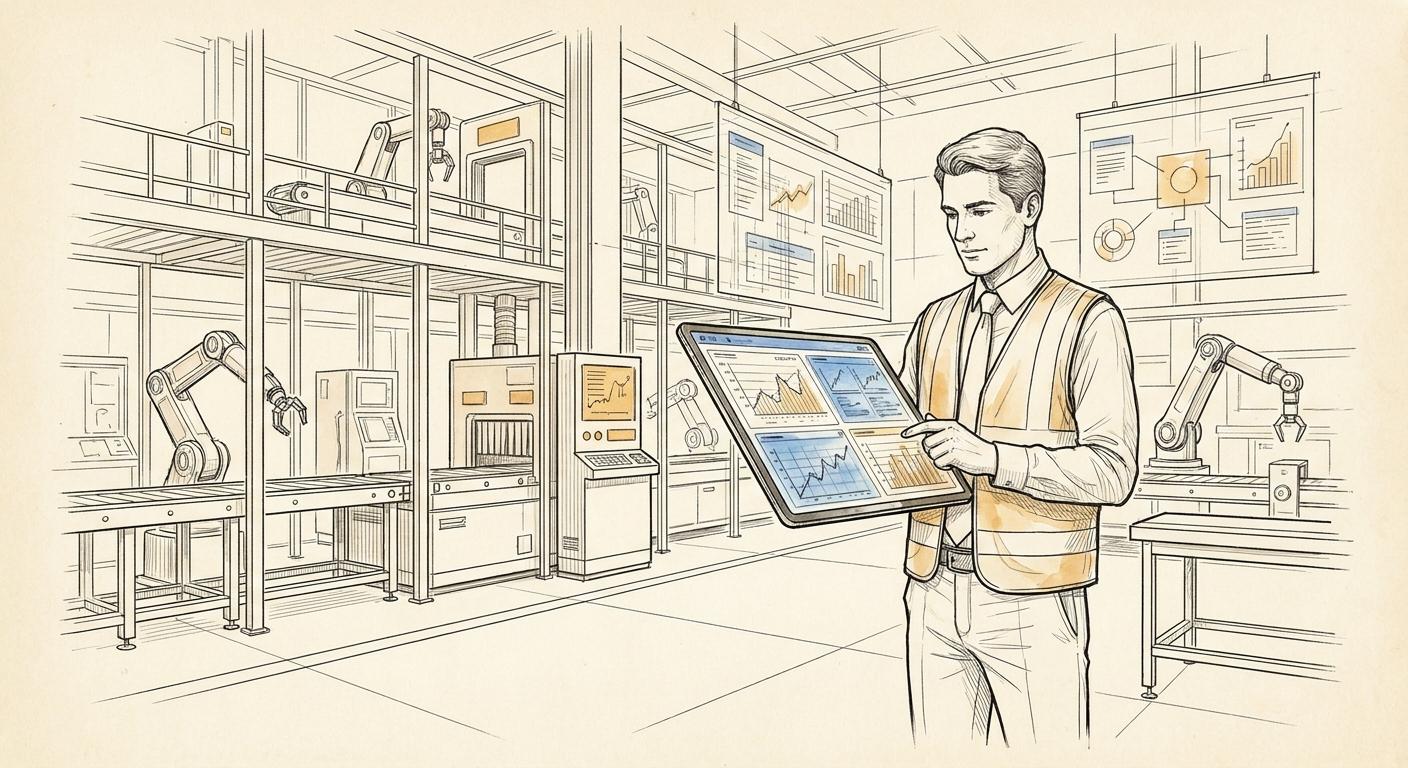
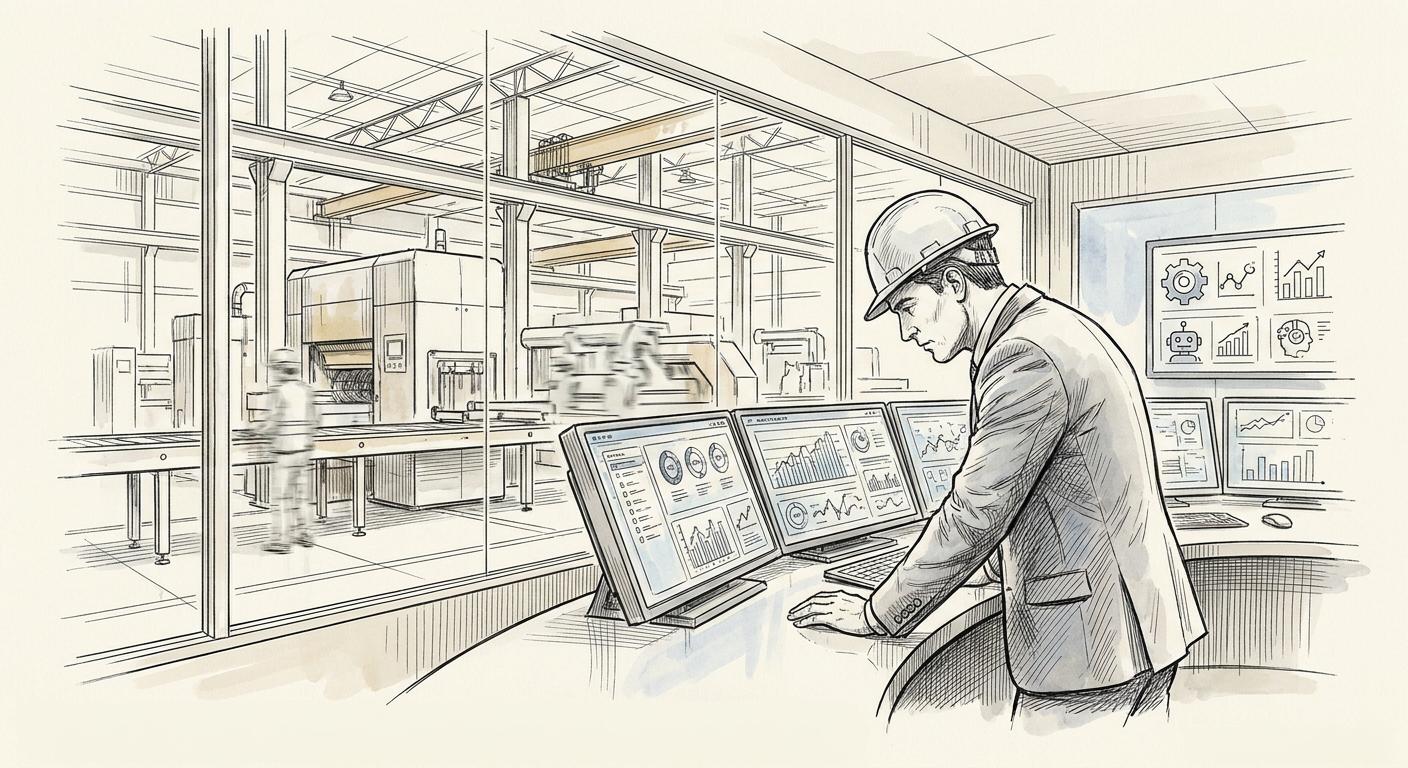
The primary hurdle to 98% OTIF is not a lack of data; it is the isolation of that data. Your ERP knows the order, your MES knows the machine status, and your logistics providers know the transit times, but these systems rarely speak to each other in a way that informs the schedule. AI acts as an embedded AI connective layer, pulling data from these disparate silos to create a single source of truth for production floor visibility.
By integrating these streams, manufacturers can eliminate the "delayed execution truth" where leadership only realizes a shipment will be late after the production window has closed. At iForAI, we have seen this approach reduce manual customer service effort by 60%, as teams no longer spend half their day hunting for status updates across different systems.
Step 1: Identifying High-Impact Bottlenecks with Predictive Analytics
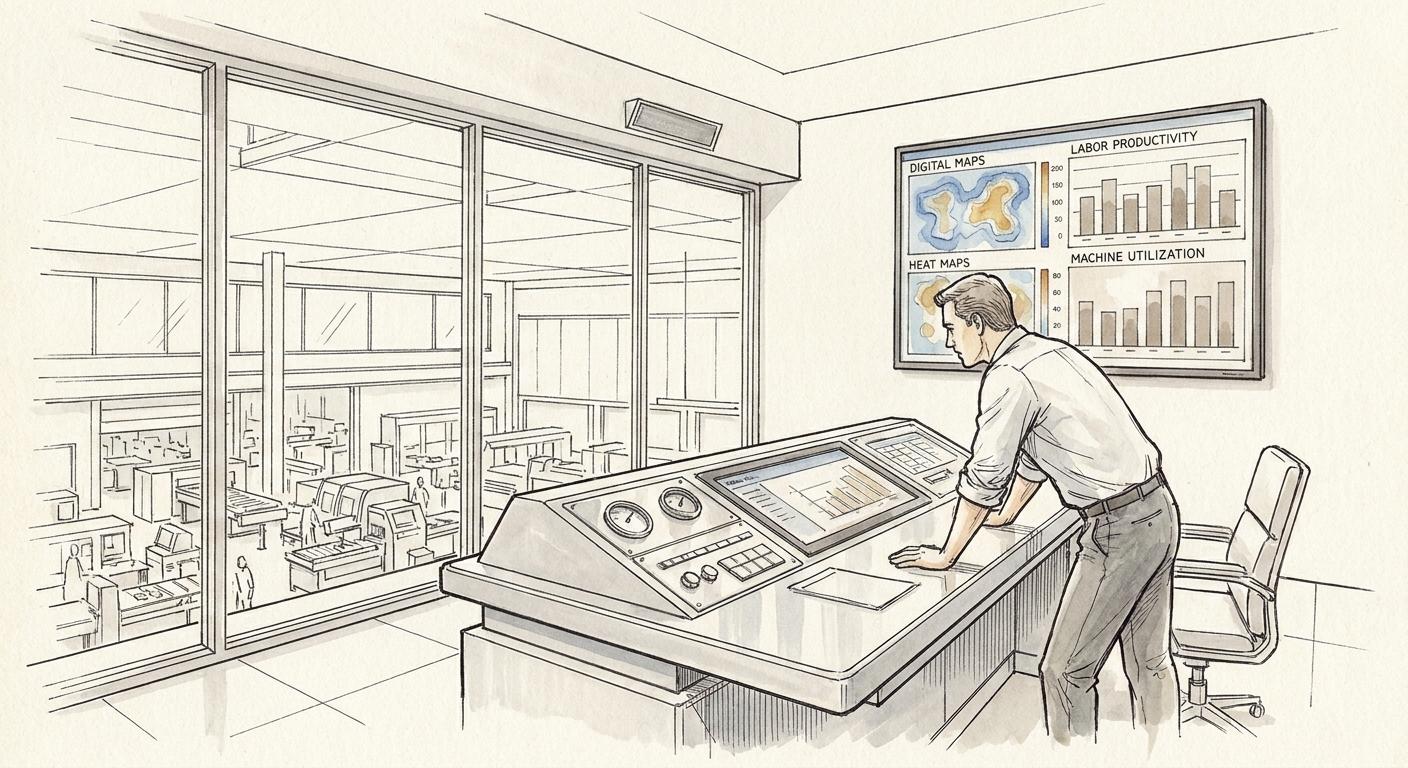
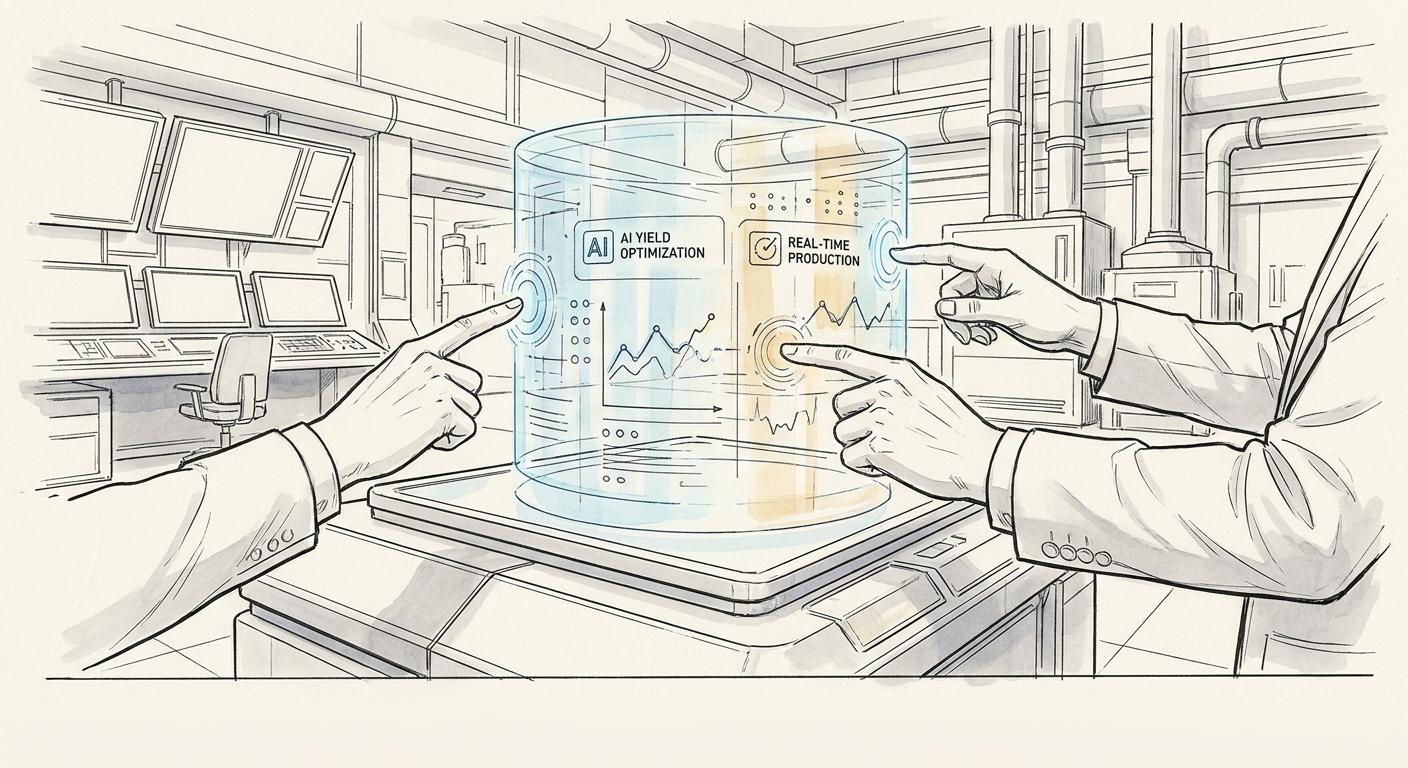
To move the needle on OTIF, you must first identify which variables are actually causing the misses. Logistics predictive analytics allow you to move from diagnostic reporting (what happened) to predictive insights (what will happen). By analyzing historical performance data, AI can flag specific SKU lines or suppliers that are statistically likely to cause a delay before the order is even released to the floor.
Focusing on these high-impact bottlenecks prevents the "firefighting" culture prevalent in many plants. Instead of reacting to a late shipment, the COO can proactively reallocate resources or adjust the mix to ensure the most critical orders remain on track. This proactive stance is essential for maintaining exit readiness and high-value customer relationships.
Step 2: Dynamic Scheduling for Real-World Variables
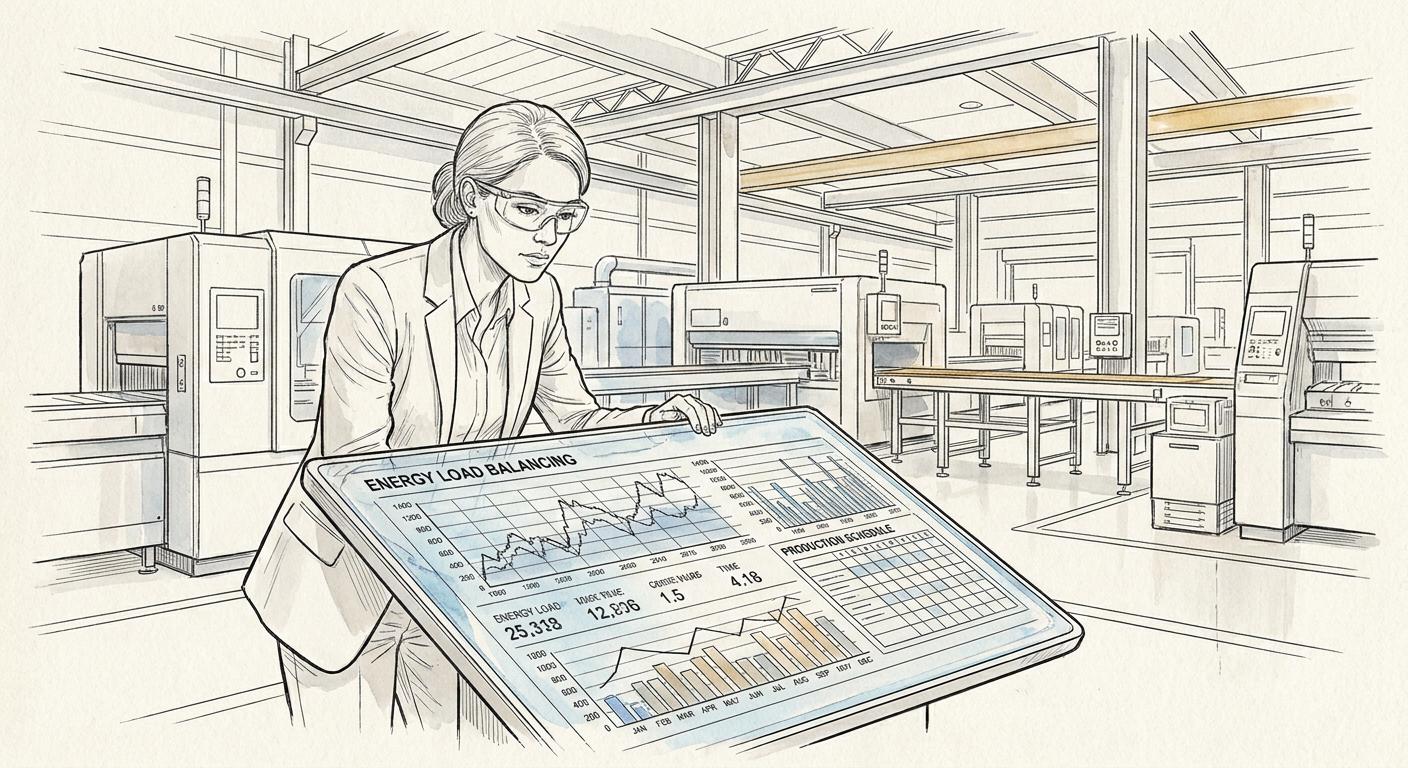
Static schedules are obsolete the moment they are printed. AI for manufacturing scheduling enables dynamic optimization, where the system re-calculates the ideal production sequence every time a variable changes. If a high-priority rush order arrives or a critical component is delayed in customs, the AI evaluates the impact across the entire portfolio of orders.
This level of on-time in-full optimization ensures that the plant is always running the most profitable and time-sensitive mix. It replaces the "first-in, first-out" mentality with a sophisticated strategy that accounts for machine efficiency, labor availability, and shipping deadlines simultaneously. This transition often leads to a 60-90 day time-to-value, providing a quick win that builds momentum for broader digital transformation.
The CFO Perspective: Translating 98% OTIF into Margin Growth
For the CFO and Private Equity stakeholders, 98% OTIF is not just a logistics target; it is a driver of EBITDA improvement. The financial impact is felt in three specific areas:
- Reduction in Expedited Freight: Eliminating the need for overnight air shipping to save late orders directly protects the bottom line.
- Optimized Inventory Levels: Improved scheduling accuracy allows for lower safety stock requirements, freeing up working capital.
- Operational Leverage: Achieving higher throughput without increasing headcount or machine assets.
In a post-acquisition environment, these improvements are critical for expanding the exit multiple. A company that can prove a repeatable AI playbook for delivery reliability is far more valuable than one struggling with inconsistent fulfillment and manual workarounds.
Execution over Strategy: How to Deploy a Production-Ready Use Case in 90 Days
The mistake many manufacturers make is attempting a multi-year "digital transformation" that never yields a return. The most successful organizations focus on execution over strategy. By starting with a single, high-impact use case - such as reducing lead time variability using machine learning - you can prove the ROI before scaling.
The iForAI methodology focuses on delivering a production-ready use case within 8 to 12 weeks. This approach avoids the trap of low-adoption tools by combining strategy, execution, and upskilling. With over 150+ projects delivered, we have found that training the workforce to use these AI insights is just as important as the code itself. This ensures that the 98% OTIF rate is not a one-time peak, but a new baseline for the organization.
Frequently Asked Questions
Can AI integrate with our existing legacy ERP? Yes, AI functions as an intelligent layer that pulls data from legacy systems via APIs or secure data connectors. You do not need a full "rip-and-replace" of your ERP to gain predictive capabilities; the AI simply enhances the data you already have to provide better scheduling outputs.
What is the typical ROI timeframe for AI in manufacturing logistics? When focusing on a specific bottleneck, manufacturers typically see measurable results like reduced lead time variability or lower expedited shipping costs within 60 to 90 days. This rapid time-to-value is essential for PE-backed firms looking to drive EBITDA improvements early in the investment window.
How does AI improve OTIF compared to traditional APS software? Traditional Advanced Planning and Scheduling (APS) software relies on fixed rules and manual inputs. AI learns from historical patterns and real-time disruptions, allowing it to adapt to changing floor conditions and provide more accurate "what-if" scenarios that APS systems cannot handle.
How to improve OTIF with artificial intelligence without disrupting current operations? The most effective way is to run the AI in a "shadow mode" first, where it generates scheduling recommendations alongside your existing process. Once the accuracy is validated against real-world results, you can gradually transition to AI-augmented scheduling, ensuring no disruption to your current production flow.
Achieving 98% OTIF is the result of bridging the gap between your ERP's static plan and the dynamic reality of the plant floor. By deploying AI as an operating wedge, manufacturers can recover eroded margins and secure a competitive advantage in delivery reliability.
Book a Manufacturing Diagnostic at ifor.ai/solutions/manufacturing