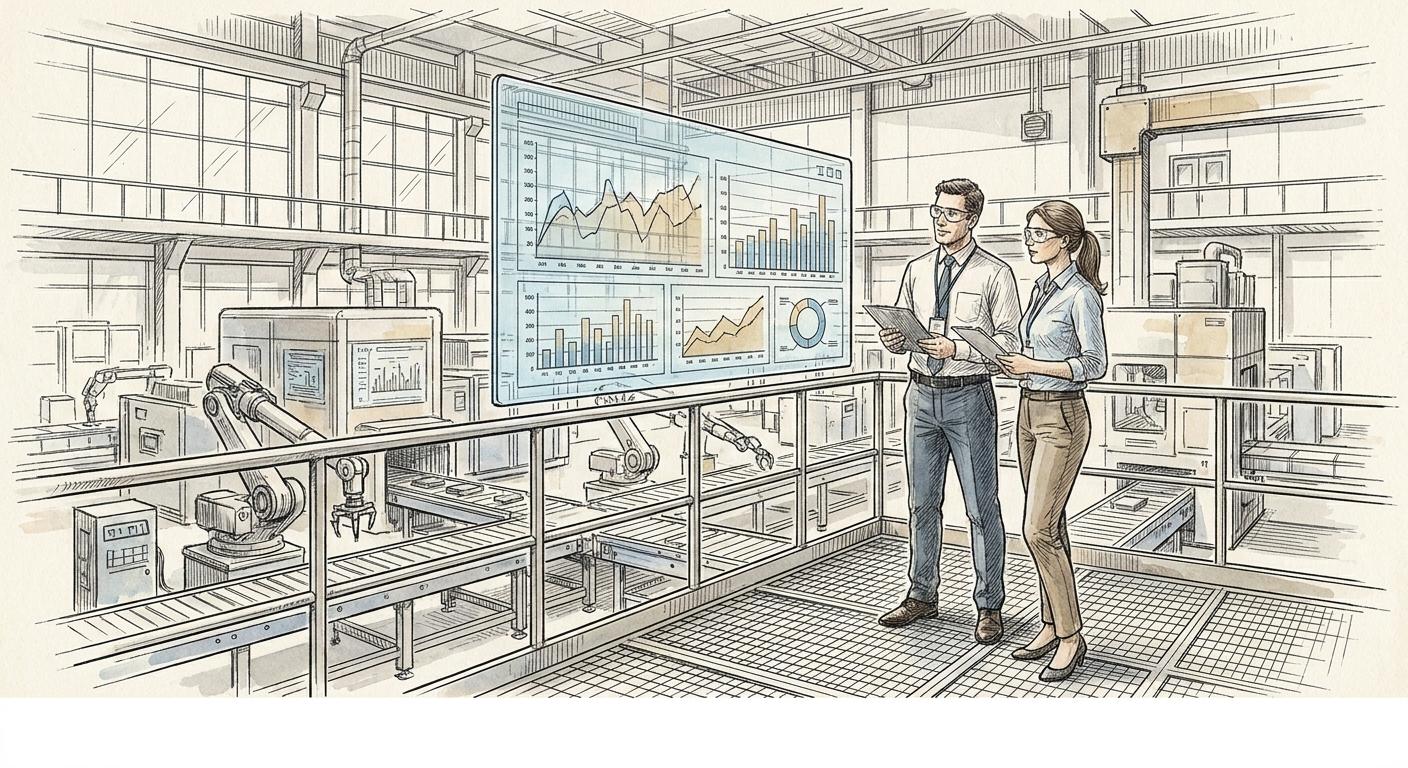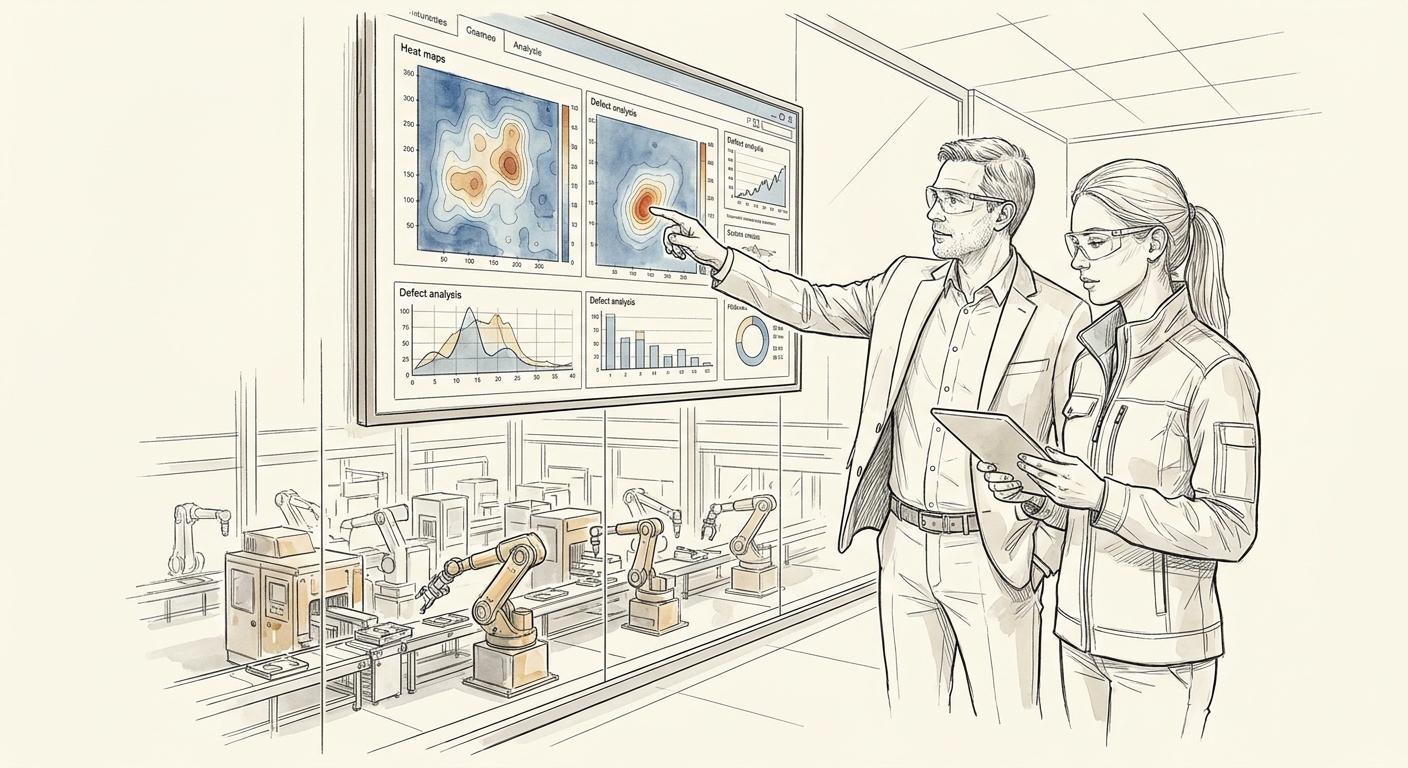
Manufacturing COOs often find themselves trapped in "Pilot Purgatory," where a successful trial of AI-powered quality control fails to transition into a 24/7 production environment. While a lab-tested model might identify defects under perfect lighting, it often collapses when faced with high-volume production speeds, dust, or shifting ambient conditions. This guide outlines the operational framework required to move beyond the slide deck and achieve a 99.9% defect reduction rate. We will examine how to bridge the gap between initial computer vision experiments and a scalable system that drives measurable EBITDA improvement.
AI-powered quality control refers to the use of computer vision and machine learning algorithms to automatically detect, classify, and prevent product defects in real-time on a manufacturing production line. By integrating with existing camera hardware and PLCs, these systems provide a continuous feedback loop that identifies anomalies faster and more accurately than human inspectors.
The 'Pilot Purgatory' Problem: Why 80% of Manufacturing AI Fails to Scale
The failure of most AI initiatives in the factory isn't usually the fault of the algorithm itself. Instead, it is a failure of integration. Many vendors sell a "black box" that operates independently of the factory’s central nervous system - the ERP and MES. When a vision system identifies a defect but cannot communicate that data back to the estimate-vs-actual reports in the ERP, the insight remains siloed.
Scaling requires moving from a standalone experiment to an embedded AI strategy. True manufacturing operational excellence is only achieved when the AI handles the "edge cases" - those rare but costly defects that occur once every 10,000 units. Most pilots only train for the obvious errors, leading to delayed execution truth when the system hits the shop floor and misses nuanced deviations. To avoid this, the deployment must focus on the data pipeline, ensuring the model learns from every false positive and false negative generated during live shifts.
The ROI Framework: How CFOs Measure the Impact of 99.9% Defect Reduction
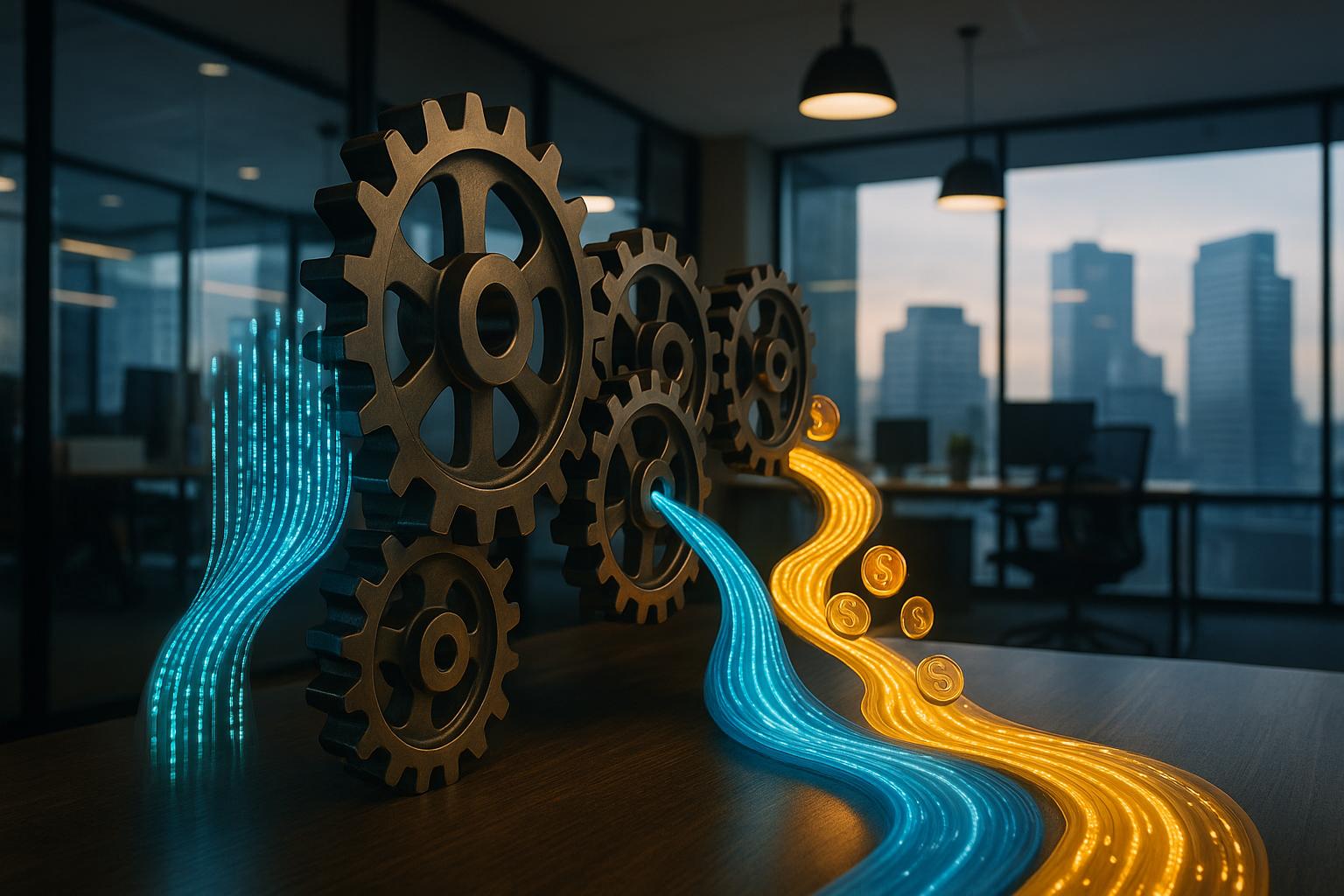
For the CFO and the board, AI-powered quality control is a tool for margin protection. The financial impact of a high defect detection rate extends far beyond the immediate cost of a scrapped part. It touches on three specific levers of value creation:
- Scrap and Rework Costs: Reducing the volume of raw materials wasted and the labor hours spent fixing errors.
- Customer-Found Defects: Avoiding the catastrophic costs of product recalls, shipping returns, and contractual penalties for OTIF (On-Time In-Full) misses.
- Throughput Optimization: When quality is verified in real-time at the machine level, the line can run at higher speeds without the risk of creating a massive batch of defective inventory.
In many mid-market manufacturing firms, margin leakage occurs because quality checks happen too late in the process. By moving the check "left" in the production cycle, companies realize an operating wedge - increasing output while keeping quality-related costs flat or declining.
Infrastructure vs. Intelligence: Building a Scalable AI Foundation
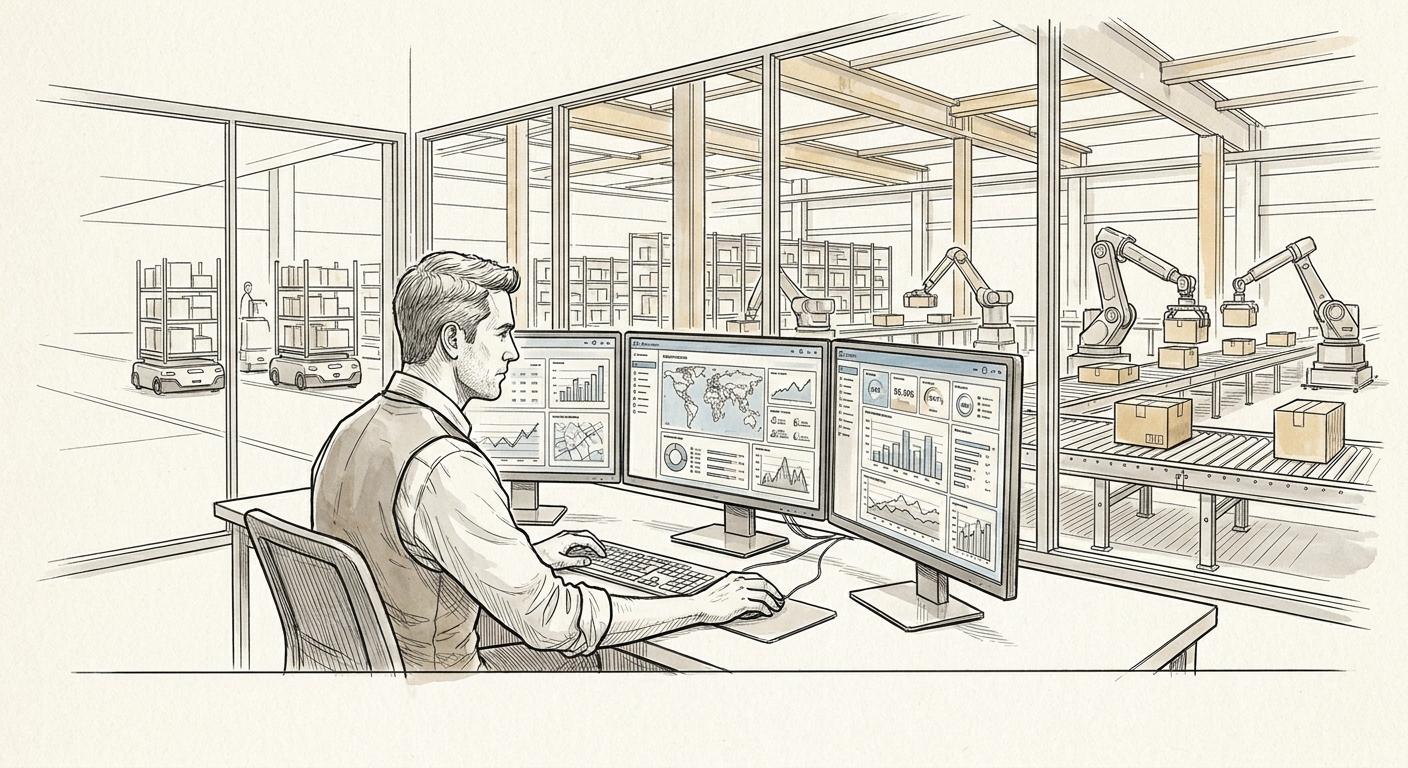
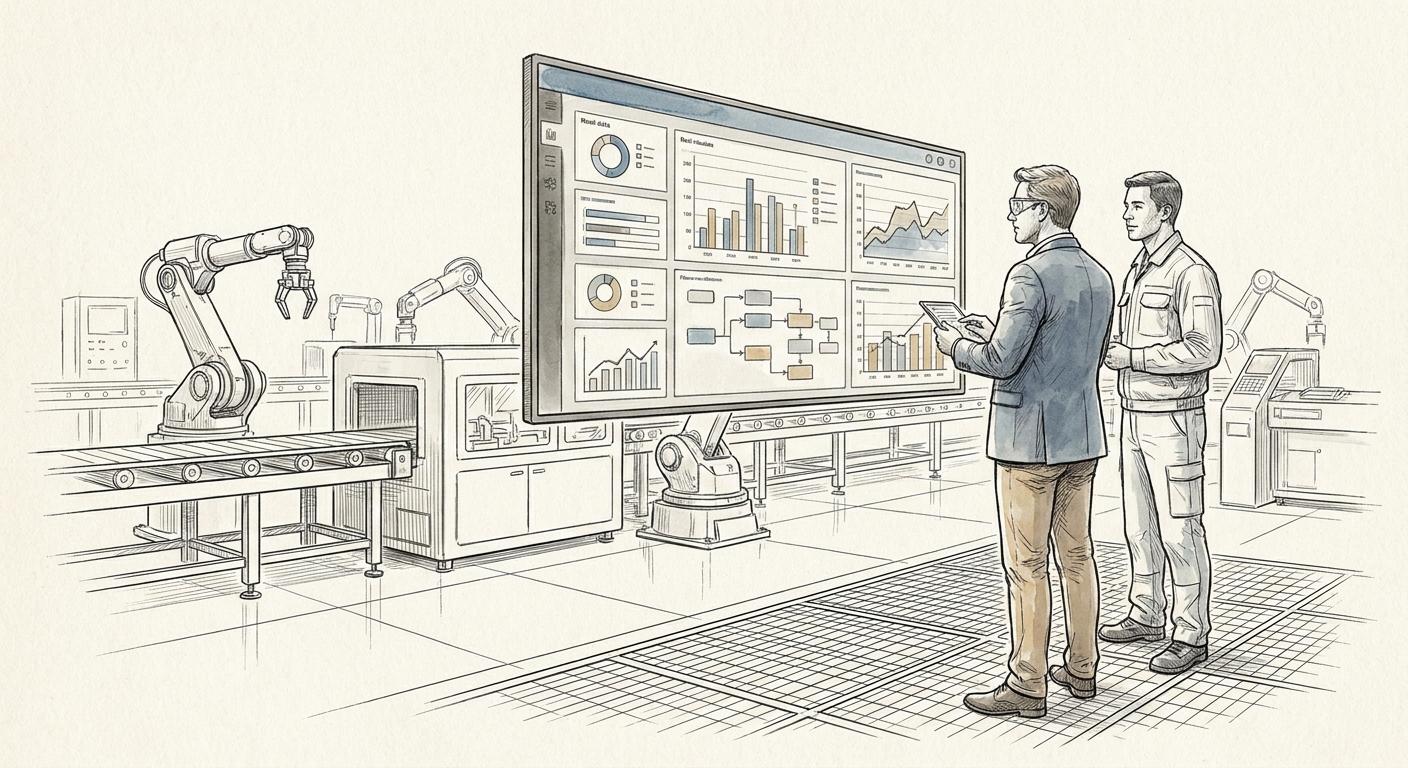
A common misconception is that scaling AI requires a total rip-and-replace of existing hardware. In reality, most plants already have the necessary "eyes" - the cameras and sensors are often already in place. The missing piece is the intelligence layer that can process that data at the edge.
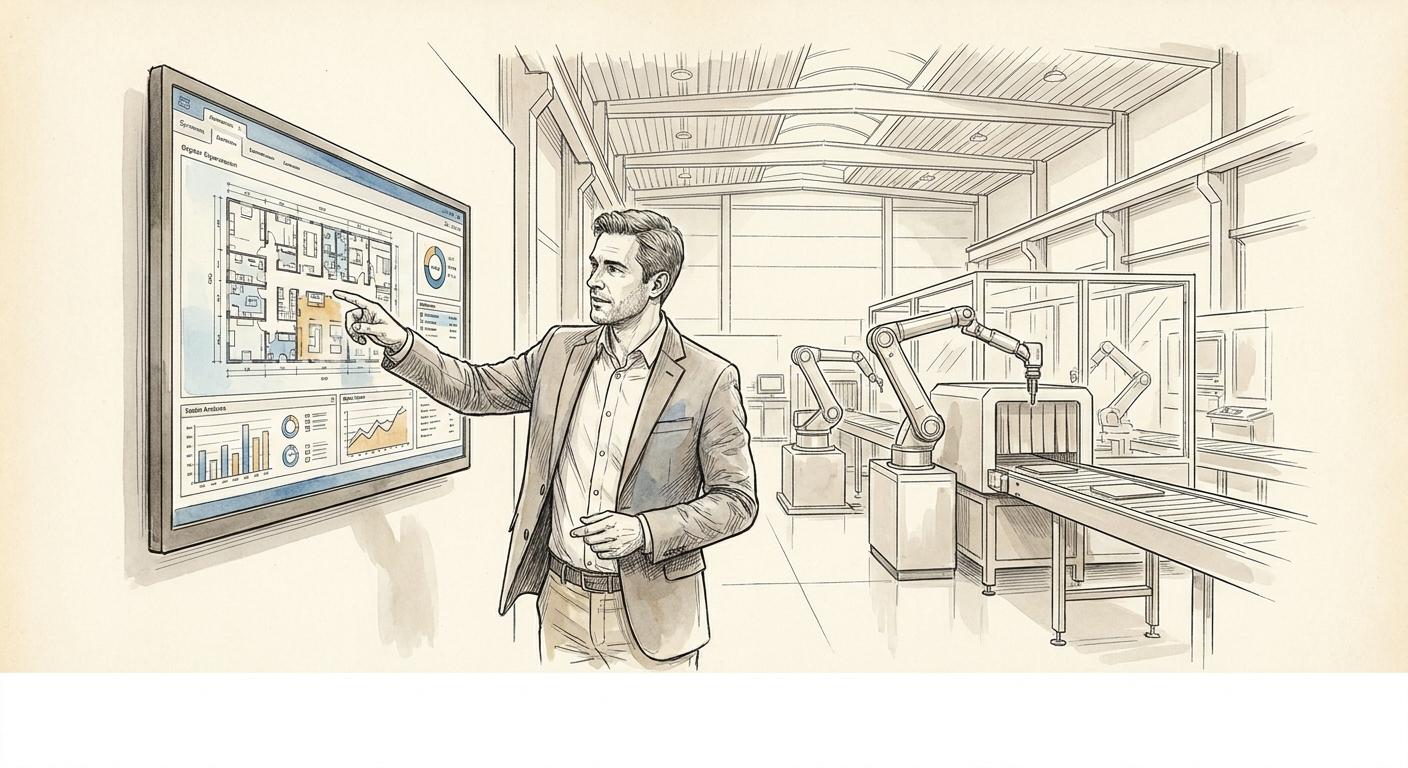
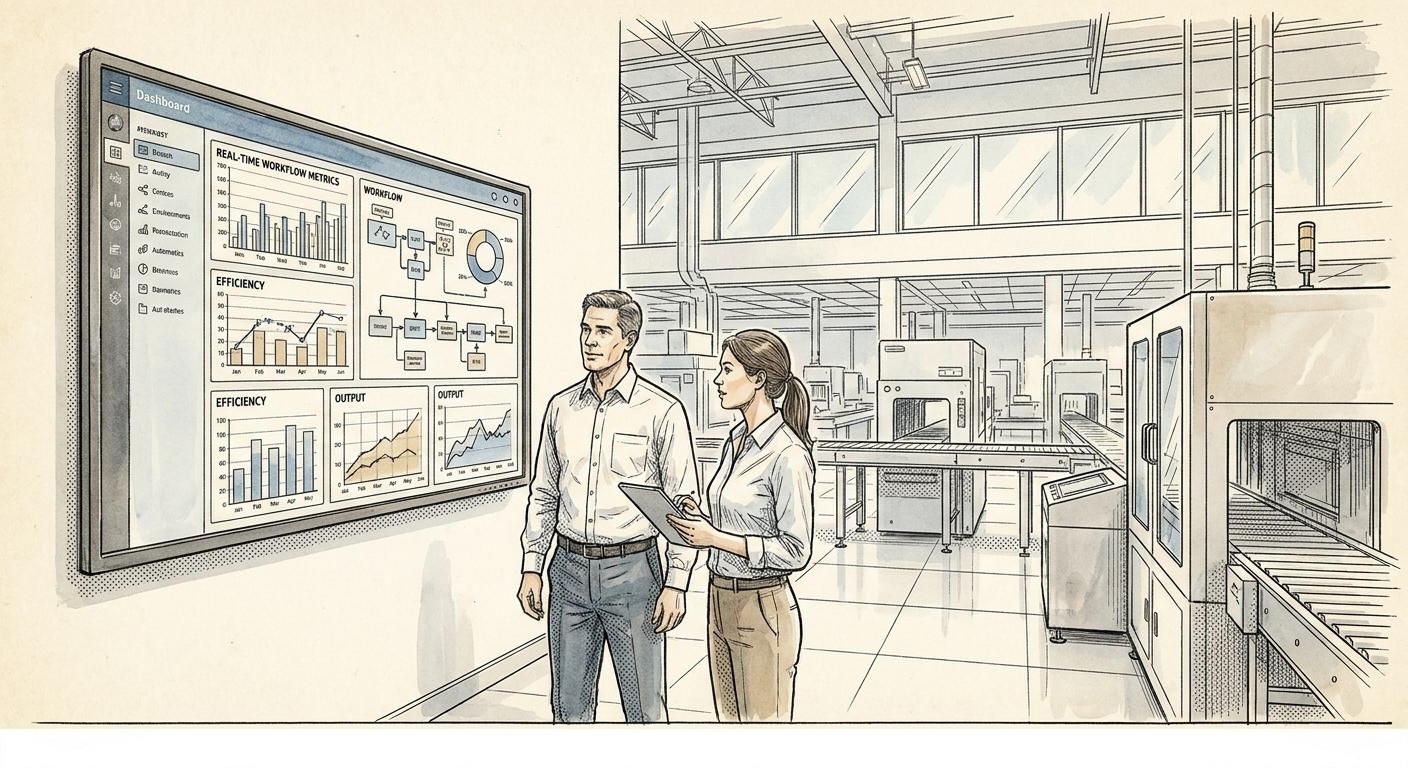
iForAI focuses on AI readiness by utilizing what you already have. Instead of purchasing million-dollar proprietary systems with low adoption, we embed models into existing workflows. This approach significantly shortens the time-to-value. For example, in a high-speed payment processing environment, we reduced validation time from 3 minutes to 20 seconds. Applying this same logic to a production line means the AI identifies a defect in milliseconds, triggers a physical reject arm, and logs the event in the MES without human intervention.
The 60-90 Day Roadmap: Moving a Single Use Case to the Shop Floor
Moving a single use case into production should not take years. A disciplined approach focused on a quick win provides the momentum needed for a portfolio-wide rollout.
- Days 1-20 (Discovery & Data): Identify the specific station where the highest margin leakage occurs. Audit the existing data quality from the computer vision production line.
- Days 21-60 (Execution): Build and train the model using historical defect data. This is where the 35+ specialists at iForAI act as a specialized "operating partner," handling the heavy lifting of model tuning and ERP integration.
- Days 61-90 (Production & Training): Deploy the system in a live environment. Results are measured against the baseline estimate-vs-actual metrics.
By the end of this window, the goal is to have one production line running with a measurable decrease in manual inspection effort. At iForAI, we have seen this approach lead to a 60% reduction in manual effort for similar operational tasks.
Upskilling the Plant Floor: Ensuring AI Adoption Sticks
The most sophisticated automated visual inspection system is useless if the plant manager ignores the alerts. Successful scaling depends on upskilling the existing workforce to treat AI as a collaborative tool rather than a replacement.
Operators need to understand how to "label" new types of defects to keep the model sharp. This ensures that the system maintains its AI maturity over time as product designs change. Upskilling is the difference between a tool that is purchased and one that is actually used to drive EBITDA. When the plant floor takes ownership of the AI's performance, the organization moves toward exit readiness with a repeatable, documented process that any buyer would value.
Frequently Asked Questions
How long does it take to see ROI from AI quality control? Measurable results in scrap reduction and throughput can typically be seen within 60-90 days of production deployment. By targeting high-impact stations first, the system often pays for itself within the first two quarters through reduced material waste and labor savings.
Do we need to hire a data science team to maintain this? No, you do not need a dedicated internal team. The focus should be on building internal capability through upskilling existing staff to manage the outputs while leveraging an execution partner for the ongoing technical optimization.
How does reducing manufacturing defects with machine learning impact our exit multiple? Reducing defects increases EBITDA by lowering COGS and protecting margins. Furthermore, having a repeatable, AI-driven quality process demonstrates a higher level of operational maturity, which can lead to a higher multiple during the exit process.
What is the cost-benefit analysis of AI quality systems for CFOs? The analysis should compare the upfront implementation cost against the reduction in scrap, the elimination of manual inspection shifts, and the mitigation of "customer-found" defect penalties. Most firms find the payback period is under 12 months when integrated directly into the MES.
Successfully scaling AI in manufacturing requires a shift from viewing technology as a standalone fix to treating it as a core part of the value creation playbook. By focusing on integration, upskilling, and a 90-day execution window, COOs can eliminate margin leakage and secure a competitive advantage.
Book a Manufacturing Diagnostic at ifor.ai/solutions/manufacturing