

.svg)

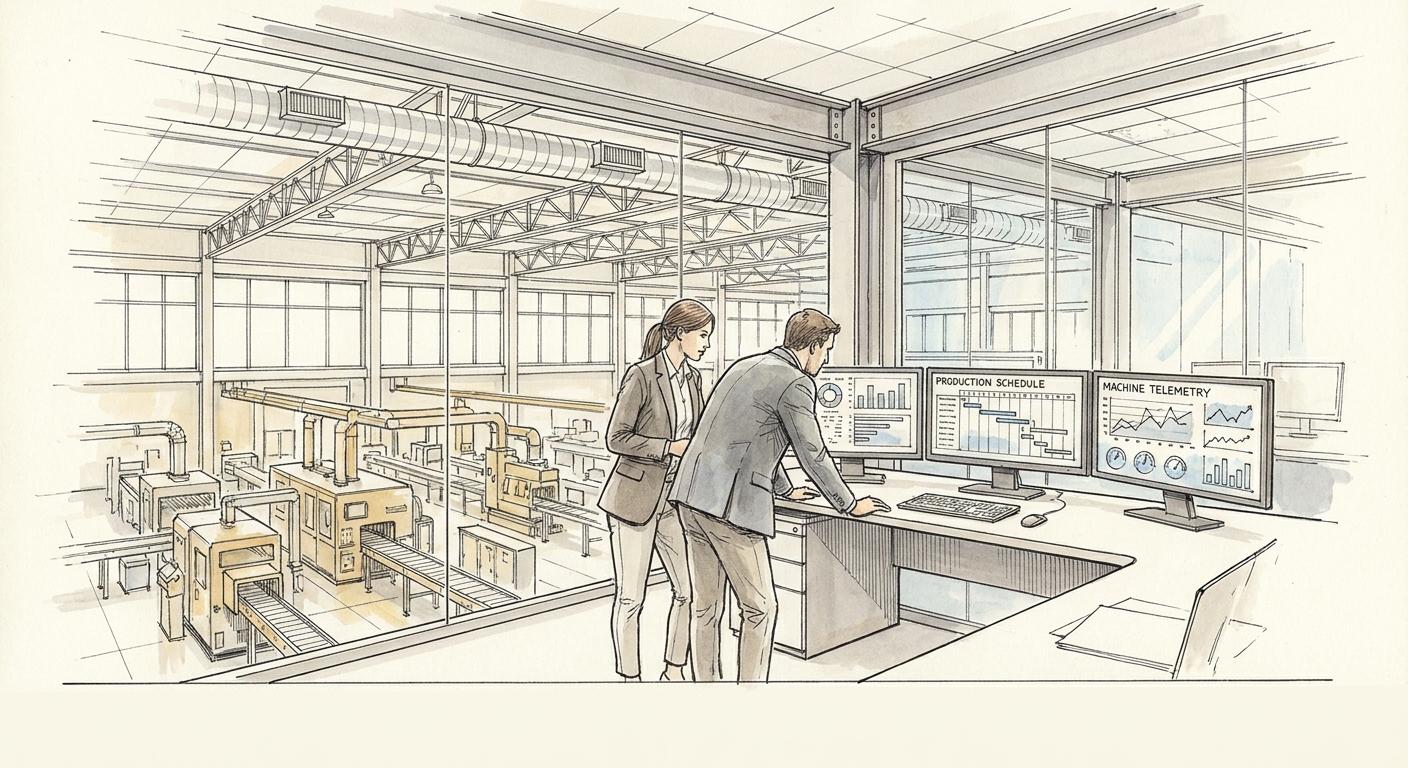
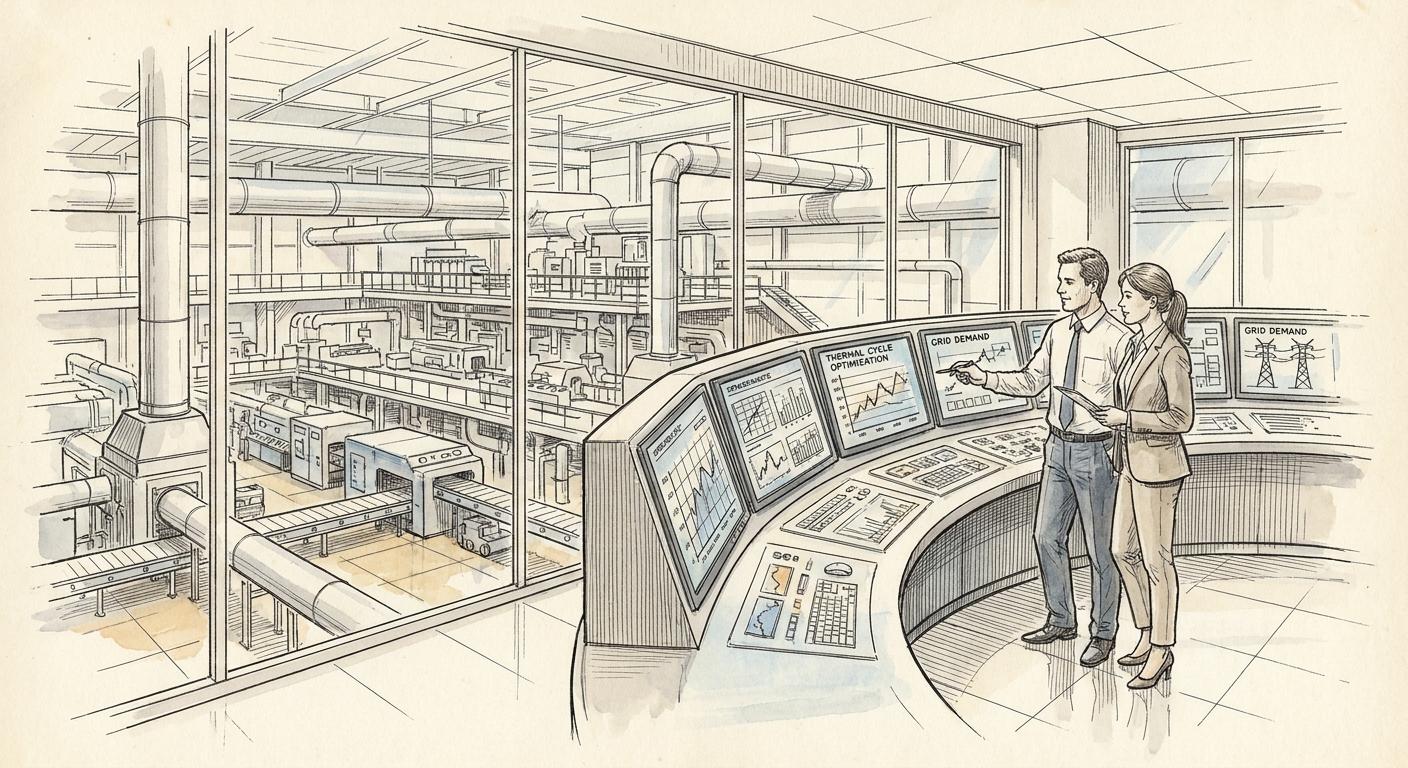
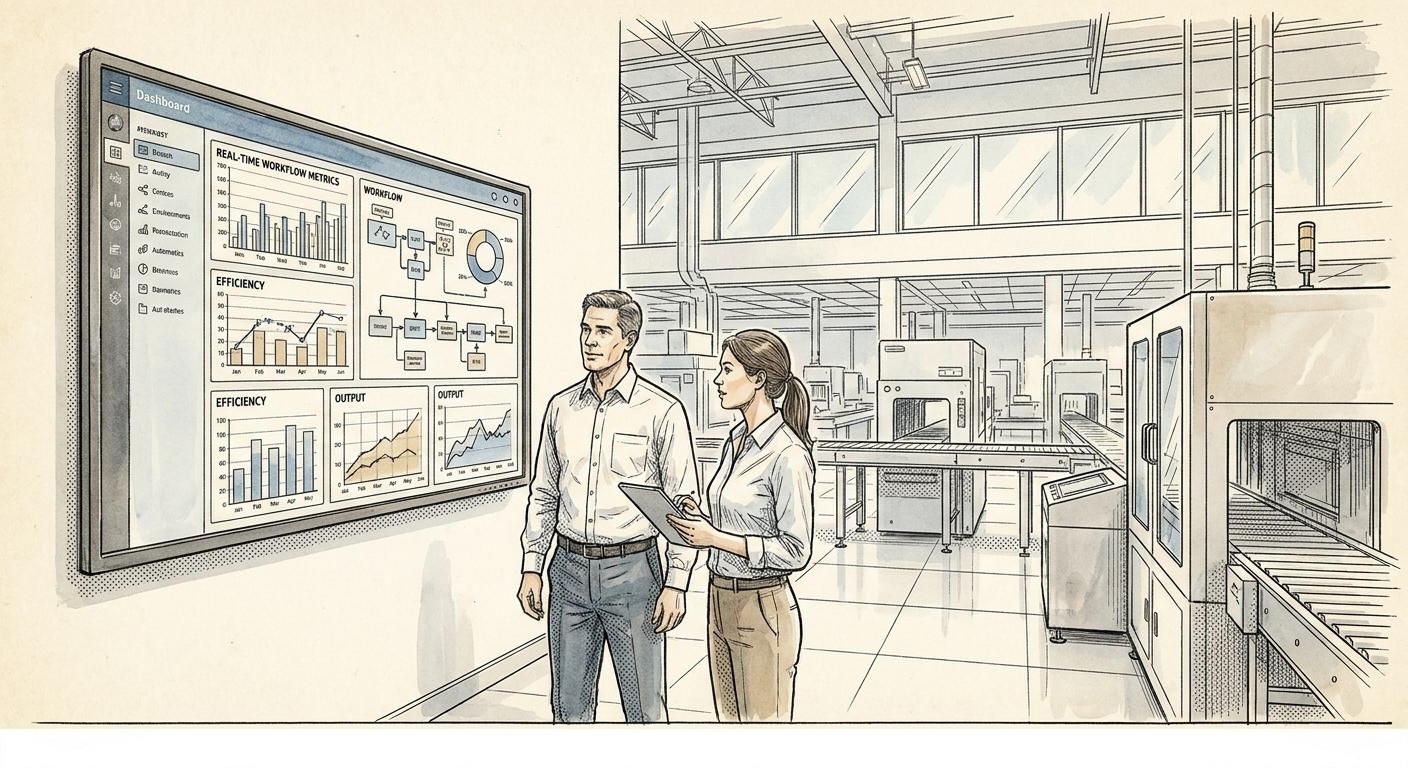
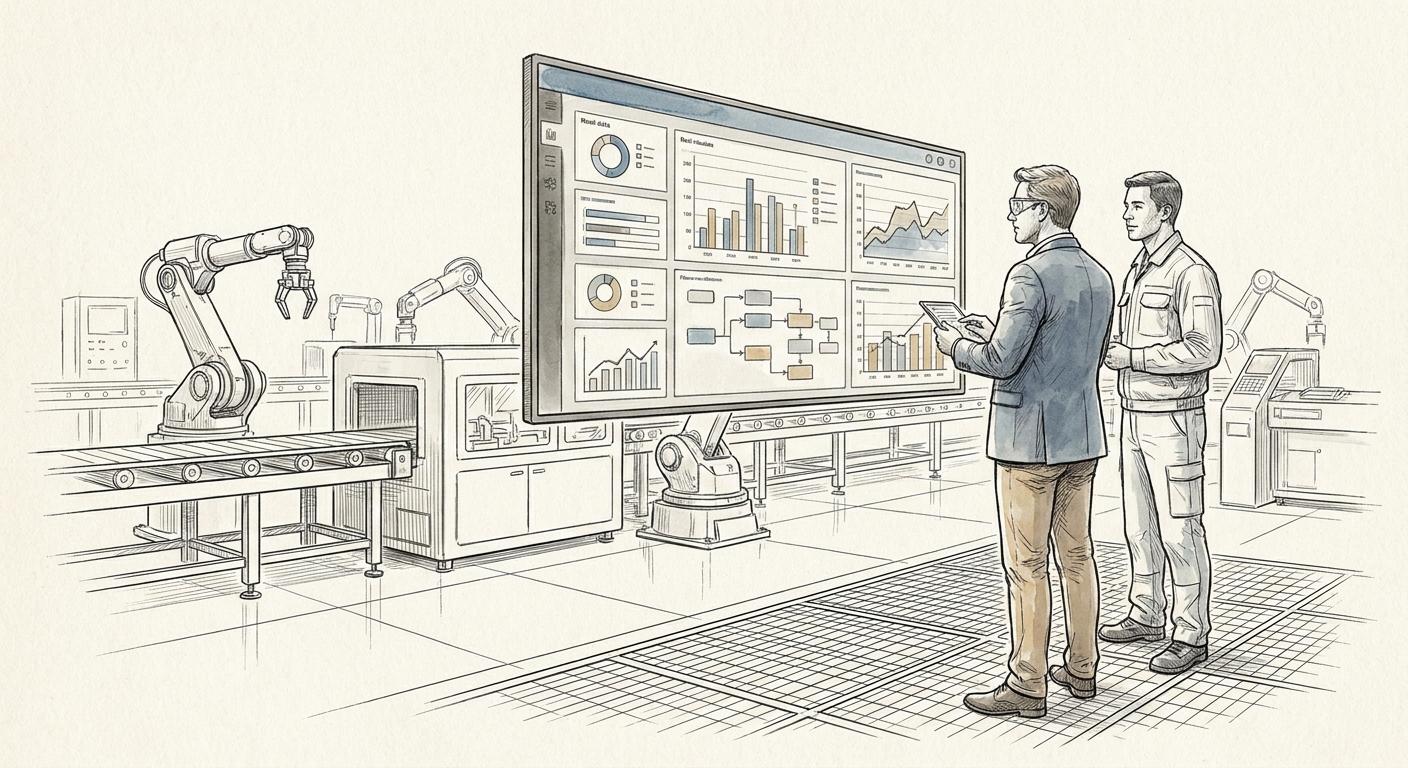
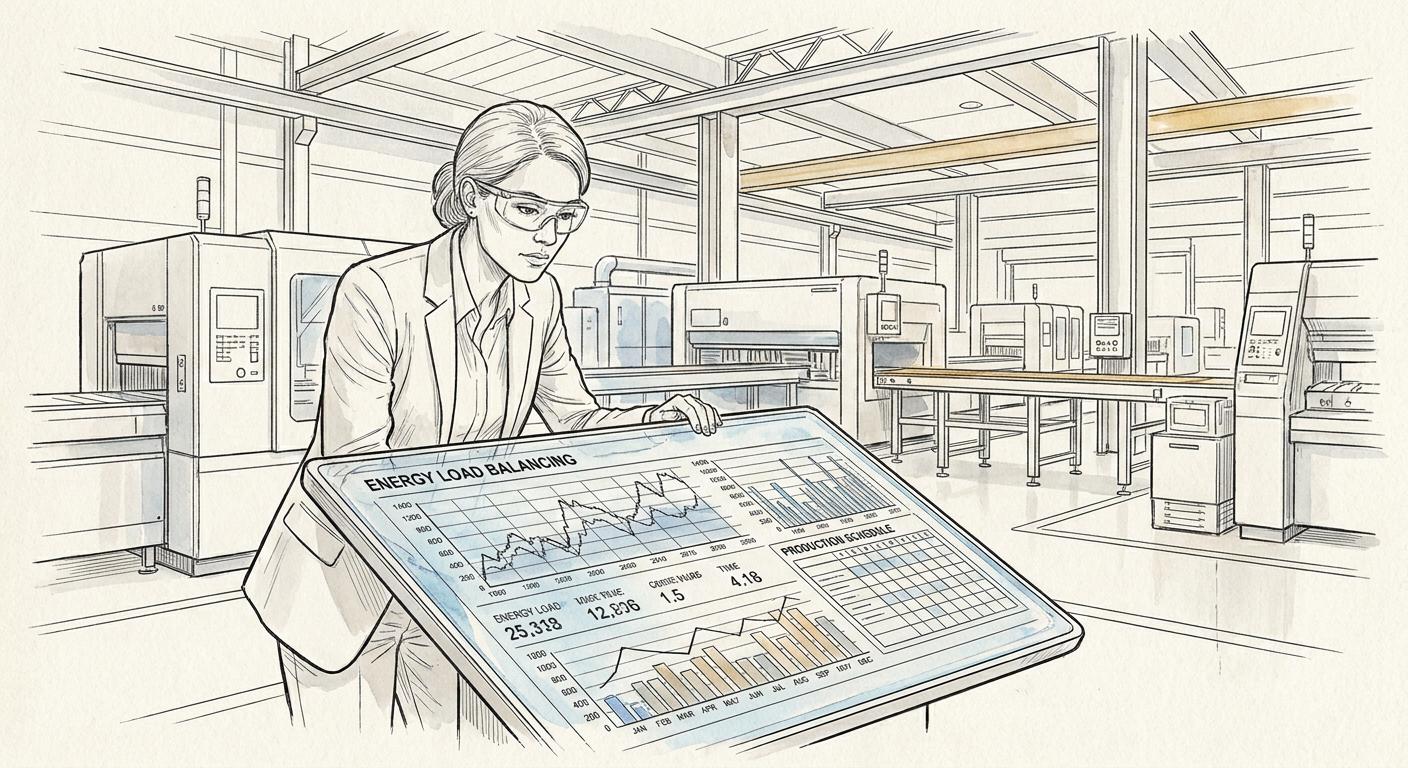
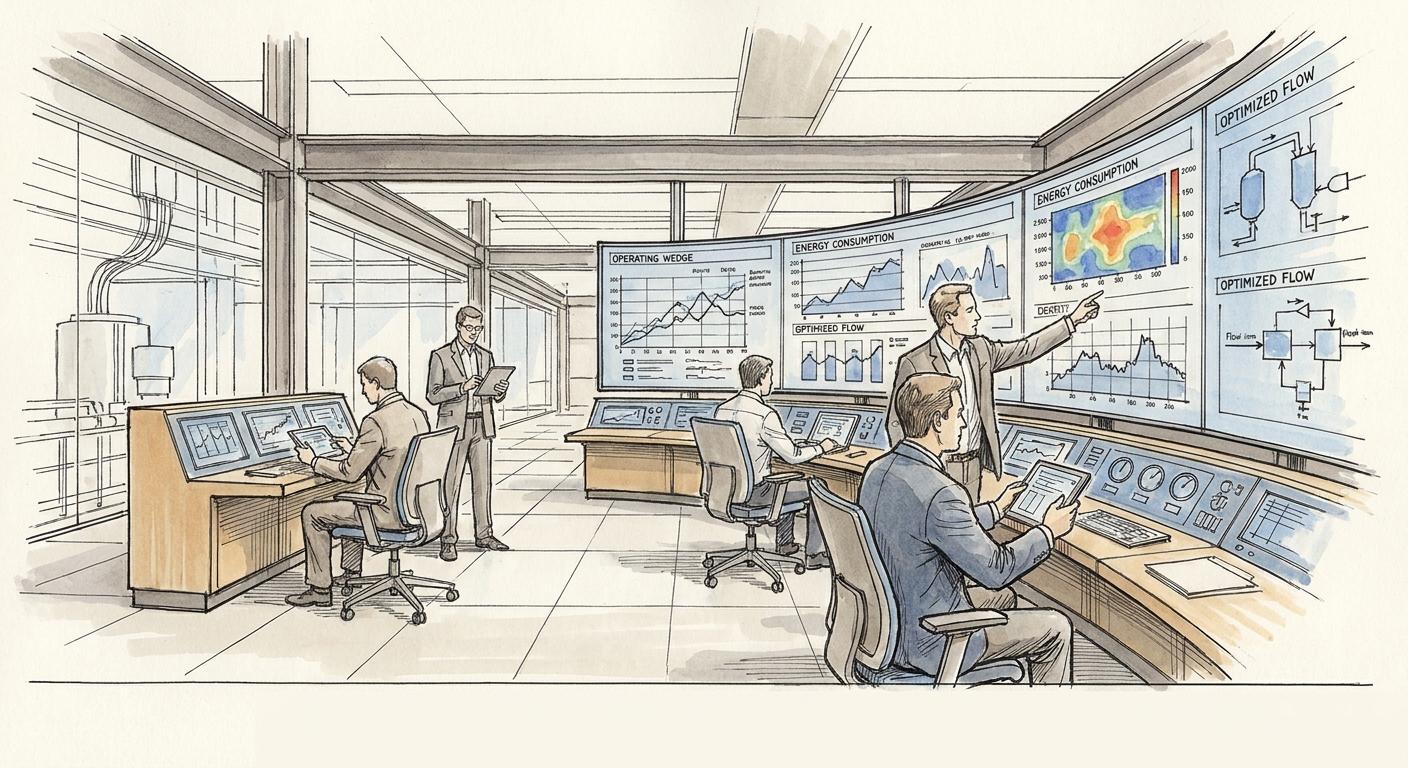
Manufacturing COOs and CFOs often operate in a state of "delayed execution truth." While your ERP captures thousands of data points, most reports remain retrospective, revealing margin leakage or OTIF misses only after the month-end close. This visibility gap creates a persistent drag on operating leverage, as leadership reacts to yesterday’s problems instead of tomorrow’s bottlenecks. ERP AI integration transforms these static record-keeping systems into proactive execution engines. By embedding intelligence directly into your existing workflows, you can close the gap between estimates and actuals while stabilizing cash flow through precise demand forecasting.
The Visibility Gap: Why Your Current ERP Isn't Solving Margin Erosion
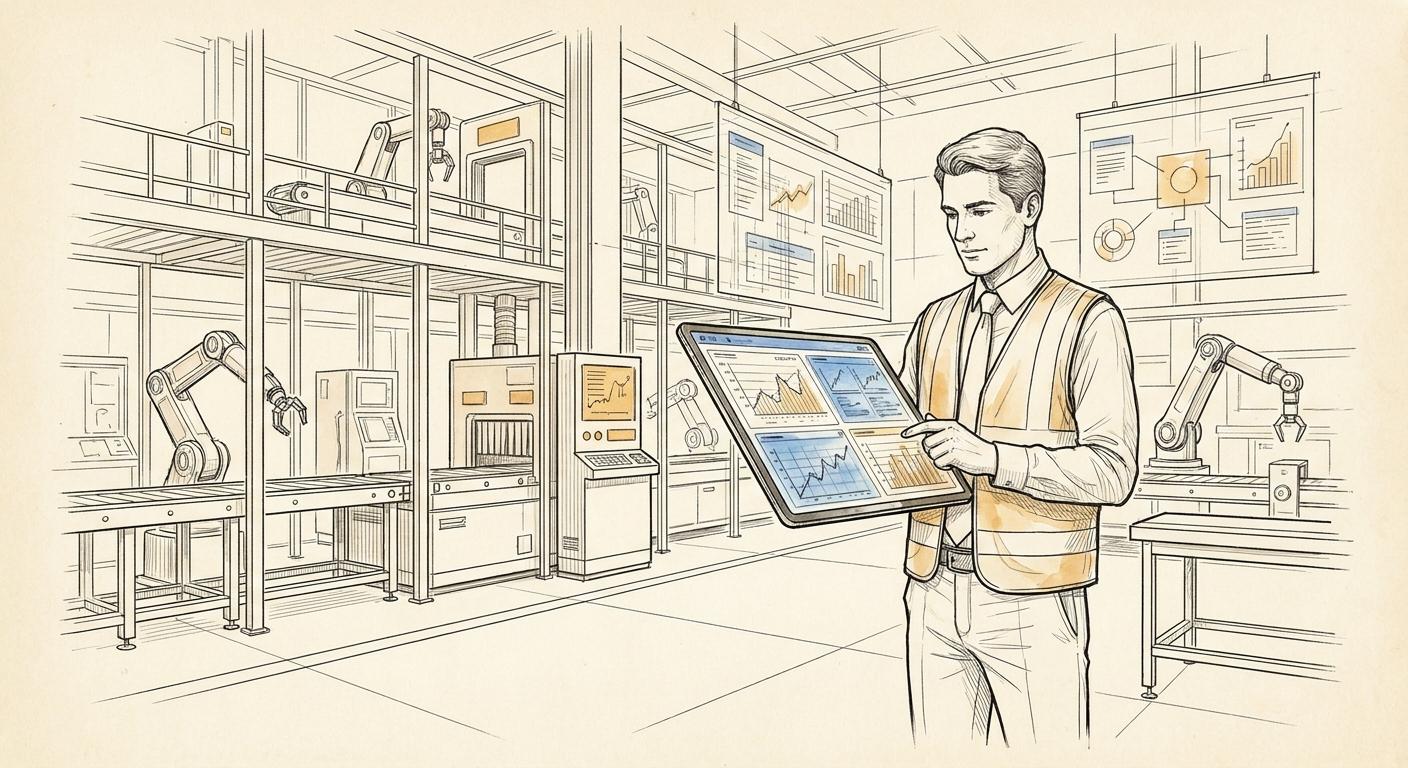
Most manufacturing organizations are "data rich, insight poor." You likely have a modern ERP, yet your plant managers still rely on "shadow spreadsheets" to run the shop floor. Standard ERP systems are designed for transactional integrity, not predictive agility. They tell you what you spent, not where you are about to lose money.
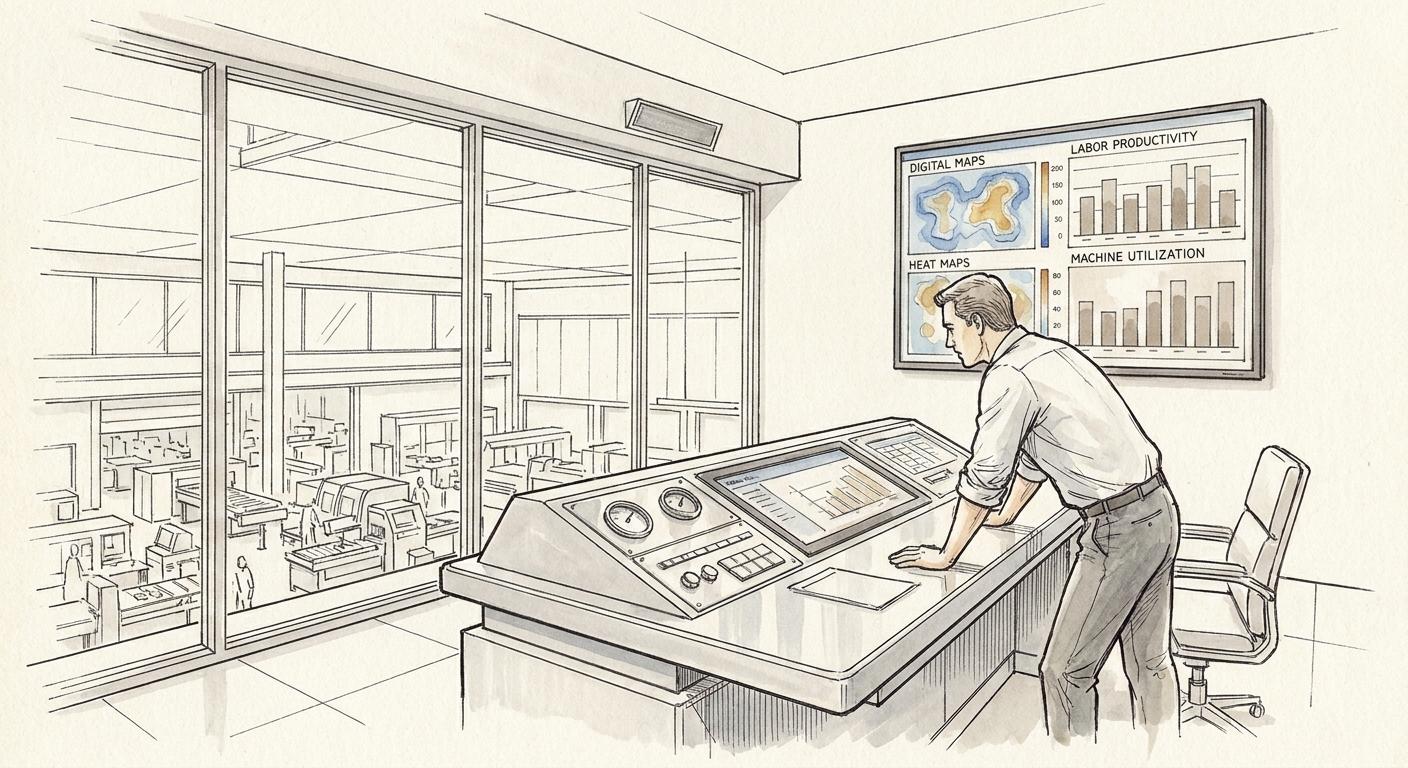
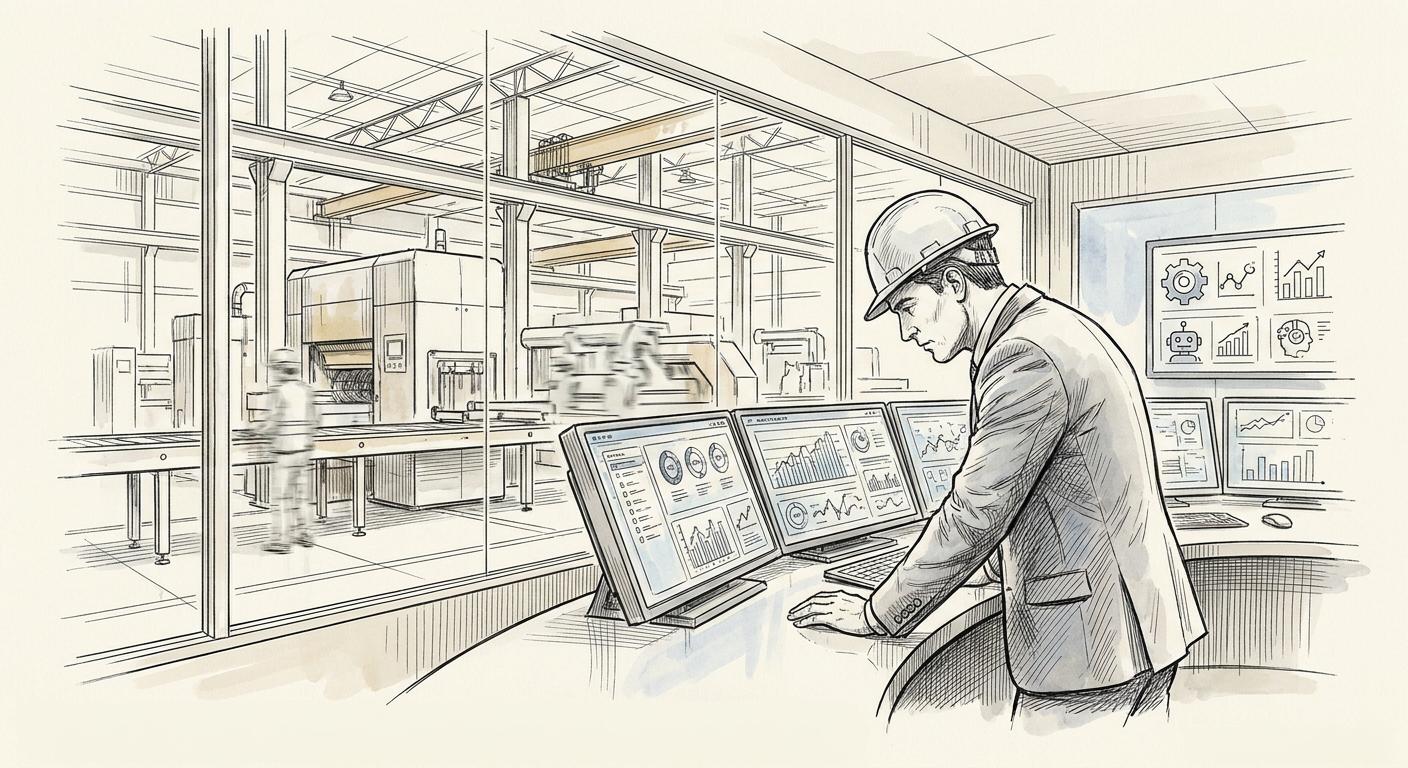
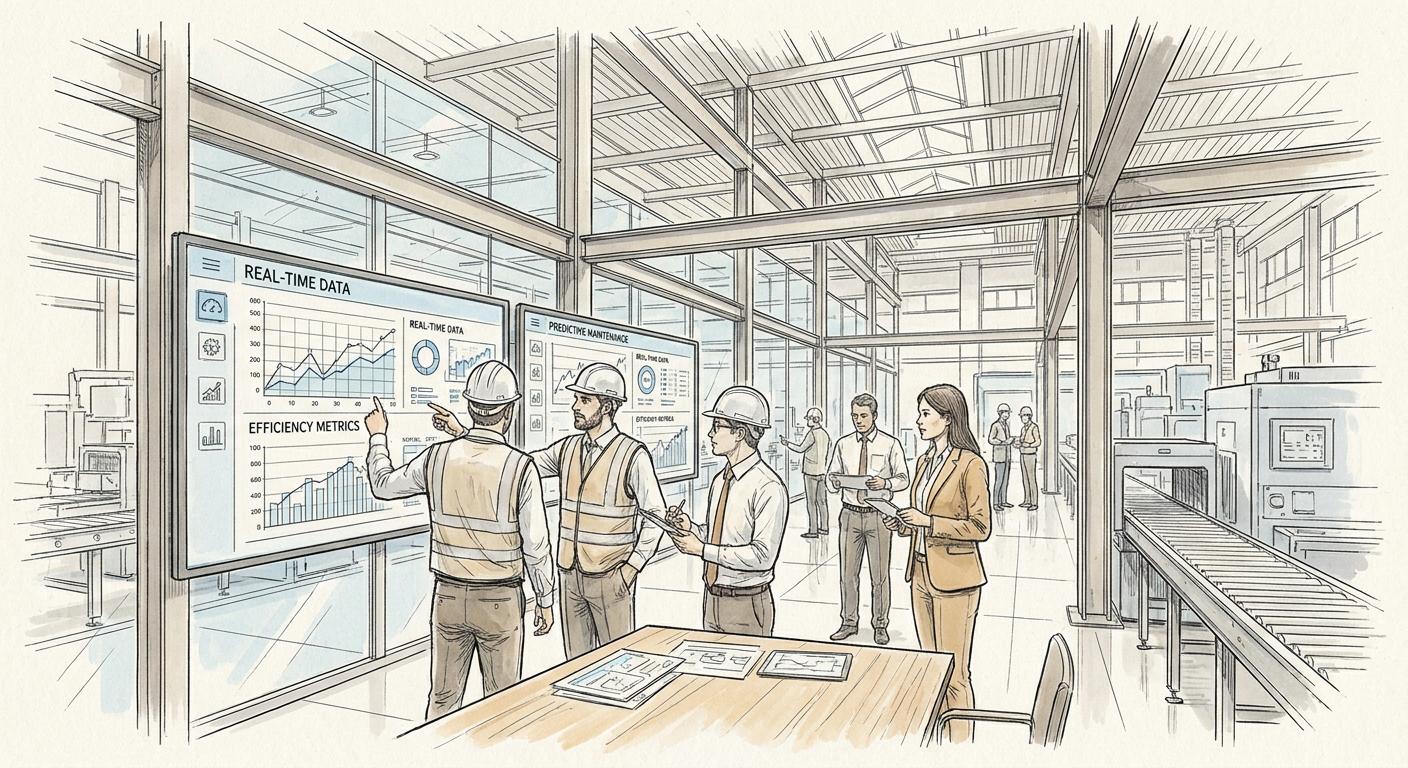
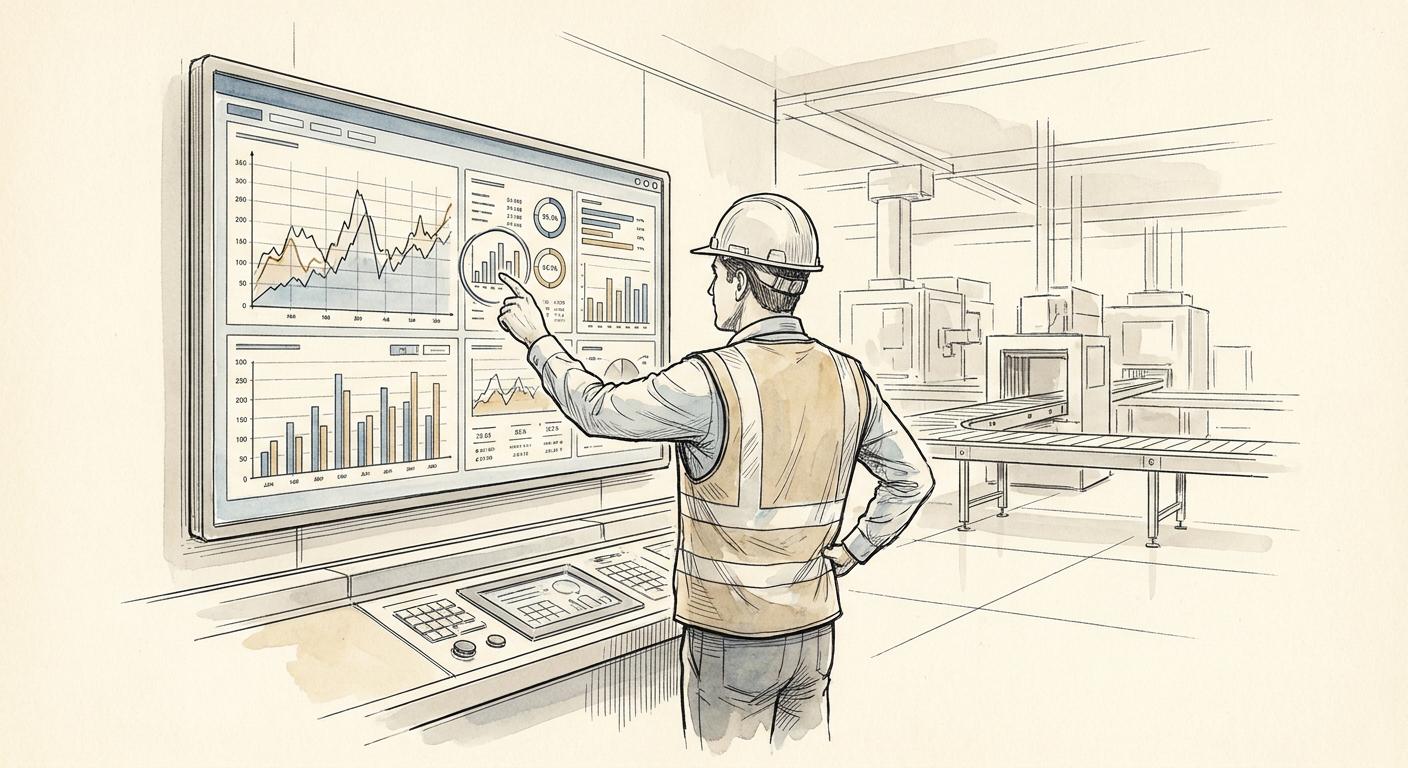
This lack of real-time production visibility results in margin erosion that stays hidden until it is too late to course-correct. When ERP data silos prevent the flow of information between procurement, production, and shipping, the result is a reactive culture. To drive manufacturing operational excellence, AI must be embedded into the ERP to act as an early-warning system, flagging variances in labor, material costs, and machine health before they impact the bottom line.
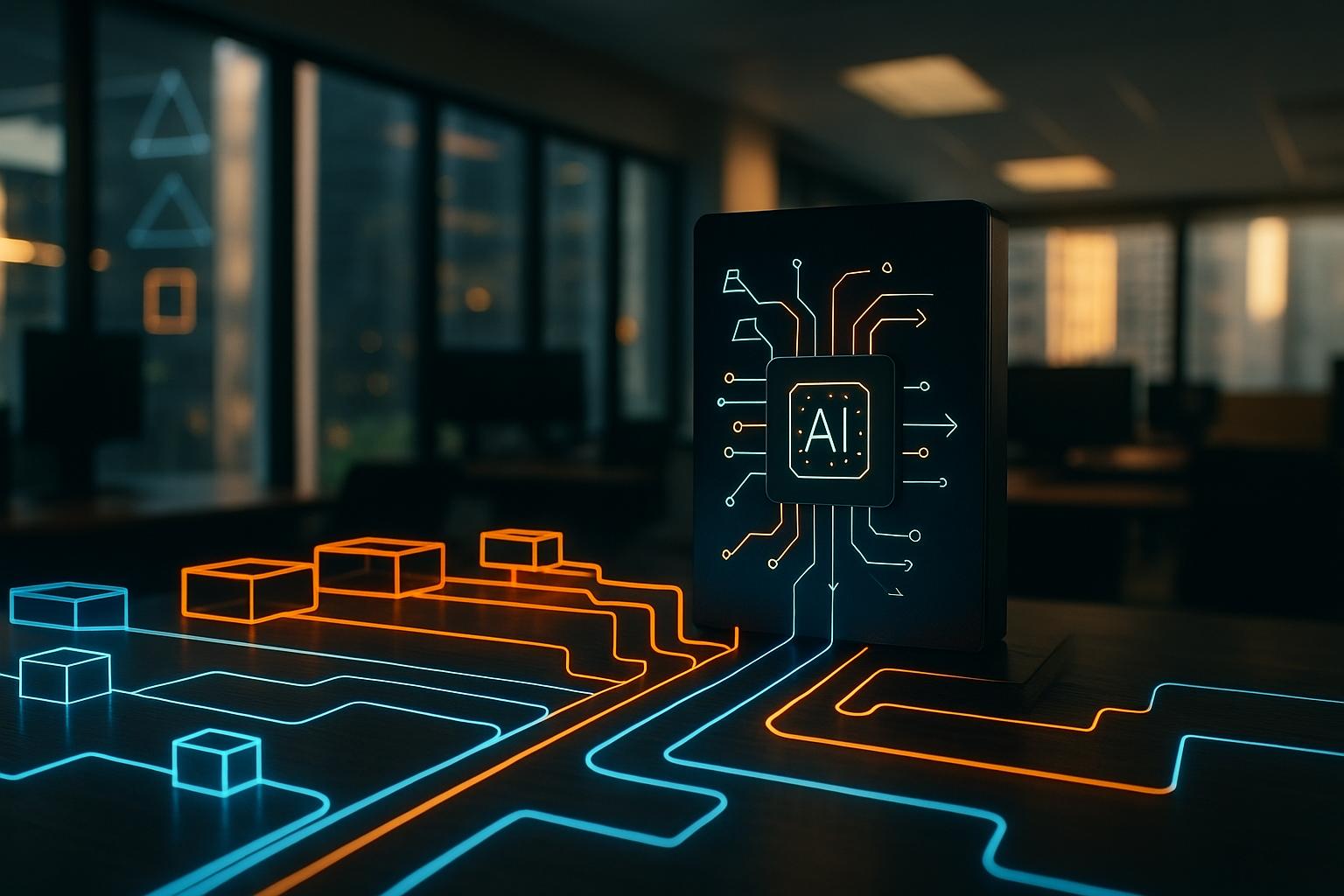
Embedded AI in manufacturing refers to the integration of machine learning models directly into existing operational workflows, such as an ERP or MES, to provide real-time, actionable insights. Unlike traditional business intelligence that offers static retrospective reports, embedded AI identifies patterns and predicts outcomes to guide immediate decision-making.
1. Predictive Maintenance & Downtime Scheduling
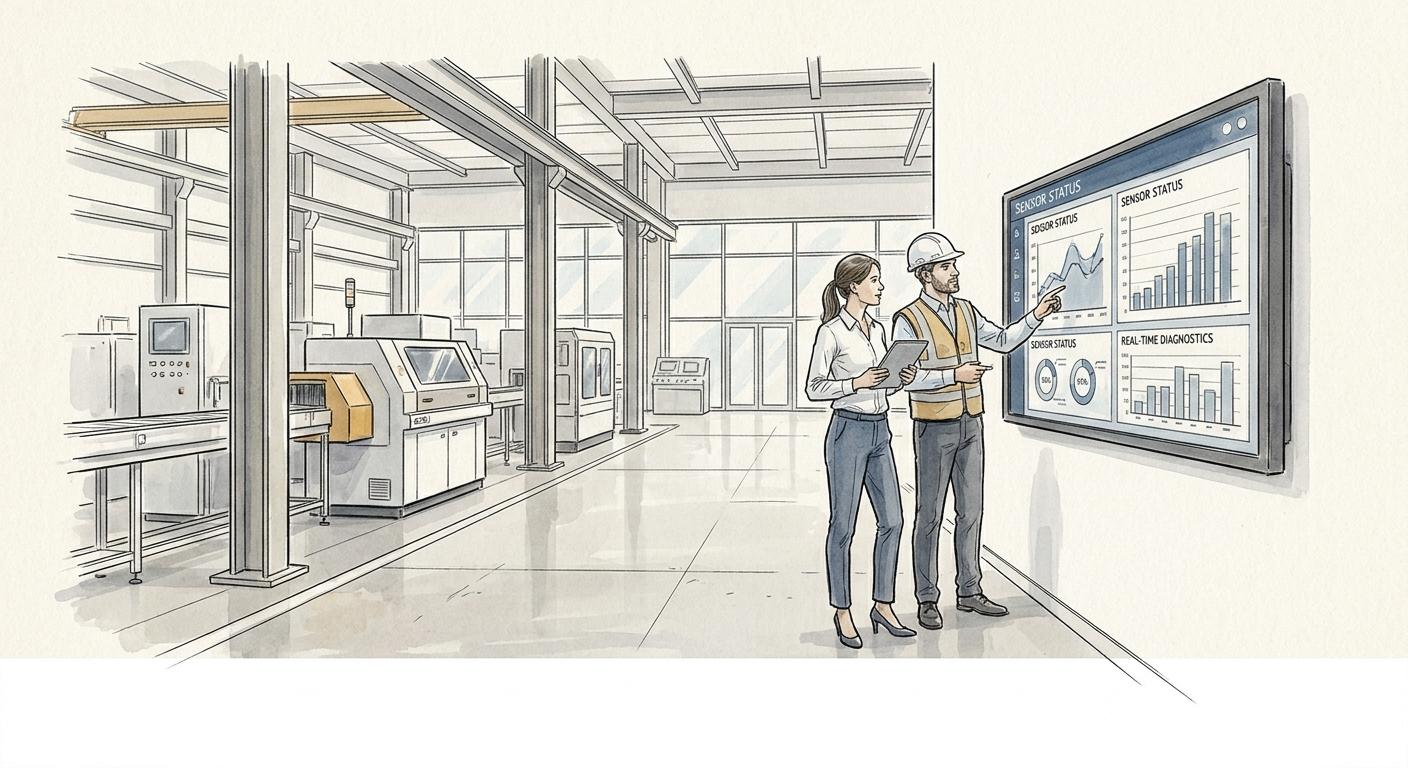
Unplanned downtime is the primary enemy of OTIF targets. Traditional ERP maintenance modules are usually based on static calendars or manual triggers. By integrating machine-level IoT data with your ERP production schedules, AI can predict mid-run failures before they occur.
This integration allows the system to automatically reschedule low-priority jobs around necessary maintenance windows. Instead of a catastrophic failure halting a high-margin run, the AI identifies a 15-minute window between shifts to address a bearing temperature spike, preserving the schedule and the equipment.
2. Real-Time Inventory Optimization & Lead Time Prediction
Static safety stocks are a liability in a volatile market. AI for manufacturing ERP optimization replaces "gut-feel" ordering with dynamic reordering logic. By analyzing global supply chain signals - such as port congestion, weather patterns, and geopolitical shifts - AI adjusts lead time assumptions in real-time.
For a CFO, this means reduced carrying costs and improved working capital. You no longer need to over-index on raw materials "just in case." The AI balances the risk of a stockout against the cost of capital, ensuring inventory levels reflect actual market conditions rather than historical averages.
3. Automated Quality Inspections (Vision AI + ERP)
Manual quality checks are prone to human error and often result in delayed scrap reporting. When Vision AI is integrated with the ERP, every defect is logged instantly against the specific job and work order.
This closes the loop on estimate-vs-actual cost accuracy. If a specific production line is generating 4% more scrap than estimated, the ERP reflects this cost variance in real-time. Leadership can intervene during the shift to recalibrate machinery, rather than wondering why the job’s margin vanished during the post-mortem.
4. Intelligent Demand Forecasting for Procurement
Demand forecasting accuracy is the foundation of cash flow stability. Standard ERP forecasting often relies on simple moving averages of past sales. AI models, however, can ingest external variables - such as interest rates, housing starts, or even competitor pricing - to create high-probability forecasts.
When procurement is aligned with these forecasts, the "bullwhip effect" is minimized. CFOs can authorize raw material purchases with higher confidence, knowing the buy is backed by a multidimensional analysis of market demand rather than a linear projection of last year's performance.
5. Dynamic Shop Floor Scheduling
In a high-mix, low-volume environment, the production sequence is constantly under threat from rush orders or machine outages. Embedded AI for manufacturing COOs provides a "solver" capability that re-optimizes the entire shop floor schedule in seconds.
If a Tier-1 customer places an emergency order, the AI calculates the most efficient way to slot that job in while minimizing the impact on existing OTIF commitments. It accounts for tool changes, labor availability, and material constraints, delivering a feasible schedule that a human scheduler might take hours to build.
6. Estimate-vs-Actual Cost Variance Analysis
Wait-and-see accounting is a relic of the pre-AI era. AI agents can now monitor labor and material inputs against the bill of materials (BOM) in real-time. When a variance exceeding a specific threshold is detected - such as a job taking 20% longer than the standard labor hours - the system triggers an immediate alert.
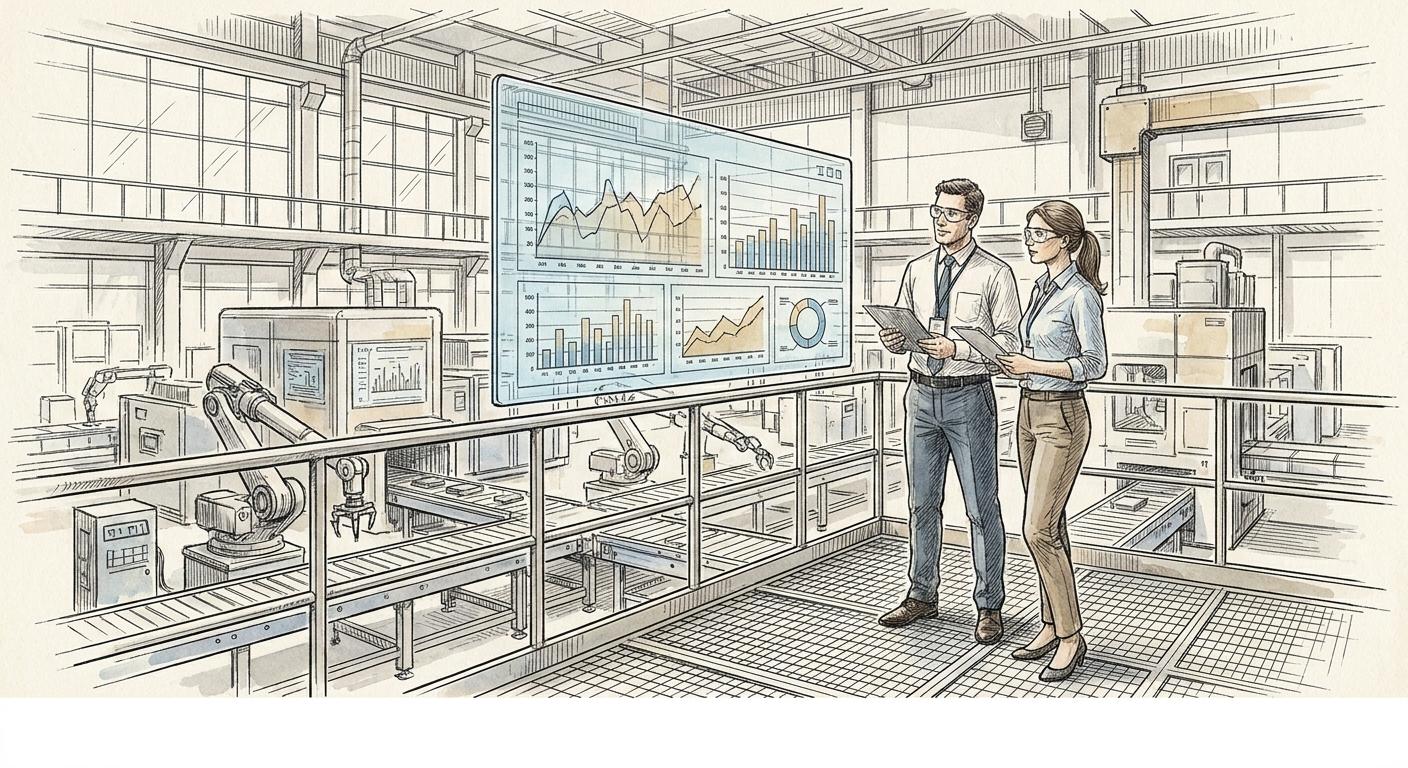
This level of real-time production visibility allows plant managers to address inefficiencies on Tuesday that would otherwise have remained hidden until the following month’s financial review. It turns the ERP from a "system of record" into a "system of intervention."
7. AI-Enhanced Supplier Performance Risk Scoring
Your internal efficiency is only as good as your weakest supplier. By integrating external risk data with ERP vendor portals, AI can generate dynamic risk scores for every supplier in your network.
If a tier-2 supplier in a specific region is facing labor strikes or logistical delays, the AI flags the potential impact on your production schedule weeks in advance. This allows procurement teams to source alternatives before the shortage hits your warehouse, protecting your commitments to your own customers.
8. Natural Language Querying for Executive Dashboards
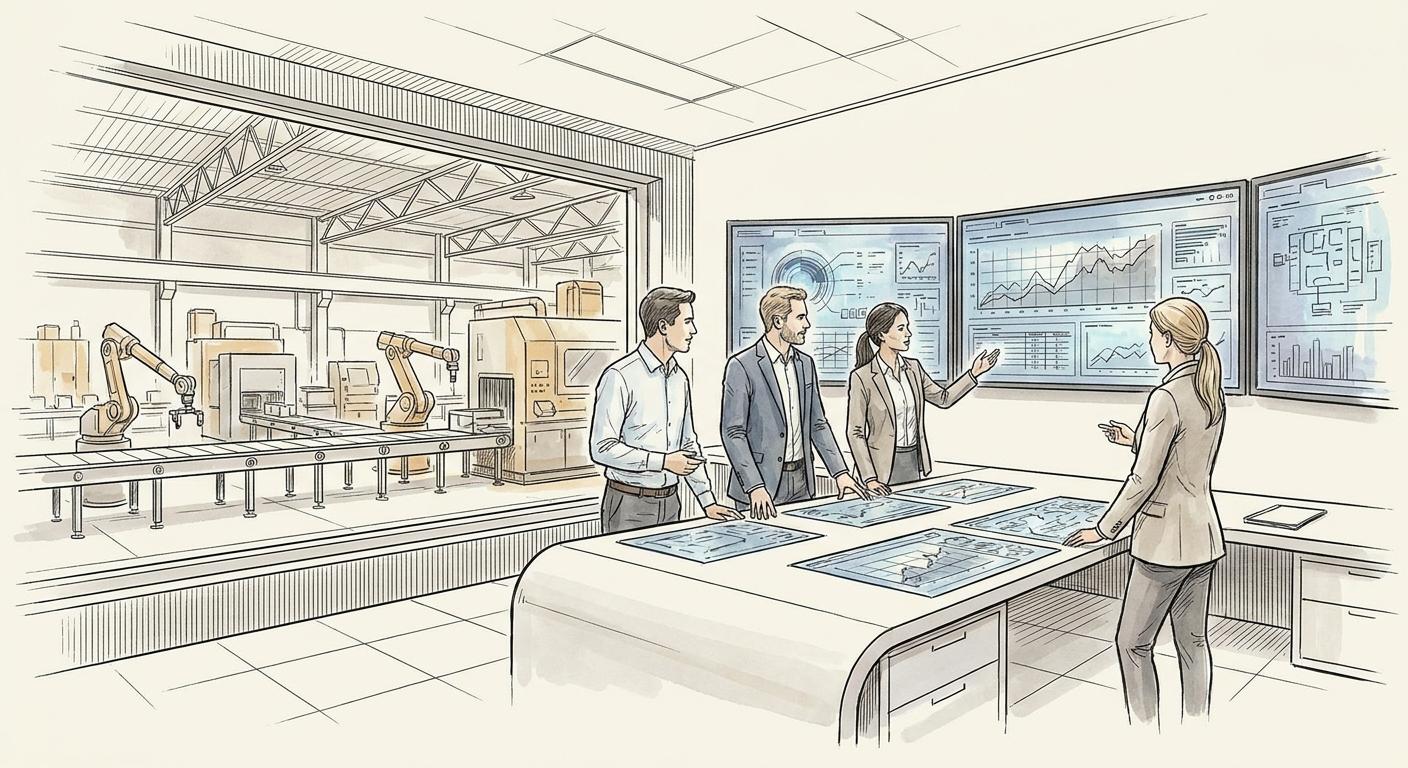
The most significant barrier to AI adoption is often the complexity of the interface. Natural Language Querying (NLQ) allows COOs to bypass complex BI tools and ask questions in plain English: "Which production lines are trending below 85% OEE this week?" or "Why is the Ohio plant behind on the Thompson account?"
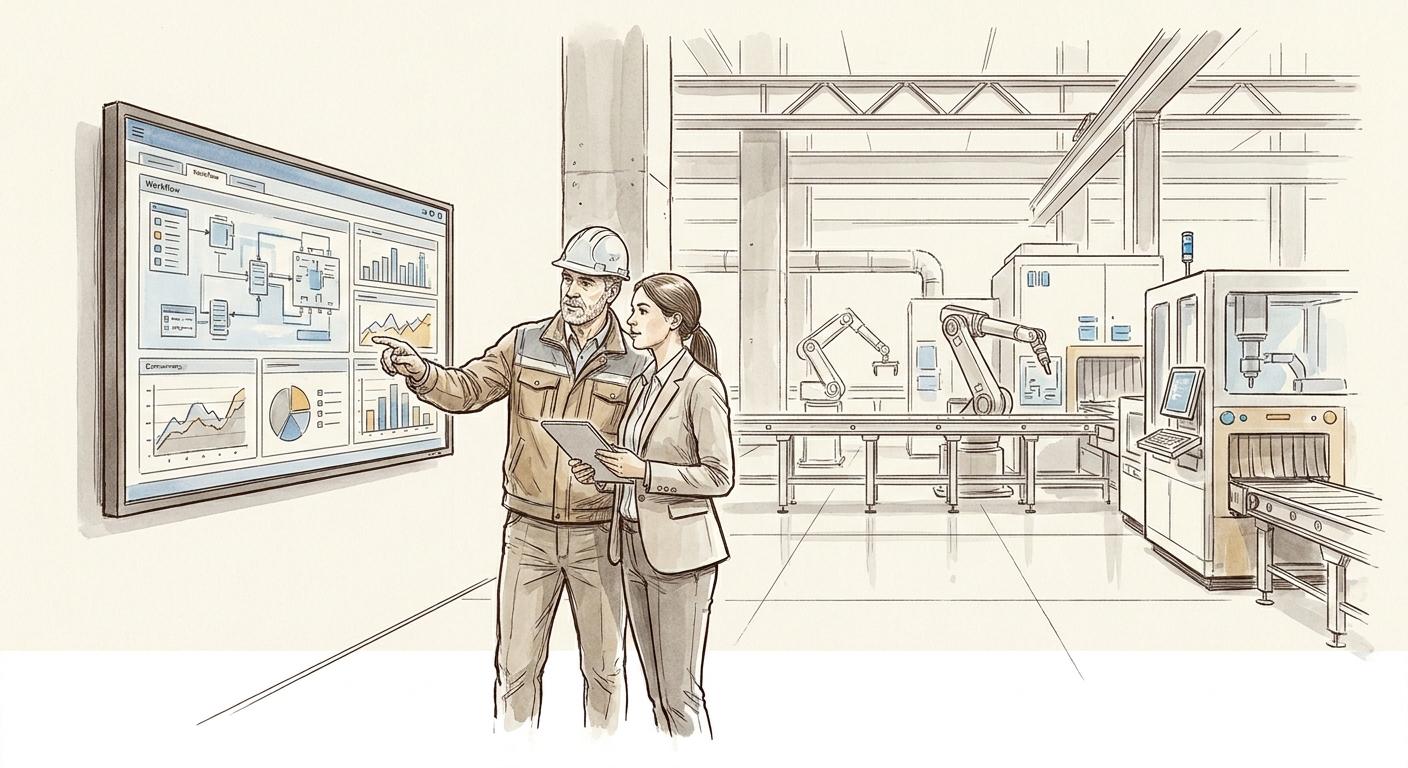
This democratizes data, allowing executives to get answers in seconds. At iForAI, we have seen this reduce manual report generation time significantly, allowing leadership to focus on high-value strategic decisions rather than data mining.
From Pilot Purgatory to Production: The 60-90 Day Execution Roadmap
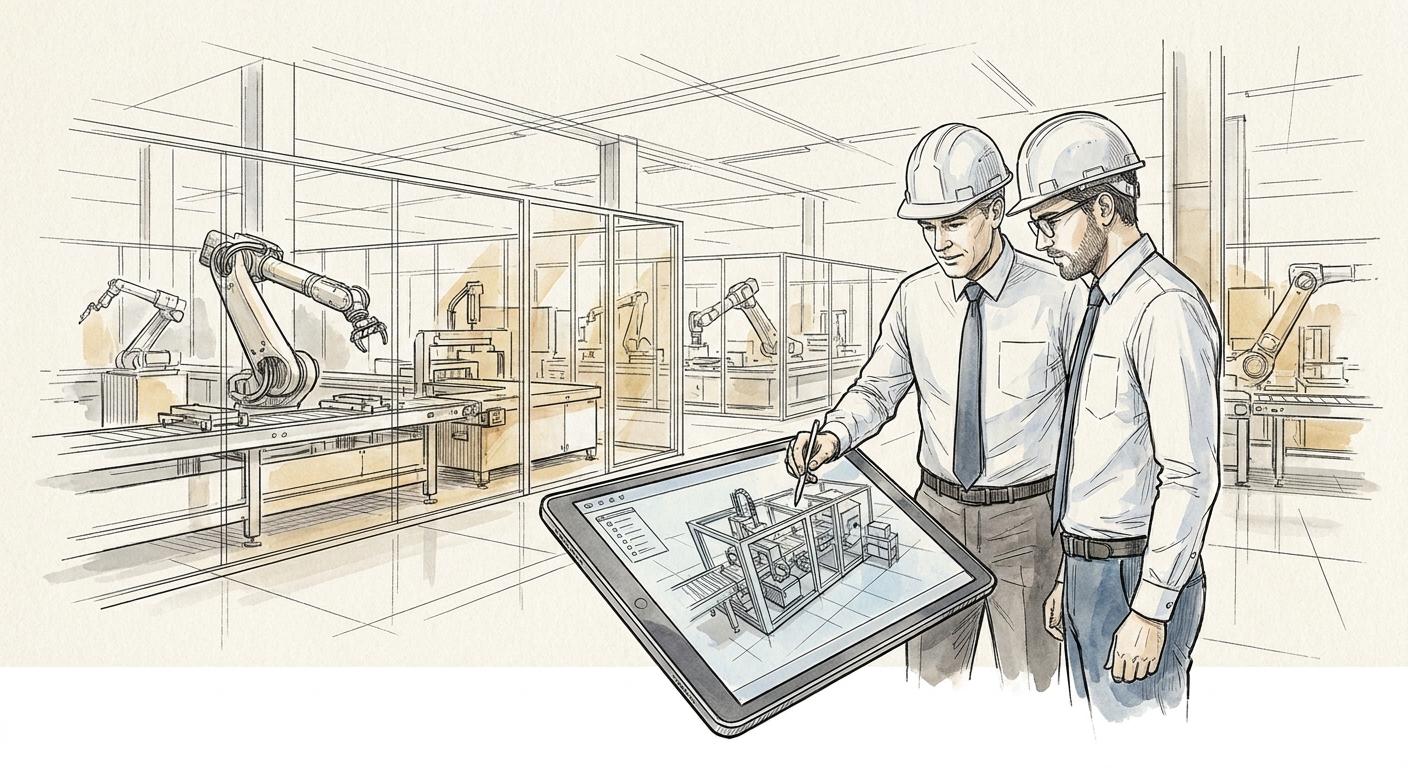
Many manufacturers struggle with "pilot purgatory," where AI projects never move beyond a small test case. Achieving value creation requires a repeatable playbook that combines strategy, execution, and upskilling.
The transition to an AI-enabled ERP should not be a multi-year overhaul. By focusing on a single, high-impact use case - such as solving estimate-vs-actual gaps - manufacturers can see initial measurable results in 60 to 90 days. The goal is to build an operating wedge that increases margins incrementally while upskilling the workforce to ensure long-term adoption. We’ve delivered over 150 projects by focusing on this rapid time-to-value, ensuring that the technology serves the operator, not the other way around.
FAQ
Do I need to replace my existing ERP to implement AI?
No, you do not need a "rip and replace" strategy. Embedded AI acts as an intelligence layer that integrates with existing systems like SAP, Oracle, or Microsoft Dynamics via APIs and secure data connectors.
How long does it take to see an ROI on ERP AI integration?
With a focused use case, such as inventory optimization or predictive maintenance, initial measurable results can be achieved in 8-12 weeks. The key is to target a specific source of margin leakage rather than attempting a total system overhaul.
How does AI help in solving estimate-vs-actual gaps?
AI provides real-time tracking of labor, scrap, and material usage against the original job quote. By flagging variances as they happen on the shop floor, it allows for immediate corrective action rather than waiting for post-job financial analysis.
Can AI improve manufacturing operational excellence in smaller plants?
Yes, AI is highly scalable. Even in smaller operations, AI-driven scheduling and demand forecasting can significantly reduce waste and improve OTIF rates, often providing a faster relative ROI due to lower initial complexity.
Effective AI integration turns your ERP from a passive database into a proactive tool for protecting margins and ensuring delivery. By focusing on real-time visibility and predictive accuracy, COOs can finally eliminate the "delayed execution truth" that hampers growth.
Book a Manufacturing Diagnostic at ifor.ai/solutions/manufacturing